
Reviewed · OLD DELHI TOURS
Delhi: Old Delhi & Spice Market Tour
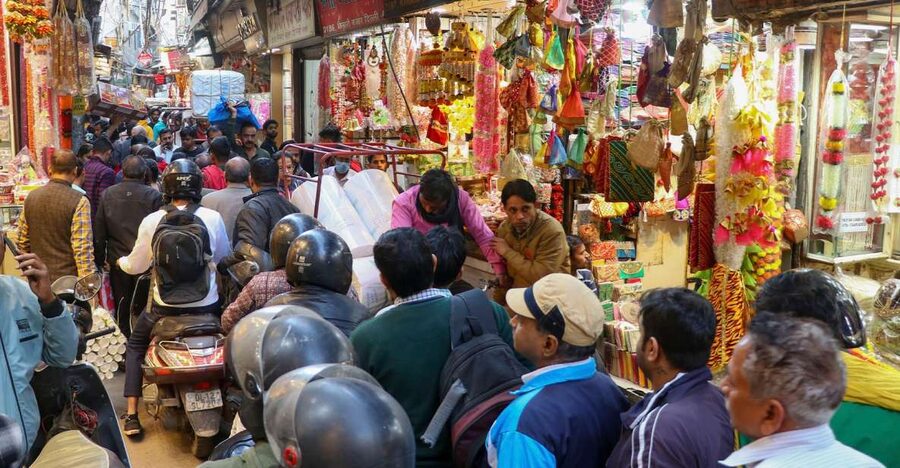
Old Delhi is sensory overload, guided. What makes this tour special is the way it turns the Walled City chaos into something you can actually follow, with a guided run through Khari Baoli plus historic faith sites like Fatehpuri Masjid and nearby temples. The big drawback to plan around: this is not suitable for people with mobility impairments because you’ll be on foot in busy, tight lanes for much of the time.
I also like that you don’t just stand and look. You get a proper rickshaw/pedicab ride to see the market rhythm from street level, then you hop between stops with a local English-speaking guide who can help you make sense of what you’re seeing. In the past, guides like Sam, Naresh, Neresh, and Hema have led groups, and one booking even included a new trainee to learn the route.
For $17 per person, it’s a strong value if you’re a first-timer or you just want someone else to handle the direction. You’re also covered for the metro ticket and the rickshaw ride, but you’ll need to plan for modest clothing at the temple and you should expect the tour time to run around the stated window, sometimes a bit longer.
In This Review
- Key things I’d prioritize on this tour
- Old Delhi at 6 p.m.: why this tour feels more manageable
- Starting near Rajiv Chowk and a quick metro hop
- Chawri Bazar: the quick photo stop that sets the mood
- Rickshaw/pedicab ride: seeing the hustle without getting swept away
- Fatehpuri Masjid: a quick guided look at a living landmark
- Khari Baoli: the biggest spice market, explained in human terms
- Jain temple + Kinari Bazar: where the route starts to feel like a scavenger hunt
- Gurudwara Sis Ganj: temples, modest dress, and a community kitchen moment
- Timing and pacing: expect about 3.5 hours, sometimes closer to 4
- Price and value: what $17 actually buys you
- What to bring (and what to avoid) for a smooth experience
- Who should book this Old Delhi spice and temple tour
- Final verdict: should you book it?
- FAQ
- How long is the Delhi Old Delhi & Spice Market Tour?
- Where does the tour start and end?
- Is the tour guided in English?
- What’s included in the price?
- Is there an entrance fee for monuments?
- Do I need to dress modestly?
- Is the tour suitable for people with mobility impairments?
- Can I bring luggage or large bags?
Key things I’d prioritize on this tour
- Khari Baoli spice market: Asia’s largest wholesale spice market, guided so you know what you’re looking at
- Rickshaw perspective: an easy way to see the market push without fighting the crowd all the time
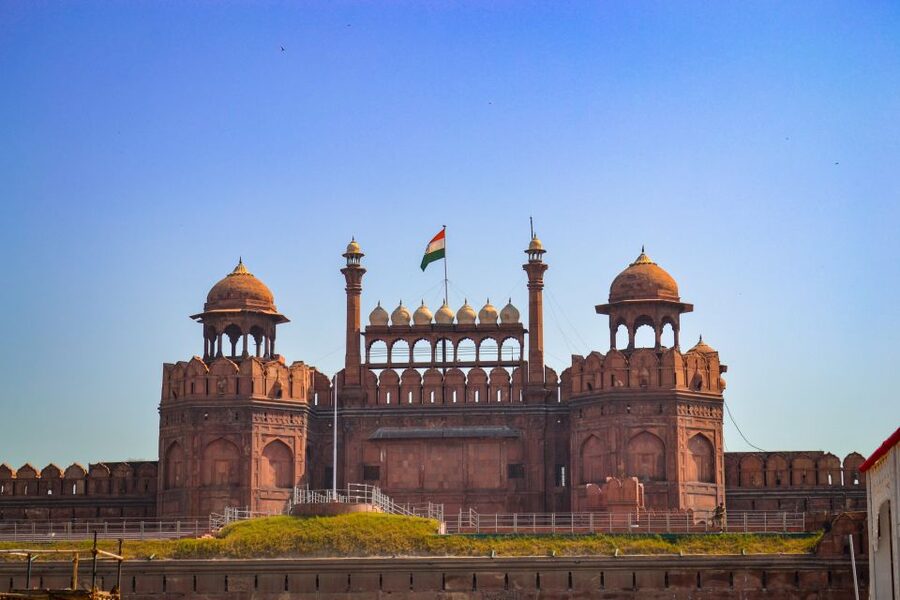
- Old Delhi historic core: mosques and temples in the same walking circuit, plus the Red Fort from the outside
- Lesser-known corners: you’ll also cover spots like paan mandi and the flower market
- A real community side: the Sikh temple stop can include a kitchen moment for some groups
Old Delhi at 6 p.m.: why this tour feels more manageable
Old Delhi can be loud, crowded, and confusing in the best way. The challenge is figuring out where you are and what you’re seeing while everyone around you is moving. This tour’s structure helps you do that by mixing short walking segments with quick rides, so you’re not stuck trying to “navigate” while you’re still taking everything in.
The timing also matters. Because it’s an evening trip, the streets and markets feel active without being as punishing as peak midday heat (still bring sunscreen and plan for sun exposure). The result is a route that feels like you’re learning the city, not just passing through it.
Starting near Rajiv Chowk and a quick metro hop
Most days, the meeting point is around Rajiv Chowk (it can vary depending on the option you book). From there, you take a short metro ride—about 10 minutes—which helps you avoid wasting time and lets you get oriented faster than if you tried to tackle the Walled City on your own.
This matters for value. Including the metro ticket means you don’t have to do extra planning or hunt for the right line right before your tour starts. You also end back near Rajiv Chowk after another short metro segment, so you’re not stranded far from your next plan.
Chawri Bazar: the quick photo stop that sets the mood
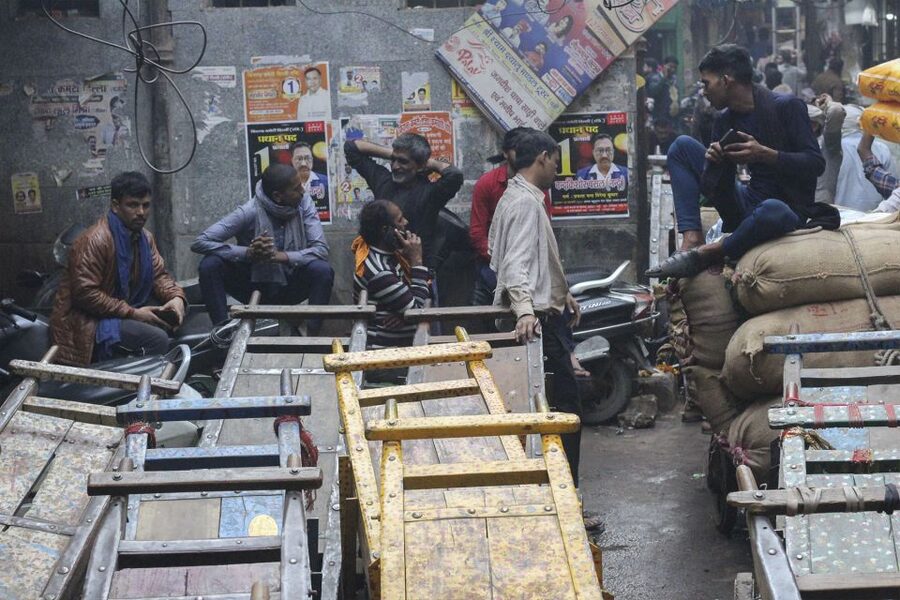
Your first meaningful stop is Chawri Bazar, with a short photo stop and then a guided walking segment (around 10 minutes). This is a smart early move. Chawri Bazar is the kind of place where you can easily get overwhelmed if you start with the biggest market first.
Instead, you get a controlled intro: you see the look and feel of the lanes, learn a little context from your guide, and start to pick up on how movement works—who’s coming, who’s heading out, and how traders and shoppers share space. It’s not a long stop, but it’s the one that helps you stop feeling lost.
Rickshaw/pedicab ride: seeing the hustle without getting swept away
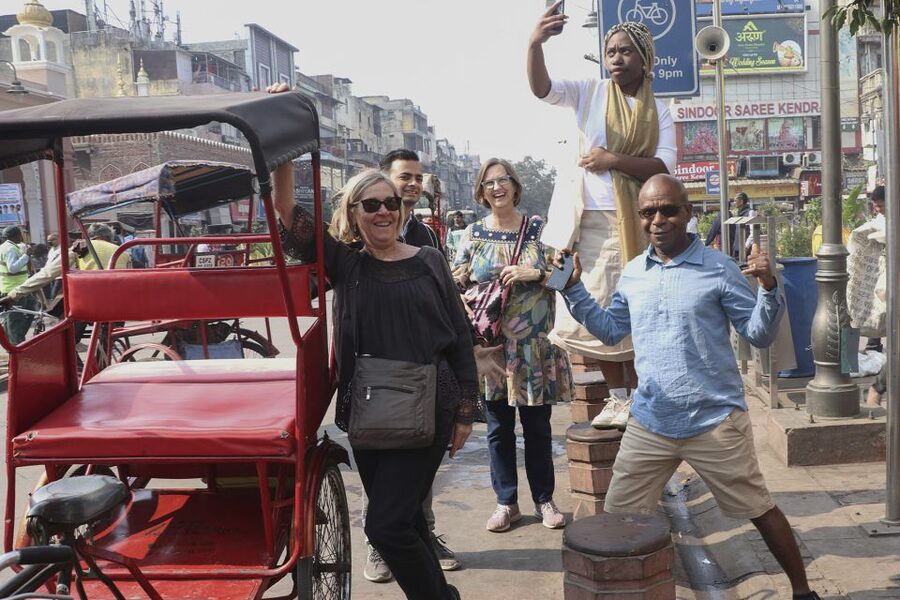
Then comes a short rickshaw or pedicab ride (about 10 minutes) toward Fatehpuri Masjid. This part is more than transport. It’s your chance to take in Old Delhi at speed while still feeling safe and guided.
I like this because it’s the compromise between two extremes:
- walking every meter (slow, tiring, and easy to get tangled in foot traffic)
- trying to move through alone (fast, but stressful)
The ride also gives a clearer view of the market texture—signs, crowds, and doorways—so when you start walking again, the place makes more sense.
Fatehpuri Masjid: a quick guided look at a living landmark
At Fatehpuri Masjid, you get a guided visit (around 5 minutes) and a short walk. It’s brief, but it’s a useful anchor point. A mosque in the middle of the market circuit tells you something important about how Old Delhi functions: religion and daily commerce overlap.
The key benefit here is orientation. Your guide helps you connect what you’re looking at to the wider historic core—so you’re not just seeing impressive buildings, you’re learning why they’re where they are.
Khari Baoli: the biggest spice market, explained in human terms
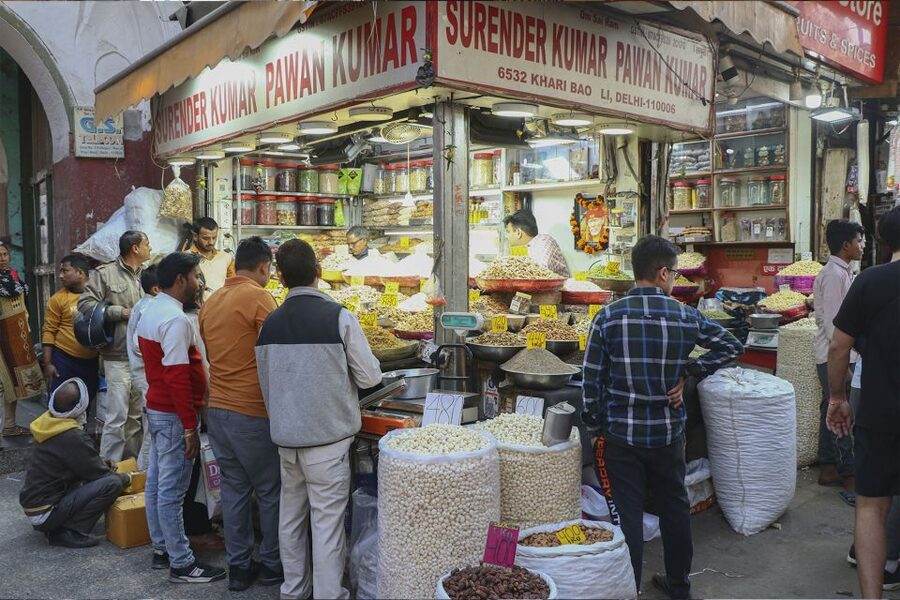
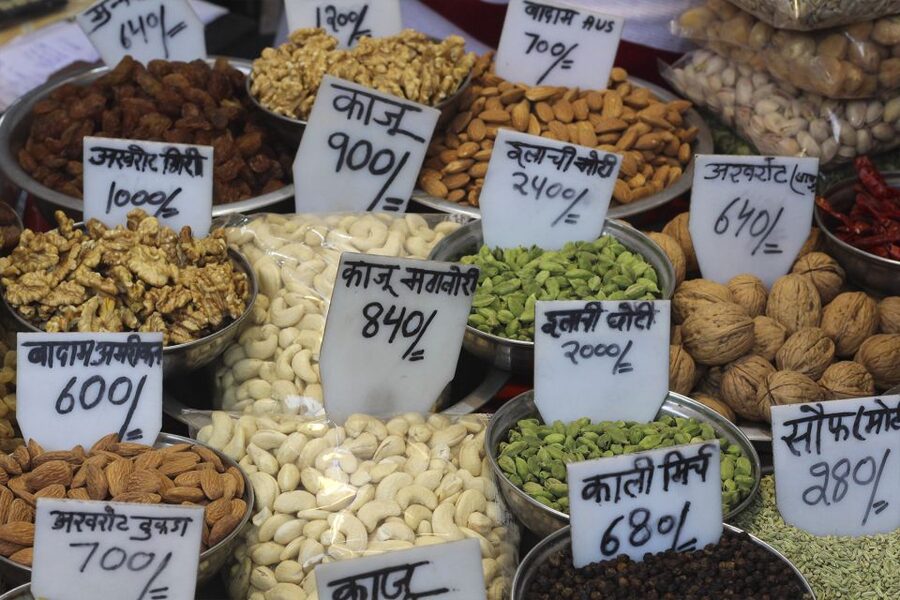
Khari Baoli is the star. You spend about 15 minutes with a guided walkthrough of the Asia’s largest wholesale spice market. If you’ve ever seen spice stalls at random street corners, this is the scale-up version. Tons of goods, intense colors, and strong smells all at once.
A guided route matters here because spice markets can look like chaos until someone explains the logic. You’ll come away with a clearer sense of how spices are used, what types you’re seeing, and why this market is the kind of place traders target when they need bulk supplies.
What I’d watch for:
- you’ll likely pass through busy areas while shoppers and workers keep moving
- it’s worth keeping your camera ready, but not so ready that you bump into people
Jain temple + Kinari Bazar: where the route starts to feel like a scavenger hunt
After Khari Baoli, the tour moves toward Shri Digambar Jain Atishay Kshetra Lal Mandir, where you visit with guided context for about 15 minutes. Then you head into Kinari Bazar for another guided walking segment.
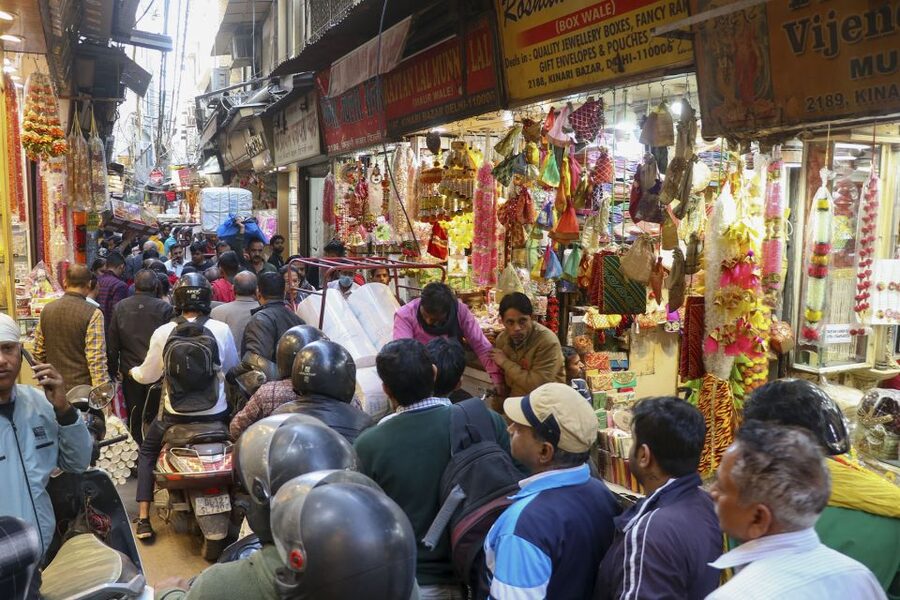
This part of the tour is where it starts to feel like you’re collecting Old Delhi details instead of just ticking off famous stops. The Jain temple adds contrast to the mosque you saw earlier, and the bazaar lanes around Kinari Bazar bring you into markets that feel more specialized and less touristy.
This is also where you pick up on the tour’s lesser-known highlights: the route includes paan mandi and the flower market. Even if you’re not trying to buy anything, these stops help you understand Old Delhi’s everyday economy and the sensory culture—color, packaging, and the sheer variety of what’s being sold.
Gurudwara Sis Ganj: temples, modest dress, and a community kitchen moment
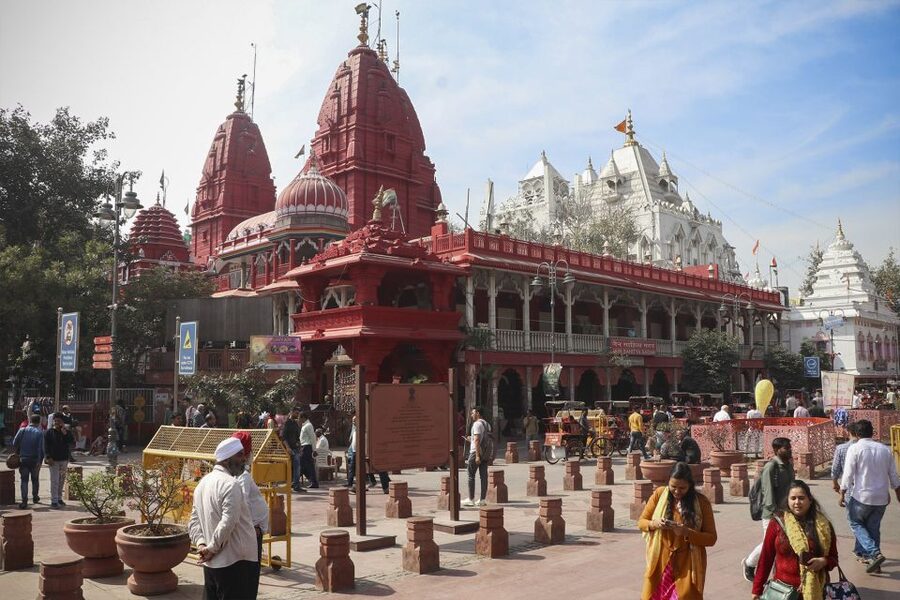
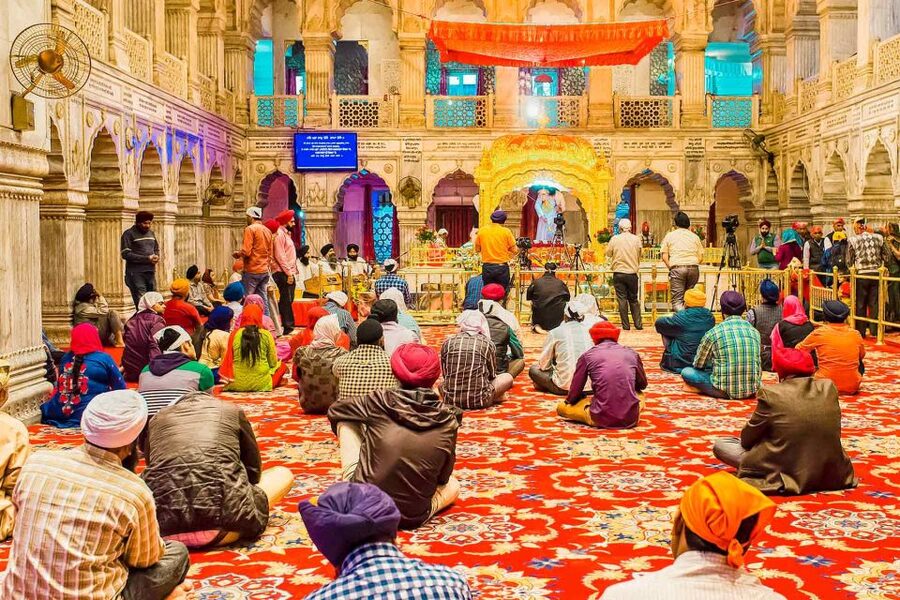
The tour culminates at Gurudwara Sis Ganj, with a guided visit of about 20 minutes. This is also the part where your clothing rules matter. Because you visit a temple, you’ll want your shoulders and chest covered, clothing below the knee, and nothing too tight or revealing.
This stop is valuable for a different reason than the spice market: it shows how faith creates a community space inside the city’s nonstop trading world. In at least one past booking, the group got to help with chapatti in the Sikh kitchen for people in need, and another booking included the chance to have dinner there. You shouldn’t assume this is guaranteed, but it’s a real possibility with some tour groups.
Even if you don’t end up in the kitchen, you’ll still come away with a clearer picture of how the temple serves people beyond just worship.
Timing and pacing: expect about 3.5 hours, sometimes closer to 4

The stated duration is 3.5 hours, and the route is designed with short stops and quick moves. Still, one booking ran closer to 4 hours, which can happen when crowds shift or when the guide gives more time to a particular corner.
Plan for:
- comfortable shoes (you’ll be walking much of the time)
- a relaxed attitude toward speed (Old Delhi doesn’t move on your schedule)
- a little flexibility in your evening plans afterward
Price and value: what $17 actually buys you
At $17 per person, this tour is good value if you factor in what’s included. You’re getting:
- a local English-speaking guide
- a metro ticket
- a rickshaw ride
- guided visits and walking segments across the historic core
What’s not included: entrance to monuments, plus hotel pickup/drop-off. Also, the Red Fort is part of the wider context, but you view it from the outside rather than entering.
So the math works best if:
- you want guidance through busy areas
- you don’t want to figure out transit and routing alone
- you want the spice market experience without getting lost on the way
If you’re the kind of traveler who loves self-guided wandering with a guidebook, you might spend less independently. But for most first-timers, the included guide and transport combo is the cost-efficient way to get the most out of a short evening.
What to bring (and what to avoid) for a smooth experience
The tour request is simple. Bring:
- comfortable shoes
- sunscreen
Avoid:
- luggage or large bags (you’re not allowed to bring them)
That restriction is more than a rule. It helps keep you moving through narrow market lanes and inside temple spaces where crowd flow matters. If you’re traveling with a daypack, you’ll be much happier keeping it light and manageable.
Who should book this Old Delhi spice and temple tour
This is a strong fit if you:
- want a guided route through Old Delhi’s historic core without stress
- enjoy markets and want help understanding what you’re seeing at Khari Baoli
- care about seeing mosques and temples in the same day plan
- want to feel more confident exploring as a solo traveler (one solo woman booking highlighted feeling warm and welcomed with a guide like Sam)
It’s not a good fit if you have mobility limitations, because the tour is built around walking in crowded areas and short transport hops.
Final verdict: should you book it?
I’d book this tour if your goal is to see the real mechanics of Old Delhi in just a few hours. The mix of Khari Baoli, temple stops like Fatehpuri Masjid and Gurudwara Sis Ganj, plus the market corners like paan mandi and the flower market is a smart way to get variety without needing a full day.
If your main goal is quiet sightseeing with lots of personal space, this won’t feel like that. Old Delhi is busy by nature. But with a solid guide (I’ve seen names like Neresh, Naresh, and Hema tied to excellent feedback) and rickshaw support, the chaos turns into understanding fast.
If you’re short on time and you want maximum payoff per hour, this is one of the better $17 bets in the area.
FAQ
How long is the Delhi Old Delhi & Spice Market Tour?
The tour lasts about 3.5 hours.
Where does the tour start and end?
You’ll meet at a starting point that can vary by option, with Rajiv Chowk listed as a common meeting and drop-off location.
Is the tour guided in English?
Yes. The tour includes a live guide who speaks English.
What’s included in the price?
Included are the local English-speaking guide, a metro ticket, and a rickshaw ride.
Is there an entrance fee for monuments?
Entrance to monuments is not included.
Do I need to dress modestly?
Yes. Since the tour visits a temple, you’re asked to cover your shoulders and chest, wear clothing below the knee, and avoid anything too tight or revealing.
Is the tour suitable for people with mobility impairments?
No. It is not suitable for people with mobility impairments.
Can I bring luggage or large bags?
No. Luggage or large bags are not allowed.
Old Delhi Tours, compared.
 ★ 5.0The Great Indian Food Tour: Old Delhi Food and Heritage WalkFrom $431,698 reviews
 ★ 5.0Old Delhi Food, Heritage&Cultural Walk with Rickshaw ride to Masterji Kee HaveliFrom $52742 reviews
 ★ 5.0Old Delhi Bike TourFrom $30616 reviews
 ★ 5.0Old Delhi Street Food TourFrom $40497 reviews
 ★ 5.0Breakfast Walk in Old DelhiFrom $80449 reviews
 ★ 4.9Old Delhi Street Food Tour with Rickshaw RideFrom $43403 reviews
 ★ 4.9Old Delhi: Private Tour of Chandni Chowk, Tuk Tuk & FoodFrom $70345 reviews
 ★ 5.0New Delhi and Old Delhi Private Tour 4-8 Hours – CustomizableFrom $10342 reviews
Browse the lists this tour appears in