
Reviewed · OLD DELHI FOOD TOURS
Old Delhi Food, Heritage&Cultural Walk with Rickshaw ride to Masterji Kee Haveli
Old Delhi changes when you follow local feet. This small-group 4-hour walk with cycle/electric rickshaw rides blends street-food sampling, bazaar stories, and a visit to Masterji Kee Haveli for a home-cooked meal; I love the tight group size (up to 8) and the food-forward heritage approach.
There is real walking on uneven streets, even with ride breaks, so it helps to plan for a lower-pace day and to be okay with modest dress and possible footwear-off rules in homes.
In This Review
- Key things you’ll notice on this Old Delhi experience
- Why this Old Delhi food-and-heritage mix is worth your time
- Price and value: what $52.73 buys you in the real world
- Meeting points in Old Delhi: start where the action is, not where it’s easiest
- The Masterji Kee Haveli stop: what makes a private mansion meal different
- Old Delhi walking and bazaar time: you learn by moving slowly
- Khari Baoli spice market: your senses get the assignment
- Rickshaw ride breaks: yes, your feet will appreciate this
- Food plan: street snacks, breakfast, and lunch or dinner done thoughtfully
- Your guide matters more than you think
- What to wear and bring for Old Delhi (so the day stays pleasant)
- Who this tour is best for
- Should you book this Old Delhi food, heritage, and haveli walk?
- FAQ
- How long is the tour?
- What does the tour include for meals?
- Are drinks included?
- Is there an admission fee for the stops like Khari Baoli and the haveli?
- How big is the group?
- Where do I meet and where does it end?
- Is hotel pickup included?
- What should I wear in Old Delhi?
- Is tipping expected?
Key things you’ll notice on this Old Delhi experience
- Masterji Kee Haveli home meal at a private mansion still lived in by one family for generations
- Khari Baoli spice market in action, with a long wholesale-market story (dating back to the 17th century)
- Cycle/electric rickshaw ride breaks so you get to rest without losing the route
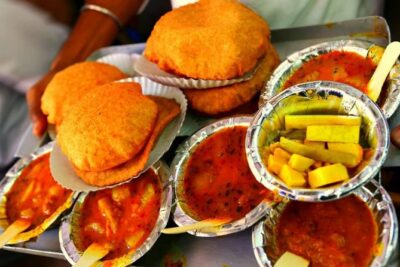
- Street-food tasting with bottled water plus snacks and coffee or tea (or fresh lemonade in summer)
- Old Delhi local guides who act as story tellers and photographers, with no-tipping requested
- Short, focused itinerary: about 4 hours, morning or afternoon, with breakfast and then lunch or dinner
Why this Old Delhi food-and-heritage mix is worth your time
This tour makes sense for two reasons. First, Old Delhi isn’t best seen from a bus window. You need footwork, side streets, and the kind of pauses where a shopkeeper explains what you’re looking at. Second, the day is built around food in a smart order, so you’re not just walking and guessing. You’re sampling, then learning why those flavors and ingredients matter.
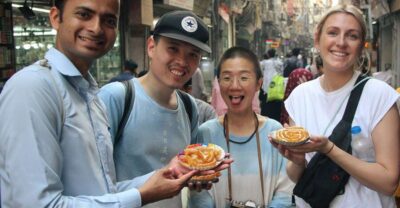
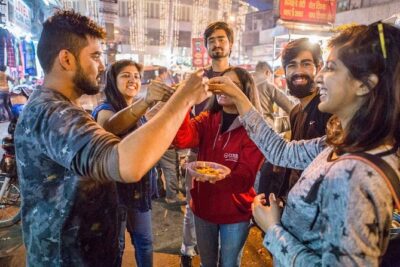
I also like that it keeps the group small. With a max of 8 people, you get a more personal rhythm, and questions don’t feel like you’re interrupting a lecture. That matters in Old Delhi, where a fast-moving crowd can otherwise make the whole experience feel hurried.
More hours to spend in Old Delhi



Price and value: what $52.73 buys you in the real world
At $52.73 per person for about 4 hours, the headline “price” can look low compared to typical guided food experiences in big cities. The better way to judge value here is what’s included.
You get bottled water, a mix of street-food tasting, and a meal structure that depends on timing: the tour includes breakfast plus either lunch (for morning tours) or dinner (for afternoon tours). You also get coffee and/or tea, plus lemonade in summer. Then there’s the practical cost that people forget about: transport within the route via cycle/electric rickshaw rides, and a visit to Masterji Kee Haveli.
So you’re paying for more than a walk. You’re paying for guidance, safety through crowded areas, and meals that reduce the “what do we eat now?” stress. If you’re the type who hates wasting time hunting for food between sights, this kind of structure is a win.
Meeting points in Old Delhi: start where the action is, not where it’s easiest
The tour meets at Ajmere Gate Rd, Bazar Sirkiwalan, Chawri Bazar, Old Delhi and ends at Hamdard Building, Asaf Ali Rd, Kalyanpura, Chandni Chowk. The key detail is that the end point is still in the Chandni Chowk area, so you can keep exploring afterward without needing another big commute.
You might want to plan your arrival with the Metro in mind. The local tip provided is to take the Yellow Line from the nearest station, and Uber can also work if you’re coordinating a drop near the meeting point. Hotel pickup is not included (it can be arranged for an extra cost if you pay directly), so budget time to get yourself to the start area.
One more practical note: there’s a no-tipping request. That’s unusual enough that it’s worth taking seriously. Plan to enjoy the experience and skip the bargaining for tips.
The Masterji Kee Haveli stop: what makes a private mansion meal different
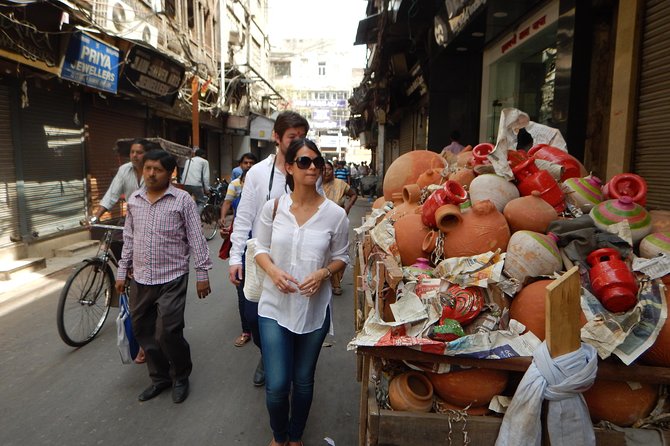
This is the moment that turns a food walk into a cultural day.
You visit Masterji Kee Haveli, described as an old private mansion in the old city where a single family has lived for generations. That’s a big difference from a museum meal or a restaurant setup designed for tourists. When a home is still a home, the experience tends to feel more grounded. You’re not only seeing history—you’re eating in a living space.
The tour also frames the haveli visit as a close look at life behind doors. You’re getting an intimate, “how people actually live” perspective rather than a performance. And the meal is described as traditional and complimentary, which helps the whole day feel less like you’re constantly adding costs and more like you’re being hosted.
What to watch for: house visits in India often come with rules, and this tour specifically notes that you may need to remove footwear. Hosts may ask for it in some areas of the home. It’s an easy rule to follow, but it helps to be ready so you’re not scrambling mid-moment.
Old Delhi walking and bazaar time: you learn by moving slowly
The walking portion is where you get the “living city” effect. You’ll explore Old Delhi streets and hidden lanes, with time in the bazaar for browsing and interacting with business owners. The idea isn’t shopping for shopping’s sake. It’s watching how trade works day-to-day—how shopfronts are organized, how people ask about needs, and how generations of business shape what’s sold.
This is also where having an Old Delhi local guide pays off. In the feedback tied to this experience, guides such as Varun, Vivian, Dhruv, Vuron, and Deet get praised for storytelling and navigation. That’s exactly what you want: someone who can point at details you’d otherwise overlook and explain the “why” behind the scene.
If you’re the type who likes to ask questions—about religion, neighborhoods, or everyday routines—this part is for you. The tour is designed around small-group discussion, not a long speech.
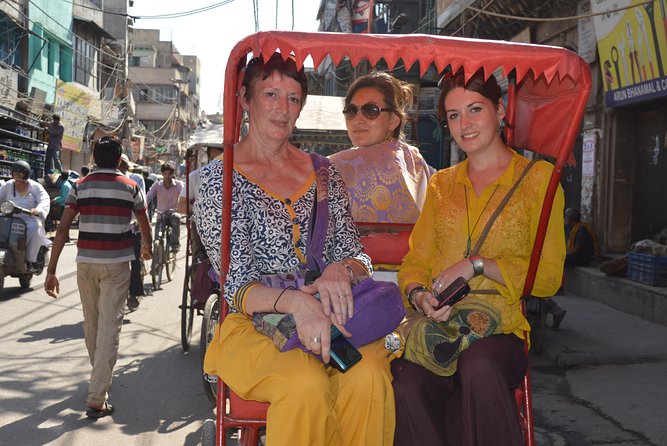
Possible drawback: Old Delhi streets are not calm. You’ll be walking in a dense, fast-moving environment. If you get stressed in crowds or have mobility limitations, you’ll want the ride breaks to matter and you’ll need to pace yourself.
Still hungry? More Old Delhi food crawls
Khari Baoli spice market: your senses get the assignment
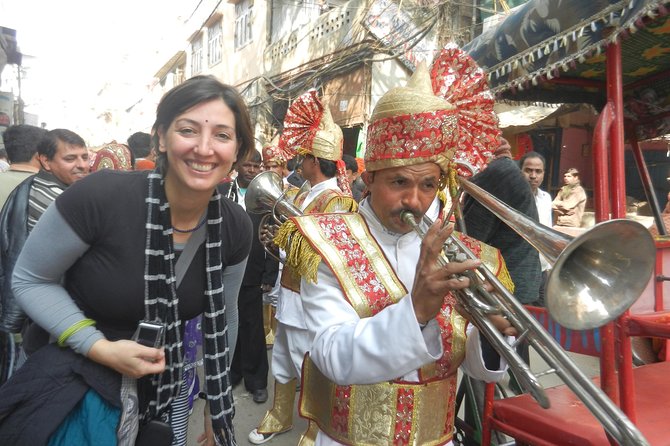
Next up is Khari Baoli, described as Asia’s largest wholesale spice market, operating since the 17th century. It’s at the western end of Old Delhi. Even if you’re not a spice person, this stop hits you in a very physical way: smell, color, and volume.
This is also an educational stop. Spices here aren’t treated as decorative souvenirs. They’re part of wholesale supply—nuts, herbs, rice and tea products, plus the systems behind how bulk ingredients move. When you’ve seen it in motion, you understand why Indian cooking tastes the way it does. It’s not just recipes; it’s sourcing.
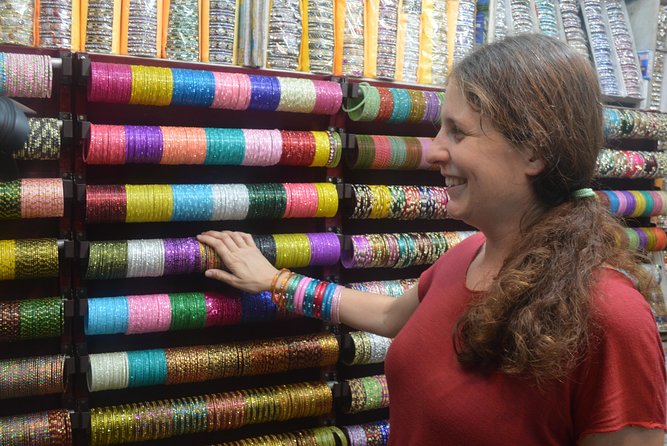
Practical shopping note: you’ll have opportunities to shop in the wider bazaar area, including places people associate with spice district shopping and jewelry. If you want to buy spices, it helps to think small and practical. Keep in mind what you can store safely and what you can carry through your trip. If you want jewelry, take your time and be ready to compare—Old Delhi is full of similar-looking items.
Rickshaw ride breaks: yes, your feet will appreciate this
This tour gives your legs relief in the middle of the day via cycle/electric rickshaw rides. That matters more than it sounds. Old Delhi walking can start to feel like one long loop—until you get a ride break that resets your energy.
The goal isn’t to avoid the city. It’s to keep you engaged without burning out. Some groups also mention additional tuk-tuk-style riding, but the core promise is rickshaw time for a controlled pace.
Little pro tip: treat the rickshaw segments as a chance to look up and re-orient. You’ll get a better sense of how the streets connect, which makes the next stretch of walking feel more logical.
Food plan: street snacks, breakfast, and lunch or dinner done thoughtfully
The tour’s meal rhythm is one of the strongest parts. You’re not left to figure out the food plan on your own.
Depending on timing, you’ll get:
- Breakfast during the tour
- Safe street-food tasting plus snacks
- Lunch (morning tours) or early dinner (afternoon tours)
- Coffee and/or tea, and fresh lemonade in summer
- Bottled water for hydration
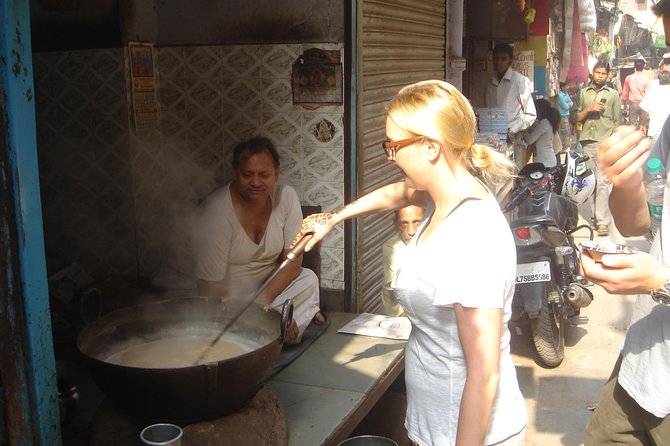
The key word here is safe, and you’ll feel the difference in how the sampling is handled. It’s structured tasting instead of random “try this from that cart” wandering. That’s especially helpful if you’re sensitive to spice levels or want a simpler way to try Indian street flavors.
And the haveli meal adds a second layer. Street food teaches you the public side of culinary culture. The home-cooked meal shows you the private side—the traditions that don’t depend on a street stall.
Your guide matters more than you think
One reason this tour gets such steady praise is the guide style. The guides are described as locals who act as story tellers and photographers, which sounds like a nice perk until you realize what it changes.
When someone guides you like a storyteller, you stop seeing buildings and start seeing meaning. When they guide you like a photographer, you’re less likely to fumble for the right angle, and you get help capturing moments in crowded places without blocking anyone or falling behind.
If you’re lucky, you’ll get a guide like the ones repeatedly mentioned—people such as Varun or Vivian—who are known for both knowledge and practical care. That “care” shows up most in group pacing: who’s checked on, where the group stops, and how you’re handled in busy lanes.
What to wear and bring for Old Delhi (so the day stays pleasant)
This tour calls out conservative dress norms in Old Delhi. If you’re going as a woman, the recommendation is to dress modestly: cover shoulders and wear clothing that covers legs at least to the knee. A scarf is suggested. Men should also expect modesty to be appreciated, even though the guidance is specifically spelled out for women.
Bring a cap for sun protection. The itinerary includes street time, and Old Delhi daylight can be intense. Also be ready to remove footwear if the haveli host asks you to. It’s common in Indian homes, and this tour specifically warns you to check with your host because rules can vary by area.
Who this tour is best for
This experience fits best if you want:
- Food that’s guided and structured
- A small-group day (max 8)
- Real-world cultural context from an Old Delhi local
- A break from “checklist sightseeing”
It’s also great for people who want to learn about religion and community life without turning it into a classroom. The day includes conversation and observation around Hindu, Muslim, and Sikh communities, and the way the tour is set up makes that learning feel natural.
You might prefer something else if you hate crowds or have low tolerance for tight lanes and variable walking surfaces. The rickshaw breaks help, but you still need basic walking comfort.
Should you book this Old Delhi food, heritage, and haveli walk?
If your priority is authentic food and a real cultural window into Old Delhi, I’d book this. The value isn’t only the price. It’s the combination of street-food tasting + a private family haveli meal + Khari Baoli in a single 4-hour plan, guided by locals who know where to take you and how to pace a group.
I’d skip it only if you strongly dislike walking in dense neighborhoods, or if you’re uncomfortable with modest dress expectations and possible footwear-off rules in a home.
One more decision helper: if you’re the kind of traveler who likes companies with a track record, this provider highlights strong TripAdvisor recognition, including Travelers’ Choice awards and Hall of Fame status. That doesn’t guarantee your day will be perfect, but it’s a reasonable signal that the experience has been refined over time.
FAQ
How long is the tour?
It runs for about 4 hours.
What does the tour include for meals?
The tour includes breakfast, safe street-food tasting with snacks, and either lunch or an early dinner depending on whether you go on a morning or afternoon schedule.
Are drinks included?
Yes. The tour includes coffee and/or tea, and bottled water. In summer, fresh lemonade is included.
Is there an admission fee for the stops like Khari Baoli and the haveli?
The itinerary notes admission ticket free for Khari Baoli and the haveli stop.
How big is the group?
The tour has a maximum of 8 travelers.
Where do I meet and where does it end?
You start near Ajmere Gate Rd in Old Delhi (Bazar Sirkiwalan, Chawri Bazar) and end at Hamdard Building on Asaf Ali Rd near Chandni Chowk.
Is hotel pickup included?
No. Hotel pickup and drop-off can be arranged for an additional cost if you pay directly.
What should I wear in Old Delhi?
Dress modestly, with shoulders and legs covered to at least the knee (especially recommended for women). Bring a scarf if possible, and a cap for sun protection. You may need to remove footwear when visiting the haveli.
Is tipping expected?
No. The tour specifically asks you not to offer tips.
The Old City on Foot, Continued
- The Great Indian Food Tour: Old Delhi Food and Heritage Walk
★ 5.0 · 1,698 reviews - Old Delhi Heritage Walking Tour
★ 5.0 · 247 reviews - 3-hour Old Delhi Heritage Walking tour with Rickshaw Ride
★ 5.0 · 240 reviews - Old Delhi: Spices, Heritage and Bazaars Walking Tour
★ 5.0 · 173 reviews - 3-Hour Old Delhi Heritage Walking tour with Rickshaw ride
★ 4.6 · 158 reviews
Still Hungry in Old Delhi
- The Great Indian Food Tour: Old Delhi Food and Heritage Walk
★ 5.0 · 1,698 reviews - Old Delhi Street Food Tour
★ 5.0 · 497 reviews - Breakfast Walk in Old Delhi
★ 5.0 · 449 reviews - Delhi: Old Delhi Street Food Tour with Rickshaw Ride
★ 4.9 · 403 reviews - Delhi Food Walk: Rickshaw Ride, Street Eats & Market Tour
★ 5.0 · 401 reviews
More of Old Delhi
- The Great Indian Food Tour: Old Delhi Food and Heritage Walk
★ 5.0 · 1,698 reviews - Old Delhi Bike Tour
★ 5.0 · 616 reviews - Old Delhi Street Food Tour
★ 5.0 · 497 reviews - Breakfast Walk in Old Delhi
★ 5.0 · 449 reviews - Delhi: Old Delhi Street Food Tour with Rickshaw Ride
★ 4.9 · 403 reviews
Just added: more New Delhi reviews to browse
- 4 days Golden Triangle Tour★ 5.0 · 3 reviews
- Discover Old & New Delhi: Private Tour with Street Food★ 5.0 · 3 reviews
- Taj Mahal Tour From Delhi By Private Car★ 4.5 · 3 reviews
- Golden Triangle Tour 5 Days★ 5.0 · 3 reviews
- Taj Mahal: Express Entry Ticket For Sunset Tour with guide★ 5.0 · 3 reviews
- Agra Taj Mahal Sunrise & Sunset Tour from Delhi★ 5.0 · 3 reviews
Old Delhi Food Tours, compared.
 ★ 5.0The Great Indian Food Tour: Old Delhi Food and Heritage WalkFrom $431,698 reviews
 ★ 5.0Old Delhi Street Food TourFrom $40497 reviews
 ★ 5.0Breakfast Walk in Old DelhiFrom $80449 reviews
 ★ 4.9Old Delhi Street Food Tour with Rickshaw RideFrom $43403 reviews
 ★ 5.0Delhi Food Walk: Rickshaw Ride, Street Eats & Market TourFrom $40401 reviews
 ★ 5.0Old Delhi Street Food Tour – Explore Spices in Chandni ChowkFrom $34334 reviews
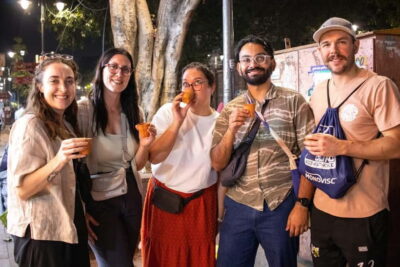 ★ 5.0Old Delhi Food Tour: A Night Time FeastFrom $38326 reviews
 ★ 5.0Old Delhi Food-Spice Market-Temples Tour Soon Featured on NETFLIXFrom $49304 reviews
Browse the lists this tour appears in