
Reviewed · AGRA DAY TRIPS FROM DELHI
3 Days Golden Triangle Tour Delhi Agra Jaipur
Golden Triangle in three days is a sprint. What makes this tour work is how it strings together Delhi, Agra, and Jaipur with pickup and overnight stays, so you can spend your energy on monuments instead of planning the logistics.
I especially like the early push for the Taj Mahal at sunrise, timed with seasonal pickup (around 5:30 in summer and 6:15 in winter). I also like the route balance: classic Delhi landmarks on day one, the big Agra sights on day two, then the best-of Jaipur trio on day three. One real consideration though: monument entry tickets and lunch/dinner are not included, so you’ll want to budget for those on top of the $250 price.
In This Review
- Quick take: what stands out
- Price and logistics: what $250 really covers
- Day 1 in Delhi: Qutub Minar, Lotus Temple, Humayun’s Tomb, India Gate
- Qutub Minar: a towering timeline of Delhi’s power plays
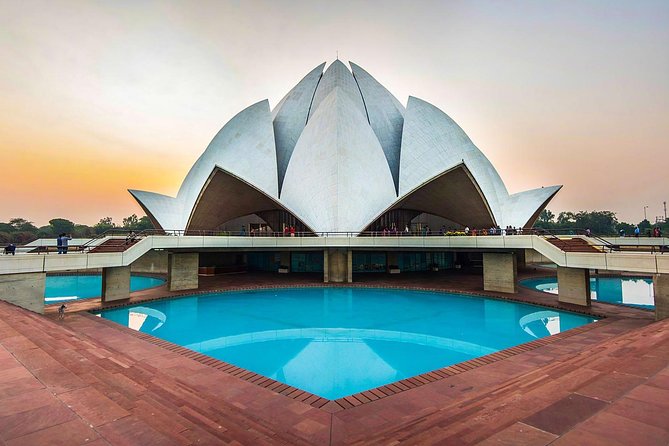
- Lotus Temple: calm, open, and refreshingly non-memorial
- Humayun’s Tomb: Mughal grandeur with Persian design clues
- India Gate: a war memorial you can feel in your walk
- Day 2: sunrise Taj Mahal plus Agra Fort and Fatehpur Sikri
- Taj Mahal sunrise: why the timing is the whole point
- Agra Fort: the power behind the postcard views
- Fatehpur Sikri: red sandstone + a palace-city feel
- Day 3 in Jaipur: Amber Fort, City Palace, Hawa Mahal
- Amber Fort: where big views meet Mughal-era additions
- City Palace: the royal center that anchors everything else
- Hawa Mahal: the women’s chambers facade that looks like a honeycomb
- Pickup, private tour format, and how the day actually flows
- Guides who turn a list of sites into a story (Asha and Aish)
- Who this tour is best for (and who should look elsewhere)
- What to budget and plan during the trip
- Should you book this 3 Days Golden Triangle Tour?
- FAQ
- How long is the tour?
- What locations does the tour cover?
- What is the tour price per person?
- Where does the tour start and what time?
- Does the tour include pickup?
- How many nights of accommodation are included?
- Are meals included?
- Are monument entry tickets included?
- Which stops have free admission based on the details provided?
- Is this a private tour?
- Can I cancel and get a full refund?
- Does the tour provide any health items?
Quick take: what stands out
- Sunrise Taj Mahal timing with early hotel pickup to beat the worst crowds and heat.
- Delhi’s first-day mix: Qutub Minar, Lotus Temple, Humayun’s Tomb, and India Gate in one smooth block.
- A guide that adds context, with strong praise for guides named Asha and Aish for organization, culture knowledge, and even learning Polish for a group.
- Hotel included for two nights (1 night Agra, 1 night Jaipur) plus breakfast, which helps keep costs predictable.
- Key sites aren’t entry-included, so you’ll still need to plan and pay for monument access and your own meals.
Price and logistics: what $250 really covers
At $250 per person for a 3-day Golden Triangle route, the value is strongest for people who want a guided “greatest hits” outline without living on Google Maps.
Here’s what’s actually included:
- Accommodation for 2 nights: one night in Agra and one night in Jaipur
- Breakfast (2)
- Pickup from airport/train station/hotel
- A private tour/activity setup where only your group participates
- Mobile ticket and a group-discount style structure (so pricing can be friendlier than solo-style bookings)
Here’s what’s not included:
- Any monument entry tickets
- Lunch and dinner
That last point matters more than it sounds. In practice, you’ll likely pay separate entrance fees across the stops—especially for the Taj Mahal area and the fort/memorial sites—plus you’ll want a plan for lunch. If you arrive with a realistic budget for entries and meals, this tour feels easy and efficient. If you expect everything to be covered, it won’t.
Also note the schedule starts early: the listed start point is Indira Gandhi International Airport, New Delhi, with a 7:00 am start time. On day two, expect an even earlier rhythm for the Taj Mahal sunrise pickup.
Other Agra runs out of Delhi worth a look




Day 1 in Delhi: Qutub Minar, Lotus Temple, Humayun’s Tomb, India Gate
Day one is designed to get you oriented fast, mixing visual wow-factor with story-rich Mughal and Sultanate landmarks. You’ll move through four stops that are spread enough to avoid feeling repetitive, but close enough to keep the day from becoming endless travel.
Qutub Minar: a towering timeline of Delhi’s power plays
Qutub Minar is not just tall—it’s a record of how rulers rebuilt, expanded, and claimed legitimacy over centuries. It’s a five-storied brick tower whose origins trace back to Qutb-ud-din Aibak, commissioned around 1192 as a victory tower. His successor, Shams-ud-din Iltutmish, added three more floors in 1220, and then lightning damaged the top story in 1369. Later, Firoz Shah Tughlaq reconstructed the tower and added the fifth final story.
Why this stop works on a first visit: you can read the tower like a layered history lesson, not just a landmark photo. Practical tip: bring water and plan for strong light. Stone and brick can get scorching in midday sun.
Admission ticket is not included for this stop.
Lotus Temple: calm, open, and refreshingly non-memorial
The Lotus Temple is a Baháʼí House of Worship dedicated in December 1986 and known for its flowerlike shape. Like other Baháʼí Houses of Worship, it’s open to all, no matter your religion or background. It’s also listed as free admission, which makes it one of the easiest wins in Delhi.
This is a nice contrast after Qutub Minar. If you’re tired of fortifications and tombs, the Lotus Temple gives you a quieter mental reset.
Humayun’s Tomb: Mughal grandeur with Persian design clues
Humayun’s Tomb is the Mughal emperor Humayun’s tomb in Delhi, commissioned in 1558 by his chief consort Empress Hamida Banu Begum, designed by Persian architects Mirak Mirza Ghiyas and his son Sayyid Muhammad. Expect architecture that rewards close looking—arches, symmetry, and the kind of planning that makes the whole garden-courtyard space feel deliberate.
Admission ticket is not included here, so add that into your day-one budget.
Chasing the Pink City? More Jaipur day trips
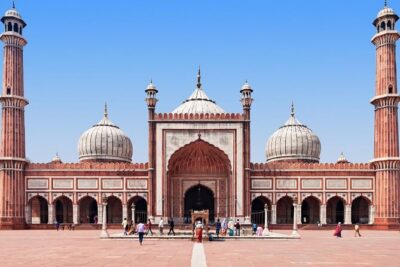
India Gate: a war memorial you can feel in your walk
India Gate is a sandstone arch in the Rajpath area, built as a memorial for soldiers of the British Army (also called British India Army) who died in World War I and the Third Anglo-Afghan War of 1919.
This stop is brief but meaningful. It’s also a good chance to slow down and people-watch along Rajpath, because you’re not inside a ticketed monument the whole time—you’re walking through a civic space.
Day 2: sunrise Taj Mahal plus Agra Fort and Fatehpur Sikri
Day two is where the Golden Triangle earns its reputation. The plan centers on the Taj Mahal sunrise, then builds out into two more major Agra-area sights.
Taj Mahal sunrise: why the timing is the whole point
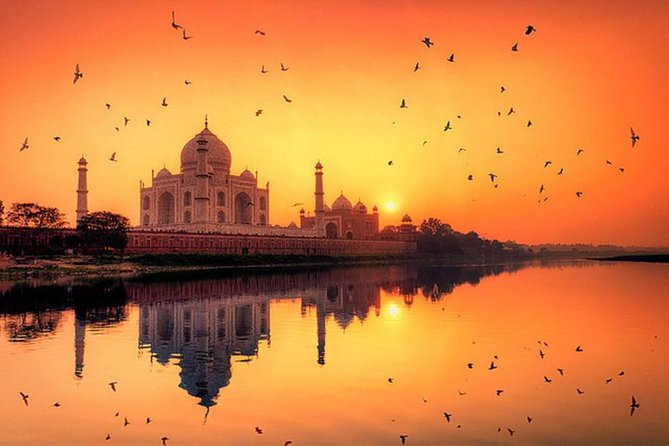
You’ll start very early: pickup is described as around 5:30 in summer and 6:15 in winter, with driver and guide transfer to the Taj Mahal. This matters because sunrise visits tend to offer cooler temperatures and softer light for photos.
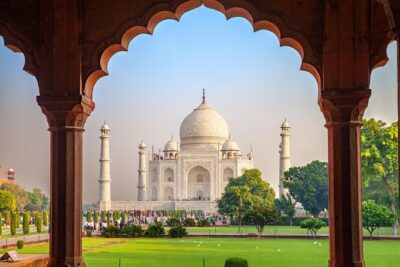
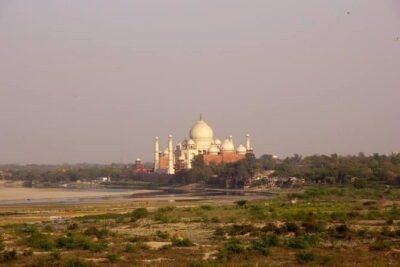
The Taj Mahal is an ivory-white marble mausoleum on the south bank of the Yamuna River, commissioned in 1632 by Mughal emperor Shah Jahan to house the tomb of his wife Mumtaz Mahal. Even if you’ve seen pictures before, seeing it in person has a different effect because it’s a complete composition—marble, symmetry, and the way the whole complex is laid out.
Admission ticket is not included, so plan for entry fees on top of the tour price.
Afterward, the schedule returns you to the hotel for breakfast, then you continue on to Agra Fort.
Agra Fort: the power behind the postcard views
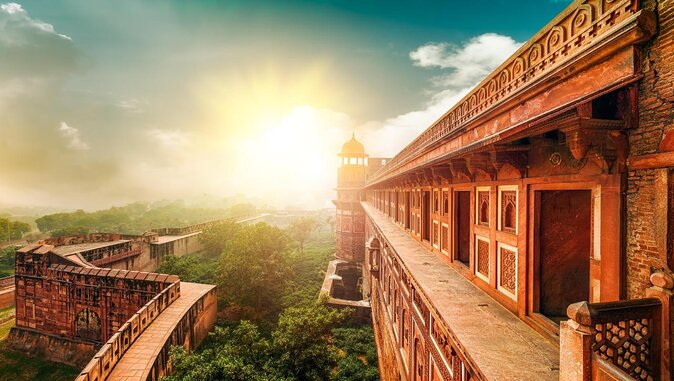
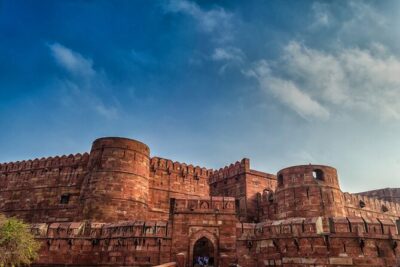
Agra Fort was built during 1565–1573 for Emperor Akbar and functioned as a residence for rulers before the Mughal dynasty era took hold. The fort’s timeline is part of what makes it interesting: it was linked to Rajput rulers (Sikarwar clan) until the Mughals occupied it, and later the Mughal dynasty used it until the capital shifted to Delhi in 1638.
This stop typically feels different from the Taj Mahal because it’s not about one perfect icon. It’s about walls, control, and where political life happened.
Admission ticket is not included.
Fatehpur Sikri: red sandstone + a palace-city feel
Fatehpur Sikri is described as a small city west of Agra, founded by a 16th-century Mughal emperor and known for its red sandstone buildings clustered at the center. Expect key architectural landmarks such as:
- Buland Darwaza gate (entrance to Jama Masjid mosque)
- The marble Tomb of Salim Chishti
- Diwan-E-Khas hall with a carved central pillar
- Jodha Bai Palace, noted as a blend of Hindu and Mughal styles
- Panch Mahal, a five-story structure overlooking the site
This is also listed as free admission, which is a great way to balance a day with paid entry costs.
Tip for your comfort: it’s a large visual complex. Wear shoes you can walk in for a few hours without misery.
Day 3 in Jaipur: Amber Fort, City Palace, Hawa Mahal
Jaipur day is built around three iconic stops that also tell a single story: fort power, royal administration, and the look of the city’s best-known sandstone architecture.
Amber Fort: where big views meet Mughal-era additions
Amber Fort (also called Amer Fort) sits in Amer, about 11 kilometers from Jaipur. The tour description highlights that it was originally built by Raja Man Singh, with later additions by Sawai Jai Singh. The fort is given about 2 hours, which is enough time to see why it’s one of the most photographed forts in India and still feel like you’re not just rushing through.
Why I like this stop for your first Jaipur visit: it gives you the “fort on a hill” experience plus practical context on who built what and when.
Admission ticket is not included.
City Palace: the royal center that anchors everything else
City Palace, Jaipur was established when the city was founded, by Maharaja Sawai Jai Singh II after moving his court to Jaipur from Amber in 1727. The tour assigns about 1 hour for this stop, which is a good length if you want highlights without losing the day to museum-style pacing.
Even if you’re not the kind of person who reads every plaque, City Palace helps you understand the layout of Jaipur because it was the seat of authority.
Admission ticket is not included.
Hawa Mahal: the women’s chambers facade that looks like a honeycomb
Hawa Mahal is a palace in Jaipur built from red and pink sandstone, positioned on the edge of the City Palace. It’s known for extending into the Zenana, or women’s chambers.
If you love architecture that looks better from the street than from a single angle, this is your stop. The facade is designed for sightlines—people outside could watch the city, and people inside could observe.
This stop doesn’t list an entry fee in the details you provided, but you should still assume monument-related costs may apply depending on your exact entry situation on the day.
Pickup, private tour format, and how the day actually flows
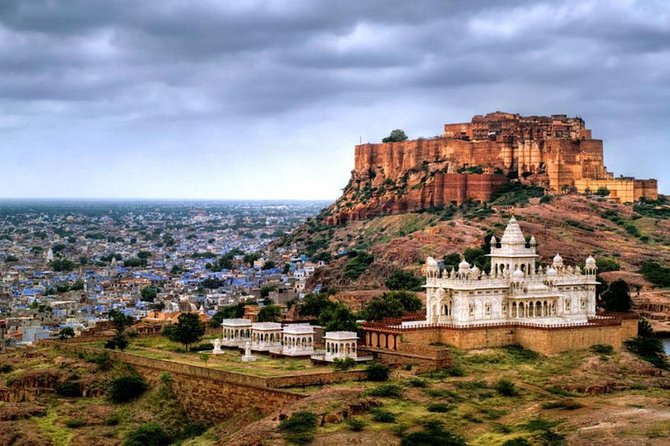
The biggest everyday benefit of this tour is simple: you don’t have to coordinate trains, find ticket counters, or guess travel times between Delhi, Agra, and Jaipur.
You get pickup from:
- Airport
- Train station
- Your hotel
That’s huge if you’re arriving after a long flight or you’re already tired from Goa, a beach stay, or another part of India. The tour also says it’s near public transportation, which is useful if you need to fix a plan quickly.
One more “small but real” detail: the experience provider notes they provide masks and hand sanitizers. That won’t replace careful health habits, but it’s a comfort for many visitors.
Because it’s private for your group, you should expect less waiting around for other schedules. Still, plan for early mornings—especially day two.
Guides who turn a list of sites into a story (Asha and Aish)
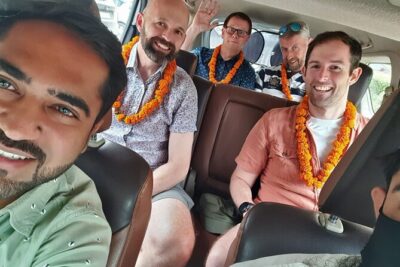
A tour like this rises or falls on the guide. The strongest praise in the available feedback points to guides named Asha and Aish.
Asha is highlighted for being very well organized and for knowing Indian culture in a way that actually helps you understand what you’re seeing. There’s also praise for her knowing where to find exceptional quality cuisine, which can be a big deal when lunch and dinner aren’t included. If food matters to you, ask your guide for practical recommendations rather than just scanning menus.
Aish is praised for caring and for going the extra mile for groups. One standout detail is that she learned Polish for a Polish-speaking group, which can make the experience feel far less intimidating if you don’t speak much English. If language support matters, it’s worth asking what languages your guide can manage.
Bottom line: you’re not just buying tickets. You’re buying interpretation—what to notice first, what matters most at each monument, and how to keep your day from feeling like frantic sightseeing.
Who this tour is best for (and who should look elsewhere)
This tour is a great fit if:
- You’re first-time in India and want a classic intro to Delhi, Agra, and Jaipur
- Your time is tight and you want a guided route across the Golden Triangle
- You prefer pickup + pre-built structure over self-planning
- You’re okay paying extra for monument entry tickets and choosing your own lunches
You might want to consider a different style of trip if:
- You’re on a strict budget that can’t flex for entrance fees and meals
- You hate early mornings and long days (day two is especially early)
What to budget and plan during the trip
Even though the tour includes hotel stays and breakfast, you’ll still want a simple money mindset:
- Entry fees for monuments (not included in the price)
- Lunch and dinner each day
- Small extras like bottled water and snacks, especially if you’re walking between sites
Also, pack for sun and walking. Delhi and Agra can be intense, and sunrise doesn’t mean you’re off the hook for weather. Bring sunglasses and a hat if you use them.
Should you book this 3 Days Golden Triangle Tour?
Book it if you want a guided, efficient first pass through the Golden Triangle—especially if sunrise Taj Mahal is a priority and you like the idea of having hotels and pickup handled. The route is built around major icons (Taj Mahal, Amber Fort, and key Delhi landmarks), and the guide quality in the feedback suggests you’ll get context, not just transportation.
Skip it or switch to another option if you strongly prefer all-inclusive pricing with no extra site fees, or if you’re the type who wants slow, unstructured days. For this tour, you’ll be moving—so your best success is planning your budget for entrance tickets and meals ahead of time.
If you tell me your travel month (summer vs winter affects the sunrise timing) and your approximate budget for monument entries and meals, I can help you estimate a realistic total cost and the best way to pace your days.
FAQ
How long is the tour?
The tour lasts 3 days (approximately).
What locations does the tour cover?
It covers New Delhi, Agra, and Jaipur as part of the Golden Triangle route.
What is the tour price per person?
The listed price is $250.00 per person.
Where does the tour start and what time?
The start point is Indira Gandhi Intl Airport in New Delhi, with a start time of 7:00 am.
Does the tour include pickup?
Yes. Pickup is included from the airport, train station, and hotel.
How many nights of accommodation are included?
Accommodation is included for 2 nights total: 1 night in Agra and 1 night in Jaipur.
Are meals included?
Breakfast is included (2 breakfasts). Lunch and dinner are not included.
Are monument entry tickets included?
No. Monument entry tickets are not included in the tour price.
Which stops have free admission based on the details provided?
Lotus Temple and Fatehpur Sikri are listed as free admission in the provided information.
Is this a private tour?
Yes. The tour/activity is private, with only your group participating.
Can I cancel and get a full refund?
You can cancel up to 3 days in advance for a full refund.
Does the tour provide any health items?
The provider notes they provide masks and hand sanitizers to all guests.
The Full Golden Triangle, More Options
- 3-Days Private Golden Triangle Tour: Delhi, Agra & Jaipur by Car
★ 5.0 · 1,107 reviews - 3-Days Private Golden Triangle Tour: Delhi, Agra & Jaipur by Car
★ 5.0 · 1,098 reviews - 3-Day Delhi, Agra and Jaipur Private Tour – India Golden Triangle
★ 5.0 · 812 reviews - Four-Day Private Luxury Golden Triangle Tour to Agra and Jaipur From New Delhi
★ 5.0 · 807 reviews - 5 Nights 6 Days Private Golden Triangle Tour – Delhi Agra Jaipur
★ 5.0 · 574 reviews
Onward to Jaipur: More Day Trips
- 3-Days Private Golden Triangle Tour: Delhi, Agra & Jaipur by Car
★ 5.0 · 1,107 reviews - 3-Days Private Golden Triangle Tour: Delhi, Agra & Jaipur by Car
★ 5.0 · 1,098 reviews - 3-Day Delhi, Agra and Jaipur Private Tour – India Golden Triangle
★ 5.0 · 812 reviews - Four-Day Private Luxury Golden Triangle Tour to Agra and Jaipur From New Delhi
★ 5.0 · 807 reviews - Jaipur Day Trip from Delhi by Car or Train – All Inclusive
★ 5.0 · 663 reviews
More Agra Day Trips out of Delhi
- Same Day Taj Mahal, Agra Fort & Baby Taj Tour from Delhi by Car
★ 5.0 · 4,304 reviews - Full Day Taj Mahal, Agra Fort & Baby Taj Tour from Delhi by Car
★ 5.0 · 3,647 reviews - From Delhi: Taj Mahal & Agra Private Day Trip with Transfers
★ 4.9 · 3,181 reviews - From Delhi: Taj Mahal and Agra Fort Private Sunrise Tour
★ 4.9 · 2,270 reviews - Sunrise Taj Mahal, Agra Fort & Baby Taj Tour from Delhi by Car
★ 5.0 · 2,243 reviews
Just added: more New Delhi reviews to browse
- 4 days Golden Triangle Tour★ 5.0 · 3 reviews
- Discover Old & New Delhi: Private Tour with Street Food★ 5.0 · 3 reviews
- Taj Mahal Tour From Delhi By Private Car★ 4.5 · 3 reviews
- Golden Triangle Tour 5 Days★ 5.0 · 3 reviews
- Taj Mahal: Express Entry Ticket For Sunset Tour with guide★ 5.0 · 3 reviews
- Agra Taj Mahal Sunrise & Sunset Tour from Delhi★ 5.0 · 3 reviews
Agra Day Trips from Delhi, compared.
 ★ 5.0Same Day Taj Mahal, Agra Fort & Baby Taj Tour from Delhi by CarFrom $624,304 reviews
 ★ 5.0Full Day Taj Mahal, Agra Fort & Baby Taj Tour from Delhi by CarFrom $623,647 reviews
 ★ 4.9From Delhi: Taj Mahal & Agra Private Day Trip with TransfersFrom $43,181 reviews
 ★ 4.9From Delhi: Taj Mahal and Agra Fort Private Sunrise TourFrom $592,270 reviews
 ★ 5.0Sunrise Taj Mahal, Agra Fort & Baby Taj Tour from Delhi by CarFrom $622,243 reviews
 ★ 5.0Taj Mahal and Agra Private Car Tour from Delhi with 5* LunchFrom $331,633 reviews
 ★ 4.9From Delhi: Private Taj Mahal and Agra Tour by Express TrainFrom $751,605 reviews
 ★ 5.0Taj Mahal, Agra Fort, Baby Taj Tour from Delhi by Superfast TrainFrom $751,494 reviews