
Reviewed · TAJ MAHAL TOURS FROM DELHI
3 Days Golden Triangle Tour{Taj Mahal at Sunrise}
Taj Mahal at sunrise changes the math. I like how this tour is built for your time: Taj Mahal at sunrise plus an organized plan across Delhi, Agra, and Jaipur. I also like the comfort and communication details, like an air-conditioned private chauffeur, bottled water in the car, and Wi‑Fi onboard so the long days don’t feel like a slog.
The one caution: monument and camera fees, plus lunch and dinner, are not included, so you should plan a cash buffer for day-to-day spending.
In This Review
- Key points before you go
- Golden Triangle Magic: why Delhi, Agra, and Jaipur fit together
- Delhi in one solid day: Red Fort photo stop to Qutub Minar
- Taj Mahal Sunrise: the 5:45 AM start and what you’ll actually gain
- Agra Fort and the rest of Day 2: keep your expectations real
- Fatehpur Sikri en route to Jaipur: a Mughal capital with a strange silence
- Jaipur’s landmark line-up: Amber Fort, Jal Mahal photos, City Palace, Jantar Mantar, Hawa Mahal
- Private guides and that human touch: the service that earns repeat trips
- Getting around and timing: meeting at 9:00 AM, then switching gears for sunrise
- Price and value: what $249 covers and what to budget for
- Small planning tips so the days don’t feel rushed
- Should you book this 3-day Taj Mahal sunrise Golden Triangle tour?
- FAQ
- Which cities are included in the Golden Triangle route?
- Is this tour private or shared with other groups?
- What time does the tour start in New Delhi?
- How early do I need to wake up for the Taj Mahal sunrise?
- Are hotel rooms included?
- What meal costs are included?
- What’s included for comfort during transfers?
- Can I cancel and get a full refund?
Key points before you go
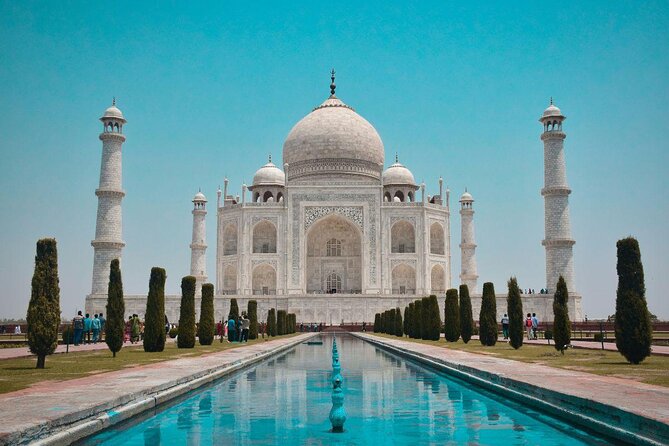
- Sunrise Taj timing: you meet in your hotel lobby at 5:45 AM for a sunrise visit.
- Private guides in each city: you’re not just shuffled around; you get professional city guiding for the stops on your route.
- A comfortable ride with small perks: A/C transfers, packaged drinking water, and Wi‑Fi in the car.
- Fatehpur Sikri on the drive: a Mughal-era capital built by Akbar that ended up mysteriously abandoned after about 15 years.
- Jaipur hits the big classics: Amber Fort, Jal Mahal (photo stop), City Palace, Jantar Mantar, and Hawa Mahal.
Golden Triangle Magic: why Delhi, Agra, and Jaipur fit together
The Golden Triangle is popular for a reason. You’re stacking three different “moods” of North India into one trip: Delhi’s Mughal and modern landmarks, Agra’s Taj-and-fort focus, and Jaipur’s royal architecture.
What makes this version feel practical is the rhythm. You’re not spending most of your time figuring out transit. Instead, you’re handed a plan with a private driver, city guides, and transfers between cities. For first-timers, that cuts a lot of friction right away.
And since it’s private for your group, you’re more able to keep a steady pace that matches your comfort level—especially useful on long sightseeing days.
More ways to reach the Taj, weighed side by side




Delhi in one solid day: Red Fort photo stop to Qutub Minar
Day 1 is a fast-hit tour of Delhi’s signature sights. It’s the kind of day where you’ll see a lot, but you’ll still want to pay attention to details, because Delhi’s landmarks overlap eras like layers in a city cake.
Here’s what you can expect:
- Red Fort (photo stop): even if you don’t go inside, it’s a strong introduction. The fort’s scale and Mughal-era presence set the tone for the rest of the day.
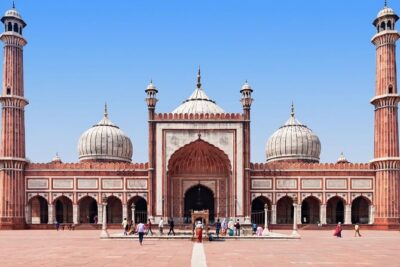
- Jama Masjid: you’ll get to experience one of India’s biggest mosques. The location and size are the story here—plan to pause for photos and to take in the bustle from a respectful distance.
- Raj Ghat: this Gandhi memorial is simple but powerful. It marks the cremation spot with a black marble platform, a stark contrast to the heavier monument vibe nearby.
- India Gate: a central monument in the capital that quickly helps you understand modern Delhi’s layout.
- Parliament House (Sansad Bhavan): you see the seat of India’s Parliament. Even from the outside, it adds context for how the city functions today.
- Qutub Minar: a UNESCO-listed landmark built by Qutub-Ud-Din-Aibak. The minaret is tall, detailed, and a great closer for the day.
One small planning note: Day 1 is listed as ticket-free for the scheduled sightseeing. Still, the package overall notes that monument/camera fees aren’t included. In practice, this often means some areas may not require entry during the tour timing, while others may.
If you’re the type who likes to “get oriented” on arrival, this Delhi day does that job.
Taj Mahal Sunrise: the 5:45 AM start and what you’ll actually gain
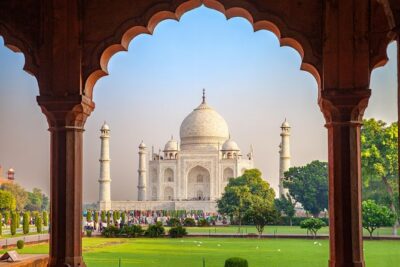
Day 2 is the big headline: the Taj Mahal at sunrise. You meet your guide at 5:45 AM in your hotel lobby and head out for the earliest light.
Why this matters: the Taj is at its most forgiving in soft morning conditions. Shadows are different, the atmosphere is calmer, and you’re less likely to feel like you’re sightseeing under harsh midday glare. Sunrise doesn’t just look good. It also helps you slow down just enough to notice why the Taj is so famous.
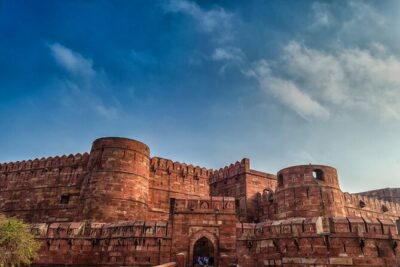
After your Taj visit, you return for breakfast, then check out and continue to Agra Fort, a UNESCO World Heritage Site. Agra Fort is a very different kind of landmark than the Taj—more fortress and power than marble romance. It helps balance the day so you’re not only chasing one iconic image.
Then you start the transfer to Jaipur. The driving time is part of the deal here, so it’s worth appreciating the included A/C comfort and the onboard Wi‑Fi.
Agra Fort and the rest of Day 2: keep your expectations real
It’s smart to go into Day 2 with a realistic mindset. You’re stacking three major components: Taj sunrise, Agra Fort, and the road to Jaipur. That’s a lot for one day, so you’ll want to protect your energy.
The upside is that your itinerary is built to keep momentum. You’re not sleeping away the trip waiting for the next day’s highlight. You’re seeing Agra’s key story beats and then moving on before the day goes too late.
The potential tradeoff is simple: if you’re someone who needs long breaks between major sites, you might feel the schedule tightness. The tour is private, but it still follows a fixed structure—so build in small recovery moments when you can.
Fatehpur Sikri en route to Jaipur: a Mughal capital with a strange silence

The drive to Jaipur includes Fatehpur Sikri, which is known as a beautiful but deserted medieval city. It was built by Mughal Emperor Akbar the Great in the 16th century to serve as his capital. The detail you’ll want to remember: it was mysteriously abandoned after about 15 years, largely linked to scarcity of water.
This stop works well on the route because it breaks up the travel day. You’ll feel the shift from “major city landmark tourism” into something more atmospheric: stones, scale, and an eerie sense of what life might have been like during Akbar’s court years.
Even if you’re not a hardcore historian, it’s a good reminder that empires had limits. Fatehpur Sikri is the kind of place that makes you think, even while you’re just walking and photographing.
Delhi, Agra and Jaipur: more full circuits
Jaipur’s landmark line-up: Amber Fort, Jal Mahal photos, City Palace, Jantar Mantar, Hawa Mahal
Day 3 turns Jaipur into a highlight reel—done the right way, not the chaotic way. After breakfast (listed for an 8:00 AM start), you head into the city with a plan that hits the major sights people actually come for.
Here’s the lineup:
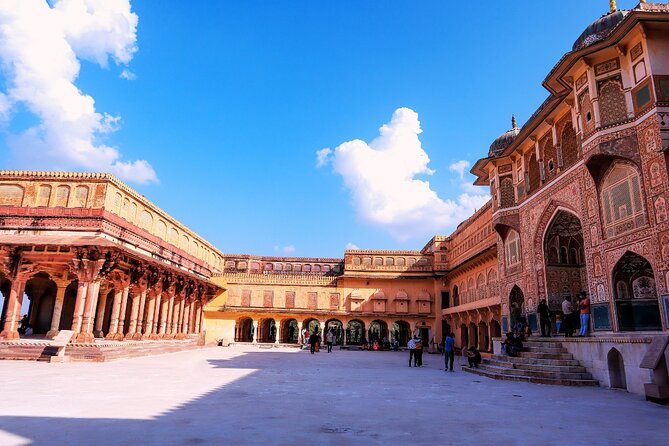
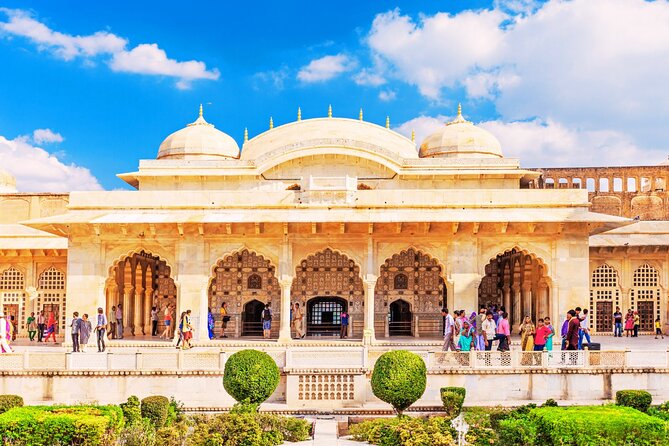
- Amber Fort: a huge palace complex made from pale yellow, pink sandstone and white marble. You’ll see it divided into sections with courtyards, and it’s a great place to slow down because the details reward walking.
- Jal Mahal (photo stop): this palace sits in the middle of the Man Sagar Lake. You’ll likely only have time for photos, but the setting is the point.
- City Palace: you’ll visit the royal complex including areas named Chandra Mahal and Mubarak Mahal. It’s the Maharaja’s seat, so it gives context for the rest of Jaipur’s architecture.
- Jantar Mantar: a collection of nineteen architectural astronomical instruments built by Sawai Jai Singh II. It includes the world’s largest stone sundial, and it’s also UNESCO-listed.
- Hawa Mahal: the iconic facade made of red and pink sandstone. It sits on the edge of City Palace, so even if you’re only photographing, the placement helps you understand why it looks the way it does.
Day 3 is marked as ticket-free for the scheduled sightseeing, but again, the overall package lists monument/camera fees as not included. So if you’re planning to enter every structure, keep a little extra budget ready.
A practical tip: this is a lot of walking. Wear shoes you trust. You’ll enjoy the fort and observatory more if your feet aren’t rebelling.
Private guides and that human touch: the service that earns repeat trips
A tour like this can be either mechanical or personal. The difference is usually the guides and the coordination behind the scenes.
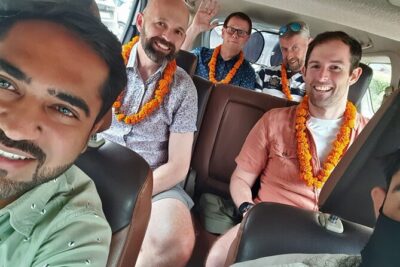
One standout theme from the available feedback is responsiveness. The coordinator Shilpi is described as staying connected throughout the tour, answering quickly, and sending out practical materials like hotel vouchers and printed itinerary details. In at least one case, there was a welcome that included floral garlands and paperwork ready on arrival.
On the driver side, names like Rajinder and Gula show up, and that matters because safe, confident driving is a big deal on these longer routes.
Guide quality comes through too. The Delhi guiding gets called out for sharing lots of information, and the Agra guide is noted for helping with photo results. That last part may sound minor, but it’s not. Taj and fort photography are time-sensitive and angle-sensitive, and a guide who knows how to position you can save you frustration.
So while the itinerary does the heavy lifting, the best value here is the way the team keeps the trip running smoothly from start to finish.
Getting around and timing: meeting at 9:00 AM, then switching gears for sunrise
The tour starts with a 9:00 AM meeting time in New Delhi, with pickup offered from the airport, railway station, hotel, or your preferred location within Delhi/Gurgaon/Noida.
Then Day 2 flips the schedule. You’ll be meeting your guide at 5:45 AM in the hotel lobby for the Taj sunrise visit. That means you should treat Day 2 as a different category of day—less “sleep in and stroll,” more “wake up and go see something special.”
The comfort details help: A/C in the vehicle for transfers, bottled drinking water on board, and Wi‑Fi in the car so you can stay connected.
If you plan snacks, charge devices, and keep a small “sunrise kit” ready (water, a light layer, basic meds), you’ll likely feel less stressed when the early start arrives.
Price and value: what $249 covers and what to budget for
At $249 per person for about three days, the value is in the combination: private driving, private guiding, and hotel options plus breakfasts.
Here’s what’s included:
- Private city tour guides (professional)
- All transfers and sightseeing by air-conditioned vehicle
- Packaged drinking water in the car
- Breakfast (2) (listed as included)
- Mobile ticket
- Optional accommodation in 3, 4, or 5-star hotels if you pick that option
- 24-hour support from the operator
And what’s not included:
- Monuments/camera fees
- Lunch and dinner
- Anything not listed in inclusions
So you’re paying for logistics and guided access, not for every ticket and meal.
If you’re comparing this to cheaper DIY alternatives, factor in the cost of missed time (getting tickets wrong, losing time with public transit, language friction, and the effort of coordinating car + guides across three cities). A private setup like this often saves more stress than it saves money—but for many people, that stress reduction is the whole point.
Also note: the tour includes group discounts, which can bring the per-person cost down if you travel with friends.
Small planning tips so the days don’t feel rushed
These are the little things that matter most on a packed Golden Triangle plan:
- Bring cash for add-ons. Monument/camera fees and lunch/dinner aren’t included.
- Pack for variable weather. Early sunrise can feel cool; Jaipur and Delhi can shift quickly later in the day.
- Keep a light day bag. You’ll move between forts, palaces, and photo stops with limited chances to reset.
- Wear shoes that handle stone. Amber Fort and Jantar Mantar areas involve a lot of walking over uneven surfaces.
- Expect early mornings on Day 2. The 5:45 AM Taj start changes how the day feels.
If you’re the type who likes seeing the big icons without turning the trip into logistics homework, this itinerary style works.
Should you book this 3-day Taj Mahal sunrise Golden Triangle tour?
I’d book it if:
- you want Taj Mahal sunrise without negotiating transport,
- you like having private guides for context (not just photos),
- you value A/C transfers, water, and Wi‑Fi on long travel days,
- and you’re okay budgeting extra for monument/camera fees and meals.
I might skip it if:
- you want lots of free time to wander slowly in each city,
- or you’re sensitive to a tight, highlight-focused schedule across three cities.
This tour is a good fit for first-timers who want the Golden Triangle done with less hassle and more structure, especially around that sunrise Taj moment.
FAQ
Which cities are included in the Golden Triangle route?
The tour covers New Delhi, Agra, and Jaipur.
Is this tour private or shared with other groups?
It’s a private tour/activity. Only your group will participate.
What time does the tour start in New Delhi?
The meeting time is listed as 9:00 am.
How early do I need to wake up for the Taj Mahal sunrise?
On Day 2, you meet your guide at 5:45 am in the hotel lobby to visit the Taj Mahal by sunrise.
Are hotel rooms included?
Accommodation is included only if you choose the option, with stays in 3, 4, or 5-star hotels.
What meal costs are included?
Breakfast is included for 2 meals. Lunch and dinner are not included.
What’s included for comfort during transfers?
You get an air-conditioned private vehicle, packaged drinking water in the car, and Wi‑Fi in the car all the time.
Can I cancel and get a full refund?
Yes. Free cancellation is available if you cancel up to 24 hours in advance for a full refund, based on the experience’s local time. If you cancel less than 24 hours before the start time, the amount paid is not refunded.
More Tour Reviews in New Delhi
- Old & New Delhi City Tour – Half or Full Day Options Available
★ 5.0 · 4,811 reviews - Half Day Private Delhi City Tour
★ 5.0 · 4,474 reviews - Same Day Taj Mahal, Agra Fort & Baby Taj Tour from Delhi by Car
★ 5.0 · 4,304 reviews - Taj Mahal Day Tour from Delhi by Superfast Train – TOP RATED TOUR
★ 5.0 · 4,166 reviews - Delhi: Old and New Delhi Private Full or Half-Day Tour
★ 4.9 · 3,776 reviews
The Full Golden Triangle, More Options
- 3-Days Private Golden Triangle Tour: Delhi, Agra & Jaipur by Car
★ 5.0 · 1,107 reviews - 3-Days Private Golden Triangle Tour: Delhi, Agra & Jaipur by Car
★ 5.0 · 1,098 reviews - 3-Day Delhi, Agra and Jaipur Private Tour – India Golden Triangle
★ 5.0 · 812 reviews - Four-Day Private Luxury Golden Triangle Tour to Agra and Jaipur From New Delhi
★ 5.0 · 807 reviews - 5 Nights 6 Days Private Golden Triangle Tour – Delhi Agra Jaipur
★ 5.0 · 574 reviews
The Taj, Reached a Few More Ways
- Same Day Taj Mahal, Agra Fort & Baby Taj Tour from Delhi by Car
★ 5.0 · 4,304 reviews - Taj Mahal Day Tour from Delhi by Superfast Train – TOP RATED TOUR
★ 5.0 · 4,166 reviews - Full Day Taj Mahal, Agra Fort & Baby Taj Tour from Delhi by Car
★ 5.0 · 3,647 reviews - From Delhi: Taj Mahal & Agra Private Day Trip with Transfers
★ 4.9 · 3,181 reviews - Taj Mahal Tour from Delhi by Express Train (Viator Award Winner)
★ 5.0 · 2,849 reviews
Just added: more New Delhi reviews to browse
- 4 days Golden Triangle Tour★ 5.0 · 3 reviews
- Discover Old & New Delhi: Private Tour with Street Food★ 5.0 · 3 reviews
- Taj Mahal Tour From Delhi By Private Car★ 4.5 · 3 reviews
- Golden Triangle Tour 5 Days★ 5.0 · 3 reviews
- Taj Mahal: Express Entry Ticket For Sunset Tour with guide★ 5.0 · 3 reviews
- Agra Taj Mahal Sunrise & Sunset Tour from Delhi★ 5.0 · 3 reviews
Taj Mahal Tours from Delhi, compared.
 ★ 5.0Same Day Taj Mahal, Agra Fort & Baby Taj Tour from Delhi by CarFrom $624,304 reviews
 ★ 5.0Taj Mahal Day Tour from Delhi by Superfast Train – TOP RATED TOURFrom $1004,166 reviews
 ★ 5.0Full Day Taj Mahal, Agra Fort & Baby Taj Tour from Delhi by CarFrom $623,647 reviews
 ★ 4.9From Delhi: Taj Mahal & Agra Private Day Trip with TransfersFrom $43,181 reviews
 ★ 5.0Taj Mahal Tour from Delhi by Express Train (Viator Award Winner)From $752,849 reviews
 ★ 5.0All Inclusive Private Taj Mahal Luxury Tour from Delhi by CarFrom $622,564 reviews
 ★ 4.9Same Day Taj Mahal, Fort & Baby Taj Tour from Delhi by CarFrom $502,534 reviews
 ★ 4.9From Delhi: Taj Mahal and Agra Fort Private Sunrise TourFrom $592,270 reviews