
Reviewed · AGRA DAY TRIPS FROM DELHI
3-Days Luxury Golden Triangle tour to Agra and Jaipur from Delhi
Golden Triangle in three days can feel frantic. This one stays on track with a true private setup: pickup in Delhi (airport, station, hotel), an air-conditioned car, and local guides who handle the flow through Delhi, Agra, and Jaipur’s UNESCO sights. You also get small comforts that matter when you’re crisscrossing North India, like mineral water and soft drinks during the drives.
I like that the schedule is built around sunrise time at the Taj Mahal, plus a guide who helps you sort entry so you’re not standing around. One thing to think about: the itinerary is tight and long (driving times add up), and monument entry may still cost extra (there’s a note for entry tickets around $55 per person, and lunch plus gratuities are not included).
In This Review
- Key things to know before you go
- Why this 3-day Golden Triangle tour works when time is short
- Day 1 in Delhi: Old Delhi icons, Mughal tombs, and a full evening of landmarks
- Chandni Chowk and the food-and-market reality of Old Delhi
- Jama Masjid: scale, history, and a huge prayer space
- Gurudwara Bangla Sahib: langar and the calm of devotion
- India Gate and the colonial-era memorial mood
- Rashtrapati Bhavan and the colonial-era architecture effect
- Swaminarayan Akshardham and Humayun’s Tomb: modern spectacle to Mughal elegance
- Qutub Minar: the UNESCO tower you came to photograph
- Late-day drive to Agra
- Day 2 Agra: Taj Mahal sunrise plus Agra Fort, the Baby Taj, and Fatehpur Sikri
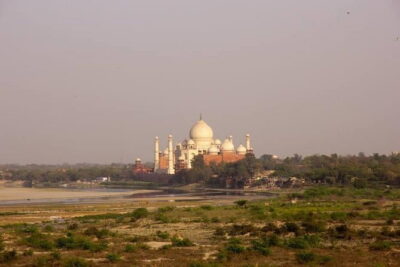
- The Taj Mahal, timed right
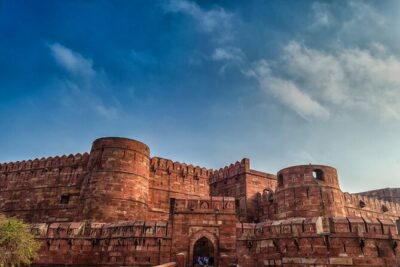
- Agra Fort: Mughal power with defensive walls
- Itimad-ud-Daulah: the Baby Taj effect
- Fatehpur Sikri’s Panch Mahal stop: Mughal palace design
- Drive to Jaipur
- Day 3 Jaipur: Hawa Mahal, City Palace, and Jal Mahal before heading back to Delhi
- Hawa Mahal (Palace of Wind): windows with a purpose
- City Palace of Jaipur: a royal complex with a museum feel
- Jal Mahal: a Water Palace on Man Sagar Lake
- Back to Delhi
- Private guides, real flexibility, and how transport details affect your comfort
- The vehicle setup is based on your party size
- Battery bus at the Taj: less walking, more time looking
- Guides help with ticket flow
- The human factor: the driver-guide model
- Price, value, and the extra costs you should not ignore
- Why the entry-ticket note matters for your budget
- Who should book this tour, and who should pick a slower option
- Should you book this 3-day Golden Triangle tour?
- FAQ
- Is pickup included for this 3-day Golden Triangle tour?
- Is this a private tour or a shared group tour?
- What vehicle will I ride in?
- Are entrance tickets included?
- Does the tour include a battery bus ride at the Taj Mahal?
- Is lunch included?
- What happens if my day in Delhi is a Monday?
- Can I customize the tour?
Key things to know before you go
- Private car that matches your group size, from 4-seater sedan to 10-seater van
- Taj Mahal sunrise start plus a included battery bus ride from the parking area
- Local guides included for sightseeing and ticket help to reduce waiting
- Old Delhi + Mughal Agra + Pink City Jaipur in one smooth circuit
- Monuments may require extra entry payment even though some stops are free
- Monday schedule changes in Delhi if Akshardham and Gandhi Smriti are closed
Why this 3-day Golden Triangle tour works when time is short
The Golden Triangle is famous because it compresses the big “wow” moments into a manageable loop: Delhi (power and empires), Agra (Mughal masterpieces), and Jaipur (Rajput-era design and style). The smartest part of this plan is how it uses private driving and guided stops to keep your day moving without feeling like you’re chasing buses.
You’ll also notice a few practical touches that make the trip feel less stressful than the DIY version. The tour includes pickup and drop-off within Delhi and nearby areas (Noida, Gurugram), and it uses an air-conditioned private vehicle. That matters when you’re moving between cities and walking through crowded historic areas.
I especially like the pace choice here: it’s not a slow, museum-each-hour kind of trip. It’s for people who want to see a lot while still having guidance at each major site.
Other Agra runs out of Delhi worth a look




Day 1 in Delhi: Old Delhi icons, Mughal tombs, and a full evening of landmarks
Day 1 starts with getting oriented fast. After your arrival, a representative meets you and takes you into Delhi sightseeing. The stops are a mix of classic Old Delhi scenes and major monuments spread across the city.
Chandni Chowk and the food-and-market reality of Old Delhi
You begin at Pasar Chandni Chowk, one of the oldest and busiest market areas in Old Delhi. Expect a dense street-market feel: shops, crowds, and lots of street life. If you’re the type who likes to understand a city through daily habits, this is where you get your bearings.
One consideration: it’s busy. Wear comfortable shoes and keep your pace easy. This is also a stop where shopping temptations are real, and bargaining can be part of the fun—or part of your avoidance strategy.
Jama Masjid: scale, history, and a huge prayer space
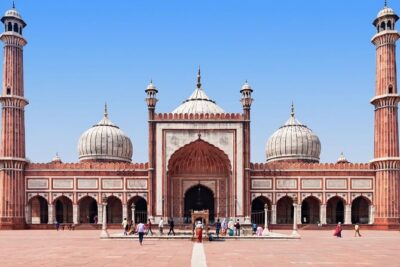
Next is Jama Masjid, built in the mid-17th century by Mughal emperor Shah Jahan. This mosque is massive—up to 25,000 worshippers—and it’s one of the most important Mughal religious landmarks in India. Visiting here helps you connect Delhi’s present to the era that also shaped the Taj Mahal.
Dress and behavior matter at religious sites, so bring simple, respectful choices (your guide will help you navigate what’s appropriate).
Gurudwara Bangla Sahib: langar and the calm of devotion
After the intensity of Old Delhi, Gurudwara Bangla Sahib offers a different rhythm. It’s named after a bungalow that once stood on the site where Guru Har Krishan stayed. A standout detail is the sacred pond and langar—the communal meal served to visitors regardless of religion or caste.
This stop is a nice mental reset. You’ll likely leave with the feeling that Delhi isn’t only grand monuments. It’s also living traditions.
Chasing the Pink City? More Jaipur day trips
India Gate and the colonial-era memorial mood
India Gate is a war memorial in central Delhi with a 42-meter-tall arch. It honors Indian soldiers from World War I and the Third Anglo-Afghan War. The gardens around it make it a good spot for a brief pause—especially if you need a breather after market walking.
Rashtrapati Bhavan and the colonial-era architecture effect
Rashtrapati Bhavan is the President of India’s residence, designed by British architect Edwin Lutyens. You may be able to take guided tours of the main building and surrounding gardens. Even if you only get a partial experience, the architecture helps you see how colonial planning shaped the city’s official core.
Swaminarayan Akshardham and Humayun’s Tomb: modern spectacle to Mughal elegance
Swaminarayan Akshardham is a Hindu temple and cultural center opened in 2005, known for intricate carvings and a musical fountain show. Humayun’s Tomb, a UNESCO site, takes you back to mid-16th century Mughal architecture and gardens.
Quick note for Mondays: Akshardham and Gandhi Smriti are closed on Monday. On those days, you’ll be taken to Gurudwara Bangla Sahib and Birla Temple instead. If you’re planning around a Monday visit, this schedule swap is worth remembering.
Qutub Minar: the UNESCO tower you came to photograph
Qutub Minar is a UNESCO World Heritage Site and a 73-meter-tall tower made of red sandstone and marble. Built in the 12th century by the Delhi Sultanate, it’s a site that delivers on both scale and craftsmanship. The complex also includes other historic structures, so you’ll get a broader snapshot beyond the main tower.
Late-day drive to Agra
At the end of Day 1, you drive from Delhi to Agra and get dropped at your hotel. You’ll want to keep Day 2 energy for the early Taj Mahal start.
Day 2 Agra: Taj Mahal sunrise plus Agra Fort, the Baby Taj, and Fatehpur Sikri
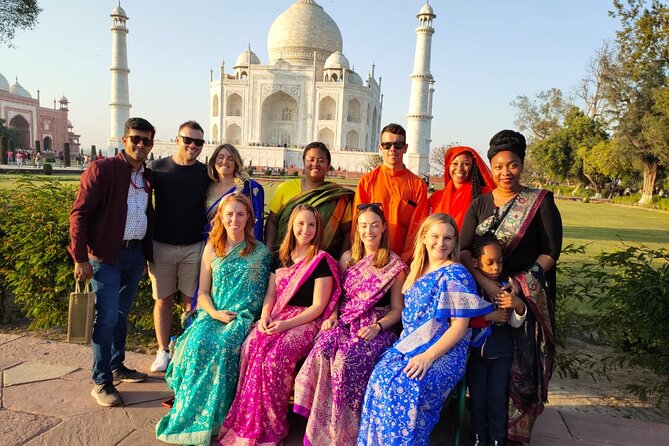
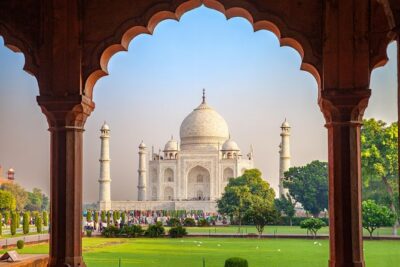
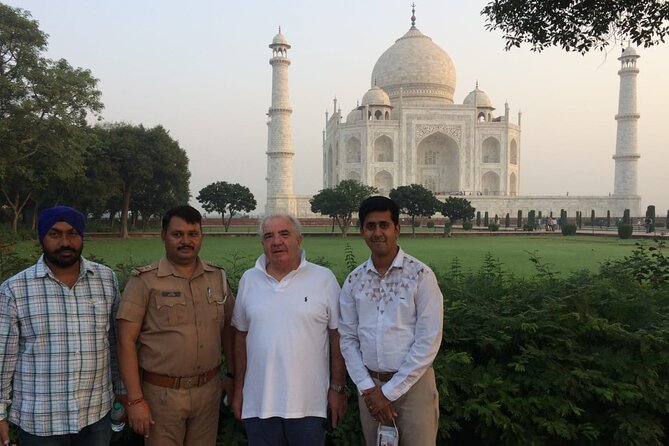
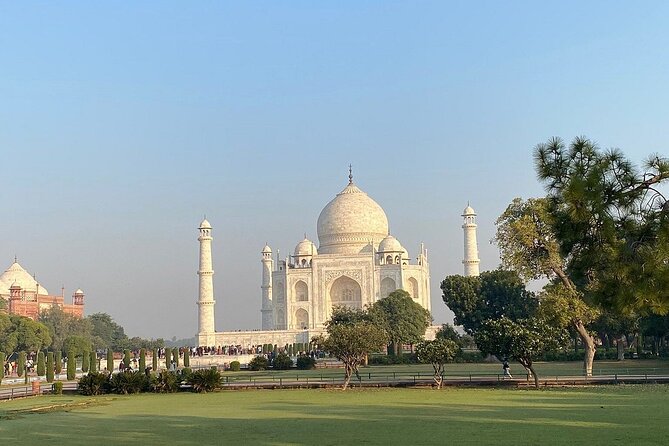
Day 2 is the big ticket day. The plan starts early so you can catch a sunrise view over the Taj Mahal’s marble mausoleum. It’s one of the most famous landmarks in India, built in the 17th century by Shah Jahan as a tomb for Mumtaz Mahal.
The Taj Mahal, timed right
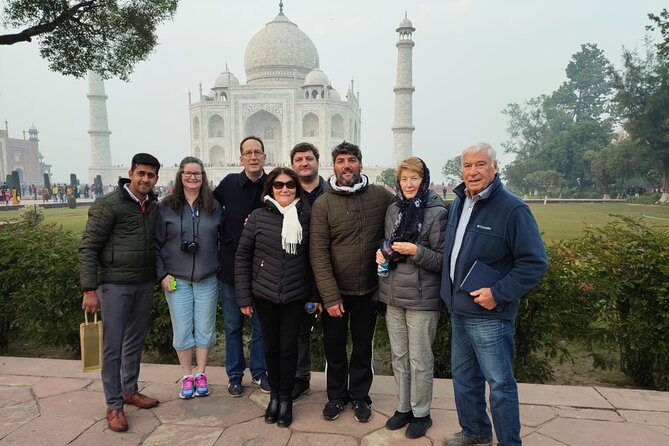
A sunrise approach changes the vibe. Light shifts across the white marble, and the site tends to feel more cinematic than midday. You’ll also have a battery bus ride included from the Taj Mahal parking area to the monuments area, which cuts down on walking time.
Practical tip: even if the sun is rising, plan for cool-to-mild morning temperatures and bring something light you can remove. Also, have your camera ready but don’t spend the entire visit staring through a screen.
Agra Fort: Mughal power with defensive walls
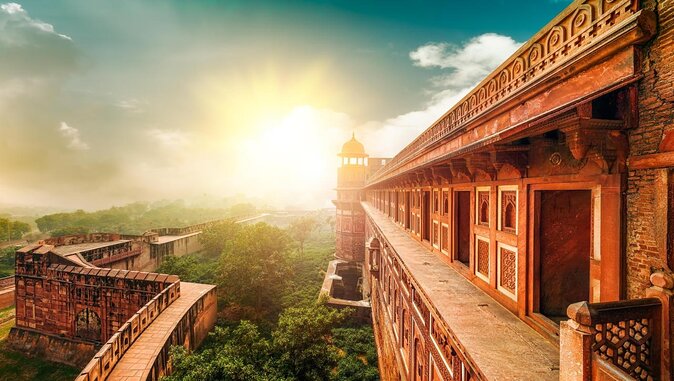
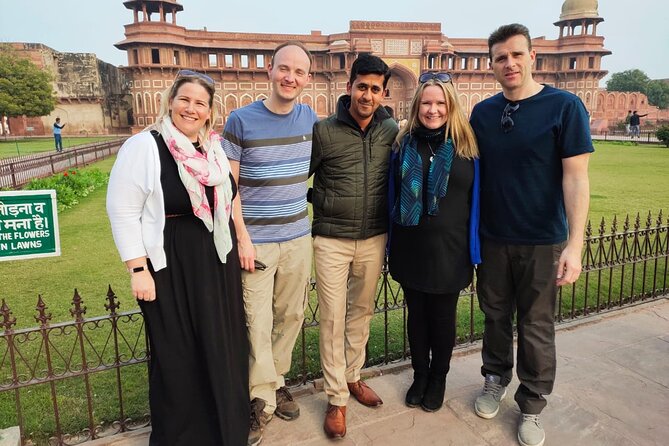
Next is Agra Fort, another UNESCO World Heritage Site. Built in the 16th century by Akbar and later used by Shah Jahan as a palace, the fort is known for its impressive architecture. This is where you see how the Taj’s romantic story connects to actual Mughal rule—fortified, controlled, built to last.
Itimad-ud-Daulah: the Baby Taj effect
Tomb of Itimad-ud-Daulah is often called the Baby Taj because of its resemblance to the Taj Mahal. It’s a Mughal mausoleum with intricate marble carvings. It’s smaller, calmer, and a great stop if you want detail rather than only the biggest iconic views.
Fatehpur Sikri’s Panch Mahal stop: Mughal palace design
Then the plan continues toward Fatehpur Sikri. You’ll visit Panch Mahal, a five-story palace built in the late 16th century by Akbar. It’s known for intricate stone carvings and is a good architectural pause before you head to Jaipur.
Even if Fatehpur Sikri feels a bit quieter than the top Delhi and Agra hits, it’s a useful contrast. It helps you understand the scale of Mughal planning outside the main cities.
Drive to Jaipur
After sightseeing, you’ll drive from Fatehpur Sikri to Jaipur and get dropped at your hotel. You’re finishing the day with movement, so keep your evening plans simple.
Day 3 Jaipur: Hawa Mahal, City Palace, and Jal Mahal before heading back to Delhi
Jaipur is the Pink City, and the itinerary leans into the most recognizable shapes and structures.
Hawa Mahal (Palace of Wind): windows with a purpose
Hawa Mahal is a standout facade with 953 small windows. Built in the 18th century, it let royal women observe the street below without being seen. It’s a design you can’t unsee once you’ve seen it.
Go early enough in your morning to avoid getting stuck in photo bottlenecks. The building’s story is part of the charm, but the real payoff is the sheer weirdness of the window count.
City Palace of Jaipur: a royal complex with a museum feel
City Palace is in the heart of Jaipur and is an early 18th century Rajasthani architecture complex. You’ll also have access to a museum with a collection of art and artifacts from the royal family. This is the best stop on Day 3 if you enjoy understanding how power expressed itself through objects, not only buildings.
Jal Mahal: a Water Palace on Man Sagar Lake
Jal Mahal, also called the Water Palace, sits in the middle of Man Sagar Lake. Built in the 18th century, it’s Rajput architecture with a dramatic setting. You can view it from the shore, and there’s an option to take a boat ride on the lake if you choose.
The drawback here is simple: you’re at the mercy of light and crowds. If the day is hazy or busy, you’ll still get the idea, but the photos might need a little extra patience.
Back to Delhi
After Jaipur sightseeing, you’ll drive back to Delhi. The transfer is about 4 hours, so this is not a day to stack additional plans at the end.
Private guides, real flexibility, and how transport details affect your comfort
This tour is a private experience, meaning only your group participates. That changes everything about how the day feels. You’re not waiting for a slow group in the next lane. Your guide can adjust the pace as traffic or crowds shift.
The vehicle setup is based on your party size
You’ll use an air-conditioned private car. The type changes depending on how many people you have:
- Up to 2 people: 4-seater sedan
- 3–4 people: 6-seater wagon
- 5–10 people: 10-seater van
For most people, this is better than squeezed transfers. You can actually settle in, stash water, and keep your phone accessible without treating the ride like a moving storage unit.
Battery bus at the Taj: less walking, more time looking
Some big sights involve long distances from parking. Here, the Taj Mahal portion includes a battery bus ride from the parking lot to the monuments area. That’s a small included detail that makes a big difference when you’re starting early.
Guides help with ticket flow
The tour notes that your guide will help you buy entrance tickets so you don’t have to wait in the queue. That’s a practical advantage in India’s peak sightseeing zones.
Also, you’re issued a mobile ticket. That helps reduce the friction of printing or managing paper tickets.
The human factor: the driver-guide model
The strongest praise in the experience is about the private driver-guide relationship. In real use, people have been matched with drivers and guides like Dinesh Chauhan and Kamal, with compliments focused on safety and how well they show you the best options.
You should still treat your guide as your best friend for the practical bits: best timing, dress guidance at religious sites, and how to move through crowds without wasting energy.
Price, value, and the extra costs you should not ignore
The tour is listed with a very low headline price ($4) but there’s also a clear note that entry tickets are approximately $55 per person including all monuments. In other words: don’t assume the headline amount covers every paid admission cost.
Here’s what you can count on from the package details:
- Hotel taxes and service charge are included
- Fuel surcharge is included
- All sightseeing with private local guides is included
- Mineral water and soft drinks during the journey are included
- Hotel breakfast is included only if you book the option that includes hotels
- Pickup and drop-off are included (Delhi, Noida, Gurugram, plus airport or station when flight details are provided)
And here’s what’s not included:
- Lunch and gratuities
- Entry tickets (approx $55 per person including monuments)
Why the entry-ticket note matters for your budget
Even if many stops are marked free, the package also flags a monument entry cost. That combination suggests you should plan around a per-person admission budget rather than assuming everything is covered.
If you want to avoid stress, decide upfront how you’ll handle:
- Paid monument admissions (budget about $55 per person per the note)
- Lunch meals (not included)
- Gratuities (not included)
Then you can enjoy the trip without doing math every time you reach a ticket desk.
Who should book this tour, and who should pick a slower option
This is ideal for you if:
- You want Delhi, Agra, and Jaipur in a compact circuit
- You’re comfortable with early mornings and long driving days
- You prefer private guidance over navigating alone
- You like seeing major sites rather than spending half the day on one museum
You might want a slower plan if:
- You hate tight schedules or long road time
- You want lots of free time for shopping or wandering without guidance
- You’re sensitive to early wake-ups, especially for Taj Mahal sunrise
One more practical reality: this experience requires good weather. If weather is poor, you’ll be offered a different date or a full refund.
Should you book this 3-day Golden Triangle tour?
I’d book it if your goal is simple: maximize the big highlights of the Golden Triangle with the comfort of private transport and real local guidance. The included pickup, guides, and the Taj Mahal battery bus ride add up to less hassle than DIY. The schedule is packed, but it’s built for people who want results.
Don’t book it blindly if you know you’ll want a lot of unstructured time. This trip trades flexibility for coverage. Also, double-check the admission cost reality for your dates (the note puts monument entry around $55 per person) so you’re not surprised when ticket times hit.
FAQ
Is pickup included for this 3-day Golden Triangle tour?
Yes. Pickup is offered from the airport, railway station, hotel, or any pickup location in Delhi, Noida, and Gurugram. If you’re picked up from the airport, flight details must be provided at booking time.
Is this a private tour or a shared group tour?
It’s private. Only your group will participate.
What vehicle will I ride in?
The car type depends on group size: a 4-seater sedan for up to 2 people, a 6-seater wagon for 3–4 people, and a 10-seater van for 5–10 people. It’s an air-conditioned private vehicle.
Are entrance tickets included?
Entry tickets are not included in the package notes. There is an additional entry ticket estimate of about $55 per person covering monuments. Your guide helps you buy entrance tickets so you can avoid long waits in queue.
Does the tour include a battery bus ride at the Taj Mahal?
Yes. Battery bus ride to and from the Taj Mahal parking lot to the Taj Mahal monuments is included.
Is lunch included?
No. Lunch and gratuities are not included.
What happens if my day in Delhi is a Monday?
Akshardham and Gandhi Smriti are closed on Monday. On those days, you’ll be taken to Gurudwara Bangla Sahib and Birla Temple.
Can I customize the tour?
Yes. The tour can be customized as per your requirements.
The Full Golden Triangle, More Options
- 3-Days Private Golden Triangle Tour: Delhi, Agra & Jaipur by Car
★ 5.0 · 1,107 reviews - 3-Days Private Golden Triangle Tour: Delhi, Agra & Jaipur by Car
★ 5.0 · 1,098 reviews - 3-Day Delhi, Agra and Jaipur Private Tour – India Golden Triangle
★ 5.0 · 812 reviews - Four-Day Private Luxury Golden Triangle Tour to Agra and Jaipur From New Delhi
★ 5.0 · 807 reviews - 5 Nights 6 Days Private Golden Triangle Tour – Delhi Agra Jaipur
★ 5.0 · 574 reviews
Onward to Jaipur: More Day Trips
- 3-Days Private Golden Triangle Tour: Delhi, Agra & Jaipur by Car
★ 5.0 · 1,107 reviews - 3-Days Private Golden Triangle Tour: Delhi, Agra & Jaipur by Car
★ 5.0 · 1,098 reviews - 3-Day Delhi, Agra and Jaipur Private Tour – India Golden Triangle
★ 5.0 · 812 reviews - Four-Day Private Luxury Golden Triangle Tour to Agra and Jaipur From New Delhi
★ 5.0 · 807 reviews - Jaipur Day Trip from Delhi by Car or Train – All Inclusive
★ 5.0 · 663 reviews
More Agra Day Trips out of Delhi
- Same Day Taj Mahal, Agra Fort & Baby Taj Tour from Delhi by Car
★ 5.0 · 4,304 reviews - Full Day Taj Mahal, Agra Fort & Baby Taj Tour from Delhi by Car
★ 5.0 · 3,647 reviews - From Delhi: Taj Mahal & Agra Private Day Trip with Transfers
★ 4.9 · 3,181 reviews - From Delhi: Taj Mahal and Agra Fort Private Sunrise Tour
★ 4.9 · 2,270 reviews - Sunrise Taj Mahal, Agra Fort & Baby Taj Tour from Delhi by Car
★ 5.0 · 2,243 reviews
Just added: more New Delhi reviews to browse
- 4 days Golden Triangle Tour★ 5.0 · 3 reviews
- Discover Old & New Delhi: Private Tour with Street Food★ 5.0 · 3 reviews
- Taj Mahal Tour From Delhi By Private Car★ 4.5 · 3 reviews
- Golden Triangle Tour 5 Days★ 5.0 · 3 reviews
- Taj Mahal: Express Entry Ticket For Sunset Tour with guide★ 5.0 · 3 reviews
- Agra Taj Mahal Sunrise & Sunset Tour from Delhi★ 5.0 · 3 reviews
Agra Day Trips from Delhi, compared.
 ★ 5.0Same Day Taj Mahal, Agra Fort & Baby Taj Tour from Delhi by CarFrom $624,304 reviews
 ★ 5.0Full Day Taj Mahal, Agra Fort & Baby Taj Tour from Delhi by CarFrom $623,647 reviews
 ★ 4.9From Delhi: Taj Mahal & Agra Private Day Trip with TransfersFrom $43,181 reviews
 ★ 4.9From Delhi: Taj Mahal and Agra Fort Private Sunrise TourFrom $592,270 reviews
 ★ 5.0Sunrise Taj Mahal, Agra Fort & Baby Taj Tour from Delhi by CarFrom $622,243 reviews
 ★ 5.0Taj Mahal and Agra Private Car Tour from Delhi with 5* LunchFrom $331,633 reviews
 ★ 4.9From Delhi: Private Taj Mahal and Agra Tour by Express TrainFrom $751,605 reviews
 ★ 5.0Taj Mahal, Agra Fort, Baby Taj Tour from Delhi by Superfast TrainFrom $751,494 reviews