
Reviewed · TAJ MAHAL TOURS FROM DELHI
3-Night Private Tour to The Taj Mahal and Agra with Varanasi from Delhi
Taj Mahal, then the Ganges at dawn is powerful. I like the private guide setup that keeps the day efficient, and I like that this route strings together Agra and Varanasi with included train tickets instead of forcing you to keep changing plans. You also get the big moments that usually require timing—a Ganges sunrise boat ride and an evening aarti by the river. One consideration: the overnight sleeper train experience can be less predictable than advertised, so I’d confirm coach and berth details before you get comfortable.
This is a true “see a lot, with less hassle” style of trip. You’re picked up in Delhi, driven in a private air-conditioned vehicle, and taken to the monuments with entrance fees handled, plus even water bottles along the way. If you like having someone translate what you’re looking at, this plan makes sense.
The best part is the balance: architecture in Agra, religious life in Varanasi, and a Buddhist stop at Sarnath. The trade-off is that you’ll move early and you’ll spend real time on trains—so pack for comfort, not just photos. This tour also carries a 4.4/5 rating across 8 departures, which tells me it’s generally landing well when the overnight-rail expectations are managed.
In This Review
- Quick hits before you go
- Entering Agra on schedule: that early Delhi-to-Agra start
- Taj Mahal and Agra Fort: seeing the details that matter
- The optional shopping stop: don’t let it eat your focus
- Overnight trains to Varanasi: save days, manage expectations
- Varanasi after lunch: temples that ground the city
- Evening Ganga Aarti: candlelight, incense, and close-up ritual
- Ganges sunrise boat ride: seeing pilgrims in motion
- Sarnath: Buddhist art and the first sermon site
- Rickshaw rides and street-level Varanasi: practical ways to enjoy it
- Price and value: why $776 can work (and when it won’t)
- Who should book this Taj Mahal–Agra–Varanasi private tour
- Should you book it? My straight recommendation
- FAQ
- What time does pickup start in Delhi?
- How long is the drive from Delhi to Agra?
- Is the Taj Mahal included, and is it ever closed?
- Are Agra Fort tickets included?
- What meals are included during the tour?
- Is there an overnight train during this tour?
- Is rickshaw riding included in Varanasi?
- Is a boat cruise included on the Ganges?
- Where do you stay overnight?
- Can I request a vegetarian option?
Quick hits before you go
- Private guide and vehicle for monument days so you lose less time finding the next place.
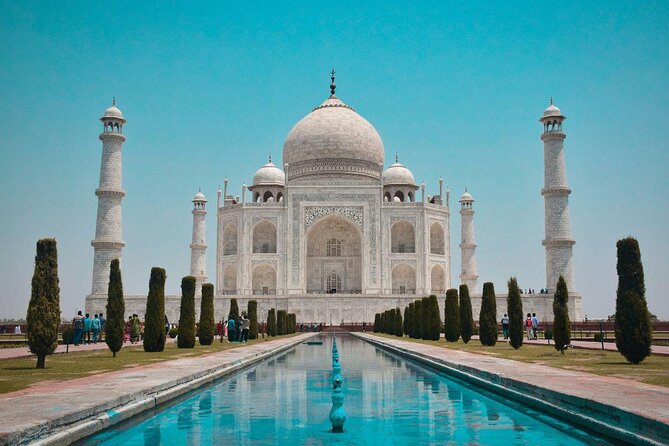
- Taj Mahal access with golf cart rides to reduce walking inside the main complex.
- Ganges sunrise boat cruise plus evening aarti for two very different emotional beats.
- Rickshaw ride through Varanasi bazaars that puts you in the street-level rhythm.
- Sarnath with the Buddha’s first sermon site and the Archaeological Museum.
- Overnight train between cities to save travel days, but verify berth setup.
Entering Agra on schedule: that early Delhi-to-Agra start
Your day begins early, with a 7:00 am hotel pickup in Delhi (and nearby areas like Noida or Gurugram). The drive to Agra is about 3 hours via the Yamuna Express Highway, and that matters because the Taj Mahal is a timed experience in real life. It’s much easier to enjoy the complex calmly when you’re not arriving after the peak rush.
Plan to treat this as a monument day, not a casual stroll. The tour includes the main sites you came for—Taj Mahal and Agra Fort—plus it builds a buffer where you can breathe. Even with a packed schedule, having a private driver means you’re not waiting around for public transport schedules.
One useful detail: the Taj Mahal is closed on Fridays, so if your date lands on a Friday, you’ll want the guide to map the best alternative plan quickly. That single fact can make or break your “first-choice” itinerary.
More ways to reach the Taj, weighed side by side




Taj Mahal and Agra Fort: seeing the details that matter
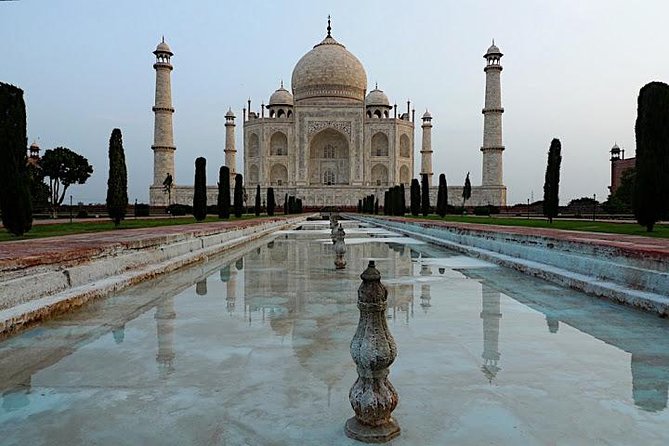
The Taj Mahal is included with admission, and the experience is structured to help you focus. One smart inclusion is the golf cart ride to and from the Taj Mahal in Agra, which reduces the walk right where you may want to save your energy for photos and viewpoints. It’s not a luxury gimmick; it just makes a long complex easier to enjoy.
What I like about this kind of Taj visit is that it’s not only about standing in front of the famous facade. With a private guide, you can get context while you’re looking—why the building became the symbol it is, and what the Mughal design was doing with symmetry, materials, and light. This is one of those places where a few minutes of explanation can change the way you see the stonework and layout.
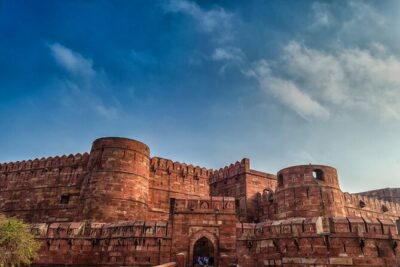
Then you move to Agra Fort, also included with admission. This fort is described as a UNESCO World Heritage site built by Emperor Akbar in 1565. The structure is made of red sandstone, and it’s said to show a mix of Hindu and Central Asian architectural styles. I’d treat this as your “second lens” on Mughal-era power: the palace/mausoleum grand statement in one place, and the fortress-side of the empire in another.
Agra Fort also helps you cool down a bit from the intense scale of the Taj. It’s still impressive, but it feels more grounded and “built for control,” not just for beauty. If you enjoy history you can walk through, this stop is worth the time.
The optional shopping stop: don’t let it eat your focus
After your main monuments, there’s a flexible-feeling slot: Sanskriti’s Imperial Gems. It’s framed as time for shopping in Agra, known for handicrafts like marble and softstone inlay work—a craft the Mughals supported as patrons of the arts.
Here’s the practical take. If you’re not shopping, don’t feel pressured to drift through slowly out of politeness. You can use the time strategically: ask your guide what’s most interesting, decide quickly what you want to buy (if anything), or shorten your stay and refocus on your next transition.
If you do shop, remember you’re in India and you’re buying craftsmanship, not factory electronics. Compare pieces, ask questions, and don’t be rushed. The best souvenir is the one you actually want to live with after the trip.
Overnight trains to Varanasi: save days, manage expectations
Between your Agra and Varanasi days, you switch to overnight rail. The plan includes train tickets in 2nd AC for Agra–Varanasi and Varanasi–Delhi, and it states you’ll have two nights on the overnight train plus one night in a hotel.
This is the core trade-off of the trip. Overnight trains can feel like time travel in the best way—you wake up in a new city with your day still intact. But comfort and privacy depend on what coach you actually receive.
One watch-out I’d treat seriously: even though the experience is described as 2nd AC (which usually suggests more privacy than standard sleepers), the real berth setup can vary. I’d confirm details with the operator before travel—especially whether you’ll have curtains and how private your compartment feels. If privacy is a big deal for you, ask specifically.
Also pack like you’re staying overnight on a train:
- a light layer (AC can swing cold)
- a small towel or wipes
- earplugs or headphones for noise
- something to read or download offline
The tour includes water bottles, but you’ll still want your own small comfort kit since overnight rail bathrooms and shower situations can differ by coach and station stop.
When the train arrives in Varanasi, you’re driven to your hotel and check in around noon. That timing is helpful because it avoids the all-night fatigue of trying to start sightseeing immediately at arrival.
Varanasi after lunch: temples that ground the city
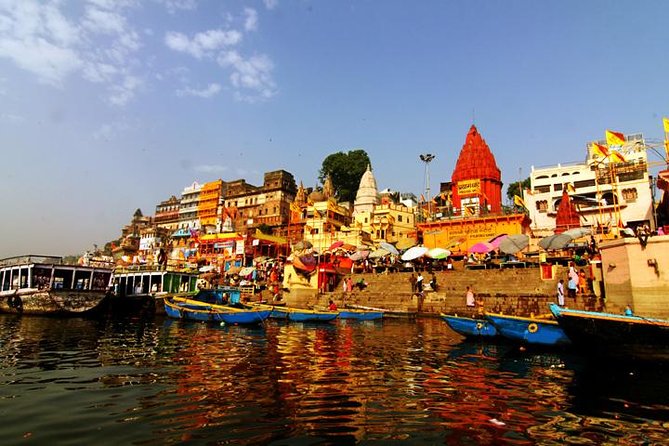
Vedic and Buddhist sites in Varanasi can feel overwhelming at first because everything is active at once. This day starts with a lunch break at a local restaurant, then moves into temple visits that help you get the geography and symbolism right.
Your first temple stop is the Bharat Mata Temple, described as featuring a large marble relief map of India. After that you go to the Durga Temple and Tulsi Manas Mandir. This sequence is useful because it shifts from an idea of India-as-symbol to everyday devotional architecture.
What I like about this portion is the “calm before the river.” You’re not rushing straight into the chaos of the ghats. You’re learning the city’s religious language first, so when the river ceremonies start later, you understand what you’re seeing beyond surface spectacle.
Because it’s a private guide and private vehicle, you also spend less time circling and more time watching carefully. In Varanasi, those minutes matter.
Other Agra runs out of Delhi worth a look


Evening Ganga Aarti: candlelight, incense, and close-up ritual
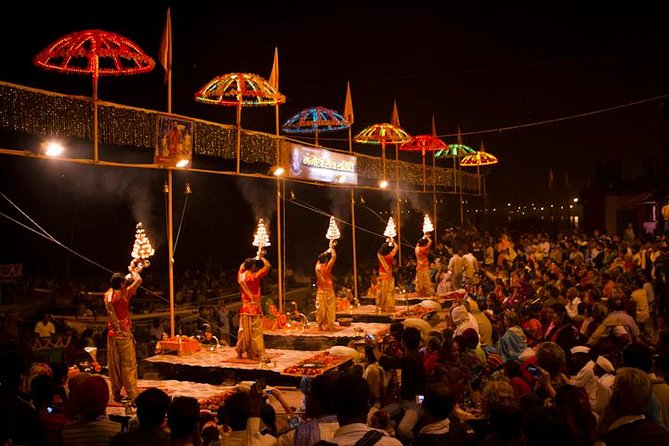
Then comes the reason many people are willing to plan around early mornings and overnight trains. You’ll take a rickshaw ride through busy streets and bazaars to reach the river, and then you cruise to witness the aarti ceremony.
This isn’t just a land-view moment. The description includes witnessing the ceremony with hundreds of lighted candles and flower offerings. That changes the feel from “watching from a distance” to “being part of the scene.”
If you’re sensitive to crowds, this is still doable because you’re guided and the route is organized. But it’s still Varanasi at night—crowds, sound, movement, and strong atmosphere. I’d go with a mindset of participation rather than observation only. Even when you don’t speak the language, you can follow rhythm: prayer, offering, movement, and response.
Photography is possible, but be mindful of where you’re standing or sitting. In a ceremony like this, you don’t want to block sightlines or behave like the only person with a camera.
Ganges sunrise boat ride: seeing pilgrims in motion
The next morning starts early with a Ganges boat cruise to observe pilgrims’ way of life by the ghats. The boat ride is listed as 3 hours with admission included, which tells me it’s not a quick “snap and go” activity.
A sunrise boat cruise is a different Varanasi experience than the night aarti. In the morning, you tend to see routine: bathing, washing, quiet conversation, small personal rituals. The tour description notes you’ll step onto a rustic boat and watch the day begin at the river.
This is one of those moments where I’d recommend going without overplanning your camera shots. You’ll get better if you pause and let your senses catch up. The river is active and layered, and the early light makes it easier to see detail without harsh glare.
Plan for wind on the water. Even in warm seasons, mornings can feel chilly.
Sarnath: Buddhist art and the first sermon site
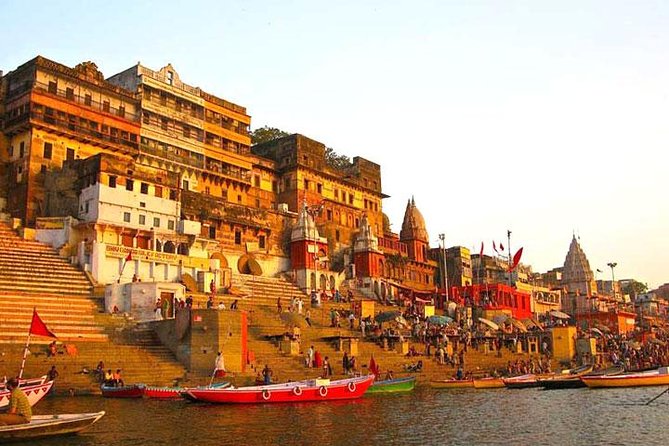
After your boat ride, you head to Sarnath, an important pilgrimage center for Buddhists. This is where the Buddha is described as delivering his first sermon after reaching enlightenment. The stop includes time at the Sarnath temple and the Archaeological Museum, both full of Buddhist art treasures.
Sarnath is a nice contrast to Varanasi’s Hindu temple density. It slows your pace intellectually and visually. If you’re curious about how Buddhism spread and how sacred spaces were designed, this is a strong add-on.
Because admission is included and you have a guide, you can get beyond a checklist visit. You’ll be able to connect the site’s significance with the art you’re seeing, instead of only reading labels.
Rickshaw rides and street-level Varanasi: practical ways to enjoy it
One of the most memorable parts of this tour is how it uses transportation. You’re taken by rickshaw in Varanasi, which puts you through narrow streets and bazaars without asking you to navigate. It’s included, and that matters because Varanasi’s road layout can be confusing for first-timers.
You’ll likely feel the contrast immediately: silence where a ceremony begins, then motion again as people move through their day. If you’re comfortable with a bit of chaos, you’ll find the ride helps you connect the city’s religious life to its daily commerce.
Just keep expectations realistic. This isn’t a “sit back and admire scenery from a window” kind of transport. It’s more like being carried through the city’s pulse.
Price and value: why $776 can work (and when it won’t)
At $776 for a private 4-day experience, the value mostly comes from what’s handled for you, not from any single “wow” item. You’re getting:
- hotel accommodation for one night (twin sharing) with breakfast
- 2 nights on overnight trains
- a private guide and a private air-conditioned vehicle for transfers and sightseeing
- entrance fees to the included monuments
- rickshaw ride, morning boat ride, and the evening aarti cruise
- pickup offered from Delhi-area hotels or airport
That’s a lot of logistics to outsource. Many independent travelers would pay similar amounts once they buy trains, guides, and admission separately—then add the stress factor of coordinating schedules.
The one reason the price might feel off is the overnight train comfort question. If you end up in a berth setup that doesn’t match what you expected, that can take the shine off the “value for money” calculation. So if sleep quality is your top priority, double-check the coach/berth arrangement in advance.
Also note what’s not included: drinks and gratuities. Plan a modest budget for water beyond what’s supplied and for tips.
Who should book this Taj Mahal–Agra–Varanasi private tour
This tour fits best if you want:
- private guiding on a packed route
- major sights without day-to-day planning
- a real Varanasi experience that includes both sunrise river time and evening aarti
It’s also a good match if you’d rather spend money on organization than on constant decision-making. The smart casual dress code is a helpful hint that you’re not expected to bring formal outfits, just comfortable clothes for temple areas and changing weather.
If you’re traveling with dietary needs, a vegetarian option is available if you advise in advance. And if you’re sensitive to pace, tell your guide early—you can often adjust timing within the framework of monument access and train schedules.
Should you book it? My straight recommendation
Book this tour if you want a structured, private way to see Taj Mahal + Agra Fort + Sarnath + Varanasi ghats without stitching together transport on your own. The inclusions—private guide, entrance fees, boat time, rickshaw, and train tickets—remove most of the headaches that tend to ruin multi-city trips.
Think twice (or confirm details first) if you’re very picky about overnight train comfort and privacy. Ask about the actual coach and berth layout so you’re not stuck feeling disappointed in the middle of the experience.
If you can handle early starts and one night on the rails, you’ll get the kind of India contrast that’s hard to recreate any other way: marble grandeur in Agra, then prayer at the river in Varanasi.
FAQ
What time does pickup start in Delhi?
Pickup is scheduled to start at 7:00 am.
How long is the drive from Delhi to Agra?
The drive is about 3 hours.
Is the Taj Mahal included, and is it ever closed?
Yes, the Taj Mahal visit is included with admission, and it’s listed as closed on Fridays.
Are Agra Fort tickets included?
Yes, Agra Fort entrance is included.
What meals are included during the tour?
The tour includes breakfast, 3 lunches, and some meals overall are included as part of the package.
Is there an overnight train during this tour?
Yes. The tour includes 2 nights on overnight trains and private train tickets between Agra and Varanasi and between Varanasi and Delhi.
Is rickshaw riding included in Varanasi?
Yes, a rickshaw ride in the local bazaar is included.
Is a boat cruise included on the Ganges?
Yes, there is a morning boat ride on the Ganges, and the evening program includes a cruise to witness the aarti ceremony.
Where do you stay overnight?
You have one night of hotel accommodation (twin sharing with breakfast). The other nights are on the overnight train.
Can I request a vegetarian option?
Yes. A vegetarian option is available if you advise at the time of booking.
More Tour Reviews in New Delhi
- Old & New Delhi City Tour – Half or Full Day Options Available
★ 5.0 · 4,811 reviews - Half Day Private Delhi City Tour
★ 5.0 · 4,474 reviews - Same Day Taj Mahal, Agra Fort & Baby Taj Tour from Delhi by Car
★ 5.0 · 4,304 reviews - Taj Mahal Day Tour from Delhi by Superfast Train – TOP RATED TOUR
★ 5.0 · 4,166 reviews - Delhi: Old and New Delhi Private Full or Half-Day Tour
★ 4.9 · 3,776 reviews
More Agra Day Trips out of Delhi
- Same Day Taj Mahal, Agra Fort & Baby Taj Tour from Delhi by Car
★ 5.0 · 4,304 reviews - Full Day Taj Mahal, Agra Fort & Baby Taj Tour from Delhi by Car
★ 5.0 · 3,647 reviews - From Delhi: Taj Mahal & Agra Private Day Trip with Transfers
★ 4.9 · 3,181 reviews - From Delhi: Taj Mahal and Agra Fort Private Sunrise Tour
★ 4.9 · 2,270 reviews - Sunrise Taj Mahal, Agra Fort & Baby Taj Tour from Delhi by Car
★ 5.0 · 2,243 reviews
The Taj, Reached a Few More Ways
- Same Day Taj Mahal, Agra Fort & Baby Taj Tour from Delhi by Car
★ 5.0 · 4,304 reviews - Taj Mahal Day Tour from Delhi by Superfast Train – TOP RATED TOUR
★ 5.0 · 4,166 reviews - Full Day Taj Mahal, Agra Fort & Baby Taj Tour from Delhi by Car
★ 5.0 · 3,647 reviews - From Delhi: Taj Mahal & Agra Private Day Trip with Transfers
★ 4.9 · 3,181 reviews - Taj Mahal Tour from Delhi by Express Train (Viator Award Winner)
★ 5.0 · 2,849 reviews
Just added: more New Delhi reviews to browse
- 4 days Golden Triangle Tour★ 5.0 · 3 reviews
- Discover Old & New Delhi: Private Tour with Street Food★ 5.0 · 3 reviews
- Taj Mahal Tour From Delhi By Private Car★ 4.5 · 3 reviews
- Golden Triangle Tour 5 Days★ 5.0 · 3 reviews
- Taj Mahal: Express Entry Ticket For Sunset Tour with guide★ 5.0 · 3 reviews
- Agra Taj Mahal Sunrise & Sunset Tour from Delhi★ 5.0 · 3 reviews
Taj Mahal Tours from Delhi, compared.
 ★ 5.0Same Day Taj Mahal, Agra Fort & Baby Taj Tour from Delhi by CarFrom $624,304 reviews
 ★ 5.0Taj Mahal Day Tour from Delhi by Superfast Train – TOP RATED TOURFrom $1004,166 reviews
 ★ 5.0Full Day Taj Mahal, Agra Fort & Baby Taj Tour from Delhi by CarFrom $623,647 reviews
 ★ 4.9From Delhi: Taj Mahal & Agra Private Day Trip with TransfersFrom $43,181 reviews
 ★ 5.0Taj Mahal Tour from Delhi by Express Train (Viator Award Winner)From $752,849 reviews
 ★ 5.0All Inclusive Private Taj Mahal Luxury Tour from Delhi by CarFrom $622,564 reviews
 ★ 4.9Same Day Taj Mahal, Fort & Baby Taj Tour from Delhi by CarFrom $502,534 reviews
 ★ 4.9From Delhi: Taj Mahal and Agra Fort Private Sunrise TourFrom $592,270 reviews
Browse the lists this tour appears in