
Reviewed · AGRA DAY TRIPS FROM DELHI
6-Day Private Golden Triangle Tour: Delhi, Agra, and Jaipur
Golden Triangle trips can feel like a blur.
This private 6-day route through Delhi, Agra, and Jaipur is built to keep the chaos low: you get hotel pickup, a dedicated guide, and a comfortable private vehicle while hitting the headline sights. You’ll start with grand temples in Delhi, switch to Mughal masterpieces, and end with Jaipur’s palace-and-fort lineup.
I love two things right away. First, you get monument entry fees included, so once you’re inside, you’re not doing the mental math at every gate. Second, the tour runs with a driver-and-guide team that often shows up as true professionals by name in past trips, like drivers Ravi or Hari and guides such as Mahesh.
The one drawback to plan around is timing. A sunrise Taj Mahal visit can shift if weather isn’t cooperative, and Taj Mahal is closed on Fridays, so your schedule may move accordingly.
In This Review
- Key things worth knowing before you go
- A Golden Triangle that moves, without making you manage it
- Price and value: what the $536.62 per person really buys
- Entering Akshardham on Day 1: a polished start to Delhi
- Humayun’s Tomb, Qutub Minar, Lotus Temple, and India Gate: Mughal to monument-proper
- Old Delhi by bicycle rickshaw: Chandni Chowk without the walking fatigue
- The drive to Agra and your best nights of sleep
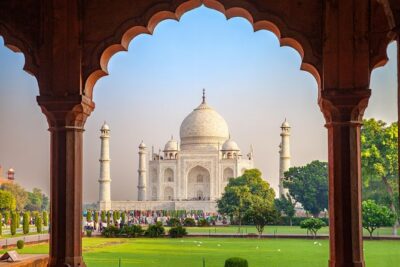
- Taj Mahal sunrise on Day 3: the moment you plan the whole trip for
- Agra Fort and Mehtab Bagh: why you should not skip the extras
- Day 4’s route to Jaipur: Abhaneri step wells as a breather
- Amber Palace on Day 5: the fort, the views, and the one small extra cost
- Day 6 in Delhi (or continue): don’t lose your last morning
- Comfort, pacing, and the small things that make or break this kind of trip
- Should you book this private Golden Triangle tour?
- FAQ
- What cities are included in the Golden Triangle tour?
- Is hotel pickup included?
- Are monument entry fees included?
- Is there a sunrise visit to the Taj Mahal?
- What rides or extra transport are included during sightseeing?
- What meals are included?
Key things worth knowing before you go
- Hotel pickup and private vehicle cover the messy parts of India logistics so you spend time looking, not negotiating.
- Entry fees are bundled for the major monuments, plus you get rides like a return battery bus at the Taj.
- Old Delhi gets a rickshaw ride, which is about more than fun, it’s the fastest way to feel the street pulse without walking forever.
- Sunrise Taj Mahal is the big moment, with weather and the Friday closure rules affecting the plan.
- Jaipur mixes forts, observatories, and temple stops, so the city isn’t only about photo stops.
A Golden Triangle that moves, without making you manage it
This is the kind of tour you book when you want India’s most famous highlights but you don’t want to babysit timing. You’ll be picked up from Delhi (airport, hotel, or nearby areas like Gurugram/Noida), then transported door-to-door each day in an air-conditioned private vehicle.
What you’re paying for is reduced friction: a guide to handle the story, a driver to handle the streets, and tickets/entry fees built into the plan for the sights listed. It’s especially valuable on a route like this, where the distances between cities can eat your day if you travel independently.
You also have flexibility at the end. The tour can end in Delhi or Jaipur depending on your preference, which helps if you’re trying to connect to another plan rather than backtracking.
Other Agra runs out of Delhi worth a look




Price and value: what the $536.62 per person really buys
At $536.62 per person, the headline number looks high until you itemize what’s included. You’re getting five nights of accommodation with breakfast (on a twin-sharing basis when you select the hotel-included option), plus a private vehicle for all sightseeing and transfers.
Add in the included guide service, monument entry fees for the key stops, and special transport touches like the battery bus/golf cart return from the Taj Mahal complex. You’re also getting unlimited bottled water throughout the tour, plus a cycle-rickshaw ride in Old Delhi.
In other words, you’re not just buying access to monuments. You’re buying the time saved from ticket lines, map stress, and coordinating separate rides between cities. For first-timers or solo travelers, that value becomes very real, because the stress you avoid is often the biggest hidden cost.
Entering Akshardham on Day 1: a polished start to Delhi
Your day starts with pickup and transfer to your hotel in Delhi (including nearby Gurgaon and Noida pickup points). Then you head out in the early evening to Swaminarayan Akshardham, one of Delhi’s largest temples.
This isn’t a quiet, off-the-beaten-path visit. Akshardham is known for its lavish craftsmanship and big scale, and it’s designed for a multi-sensory visit, with artisans using traditional techniques to create detailed carvings and relief work. Plan on taking your time with photos and walking the grounds because the place is visually intense in a good way.
Small consideration: Akshardham is closed on Mondays. If your dates fall on a Monday, the tour timing can change, so it’s worth checking how your local operator will handle the swap. Also keep your dress code in mind. Smart casual is expected.
Humayun’s Tomb, Qutub Minar, Lotus Temple, and India Gate: Mughal to monument-proper
The next day is about classic Delhi highlights with a logical route that keeps you from zig-zagging across the city. After breakfast, you’ll visit Humayun’s Tomb, a UNESCO World Heritage site and one of the strongest early Mughal landmarks in Delhi.
From there, Qutub Minar follows. This is the soaring victory tower/minaret that the complex is named for, and it’s a must-see for anyone who wants to understand why Delhi’s monuments feel so monumental. You’ll also get a stop at the Lotus Temple, which is free and has a calm, modern worship space shaped like a lotus flower.
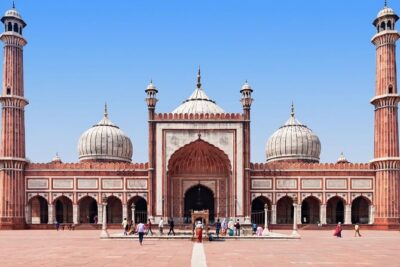
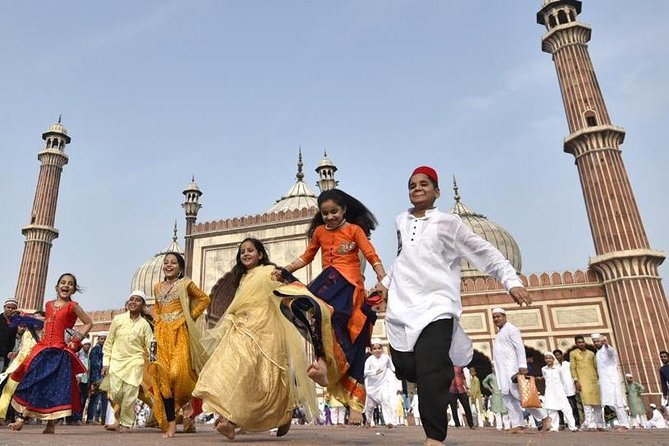
Then the tour threads through central Delhi landmarks: India Gate (free) and the area around Rashtrapati Bhavan/President House, which is fascinating mainly for its official grandeur and the planning of the capital. You also stop at Jama Masjid in Old Delhi, where the scale is huge and the location sits above the surrounding area.
A practical tip: Old Delhi can move fast and feel loud. Your guide’s job here isn’t just historical facts, it’s helping you time entrances and avoid unnecessary wandering.
Old Delhi by bicycle rickshaw: Chandni Chowk without the walking fatigue
The standout experience in this day’s mix is the cycle-rickshaw ride through Chandni Chowk’s streets. This is one of those moments where you feel the city instead of reading about it. You’ll ride through a crowded corridor of shops and street life and get a front-row sense of daily commerce.
It’s also strategic. Without this ride, you’d either walk too much in the heat and congestion or you’d miss the best parts of how the street layout actually works. The rickshaw keeps it fun while limiting the grind.
You’ll also see Raj Ghat, the simple memorial platform marking where Mahatma Gandhi was cremated. It’s brief, respectful, and a good reset from the busy market energy before you start thinking about Agra.
Chasing the Pink City? More Jaipur day trips
The drive to Agra and your best nights of sleep
After Delhi sightseeing, you’ll drive about three hours to Agra via the expressway. You check into your hotel on arrival, and this is one of the best parts of a guided plan: someone else handles the timing while you focus on cooling down and getting ready for the Taj morning.
Agra is where the itinerary rhythm changes. The next day starts early, so you’ll want to treat your evening as recovery time. Keep your camera ready, but don’t try to squeeze in extra activities after you arrive at night.
Taj Mahal sunrise on Day 3: the moment you plan the whole trip for
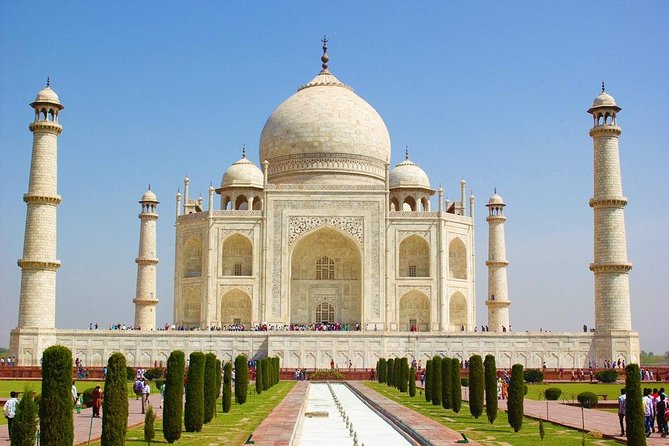
Day 3 is built around the sunrise Taj Mahal visit. This is the obvious headline, and for good reason: the Taj Mahal’s changing light at dawn gives it a different mood than daytime photos. The tour includes admission, and it also includes a battery bus/golf cart return ride from the parking area back to the main visitor zones, which helps a lot if you’re arriving early and don’t want to burn energy before you’ve even started looking.
Two timing rules matter here. Taj Mahal remains closed for visitors every Friday. If your sunrise day falls on a Friday, you’ll visit the next day at sunrise instead. Also, the sunrise visit is subject to weather conditions, so plan for the possibility of schedule adjustment if the skies don’t cooperate.
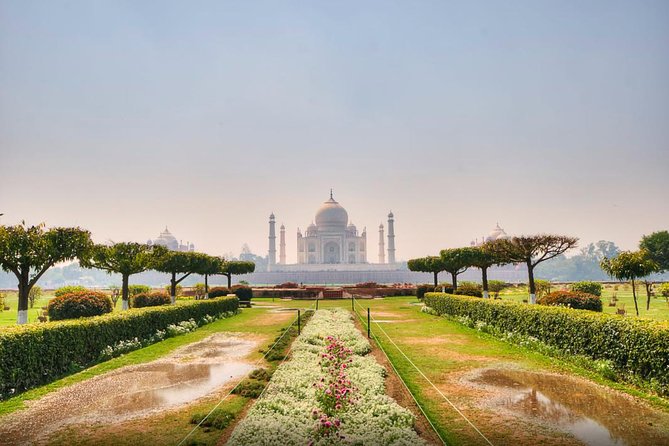
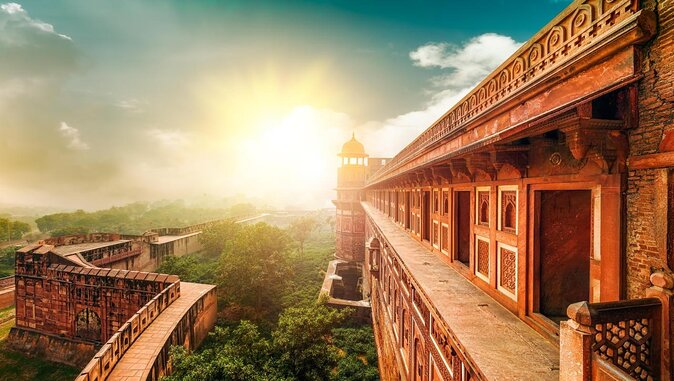
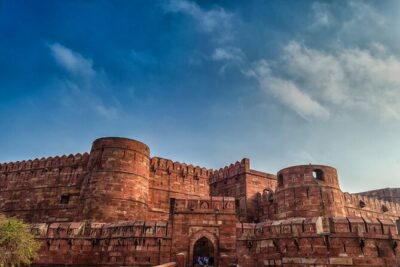
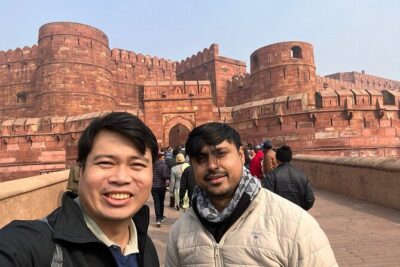
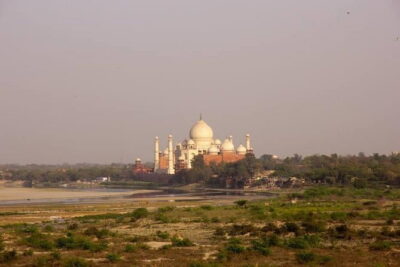
After the Taj, the day continues with Agra Fort, another UNESCO World Heritage site, and then Mehtab Bagh in the evening for a photo-focused Taj angle from across the Yamuna. Mehtab Bagh is where you go when you want a more relaxed view without the same crowd intensity.
Agra Fort and Mehtab Bagh: why you should not skip the extras
Taj Mahal is the headline, but Agra gives you depth if you pace yourself. Agra Fort isn’t only about walls and views. It’s a glimpse into how the Mughal emperors lived and ruled from within a fortress complex by the river.
Mehtab Bagh is quieter and slower, and it’s built for visual payoff. Even if you’re not a dedicated photographer, it helps you connect the Taj’s placement in the landscape rather than treating it like an isolated postcard.
This is also where having the timing managed matters. The tour uses sensible sequencing: Taj first, fort after, then the evening photo opportunity. That reduces stress and makes the day feel less like a checklist.
Day 4’s route to Jaipur: Abhaneri step wells as a breather
You leave Agra after breakfast and drive to Jaipur. En route, you stop at Chand Baori in Abhaneri, famous for its step wells. This is one of those places that feels like it belongs to a different world, because the architecture turns geometry into a landscape.
The stop includes admission, and you’ll also see the Harshat Mata Temple at the site. The combination of sculpted steps and religious details makes it more interesting than a quick roadside photo stop.
Then you continue to Jaipur and check into your hotel. Jaipur’s arrival day is calmer, which matters because the next day is palace-heavy. Give yourself time to settle.
Amber Palace on Day 5: the fort, the views, and the one small extra cost
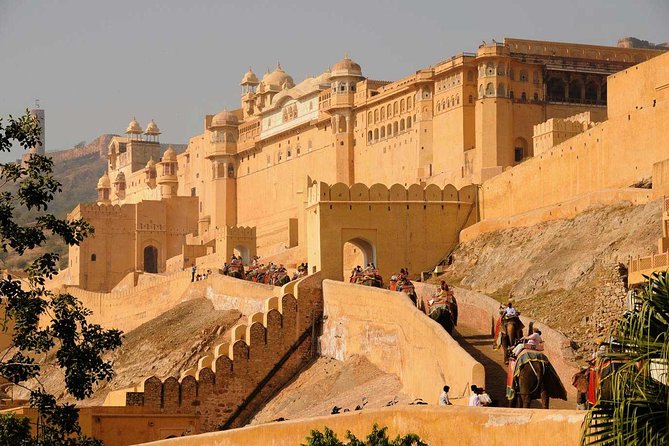
Amber Fort is the big morning anchor in Jaipur. It’s honey-hued, rises on the hillside, and it’s a signature example of Rajput architecture. The tour includes admission, and you’ll spend enough time here to see why it’s considered such a strong fortress palace.
A practical note: the jeep ride at Amber Palace isn’t included for some travelers. Specifically, it’s listed as an extra for 5 and above travelers at $3.00 per person. The tour still includes the fort visit, but the optional ride cost can pop up depending on your group size.
You also get a Jal Mahal photo stop at the Water Palace. It’s brief, but it’s a classic view—especially if you catch the light right. Then it’s over to Hawa Mahal, the Palace of Wind. You’ll have another photo stop here, quick but memorable if you like iconic facades.
Later in the day, your tour shifts from exteriors to interiors and observatories: City Palace is included with admission, and Jantar Mantar (UNESCO) is also included. Jantar Mantar is where you slow down and look at the way instruments track the sky.
The day closes with temple stops: Monkey Temple (Galtaji) and Birla Mandir. Both are included (Monkey Temple with admission; Birla Mandir is free), and they add variety beyond the palace-and-fort focus.
Day 6 in Delhi (or continue): don’t lose your last morning
On the final day, you get morning leisure in your end city. Later, you’ll drive to Delhi/Gurugram/Noida for airport or hotel drop-off, which takes about five hours.
If you’re finishing in Jaipur instead, you’ll use this day differently, but the key point is that the tour is set up to end cleanly with a transfer rather than an open-ended scramble.
Comfort, pacing, and the small things that make or break this kind of trip
This is a private tour, meaning it’s only your group. That matters because you’re not waiting on other people to decide how fast to walk, when to stop for photos, or when to re-enter lines.
The schedule is packed, but it’s built around sensible sequencing. You’ll get morning-heavy days when you need cooler temperatures and later viewing options when crowds shift. You’ll also get some calculated breaks: hotel check-ins in the evenings, plus shorter photo stops mixed with full admission sites.
One more comfort detail: bottled water is unlimited throughout the tour, which sounds minor until you’re in heat and you realize you don’t need to hunt for purchases.
Should you book this private Golden Triangle tour?
Book it if you want the Golden Triangle highlights with the stress stripped out: pickup handled, private driving done, guides guiding, and major entry fees taken care of. This is a strong fit for first-time India trips, short vacations, or anyone who’d rather spend their energy photographing and learning than negotiating transport.
Consider a different option if you’re allergic to early mornings or you know your schedule can’t flex. The sunrise Taj Mahal depends on weather, and the Friday closure rule can shift your Taj day. Also, the pace is busy enough that you’ll want comfortable shoes and realistic expectations about walking and photo timing.
If you want a Golden Triangle that feels like a guided story instead of a logistics puzzle, this one is a very reasonable bet.
FAQ
What cities are included in the Golden Triangle tour?
The tour covers Delhi, Agra, and Jaipur. It starts in Delhi and ends either in Delhi or Jaipur based on your preference.
Is hotel pickup included?
Yes. You can be picked up from your Delhi airport, hotel, or another desired location in Delhi, Gurugram (Gurgaon), or Noida.
Are monument entry fees included?
Yes. Monument entrance fees are included for the sights mentioned on the tour.
Is there a sunrise visit to the Taj Mahal?
Yes. The Taj Mahal sunrise visit is included, but it is subject to weather conditions. Taj Mahal is closed every Friday, and if your visit falls on Friday, you will visit the next day at sunrise.
What rides or extra transport are included during sightseeing?
The tour includes a bicycle rickshaw ride in Old Delhi. It also includes a battery bus/golf cart return ride from parking to the Taj Mahal.
What meals are included?
Daily breakfasts are included for 5 days. Meals other than breakfast are not included unless specifically stated.
The Full Golden Triangle, More Options
- 3-Days Private Golden Triangle Tour: Delhi, Agra & Jaipur by Car
★ 5.0 · 1,107 reviews - 3-Days Private Golden Triangle Tour: Delhi, Agra & Jaipur by Car
★ 5.0 · 1,098 reviews - 3-Day Delhi, Agra and Jaipur Private Tour – India Golden Triangle
★ 5.0 · 812 reviews - Four-Day Private Luxury Golden Triangle Tour to Agra and Jaipur From New Delhi
★ 5.0 · 807 reviews - 5 Nights 6 Days Private Golden Triangle Tour – Delhi Agra Jaipur
★ 5.0 · 574 reviews
Onward to Jaipur: More Day Trips
- 3-Days Private Golden Triangle Tour: Delhi, Agra & Jaipur by Car
★ 5.0 · 1,107 reviews - 3-Days Private Golden Triangle Tour: Delhi, Agra & Jaipur by Car
★ 5.0 · 1,098 reviews - 3-Day Delhi, Agra and Jaipur Private Tour – India Golden Triangle
★ 5.0 · 812 reviews - Four-Day Private Luxury Golden Triangle Tour to Agra and Jaipur From New Delhi
★ 5.0 · 807 reviews - Jaipur Day Trip from Delhi by Car or Train – All Inclusive
★ 5.0 · 663 reviews
More Agra Day Trips out of Delhi
- Same Day Taj Mahal, Agra Fort & Baby Taj Tour from Delhi by Car
★ 5.0 · 4,304 reviews - Full Day Taj Mahal, Agra Fort & Baby Taj Tour from Delhi by Car
★ 5.0 · 3,647 reviews - From Delhi: Taj Mahal & Agra Private Day Trip with Transfers
★ 4.9 · 3,181 reviews - From Delhi: Taj Mahal and Agra Fort Private Sunrise Tour
★ 4.9 · 2,270 reviews - Sunrise Taj Mahal, Agra Fort & Baby Taj Tour from Delhi by Car
★ 5.0 · 2,243 reviews
Just added: more New Delhi reviews to browse
- 4 days Golden Triangle Tour★ 5.0 · 3 reviews
- Discover Old & New Delhi: Private Tour with Street Food★ 5.0 · 3 reviews
- Taj Mahal Tour From Delhi By Private Car★ 4.5 · 3 reviews
- Golden Triangle Tour 5 Days★ 5.0 · 3 reviews
- Taj Mahal: Express Entry Ticket For Sunset Tour with guide★ 5.0 · 3 reviews
- Agra Taj Mahal Sunrise & Sunset Tour from Delhi★ 5.0 · 3 reviews
Agra Day Trips from Delhi, compared.
 ★ 5.0Same Day Taj Mahal, Agra Fort & Baby Taj Tour from Delhi by CarFrom $624,304 reviews
 ★ 5.0Full Day Taj Mahal, Agra Fort & Baby Taj Tour from Delhi by CarFrom $623,647 reviews
 ★ 4.9From Delhi: Taj Mahal & Agra Private Day Trip with TransfersFrom $43,181 reviews
 ★ 4.9From Delhi: Taj Mahal and Agra Fort Private Sunrise TourFrom $592,270 reviews
 ★ 5.0Sunrise Taj Mahal, Agra Fort & Baby Taj Tour from Delhi by CarFrom $622,243 reviews
 ★ 5.0Taj Mahal and Agra Private Car Tour from Delhi with 5* LunchFrom $331,633 reviews
 ★ 4.9From Delhi: Private Taj Mahal and Agra Tour by Express TrainFrom $751,605 reviews
 ★ 5.0Taj Mahal, Agra Fort, Baby Taj Tour from Delhi by Superfast TrainFrom $751,494 reviews