
Reviewed · AGRA DAY TRIPS FROM DELHI
6-Day Private Tour of Delhi, Agra, Jaipur and Varanasi from Delhi
Delhi moves fast, and this tour keeps up well. You start with the big Delhi landmarks, then trade city noise for Mughal masterpieces in Agra, shift to Jaipur’s palaces and science monuments, and finish with Varanasi’s riverfront rituals and Sarnath. I like the way this route threads together four very different sides of India in just 6 days, and I also like the private setup with a guide who can make the stories make sense, including Spanish mentioned in guest feedback about Sartaj khan and support from Shadil. One thing to consider: the days are full, so you’ll want comfy shoes and a flexible mindset, especially on travel days between cities.
This kind of itinerary is ideal if you want structure without getting stuck in logistics. You’re not just ticking sights; you’re also getting context for what you’re seeing, from Gandhi’s memorial at Raj Ghat to the Mughal scale of the Taj Mahal and the spiritual weight of the ghats in Varanasi. The main drawback is that a packed schedule can feel rushed if you’re the type who likes to linger and wander off-script for hours.
In This Review
- Key moments that make this private tour worth a look
- Price and Logistics: what $998 really buys you
- Delhi day 1: from war memorials to Mughal grand scale
- The trade-off on day 1
- Delhi to Agra: a practical transfer that doesn’t steal the whole day
- Day 2 Agra: Taj Mahal at sunrise and the rest of the Mughal lineup
- One thing to watch
- Day 2 into Jaipur: palace-light, then palaces-heavy
- Day 3 Jaipur: Hawa Mahal, City Palace, and Jantar Mantar
- A fair drawback
- Day 4 flight to Varanasi: switching from palaces to the river
- Day 5 Varanasi from Assi Ghat to Sarnath, ending with Ganga Aarti
- One consideration for day 5
- Day 6: flying back to Delhi and finishing with a smooth drop-off
- What I’d expect you to like most
- Who this private circuit suits best
- Should you book this 6-day Delhi–Agra–Jaipur–Varanasi private tour?
- FAQ
- What is included in the tour price?
- Does the tour include entrance fees for the monuments?
- Is this tour private or shared?
- Where does the tour start and end?
- Are there flights on this itinerary?
- What are the domestic flight baggage limits?
- Do I need to tip the guide and driver?
- Where do you stay overnight?
- What is the cancellation policy?
Key moments that make this private tour worth a look
- Private, air-conditioned car with pickup and drop-off assistance to keep transfers manageable
- Entrance tickets included for the listed monuments, so you’re not hunting for paperwork all day
- Delhi’s blend of empire and faith, from India Gate and Jama Masjid to Qutub Minar and the Lotus Temple
- Taj Mahal sunrise visit timing built into the plan (early start, big payoff)
- Jaipur’s royal + scientific highlights, including Hawa Mahal and Jantar Mantar
- Varanasi at the ghats, with Ganga Aarti and a morning at Assi Ghat plus Sarnath
Price and Logistics: what $998 really buys you
At $998 per person, this is not a budget bargain, but it can feel like good value if you hate wasting time on taxis, ticket lines, and figuring out connections. The package includes a private air-conditioned car, tour guide service, pickup and drop-off help, and entrance tickets for all the monuments listed. You also get 5 nights of hotel accommodation with breakfast, split between Agra and Jaipur.
That combination matters. In India, a well-run private circuit can save you from the annoying parts of travel: last-minute ride-hunting, unclear meeting points, and spending your sightseeing time on logistics instead of the sights. If you’re traveling as a small group, private cars also tend to be less hassle than piecing together separate transport for each segment.
The other practical piece: the itinerary uses both road travel (Delhi to Agra, Agra to Jaipur) and a domestic flight (Jaipur to Varanasi, Varanasi back to Delhi). The plan even lists domestic baggage limits: 15 kg checked and 7 kg carry-on. If you typically travel with a lot of gear, pack lightly to avoid stress.
Also, this is a private tour/activity, meaning only your group participates. That usually means you can move more efficiently and ask questions at a normal travel pace, not the quick-stop pace of larger groups.
Other Agra runs out of Delhi worth a look




Delhi day 1: from war memorials to Mughal grand scale
Delhi Day 1 is a classic whirlwind of the city’s major symbols, and it’s smartly arranged to avoid repeating neighborhoods.
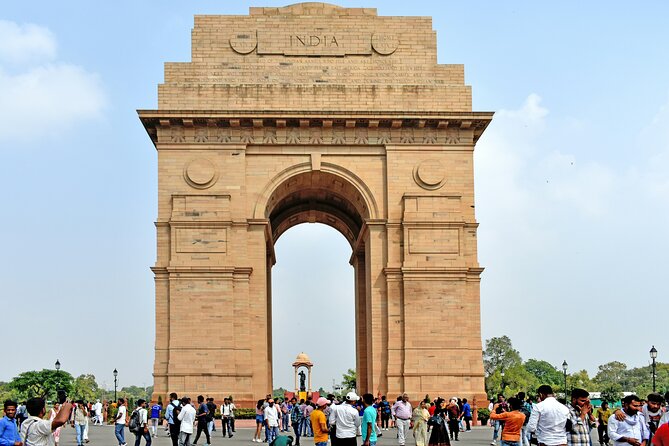
India Gate is the emotional starter. It honors 90,000 Indian soldiers who died in World War I and was designed by Edwin Lutyens. Even if you don’t love war history, it’s a powerful place to understand how modern India frames sacrifice.
Then you head to Raj Ghat, the memorial for Mahatma Gandhi. The detail I like here is the connection to the original historic ghat area and the idea of Raj Ghat Gate from the walled city. It’s not just a statue stop; it helps you connect the geography of Delhi to the story.
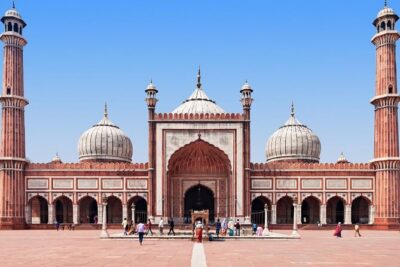
Next is Sansad Bhavan (Parliament House), a quick stop that still gives you orientation. After that, the pace shifts into Mughal architecture at Jama Masjid, one of Delhi’s largest mosques, built by Shah Jahan between 1650 and 1656 and inaugurated by Syed Abdul Ghafoor Shah Bukhari. This is a spot where you’ll want to dress respectfully and take a slower look at the scale.
For something lighter and modern, the tour includes the Lotus Temple—a Bahá’í House of Worship opened in 1986. You’re looking at a flower-like structure made of 27 marble-clad “petals” arranged in groups of three, with a central hall that can hold about 1,300 people. The fact that it’s open to everyone regardless of religion is a thoughtful stop in a city full of religious landmarks.
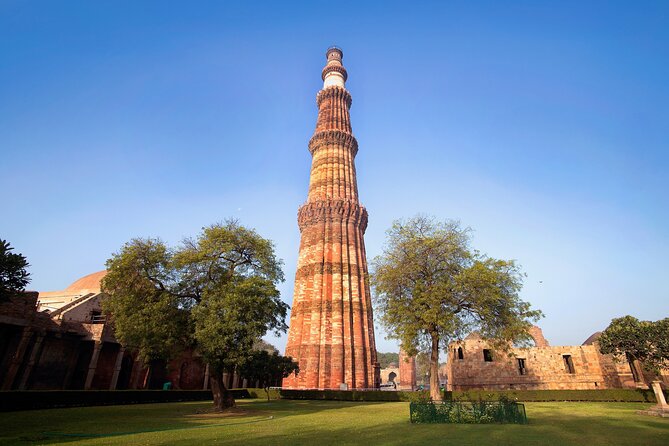
To cap the day, you visit Qutub Minar, a UNESCO site and Delhi’s famous victory tower. The tour gives the measurements: 72.5 meters tall, tapering from a 14.3 meter base, with five storeys and a smaller peak. It’s a great closing sight because it anchors what you’ve seen—Delhi’s layers of older fortified city history.
The trade-off on day 1
This day is long on landmarks, and it includes a lot of walking and getting through security-like procedures at major monuments. If you’re sensitive to crowds or standing around for photos, plan to take short breaks when you can.
Delhi to Agra: a practical transfer that doesn’t steal the whole day
After the Delhi circuit, the plan builds in time for lunch and then makes the approximately 4-hour journey to Agra. When you arrive, you check in and settle. This is a good structure: you’re not spending the afternoon stuck in transit with zero sightseeing payoff.
If you want the Taj Mahal to feel meaningful, the pacing helps. You’re rested enough to enjoy the next morning’s major sights instead of arriving in Agra and immediately rushing through everything.
Day 2 Agra: Taj Mahal at sunrise and the rest of the Mughal lineup
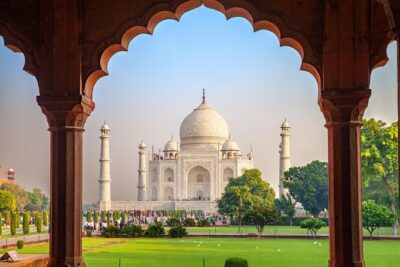
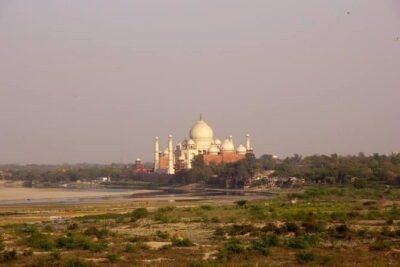
Day 2 is about the Mughal masterpieces, with the Taj Mahal as the headline. The plan specifically schedules a sunrise visit, which makes a difference. The Taj is stunning any time, but early light tends to make the marble look softer and more dimensional.
You get the core story on-site: Shah Jahan built the Taj Mahal in memory of Mumtaz Mahal, who died in 1631 during the birth of their 14th child. The plan notes that work began in 1631 and the monument took shape in its current form by 1653. That timeline helps you understand why this is more than a single building—it’s an entire project and era.
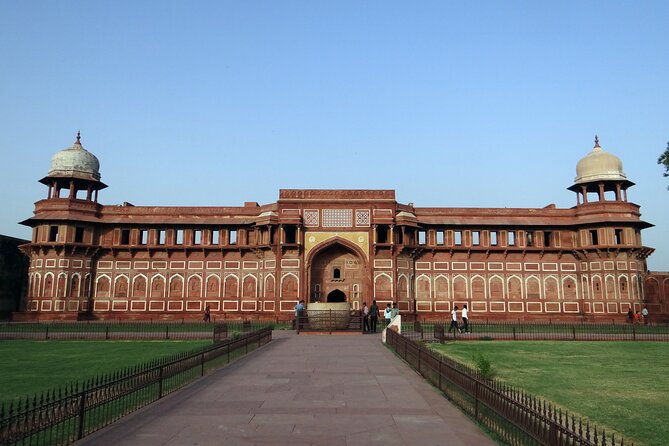
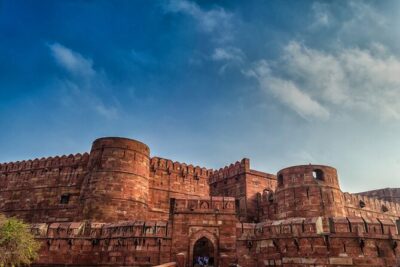
After the Taj, the tour moves to Agra Fort, described as a walled city and the Mughal emperors’ main residence until 1638, when the capital shifted to Delhi. It’s only about 2.5 km northwest of the Taj. The fort visit is valuable because it gives you the “power base” behind the romance of the Taj.
Then comes Itmad-ud-Daulah’s Tomb, often called the Baby Taj. Many people come to Agra for the Taj Mahal, but this tomb gives you a different lens: more intimate scale, still incredibly crafted. The tour’s positioning makes it easy to see why it’s considered an architectural inspiration behind the Taj.
Chasing the Pink City? More Jaipur day trips
One thing to watch
Agra sights are photo-heavy and can get crowded. You’ll enjoy this more if you accept that you’ll spend some time waiting your turn for angles and entrances. The upside is that the plan keeps you focused on the highest-value monuments rather than random stops.
Day 2 into Jaipur: palace-light, then palaces-heavy
From Agra, you travel about 5 hours to Jaipur, check in at your hotel, and continue the trip refreshed enough for a full day.
This transition is practical. Jaipur is far enough that you don’t want to break it up with too many stops. The tour’s structure makes the most sense: maximize full sightseeing days in each city while keeping travel days as transport, not a scavenger hunt.
Day 3 Jaipur: Hawa Mahal, City Palace, and Jantar Mantar
Jaipur day 3 is a smart mix: architecture, royal power, and science. It also avoids repeating too much of the same visual style.
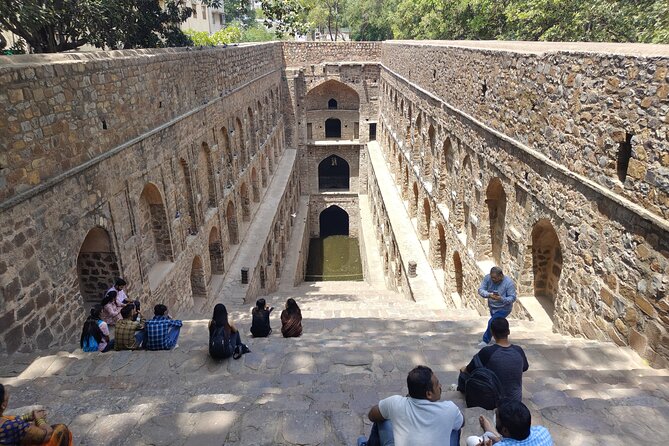
Start at Panna Meena ka Kund, a stepwell believed to be around 1,000 years old. The plan says the water is used in Hindu ceremonies and that it was designed in a way to harvest water during the rainy season. Even if you’re not a “structures and engineering” person, stepwells are a reminder that survival tech can be beautiful.
Then you get Jal Mahal, a palace sitting in the middle of Man Sagar Lake. The plan notes it was originally constructed in 1699 and later renovated and enlarged in the 18th century by Maharaja Jai Singh II of Amber. The wow here is the contrast: palace and water in one frame, and it’s not the usual “temple and fort” rhythm.
Next is Hawa Mahal (Palace of Wind). The tour describes it as red and pink sandstone and notes it sits on the edge of the City Palace, extending toward the Zenana women’s chambers. If you like architecture with a story behind it, this is one of Jaipur’s easiest places to love because it shows how design can serve social function.
At City Palace, you move into the administrative center of the rulers of Jaipur. The tour notes construction started soon after the city’s establishment under Maharaja Sawai Jai Singh II, who moved his court from Amber to Jaipur in 1727. City Palace makes the rest of Jaipur click because it anchors the palaces and forts to the seat of power.
Finally, there’s Jantar Mantar, a UNESCO World Heritage site with 19 astronomical instruments built by Sawai Jai Singh. The plan includes the standout detail: the world’s largest stone sundial, completed in 1734. It’s a rare chance to see where art, astronomy, and governance overlap.
A fair drawback
Jaipur’s monuments can run hot under direct sun. Bring water and plan for short breaks, especially around midday. The itinerary includes multiple stops close enough together that you can recover, but it still adds up.
Day 4 flight to Varanasi: switching from palaces to the river
Day 4 changes the whole vibe. After breakfast, you head to the airport based on flight timing, with domestic baggage limits listed (15 kg checked, 7 kg carry-on). Then you fly to Varanasi.
On arrival, a driver picks you up from Limra Holiday and drops you at your hotel. The rest of the day is intentionally left as leisure, which I really appreciate. Varanasi can feel intense; a slow afternoon helps you absorb the setting before the early morning start on day 5.
Day 5 Varanasi from Assi Ghat to Sarnath, ending with Ganga Aarti
This is the day that most people remember, because Varanasi isn’t just buildings—it’s daily life along the Ganges.
You start with a morning pick-up from your hotel and arrive at Assi Ghat. The schedule is early: 6 am in winter and 5 am in summer. Assi Ghat is described as one of Varanasi’s oldest and most important ghats and a place that hosts Subah-e-Banaras in the morning. That’s a key point: you’re seeing the riverfront before it turns into a full sightseeing rush.
Next is Shri Kashi Vishwanath Temple, also called the Golden Temple area, and the plan notes the focus on the Jyotirlinga temple. The tour gives you a short walk time, and it’s structured as: visit, then head back for breakfast.
Then you visit Banaras Hindu University and its temple, plus Kina Ram aghori’s temple and ashram. This is a thoughtful add because it expands Varanasi beyond ghats and shows the city’s living spiritual and academic presence.
After that comes Manikarnika Ghat, one of the oldest ghats. The plan states that Hindu scriptures place it highest among ghats and that cremation there is believed to lead quickly to moksha. This is emotionally heavy territory, so a private guide and slower pacing can matter.
Then you head to Sarnath, about 10 km northeast of Varanasi near the confluence of the Ganges and Varuna. The plan notes that the deer park is where Gautama Buddha first taught the Dhamma, and where the Buddhist Sangha formed through the enlightenment of Kondanna. Even if you’re not a Buddhism specialist, it adds depth to Varanasi’s spiritual story.
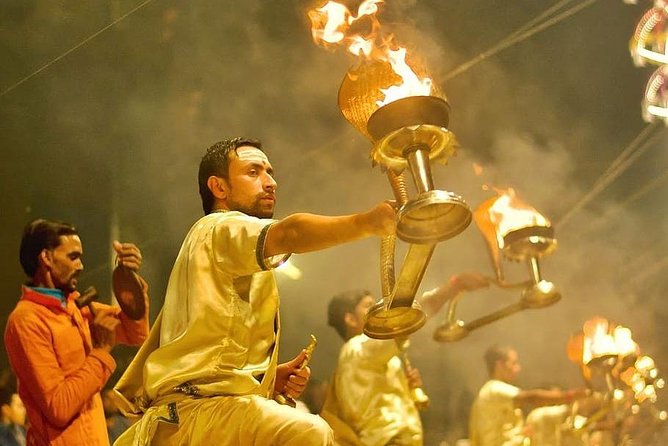
You finish back at the river with Dashashwamedh Ghat, described as a main ghat near the Vishwanath temple. The itinerary includes Hindu legends about Brahma welcoming Shiva and a story about sacrificing ten horses in a yajna. Then you end with Ganga Aarti at dusk, a daily ritual performed by priests on the ghats.
One consideration for day 5
This day is packed and can be emotionally intense. If you’re someone who gets overwhelmed by crowds, smoke, or constant activity at the ghats, consider stepping back when you need air. The itinerary doesn’t build much slack, so you’ll need to create micro-breaks yourself.
Day 6: flying back to Delhi and finishing with a smooth drop-off
Day 6 starts with breakfast and then transfers you to the airport for your flight back to Delhi, again with the same baggage allowances listed. Upon arrival, a driver picks you up from the airport and drops you at your desired location in Delhi, Gurugram, or Noida.
This final day is straightforward on purpose. It prevents the trip from dragging into a last-minute sightseeing scramble.
What I’d expect you to like most
Based on the strongest feedback patterns, this tour’s best advantage is the human side. Guest notes specifically highlight safety, comfort, respect, and trust, and they call out a guide named Sartaj (with Spanish mentioned) plus Shadil. That matters because when you’re moving across four cities and multiple religions and traditions, a calm, communicative guide can turn confusion into understanding.
You’ll also likely like that the tour doesn’t treat Varanasi as only a night show. You get a structured morning at Assi Ghat, temple time at Kashi Vishwanath, and a sunset ritual with Ganga Aarti.
Finally, the itinerary’s inclusion of major Delhi, Agra, and Jaipur icons means you can get a complete “first-timer” arc without gambling on how to plan each day yourself.
Who this private circuit suits best
This tour makes sense if you:
- Want a private plan with a guide and private car, not a chaotic do-it-yourself route
- Prefer entrance tickets included rather than paying them one by one
- Like big landmark days and spiritual daytime structure in Varanasi
- Travel with a group that appreciates efficient transfers between cities
It might not be ideal if you hate early mornings. Assi Ghat starts very early, and the Taj Mahal timing is designed to be early too.
Should you book this 6-day Delhi–Agra–Jaipur–Varanasi private tour?
If you want a guided loop that connects Delhi’s empire-era monuments to Agra’s Mughal romance, then into Jaipur’s palaces and science, and finally into Varanasi’s Ganges rituals, this tour is a strong fit. The value comes from the package structure: private AC transport, guide service, entrance tickets, and hotels with breakfast for the key overnight cities.
My main “before you book” checklist is simple: pack within the flight baggage limits, wear shoes for long days, and decide in advance how you want to handle Varanasi’s intense sensory reality. If that sounds doable, booking is a good call.
FAQ
What is included in the tour price?
The tour includes a private air-conditioned car, pick-up and drop-off assistance, entrance tickets of all monuments, tour guide service, and 5 nights of hotel accommodation in Agra and Jaipur city with breakfast.
Does the tour include entrance fees for the monuments?
Yes. Entrance tickets for the monuments listed in the itinerary are included.
Is this tour private or shared?
This is a private tour/activity, so only your group participates.
Where does the tour start and end?
It starts in New Delhi and ends back in New Delhi, with drop-off assistance to Delhi, Gurugram, or Noida after the final flight.
Are there flights on this itinerary?
Yes. The plan includes a domestic flight from Jaipur to Varanasi (Day 4) and another domestic flight from Varanasi back to Delhi (Day 6).
What are the domestic flight baggage limits?
The itinerary lists baggage allowance of 15 kg check-in and 7 kg carry-on on domestic flights.
Do I need to tip the guide and driver?
Tipping is not included. The tour states that any kind of tipping to the guide and driver is not included.
Where do you stay overnight?
You get 5 nights of hotel accommodation with breakfast in Agra and Jaipur.
What is the cancellation policy?
You can cancel for a full refund up to 24 hours in advance of the experience’s start time. If you cancel less than 24 hours before, the amount paid is not refunded.
More Tour Reviews in New Delhi
- Old & New Delhi City Tour – Half or Full Day Options Available
★ 5.0 · 4,811 reviews - Half Day Private Delhi City Tour
★ 5.0 · 4,474 reviews - Same Day Taj Mahal, Agra Fort & Baby Taj Tour from Delhi by Car
★ 5.0 · 4,304 reviews - Taj Mahal Day Tour from Delhi by Superfast Train – TOP RATED TOUR
★ 5.0 · 4,166 reviews - Delhi: Old and New Delhi Private Full or Half-Day Tour
★ 4.9 · 3,776 reviews
Onward to Jaipur: More Day Trips
- 3-Days Private Golden Triangle Tour: Delhi, Agra & Jaipur by Car
★ 5.0 · 1,107 reviews - 3-Days Private Golden Triangle Tour: Delhi, Agra & Jaipur by Car
★ 5.0 · 1,098 reviews - 3-Day Delhi, Agra and Jaipur Private Tour – India Golden Triangle
★ 5.0 · 812 reviews - Four-Day Private Luxury Golden Triangle Tour to Agra and Jaipur From New Delhi
★ 5.0 · 807 reviews - Jaipur Day Trip from Delhi by Car or Train – All Inclusive
★ 5.0 · 663 reviews
More Agra Day Trips out of Delhi
- Same Day Taj Mahal, Agra Fort & Baby Taj Tour from Delhi by Car
★ 5.0 · 4,304 reviews - Full Day Taj Mahal, Agra Fort & Baby Taj Tour from Delhi by Car
★ 5.0 · 3,647 reviews - From Delhi: Taj Mahal & Agra Private Day Trip with Transfers
★ 4.9 · 3,181 reviews - From Delhi: Taj Mahal and Agra Fort Private Sunrise Tour
★ 4.9 · 2,270 reviews - Sunrise Taj Mahal, Agra Fort & Baby Taj Tour from Delhi by Car
★ 5.0 · 2,243 reviews
Just added: more New Delhi reviews to browse
- 4 days Golden Triangle Tour★ 5.0 · 3 reviews
- Discover Old & New Delhi: Private Tour with Street Food★ 5.0 · 3 reviews
- Taj Mahal Tour From Delhi By Private Car★ 4.5 · 3 reviews
- Golden Triangle Tour 5 Days★ 5.0 · 3 reviews
- Taj Mahal: Express Entry Ticket For Sunset Tour with guide★ 5.0 · 3 reviews
- Agra Taj Mahal Sunrise & Sunset Tour from Delhi★ 5.0 · 3 reviews
Agra Day Trips from Delhi, compared.
 ★ 5.0Same Day Taj Mahal, Agra Fort & Baby Taj Tour from Delhi by CarFrom $624,304 reviews
 ★ 5.0Full Day Taj Mahal, Agra Fort & Baby Taj Tour from Delhi by CarFrom $623,647 reviews
 ★ 4.9From Delhi: Taj Mahal & Agra Private Day Trip with TransfersFrom $43,181 reviews
 ★ 4.9From Delhi: Taj Mahal and Agra Fort Private Sunrise TourFrom $592,270 reviews
 ★ 5.0Sunrise Taj Mahal, Agra Fort & Baby Taj Tour from Delhi by CarFrom $622,243 reviews
 ★ 5.0Taj Mahal and Agra Private Car Tour from Delhi with 5* LunchFrom $331,633 reviews
 ★ 4.9From Delhi: Private Taj Mahal and Agra Tour by Express TrainFrom $751,605 reviews
 ★ 5.0Taj Mahal, Agra Fort, Baby Taj Tour from Delhi by Superfast TrainFrom $751,494 reviews