
In This Review
- A big India hit in six days
- Key things I’d put at the top
- The big-picture idea: Golden Triangle plus real tiger time
- Delhi to Agra: using the first day to get your bearings
- Sunrise Taj Mahal: why this timing is worth it
- The Ranthambore plan: two safaris, two chances
- Jungle camp night: what you gain by sleeping close
- Jaipur travel day: the ride through Rajasthan counts
- Jaipur monuments: Hawa Mahal, Jantar Mantar, City Palace, Jal Mahal, Amer Fort
- Hawa Mahal: built for sightlines and secrecy
- Jantar Mantar: 19 tools for the sky
- City Palace: right in the Old City core
- Jal Mahal: the palace in the lake
- Amer Fort: the big finish in the Amer area
- Transport and guides: the comfort part you feel every day
- What’s included (and what you’ll likely pay extra)
- Timing and fitness: a realistic look at the pace
- Who this tour fits best (and who should reconsider)
- Should you book this Taj, Tigers and Pink City tour?
- FAQ
- FAQ
- How long is the Taj, Tigers and Pink City tour?
- Where does the tour start and end?
- What is the price per person?
- What’s included in the Ranthambore tiger experience?
- What accommodations are included?
- Are meals included?
- Do you get guides for monuments?
- Is there a guided activity in Jaipur besides the monuments?
- Do I need special clothing for temples or museums?
- What’s the main cancellation rule?
- Is the tour private?
A big India hit in six days
The combo of sunrise Taj Mahal and two Ranthambore safaris makes this tour feel laser-focused, not rushed. I also like that you get English-speaking monument guides and a private AC car with a driver, so you’re not stuck translating and negotiating at every stop. One thing to think about first: the schedule is packed with long drives between cities, so you’ll want a flexible mindset (and comfy shoes) for a full days-and-evenings pace.
The biggest value here is simple: you spend your time where the headline experiences actually happen, and you don’t waste half the trip figuring out logistics. This is a private tour, so it stays tailored to your group instead of feeling like cattle in a shared bus. The tradeoff is that because it is private and includes a lot, it costs more than a bare-bones Golden Triangle add-on.
Key things I’d put at the top
- Sunrise Taj Mahal timing for softer light and fewer late-day crowds
- Two shared-jeep safaris at Ranthambore with morning and afternoon slots
- Monument guides for Agra and Jaipur so you get meaning, not just photos
- Heritage hotel style stays in 4/5-star categories (including a favorite like The Imperial in past trips)
- Guided old Pink City market walk so you know what you’re looking at
- A single private driver plan that keeps the long-distance travel smooth
More ways to reach the Taj, weighed side by side




The big-picture idea: Golden Triangle plus real tiger time
This tour is built around India’s three classic drawcards—Agra, Jaipur, and Delhi—with a wildlife stop that’s the main event: Ranthambore National Park. The flow matters. You don’t just “visit” wildlife for a single quick moment. You spend the night nearby and go out twice by jeep, which is how you give yourself real odds for tiger sightings.
The Taj Mahal part is also handled with purpose. You leave for the Taj Mahal early in the morning for a sunrise visit, then you’re back for breakfast before heading to Ranthambore. That keeps the most famous site from turning into a time-wasting mid-morning scramble.
And Jaipur is treated as more than a photo stop. You hit the signature sights plus a guided walk through the old market area, so you get both the grand monuments and the everyday city texture.
Delhi to Agra: using the first day to get your bearings
Day 1 sets you up for the Taj days that follow. You depart Delhi in the morning around 8:00 AM by private car and driver, then reach Agra by afternoon. This is useful because Agra needs energy management. You’ll likely want time to eat, check in, and decompress before you tackle the fort visit.
Agra Fort is the late-afternoon stop. It was the main Mughal residence until 1638, and the experience here is walking through that layered mix of courtyards and sandstone-and-marble grandeur. The fort visits later in the day can also be nicer for photos: the light tends to look more cinematic than harsh midday glare.
Practical tip: don’t overbook dinner plans when you arrive. You’ll want an early night because the next day starts before most humans are fully awake.
Sunrise Taj Mahal: why this timing is worth it
On Day 2, the tour goes for the sunrise Taj Mahal experience. It’s a UNESCO World Heritage Site built by Shah Jahan in 1560 in memory of Mumtaz Mahal, according to the tour’s framing, and the schedule is designed so you see it at its best—soft light, calmer atmosphere, and less time-pressure than later visits.
After the sunrise visit, you return to the hotel for breakfast, then you check out and head toward Ranthambore. That means you’re not stuck dragging your feet with “Taj hangover fatigue” before you even reach the wildlife area.
This is also where the included structure helps. With your private AC car and driver, you avoid the hassle of piecing together transport between cities mid-trip. You’ll still feel the travel time, but at least it’s controlled travel, not constant re-routing.
The Ranthambore plan: two safaris, two chances
Ranthambore National Park is the tiger core of this itinerary. The park is described as a dry-deciduous forest system with rolling hills, crags, meadows, lakes, and rivulets—exactly the kind of terrain where you want multiple sighting opportunities.
The tour schedules a jungle safari tour at 6:00 AM on Day 3, then another around 3:00 PM the same day. Two safaris matter for one basic reason: tiger activity and movement can shift across the day, and your viewing platform position also changes by route. You’re not guaranteed a sighting (wild animals are wild animals), but two organized goes is the best way to turn your odds from low to reasonable.
You return after the morning safari for breakfast and a rest break. That downtime is important because wildlife days can be exhausting even when you’re excited. Then lunch is at the resort, followed by the second safari and some extra time exploring the area around Ranthambore Fort, once private hunting grounds for the Kings of Jaipur.
Delhi, Agra and Jaipur: more full circuits

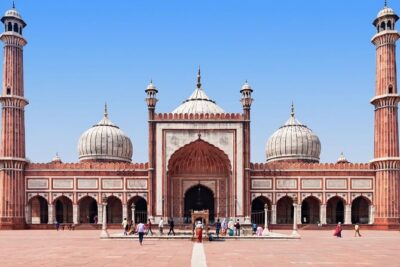
Jungle camp night: what you gain by sleeping close
The tour includes staying overnight in the jungle camp area as part of the Ranthambore portion. Even without fancy-sounding promises, this location choice helps your schedule. You’re already in the wildlife zone, so you don’t bleed daylight time on long travel to and from the park.
There’s also a psychological benefit: when you’re that close to the reserve, the safari feels like part of the same day rather than a separate trip. That can make the whole experience feel more coherent.
One consideration: jungle settings can mean early mornings and practical comforts matter. The itinerary does include 4/5-star hotels for the main stays, but you should still plan for the reality of wildlife-country conditions—pack light layers, and be ready for a bit of rougher-feeling logistics around safari days.
Jaipur travel day: the ride through Rajasthan counts
Day 4 is a transfer to Jaipur, about four hours by drive. You’ll see Rajasthan countryside en route, including cows along the road and some traffic surprises. That’s not a “problem” so much as part of how these drives work in India. The value is that you don’t just stare out a window on a dead highway. You’re moving through real places.
When you arrive, you check in and then get a guided walking tour of the old Pink City market area. Jaipur’s markets are known as a shopper’s paradise, and the guided walk is there for a reason: it helps you navigate the lanes, spot what’s worth your time, and avoid wandering without context.
Practical tip: markets are where you’ll see a lot of tempting stuff. If you’re shopping, set a budget early. If you’re not shopping, still go with curiosity—this is a good place to understand the city’s everyday rhythm.
Jaipur monuments: Hawa Mahal, Jantar Mantar, City Palace, Jal Mahal, Amer Fort
Day 5 is your big Jaipur heritage day. It starts after breakfast and keeps you moving through the major icons in a logical order: Hawa Mahal, Jantar Mantar, City Palace, Jal Mahal, and Amer Fort.
Here’s what each stop gives you:
Hawa Mahal: built for sightlines and secrecy
Hawa Mahal, the Palace of Winds, is described as a high screen wall built so women of the royal household could observe street festivals unseen from outside. That design detail turns it from a pretty facade into a window into court life and social space.
Jantar Mantar: 19 tools for the sky
Jantar Mantar is a UNESCO World Heritage Site. The tour frames it as nineteen architectural astronomical instruments, built by Rajput King Sawai Jai Singh and completed in 1738 CE. Even if you’re not an astronomy person, you’ll likely enjoy how objects here are practical—measurement made visible.
City Palace: right in the Old City core
City Palace is explained as a complex of courtyards, gardens, and buildings located in the center of the Old City. This stop helps you connect the big fort-and-palace themes to Jaipur’s living geography.
Jal Mahal: the palace in the lake
Jal Mahal is described as a palace built in the 17th century in the middle of a lake. It’s the kind of place that can look almost unreal from the right angle, and it gives you a pause in the monument-heavy day.
Amer Fort: the big finish in the Amer area
The day culminates with grand Amer Fort. This is one of those sights where the scale hits you fast. With a proper guided visit, you’ll get the meaning behind the walls, gateways, and courtyards instead of just a photo sprint.
Transport and guides: the comfort part you feel every day
Most of the tour’s day-to-day quality comes down to transport and on-the-ground explaining. This trip uses a private AC car with driver for all transfers and sightseeing as per the itinerary, with guides for the monuments who speak English.
That matters more than you might think. When you’re in places like Agra and Jaipur, you want the “why” behind what you’re seeing. A good guide can also keep time under control so you’re not standing around while the group waits.
From past trip experiences tied to this company, drivers like Kameljeet have been praised for punctuality and for navigating Indian traffic like a pro. Guides in this network have included people such as Narendra Singh Bhati in Delhi, Anil in Agra, and Bhagi in Jaipur, plus a guide named Madhu who’s been recognized for being knowledgeable and helpful. You’ll still rely on your own senses, but the human help turns the route from sightseeing into understanding.
Also, the tour is described as customizable. That usually means you can work with the coordinator before the final schedule and adjust priorities, rather than treating every minute as fixed. If you care about slowing down for photos or adding a small detour, this approach can be a real quality-of-life upgrade.
What’s included (and what you’ll likely pay extra)
This tour price is $1,114.00 per person for about six days. That sounds like a lot until you break down what you’re buying: 5 nights of accommodations (on double/triple sharing at 4/5-star categories mentioned or similar), monument entry fees, English-speaking guides for monuments, and the full transport plan in a private AC car with a driver.
Then there are the expensive “hard parts” of this route:
- Two shared-jeep safaris at Ranthambore
- Meals included: breakfast (5), lunch (2), dinner (2)
- Guided walking tour in the Pink City market
What you should budget for yourself is listed clearly as not included: personal expenses, food and drinks unless specified, and optional gratuities. Flights and tourist visa are also not included, along with travel insurance.
My money-sense take: if you tried to assemble this route on your own, you’d spend time matching hotels, entry tickets, and safari logistics. The price is paying for convenience plus a coherent plan.
Timing and fitness: a realistic look at the pace
The tour notes a moderate physical fitness level. That’s mostly about walking at forts, climbing stairs where applicable, and moving between sites across long travel days.
The good news: you’re not doing extreme hikes. The challenge is scheduling plus heat in Rajasthan and Agra depending on the season. Wear comfortable footwear and bring a light layer. Also, keep your dress code in mind.
For places of worship and selected museums, the tour requires covered knees and shoulders for both men and women. No shorts or sleeveless tops. If you ignore this, entry refusal is a real risk.
Who this tour fits best (and who should reconsider)
This is a strong choice if you want:
- A first-time Golden Triangle route with minimal stress
- Real wildlife time at Ranthambore with two safari departures
- Guides who handle monument explanation in English
- A private driver setup so you can keep moving without planning every transfer yourself
It may be less ideal if you:
- Hate long road days between cities
- Want total freedom to wander without a schedule
- Prefer independent travel only, with no guided components and minimal structure
If you’re the type who likes a packed-but-organized itinerary where key moments are handled for you, this tour usually feels satisfying.
Should you book this Taj, Tigers and Pink City tour?
I think you should book if you’re chasing the big classics—Taj Mahal sunrise, Ranthambore tigers, and Jaipur monuments—and you want the trip to run on rails. The included safaris, monument entry fees, guides, and meal plan remove the biggest planning headaches, especially around Ranthambore.
I’d hold off if you’re extremely budget-driven or if you’re traveling for a slow, unstructured vibe. This itinerary is designed for seeing a lot in a short window, and you’ll feel that pace.
FAQ
FAQ
How long is the Taj, Tigers and Pink City tour?
It runs for 6 days (approx.).
Where does the tour start and end?
It starts at Indira Gandhi International Airport in New Delhi and ends back at the same meeting point.
What is the price per person?
The price is $1,114.00 per person.
What’s included in the Ranthambore tiger experience?
You get 2 shared-jeep jungle safaris at Ranthambore National Park, with one early morning safari around 6:00 am and another around 3:00 pm.
What accommodations are included?
The tour includes 5 nights of accommodation on a double/triple sharing basis at 4/5-star hotels mentioned or similar.
Are meals included?
Yes. Breakfast is included 5 times, lunch 2 times, and dinner 2 times (as specified in the inclusions).
Do you get guides for monuments?
Yes. English-speaking guides are included for the monuments.
Is there a guided activity in Jaipur besides the monuments?
Yes. There is a guided walking tour of the Pink City Market in Jaipur.
Do I need special clothing for temples or museums?
Yes. A dress code is required: no shorts or sleeveless tops, and knees and shoulders must be covered to enter places of worship and selected museums.
What’s the main cancellation rule?
You can cancel up to 6 days in advance of the experience for a full refund. Shorter-notice cancellations have reduced or no refunds depending on timing.
Is the tour private?
Yes. This is described as a private tour/activity, and only your group participates.
More Tour Reviews in New Delhi
- Old & New Delhi City Tour – Half or Full Day Options Available
★ 5.0 · 4,811 reviews - Half Day Private Delhi City Tour
★ 5.0 · 4,474 reviews - Same Day Taj Mahal, Agra Fort & Baby Taj Tour from Delhi by Car
★ 5.0 · 4,304 reviews - Taj Mahal Day Tour from Delhi by Superfast Train – TOP RATED TOUR
★ 5.0 · 4,166 reviews - Delhi: Old and New Delhi Private Full or Half-Day Tour
★ 4.9 · 3,776 reviews
The Full Golden Triangle, More Options
- 3-Days Private Golden Triangle Tour: Delhi, Agra & Jaipur by Car
★ 5.0 · 1,107 reviews - 3-Days Private Golden Triangle Tour: Delhi, Agra & Jaipur by Car
★ 5.0 · 1,098 reviews - 3-Day Delhi, Agra and Jaipur Private Tour – India Golden Triangle
★ 5.0 · 812 reviews - Four-Day Private Luxury Golden Triangle Tour to Agra and Jaipur From New Delhi
★ 5.0 · 807 reviews - 5 Nights 6 Days Private Golden Triangle Tour – Delhi Agra Jaipur
★ 5.0 · 574 reviews
The Taj, Reached a Few More Ways
- Same Day Taj Mahal, Agra Fort & Baby Taj Tour from Delhi by Car
★ 5.0 · 4,304 reviews - Taj Mahal Day Tour from Delhi by Superfast Train – TOP RATED TOUR
★ 5.0 · 4,166 reviews - Full Day Taj Mahal, Agra Fort & Baby Taj Tour from Delhi by Car
★ 5.0 · 3,647 reviews - From Delhi: Taj Mahal & Agra Private Day Trip with Transfers
★ 4.9 · 3,181 reviews - Taj Mahal Tour from Delhi by Express Train (Viator Award Winner)
★ 5.0 · 2,849 reviews
Just added: more New Delhi reviews to browse
- 4 days Golden Triangle Tour★ 5.0 · 3 reviews
- Discover Old & New Delhi: Private Tour with Street Food★ 5.0 · 3 reviews
- Taj Mahal Tour From Delhi By Private Car★ 4.5 · 3 reviews
- Golden Triangle Tour 5 Days★ 5.0 · 3 reviews
- Taj Mahal: Express Entry Ticket For Sunset Tour with guide★ 5.0 · 3 reviews
- Agra Taj Mahal Sunrise & Sunset Tour from Delhi★ 5.0 · 3 reviews
Taj Mahal Tours from Delhi, compared.
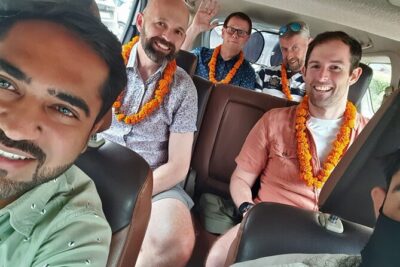 ★ 5.0Same Day Taj Mahal, Agra Fort & Baby Taj Tour from Delhi by CarFrom $624,304 reviews
 ★ 5.0Taj Mahal Day Tour from Delhi by Superfast Train – TOP RATED TOURFrom $1004,166 reviews
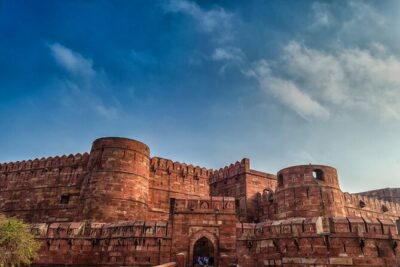 ★ 5.0Full Day Taj Mahal, Agra Fort & Baby Taj Tour from Delhi by CarFrom $623,647 reviews
 ★ 4.9From Delhi: Taj Mahal & Agra Private Day Trip with TransfersFrom $43,181 reviews
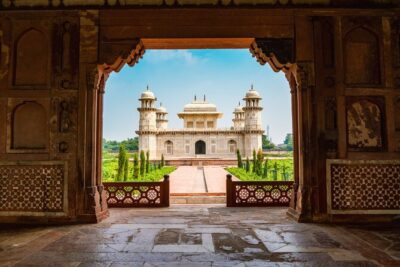 ★ 5.0Taj Mahal Tour from Delhi by Express Train (Viator Award Winner)From $752,849 reviews
 ★ 5.0All Inclusive Private Taj Mahal Luxury Tour from Delhi by CarFrom $622,564 reviews
 ★ 4.9Same Day Taj Mahal, Fort & Baby Taj Tour from Delhi by CarFrom $502,534 reviews
 ★ 4.9From Delhi: Taj Mahal and Agra Fort Private Sunrise TourFrom $592,270 reviews
Browse the lists this tour appears in