
Reviewed · AGRA DAY TRIPS FROM DELHI
7 Days Golden Triangle Tour with Ranthambore: Delhi Agra Jaipur
A week that swaps palace queues for tiger tracks. This private Golden Triangle tour pairs Agra and Jaipur classics with Ranthambore wildlife, so you get history and nature in one tight loop. I like the two Taj Mahal moments built into the schedule (sunrise and sunset), and I like that safaris include an English-speaking naturalist. The main drawback to plan around is the early starts plus long drives, and you’ll also need to budget separately for monument entrance fees.
What makes this work in real life is the way it’s structured: you get pickup help, an AC vehicle for all transfers, and professional local guides for the key sightseeing days. You’re not meant to “figure it out” on your own in India traffic, which is a huge relief when you’re new to the country. On the wildlife day, the safari vehicles are shared jeeps/canters, so you’re sharing the road and the spotting luck with other groups.
Food and comfort are mostly handled, too. You get breakfast most mornings, lunch on the itinerary, and two dinners, plus bottled water. There’s also a vegetarian option available. The only catch: dress code is listed as both smart casual and formal, so I’d pack layers and keep one slightly dressier outfit ready for evening meals or hotel dinners.
In This Review
- Key Highlights Worth Booking
- Why This Golden Triangle + Ranthambore Combo Fits Your First India Trip
- Day 1 in Delhi: Rickshaws, Jama Masjid, and Qutub Minar
- Day 2 Agra Fort and a Sunset Taj Mahal
- Day 3 Sunrise Taj Mahal, Agra Fort Again, Then the Transfer to Ranthambore
- Two Ranthambore Safaris: Morning and Evening Drives (Shared Jeeps Included)
- Day 5 Jaipur via Abhaneri Stepwell for a Rajasthan Detour
- Day 6 Jaipur Landmarks: City Palace, Jantar Mantar, Hawa Mahal, and More
- Day 7 Back to Delhi: The Airport Dropoff Day
- Price and Value: Is $599 Per Person Fair for This Package?
- Hotels, Meals, and the Pace You Should Plan For
- Should You Book This 7-Day Tour?
- FAQ
- How long is the tour and what does it cost?
- Where does the tour start, and is pickup offered?
- Is this a private tour?
- What meals are included, and is there a vegetarian option?
- How many Ranthambore safaris are included, and what are the timing windows?
- Are the Ranthambore safaris in shared vehicles or private ones?
- Are monument entrance fees included?
- What hotels are included, and is it twin sharing?
- If I cancel, how soon do I need to do it for a full refund?
Key Highlights Worth Booking
- Two Taj Mahal visits: sunrise plus sunset for different light and different crowd energy
- Ranthambore twice: a morning game drive and an afternoon/evening drive
- Naturalist support during safaris for better wildlife spotting and interpretation
- Private guidance in cities with professional local tour guides at the major monuments
- Smooth inter-city transfers in a private AC vehicle, including express-highway driving times
- Mobile ticket and group discount mentioned, helpful when you’re booking from abroad
Why This Golden Triangle + Ranthambore Combo Fits Your First India Trip
The Golden Triangle is the usual first stop for a reason: Delhi, Agra, and Jaipur pack the most recognizable sights in India into one route. What this tour adds is Ranthambore, which turns your week from “temples and forts only” into “forts, palaces, and real wildlife in the wild.” If you want a trip that feels like a complete introduction—rather than a checklist—you’ll probably like this mix.
I also like that this is built around a guided format, not a DIY plan. You’re escorted from place to place, and in the cities you have local guides for the big stops. That matters because India’s monuments are easier to enjoy when someone points out what you’re seeing and why it matters.
The trade-off is pace. You’ll be moving every day, and you’ll face early mornings—especially for the Taj Mahal. If you hate getting up before breakfast, this is not a relaxed sit-and-stare itinerary. Also, the tour doesn’t include entrance fees, so your final day-to-day spending will depend on how many paid sites you want to enter and whether camera fees apply.
Other Agra runs out of Delhi worth a look




Day 1 in Delhi: Rickshaws, Jama Masjid, and Qutub Minar
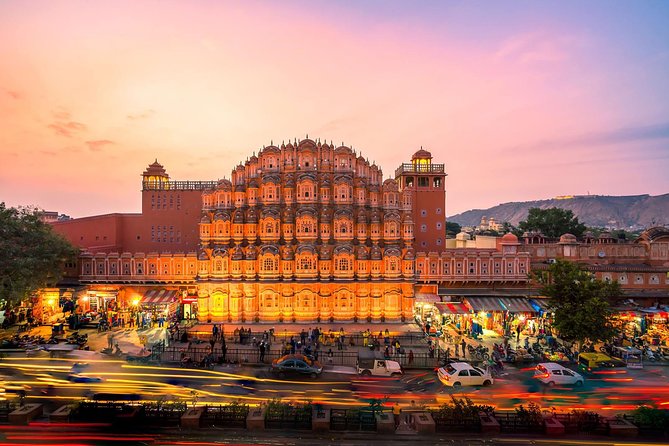
Delhi on day one is set up to help you get oriented fast: you land in a city that feels split between old and new, and you sample both. First comes Old Delhi, starting with Jama Masjid, then a rickshaw ride to Chandni Chowk, one of the area’s oldest markets. After that, you’ll pay respects at Raj Ghat, and the route also includes a drive-past of major government landmarks like India Gate, the President House, and Parliament House.
Later, you shift to a classic monument highlight: Qutub Minar, the 12th-century victory tower. It’s a strong way to cap day one because it’s visually dramatic and it gives you a sense of Delhi’s long timeline beyond the shopping streets.
One practical thing: the tour notes that admissions aren’t included. So while you can enjoy the stops as part of the guided program, you should expect to pay for entry where required on your own. After the sightseeing, you check in and sleep in Delhi, which is a good buffer if jet lag hits hard.
Day 2 Agra Fort and a Sunset Taj Mahal
Day two moves to Agra via an express highway, about 200 km and roughly 3–4 hours. This transfer keeps the day efficient and helps you arrive with enough daylight for both history and a major photo moment.
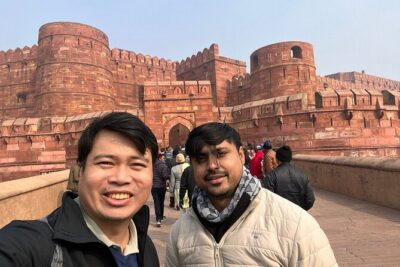
In the afternoon, you tour Agra Fort, described as the Red fort of Agra and a key Mughal residence for emperors until 1638. You’re not just looking at walls—you’re seeing the kind of palace-fort power center that explains why this region became so important.
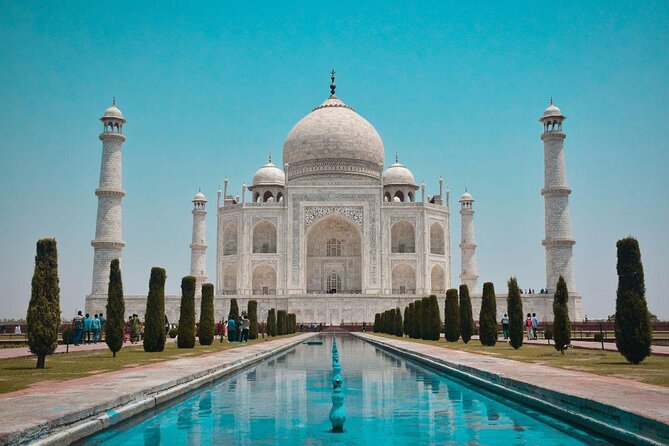
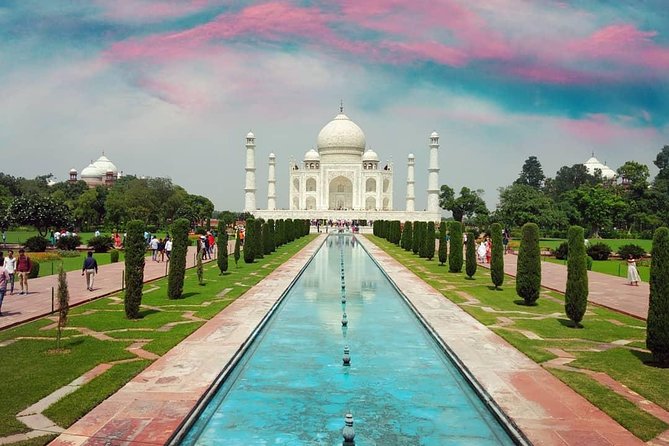
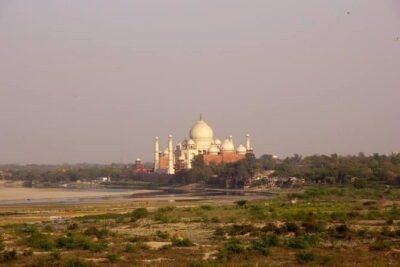
Then comes the big hook: Taj Mahal at sunset. Sunset Taj is popular for a reason—warm light on white marble changes the way the building looks hour to hour. The tour doesn’t include admission tickets, so you’ll want to keep that budget in mind, but the overall pacing is solid: sightseeing, then Taj, then back to the hotel.
A drawback to consider: sunset Taj can mean crowds and strict timing. The tour handles the scheduling, but you’ll still want a calm attitude and realistic expectations about photo angles.
Day 3 Sunrise Taj Mahal, Agra Fort Again, Then the Transfer to Ranthambore
If day two gives you Taj at sunset, day three gives you Taj at its most mythic moment: sunrise at 5:45 AM. You’ll meet your private guide in the hotel lobby to start early, then go to the Taj Mahal while the light is soft and the day is just beginning. Sunrise also changes the crowd picture compared to daytime visits, and it’s a nice way to understand the building beyond a single viewpoint.
After sunrise Taj, you return to the hotel for breakfast and check-out. Then the itinerary swings back to Agra Fort once more, this time with the UNESCO framing. After that, you drive to Ranthambore—about 270 km, around 6 hours—then check in and sleep in Ranthambore.
This day is more demanding than it looks on paper. You’ve got early pickup time, a lot of moving, and then a long drive. The upside is obvious: you get two different Taj experiences without wasting travel days. The downside is energy—pack a small day bag with essentials so you’re not hunting through your luggage right after you wake up.
Two Ranthambore Safaris: Morning and Evening Drives (Shared Jeeps Included)
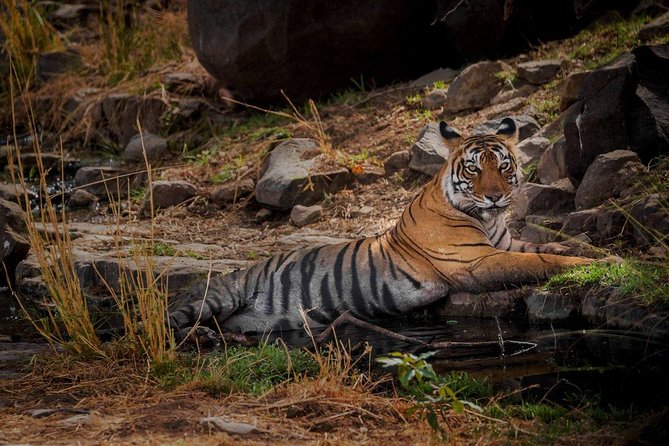
Ranthambore is structured here as two separate safari sessions, which is one of the best ways to increase your odds of meaningful wildlife sightings. You start with an early morning game drive from roughly 6–9 AM, then return to the hotel for breakfast and rest. Later, you do the second drive starting at 2:30 PM for an afternoon/evening safari lasting about 3–4 hours.
The safari format is a shared jeep/canter, not a private vehicle. That affects comfort and control: you’ll follow the group’s pace and be at the mercy of where the best sightings happen. But you do get support—this tour includes an English-speaking naturalist during safaris, plus professional guidance focused on wildlife spotting.
What you should expect, realistically: sightings aren’t guaranteed on any tiger safari. What you can control is participation and timing, and this schedule gives you two chances in the day. If you’re serious about wildlife, this is also the kind of trip where listening matters—pay attention when the naturalist explains tracks, movement patterns, and where animals tend to show up.
Practical comfort tip: since you’re out for hours in open safari vehicles, wear easy layers and plan for changing temperatures between morning and late afternoon.
Chasing the Pink City? More Jaipur day trips

Day 5 Jaipur via Abhaneri Stepwell for a Rajasthan Detour
After Ranthambore, you head to Jaipur. The day starts with breakfast, then you drive to the Pink City. The route includes a stop that adds texture beyond the big monuments: Abhaneri Stepwell, also known as Chand Baori. The tour description highlights that it’s from the 8th century and designed to save water, with 3,500 narrow steps across 13 floors.
That stepwell stop is more than a quick photo break. It gives you a glimpse of how people engineered water storage and daily life centuries ago, which pairs well with the palace and observatory stops later in Jaipur.
The itinerary also mentions Rajasthan village life experience on the way (details aren’t specified further), so you may find small community-style moments that make the journey feel less like pure transportation. Once you arrive, you check in and sleep in Jaipur.
As with other days, remember that monument entry fees are not included, but this stepwell stop is likely part of the guided program and may still have its own paid access depending on local requirements.
Day 6 Jaipur Landmarks: City Palace, Jantar Mantar, Hawa Mahal, and More
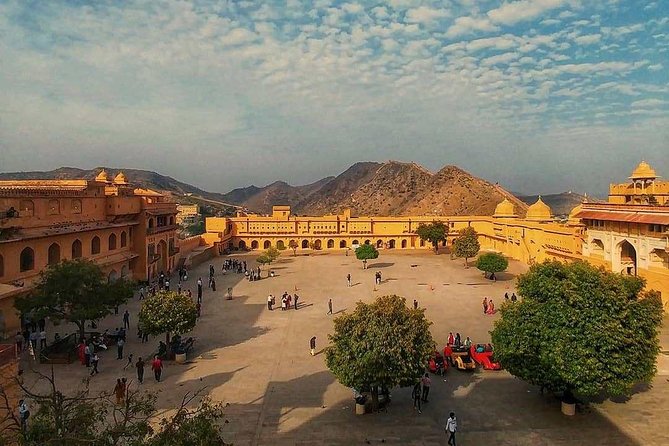
Jaipur day is built around guided sightseeing with several major classics. You meet your guide after breakfast and start with Fort, then City Palace, the seat of the Maharaja. The tour notes the blend of Mughal and Rajput architecture, which helps you look beyond surface decoration and notice design choices.
Next is Jantar Mantar, highlighted as an observatory with the world’s largest stone sundial. This is a great moment for first-timers because it’s not just a pretty building—it’s science made in stone. Even if you don’t speak the local language, a guide can make the function click.
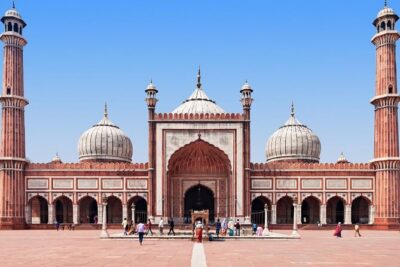
Then you get photo stops for Jal Mahal and Hawa Mahal (the Palace of Wind). The tour also suggests you can explore the local markets in Pink City, which is where Jaipur stops feeling like a museum and starts feeling like a working city with daily life happening around you.
One practical consideration: this is a full sightseeing day. If you want quieter time, you’ll need to pace yourself in the market area and choose where you spend your energy. Also, admission tickets aren’t included, so build a buffer for paid entry at whichever sites you choose to go into.
Day 7 Back to Delhi: The Airport Dropoff Day
On the last day, you move from Jaipur back to Delhi for your flight. After breakfast, you depart and the drive is about 5 hours (280 km) depending on traffic. Your driver drops you at your Delhi hotel or the airport, based on your schedule.
This is the day to be careful with timing. Since traffic can change your arrival window, it’s smart to schedule flights with some cushion. The tour is designed to meet your flight schedule, but road travel unpredictability is real in large Indian cities.
If you enjoyed the mix of monuments and safari time, this final transfer is a bit of a letdown—no new sites added. But it’s also the “reward day” moment: you’re done, you’re close to home logistics, and you can focus on the memories.
Price and Value: Is $599 Per Person Fair for This Package?
At $599 per person, the real question is what’s bundled versus what you’ll pay separately. This tour includes:
- 6 nights of hotel accommodation on a twin-sharing basis in a mix of 3-, 4-, and 5-star properties
- A private AC vehicle for all transfers
- Professional local tour guides for city sightseeing
- Two Ranthambore safaris in shared jeeps/canters
- An English-speaking naturalist during safari time
- Breakfast (6), lunch on the itinerary, and dinner (2)
- Bottled water
- Pickup offered, plus mobile ticket and group discount mentions
What’s not included is the part that can surprise people: monument entrance fees and camera fees. Depending on how many sites require paid entry each day, those costs can add up. Also, safaris are shared vehicles, not private—so part of the price reflects access and guidance, not total exclusivity.
Where the value feels strongest is the combination: transport between four major points (Delhi, Agra, Ranthambore, Jaipur) plus guides plus two safari sessions. If you tried to DIY this, you’d spend time coordinating hotels, guides, and tiger safari logistics. Here, the schedule does that work for you.
Hotels, Meals, and the Pace You Should Plan For
The hotel plan is twin sharing, and the stay is spread across the big-city blocks and Ranthambore. The description lists a range from 3 to 5 star, so you’ll likely get a mix rather than one uniform standard. If you care a lot about room size or quiet corridors, it’s worth asking what star level applies on each night.
Meals are partly included, which is a real plus on a week this active. You’ll get breakfast most mornings (6), lunch included on the itinerary, and dinner (2) included. That means you’ll still need to handle some meals on your own, and those are the meals where your vegetarian needs matter most. Good news: the tour states vegetarian meal option available.
Dress code is listed as smart casual and also formal. Since the itinerary doesn’t specify which evenings require which, I’d pack one outfit you feel comfortable dressing up in, plus practical travel clothes for daytime monument walking and safari time.
Finally, keep pace in mind. Early Taj Mahal mornings and long transfer drives are built into the week. If you’re traveling with patience and you like guided structure, the rhythm can feel rewarding rather than exhausting.
Should You Book This 7-Day Tour?
Book it if you want a classic first-timer India route with real wildlife time added. This tour fits people who like structure, enjoy guides, and want Taj Mahal done with actual variety—sunrise and sunset instead of a single quick visit. It’s also a good choice if you’re coming from abroad and want help with the basics like pickup, transport, and tickets.
Don’t book it if you want slow travel or total independence. You’ll be on the move most days, and you’ll face early wakeups. Also, entrance fees and camera fees aren’t included, so you should budget for those extra charges.
One more reason to feel confident: the tour operator’s support is highlighted in feedback with examples like a reliable greeting from driver Akhtar Ali and booking help from Rajesh Singh, along with consistent check-ins. That kind of responsiveness matters when you’re coordinating a multi-city trip.
If this sounds like your style, it’s a very efficient way to experience Delhi, Agra, Jaipur, and Ranthambore in one week.
FAQ
How long is the tour and what does it cost?
The tour is approximately 7 days and costs $599.00 per person.
Where does the tour start, and is pickup offered?
It begins in Delhi, and you can be greeted by the chauffeur or representative at your hotel, Delhi airport, or railway station.
Is this a private tour?
Yes. This is described as a private tour/activity, meaning only your group will participate.
What meals are included, and is there a vegetarian option?
The package includes breakfast (6), lunch (as per itinerary), and dinner (2). A vegetarian meal option is available.
How many Ranthambore safaris are included, and what are the timing windows?
You get two jungle safaris in Ranthambore Tiger Reserve: an early morning game drive from about 6–9 AM, and an evening safari beginning around 2:30 PM.
Are the Ranthambore safaris in shared vehicles or private ones?
They are in shared jeeps/canters, not private vehicles.
Are monument entrance fees included?
No. Monument entrance fees and camera fees are not included.
What hotels are included, and is it twin sharing?
You get 6 nights of hotel accommodation in 3-, 4-, and 5-star properties on a twin sharing basis.
If I cancel, how soon do I need to do it for a full refund?
You can cancel up to 3 days in advance of the experience for a full refund. If you cancel less than 3 days before, the amount paid is not refunded.
The Full Golden Triangle, More Options
- 3-Days Private Golden Triangle Tour: Delhi, Agra & Jaipur by Car
★ 5.0 · 1,107 reviews - 3-Days Private Golden Triangle Tour: Delhi, Agra & Jaipur by Car
★ 5.0 · 1,098 reviews - 3-Day Delhi, Agra and Jaipur Private Tour – India Golden Triangle
★ 5.0 · 812 reviews - Four-Day Private Luxury Golden Triangle Tour to Agra and Jaipur From New Delhi
★ 5.0 · 807 reviews - 5 Nights 6 Days Private Golden Triangle Tour – Delhi Agra Jaipur
★ 5.0 · 574 reviews
Onward to Jaipur: More Day Trips
- 3-Days Private Golden Triangle Tour: Delhi, Agra & Jaipur by Car
★ 5.0 · 1,107 reviews - 3-Days Private Golden Triangle Tour: Delhi, Agra & Jaipur by Car
★ 5.0 · 1,098 reviews - 3-Day Delhi, Agra and Jaipur Private Tour – India Golden Triangle
★ 5.0 · 812 reviews - Four-Day Private Luxury Golden Triangle Tour to Agra and Jaipur From New Delhi
★ 5.0 · 807 reviews - Jaipur Day Trip from Delhi by Car or Train – All Inclusive
★ 5.0 · 663 reviews
More Agra Day Trips out of Delhi
- Same Day Taj Mahal, Agra Fort & Baby Taj Tour from Delhi by Car
★ 5.0 · 4,304 reviews - Full Day Taj Mahal, Agra Fort & Baby Taj Tour from Delhi by Car
★ 5.0 · 3,647 reviews - From Delhi: Taj Mahal & Agra Private Day Trip with Transfers
★ 4.9 · 3,181 reviews - From Delhi: Taj Mahal and Agra Fort Private Sunrise Tour
★ 4.9 · 2,270 reviews - Sunrise Taj Mahal, Agra Fort & Baby Taj Tour from Delhi by Car
★ 5.0 · 2,243 reviews
Just added: more New Delhi reviews to browse
- 4 days Golden Triangle Tour★ 5.0 · 3 reviews
- Discover Old & New Delhi: Private Tour with Street Food★ 5.0 · 3 reviews
- Taj Mahal Tour From Delhi By Private Car★ 4.5 · 3 reviews
- Golden Triangle Tour 5 Days★ 5.0 · 3 reviews
- Taj Mahal: Express Entry Ticket For Sunset Tour with guide★ 5.0 · 3 reviews
- Agra Taj Mahal Sunrise & Sunset Tour from Delhi★ 5.0 · 3 reviews
Agra Day Trips from Delhi, compared.
 ★ 5.0Same Day Taj Mahal, Agra Fort & Baby Taj Tour from Delhi by CarFrom $624,304 reviews
 ★ 5.0Full Day Taj Mahal, Agra Fort & Baby Taj Tour from Delhi by CarFrom $623,647 reviews
 ★ 4.9From Delhi: Taj Mahal & Agra Private Day Trip with TransfersFrom $43,181 reviews
 ★ 4.9From Delhi: Taj Mahal and Agra Fort Private Sunrise TourFrom $592,270 reviews
 ★ 5.0Sunrise Taj Mahal, Agra Fort & Baby Taj Tour from Delhi by CarFrom $622,243 reviews
 ★ 5.0Taj Mahal and Agra Private Car Tour from Delhi with 5* LunchFrom $331,633 reviews
 ★ 4.9From Delhi: Private Taj Mahal and Agra Tour by Express TrainFrom $751,605 reviews
 ★ 5.0Taj Mahal, Agra Fort, Baby Taj Tour from Delhi by Superfast TrainFrom $751,494 reviews
Browse the lists this tour appears in