
Reviewed · NEW DELHI
Dalai Lama Himalayan Trek
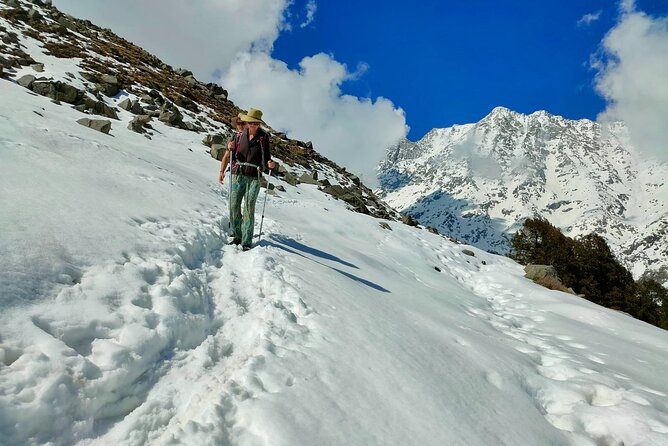
Temples and high passes, all on one itinerary. This trip strings together Delhi’s spiritual highlights and the quieter atmosphere of Dharamsala, then sends you into the snowy Himalayan zone for a multi-day trek with camping near babbling springs and star-filled skies. I especially like how the route keeps a spiritual thread without turning the whole thing into a museum day.
I also like the way Manu and his team run the logistics. From well-organized transport to trek support, the small touches stand out, including reported quality gear and camping comfort like warm, dry tents and fleece-lined sleeping bags. It’s the kind of setup that lets you focus on walking and looking up, not worrying about the details.
The main consideration is the fitness and weather reality. The route includes steep, rocky sections and multiple trek days, plus cold nights in mountain camping, so strong physical fitness matters.
In This Review
- Key things I’d plan around
- Delhi first: temples, quick wins, and getting your bearings
- The long train leg: why that overnight-style travel works
- Pathankot to Dharamsala: the spiritual tone shift
- Kareri start: donkeys, day bags, and your first real trek rhythm
- Naddi View Point to Triund camp: rhododendrons, tea breaks, and starry nights
- Triund Hill: steep, rocky walking, and why your first big peak matters
- McLeod Ganj descent: a big emotional shift after summit day
- Dharamsala extras: cable car, tea plantation, and a cricket stadium detour
- Taj Mahal finale: finishing big, then returning to Delhi
- Price and value: what $1,463.90 actually buys you
- Who this trek is for (and who should skip it)
- Should you book the Dalai Lama Himalayan Trek?
- FAQ
- What are the trip dates and where does it start?
- Is airport pickup included?
- Do I get a mobile ticket?
- How physically demanding is the trek?
- What meals are included?
- How do you travel between regions?
- How big is the group?
- Is camping part of the trek?
- Is the Taj Mahal included?
- What’s not included, and can I change the booking?
Key things I’d plan around
- A 5-day trek in the foothills-to-snow swing, with real uphill walking and real downhills
- Camping by springs and sleeping in tents (not just day treks), with reported cozy gear
- Manu’s team support, including guides and carry logistics so you trek with day bags
- Delhi to Dharamsala to Taj Mahal with a mix of spiritual stops and big cultural anchors
- Small-group feel, with a maximum of 35 people
Delhi first: temples, quick wins, and getting your bearings
Your trip starts in New Delhi with a transfer from Indira Gandhi International Airport. You even have an included stop at TWG Tea Boutique at the airport, which is a simple way to settle in before the first real sightseeing push.
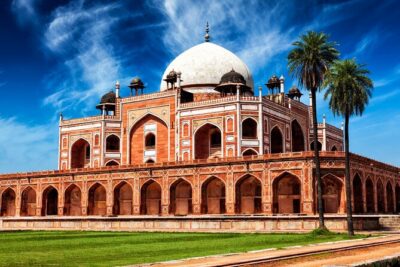
Right away, you’re in temple mode. There’s time for the Monkey Temple of Hanuman near your hotel area, and later you’ll visit Akshardham Temple, described as silver-clad and gem-bright in its presentation. Akshardham is huge and polished, so even if you’ve seen a lot of Indian temples, this one can still feel like a whole world of detail.
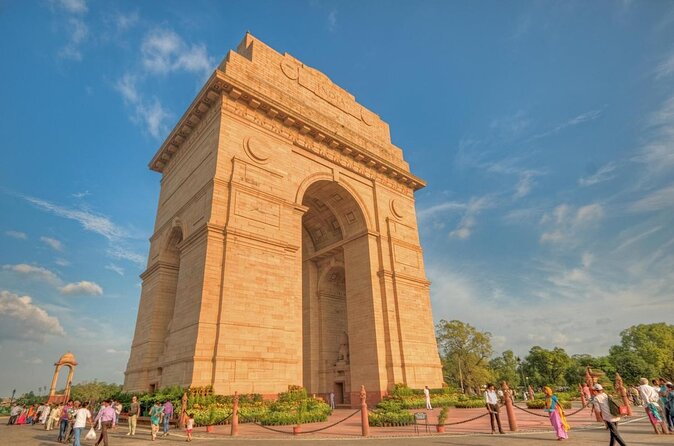
Then there’s India Gate—less about spiritual ritual, more about orientation and atmosphere. In a trip like this, I like that you get both: spectacle and setting. It helps you shift from arrival nerves to travel rhythm.
A small practical note: Delhi days can move fast. With included transfers and a structured plan, you won’t be stuck figuring out transport, but you still need to keep energy for later days.
Worth putting side by side with this New Delhi pick:

The long train leg: why that overnight-style travel works
A big part of this itinerary uses train travel, and the overview highlights an unforgettable overnight train journey. That matters because it turns travel time into part of the adventure instead of a wasted day.
You’re not just riding from point A to B—you’re also gaining mountain momentum. The schedule moves you toward Pathankot, then onward to Dharamsala. That shift is key to why the trek feels earned: you’re going from big-city India to hill-country India in a gradual, lived-in way.
Also, the trip includes sleeper train arrangements (reported as bunks together on the sleeper train). If you’re the type who hates losing a full day to transit, this is a smarter use of time.
Pathankot to Dharamsala: the spiritual tone shift
When you arrive at Pathankot station, you’ll be taken for breakfast at an open-air restaurant. Then you head onward to Dharamsala and check into your hotel.
Dharamsala is where the itinerary’s spiritual focus gets clearer. The trip isn’t just about trekking; it’s also about visiting the exiled home and temple of the Dalai Lama in the foothills of the Himalayas. That gives you a different kind of context for your time in the mountains. You’re not only chasing views—you’re also stepping into a place where faith and daily life sit close together.
I like this pacing. You don’t go from Delhi temples to hiking boots immediately. You land, eat, rest, then start the trek phase with your mind calmer and your body less confused.
Kareri start: donkeys, day bags, and your first real trek rhythm
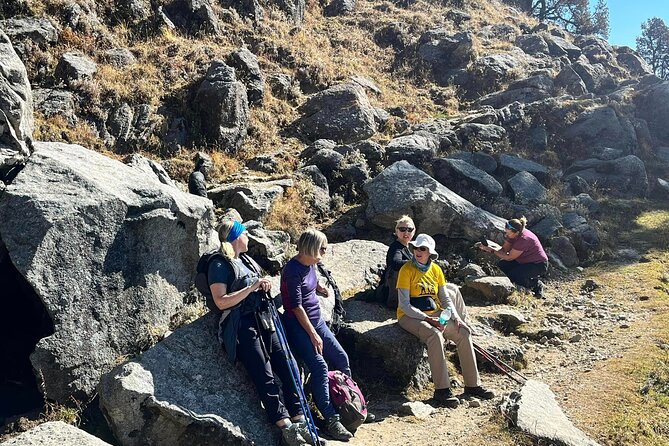
Once you’re greeted and settled with the team, you also greet the donkeys. That’s not a cute detail—it changes the trek experience. Donkeys transport luggage, tents, and camp equipment from camp to camp. You carry your day bags, which makes the walking more manageable on multi-day terrain.
From Kareri, the trek begins gently at first, moving along rustic village areas and paths that feel like donkey-track country, not highway tourism. That’s the point. You get to see how people live: children outside with giggles, women tending to goats and cows, and quiet village life happening alongside the trail.
Practical reality: you’ll still be walking for hours. But knowing your main gear is carried helps you keep your pace steady instead of burning energy on heavy loads.
If you’ve never camped on a trek before, consider this your adjustment period: learn your rhythm, test your footwear, and get comfortable with the idea that the mountain is now your schedule.
Naddi View Point to Triund camp: rhododendrons, tea breaks, and starry nights
As you move toward Naddi View Point, you’ll trek through village areas and countryside that feels lived-in. The schedule mentions scratching a path through families’ daily routines—so it’s not just scenery, it’s contact with real rural life.
Later, the route leads through bridges and into a forest of rhododendrons. This is where a slow moment helps. The itinerary includes a break at a tea shop called Magic View, which gives you a named pause point and a clear reminder: stop, breathe, drink, look around, then keep going.
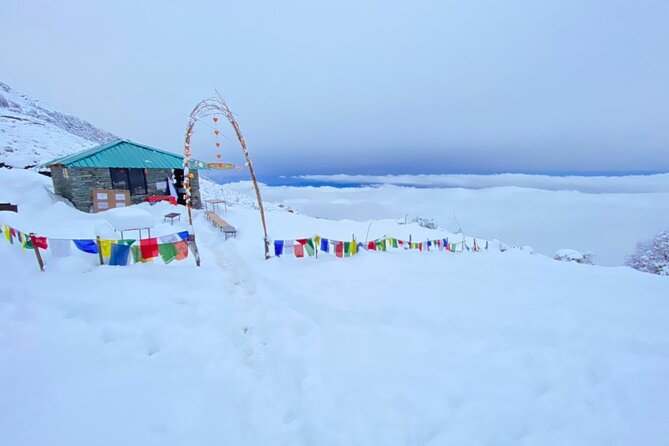
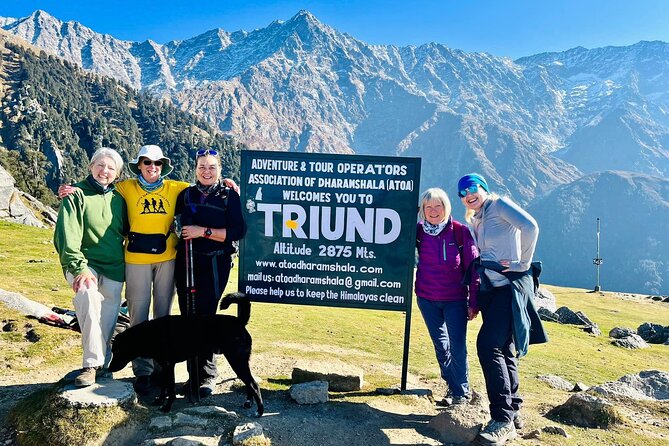
When you reach Triund Hill, you shift into camp-mode at Manu Adventures Camp at Triund Hill. The value of this camp segment is comfort plus function. In the reviews tied to this style of trek, people highlight warm dry tents, thick mattresses, and fleece-lined sleeping bags. That combo matters a lot because the mountain cold can turn your night into a misery session if sleep gear is basic.
You’ll also get camping near clear, babbling springs, plus starry skies. Nights like that reset your brain in a hurry.
One caution: tea shop breaks are nice, but cold can creep in fast in the hills. If you’re the type who runs cold, pack layers with intent.
Triund Hill: steep, rocky walking, and why your first big peak matters
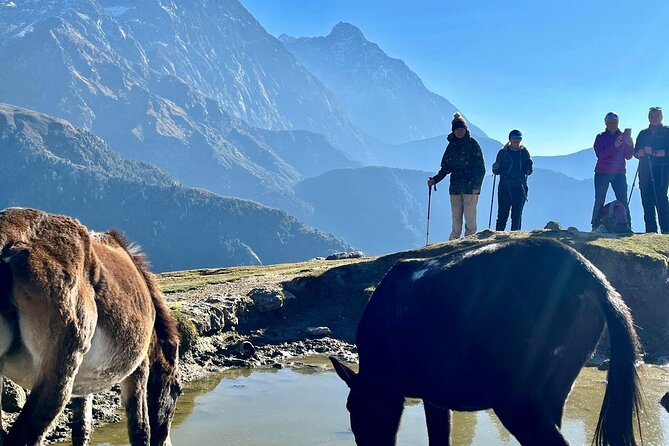
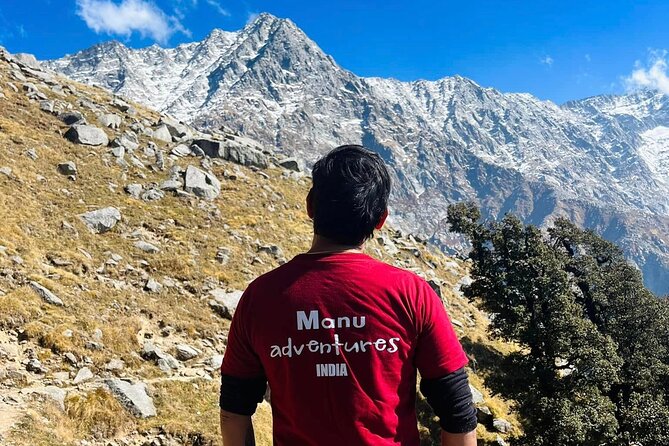
Triund Hill is the trek day where the description gets more direct. It can be steep and rocky in places, and the payoff is first sight of huge peaks that visually dwarf you.
That first big peak moment is more than a photo. It changes how your body feels about the climb. Once you see what you’re walking toward, the steep sections stop feeling random and start feeling meaningful.
In practical terms, this is the day to be ready for:
- uneven footing (rocky portions)
- gradual fatigue (because you keep moving over time)
- cold exposure if cloud cover changes
This is also the trek day that turns the fitness requirement from a suggestion into a real factor. If you’re unsure about your leg stamina, I’d treat Triund Hill as the key test.
The good news: the trip is built around support and structure. Your group stays coordinated, your team handles the equipment logistics, and you get camp setups waiting for you.
McLeod Ganj descent: a big emotional shift after summit day
After the trek’s peak-feeling day and your earlier camp nights, you descend toward McLeod Ganj. The day plan emphasizes a breakfast with a view, then a descent at your own pace, finishing back in Dharamsala with time for a shower and rest.
That shower detail isn’t trivial. After mountain walking and outdoor nights, the reset changes how you enjoy the rest of your trip.
That evening includes a Tibetan-style feast. This fits the itinerary’s theme. You’re not only moving through geography; you’re switching cultures—from trekking stamina to shared meals and local tradition.
Then comes a practical move: you transfer to the railway station at Pathankot for the next travel leg (the schedule notes evening transfer, then rail connection).
If you like your days to have clear chapters—walk, camp, reset, eat—this itinerary follows that rhythm well.
Dharamsala extras: cable car, tea plantation, and a cricket stadium detour
Dharamsala isn’t treated as a single stop. You also get activities around it.
You’ll take a brand-new cable car from McLeod Ganj to Dharamshala, then visit a tea plantation. The itinerary also includes the world-famous cricket stadium. That’s an unexpected pairing with a spiritual trekking trip, but it actually helps the day feel more like real life in India than just a spiritual highlight reel.
This is one of those choices I appreciate: not every stop needs to be sacred. It adds variety, and it gives your legs a lighter day after trekking.
Taj Mahal finale: finishing big, then returning to Delhi
The last major anchor is the Taj Mahal. The schedule says you’ll be transferred from Agra, then visit Taj Mahal with a celebration meal near it. That’s the right kind of finale: a major landmark after a physically demanding trek and a spiritually focused first half.
If you like a little hotel comfort as a reward, there’s a reported detail that hotels may include rooftop views of the Taj. That’s the sort of perk that turns the final days from “we’re done” into “we’re appreciating what we earned.”
After that, you head back to Delhi for your last afternoon. You’ll have free time for shopping in Connaught Place and for a last look at preserved areas.
This end-of-trip flexibility is important. Trek trips can feel intense. Having space to wander on your own time helps you digest everything you just did.
Price and value: what $1,463.90 actually buys you
At $1,463.90 per person for about 11 days, this isn’t a cheap itinerary. But you’re paying for more than checkboxes.
Here’s what the package includes that can easily add up if you travel independently:
- Train tickets across the long-distance legs
- Air-conditioned vehicle transfers where specified
- Meals: 11 dinners, 10 breakfasts, and lunches on 5 days
- Camping support during the trek, plus reported quality gear like tents and fleece-lined sleeping bags
- Selected entry/admission tickets (some stops are explicitly admission included, others are noted as free)
- A group limit of up to 35, which helps keep the experience more personal than huge bus tours
So the value is in logistics plus support. When you’re doing a multi-day trek with camping, the cost isn’t just transport. It’s equipment, guides, planning, food service, and the time of a team that’s keeping everything moving.
If you’re comfortable building your own trekking and camping plan from scratch, you might spend less. But if you want a guided route that handles the hard parts and keeps you fed and supported, this price starts to make sense quickly.
Who this trek is for (and who should skip it)
You’ll likely love this if you:
- want a spiritual travel path plus a real physical trek
- prefer structured planning with a small-group vibe (max 35)
- enjoy rural village walking and mountain camping
- want a team that’s known for support and good gear
You should think twice if you:
- have limited fitness for steep, rocky trail sections
- hate camping or cold-night sleep challenges (even with good gear, you’re still outdoors)
- need a fully flexible itinerary with easy changes
This is one of those trips where the mountains set the tempo. If you’re okay with that, you’re going to have a great time.
Should you book the Dalai Lama Himalayan Trek?
If you want a “big trip” that mixes Delhi temples, Dharamsala’s spiritual focus, and a hands-on Himalayan trek with camping, this one makes sense. The strongest reason to book is the balance: the trek is the real centerpiece, but you also get strong cultural anchors like Akshardham and the Taj Mahal, plus Tibetan-style food and daily life in hill villages.
Just be honest about fitness. Triund Hill’s steep and rocky sections are the part that will decide how much you enjoy the whole journey. If you’re ready for that, you’ll probably feel like you did something meaningful and memorable, not just something busy.
FAQ
What are the trip dates and where does it start?
The experience runs about 11 days and starts in New Delhi at Indira Gandhi Intl Airport. The meeting time is listed as 9:00 am.
Is airport pickup included?
Yes. The tour includes a transfer from the airport, and pickup is offered.
Do I get a mobile ticket?
Yes. Mobile ticket is listed as a feature of this experience.
How physically demanding is the trek?
You should have a strong physical fitness level. The trek includes steep and rocky areas on Triund Hill and spans multiple days with hours of walking.
What meals are included?
Dinner is included for 11 days, breakfast for 10 days, and lunch for 5 days.
How do you travel between regions?
Train tickets are included, and you’ll also use air-conditioned vehicle transfers where the itinerary specifies. A cable car is included between McLeod Ganj and Dharamshala.
How big is the group?
The group size is capped at a maximum of 35 travelers.
Is camping part of the trek?
Yes. You’ll camp during the trek, including nights near clear springs, and the trekking setup includes tents and sleeping gear.
Is the Taj Mahal included?
Yes. The itinerary includes a Taj Mahal visit with a celebration meal near it, followed by a transfer from Agra back toward Delhi.
What’s not included, and can I change the booking?
Airport/departure tax and tips aren’t included. The experience is non-refundable and cannot be changed for any reason.
More Hiking & Trekking in New Delhi
- Moderate Himalayan Treks Near Rishikesh From Delhi
★ 5.0 · 21 reviews
More Tour Reviews in New Delhi
- Old & New Delhi City Tour – Half or Full Day Options Available
★ 5.0 · 4,811 reviews - Half Day Private Delhi City Tour
★ 5.0 · 4,474 reviews - Same Day Taj Mahal, Agra Fort & Baby Taj Tour from Delhi by Car
★ 5.0 · 4,304 reviews - Taj Mahal Day Tour from Delhi by Superfast Train – TOP RATED TOUR
★ 5.0 · 4,166 reviews - Delhi: Old and New Delhi Private Full or Half-Day Tour
★ 4.9 · 3,776 reviews
Just added: more New Delhi reviews to browse
- 4 days Golden Triangle Tour★ 5.0 · 3 reviews
- Discover Old & New Delhi: Private Tour with Street Food★ 5.0 · 3 reviews
- Taj Mahal Tour From Delhi By Private Car★ 4.5 · 3 reviews
- Golden Triangle Tour 5 Days★ 5.0 · 3 reviews
- Taj Mahal: Express Entry Ticket For Sunset Tour with guide★ 5.0 · 3 reviews
- Agra Taj Mahal Sunrise & Sunset Tour from Delhi★ 5.0 · 3 reviews