
Agra in a single day can feel unreal. This trip is built for people who want the Taj Mahal and the bigger Agra story (Agra Fort, Baby Taj area, and Itimad-ud-Daula) without the hassle of figuring transport and timing on your own. It’s a door-to-door day trip from Delhi, using a private air-conditioned car and local guides.
I especially like the door-to-door pickup from Delhi/nearby cities and the hands-on guidance once you arrive. Guides such as Mehran Khan and drivers like Abdul show up in the way you want on a day like this: they help with context and they keep things moving, including photo help and calm explanations.
One thing to consider: monument entry isn’t always included. Taj Mahal and Agra Fort tickets are listed as not included unless you select the all-inclusive option, so you’ll want to budget a little extra.
In This Review
- Key Highlights at a Glance
- A Private Delhi-to-Agra Day Trip by Car: What the 7–10 Hours Really Feel Like
- Pickup From Delhi (and Nearby Cities): Door-to-Door Convenience That Actually Helps
- Taj Mahal Time: How to Use Your 3 Hours for Photos and Calm Looking
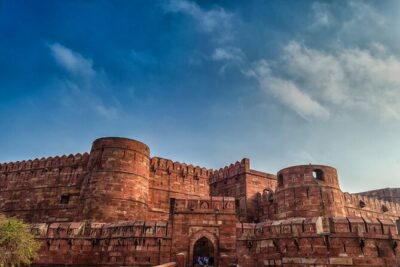
- Agra Fort on Red Sandstone: Mughal and Hindu Influences Without the Crowds Feel
- Baby Taj at UP Handicraft Palace: A Short Stop That Still Adds Meaning
- Itimad-ud-Daula (Mirza Ghiyas Beg): The Marble Work That Prepares You for the Taj
- Guides Like Mehran Khan and Abdul: Why the Right Story Changes the Day
- Tickets, Water, and the Real Value of a $20 Day Trip
- Timing and Practical Tips for a Smooth Taj Mahal Day
- Who This Tour Fits Best (and Who Might Want Another Plan)
- Should You Book This Tour?
- FAQ
- How long is the Taj Mahal and Agra Fort day trip from Delhi?
- Where does pickup happen for this tour?
- Is this tour private or shared?
- Are tickets for the Taj Mahal included?
- Are tickets for Agra Fort included?
- How long do you spend at each place?
- Is bottled water provided?
- Is the UP Handicraft Palace stop free?
- What is the cancellation policy?
Key Highlights at a Glance
- Private air-conditioned car for the Delhi-to-Agra round trip, with bottled water on board
- Local guides who explain what you’re seeing, including guides like Mehran Khan, Abdul, and Soheil
- Taj Mahal + Agra Fort + Itimad-ud-Daula in one packed but structured day
- UP Handicraft Palace stop for the Baby Taj area, plus souvenirs if you want them
- Mobile ticket and taxes/fees handled in the package price
- Group discounts and a private setup where only your group participates
A Private Delhi-to-Agra Day Trip by Car: What the 7–10 Hours Really Feel Like
This is a long-day tour in the best way. You’re looking at roughly 7 to 10 hours total, and the core logic is simple: drive from Delhi to Agra, spend real time on the big sights, then drive back with everything arranged for you. The private car matters here because the Taj Mahal day isn’t just about the monuments—it’s about not wasting your energy on transport stress.
The drive itself can be anywhere from about 3 to 4 hours each way, depending on traffic. That means you should plan for a day where you’ll be awake, moving, and taking photos at the right moments—not sitting around waiting for things to happen. The upside is that you get a full Agra hit without needing an overnight stay.
Because the tour is private (only your group), you also avoid the usual “herding cats” feeling that can happen on bus tours. Your schedule is still guided and realistic, but you’re not sharing it with strangers.
More ways to reach the Taj, weighed side by side




Pickup From Delhi (and Nearby Cities): Door-to-Door Convenience That Actually Helps
I love that pickup can happen from your hotel or the airport—and that it’s offered not only from Delhi but also Noida, Gurugram, and Ghaziabad. On a day trip like this, the difference between starting at your doorstep and starting at a random meeting point is huge. You lose less time, and you don’t risk missing a connecting detail (like timing your arrival for photos).
You also get bottled mineral water during the journey, plus taxes/fees and GST handled in the price. That’s not just paperwork comfort. It helps keep your day simpler, especially if you’re trying to fit Agra between other plans in India.
The tour’s structure also includes a representative meeting point on the Agra side at the Taj Mahal, so you’re not left wandering with questions. And since the tour notes it’s “near public transportation,” you’re not trapped either way—though the whole point is that you have a driver and plan.
Taj Mahal Time: How to Use Your 3 Hours for Photos and Calm Looking
The Taj Mahal is the main event, and the schedule gives it about 3 hours. That’s enough time to do more than rush. You can take your first lap to get oriented, then slow down for details—especially if you’re interested in the famous white marble effect and the intricate decoration.
This tour’s biggest value at the Taj is the combination of time + guidance. You’re not just walking from one viewpoint to another; a good guide helps you understand what you’re seeing—how the design works, and why people react the way they do when they finally face the building straight on. In the feedback you’ll see names like Mehran Khan, who gets praised for clear explanations and photo help. That matters because it’s easy to feel awkward asking strangers to take pictures.
Practical tip: go in with two mental modes. First, use your early minutes to get your bearings and choose your photo angles. Second, reserve your later minutes for slower looking. The difference between “I saw it” and “I remember it” is usually that you leave time for the second mode.
Also note the ticket situation. The Taj Mahal admission is listed as not included in the standard flow. If you choose an all-inclusive option, monument tickets can be included—so check what’s selected before you go. That one decision can save you time at the gate.
Agra Fort on Red Sandstone: Mughal and Hindu Influences Without the Crowds Feel
After the Taj, the tour heads to Agra Fort for about 2 hours. Agra Fort is different in mood. Instead of a single iconic view, it gives you a layered experience of courtyards, halls, and architectural styles in red sandstone.
You’ll see highlights such as Diwan-e-Aam and Diwan-e-Khass, plus places like Jahanara Place. Even if you only catch parts of the complex, it’s the kind of site where understanding what each space was for makes the walls feel less like background and more like story.
One consideration: Agra Fort admission is also listed as not included unless you select the all-inclusive ticket option. So again, read your ticket selection carefully. If you prefer not to think about tickets on the day, choose the option that includes them.
This part of the tour is also a good “reset.” You can let the Taj Mahal settle in your head, then spend time in Agra Fort learning the wider context of power and architecture in the Mughal era, plus the blending influences you’ll see in the buildings.
Baby Taj at UP Handicraft Palace: A Short Stop That Still Adds Meaning
The tour includes a stop at UP Handicraft Palace, scheduled for about 1 hour. This is described as the place where the Baby Taj Mahal was kept, and it’s also a practical spot to buy souvenirs if you want them. Admission here is listed as free, which is a nice bonus on a day when ticket costs can add up.
What you should expect from this stop is not a second grand centerpiece. It’s more of a cultural-and-photo-friendly add-on. You’re using the hour to connect the dots—why people talk about Baby Taj as part of the Taj Mahal “family”—and to walk out with something tangible if souvenirs are your thing.
If you don’t care about shopping, you can treat this as a focused 60-minute breather. It breaks up the bigger sights so you’re not tired by the time you reach the next major monument.
Other Agra runs out of Delhi worth a look


Itimad-ud-Daula (Mirza Ghiyas Beg): The Marble Work That Prepares You for the Taj
Next comes Itimad-ud-Daula, also known as Mirza Ghiyas Beg, for about 1 hour. This is one of those Agra stops that feels rewarding even if it’s not as famous as the Taj.
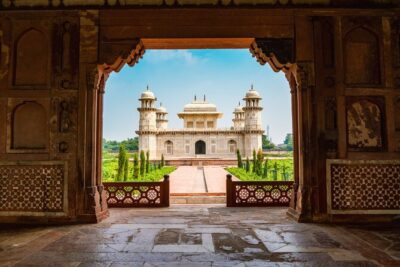
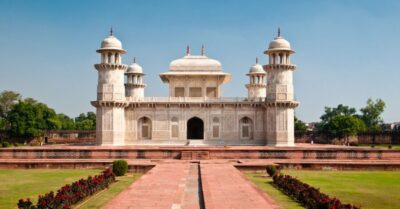
The provided tour context explains his role in the Mughal court under Emperor Jahangir and notes how his tomb is often considered a precursor to the architectural grandeur people associate with the Taj Mahal. The real draw here is the craftsmanship: the tomb is known for intricate marble work and a sense of fine detail.
I like this stop because it changes how you look at the Taj. After you’ve seen Itimad-ud-Daula, you can spot how ornament, proportion, and marble technique build toward larger statements. It’s like seeing the earlier draft of a style before the final masterpiece.
Ticket note: Itimad-ud-Daula admission is listed as not included in the standard structure, so check whether your all-inclusive option covers it.
Guides Like Mehran Khan and Abdul: Why the Right Story Changes the Day
A day like this lives or dies on how your guide handles the pacing and the explanations. In the feedback you provided, certain patterns repeat: guides are praised for clear explanations, calm behavior, and photo help, with names like Mehran Khan, Abdul, and Soheil showing up.
Here’s what that means for you on the ground:
- If your guide explains what you’re looking at, your 3 hours at the Taj feels longer in a good way.
- If your driver is careful and efficient, your energy stays high for photos and walking.
- If someone helps take photos, you don’t waste time searching for strangers or settling for mediocre angles.
One more point: the tour description specifically promises door-to-door service and a guide-focused experience where you hear history, culture, and architecture stories. That promise is practical, not just romantic. On a monument-heavy day, a good guide helps you avoid the “I saw lots of things but I can’t connect them” problem.
Tickets, Water, and the Real Value of a $20 Day Trip
Let’s talk value, because $20 can sound either like a steal or like a catch—depending on what’s included.
From the tour info, you get:
- Private air-conditioned car transport
- Local professional guides for sightseeing
- Hotel/airport transfers from Delhi/Noida/Gurugram/Ghaziabad
- Bottled mineral water
- Taxes/fees including GST, fuel surcharge, handling charges
- A mobile ticket
- Monument tickets included only if you choose the all-inclusive option
So what are you really paying for? You’re paying for logistics that would otherwise cost you time, hassle, and planning energy. For many visitors, the biggest hidden cost of doing Agra from Delhi on your own is not money—it’s stress and the risk of scrambling at the last minute.
The possible drawback is ticket uncertainty if you don’t choose all-inclusive. Taj Mahal and Agra Fort tickets being listed as not included means your total cost could rise. The fix is easy: pick the ticket option that matches your style. If you like “pay once, think later,” choose the all-inclusive route.
Tips aren’t included (so budget for gratuities if you feel your guide and driver earned it). That’s normal in India and usually part of how service teams work.
Timing and Practical Tips for a Smooth Taj Mahal Day
Your day will be better if you think in terms of time blocks, not just destinations.
- At the Taj, arrive ready to walk and look. Shoes that work for stone surfaces matter.
- Between stops, treat the car time as recovery. Drink the bottled water and keep your phone charged.
- At Agra Fort, expect a change of pace. Forts are more exploring than posing.
- At UP Handicraft Palace, decide in advance whether you’re browsing or just collecting a quick photo moment.
- At Itimad-ud-Daula, slow down. It’s the kind of site where detail is the payoff.
Also, this tour lists the drive as roughly 3–4 hours each way depending on traffic. That means start your day early if you can, and don’t pack the same day with anything tight in Delhi afterward. You’re not in control of traffic, and your schedule is built around monument time.
Weather can also affect your experience. You’ll see a comment about January weather and views being beautiful, which fits the general idea: clearer days usually make monuments more enjoyable. Still, you’ll be on the move either way.
Who This Tour Fits Best (and Who Might Want Another Plan)
This day trip is a strong match if you:
- Want major Agra sights in one day without switching transport modes
- Prefer a private car and private guide attention
- Like having someone handle the “where next” part
- Value photo help and smooth pacing, which your guides in the feedback are praised for
You might reconsider if you:
- Want a slower pace with lots of extra stops (this schedule is structured)
- Don’t want to think about ticket selection, since entry for Taj and Agra Fort is listed as not included unless you choose all-inclusive
If you’re traveling as a couple, solo, or with a small group, the private setup is especially comfortable. If you’re with friends who want to stop for snacks and wander longer than the allocated time, you’ll have to be okay with staying within the plan.
Should You Book This Tour?
I’d book it if your goal is a smooth, well-supported Taj Mahal + Agra Fort day from Delhi with a private car and guides who know how to explain what you’re seeing. The value is strongest when you want logistics handled, water provided, and someone like Mehran Khan or Abdul helping make the day feel organized instead of chaotic.
I’d double-check before booking if you care a lot about ticket costs, since monument entry is described as not included unless you choose an all-inclusive ticket option. If you select that option, you can avoid surprises and focus on the monuments.
If you want an Agra day with minimal stress and maximum highlight time, this one makes sense.
FAQ
How long is the Taj Mahal and Agra Fort day trip from Delhi?
The tour runs about 7 to 10 hours total, depending on traffic and the time spent at each stop.
Where does pickup happen for this tour?
Pickup is offered from Delhi, Noida, Gurugram, and Ghaziabad, including your hotel or the airport.
Is this tour private or shared?
It’s a private tour/activity, meaning only your group participates.
Are tickets for the Taj Mahal included?
Taj Mahal admission is listed as not included in the standard plan. Monument tickets are included only if you choose the all-inclusive option.
Are tickets for Agra Fort included?
Agra Fort admission is listed as not included in the standard plan, and monument tickets are included only with the all-inclusive option.
How long do you spend at each place?
The schedule shows about 3 hours at the Taj Mahal, 2 hours at Agra Fort, 1 hour at UP Handicraft Palace, and 1 hour at Itimad-ud-Daula.
Is bottled water provided?
Yes. Bottled mineral water is provided during the journey.
Is the UP Handicraft Palace stop free?
Yes. The UP Handicraft Palace stop is listed as admission free.
What is the cancellation policy?
You can cancel for a full refund if you cancel at least 24 hours before the experience starts. Less than 24 hours before start time is not refundable.
More Tour Reviews in New Delhi
- Old & New Delhi City Tour – Half or Full Day Options Available
★ 5.0 · 4,811 reviews - Half Day Private Delhi City Tour
★ 5.0 · 4,474 reviews - Same Day Taj Mahal, Agra Fort & Baby Taj Tour from Delhi by Car
★ 5.0 · 4,304 reviews - Taj Mahal Day Tour from Delhi by Superfast Train – TOP RATED TOUR
★ 5.0 · 4,166 reviews - Delhi: Old and New Delhi Private Full or Half-Day Tour
★ 4.9 · 3,776 reviews
More Agra Day Trips out of Delhi
- Same Day Taj Mahal, Agra Fort & Baby Taj Tour from Delhi by Car
★ 5.0 · 4,304 reviews - Full Day Taj Mahal, Agra Fort & Baby Taj Tour from Delhi by Car
★ 5.0 · 3,647 reviews - From Delhi: Taj Mahal & Agra Private Day Trip with Transfers
★ 4.9 · 3,181 reviews - From Delhi: Taj Mahal and Agra Fort Private Sunrise Tour
★ 4.9 · 2,270 reviews - Sunrise Taj Mahal, Agra Fort & Baby Taj Tour from Delhi by Car
★ 5.0 · 2,243 reviews
The Taj, Reached a Few More Ways
- Same Day Taj Mahal, Agra Fort & Baby Taj Tour from Delhi by Car
★ 5.0 · 4,304 reviews - Taj Mahal Day Tour from Delhi by Superfast Train – TOP RATED TOUR
★ 5.0 · 4,166 reviews - Full Day Taj Mahal, Agra Fort & Baby Taj Tour from Delhi by Car
★ 5.0 · 3,647 reviews - From Delhi: Taj Mahal & Agra Private Day Trip with Transfers
★ 4.9 · 3,181 reviews - Taj Mahal Tour from Delhi by Express Train (Viator Award Winner)
★ 5.0 · 2,849 reviews
Just added: more New Delhi reviews to browse
- 4 days Golden Triangle Tour★ 5.0 · 3 reviews
- Discover Old & New Delhi: Private Tour with Street Food★ 5.0 · 3 reviews
- Taj Mahal Tour From Delhi By Private Car★ 4.5 · 3 reviews
- Golden Triangle Tour 5 Days★ 5.0 · 3 reviews
- Taj Mahal: Express Entry Ticket For Sunset Tour with guide★ 5.0 · 3 reviews
- Agra Taj Mahal Sunrise & Sunset Tour from Delhi★ 5.0 · 3 reviews
Taj Mahal Tours from Delhi, compared.
 ★ 5.0Same Day Taj Mahal, Agra Fort & Baby Taj Tour from Delhi by CarFrom $624,304 reviews
 ★ 5.0Taj Mahal Day Tour from Delhi by Superfast Train – TOP RATED TOURFrom $1004,166 reviews
 ★ 5.0Full Day Taj Mahal, Agra Fort & Baby Taj Tour from Delhi by CarFrom $623,647 reviews
 ★ 4.9From Delhi: Taj Mahal & Agra Private Day Trip with TransfersFrom $43,181 reviews
 ★ 5.0Taj Mahal Tour from Delhi by Express Train (Viator Award Winner)From $752,849 reviews
 ★ 5.0All Inclusive Private Taj Mahal Luxury Tour from Delhi by CarFrom $622,564 reviews
 ★ 4.9Same Day Taj Mahal, Fort & Baby Taj Tour from Delhi by CarFrom $502,534 reviews
 ★ 4.9From Delhi: Taj Mahal and Agra Fort Private Sunrise TourFrom $592,270 reviews