
Reviewed · AGRA DAY TRIPS FROM DELHI
Delhi: 6-Day Golden Triangle Delhi, Agra, and Jaipur Tour
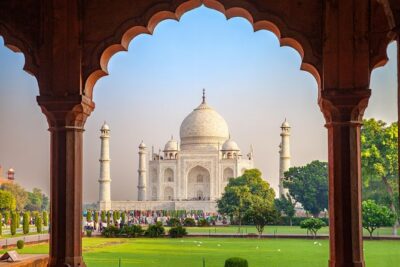
That sunrise moment at the Taj is unforgettable. This 6-day Golden Triangle tour strings together Delhi, Agra, and Jaipur with an English-speaking guide in each city, plus an early-morning Taj stop you’ll remember for years. I especially like the tight day-by-day flow that still gives you breathing room, and I like how the driver support feels personal in a practical way, from bottled water to safe, on-time navigation with drivers like Ajay Singh and Bobby showing up in past bookings. One consideration: it’s a very full schedule, and monument entrance fees and meals are not included, so you’ll need some cash and flexibility.
If this is your first time in India, you’ll appreciate the structure. You start with airport or rail pickup in Delhi, then cover major landmarks like Humayun’s Tomb, Qutub Minar, Jama Masjid, Agra Fort, Fatehpur Sikri, Amber Fort, and Jantar Mantar without having to juggle plans. A drawback to note up front is timing: the Taj Mahal is closed on Fridays, and the sunrise experience depends on the calendar.
In This Review
- Quick hits before you go
- The real value of a 6-day Golden Triangle route
- Day 1 in Delhi: airport pickup and a stress-free first night
- Day 2 in Delhi: India Gate to Jama Masjid plus Chandni Chowk by rickshaw
- Day 3 to Agra: Baby Taj, Agra Fort, and the Taj Mahal in afternoon light
- Day 4: Taj Mahal sunrise, Fatehpur Sikri, and Chand Baori Step Well
- Day 5 in Jaipur: Amber Fort, Jal Mahal, Hawa Mahal, City Palace, and Jantar Mantar
- Day 6: breakfast in Jaipur, then back to Delhi by car
- Price and what you must budget for beyond the tour cost
- Transport, hotels, and room setup: comfort details that matter
- Safety and day-to-day support: what drivers like Ajay and Bobby do well
- Who this Golden Triangle tour is for
- Should you book this tour?
- FAQ
- Is the Taj Mahal closed on any day?
- Are monument entrance fees included?
- Are meals included in the tour price?
- What kind of transport do you use?
- Do I get an English-speaking guide?
- What do I need to bring and what is not allowed?
Quick hits before you go
- Taj Mahal sunrise timing is built in, with an early pickup day in Agra
- Chandni Chowk by rickshaw plus a morning-food stop like Paratha Wali Gali
- Local guides change by city, with English support in Delhi, Agra, and Jaipur
- Fatehpur Sikri and Chand Baori add variety beyond the usual postcard stops
- Private door-to-door driving in an air-conditioned car sized to your group
- Driver-led comfort extras show up in reviews: water, punctuality, and real day-to-day help
The real value of a 6-day Golden Triangle route
The Golden Triangle is famous for a reason: you get three different versions of India in one trip. In 6 days, you’re moving fast, but the itinerary is built around the biggest hits and the context that makes them click.
What makes this tour feel like good value is that the heavy lifting is handled for you. You’re not just looking at monuments; you’re learning what you’re seeing from an English-speaking guide in each city, while your driver manages the traffic, timing, and hotel transfers.
The potential downside is simple: you’ll be on the go. This is ideal if you want momentum and don’t mind packing in stops. If you’re hoping for slow travel, you may want to add rest time on your own later.
Other Agra runs out of Delhi worth a look




Day 1 in Delhi: airport pickup and a stress-free first night
Day 1 is all about getting you settled. You’re picked up from Delhi Airport (or your starting point if you’re already in the city) and driven to your hotel, then you can take the evening easy and reset after travel.
This matters more than it sounds. Delhi can be chaotic at the start of a trip, so having a driver waiting and a smooth transfer gives you a calm landing day. Your hotel category depends on your option: 3-star, 4-star, or 5-star packages are listed, and you’ll stay in the same hotel through the Delhi sightseeing day.
No meals are included, so plan on eating on your own. Also note the rules that affect daily comfort: shorts are not allowed, and you’ll want to dress respectfully for mosque visits later in the week.
Day 2 in Delhi: India Gate to Jama Masjid plus Chandni Chowk by rickshaw
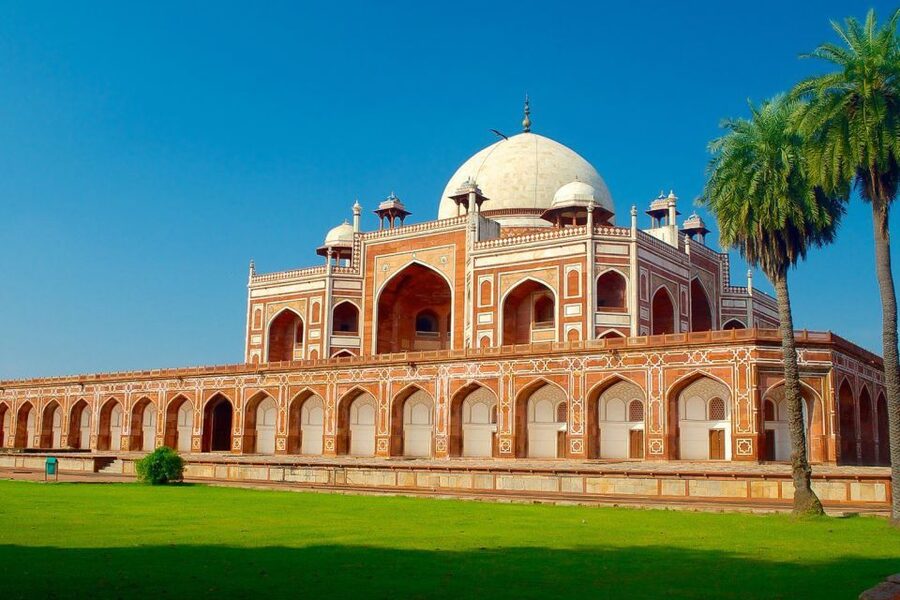
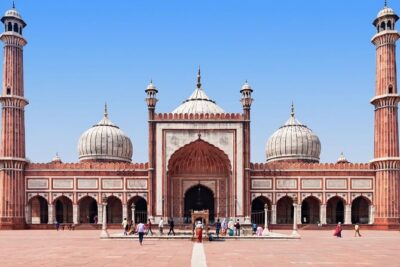
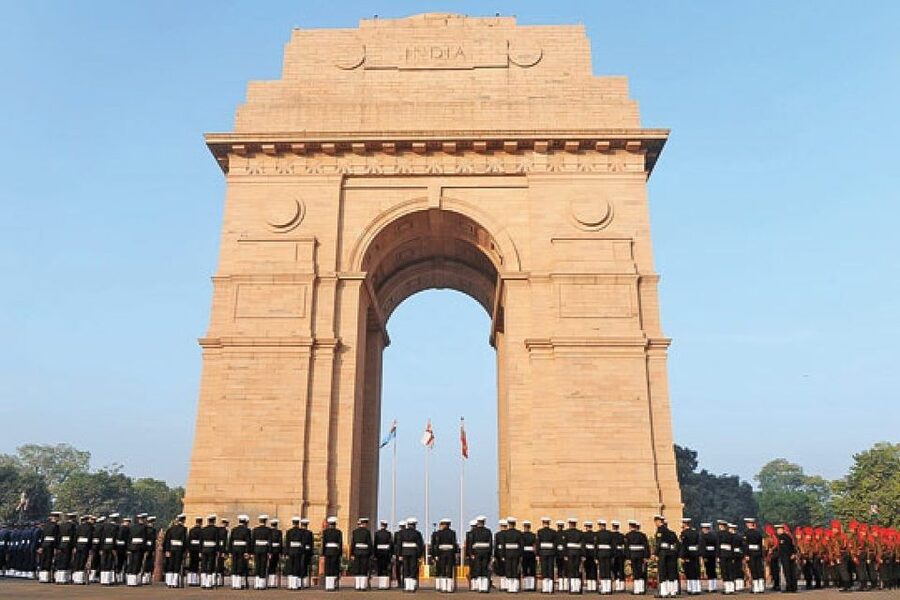
Delhi day starts with the big government-and-monument landmarks. You’ll see sights such as India Gate, President House, Parliament House, and then move through major heritage stops including Humayun’s Tomb and Qutub Minar. You also get Lotus Temple and Jama Masjid on the route, which helps you see different architectural styles in one day.
After the formal sightseeing, the tour shifts into street-level Delhi. You’ll take a rickshaw ride through Chandni Chowk Market, including stops around Kinnari Bazaar and the famous breakfast lane known as Paratha Wali Gali. It’s also a practical way to understand the scale of the city quickly: markets are where Delhi’s energy becomes real.
You end with a mosque stop, Fateh Puri Mosque, built in the 17th century. The guides are there to help you understand why each place matters, not just where to take a photo. That said, dress matters. You’ll be in religious spaces, so keep clothing respectful and comfortable for walking.
One small consideration from experience-based feedback: some trips can include time for shopping stops. If you prefer to avoid that, you can ask your driver or guide to keep the day focused on monuments and streets you actually want to explore.
Day 3 to Agra: Baby Taj, Agra Fort, and the Taj Mahal in afternoon light
This is your first major travel day, moving from Delhi to Agra after breakfast. En route you stop at the Baby Taj Mahal, a smaller marble monument that gives you a preview of the Taj style before you see the full masterpiece.
Then you move into Agra Fort, a massive complex that helps you place the Taj Mahal within the broader story of the region. Agra Fort is partly why this route works: you’re not treating the Taj as a single isolated landmark. You’re seeing how power, architecture, and patronage shaped what you’ll later view at sunset-level importance.
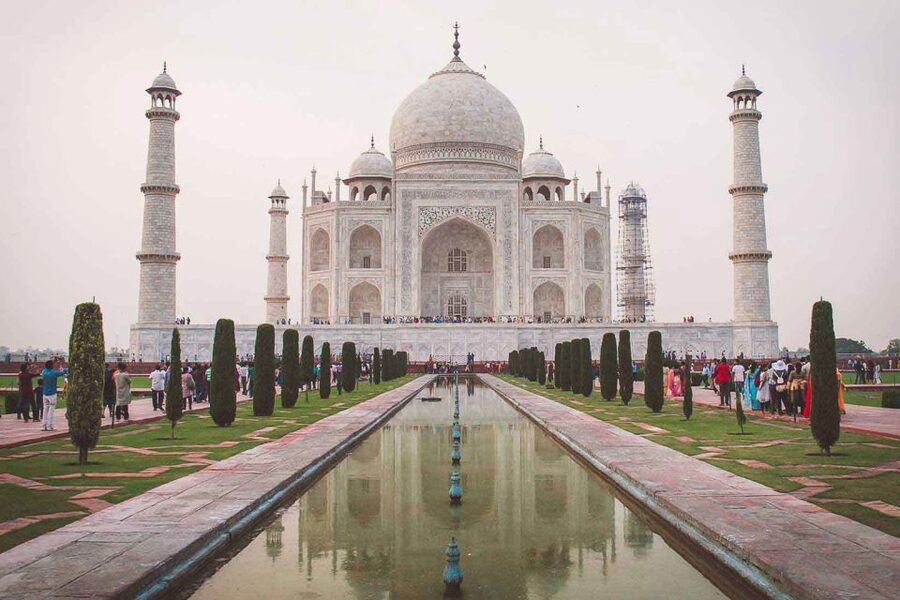
In the afternoon you get your first proper Taj Mahal visit. The timing here is different from sunrise, so you see it under daylight conditions rather than the early-glow look people dream about. You can still take great pictures, but manage expectations: afternoon is bright, hot, and crowded compared to early access.
Hotel time matters too. You’ll return to your Agra hotel that night (with the same hotel used for the next day’s Agra/Jaipur transition). This tour’s value is that you don’t have to book hotels between cities yourself.
Day 4: Taj Mahal sunrise, Fatehpur Sikri, and Chand Baori Step Well
This is the day you planned the trip for. You get an early pickup so you can experience sunrise over the Taj Mahal. The Taj Mahal is closed on Fridays, so if your dates land on a Friday, this exact morning highlight won’t run as expected. In that case, you’ll still cover Agra sights, but plan your expectations carefully.
After the Taj sunrise time, you head toward Fatehpur Sikri. This stop is worth it because it feels like stepping into a different era of planning and symbolism. It’s not just a “pretty ruin” kind of stop; it’s a place where the layout and meaning behind the architecture help you understand how the site was intended to function.
Then the itinerary takes a surprising turn—in a good way. You visit Chand Baori Step Well, often described as an engineering accomplishment. Step wells are functional and also architectural statements, and this one is famous for the repetition and scale that make your photos look like they belong in a science book as much as a history one.
This combination works because it breaks up the Taj-only narrative. You’re seeing an earlier chapter of the story, plus a practical structure that shows how water and design were tied together.
Chasing the Pink City? More Jaipur day trips
Day 5 in Jaipur: Amber Fort, Jal Mahal, Hawa Mahal, City Palace, and Jantar Mantar
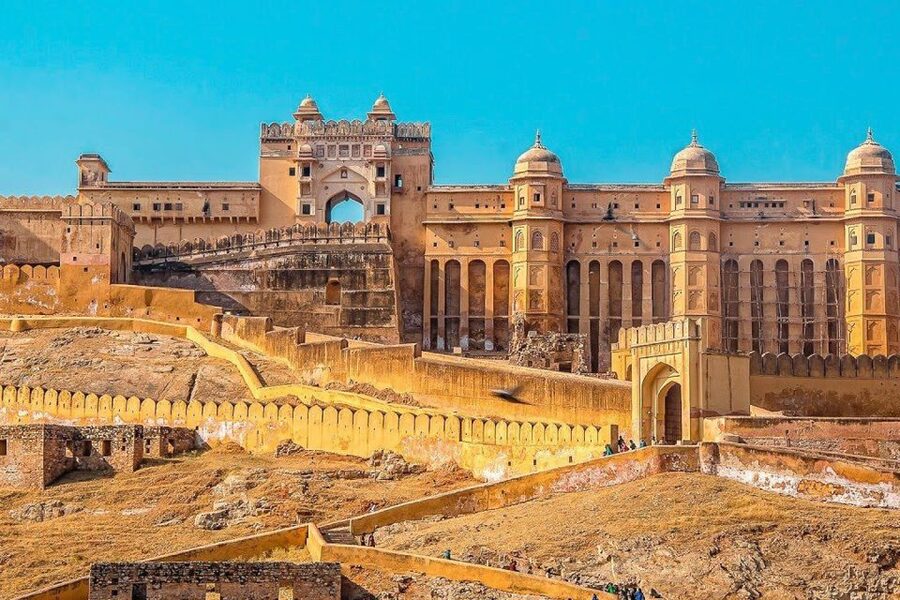
Jaipur is where the itinerary becomes more visual and more varied. You start with Jaipur-Amber Fort, one of the biggest “you came to Jaipur for this” stops. The fort area gives you commanding views, and it’s the kind of place where a good guide matters because you’ll learn the how and why behind the design choices.
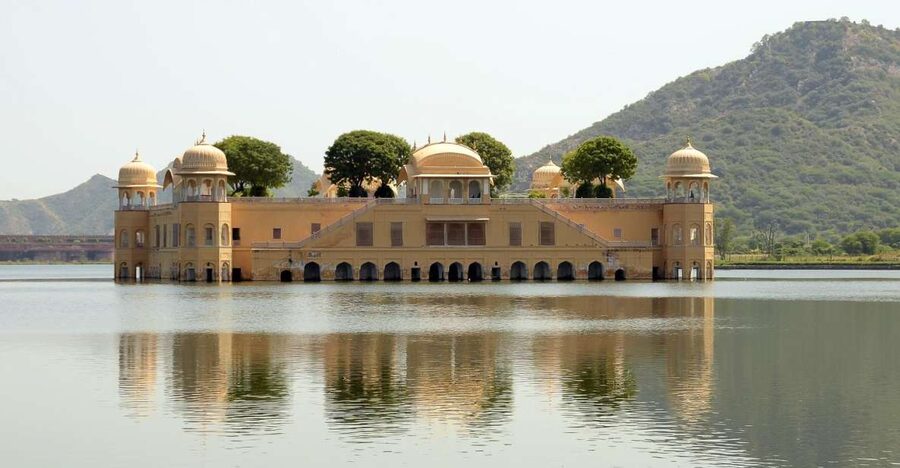
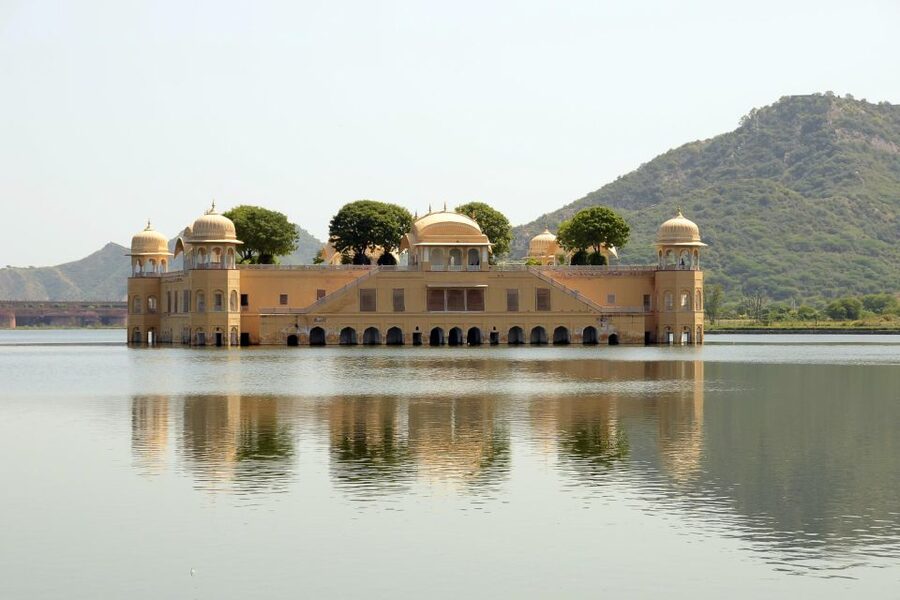
Next you visit the Water Palace (Jal Mahal). Even if you only see it from the usual viewpoint, it’s a classic contrast image: royal architecture connected to water in a way that feels designed for both function and display.
Then the day gets into Jaipur’s signature city icons. Hawa Mahal is next, followed by City Palace, where you can understand the royal space as something lived in rather than just viewed from outside. You also visit the Observatory of Jaipur, built in the first half of the 18th century—Jantar Mantar—so the tour gives you more than palaces and gates. You get the science side of the city too.
By late day, you’re usually ready for a proper reset. You’ll stay in the same Jaipur hotel that night, so you can enjoy a quieter evening after the day’s walking and photos.
One practical note: guides in Jaipur often help with photo positioning. In multiple past bookings, guides like Krishna and Rajesh were praised for helping guests capture better shots, so if photos are a priority, say so early.
Day 6: breakfast in Jaipur, then back to Delhi by car
Day 6 is a calmer finish. You’ll have breakfast in Jaipur, then you’re transferred back to Delhi for hotel drop-off or airport/rail drop-off.
This day is shorter by design. By now you’ve seen the core sights, so the goal is to end the trip without adding extra stress. If you have an evening flight, build in a buffer because road conditions can affect timing in and around major cities.
Price and what you must budget for beyond the tour cost
The listed price is very low for a private, multi-day route like this. But here’s the catch: monument entrance fees and camera charges are not included, and meals are not included. That’s why the real budget depends on your comfort level with paying at sites.
Based on experience shared by past guests, daily site fees often show up as an additional cash need. The numbers can vary by monument and day, but the key point is to bring some cash or a card that works for small purchases. If you hate surprise expenses, plan for them.
Also remember: the tour price includes your driver, air-conditioned car, fuel, tolls, parking, mineral water, and permits/fees needed to operate the itinerary. It’s not just “someone points at a map.” The logistics support is a big part of the value.
If you want to keep costs controlled, decide in advance how you’ll handle meals. You’ll likely eat at recommended restaurants, and that can be convenient, but it won’t automatically fit a tight budget.
Transport, hotels, and room setup: comfort details that matter
This tour runs as a private group. Your car size depends on headcount: 1 to 2 people usually ride in a sedan like the Swift Dzire (or similar), 3 to 4 people typically use an SUV like the Maruti Ertiga or Toyota Innova, and larger groups use a mini van such as a Tempo Traveller (n12-seater).
That vehicle detail matters on Indian roads. A comfortable car and a steady driver reduce fatigue more than you’d think, especially when you have early mornings for sunrise.
Hotel category is another big value lever. You can choose 3-star (with examples like Inn Tawang, Sunstar Grand, Suncourt Yaytri), or upgrade to 4-star (examples like Radisson Blu Dwarka, Golden Grand), or 5-star options listed. Reviews commonly praise clean, comfortable rooms and the “reset” feeling after long sightseeing days.
Room sharing follows a simple rule: 1 to 2 people typically get single/double/twin sharing, while bookings with 3 people are handled as triple sharing (one double bed plus an extra single bed in the same room). If you need two separate rooms for a group of three, it can require an additional charge based on hotel category.
Safety and day-to-day support: what drivers like Ajay and Bobby do well
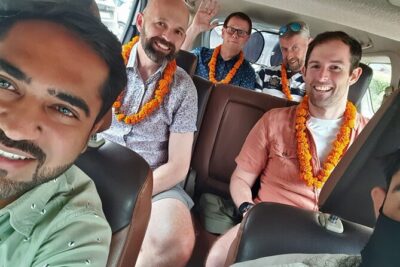
In India, your driver isn’t just a taxi. On this route, drivers are part guide-advisor, part logistics manager, part calm presence when traffic gets loud.
Reviews repeatedly highlight safety and punctuality. Drivers such as Ajay Singh, Mantun, Bobby, Chaman, and Mukesh show up across different bookings with similar service traits: attentive driving, bottled water, helpful timing at monuments, and practical support in everyday moments. Some drivers also go beyond the basics, like carrying items for comfort (tissues, mints, umbrellas) or adding small sanitation touches.
You’ll also get daily guide coverage in each city. Past guests name guides like Rumi in Delhi, Shanu in Agra, Monu in Fatehpur Sikri, and Krishna or Rajesh in Jaipur. One theme: the guide helps translate what you’re looking at and helps you move through sites without wasting time.
There’s also a fair warning. One past booking noted that one guide’s English could be better. Most of the time, language works well because the tour is designed for English support in each city, but if you need very detailed English, ask your operator about guide language comfort before you go.
Finally, a very practical food tip shows up in feedback: avoid highway buffet-style meals even if other tourists are there, and ask whether the food is from a buffet setup. It’s a small habit that can protect your stomach.
Who this Golden Triangle tour is for
This tour is a strong fit if you want the big-ticket India hits in a short window. It’s also ideal for first-timers who would rather focus on seeing and learning than on transport and booking.
It’s especially good for solo travelers who want the comfort of a private driver and local guides. Past reviews mention how the consistent support made people feel safe and looked after, with drivers described in protective, caring terms.
If you’re traveling with kids, the route still works, but you may want to keep an eye on pacing and consider extra breaks, since the days are full and walking time adds up quickly.
If you hate shopping stops, or you prefer strict monument time, speak up early. Some guests have mentioned shopping/commission-type detours on the first day, and the best experiences happen when you set expectations right away.
Should you book this tour?
Yes, if your priority is a well-run route with built-in guides, private car support, and a Taj Mahal sunrise morning. For most people, that combination is exactly what makes a Golden Triangle trip feel worth the effort.
Book with extra confidence if you’re:
- Doing this as your first visit to India
- Interested in more than just the Taj, like Fatehpur Sikri and Chand Baori
- Happy to pay site entrance fees separately
- Comfortable with a packed schedule and long driving days
Skip or reconsider if:
- Your dates land on a Friday and sunrise access is your non-negotiable
- You want a slow pace with fewer stops
- You strongly dislike any market or shopping time, even brief
If you decide to go, I’d plan your money for entrance fees and keep a little flexibility in your day. Then you’ll get the best of this route: major sights, local context, and the kind of organization that helps you enjoy India instead of wrestling it.
FAQ
Is the Taj Mahal closed on any day?
Yes. The Taj Mahal is closed on Fridays, so the sunrise experience won’t run on that day.
Are monument entrance fees included?
No. Monument entrance fees and camera charges are not included.
Are meals included in the tour price?
No. Meals are not included, so you’ll plan food on your own.
What kind of transport do you use?
You travel in an air-conditioned car with a driver. The vehicle type depends on group size: sedan for 1 to 2 people, an SUV for 3 to 4, and a mini van for 5 to 10.
Do I get an English-speaking guide?
Yes. There is a live English guide in Delhi, Agra, and Jaipur (the guide can be a different person in each city).
What do I need to bring and what is not allowed?
Bring a passport or ID card. Pets are not allowed, and shorts are not allowed. You should also dress respectfully for mosque visits.
The Full Golden Triangle, More Options
- 3-Days Private Golden Triangle Tour: Delhi, Agra & Jaipur by Car
★ 5.0 · 1,107 reviews - 3-Days Private Golden Triangle Tour: Delhi, Agra & Jaipur by Car
★ 5.0 · 1,098 reviews - 3-Day Delhi, Agra and Jaipur Private Tour – India Golden Triangle
★ 5.0 · 812 reviews - Four-Day Private Luxury Golden Triangle Tour to Agra and Jaipur From New Delhi
★ 5.0 · 807 reviews - 5 Nights 6 Days Private Golden Triangle Tour – Delhi Agra Jaipur
★ 5.0 · 574 reviews
Onward to Jaipur: More Day Trips
- 3-Days Private Golden Triangle Tour: Delhi, Agra & Jaipur by Car
★ 5.0 · 1,107 reviews - 3-Days Private Golden Triangle Tour: Delhi, Agra & Jaipur by Car
★ 5.0 · 1,098 reviews - 3-Day Delhi, Agra and Jaipur Private Tour – India Golden Triangle
★ 5.0 · 812 reviews - Four-Day Private Luxury Golden Triangle Tour to Agra and Jaipur From New Delhi
★ 5.0 · 807 reviews - Jaipur Day Trip from Delhi by Car or Train – All Inclusive
★ 5.0 · 663 reviews
More Agra Day Trips out of Delhi
- Same Day Taj Mahal, Agra Fort & Baby Taj Tour from Delhi by Car
★ 5.0 · 4,304 reviews - Full Day Taj Mahal, Agra Fort & Baby Taj Tour from Delhi by Car
★ 5.0 · 3,647 reviews - From Delhi: Taj Mahal & Agra Private Day Trip with Transfers
★ 4.9 · 3,181 reviews - From Delhi: Taj Mahal and Agra Fort Private Sunrise Tour
★ 4.9 · 2,270 reviews - Sunrise Taj Mahal, Agra Fort & Baby Taj Tour from Delhi by Car
★ 5.0 · 2,243 reviews
Just added: more New Delhi reviews to browse
- 4 days Golden Triangle Tour★ 5.0 · 3 reviews
- Discover Old & New Delhi: Private Tour with Street Food★ 5.0 · 3 reviews
- Taj Mahal Tour From Delhi By Private Car★ 4.5 · 3 reviews
- Golden Triangle Tour 5 Days★ 5.0 · 3 reviews
- Taj Mahal: Express Entry Ticket For Sunset Tour with guide★ 5.0 · 3 reviews
- Agra Taj Mahal Sunrise & Sunset Tour from Delhi★ 5.0 · 3 reviews
Agra Day Trips from Delhi, compared.
 ★ 5.0Same Day Taj Mahal, Agra Fort & Baby Taj Tour from Delhi by CarFrom $624,304 reviews
 ★ 5.0Full Day Taj Mahal, Agra Fort & Baby Taj Tour from Delhi by CarFrom $623,647 reviews
 ★ 4.9From Delhi: Taj Mahal & Agra Private Day Trip with TransfersFrom $43,181 reviews
 ★ 4.9From Delhi: Taj Mahal and Agra Fort Private Sunrise TourFrom $592,270 reviews
 ★ 5.0Sunrise Taj Mahal, Agra Fort & Baby Taj Tour from Delhi by CarFrom $622,243 reviews
 ★ 5.0Taj Mahal and Agra Private Car Tour from Delhi with 5* LunchFrom $331,633 reviews
 ★ 4.9From Delhi: Private Taj Mahal and Agra Tour by Express TrainFrom $751,605 reviews
 ★ 5.0Taj Mahal, Agra Fort, Baby Taj Tour from Delhi by Superfast TrainFrom $751,494 reviews