
Reviewed · NEW DELHI
Essence of India with Varanasi with domestic flight
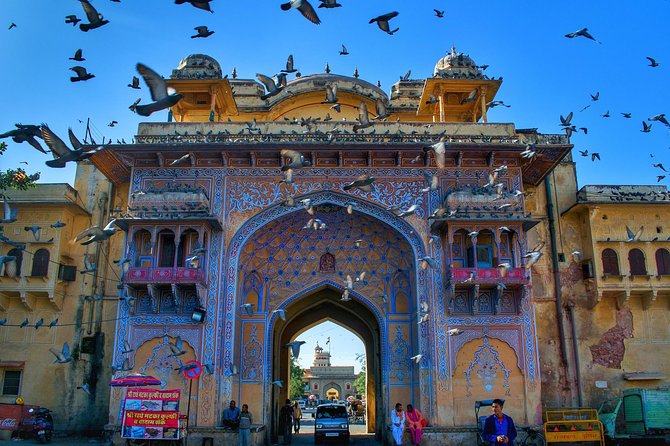
India gets easier with a guided rhythm. This 11-day route links Delhi, Rajasthan, Agra, Khajuraho, and Varanasi while the included Varanasi-to-Delhi flight saves you from losing days to long overland travel. I like how the day plan mixes major sights with time to breathe, not just camera stops.
Two things I especially like: the sunrise guided Taj Mahal experience and the fact that Varanasi includes both Ganga boat time and the evening Aarti. One thing to plan around: monument entry fees are mostly on you, so budget for tickets once you start counting.
If you’re new to India—or you just don’t want to wrestle schedules—this kind of structure can feel like someone set the puzzle pieces down for you. I also like the on-the-ground support style; drivers such as Prakash (and others like Sanjay) get praise for being attentive, with planning help reported from people like Neeraj and Ewa.
In This Review
- Key highlights worth your attention
- Why this Delhi-to-Varanasi route works
- First morning in Delhi: Akshardham, Gandhi, and a taste of temple life
- Old Delhi by rickshaw: Jama Masjid, markets, and Red Fort photos
- New Delhi icons: India Gate, Lotus Temple, and two major UNESCO stops
- Jaipur without the rush: Amber Palace, Jal Mahal, and Hawa Mahal
- Royal Jaipur: City Palace and the quiet Gaitor tombs
- Agra en route: Fatehpur Sikri and Agra Fort
- Taj Mahal at sunrise: the one moment that earns its early wake-up
- Orchha: temples, fort views, and two days of slower tempo
- Khajuraho UNESCO temples: a long guided temple block
- Varanasi by the Ganga: boat ride, ghats, and the Aarti moment
- Sarnath and Alamgir Mosque: Buddhism context plus daily-life textures
- Flight back to Delhi: saving time (and controlling luggage costs)
- Price and logistics: what you’re really paying for
- Practical tips that make the tour smoother
- Who this tour suits best
- Should you book the Essence of India with Varanasi?
- FAQ
- What’s included in the tour?
- Are monument entry fees included?
- What about hotel quality and meals?
- Is pickup available in Delhi?
- What are the luggage limits for the domestic flight?
- Is a vegetarian option available?
- What should I wear for temples and mosques?
Key highlights worth your attention
- Private AC transport plus local guides across Delhi, Agra, Jaipur, Orchha, Khajuraho, and Varanasi
- Old Delhi by rickshaw for a close-up feel at market pace
- Sunrise Taj Mahal with a guide followed by breakfast reset
- Orchha’s forts and temples—less hectic, more “linger” time
- Khajuraho UNESCO temple complexes with a long, guided block of temple viewing
- Varanasi Ganga time: morning boat ride plus the evening Aarti on the river
Why this Delhi-to-Varanasi route works

This is the kind of tour that makes sense when you want the biggest cultural hits without turning your trip into a logistics project. You’re moving through five distinct regions, but you’re not doing it solo—private car transfers and local guides handle the “how do we get there” part.
The route also smartly protects your energy. The included domestic flight from Varanasi back to Delhi is a big deal for an 11-day schedule, because it keeps you from spending that final chunk of your trip staring out a window for hours on end.
And the pacing is designed for balance. You get early starts when it matters (like the Taj Mahal), and you get “buffer” blocks where you can actually look, not just rush.
Still deciding? Here is how it stacks up against other Delhi picks we have written up.



First morning in Delhi: Akshardham, Gandhi, and a taste of temple life
Delhi opens with a modern Hindu temple experience at Swaminarayan Akshardham, where admission is listed as free in the plan. It’s not the “old ruins” India some people expect—it’s more like India showing you what faith looks like in polished, current-day form.
After that, the day leans into older layers of belief. You visit Raj Ghat, the cremation site of Mahatma Gandhi. It’s short on time but heavy on meaning, and it’s a nice way to shift gears from monuments and markets into reflection.
You also start learning the practical religion-on-the-ground stuff. Gurudwara Bangla Sahib comes with a real window into Sikh community life, including the large canteen operation where meals are prepared daily for thousands. It’s one of those experiences that makes the country feel human, not just historical.
Old Delhi by rickshaw: Jama Masjid, markets, and Red Fort photos
Old Delhi is where you should expect your senses to kick into gear. You travel to Jama Masjid and the surrounding monuments by rickshaw—one of those simple logistics choices that makes the whole area feel closer.
You’ll pass through the dense market area, which means you’ll see daily life as you move, not only when you arrive at a specific gate or courtyard. Plan for slower walking moments and bring patience; this is not the place to try to power through like a museum sprint.
The Red Fort is included for photo time and a quick look. That’s a smart choice for a guided circuit, but if you’re someone who likes long, deep fort exploration, you may want to add extra time later with your own ticketing plan.
New Delhi icons: India Gate, Lotus Temple, and two major UNESCO stops
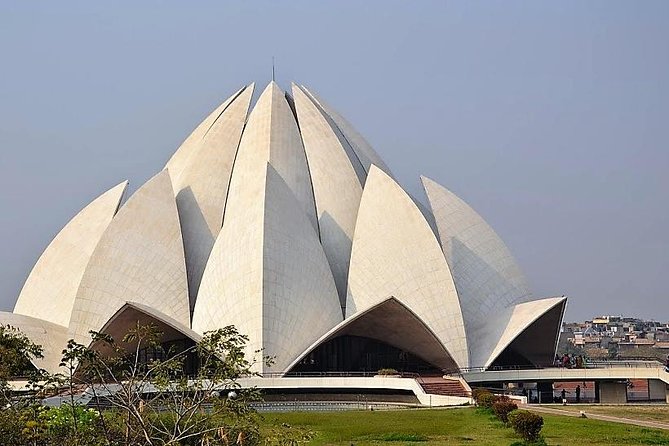
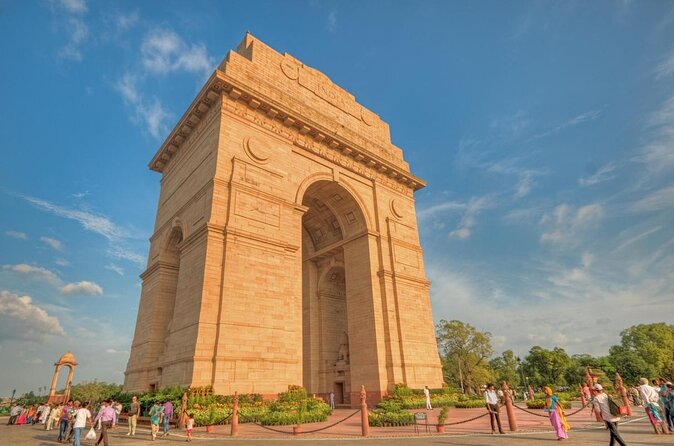
Day 2 focuses on a cleaner, more planned side of the capital. You visit India Gate and the diplomatic district area, including a view toward Parliament House and Secretariat buildings. It’s a good “set your bearings” day—especially helpful if Delhi is your first stop in India.
Next is Lotus Temple, an easy-to-love structure because it’s all shape and light. The plan lists admission as free here, which helps you keep costs controlled on day two.
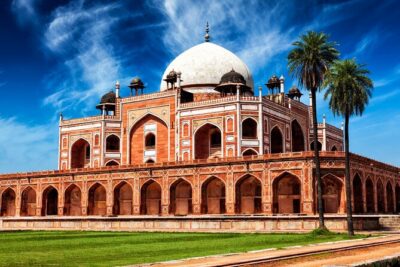
You also tackle two UNESCO-linked highlights: Humayun’s Tomb and Qutub Minar. In both cases, the value is in the details—gateway geometry, the way architecture frames space, and how the complex layout gives you different angles as you walk.
Jaipur without the rush: Amber Palace, Jal Mahal, and Hawa Mahal
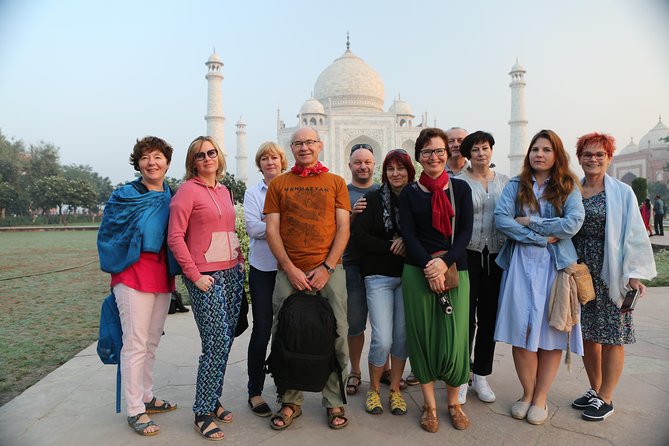
On the way to Jaipur, you stop at a temple complex with monkeys—not for everyone’s comfort level, but it’s a classic roadside culture moment. If you like seeing how locals move through temple courtyards, it’s a fun break; if you don’t love animal encounters, just keep your belongings secure.
In Jaipur, you start with Amber Palace, a fort-palace set among hills. This is where the tour gives you the right kind of time: enough to appreciate the scale and the fort layout, not just enough to snap one picture and leave.
Then comes Jal Mahal, the so-called Water Palace. It’s mostly a picture stop, but those views are worth the brief stop—especially for anyone who likes the “staged-in-the-landscape” look of Rajasthan.
The highlight photo moment is Hawa Mahal, the Palace of Wind with its famous many windows. The plan even includes a chance to view it from inside, which is better than just admiring the exterior and moving on.

Royal Jaipur: City Palace and the quiet Gaitor tombs
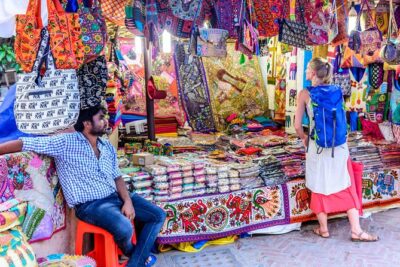
You finish your Jaipur block with City Palace, including museum and royal exhibition time. This is the part where you can connect the buildings to lived history, because the interiors help turn the outside look into something understandable.
Then there are the Royal Gaitor Tombs, a calmer stop among hills. It’s a smart contrast after the bigger palace complex, and it gives you some quieter walking time without feeling like you’re wasting a day.
Agra en route: Fatehpur Sikri and Agra Fort
The route to Agra includes Fatehpur Sikri, an abandoned city palace complex. Even when you’re not a “history textbook” person, it’s fascinating because you’re seeing how grand spaces can become still. The scale of what’s left behind makes you imagine what must have been happening there in its active years.
In Agra, you see Agra Fort with a professional guide. Fort time is where having a guide helps, because otherwise it can feel like a series of walls and gates. With context, you understand why certain courtyards and layouts matter.
If you tend to get temple-fatigue (it happens), this fort-and-gate day gives you a different architectural flavor. It keeps the trip feeling varied.
Taj Mahal at sunrise: the one moment that earns its early wake-up
The trip’s emotional peak is the Taj Mahal sunrise visit with a guide. The sunrise timing matters because it changes the color and atmosphere, and it also helps you avoid some of the midday pressure.
You then return for breakfast. That detail sounds small, but it’s practical: you’re feeding the group after a long morning rather than leaving everyone to fend for themselves.
The Taj Mahal is also one of the places where entry rules and ticketing can feel different than other sites. Since monument admissions aren’t generally included, make sure you plan ahead so sunrise doesn’t turn into a money-chasing detour.
Orchha: temples, fort views, and two days of slower tempo
Orchha is where the tour shifts away from big-city speed. You visit Orchha Fort and the local temple-and-palace areas, including a Rama Temple and time to enjoy town views. This is a place that rewards wandering at human pace.
You have two blocks in Orchha, which is a gift if you like re-seeing areas with fresh light. One day gives you fort and temple focus; the next day adds leisure time to actually look around without being shoved through.
Orchha’s value is partly what it lacks. There’s less pressure than Delhi and less “tourist machine” feel than some famous hubs. You’re more likely to notice small details—steps leading into temple courtyards, how the fort lines up with the town below—because you’re not just waiting for the next vehicle.
Khajuraho UNESCO temples: a long guided temple block
Next is Khajuraho, and you’ll spend a substantial amount of time on the western and eastern UNESCO temple complexes. This is a longer guided viewing block, which is useful because it helps you understand the layout and symbolism rather than only staring at carvings.
You’re getting temple art, temple geometry, and temple storytelling in one big session. If you love sculpture details, this stop will feel like one of the best uses of your day.
If you don’t love standing and walking for hours, bring water, take shade breaks when offered, and keep your expectations realistic: temple complexes are meant to be walked, not “seen from the bus window.”
Varanasi by the Ganga: boat ride, ghats, and the Aarti moment
Then you arrive in the spiritual center that people talk about for a reason. Varanasi isn’t just a site; it’s a rhythm, and this tour builds that rhythm through Ganga river experiences.
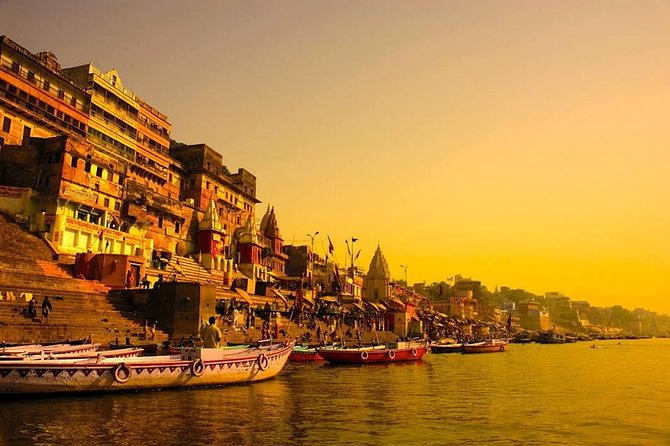
You get a morning boat ride with views of the ghats, temples, and cremation areas along the river. Later, you also include the Ganga Aarti—a ceremony involving offering flames to the gods. The combination matters because it shows you both the everyday flow and the evening ritual intensity.
This is also one of the best places on the itinerary to be ready for strong impressions. Keep your expectations open: you’re seeing a living religious practice, not a staged show.
Sarnath and Alamgir Mosque: Buddhism context plus daily-life textures
The next Varanasi day includes Sarnath, about 6 km away, where Lord Buddha delivered his first sermon after enlightenment. The plan includes time around Dhamek Stupa, Sarnath Museum, and Chaukhandi Stupa.
After that, you visit Alamgir Mosque. This is a good balance day: Buddhism context in the morning/early block, then an Islamic architecture stop that adds religious variety to the region.
The practical win here is pacing again. You’re not stacking too many hard-to-digest experiences back-to-back without breaks. It helps the days feel complete instead of overwhelming.
Flight back to Delhi: saving time (and controlling luggage costs)
On the final day, you transfer to Varanasi airport and fly back to Delhi, then get picked up in Delhi and dropped at your hotel or another location in the city.
This flight isn’t just convenience—it’s a schedule saver. For a tour that also covers forts and temple complexes across multiple states, that flight keeps you from sacrificing Varanasi for travel time.
There’s also real-world luggage math you should take seriously. The limit is 15 kg main luggage and 7 kg hand luggage, and 1 kg extra costs $5. If you’re the kind of person who packs “just in case,” this is the moment to be disciplined.
Price and logistics: what you’re really paying for
At $1,300 per person for an 11-day circuit, the value comes from what’s bundled—not just the sightseeing list. You get 3-star hotels with AC and private bathrooms, daily breakfast (11), a private AC vehicle with local guides across major stops, plus bottled water and all taxes/fees/handling charges.
You also get smaller “experience building blocks” that are hard to replicate cheaply on your own, like the rickshaw ride in Delhi and the Ganga boat time.
What’s not included is equally important: lunch and dinner, personal expenses, tips, and monument entry admissions. Even though some stops are shown as free in the plan, you should treat major forts and UNESCO complexes as likely to require paid tickets.
So the real budget question becomes: can you handle ticket costs and meal spending on top of the base price? If yes, this tour can feel like a good shortcut to major highlights with less stress.
Practical tips that make the tour smoother
Here are the practical things I’d plan for before you go.
First, temple and mosque dress code is non-negotiable in practice. The plan asks you to dress properly, with arms and legs covered, so pack light but compliant clothing.
Second, expect comfort trade-offs with road travel. One review-style detail that matters: roads can feel rough, but the vehicle is meant to be comfortable. If you’re sensitive to bumps, bring a neck pillow or just plan to sit back and relax with the route.
Third, keep an eye on meal costs. Since lunch and dinner aren’t included, you’ll likely pay locally most days. That can be fine (India is great for street food choices when you’re careful), but it’s smart to decide in advance what kind of meals you’ll want.
Finally, communication and support matter. The tour format is designed as a private group only for your party, and there’s pickup offered from a hotel or central location in Delhi, which helps you avoid the first-day “where do we meet?” headache.
Who this tour suits best
This works best for:
- First-time visitors to India who want structure without losing the feeling of local life
- People who like major sights with guides, not DIY navigation
- Anyone who values Varanasi’s Ganga experiences enough to want them arranged properly
If you’re the type who wants to spend entire days in one museum or one fort, you might feel slightly “guided-light.” But if you want a well-paced highlights route with meaningful cultural stops, it fits.
Should you book the Essence of India with Varanasi?
I’d book this if you want a fast route that still includes the emotional parts: sunrise Taj Mahal, Orchha’s calmer fort-and-temple mood, and Varanasi by boat plus Aarti. The domestic flight is also a major quality-of-life win on an 11-day schedule.
I’d think twice if you hate budgeting for monument tickets and prefer meals fully included. Since entry admissions aren’t generally covered and lunch/dinner are on you, your final cost depends on how often you choose paid sites and guided interiors.
If you’re okay with that reality, this is a strong value way to see northern India’s headline culture—without spending your trip untangling transport and timing.
FAQ
What’s included in the tour?
The tour includes 3-star hotel accommodation with AC and private bathroom, local guides in Delhi, Agra, Jaipur, Orchha, Khajuraho, and Varanasi, transport by AC private vehicle, a rickshaw ride in Delhi, a Varanasi boat ride (morning and evening), a flight from Varanasi to Delhi, and pick up/drop off in Delhi. Bottled water and taxes/fees/handling charges are included too, along with breakfast for 11 days.
Are monument entry fees included?
Monument entry admissions are not included. Some specific stops are marked as free in the plan, but you should still expect to pay many paid entries during the trip.
What about hotel quality and meals?
You stay in 3-star hotels with AC and private bathrooms. Breakfast is included each day, but lunch and dinner are not included.
Is pickup available in Delhi?
Yes. Company representatives offer pickup from your hotel or another central location in Delhi, and there’s also a drop-off at the end of the tour in Delhi after the flight.
What are the luggage limits for the domestic flight?
Main luggage is limited to 15 kg, and hand luggage is limited to 7 kg. Extra weight costs $5 per 1 kg.
Is a vegetarian option available?
Yes. A vegetarian option is available, and you should advise at the time of booking if you need it.
What should I wear for temples and mosques?
The tour asks you to dress properly for temples and mosques, with arms and legs covered.
More Tour Reviews in New Delhi
- Old & New Delhi City Tour – Half or Full Day Options Available
★ 5.0 · 4,811 reviews - Half Day Private Delhi City Tour
★ 5.0 · 4,474 reviews - Same Day Taj Mahal, Agra Fort & Baby Taj Tour from Delhi by Car
★ 5.0 · 4,304 reviews - Taj Mahal Day Tour from Delhi by Superfast Train – TOP RATED TOUR
★ 5.0 · 4,166 reviews - Delhi: Old and New Delhi Private Full or Half-Day Tour
★ 4.9 · 3,776 reviews
Just added: more New Delhi reviews to browse
- 4 days Golden Triangle Tour★ 5.0 · 3 reviews
- Discover Old & New Delhi: Private Tour with Street Food★ 5.0 · 3 reviews
- Taj Mahal Tour From Delhi By Private Car★ 4.5 · 3 reviews
- Golden Triangle Tour 5 Days★ 5.0 · 3 reviews
- Taj Mahal: Express Entry Ticket For Sunset Tour with guide★ 5.0 · 3 reviews
- Agra Taj Mahal Sunrise & Sunset Tour from Delhi★ 5.0 · 3 reviews