
Reviewed · NEW DELHI
Essence of magnificent India and Nepal
One trip, two countries, nonstop wow. This Essence of magnificent India and Nepal route stitches together major cultural hits from Delhi through Varanasi, then on to Nepal’s Buddhist landmarks in Lumbini and the Kathmandu Valley. It’s built for people who hate wasting vacation days and want a tight itinerary that still includes guided moments and real time on the ground.
I love that you get three-star hotels with private bathrooms night after night, plus a simple daily rhythm: breakfast, sightseeing, then back to a comfortable room. I also like that the trip doesn’t just throw you at attractions; it adds human context through local guides in most destinations, including time in the Old City areas where details matter.
One drawback to plan for: monument entry fees are not included, and your schedule includes several early starts (sunrise viewing is part of the plan). If your main travel style is slow and flexible, this one may feel like it needs more patience than you’re used to.
In This Review
- Key things to know before you go
- Why This Delhi-to-Kathmandu Route Fits Most Vacation Plans
- Value Check: What $580 Covers (and What You’ll Pay Later)
- Delhi’s Old City to UNESCO Sites: Rickshaw, Temples, and Gandhi’s Footsteps
- Day 2: Central Delhi calm and big-name structures
- Jaipur’s Palace Day: Amber, Hawa Mahal, and the Ones That Feel Like Film Sets
- Fatehpur Sikri and Agra Fort: Big Sites Between the Headlines
- Taj Mahal Sunrise: The Most Demanding Morning, and Why It’s Worth It
- Orchha and Khajuraho: Palace Views, Temples, and UNESCO Carvings
- Varanasi: Ganga Aarti and Boat Time Where You Actually Feel the City
- Crossing Into Nepal: Lumbini’s Calm After India’s Heat
- Pokhara: Phewa Lake Views, Devi’s Fall, and Old Temple Stops
- Sarangkot Sunrise Trek and the Kathmandu Arrival That Feels Like a Shift
- Kathmandu Durbar Square, Swayambhunath, and Pashupatinath
- Patan, Bhaktapur, and Boudhanath: Finishing the Trip With Three Different Flavors
- Keeping the Schedule Smooth: Practical Tips That Actually Matter
- Should You Book Essence of magnificent India and Nepal?
- FAQ
- What’s included in this tour price?
- Are monument admission fees included?
- Do I need a visa for Nepal?
- How does the Nepal border crossing work in the itinerary?
- What kind of hotels will I stay in?
- Is this tour private or group-based?
- What are the flight baggage allowances?
Key things to know before you go
- Breakfast + bottled water included daily, so mornings start easy.
- Rickshaw and boat time aren’t just photo stops; you actually spend time in the neighborhoods and on the river.
- Taj Mahal sunrise with a guide sets the tone for the Agra leg.
- Nepal entry costs and documents are on you (visa fee + passport photo before crossing).
- Admissions add up: budget about $200 per person for monument tickets.
- It’s private (your group only), but it still runs on a fixed itinerary.
Why This Delhi-to-Kathmandu Route Fits Most Vacation Plans
This tour is designed for the traveler who wants the big, famous places but doesn’t want to feel lost. You get a personal English-speaking driver plus local guides in key cities, so the day-to-day logistics are handled and you can focus on what you’re seeing.
The structure also matters. You’re not doing one long city day after another without breaks. Instead, you alternate between major monuments, temple complexes, river rituals, UNESCO sites, and a few quieter moments like gardens and palace grounds. The result is a route that feels full without being completely exhausting—though, yes, you’ll still walk.
Still deciding? Here is how it stacks up against other Delhi picks we have written up.



Value Check: What $580 Covers (and What You’ll Pay Later)
At $580 per person, the price is mostly about coverage: hotels, transport, guides, and the one international flight. What you should expect to pay separately is the same thing that catches many budget-minded travelers—monument admission tickets.
Here’s the value picture in plain terms:
- Included that saves you money and time:
- 3-star hotels with AC and private bathrooms
- Breakfast every day
- Airport/Delhi pickup and drop-off, plus Kathmandu-to-Delhi flight
- AC private vehicle and a driver
- Delhi rickshaw ride and Varanasi boat ride (morning and evening included)
- Bottled water
- Not included, so budget for it:
- Monument tickets (about $200 per person)
- Nepal visa ($30 per person)
- Possible additional cost for any optional flight related to the Himalaya (only if you request it)
If you’re the kind of traveler who would pay for guides anyway, this package makes sense. If you’re the kind who loves wandering without anyone timing your day, the admissions and the guided pacing might feel a bit structured.
Delhi’s Old City to UNESCO Sites: Rickshaw, Temples, and Gandhi’s Footsteps
Delhi is where the trip gears up. You start with a modern Hindu temple stop at Swaminarayan Akshardham. It’s a strong first day because it sets a visual baseline for India’s scale and ceremonial design.
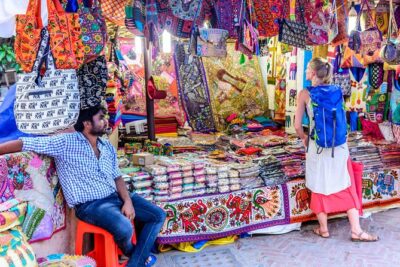
Then you shift into Old Delhi. The Jama Masjid stop comes by rickshaw, which is one of those experiences that’s less about the destination and more about getting your bearings fast. You’ll also pass through the market areas around the mosque, which helps you understand the city’s rhythm rather than just viewing a monument from a distance.
Next comes a photo-focused push at the Red Fort, followed by a calmer, reflective stop at Raj Ghat, the cremation site of Mahatma Gandhi. After that, you visit Gurudwara Bangla Sahib, one of the best-known Sikh temples in Delhi, with a standout practical detail: the canteen where meals are prepared for thousands daily. Even if you don’t eat there every day, seeing how the service works adds perspective.
Day 2: Central Delhi calm and big-name structures
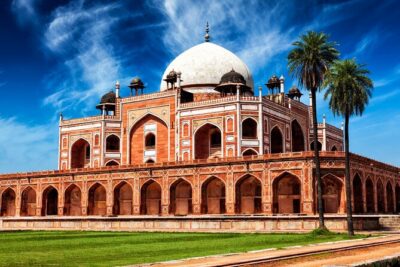
Day two keeps the variety. You begin at India Gate and the diplomatic district viewpoints, where you can see the Parliament and Secretariat buildings from the outside. The pacing then moves to spiritual architecture at the Lotus Temple, followed by two UNESCO-listed icons: Humayun’s Tomb and Qutub Minar. If you like details, Qutub Minar is especially satisfying because it’s not just a photo—there’s an entire complex around it.
You finish with Lodhi Garden, which is a smart choice at the end of a long sightseeing day. It’s one of the better places in Delhi to sit down, watch local life, and let the history sinks in without another queue.
Jaipur’s Palace Day: Amber, Hawa Mahal, and the Ones That Feel Like Film Sets
On the way to Jaipur, you stop at the Monkey Temple. It’s quick time outdoors, and it’s exactly the kind of roadside landmark that gives you a sense of motion between cities.
In Jaipur, the day focuses on palace-scale architecture. Amber Palace is the anchor. It’s a fort-palace setting that visually explains why rulers built where they did—hills, views, and defensive geography all in one place.
You also get the classic photo stop at Jal Mahal (the water palace). Then comes Hawa Mahal, the Palace of Wind, with its famous windows. You’ll have time to see it from inside, which helps if you’ve only ever seen it as a postcard shape.
After that, you visit the City Palace complex, including museum and royal exhibition spaces. The trip then goes to Royal Gaitor Tombs, which are quieter and more spread out than the main tourist magnets—good when you want a break from crowds and close-up stone staircases.
Fatehpur Sikri and Agra Fort: Big Sites Between the Headlines
Before you hit Agra’s main event, the itinerary wisely includes a stop at Fatehpur Sikri, a palace complex in an abandoned city. It’s one of those places where you start noticing how history can be read like an architectural puzzle: why it was built, why it changed, and what’s left behind.
In Agra, you see Agra Fort with a professional guide. Forts can be hit-or-miss on tours, but a guided context is a big help because the walls and enclosures are only half the story. The other half is how the place functioned and what it meant at the time.
Taj Mahal Sunrise: The Most Demanding Morning, and Why It’s Worth It
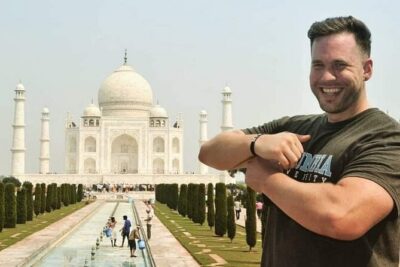
The standout moment in the Agra stretch is the Taj Mahal at sunrise with a guide, followed by breakfast back at the hotel.
This is the kind of experience that rewards early time. The light changes the tone of the white marble, and you’re not just seeing the Taj—you’re seeing it at a moment when it feels more ceremonial. It’s also why the tour leans into early starts: they build a payoff into the itinerary instead of leaving it to chance.
Just note the practical side. Sunrise viewing depends on weather, and if conditions are poor, plans may shift. If this is your one must-see moment, keep your expectations realistic and pack for cool early morning air.
Orchha and Khajuraho: Palace Views, Temples, and UNESCO Carvings
After Taj Mahal and breakfast, you drive to the small town of Orchha for fort and temple sightseeing. Orchha has a calmer feel than the big cities, and that helps reset your brain after days of heavy monument density.
You’ll visit Orchha’s fort areas, including time at the Rama temple and a palace where you can admire views over the town. It’s a good stop for travelers who enjoy “watching the place” for a while instead of only snapping photos.
Later, the itinerary hits Khajuraho Temples, including both the western and eastern temple complexes listed on UNESCO. This is where the tour gives you a different flavor: not only grand structure, but also sculpture and symbolism. If you care about art history, Khajuraho is one of the more satisfying days because the temples are meant to be looked at slowly—at least more slowly than a standard bus-day pace.
Varanasi: Ganga Aarti and Boat Time Where You Actually Feel the City
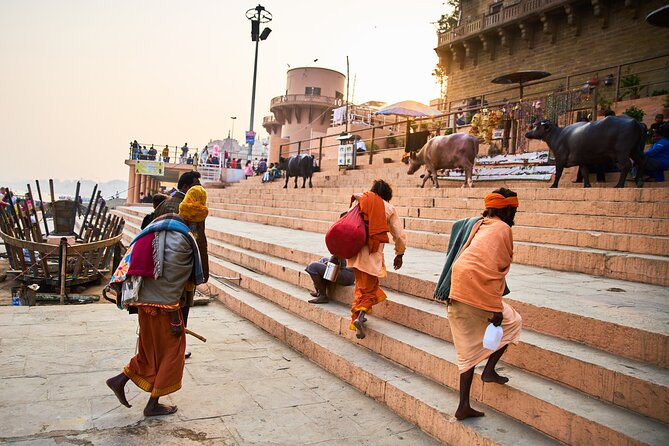
Varanasi is where the tour gets emotional. You watch the Ganga Aarti ceremony, described as a fire offering to the gods at the river. This isn’t a side show—it’s one of those experiences that changes how you understand the place beyond monuments.
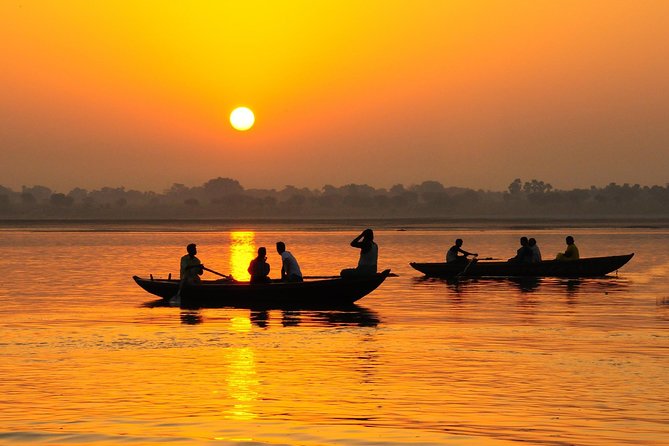
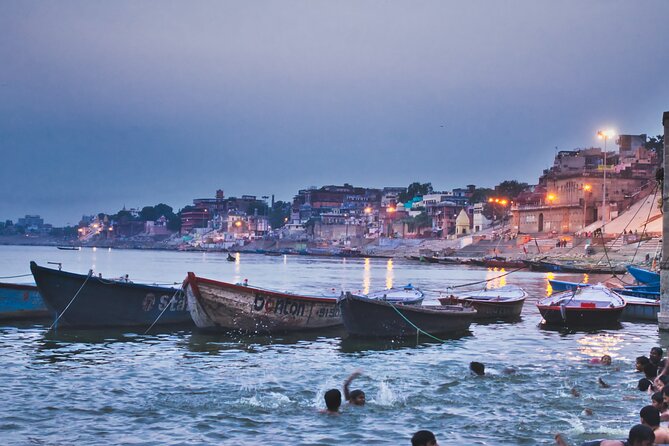
Then you do the big river component: a morning boat ride on the Ganges, observing the ghats, temples, and cremations. The boat time matters because it gives you river perspective. Standing on the steps of the ghats tells you one story. From the water, you see how everything lines up.
During the Varanasi days, you also visit Sarnath, where Lord Buddha delivered his first sermon after enlightenment. Stops include Dhamek Stupa and Sarnath Museum, which add context if you’re curious about how Buddhism developed in India. You finish with a visit to Alamgir Mosque—a reminder that Varanasi isn’t only one faith, even if the river rituals take center stage.
Crossing Into Nepal: Lumbini’s Calm After India’s Heat
Day 11 is your border crossing into Nepal, with a heads-up item for your documents: have a passport photo ready and 30 USD for the process noted before crossing. After that, you overnight in Lumbini.
Lumbini is the quiet part of the itinerary. You visit Lumbini Zone, where Buddhist tradition says Queen Mahamayadevi gave birth (as referenced in the tour description). It’s a grounding change after India’s high-energy sightseeing rhythm.
Pokhara: Phewa Lake Views, Devi’s Fall, and Old Temple Stops
After Lumbini, the trip heads to Pokhara, described as a gateway to the Himalaya. Pokhara gives you a break from constant monument density and adds water views.
You start with Phewa Tal and a boat ride on the lake. The plan includes a stop at Varahi temple. The big reason to choose Pokhara in a fast itinerary is that the mountain views (Annapurna massif area is mentioned) make the travel feel bigger than just cities and temples.
Then comes Devi’s Fall, where the water forms a tunnel. The description includes measurements: the tunnel is about 150 meters long and runs 30 meters below ground level. It’s the kind of stop that helps you appreciate Nepal’s geography in a visual, not just theoretical, way.
You also visit Bindhyabasini Temple, described as the oldest temple in the city and a regular draw for locals and foreigners. This is one of those moments where you see how heritage still functions in everyday life.
Sarangkot Sunrise Trek and the Kathmandu Arrival That Feels Like a Shift
Day 14 is a moderate trek to Sarangkot for sunrise. The itinerary keeps it simple: morning walking time, then views. The text also notes Sarangkot is on the outskirts of Pokhara city, which usually means you’re not battling traffic noise while you’re waiting for light.
After that, you drive to Kathmandu, with the evening left for leisure. That’s smart because it gives your body and feet a reset before temple-heavy days.
Kathmandu Durbar Square, Swayambhunath, and Pashupatinath
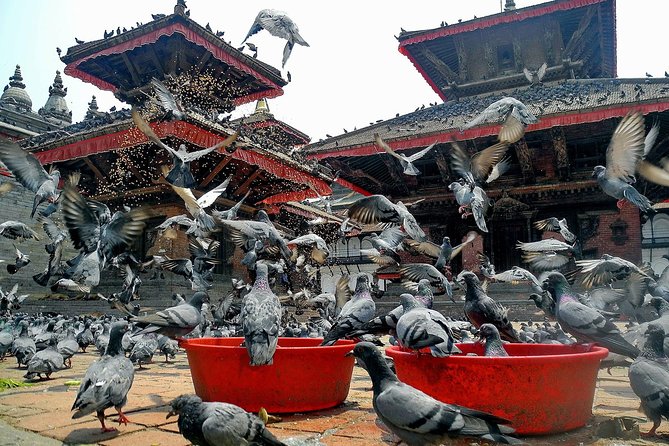
Kathmandu day one starts with Kathmandu Durbar Square, the old royal palace area surrounded by temples and important buildings. It’s the kind of place where your eyes need time—carvings, courtyards, and layers of architecture.
Next is Swayambhunath, with its Buddhist stupa and the famous eyes symbol. This is a strong stop because it mixes iconography with views over the city, and you get the “why this location matters” feeling quickly.
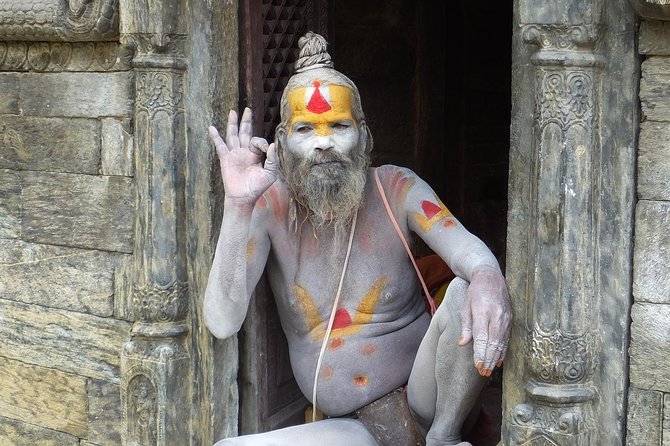
Then you go to Pashupatinath, Nepal’s most important Hindu pilgrim site dedicated to Shiva, on the Bagmati river. For a lot of travelers, this is where the Nepal leg stops feeling like a separate chapter and starts feeling like another side of the same theme: faith, place, and rituals.
Patan, Bhaktapur, and Boudhanath: Finishing the Trip With Three Different Flavors
Day 16 is a great “close out” day because it doesn’t repeat the same scenery.
You visit Patan (Lalitpur) Durbar Square, known for ancient temples and shrines with detailed carvings. Then you go to Bhaktapur, noted for keeping a more medieval character than Patan.
Finally, you reach Boudhanath Stupa, described as the largest spherical stupa in the world, with an influx of Tibetan refugees leading to the construction of over 50 gompas. That detail is useful: it explains why you’ll notice a wider Tibetan cultural presence here compared to other parts of the valley.
By the time you get to the end of the trip, it feels like you’ve seen the city through multiple lenses—royal history, preserved towns, and living Buddhist practice.
Keeping the Schedule Smooth: Practical Tips That Actually Matter
This tour runs on a clear rhythm. That’s a plus for many people, but it also means you’ll get more out of it if you plan like a pro.
- Bring the right clothing: the tour notes you should dress properly for temples and mosques, with arms and legs covered. It’s not about style. It’s about avoiding delays at entrances.
- Expect early mornings: sunrise at the Taj Mahal is included, and Sarangkot is planned for sunrise too. Light layers help.
- Budget for monument tickets: about $200 per person is your realistic starting point, and it matters most if you’re trying to keep a tight overall vacation budget.
- Have Nepal documents ready: the border process before reaching Lumbini includes a passport photo and 30 USD. Don’t leave it to the last minute.
- Coordinate daily: the trip is private, but it still has fixed timing between cities. If your day starts early, reconfirm your pickup timing the night before.
Also, since the tour depends on good weather for some of the sunrise plans, build flexibility into your mental schedule. A travel day that’s delayed for weather can still be valuable—you just want to avoid getting cranky about it.
Should You Book Essence of magnificent India and Nepal?
Book it if you want a high-impact, guided route across North India and Nepal without spending your vacation time on planning and transport headaches. It fits especially well if:
- you want Delhi + Agra + Varanasi plus Nepal’s Buddhist landmarks in one trip,
- you like structure but also want genuine moments like Ganga Aarti and river boat views,
- and you’re okay paying separate monument fees to keep the package price reasonable.
Skip it (or choose a slower version) if you hate early mornings, prefer lots of free time to roam solo, or you’re the type who can’t handle coordination quirks. One review note pointed to communication and coordination issues, so you should go in ready to be proactive: keep your documents together and check times often.
If you match the pace, this is one of those trips that gives you more than “I saw it.” You come away with places that feel explained—temple rules, river rituals, and the logic of where people built and prayed.
FAQ
What’s included in this tour price?
Breakfast each day, bottled water, 3-star hotels with private bathrooms (AC), pickup and drop-off in Delhi, local guides in most destinations, Delhi rickshaw ride, and Varanasi boat ride (morning and evening). It also includes one international flight from Kathmandu to Delhi with baggage allowances.
Are monument admission fees included?
No. Monument tickets are not included, and the tour lists an estimated total of about $200 per person for admission fees.
Do I need a visa for Nepal?
Yes. The tour lists a Nepal visa cost of $30 per person as not included.
How does the Nepal border crossing work in the itinerary?
Before reaching Lumbini, you cross the Nepal border and are instructed to prepare a passport picture and 30 USD. The tour also indicates you’ll overnight in Lumbini that night.
What kind of hotels will I stay in?
You stay in three-star hotels each night, with an ensuite bathroom, and air-conditioning is included as part of the accommodation.
Is this tour private or group-based?
It’s listed as a private tour/activity, meaning only your group participates.
What are the flight baggage allowances?
For the international flight from Kathmandu to Delhi, the tour specifies 20 kg mail luggage and 10 kg hand luggage.
More Tour Reviews in New Delhi
- Old & New Delhi City Tour – Half or Full Day Options Available
★ 5.0 · 4,811 reviews - Half Day Private Delhi City Tour
★ 5.0 · 4,474 reviews - Same Day Taj Mahal, Agra Fort & Baby Taj Tour from Delhi by Car
★ 5.0 · 4,304 reviews - Taj Mahal Day Tour from Delhi by Superfast Train – TOP RATED TOUR
★ 5.0 · 4,166 reviews - Delhi: Old and New Delhi Private Full or Half-Day Tour
★ 4.9 · 3,776 reviews
Just added: more New Delhi reviews to browse
- 4 days Golden Triangle Tour★ 5.0 · 3 reviews
- Discover Old & New Delhi: Private Tour with Street Food★ 5.0 · 3 reviews
- Taj Mahal Tour From Delhi By Private Car★ 4.5 · 3 reviews
- Golden Triangle Tour 5 Days★ 5.0 · 3 reviews
- Taj Mahal: Express Entry Ticket For Sunset Tour with guide★ 5.0 · 3 reviews
- Agra Taj Mahal Sunrise & Sunset Tour from Delhi★ 5.0 · 3 reviews