
Reviewed · TAJ MAHAL TOURS FROM DELHI
Golden Triangle Tour 2 Nights 3 Days-Taj Mahal at sunrise/Sunset
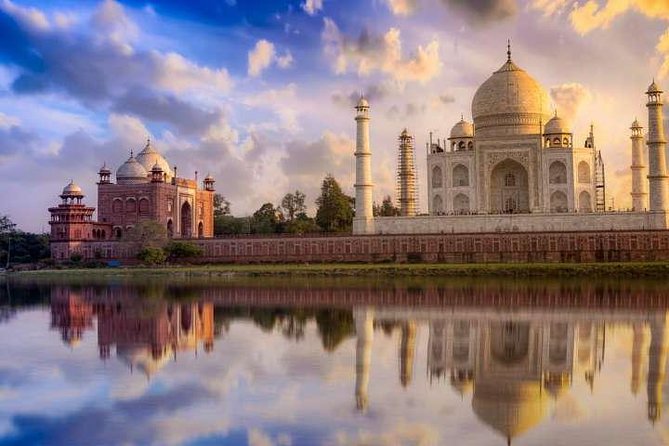
Golden Triangle tours are famous for a reason. This one strings together Delhi, Jaipur, and Agra in a tight schedule, with a big payoff: the Taj Mahal at sunrise (and time to see it again later at sunset if your plan follows that option).
What I like most is the blend of major sights with built-in guidance. You start with Old and New Delhi landmarks like Jama Masjid and Qutb Minar, then you shift to Jaipur’s royal architecture and observatory, and finally you lock in Taj time before the worst crowds.
One thing to watch: it’s early mornings and long driving days. If you want a slow, unhurried trip, this pace may feel a bit like sightseeing on fast-forward.
In This Review
- Key Highlights You’ll Actually Feel
- Why This Golden Triangle Works in 3 Days
- Day 1 in Delhi: Red Fort to Qutb Minar to India Gate
- Old Delhi first: Red Fort and Jama Masjid
- Rajghat and Qutb Minar: meaning and math
- India Gate and Rashtrapati Bhavan drive-by
- Jaipur Day: Amer Fort, Hawa Mahal, City Palace, and Jantar Mantar
- Amer Fort: the hilltop views do the talking
- Hawa Mahal: royal ladies and window rows
- City Palace: royal residence to museum pieces
- Jantar Mantar: royal observatory for real-world math
- Drive to Agra: the transition day
- The Big Payoff: Taj Mahal Sunrise Timing That Changes the Feeling
- Why sunrise beats late morning for most people
- After Taj: back to breakfast and a real reset
- Agra Fort After Breakfast: Mughal Power in Stone
- How to enjoy Agra Fort without rushing
- Hotels and Transportation: The Real Comfort Value
- Unlimited water during travel and sightseeing
- Pickup and drop-off reduces friction
- Group discounts and mobile ticket
- Price Reality Check: What $299 Covers, and What Costs Extra
- Customization: How Flexible Is It in Real Life?
- Tips to Make Taj Sunrise Less Miserable (In a Good Way)
- Should You Book This Golden Triangle Tour With Taj Mahal at Sunrise/Sunset?
- FAQ
- FAQ
- What cities are included in the Golden Triangle tour?
- How long is the tour?
- Is pickup and drop-off included?
- Does the price include entrance tickets to monuments?
- When do you visit the Taj Mahal?
- What’s included for meals and water?
- Is this a private tour?
Key Highlights You’ll Actually Feel
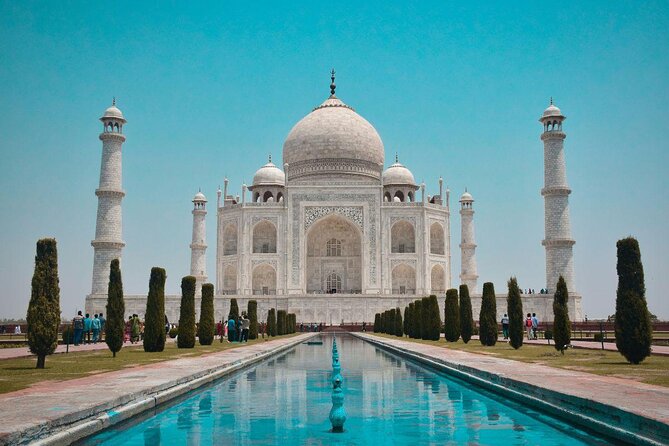
- Taj Mahal at sunrise so you get the dramatic light before peak congestion
- Old and New Delhi focus with Red Fort photo stops, Jama Masjid, Qutb Minar, and India Gate
- Jaipur classics in one sweep: Amer Fort, Hawa Mahal, City Palace, and Jantar Mantar
- Private air-conditioned vehicle with a uniformed chauffeur and licensed driver
- Includes hotel stays and 2 breakfasts, plus unlimited water during travel and sightseeing
- Customization is mentioned, so you may be able to adjust city time to your interests
Why This Golden Triangle Works in 3 Days
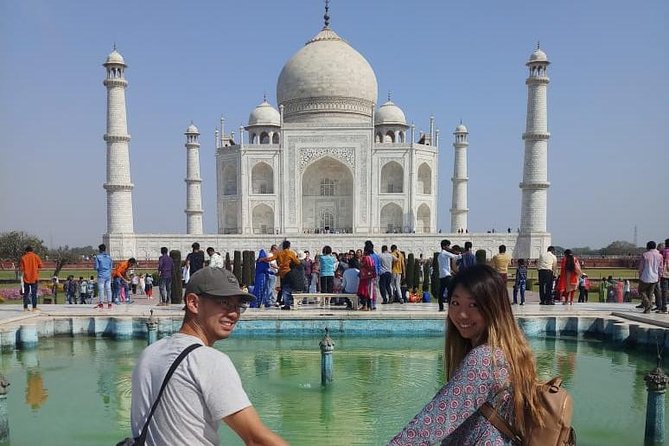
The Golden Triangle is basically India in three snapshots: Delhi for politics and layers of culture, Jaipur for royal-era design, and Agra for Mughal ambition. The trick is doing it without wasting time. This tour’s format is built around that reality: guided sightseeing blocks, then hotel time, then another burst of famous stops.
You’re also not just checking boxes. The itinerary is structured so the hardest hit sights get your best lighting and best access windows. Taj Mahal at sunrise is the big one. Delhi’s schedule is another, since key monuments are spread so you’re not always running to the same side of town.
Value-wise, the price looks reasonable once you count what’s included: pickup and drop-off, a professional live guide, a private air-conditioned vehicle, hotel accommodation (your chosen 3/4/5 star option), and two breakfasts. Monument entrances and most meals are extra, but you still get a lot of organized motion for the money.
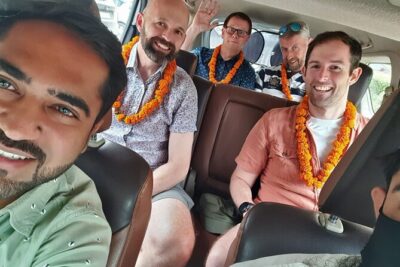
The “private tour” angle matters too. You ride as only your group, so you’re not stuck inside a bus herd with strangers. That can make the day feel less chaotic, even when the itinerary is packed.
More ways to reach the Taj, weighed side by side




Day 1 in Delhi: Red Fort to Qutb Minar to India Gate
Delhi is big and noisy, but this day helps you get your bearings fast. You’ll be picked up around 8:00 AM from your hotel, airport, railway station, or another chosen spot in Delhi/Noida/Gurgaon. Then you roll straight into guided sightseeing.
Here’s what you’ll see and why it’s worth the time:
Old Delhi first: Red Fort and Jama Masjid
You’ll get a photo stop at Red Fort, which is hard to miss even when you only pause briefly. It sets the tone for Old Delhi: Mughal power, city walls, and the feeling that this place has always been a political center.
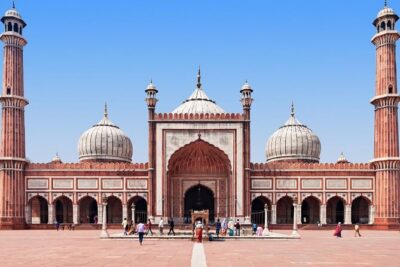
Next comes Jama Masjid, described as India’s biggest mosque. It’s one of those monuments where the scale changes the way you look at the street around it. Even if you’re not religious, the architecture and courtyard size give you a strong sense of how central faith was to city planning.
Rajghat and Qutb Minar: meaning and math
After that, you visit Rajghat, a memorial for Mahatma Gandhi. It’s a quieter stop that balances the earlier monumental energy.
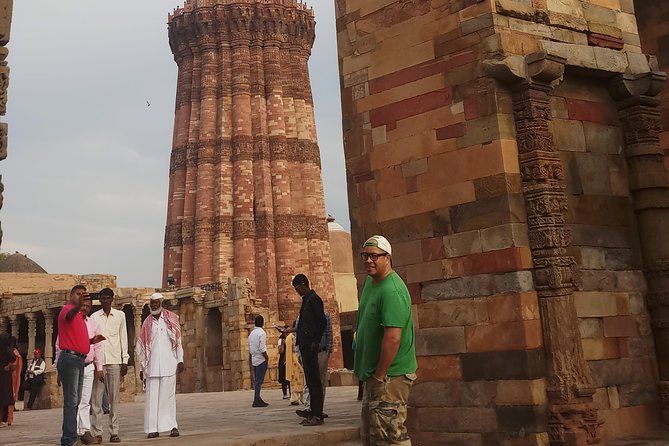
Then you head to Qutb Minar (Qutb Minar), a UNESCO World Heritage Site. The minaret is listed as 73 meters tall, and the name itself fits the theme of “victory tower.” If you like historic structures that look engineered rather than just decorative, this one delivers.
India Gate and Rashtrapati Bhavan drive-by
You close with India Gate, a war memorial on the ceremonial axis of New Delhi (Rajpath). It’s a straightforward stop, but it matters because you’re seeing the modern city’s “center line” design—how Delhi organizes space around national identity.
You also drive past the President’s House (Rashtrapati Bhavan). You might not go inside, but the views from the road help you connect this portion of the city to the grand avenues and planning you’ll notice in photographs.
One practical consideration: Delhi days can involve traffic swings. The tour includes a private vehicle and guide, which helps you keep the schedule together, but expect real urban variability.
Delhi, Agra and Jaipur: more full circuits
Jaipur Day: Amer Fort, Hawa Mahal, City Palace, and Jantar Mantar
Day 2 starts after breakfast, with a 7:30 AM start time. Jaipur is perfect for a guided route because the sights are different in purpose: military defense, royal display, royal residence, then science for star-gazing.
Amer Fort: the hilltop views do the talking
You’ll visit Amer Fort, set on a hilltop and overlooking Maota Lake. The fort’s main value is the views, but also the sense of how power lived above the city. Even in short time, you understand why rulers built on elevation.
If you like photos, this is one of your best rounds. The view angle gives you the kind of depth that makes Taj-like grandeur look different here: Jaipur is more pattern, color, and stepped architecture.
Hawa Mahal: royal ladies and window rows
Next is Hawa Mahal, the famous facade with many jharokhas (overhanging windows). The tour notes it was built so royal women could view street life. That detail turns the building from “pretty exterior” into a story about daily life behind the scenes.
It’s also an easy stop to enjoy even if you don’t want to spend hours indoors.
City Palace: royal residence to museum pieces
Then you go to City Palace, described as once the royal residence. It’s divided into sections like Chandra Mahal and Mubarak Mahal, with Mubarak Mahal now serving as a museum for costumes, crowns, and items used by former kings.
This is the stop for people who enjoy context. You’re not just looking at walls—you’re seeing objects tied to the way royalty moved, dressed, and ruled.
Jantar Mantar: royal observatory for real-world math
You’ll also visit Jantar Mantar, called a royal observatory. Even if astronomy isn’t your favorite topic, it’s one of those places where you can read the architecture as practical instruments—math turned into monuments.
Drive to Agra: the transition day
After Jaipur, you drive to Agra for 4–5 hours. You check in and overnight in Agra.
This driving stretch is one reason the tour stays to a tight 3-day window. It’s also why I suggest you keep your day bag ready—water, sunscreen, and a layer for AC comfort help.
The Big Payoff: Taj Mahal Sunrise Timing That Changes the Feeling
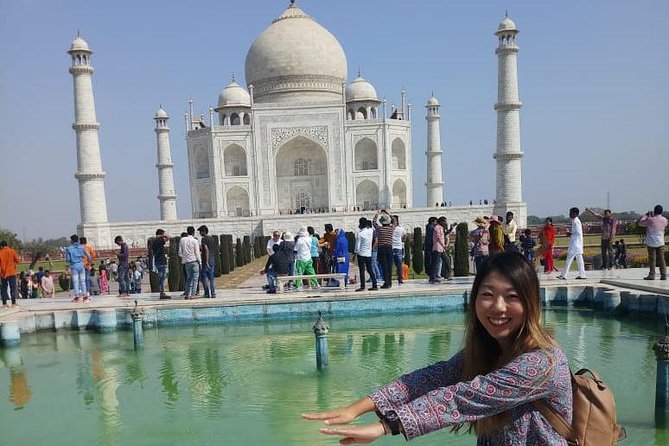
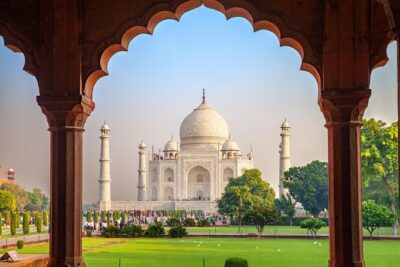
Day 3 is the early one. At 5:45 AM, you meet your guide in the hotel lobby to go see the Taj Mahal at sunrise.
This part of the tour is all about timing, and it’s not a gimmick. The Taj Mahal described here is positioned over the River Yamuna, and the tour frames it as a classic example of Mughal architecture built as a mausoleum.
You’ll hear the core story: it was built by Shah Jahan between 1632 and 1653 as the final resting place of his wife Arjumand Bano Begum, also known as Mumtaz Mahal. You don’t need to memorize dates to feel the weight of the place—sunrise just makes the building glow differently, and it usually helps you avoid the heaviest crowd pressure.
Why sunrise beats late morning for most people
At sunrise, you get cooler air, softer light, and a calmer start. The tour even highlights the idea of getting inside before crowds. That matters because Taj time can be frustrating if you arrive when everyone else arrives.
If you care about photographs, sunrise is a big win. If you care about not feeling surrounded, sunrise is even bigger.
After Taj: back to breakfast and a real reset
After the sunrise visit, you return to the hotel to freshen up and have breakfast. That break is key. Don’t underestimate it. After early-morning walking and focus, a short reset is what keeps the rest of your day enjoyable.
Agra Fort After Breakfast: Mughal Power in Stone
Once you’re done with breakfast, you check out and head to Agra Fort, a UNESCO World Heritage Site. The tour notes it was created by Mughal Emperor Akbar in 1565.
Agra Fort is different from the Taj. The Taj is pure emotional theater—symmetry, romance, white marble drama. The fort is more about structure and authority. If you want the full Mughal picture, forts help connect the dots.
How to enjoy Agra Fort without rushing
Go in ready to read the fort. Look for defensive logic: walls, viewpoints, and the way the complex is laid out. The tour schedule gives you time for a guided experience, which helps you make sense of what you’re seeing instead of just walking from wall to wall.
Hotels and Transportation: The Real Comfort Value
This tour includes hotel accommodation in a 3/4/5 star category based on your selection. That matters because 3 days in the Golden Triangle can either feel tiring or manageable. A decent hotel helps you actually sleep after early starts.
You’ll also travel in a private air-conditioned vehicle with a uniformed chauffeur and an experienced licensed driver. In India, comfort between sights is not a small detail. It’s what turns a packed day from stressful to workable.
Unlimited water during travel and sightseeing
The tour includes unlimited water bottles during traveling and sightseeing. That’s a practical inclusion you’ll appreciate once you’re walking in warm conditions.
Pickup and drop-off reduces friction
Hotel/airport pickup and drop-off are included. For first-timers, that alone can save a lot of planning headaches.
Group discounts and mobile ticket
The tour notes group discounts and mobile ticket. If you’re traveling with family or friends, ask how the group discount works. If you’re solo, still confirm that the mobile ticket covers access smoothly for each day.
Price Reality Check: What $299 Covers, and What Costs Extra
At $299 per person, you’re paying for organized movement and guide support across three major cities. Included items are solid: guide, private vehicle, hotel stays, pickup/drop-off, and two breakfasts, plus unlimited water.
What’s not included: monument entrances, lunch, and dinner. That’s normal for many tours, but it means you should budget extra for entry tickets on each monument stop.
If you’re trying to decide whether the price is fair, use this filter:
- If you want someone to handle the route, timing, and transitions, this price can feel like a bargain.
- If you prefer total independence and don’t need a guide or private transport, you might find cheaper options, but you’ll spend more time managing logistics.
This tour’s value is strongest for people who want a clean, guided experience without day-by-day decision fatigue.
Customization: How Flexible Is It in Real Life?
The tour mentions that you can customize your itinerary in each city based on your interests. That’s a helpful promise, especially in Delhi and Jaipur where you might have personal preferences for religious sites versus architecture versus museums.
The key question for you: how much flexibility your guide can apply without breaking the timing for Taj sunrise. If you want changes, I’d set expectations early—choose one or two priorities to swap rather than trying to redesign the whole day.
Tips to Make Taj Sunrise Less Miserable (In a Good Way)
Sunrise sightseeing sounds romantic. The body often has a different opinion. Here are practical ways to make it work with this tour’s schedule:
- Plan your sleep like it’s part of the itinerary. You start very early on Day 3, and you’ll lose steam fast if you stay up late.
- Wear shoes you can walk in comfortably. Taj and forts involve uneven and sometimes crowded walking surfaces.
- Pack a light layer. Early mornings can feel cooler, even when midday is hot.
- Use the included water and keep refilling during breaks. It’s not just comfort; it helps you stay focused on the guide’s explanation instead of feeling drained.
- If sunset is part of your plan, keep your camera charged. Sunrise is the priority here, but warm light can still be photo-worthy later.
Should You Book This Golden Triangle Tour With Taj Mahal at Sunrise/Sunset?
I’d book this tour if you want:
- A guided Golden Triangle with major sights in a tight schedule
- Taj Mahal at sunrise, with an emphasis on getting inside before peak crowds
- Private vehicle comfort, hotel stays, and pickup/drop-off included
- A plan that gives you context: Delhi landmarks, Jaipur royal architecture, then Agra Mughal sites
I’d think twice if:
- You dislike early starts and prefer slower pacing.
- You’d rather spend more time independently exploring instead of following a set route.
- You want monument entrances and meals included in the base price.
One more note: the tour style here is serious about timing and professionalism. If you’re the kind of traveler who wants a smooth handoff between cities and less uncertainty on the ground, this format fits well.
FAQ
FAQ
What cities are included in the Golden Triangle tour?
The tour covers New Delhi, Jaipur, and Agra.
How long is the tour?
It runs for about 3 days.
Is pickup and drop-off included?
Yes. The tour includes hotel/airport pickup and drop-off.
Does the price include entrance tickets to monuments?
No. Monument entrances are not included, along with lunch and dinner.
When do you visit the Taj Mahal?
You meet your guide at 5:45 AM to visit the Taj Mahal at sunrise.
What’s included for meals and water?
The tour includes breakfast (2), and it provides unlimited water bottles during traveling and sightseeing.
Is this a private tour?
Yes. It’s listed as a private tour/activity, with only your group participating.
More Tour Reviews in New Delhi
- Old & New Delhi City Tour – Half or Full Day Options Available
★ 5.0 · 4,811 reviews - Half Day Private Delhi City Tour
★ 5.0 · 4,474 reviews - Same Day Taj Mahal, Agra Fort & Baby Taj Tour from Delhi by Car
★ 5.0 · 4,304 reviews - Taj Mahal Day Tour from Delhi by Superfast Train – TOP RATED TOUR
★ 5.0 · 4,166 reviews - Delhi: Old and New Delhi Private Full or Half-Day Tour
★ 4.9 · 3,776 reviews
The Full Golden Triangle, More Options
- 3-Days Private Golden Triangle Tour: Delhi, Agra & Jaipur by Car
★ 5.0 · 1,107 reviews - 3-Days Private Golden Triangle Tour: Delhi, Agra & Jaipur by Car
★ 5.0 · 1,098 reviews - 3-Day Delhi, Agra and Jaipur Private Tour – India Golden Triangle
★ 5.0 · 812 reviews - Four-Day Private Luxury Golden Triangle Tour to Agra and Jaipur From New Delhi
★ 5.0 · 807 reviews - 5 Nights 6 Days Private Golden Triangle Tour – Delhi Agra Jaipur
★ 5.0 · 574 reviews
The Taj, Reached a Few More Ways
- Same Day Taj Mahal, Agra Fort & Baby Taj Tour from Delhi by Car
★ 5.0 · 4,304 reviews - Taj Mahal Day Tour from Delhi by Superfast Train – TOP RATED TOUR
★ 5.0 · 4,166 reviews - Full Day Taj Mahal, Agra Fort & Baby Taj Tour from Delhi by Car
★ 5.0 · 3,647 reviews - From Delhi: Taj Mahal & Agra Private Day Trip with Transfers
★ 4.9 · 3,181 reviews - Taj Mahal Tour from Delhi by Express Train (Viator Award Winner)
★ 5.0 · 2,849 reviews
Just added: more New Delhi reviews to browse
- 4 days Golden Triangle Tour★ 5.0 · 3 reviews
- Discover Old & New Delhi: Private Tour with Street Food★ 5.0 · 3 reviews
- Taj Mahal Tour From Delhi By Private Car★ 4.5 · 3 reviews
- Golden Triangle Tour 5 Days★ 5.0 · 3 reviews
- Taj Mahal: Express Entry Ticket For Sunset Tour with guide★ 5.0 · 3 reviews
- Agra Taj Mahal Sunrise & Sunset Tour from Delhi★ 5.0 · 3 reviews
Taj Mahal Tours from Delhi, compared.
 ★ 5.0Same Day Taj Mahal, Agra Fort & Baby Taj Tour from Delhi by CarFrom $624,304 reviews
 ★ 5.0Taj Mahal Day Tour from Delhi by Superfast Train – TOP RATED TOURFrom $1004,166 reviews
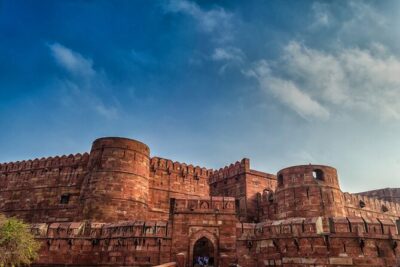 ★ 5.0Full Day Taj Mahal, Agra Fort & Baby Taj Tour from Delhi by CarFrom $623,647 reviews
 ★ 4.9From Delhi: Taj Mahal & Agra Private Day Trip with TransfersFrom $43,181 reviews
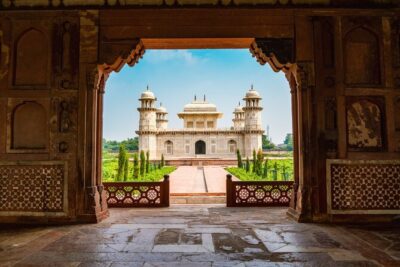 ★ 5.0Taj Mahal Tour from Delhi by Express Train (Viator Award Winner)From $752,849 reviews
 ★ 5.0All Inclusive Private Taj Mahal Luxury Tour from Delhi by CarFrom $622,564 reviews
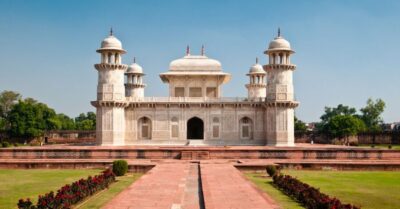 ★ 4.9Same Day Taj Mahal, Fort & Baby Taj Tour from Delhi by CarFrom $502,534 reviews
 ★ 4.9From Delhi: Taj Mahal and Agra Fort Private Sunrise TourFrom $592,270 reviews
Browse the lists this tour appears in