
Reviewed · NEW DELHI
Himalayas: 11 Day Motorbike Expedition To Ladakh (North India)
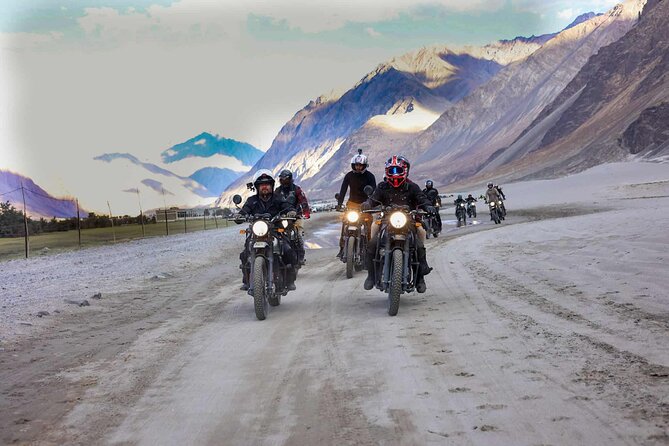
Eleven days, one motorbike, and big altitude. The value here is simple: you ride a pre-planned route between Delhi and Leh with major high passes, constant photo-stops, and built-in support like a backup vehicle plus a mechanic, first aid box, and oxygen cylinder. It’s the kind of trip where you’re not stuck guessing the best roads or what to do if something goes sideways.
I also like that the trip handles real travel basics for you. You get included twin-sharing accommodation (plus environmental and permit fees) and you don’t have to ration your day around meal planning because breakfasts and dinners are included. That matters in Ladakh, where late arrivals can turn a simple day into a headache.
The one drawback to think about is time-on-bike. Several days run long (for example, the Padum to Lamayuru day is about 9–10 hours riding), and the tour asks for moderate physical fitness while you also keep baggage to an advisory maximum of 60 liters.
In This Review
- Key things to know before you go
- Day 1 to Day 2: Overnight bus to Manali, then Bhuntar check-in
- Day 3 Jispa bound: Manali photos, Atal Tunnel, then Sissu/Tandi stops
- Day 4 Darcha and Shinkula Top: document checking and real pass views
- Day 5 Padum to Lamayuru: 332 km, 9–10 hours, and Singga La at 5,009 m
- Day 6 Leh base camp: from Lamayuru to Leh, plus Magnetic Hill and Shanti Stupa
- Day 7 to Nubra: Khardung-La (18,000 ft) and Diskit Gompa
- Day 8 to Pangong Tso: Shyok River ride, Durbuk lunch, and Merak overnight
- Day 9 to Hanle: Chushul photos, Nyoma lunch, and reaching the remote end
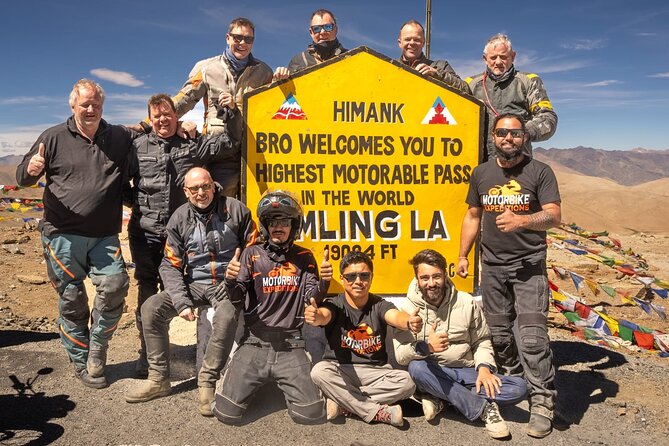
- Day 10 return toward Leh: Umling La stop on the world’s highest motorable road
- Day 11: farewell and the overnight drop back to Delhi
- Support on the road: backup vehicle, oxygen, first aid, and spares
- Meals and lodging: breakfasts and dinners, plus twin-sharing comfort
- Price and value: what $2,004.76 covers (and what you pay separately)
- Who should book this Ladakh motorbike expedition
- Should you book this Ladakh motorbike trip?
- FAQ
- FAQ
- How long is the motorbike expedition?
- Where does the trip start and end?
- What route does the tour cover?
- What safety and mechanical support is included?
- Are meals included?
- What kind of accommodation is included?
- Is insurance included in the price?
- Is riding gear included?
Key things to know before you go
- Backup vehicle + mechanic support: luggage support and on-the-road help from day 3 to day 10
- Oxygen cylinder and first aid box: extra safety gear carried for emergencies
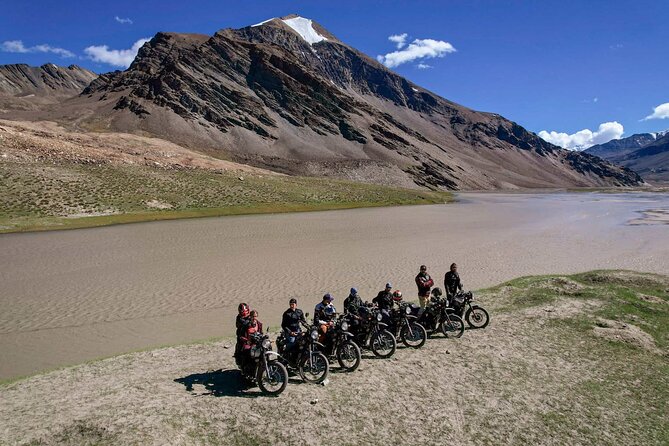
- High passes in the plan: including Bara-Lacha La, Tanglang La, plus stops at Singga La, Khardung-La, and Umling La
- Meals are baked in: breakfasts (10) and dinners (9) included, easing daily logistics
- Twin-sharing lodging: you’ll be paired up, so pack with that in mind
- Spare parts support for normal wear: listed items like tubes, spark plug, clutch/brake parts can be swapped during the tour
Day 1 to Day 2: Overnight bus to Manali, then Bhuntar check-in
Day 1 starts with an overnight Volvo bus ride from Delhi/Chandigarh to Manali. This is a smart move because it gets you out of the plains fast and puts you in position for the mountain segment without burning a full daylight day.
On Day 2, you reach Bhuntar and get met at the bus stand by the guide. From there, you head to a hotel to rest and reset before you start climbing higher.
One thing I like about this first stretch is how it reduces pressure. You’re not waking up exhausted, then immediately needing to troubleshoot travel. You get a clear handoff: bus to Bhuntar to hotel.
Still deciding? Here is how it stacks up against other Delhi picks we have written up.
Day 3 Jispa bound: Manali photos, Atal Tunnel, then Sissu/Tandi stops
Day 3 turns the corner from “getting there” into “riding into the mountains.” You’ll pass through Manali for photos and video stops, then hit the Atal Tunnel under the Rohtang Pass. The timing here is designed for short stops rather than constant stops, so you keep the day moving while still getting the views.
Then comes the slower, village-and-valley feel: a stop around Sissu (known for rural life and a less urbanized setting) plus a Tandi stop for petrol before reaching Jispa for the night. That Jispa overnight is useful because it breaks up the long approach days and gives you a landing spot before the more demanding pass segments.
Potential consideration: these early days can feel like “a lot of stopping,” but the flip side is you’re building altitude gradually with frequent breaks and fewer decisions for you.
Day 4 Darcha and Shinkula Top: document checking and real pass views
Day 4 includes a brief stop in Darcha where they do document checks. The key detail: you don’t need to manage the process yourself—everything is handled by the tour team. That’s one of those small logistics wins that can save you stress when you’re dealing with travel documents in a hurry.
After that, you reach Shinkula Top for views and photos. This is described as a challenging but rewarding spot, so expect the kind of cold, windy pass feeling that makes you want to pause, shoot a few photos, and then move on.
If you’re prone to getting cold quickly, this is where you’ll feel it first. Plan to layer up for quick stops, not just for the longer stretches of riding.
Day 5 Padum to Lamayuru: 332 km, 9–10 hours, and Singga La at 5,009 m
Day 5 is the long one in the “middle” of the itinerary: from Padum to Lamayuru is 332 km, and riding is expected to take about 9–10 hours. You’re also covering two high mountain passes on this route, which is why the day is built around distance and altitude, not a casual pace.
A highlight on this day is Singga La at 5,009 meters, where you stop for photos and take in one of the highest views on the journey. The Lamayuru area itself is your overnight base, so you’re not stuck riding until late at night—another quiet win.
Why this day is valuable: it gives you that high-pass achievement feeling without forcing you to DIY route planning. You get the big visual payoff and the schedule support that keeps it realistic.
Day 6 Leh base camp: from Lamayuru to Leh, plus Magnetic Hill and Shanti Stupa
Day 6 shifts into “Leh day,” which feels different from the road days. First you ride from Lamayuru to Leh—about 127 km and roughly 3–4 hours depending on road conditions and scenic stops. That shorter ride is your buffer day before the Nubra/Pangong/Hanle stretches get more intense.
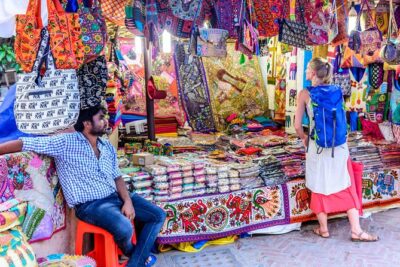
Once you’re in Leh, you explore key sightseeing areas like Magnetic Hill, Pathar Sahib Gurudwara, Shanti Stupa, and Leh Palace. You also get time around Leh Market for rest and shopping/souvenirs.
This is a good day to pace yourself. If you spent the day before staring at the altitudes and passes, Leh is where you breathe and catch up on energy before the next high-excursion.
Day 7 to Nubra: Khardung-La (18,000 ft) and Diskit Gompa
Day 7 takes you from Leh toward Nubra Valley via the legendary Khardung-La pass at about 18,000 feet. Expect photos and videos at the pass—this is the moment many people mentally saved for while reading about Ladakh.
Then the trip keeps it practical: a tea break stop around Khardung, followed by Diskit Gompa with a photo/video stop. Diskit Gompa is listed as an included admission, so you’re not hunting tickets or timings.
Lunch is taken in Nubra, and you overnight in Hunder. That combination—pass thrill, gompa stop, then a real night base—makes the day feel complete rather than just “riding until darkness.”
Day 8 to Pangong Tso: Shyok River ride, Durbuk lunch, and Merak overnight
Day 8 targets Pangong Lake with a ride described as about 180 km, typically 6–7 hours, following the Shyok River banks. This is a long, scenic day built for steady riding, not constant stop-start.
You’ll have a tea stop at Agham, lunch at Durbuk, then arrive at Pangong Tso for photos and videos. The overnight is around Merak, on the bank of Pangong Lake area, which is exactly the kind of place you want at night if you like the quiet, cold feel of remote locations.
What to consider: Pangong Lake days often feel longer because the environment asks more from you (cold, wind, altitude). The ride time is reasonable, but the experience can feel intense.
Day 9 to Hanle: Chushul photos, Nyoma lunch, and reaching the remote end
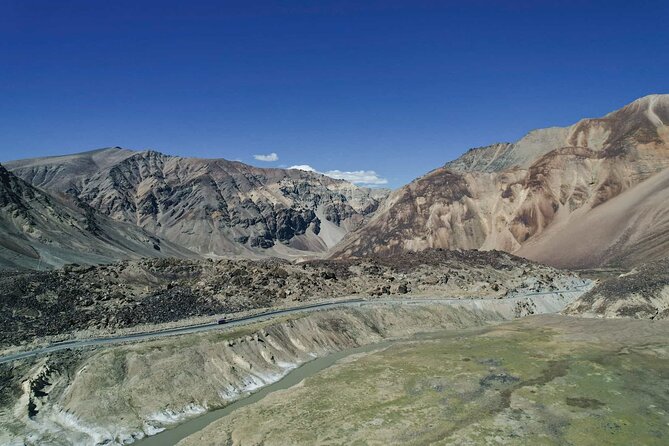
Day 9 is a move toward Hanle, with about 150 km total riding. You start with photo time at Chushul, then tea at Mahe, then lunch at Nyoma before reaching Hanle for the overnight.
This day matters because it’s where Ladakh starts feeling less like a checklist and more like a destination. Chushul is short, but it gives you that classic high-view framing. And Hanle as an overnight spot turns the trip from “ride and see” into “arrive and settle.”
If you like quiet places and can handle long distances without constant entertainment, this is a strong day.
Day 10 return toward Leh: Umling La stop on the world’s highest motorable road
Day 10 is the return toward Leh, with a highlight stop at Umling La—described as the world’s highest motorable road. You get photos and videos there for about 15 minutes.
The day also includes time back around Hanle for lunch, then you continue to Leh for the overnight. The schedule is structured like a “get the highlight, then drive” day, not a day of long detours.
Why Umling La works for the overall trip: it’s a final altitude flex after you’ve already crossed big pass country earlier. It also gives you one more checkpoint moment before you head back to the comfort of Leh.
Day 11: farewell and the overnight drop back to Delhi
Day 11 is mostly a wind-down. You greet fellow riders and say farewell, then the plan includes an overnight journey of about 12 hours that drops you back in Delhi.
Even if you’re tired, this structure is helpful. Instead of squeezing extra touring time into the final day, the tour turns the finish into travel time, and you get to land back home without one more confusing segment.
Support on the road: backup vehicle, oxygen, first aid, and spares
This is one of the most praised parts of the trip, and with good reason. The tour includes an oxygen cylinder and a first aid box, plus an experienced English speaking road captain. That’s not just paperwork; it’s the difference between feeling stranded and feeling taken care of.
There’s also a backup vehicle carrying luggage and a mechanic from day 3 to day 10. They also build in extra fuel for the backup and list spare-part coverage for routine bike issues during the tour—things like front and rear tubes, spark plug, and certain wear items such as clutch and brake components.
Two important reality checks:
- The tour does not include insurance (medical/accident/theft), so you still need your own safety net.
- Extra costs tied to accidental damage to the bike due to rider possession aren’t included.
If your goal is a serious Ladakh ride without living in fear of mechanical problems, this support model is a big reason people feel confident signing up.
Meals and lodging: breakfasts and dinners, plus twin-sharing comfort
Food is handled in a way that makes daily planning easier. You get 10 breakfasts and 9 dinners included. That means most of your day planning becomes simpler: ride, stop, and return with one less thing to figure out.
Lodging is on a twin-sharing basis, and the tour also includes accommodation as part of the route plan. You’re not relying on last-minute searches for rooms in smaller places, which can be hit-or-miss in remote areas.
One practical note: baggage handling. The tour advises that the maximum baggage size should not exceed 60 liters because you’ll carry luggage to the backup vehicle and into the accommodation.
Price and value: what $2,004.76 covers (and what you pay separately)
At $2,004.76 per person, the question is what you’re buying beyond the word motorbike. For your money, you’re getting:
- Environmental and permit fees
- Accommodation on the road (twin-sharing)
- A backup vehicle and mechanic (days 3–10), plus extra fuel
- First aid box and oxygen cylinder
- Breakfasts and dinners
- Bike spares changes for specific listed items during the tour
- A road captain and a route that removes the heavy planning work
What you don’t get is also clear:
- No insurance (medical, accident, theft)
- No personal expenses (laundry, phone, tips, drinks)
- No airfare/rail unless specified elsewhere
- No added spare parts cost for accidental damage caused when the bike is in your possession
- No tow/transfer costs if the bike is dropped
- Riding gear not included except that knee pads and elbow guards can be rented for Rs. 750 for the whole trip
My value take: this price makes more sense if you want structure and support. If you were planning to self-tour, you’d spend time coordinating permits, timing, lodging, and contingencies—plus you’d be more exposed to mechanical surprises without a mechanic and backup setup.
Who should book this Ladakh motorbike expedition
This tour is built for adventure riders who want a planned route and expect long days at altitude and distance. The tour asks for moderate physical fitness, and the schedule includes long rides like the Padum to Lamayuru day and the Pangong approach.
You’ll probably love it most if:
- You want major passes and iconic Ladakh stops without route-planning stress
- You appreciate photo stops paired with real riding time
- You value the inclusion of mechanic support, oxygen, and first aid
- You can share a room and keep baggage within the advised limit
You might want a different option if:
- You hate long riding days and can’t handle 6–10 hour segments
- You need fully comprehensive insurance coverage included in the price
- You can’t commit to the baggage handling reality (60 liters advised)
Should you book this Ladakh motorbike trip?
If you want an 11-day motorbike adventure that’s serious about safety and logistics, this is a strong match. The biggest deciding factor is the support system: a backup vehicle, a mechanic, oxygen, and listed spare-part coverage remove a lot of uncertainty that comes with high-altitude riding.
Book it if you’re comfortable with long ride days, twin-sharing lodging, and the fact that insurance and some gear costs are on you. Skip it if you want a relaxed, short-days-only ride—or if you can’t manage your baggage within the advised limits.
FAQ
FAQ
How long is the motorbike expedition?
The tour is listed as 11 days (approx.).
Where does the trip start and end?
The meeting point is Leh 194101, and it also ends in Leh 194101.
What route does the tour cover?
The overall plan runs from Delhi/Chandigarh to Manali by overnight Volvo bus, then through the mountain route toward Leh, including stops along the way and a final 12-hour overnight journey back to Delhi on the last day.
What safety and mechanical support is included?
The tour includes a first aid box and oxygen cylinder, plus a backup vehicle with a mechanic from day 3 to day 10. It also includes listed spares parts changes for specific items during the tour.
Are meals included?
Yes. Breakfast (10) and Dinner (9) are included.
What kind of accommodation is included?
Accommodation is on a twin-sharing basis.
Is insurance included in the price?
No. The tour does not include medical, accidental, or theft insurance.
Is riding gear included?
Riding gears are not included generally. The tour specifically notes that knee pads and elbow guards can be hired for Rs. 750 for the whole trip.
More Tour Reviews in New Delhi
- Old & New Delhi City Tour – Half or Full Day Options Available
★ 5.0 · 4,811 reviews - Half Day Private Delhi City Tour
★ 5.0 · 4,474 reviews - Same Day Taj Mahal, Agra Fort & Baby Taj Tour from Delhi by Car
★ 5.0 · 4,304 reviews - Taj Mahal Day Tour from Delhi by Superfast Train – TOP RATED TOUR
★ 5.0 · 4,166 reviews - Delhi: Old and New Delhi Private Full or Half-Day Tour
★ 4.9 · 3,776 reviews
Just added: more New Delhi reviews to browse
- 4 days Golden Triangle Tour★ 5.0 · 3 reviews
- Discover Old & New Delhi: Private Tour with Street Food★ 5.0 · 3 reviews
- Taj Mahal Tour From Delhi By Private Car★ 4.5 · 3 reviews
- Golden Triangle Tour 5 Days★ 5.0 · 3 reviews
- Taj Mahal: Express Entry Ticket For Sunset Tour with guide★ 5.0 · 3 reviews
- Agra Taj Mahal Sunrise & Sunset Tour from Delhi★ 5.0 · 3 reviews