
Reviewed · NEW DELHI
Kerala and Tamil Nadul Dreamscape Journey (South India)
One trip, two worlds, and plenty of temples. This Kerala and Tamil Nadu Dreamscape journey connects India’s Mughal grandeur to Kerala’s boat-filled calm, with classic stops like Qutub Minar and the Taj Mahal plus Periyar and Munnar once you head south.
I especially love how the pace stays readable: big-ticket sights are paired with slower moments like mosque courtyards, fort viewpoints, and lake time on Kerala’s backwaters. I also like that the group setup is private, with pickup help in Delhi and Kochi, so you’re not stuck guessing transport on your own.
One thing to consider: it’s a long, multi-region route. If you want only one vibe—say, just beaches or just temples—this is more of a full-on route through North India and then deep into Kerala.
In This Review
- Key things to know before you go
- Day 1 in Delhi: Airport pickup, then Qutub Minar and Jama Masjid
- Mughal Delhi days 2: Humayun’s Tomb, Red Fort, and India Gate’s calmer mood
- Jaipur days 3–4: Amber, Hawa Mahal, and the fort-view magic
- Taj Mahal morning and Agra’s quieter Mughal corners on day 5
- Ajanta and Ellora on days 6–7: rock-cut caves with three faiths in one area
- Mumbai on day 8–9: Elephanta Caves plus real neighborhoods and street life
- Cochin (Kochi) and day 11 backwaters: Vembananad Lake boat ride
- Thekkady days 12–13: Periyar boating plus spice and market time
- Munnar on day 14: Eravikulam National Park, tea country, and lake stops
- Returning to Delhi on days 15–16: keep it light, or squeeze in one last walk
- Price and value: what $2,376 covers in real terms
- Who should book this Kerala and Tamil Nadu Dreamscape trip?
- Should you book it?
- FAQ
- How long is the trip?
- Where does the tour start?
- Are pickups included?
- What cities and areas are included?
- Is there a backwaters boat ride?
- What is included in Thekkady?
- Is this tour private?
- Is the booking refundable?
Key things to know before you go
- Airport pickup in New Delhi and Cochin helps your first and last days feel easier.
- A mix of UNESCO rock-cut caves (Ajanta and Ellora) plus major Mughal monuments creates strong variety.
- Kerala backwaters on Vembananad Lake are built into the trip, not left as an optional side quest.
- Thekkady includes Periyar boating and spice plantation time, so you get both nature and senses.
- Group travel with a private format means you stay together as a unit rather than bouncing between strangers.
- Guide support stands out in real ways, and one guide name you may hear is kooldeep, noted for keeping the day running smoothly and adding practical comfort breaks.
Day 1 in Delhi: Airport pickup, then Qutub Minar and Jama Masjid
Your trip begins with the kind of start that prevents day-one stress: pickup from Indira Gandhi International Airport with a name board, then a ride into town to settle at your hotel. If you land early, you may have a chance to get oriented and do a little Delhi exploring based on your timing and preferences.
Then you step straight into history with Qutub Minar. It’s not just a tall monument for photos—it’s also a fast introduction to how old and layered Delhi feels. Plan for uneven walking and lots of stairs if you wander beyond the main areas.
After that, you move to Jama Masjid, one of India’s largest mosques. The experience here is about scale and daily life: you’re not watching a museum diorama, you’re seeing a living place of worship. If you’re sensitive to heat, dress light but keep shoulders and knees covered.
Practical win: starting with iconic sites on day one helps you stop “figuring out” your travel rhythm and start enjoying it.
Still deciding? Here is how it stacks up against other Delhi picks we have written up.



Mughal Delhi days 2: Humayun’s Tomb, Red Fort, and India Gate’s calmer mood
Day two gives you a classic Mughal trio: Humayun’s Tomb, Red Fort, and India Gate—then finishes with two very different spiritual stops.
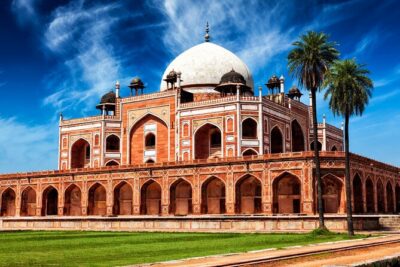
Humayun’s Tomb is the kind of place where the layout makes you slow down. It’s Mughal architecture that rewards quiet attention: pathways, symmetry, and a garden-like setting that feels calmer than the chaos outside. Budget extra time for looking around, not just snapping photos.
Then comes Red Fort, once the main residence of the Mughal emperors. Expect more walking, more crowds at peak hours, and the chance to connect palace power with fort design. If you’re planning your energy level, this is one of the “heavy” days physically.
India Gate is shorter in time on paper, and that’s actually a good thing. It’s a memorial set along Rajpath, and it’s worth treating as a pause between heavier stops—especially if you want a moment to breathe and reposition for the afternoon.
You end at Gurudwara Bangla Sahib, known for its sacred pool area (the “Sarovar”) inside the complex. This is a good contrast to the Mughal sites: you’ll notice a different atmosphere—more open, more communal, and usually a bit more restful.
Finally, there’s Gandhi Memorial Hall, which brings the trip into modern Indian history. It’s not “souvenir museum energy.” It’s more reflective, and it helps round out the Delhi picture beyond forts and gates.
Jaipur days 3–4: Amber, Hawa Mahal, and the fort-view magic
Jaipur is where your trip starts feeling like the “postcard meets reality” part. You begin with City Palace, which is still tied to the royal family story while also housing the Maharaja Sawai Man Singh II museum. Even if you’re not a museum person, this stop works because it’s tied to how the city has kept its cultural center.
Next is Amber Palace (Amer Fort). This is one of the best places on the route for viewpoints: ramparts, gates, and stonework with a strong sense of place above the lake. The fort’s setting near Maota Lake is part of why it sticks in your memory.
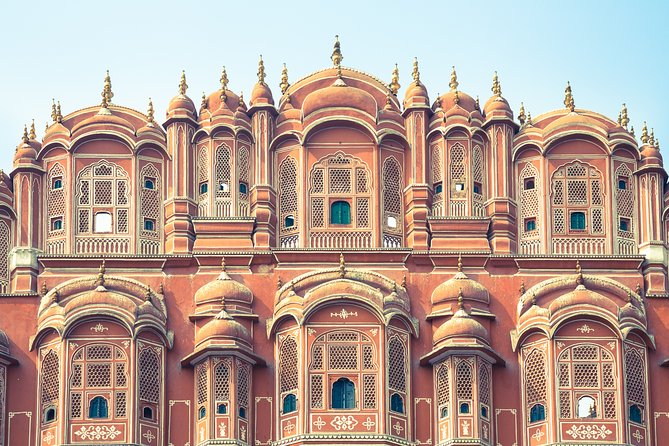
Then you hit Hawa Mahal (Palace of the Winds). Even if you only spend part of your time inside, the exterior is a standout. It’s the iconic pink-and-red sandstone look that people come for, but the real value is seeing how the design relates to shade and airflow—how architecture solved daily climate.
Day four adds more depth with Jantar Mantar, a UNESCO-listed set of astronomical instruments. The biggest lesson here is that this was science built in stone. If you like seeing how ideas became physical tools, you’ll enjoy the slower pacing.
You also visit Jaigarh Fort, with views back toward Amer and the lake. Jaigarh isn’t only about history—it’s also a “look out and reframe the whole city” kind of stop. If you’re the sort who likes scenery with a purpose, this one works.
Then there’s Birla Mandir, a white marble Hindu temple dedicated to Lakshmi and Vishnu (Narayan). It also connects to sacred text readings like selections from the Gita and Upanishads. This stop is modern compared to the forts, and that mix of old and new is a nice change of pace.
Albert Hall Museum rounds things out with the feel of Rajasthan’s state museum. It’s the kind of stop that’s best if you’re okay slowing down for indoor time.
Finally, the day keeps rolling with Nahargarh Fort and Royal Gaitor Tumbas. Nahargarh gives you more of the “defense ring” story, while Gaitor’s palace-tomb setting is the more romantic, valley-and-marble vibe.
Taj Mahal morning and Agra’s quieter Mughal corners on day 5
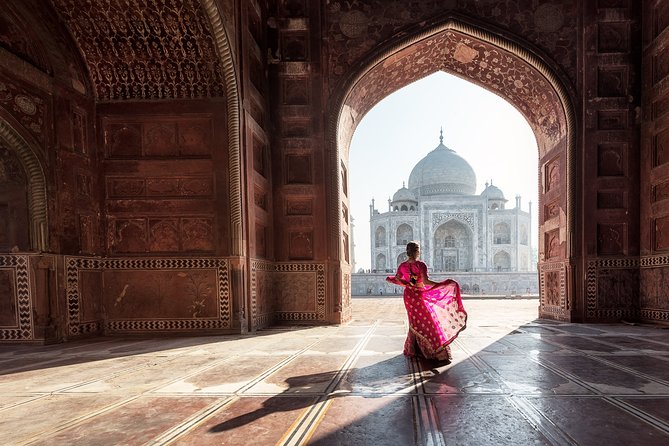
Agra is short but dramatic. The highlight is the Taj Mahal, and the trip plan notes that it can be visited at sunrise, sunset, or both. If you can manage it, a different time of day changes the mood of the monument—so it’s worth taking “timing” seriously here instead of treating it like just another stop.
Next comes Agra Fort, historically tied to Mughal power until 1638, when the capital shifted to Delhi. This is a good pairing with the Taj because you get to compare “imperial symbol” (Taj) with “imperial machinery” (fort).
Then there’s Tomb of Itimad-ud-Daulah, often described as a draft of the Taj Mahal and sometimes called the Bachcha Taj. Even with only a set amount of time, this is a favorite stop for many people because it’s smaller, calmer, and feels like a more intimate version of Mughal artistry—especially if you like details and decorative work.
Tip that saves time: keep your camera charged and your water plan ready. Agra days can run hot and crowded.
Ajanta and Ellora on days 6–7: rock-cut caves with three faiths in one area
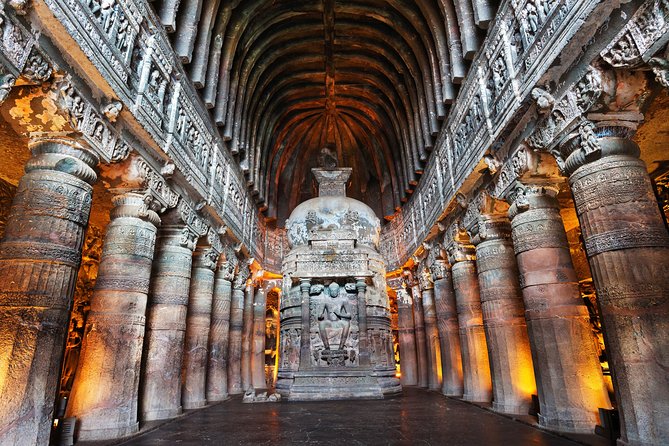
If you want a day that feels like you’re walking into another era, Ajanta Caves is that day. These are 30 rock-cut Buddhist cave monuments spanning from the 2nd century BCE to around 480 CE. The key value is not just age—it’s the way the site preserves the scale of Buddhist monastic art in stone.
Then Ellora Caves ups the complexity. It’s UNESCO-listed and known for the mix of Hindu, Buddhist, and Jain monuments dating roughly from 600–1000 CE. This is where the “how many religions can exist in one cultural zone” lesson becomes physical.
One drawback to plan around: cave days require more walking, and light can be uneven inside. Wear comfortable shoes you trust and bring something with you to reduce dust and sun exposure around the entrances.
Why it’s worth it: Ajanta and Ellora aren’t just monuments. They’re proof that South Asian religious art evolved over centuries—without needing modern explanations to feel powerful.

Mumbai on day 8–9: Elephanta Caves plus real neighborhoods and street life
Mumbai comes with contrast. Elephanta Caves are UNESCO-listed cave temples mainly dedicated to Shiva. It’s a satisfying change of pace after cave country on the mainland. You’ll want to focus on the carvings and the way the site reads as a ceremonial space.
Then you get Gateway of India, a memorial-like arch-monument built in the early 20th century. It’s a good “first Mumbai glance” stop, but it’s also fast—so don’t treat it as the main course if you love neighborhoods.
On day nine, you go beyond landmarks with Dharavi, described as Mumbai’s largest slum and made famous by Slumdog Millionaire. This is the part of the trip that feels less like sightseeing and more like understanding real urban life. Go with patience, and remember that respect matters here as much as curiosity.
Then comes Dhobi Ghat, an open-air laundromat where washers (dhobis) clean linens from Mumbai’s hotels and hospitals. This is where you feel the city’s working rhythm.
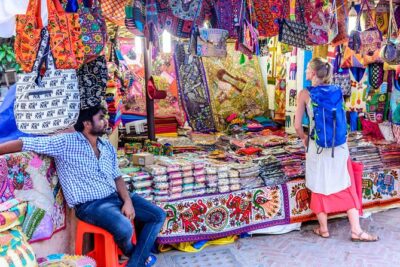
Finally, Colaba Market gives you the “everyday carnival” angle. If you want shopping that feels local—spices, small gifts, and casual browsing—this is a great time window.
Practical consideration: Mumbai days can feel intense on the senses. If you need quiet breaks, build them into your day rather than waiting until you’re drained.
Cochin (Kochi) and day 11 backwaters: Vembananad Lake boat ride
After Mumbai, your route heads to Kochi (Cochin), described as a commercial port city with trading history reaching back centuries. The plan allows pickup from Cochin Airport with a name board, and early arrivals may get time to explore depending on your schedule.
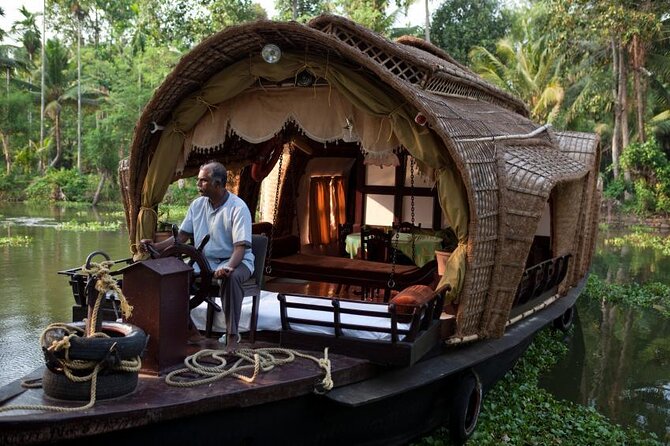
Then Kerala shows up the way Kerala does: through water and pace. The backwaters stop is built around a boat ride on Vembananad Lake. This is one of the experiences in the plan that tends to feel different from the rest—less monument, more lived-in scenery.
You’re meant to notice the details: fishermen at work, children swimming, women doing daily chores along narrow strips of land. There’s also a “go with the flow” vibe to it—meeting places along the way rather than forcing you into one fixed script.
One review highlight that matches the spirit here: the boat experience can turn into a fun, spontaneous moment—people even described it as boat-dancing. So if you’re the kind of person who likes lighthearted travel surprises, you’ll probably enjoy the mood.
Food note (worth taking seriously): one group advised being careful with the chili level in local dishes. Kerala flavors can be bold, so if you’re heat-sensitive, tell your guide early and ask for mild options.
Thekkady days 12–13: Periyar boating plus spice and market time
Thekkady is where your trip shifts from culture landmarks to nature and senses. The plan includes boating on Lake Periyar, plus time around wildlife viewing and unique animal sanctuaries. Even if you don’t get perfect animal spotting every moment, the value is that you’re experiencing Periyar’s water and forest edge as a system, not as a photo backdrop.
The day also includes a visit to spice plantations—cardamom, cinnamon, pepper, and coffee—and then tea states time. The point isn’t only tasting; it’s understanding why this region’s climate creates those crops.
You’ll also have local market time for natural seasonings to take home. This is where the trip turns practical: you go back with flavors you can actually use later, not just decorative souvenirs.
Days 12 and 13 are both framed around Thekkady with similar themes (Periyar and plantations). That duplication is a good thing if you want a full nature stretch instead of rushing through it in a single morning.
What to expect: these are longer, warmer days. Keep water with you and treat shade like it’s a feature, not an accident.
Munnar on day 14: Eravikulam National Park, tea country, and lake stops
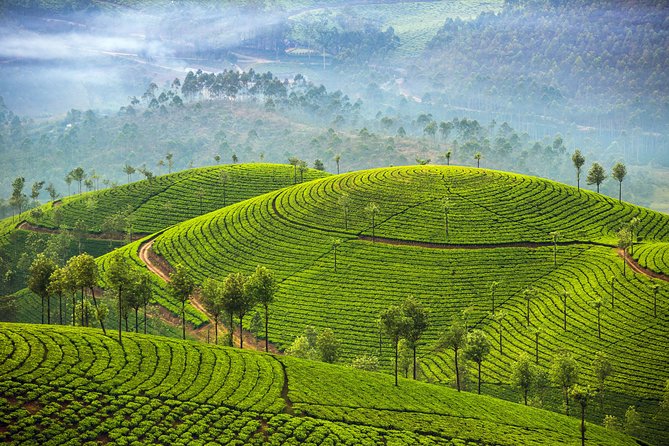
Then the trip climbs into Munnar, described as one of the highest tea-growing lands in the world. If you like tea with a view, this is a strong match.
The plan includes Eravikulam National Park, home of the endangered Nilgiri Thar (Ibex). Even when animal sightings aren’t guaranteed, the park time is valuable because it changes your sense of scale—Munnar isn’t just “tea photos,” it’s a real ecosystem.
You also visit Mattupetty Dam, the Indo Swiss Dairy farm, and Kundala Lake. That mix matters because it keeps you from getting locked into only one theme. You’re seeing water management, agriculture, and scenic lake time within the same day.
Returning to Delhi on days 15–16: keep it light, or squeeze in one last walk
On day 15, you’re back in New Delhi with a choice: relax at your hotel or do more Delhi exploring if you’re still energetic. The plan keeps it flexible rather than forcing more checklist time.
On day 16, you’re guided to the airport based on your flight schedule. This matters because end-of-trip fatigue is real, and a clean landing beats a last-minute scramble.
Price and value: what $2,376 covers in real terms
At $2,376 per person for roughly 16 days, the best way to judge value is by what you’re not doing yourself.
You’re paying for:
- airport pickups and transfers tied to your arrival/departure
- private group touring (only your group participates)
- built-in time blocks for major monuments across multiple regions
- admission planning for many sights (some stops are marked as included, others as free)
- a structured route that connects Delhi, the Taj/Agra area, cave country, Mumbai, then down to Kerala backwaters and tea country
This isn’t a “budget backpacker” price. But it can be good value if you want low-friction travel: someone handles the moving pieces while you focus on the highlights and the human pace of each place.
Where you can lose value is if you want total independence. This plan is designed to keep you together and follow the flow of organized timing.
Who should book this Kerala and Tamil Nadu Dreamscape trip?
I’d think of it as best for people who:
- like big landmark days mixed with calmer nature time
- want both cave artistry (Ajanta/Ellora) and Kerala water scenery (Vembananad)
- don’t want to plan transport between North India and Kerala
- enjoy varied days: mosques, forts, markets, caves, wildlife, plantations
I’d reconsider if you:
- want to spend only time in Kerala (this route also includes Delhi, Jaipur, Agra, Mumbai)
- dislike long travel days and constant schedule shifts across regions
- want a guaranteed “only Tamil Nadu” focus (the cities listed here are Delhi, Jaipur, Agra, Ajanta & Ellora, Mumbai, Cochin, Alleppey, Thekkady, and Munnar)
Should you book it?
Yes—if you want a single trip that covers Mughal monuments + UNESCO caves + Kerala backwaters + Periyar + Munnar, with pickup support and private group structure. The price can feel high until you factor in how much route-planning and coordination you’re handing off.
If you’re sensitive to pace, treat the plan as a “route adventure.” Bring comfortable shoes, plan for warm weather, and be ready to enjoy contrast rather than expecting one single style of travel the whole time.
FAQ
How long is the trip?
It runs for about 16 days.
Where does the tour start?
It starts in New Delhi, with the meeting point at Indira Gandhi International Airport.
Are pickups included?
Yes. Pickup is offered, including pickup from Delhi Airport on arrival and from Cochin Airport as well.
What cities and areas are included?
The listed visited places are Delhi, Jaipur, Agra, Ajanta & Ellora Caves, Mumbai, Kochi (Cochin), Alleppey, Thekkady, and Munnar.
Is there a backwaters boat ride?
Yes. You’ll enjoy a boat ride on Vembananad Lake during the Kerala backwaters day.
What is included in Thekkady?
The plan includes boating on Lake Periyar, along with visits connected to spice plantations and local shopping for seasonings.
Is this tour private?
Yes. Only your group will participate.
Is the booking refundable?
No. The experience is non-refundable and cannot be changed for any reason.
If you tell me your travel month and whether you prefer sunrise/sunset sights (especially the Taj Mahal), I can suggest how to time your energy on the biggest days.
More Tour Reviews in New Delhi
- Old & New Delhi City Tour – Half or Full Day Options Available
★ 5.0 · 4,811 reviews - Half Day Private Delhi City Tour
★ 5.0 · 4,474 reviews - Same Day Taj Mahal, Agra Fort & Baby Taj Tour from Delhi by Car
★ 5.0 · 4,304 reviews - Taj Mahal Day Tour from Delhi by Superfast Train – TOP RATED TOUR
★ 5.0 · 4,166 reviews - Delhi: Old and New Delhi Private Full or Half-Day Tour
★ 4.9 · 3,776 reviews
Just added: more New Delhi reviews to browse
- 4 days Golden Triangle Tour★ 5.0 · 3 reviews
- Discover Old & New Delhi: Private Tour with Street Food★ 5.0 · 3 reviews
- Taj Mahal Tour From Delhi By Private Car★ 4.5 · 3 reviews
- Golden Triangle Tour 5 Days★ 5.0 · 3 reviews
- Taj Mahal: Express Entry Ticket For Sunset Tour with guide★ 5.0 · 3 reviews
- Agra Taj Mahal Sunrise & Sunset Tour from Delhi★ 5.0 · 3 reviews