
Reviewed · TOURS
Nizamuddin Tour
One of Delhi’s most soulful neighborhoods is Nizamuddin. This area mixes Sufi devotion, old Urdu poetry, and everyday market life in a compact walk you can actually finish in 2 hours. You’ll follow winding lanes through an old Muslim quarter tied to Nizamuddin Auliya and the Chishti Sufi tradition.
I like how the tour is built around a place you can feel. Nizamuddin is named for Hazrat Nizamuddin Auliya, and the visit to his tomb is a major focal point, not a quick photo stop. I also appreciate the variety: you get a mix of sacred sites and the everyday scenes like the itr perfume market.
One consideration: you’ll be moving through tight streets in a busy neighborhood, so it may feel crowded or hectic at times. If you prefer wide-open spaces and quiet museums, this walking experience may not match your vibe.
In This Review
- Key things to know
- Why Nizamuddin feels different from the rest of Delhi
- Hazrat Nizamuddin Auliya: the shrine stop that sets the tone
- The poetry stops: Ghalib and Khusrau in the same walk
- Narrow lanes and old neighborhood texture
- The itr perfume market: where scent meets daily life
- How a private 2-hour format changes what you notice
- Price and value: is $35 worth it?
- Getting there: the meeting point matters in this area
- Choosing the right guide: ask for Salman
- Who this tour suits best (and who might skip it)
- Should you book the Nizamuddin Tour?
- FAQ
- How long is the Nizamuddin tour?
- How much does the Nizamuddin tour cost?
- Where do we meet for the tour?
- Does the tour end at the same place it starts?
- Is this a private tour?
- What is the main shrine stop on the tour?
- What else do you see besides the Nizamuddin Aulia shrine?
- Is there a mobile ticket?
- Is the meeting point near public transportation?
- What is the cancellation policy?
Key things to know
- Hazrat Nizamuddin Auliya tomb visit centers the route, with admission listed as free
- Nizamuddin’s scale is tiny: about 20,000 people live in roughly one square kilometer
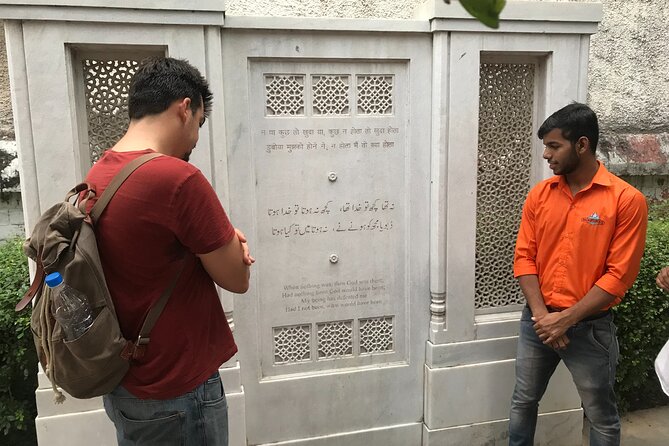
- You’ll pair devotion with art by stopping at the shrines of Ghalib and Khusrau
- Itr perfume market time connects spiritual history to present-day local commerce
- Private tour for your group means you won’t share the guide with strangers
- Salman is a standout guide name you can request for history and a calm, safe-feeling tour
Why Nizamuddin feels different from the rest of Delhi
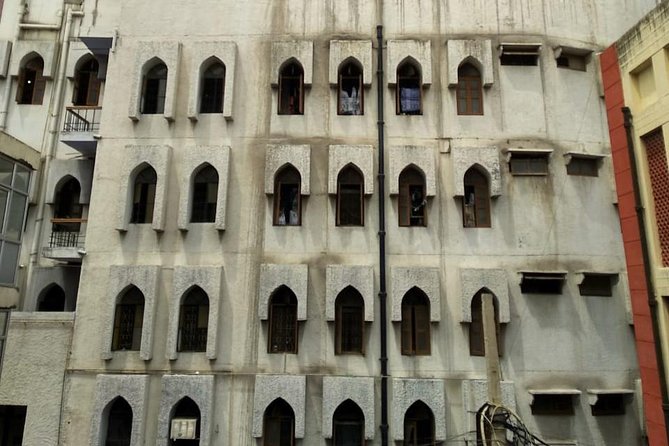
Nizamuddin is one of those places where history isn’t behind glass. It’s inside daily life. The neighborhood is predominantly Muslim and among the oldest continuously lived-in areas of Delhi, packed into about one square kilometer. That density matters. It’s why the tour works so well: you don’t just read about the past, you move through a current-day community.
The name gives you the main thread right away. The area is named after Nizamuddin Auliya, a famous Sufi saint of the Chishti order, and his tomb is a prominent stop. Even if you’re not a deep Sufi scholar, you’ll quickly understand why people come: this isn’t a distant monument. It’s a living spiritual destination.
I also like that the tour doesn’t only focus on religion. You’ll see ornate mosque spaces and then shift toward ordinary market energy, including the itr perfume scene. That balance is the point. Delhi’s “old” isn’t one thing. In Nizamuddin, it’s both devotion and commerce, poetry and daily errands.
Still deciding? Here is how it stacks up against other Delhi picks we have written up.



Hazrat Nizamuddin Auliya: the shrine stop that sets the tone
The highlight is the visit to Hazrat Nizamuddin Auliya, with the listed stop time around 15 minutes and admission noted as free. Short, but meaningful. This is exactly the kind of stop that benefits from a good guide, because it’s easy to feel something and still miss what it means.
What you can expect is a strong shift from “tour mode” into “observe mode.” You’ll be in a sacred space tied to centuries of devotion, connected to the Chishti Sufi tradition. The area’s identity centers on this saint, so the tomb is more than a landmark. It’s the anchor that explains why Nizamuddin became a destination for pilgrims and visitors over time.
Practical tip: if you care about getting the details right, make sure your guide is talking as you approach and during your time inside or near the shrine areas. With a guide like Salman, the storytelling reportedly comes with real historical context and clarity, so you leave with more than just a landmark memory.
The poetry stops: Ghalib and Khusrau in the same walk
One of the smartest parts of this tour is how it threads art through geography. You don’t just visit places; you visit names that shaped Urdu poetry: Ghalib and Khusrau. Their shrines are listed as stops, and that matters because it turns your stroll into a timeline of ideas, not just architecture.
Here’s why that works for you: poetry culture in North India isn’t separate from religious and social life. In Nizamuddin, you’re not treating poetry like a school lesson. You’re encountering it in a place where people historically gathered, remembered, and honored the voices behind the ghazals.
I like that the tour doesn’t make you choose between sacred and cultural. It gives you both, so you can walk away thinking about Delhi as a place where spiritual life and literary excellence lived side by side.
Narrow lanes and old neighborhood texture
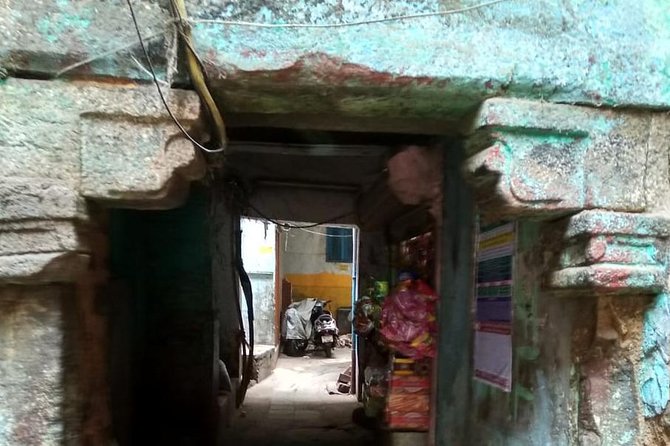
The route through Nizamuddin is described as winding through narrow streets and markets. That detail isn’t just atmospheric. It’s also practical. Tight lanes force slower movement and more attention to what’s around you: storefronts, signage, small religious spaces, and the constant flow of local life.
What I’d watch for: crowds can build near popular religious stops and busy market stretches. The good news is the tour is short, around 2 hours, so you’re not stuck out there all day hoping the energy level changes.
If you’re the type who likes to understand a city through everyday sightlines, this part will click. You get a close-up view of how the quarter has been sustained for a long time, with an area population estimated around 20,000 people living in about one square kilometer.
The itr perfume market: where scent meets daily life
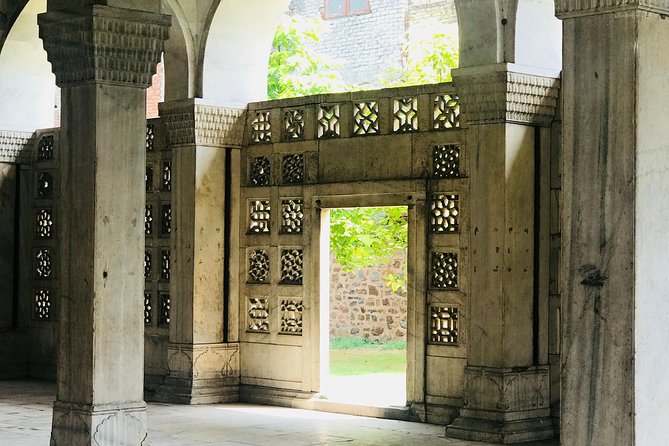
One of the most memorable “secular” moments is the visit to the itr perfume market. Itr is a distinctive part of South Asian fragrance culture, and a market stop like this does something important for your understanding: it brings present-day identity into the same conversation as older religious meaning.
This isn’t just about smelling perfumes. It’s about understanding how traditions stay relevant. In a neighborhood named for a Sufi saint, you still see people buying and selling, planning weddings, handling gifts, and moving through the day. That blend is what makes Nizamuddin feel like an actual quarter, not a staged attraction.
Tip for getting the most out of the market portion: go in with curiosity, not shopping pressure. Even if you don’t buy anything, pay attention to how the market operates and how locals move through it.
How a private 2-hour format changes what you notice
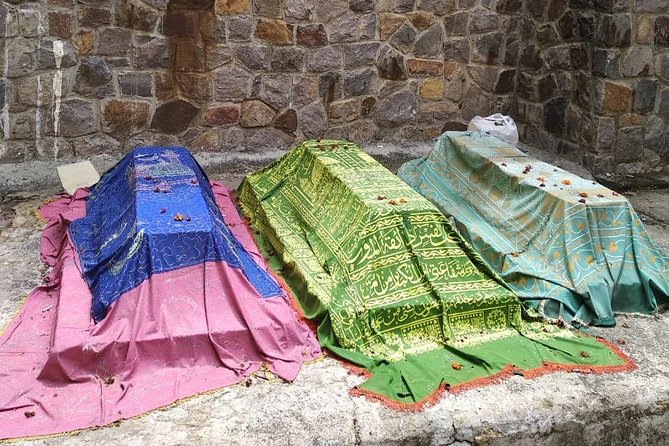
This is a private tour/activity, meaning it’s only your group. That matters more than people think. In a place like Nizamuddin, a guide’s pacing can affect everything: how long you linger near a shrine, when you step aside for foot traffic, and what details you catch in the middle of a lane.
The duration is listed as about 2 hours, which is a sweet spot. Long enough to see multiple stops and connect the dots, short enough that you’re not exhausted in the middle of the day. You’re also not forced to rush through the emotional parts.
For best results, keep your expectations realistic. This is not a broad drive-by history lesson across all of Delhi. It’s a focused walk in one concentrated neighborhood, designed to make you feel how Nizamuddin works as a living place from the 14th century through to today.
Price and value: is $35 worth it?
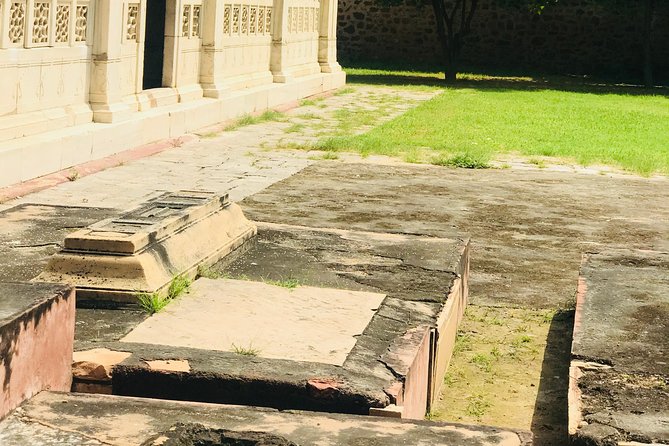
The price is $35.00 per person, with mobile ticket delivery. On value, I think it’s fair if you want guided context in a compact route. You’re paying for more than access to a shrine. You’re paying for interpretation: how Nizamuddin Auliya connects to the Chishti order, why the poet shrines fit into the same neighborhood story, and how the market atmosphere relates to the quarter’s ongoing identity.
Also, a private format tends to feel better than a large-group tour when you’re walking through smaller streets. Fewer people in the mix usually means the guide can slow down when something matters, rather than constantly herding the group.
One more practical point: confirmation is received at time of booking, and the tour uses a mobile ticket. That reduces friction when you’re juggling transit and timing in Delhi.
Getting there: the meeting point matters in this area
The listed start is Nizamuddin Police Station in Nizamuddin, Nizamuddin West, New Delhi, Delhi 110013, and the activity ends back at the meeting point. The “returns to start” detail is helpful because you’re not planning a second leg afterward.
It also helps that the tour is noted as near public transportation. In a neighborhood with tight streets, having a meeting point that’s reachable by transit is a big deal.
If you’re using maps, zoom in close to confirm you’re at the correct police station area. In older neighborhoods, street numbering and nearby landmarks can be confusing, even when the general area is correct.
Choosing the right guide: ask for Salman
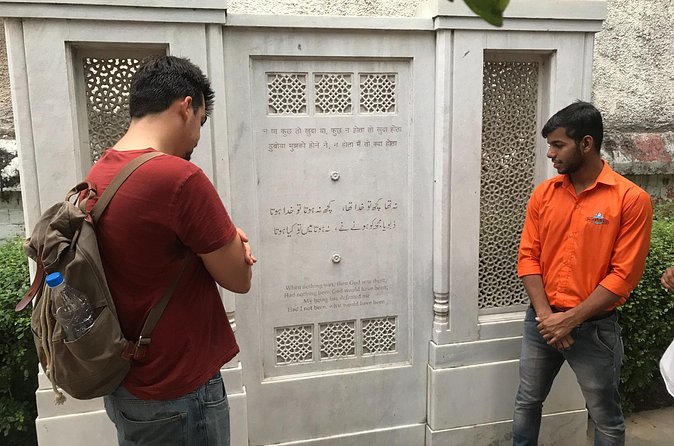
The best praise tied to this experience centers on the guide Salman. The comments emphasize that he knows the history of this part of Delhi and that the shrine visit felt unforgettable. There’s also mention of the tour feeling safe and lovely, which matters in a crowded, active neighborhood.
If you care about storytelling quality and calm guidance, Salman is the name to look for. Ask when you book if you can request him, and go into the tour with one mindset: let the guide explain what you’re seeing as you walk. That’s when Nizamuddin clicks.
Who this tour suits best (and who might skip it)
This tour fits you if you want:
- a short, guided walk focused on one neighborhood
- a blend of sacred sites and everyday culture
- a way to understand Delhi through Sufi history and Urdu poetry
You might consider something else if you:
- want a long, museum-style itinerary with more open spaces
- dislike moving through tight lanes and active street life
The good thing is the time commitment is small. If you’re curious and want a meaningful taste of Nizamuddin without spending half a day, this is a strong match.
Should you book the Nizamuddin Tour?
Yes, I’d book it if you’re looking for an authentic-feeling neighborhood experience with real interpretation. The combination of Hazrat Nizamuddin Auliya, the poet shrines of Ghalib and Khusrau, and the market moment around itr perfume gives you more than one kind of Delhi history. Add the private format and a guide like Salman, and it’s easier to get value from a short walk.
If you go in expecting a fast checklist of sights, you’ll miss the point. Go in ready to notice how the quarter works as a living community tied to centuries of faith, language, and daily trade.
FAQ
How long is the Nizamuddin tour?
It lasts about 2 hours.
How much does the Nizamuddin tour cost?
The price is $35.00 per person.
Where do we meet for the tour?
The meeting point is Nizamuddin Police Station, Nizamuddin, Nizamuddin West, New Delhi, Delhi 110013, India.
Does the tour end at the same place it starts?
Yes, it ends back at the meeting point.
Is this a private tour?
Yes. Only your group will participate.
What is the main shrine stop on the tour?
You visit Hazrat Nizamuddin Aulia, with admission listed as free and about 15 minutes for that stop.
What else do you see besides the Nizamuddin Aulia shrine?
You also stop at the shrines of Ghalib and Khusrau, see ornate mosques, and visit the itr perfume market.
Is there a mobile ticket?
Yes, the tour provides a mobile ticket.
Is the meeting point near public transportation?
Yes, it is noted as near public transportation.
What is the cancellation policy?
You can cancel for a full refund up to 24 hours in advance of the experience start time. Canceling less than 24 hours before the start time does not receive a refund.
More Tours in New Delhi
- Old & New Delhi City Tour – Half or Full Day Options Available
★ 5.0 · 4,811 reviews - Half Day Private Delhi City Tour
★ 5.0 · 4,474 reviews - Same Day Taj Mahal, Agra Fort & Baby Taj Tour from Delhi by Car
★ 5.0 · 4,304 reviews - Taj Mahal Day Tour from Delhi by Superfast Train – TOP RATED TOUR
★ 5.0 · 4,166 reviews - Delhi: Old and New Delhi Private Full or Half-Day Tour
★ 4.9 · 3,776 reviews
More Tour Reviews in New Delhi
- Old & New Delhi City Tour – Half or Full Day Options Available
★ 5.0 · 4,811 reviews - Half Day Private Delhi City Tour
★ 5.0 · 4,474 reviews - Same Day Taj Mahal, Agra Fort & Baby Taj Tour from Delhi by Car
★ 5.0 · 4,304 reviews - Taj Mahal Day Tour from Delhi by Superfast Train – TOP RATED TOUR
★ 5.0 · 4,166 reviews - Delhi: Old and New Delhi Private Full or Half-Day Tour
★ 4.9 · 3,776 reviews
Just added: more New Delhi reviews to browse
- 4 days Golden Triangle Tour★ 5.0 · 3 reviews
- Discover Old & New Delhi: Private Tour with Street Food★ 5.0 · 3 reviews
- Taj Mahal Tour From Delhi By Private Car★ 4.5 · 3 reviews
- Golden Triangle Tour 5 Days★ 5.0 · 3 reviews
- Taj Mahal: Express Entry Ticket For Sunset Tour with guide★ 5.0 · 3 reviews
- Agra Taj Mahal Sunrise & Sunset Tour from Delhi★ 5.0 · 3 reviews
Tours, compared.
 ★ 5.0Old & New Delhi City Tour – Half or Full Day Options AvailableFrom $384,811 reviews
 ★ 5.0Half Day Private Delhi City TourFrom $374,474 reviews
 ★ 5.0Same Day Taj Mahal, Agra Fort & Baby Taj Tour from Delhi by CarFrom $624,304 reviews
 ★ 5.0Taj Mahal Day Tour from Delhi by Superfast Train – TOP RATED TOURFrom $1004,166 reviews
 ★ 4.9Old and New Delhi Private Full or Half-Day TourFrom $23,776 reviews
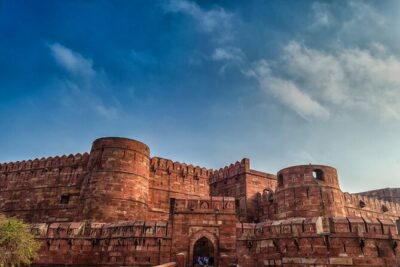 ★ 5.0Full Day Taj Mahal, Agra Fort & Baby Taj Tour from Delhi by CarFrom $623,647 reviews
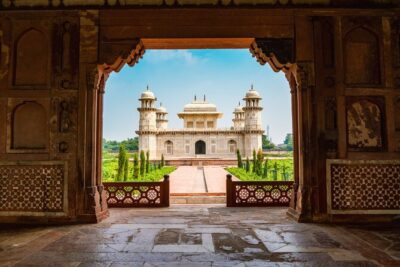 ★ 5.0Taj Mahal Tour from Delhi by Express Train (Viator Award Winner)From $752,849 reviews
 ★ 5.0All Inclusive Private Taj Mahal Luxury Tour from Delhi by CarFrom $622,564 reviews