
Reviewed · AGRA DAY TRIPS FROM DELHI
Private 4-Day Golden Triangle Tour – Delhi Agra and Jaipur
The Golden Triangle is famous for a reason, and doing it by private car + guided stops makes the whole loop feel manageable. You’re not stuck decoding buses or trains with luggage and timing pressure, and each city gets its own local guide to explain what you’re actually looking at.
I especially like how the day plan is built around big landmarks you’d otherwise spend hours researching, from Jama Masjid in Old Delhi to the Taj Mahal on your Agra day. The other win is that you get hotel pickup and drop-off, so the tour can start and end on your schedule rather than public-transit timetables. One possible drawback: the itinerary is packed, and some entrance fees can be listed one way in the stop notes and another way in the inclusions—so confirm what you’ll pay on the spot for your exact departure date.
In This Review
- Key things to know before you commit
- Why a private Golden Triangle driver beats trains and buses
- Day 1 in Delhi: Jama Masjid, Gandhi’s memorial, and Mughal landmarks
- Jama Masjid and Old Delhi’s atmosphere
- Raj Ghat and the quiet pause
- India Gate, Rashtrapati Bhavan, and Parliament views
- Humayun’s Tomb, Lotus Temple, and Qutub Minar
- Transfer to Agra via the Yamuna Expressway
- Day 2 in Agra: sunrise Taj Mahal, Agra Fort, and “Baby Taj” calm
- Taj Mahal sunrise + guided interior
- Agra Fort and the feel of a royal seat
- Itmad-ud-Daula (the “Baby Taj”) for more refined detail
- Fatehpur Sikri: a whole city in one outing
- Evening transfer to Jaipur and a real chance to reset
- Day 3 in Jaipur: City Palace, Jantar Mantar, Hawa Mahal, Albert Hall
- City Palace: Maharaja life in layers
- Jantar Mantar: when math turns into monuments
- Hawa Mahal: the Palace of Breeze from multiple angles
- Albert Hall Museum for a break from temples and forts
- Day 4 in Jaipur: Royal cenotaphs, Jal Mahal views, Panna Meena stepwell, and Amer
- Royal Gaitor Tumbas: marble and sandstone memorials
- Jal Mahal: quick lake-palace visual payoff
- Panna Meena ka Kund: stepwell geometry and cool shade
- Amer: the hilltop finale
- What’s actually included (and why it matters day to day)
- Price and value: what $270 buys you in four days
- Timing tips that make the itinerary feel smoother
- Is this the right tour for you?
- FAQ
- Is this a private tour or a shared group tour?
- What’s included for sightseeing and guides?
- Do I get hotel pickup and drop-off?
- What transportation do I use during the trip?
- Is accommodation included?
- Are meals included?
- Are entrance fees included for monuments?
- When is the Taj Mahal closed?
- What size vehicle do we ride in?
Key things to know before you commit
- Hotel pickup and drop-off cut out wasted time at stations and help you stick to the plan.
- Private local guides in each city mean you’re not just taking photos—you’re learning what matters.
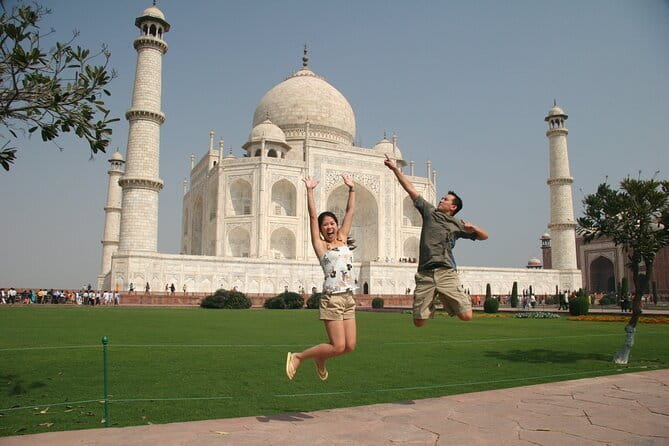
- Sunrise Taj Mahal timing is built into the schedule, which is a big reason this tour works.
- A mix of “must-sees” and quieter stops keeps the trip interesting beyond the obvious highlights.
- Your driver also handles the pacing, which helps when traffic and crowds shift your day.
Why a private Golden Triangle driver beats trains and buses
The Golden Triangle route is straightforward on a map—Delhi to Agra to Jaipur—but the real work is getting around. With this tour, your day-to-day transportation is handled by an English-speaking driver in a private, air-conditioned vehicle. That means you can focus on sightseeing instead of negotiating schedules, stations, and transfers.
And because it’s a private tour (your group only), you don’t have to match someone else’s pace. If you want extra time at a viewpoint or need a quick break, you can usually make that happen without derailing the whole day.
Other Agra runs out of Delhi worth a look




Day 1 in Delhi: Jama Masjid, Gandhi’s memorial, and Mughal landmarks
Day 1 is a classic Delhi mix: Old Delhi spirituality and history, then grand New Delhi government monuments, then Mughal-era architecture that anchors everything.
Jama Masjid and Old Delhi’s atmosphere
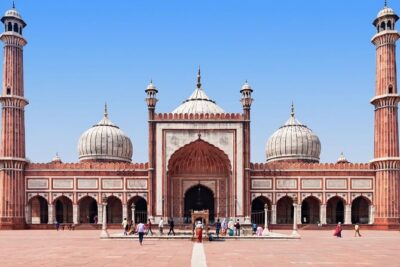
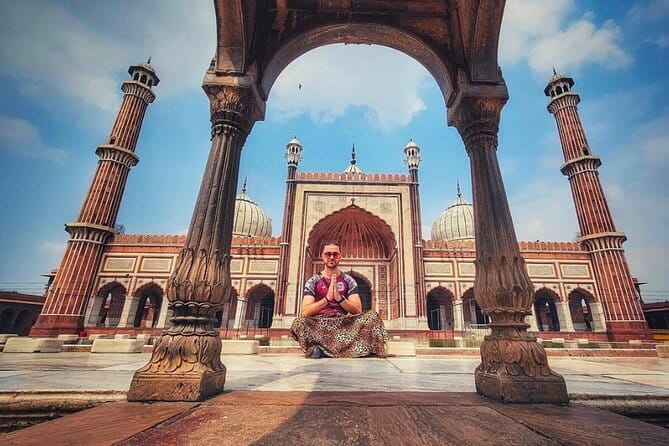
You start at Jama Masjid, one of the largest mosques in India, built under Mughal Emperor Shah Jahan (1644–1658). This is the kind of place where your guide’s context matters—architecture, calligraphy, and the way the space is used all land better when you understand what you’re seeing.
Raj Ghat and the quiet pause
Next is Raj Ghat, the memorial marking where Mahatma Gandhi’s cremation took place in 1948. Even if you’ve read about Gandhi, the plain black marble platform and eternal flame give it a different weight—more reflective, less postcard.
India Gate, Rashtrapati Bhavan, and Parliament views
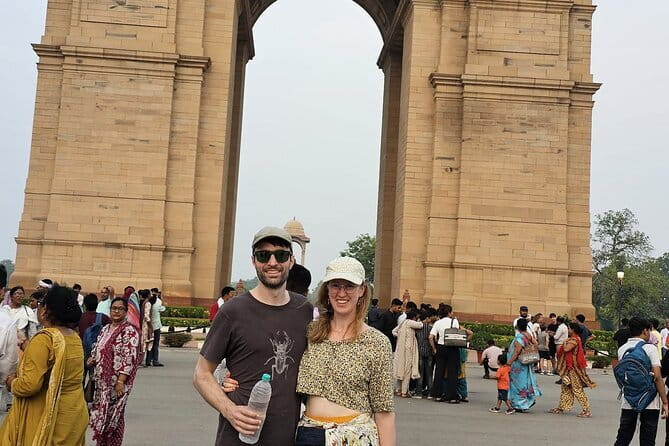
Then you move to India Gate, the 42-meter war memorial with names of soldiers inscribed across it. After that, you’ll stop at Rashtrapati Bhavan (the President’s residence) and Parliament House, designed by Sir Edwin Lutyens and completed in the late 1920s. These stops are more about scale and structure than long visits, so if you like photo angles, this part delivers fast.
Chasing the Pink City? More Jaipur day trips
Humayun’s Tomb, Lotus Temple, and Qutub Minar
The afternoon leans into iconic landmarks:
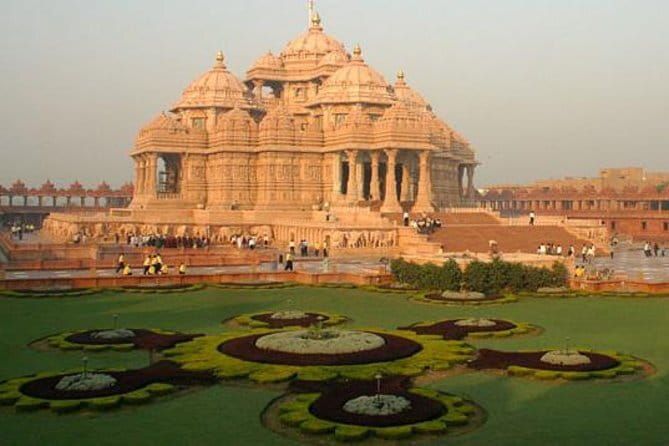
- Humayun’s Tomb: a UNESCO World Heritage Mughal tomb complex with Persian-style gardens and a grand dome.
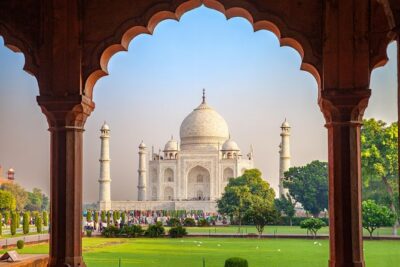
- Lotus Temple: a Baháʼí House of Worship with the lotus-like form, open to all religions for quiet contemplation.
- Qutub Minar: a UNESCO World Heritage site and the towering Indo-Islamic landmark built in the 12th century.
This trio works well because it shows Delhi’s different layers—Mughal grandeur, modern spiritual architecture, then early Islamic-era artistry. The main consideration is time and walking comfort, because the day moves from site to site with limited downtime.
Transfer to Agra via the Yamuna Expressway
After Delhi, you drive to Agra. The schedule mentions the Yamuna Expressway as the route, and it’s designed to make the transfer smoother, usually around three hours. When you’re tired from Delhi crowds, the private ride is a real relief.
Day 2 in Agra: sunrise Taj Mahal, Agra Fort, and “Baby Taj” calm
Agra day is built around the Taj experience, then expands out to other Mughal power and craft.
Taj Mahal sunrise + guided interior
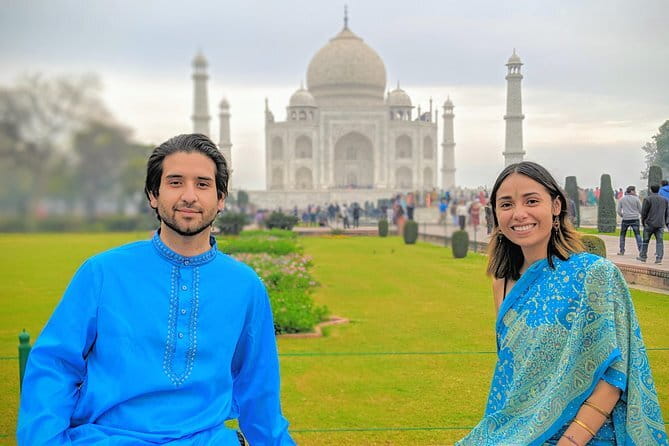
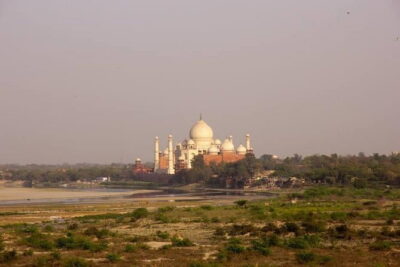
Day 2 starts with the Taj Mahal at sunrise, followed by a guided tour inside for about two hours. Sunrise matters here—not just for photos, but for comfort. Early light is softer, and the crowds tend to feel less intense than later in the morning.
Inside, your guide should help you connect the design details to the story of Shah Jahan and the Mughal court. It’s one thing to see the building; it’s another to understand why the symmetry and marble work were so carefully executed.
Practical heads-up: the Taj Mahal is closed on Fridays for general viewing. If your trip lands on a Friday, you’ll want the operator to adjust the plan.
Agra Fort and the feel of a royal seat
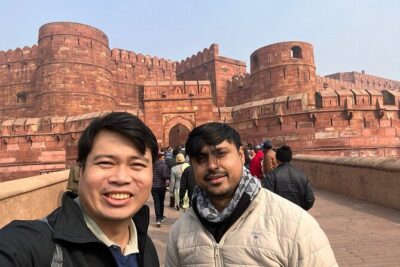
Next is Agra Fort, a UNESCO World Heritage site that once functioned as the main residence of Mughal emperors. Expect palaces, balconies, and gardens—spaces that help you picture how rulers moved through power.
If you like architecture and layout, this stop can be more satisfying than another quick viewpoint, because the fort shows how administration and living were combined.
Itmad-ud-Daula (the “Baby Taj”) for more refined detail
Then you visit Itmad-ud-Daula, often compared to the Taj Mahal for its marble and decorative style. This is a great contrast after the big-scale drama of the Taj. You can slow down and focus on the details your eyes might skip when you’re overwhelmed by the main monument.
Fatehpur Sikri: a whole city in one outing
You also include Fatehpur Sikri, a UNESCO World Heritage site built by Emperor Akbar. It served as the Mughal capital for a brief period, so you’ll feel the scale of ambition even if the city wasn’t permanent.
This stop takes time (about two hours in the plan), and it’s a long day with driving. But if you enjoy history you can walk through, Fatehpur Sikri is a strong addition.
Evening transfer to Jaipur and a real chance to reset
After Agra sightseeing, you continue to Jaipur, check in, and unwind. That buffer matters. Golden Triangle days can feel relentless, and having time to wash up and eat comfortably helps your energy for the next morning.
Day 3 in Jaipur: City Palace, Jantar Mantar, Hawa Mahal, Albert Hall
Jaipur day is all about landmark variety—royal residence, science instruments, a palace façade, and a museum built during British-era modernization.
City Palace: Maharaja life in layers
Start with the City Palace, built in 1721 and once the administrative and ceremonial center for Jaipur’s rulers. You’re not just walking halls; you’re moving through a political story. A guide helps you read what’s ceremonial versus what’s functional.
Jantar Mantar: when math turns into monuments
Next is Jantar Mantar, a UNESCO World Heritage site with nineteen astronomical instruments built in 1734 by Sawai Jai Singh II. This is one of those stops where a guide can totally change the experience. You’ll see the structures as tools for tracking time and measuring the sky—not just metal or stone shapes.
Hawa Mahal: the Palace of Breeze from multiple angles
You also stop at Hawa Mahal, the five-story honeycomb-like façade made of red and pink sandstone, built in 1799. You’ll get viewpoints to appreciate the design. The main limitation is that the outside look is the star here, so plan to enjoy photos and façades more than extended interior wandering.
Albert Hall Museum for a break from temples and forts
Then you’ll visit Albert Hall Museum, Rajasthan’s oldest museum (built in 1876). It mixes Indian and European architecture and offers art, textiles, sculptures, and historical artifacts. After big monuments, this is a useful change of pace.
Day 4 in Jaipur: Royal cenotaphs, Jal Mahal views, Panna Meena stepwell, and Amer
Day 4 leans slightly off the usual route while still hitting Jaipur’s must-see edges. You’ll get scenic lake views, a stepped water structure, and then a major fortress town.
Royal Gaitor Tumbas: marble and sandstone memorials
You start with Royal Gaitor Tumbas, famous for royal cenotaphs of Jaipur’s maharajas at the base of the Aravalli hills. If you like architecture with symbolism, this is one of the more interesting non-temple stops in the area.
Jal Mahal: quick lake-palace visual payoff
Next is Jal Mahal, the palace that appears to float on Man Sagar Lake. The time here is short (about 15 minutes), so think of it as a visual reset. It’s ideal if you want a scenic moment without losing the day to wandering.
Panna Meena ka Kund: stepwell geometry and cool shade
Then you visit Panna Meena ka Kund, a stepwell built in the 16th century. The key feature is the geometric layout of levels that lead down to water. Even if you only spend half an hour, this stop can feel unexpectedly relaxing because stepwells often offer a cooler, quieter environment.
Amer: the hilltop finale
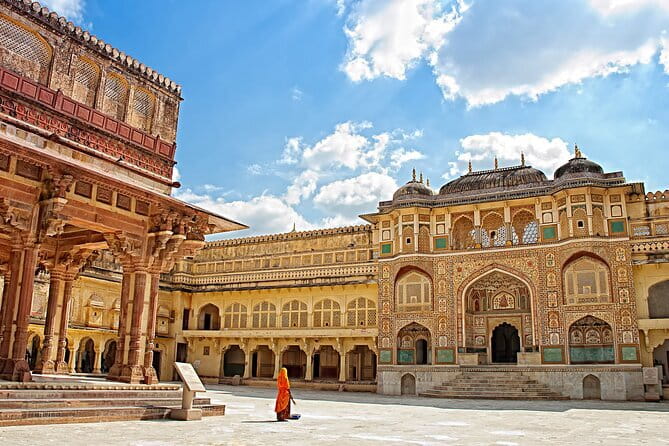
Finally, you go to Amer, a historic town near Jaipur known for its heritage buildings, temples, and havelis in the Aravalli hills. The schedule gives about two hours here, which is enough time to see the main highlights without turning your last day into a slog.
If you want a “wrap it up strong” ending, Amer is a good choice.
What’s actually included (and why it matters day to day)
This tour includes:
- Private local guides for sightseeing tours
- Hotel or airport pickup and drop-off
- Transport in a private air-conditioned vehicle with an English-speaking driver
- 3-nights accommodation if you book the option that includes hotels
- Daily hotel breakfast (3 breakfasts)
- Monument entrance fees (listed as included)
- Mobile ticket and a private-group setup
In real terms, these inclusions reduce friction. The guides help you avoid the most common Golden Triangle mistake: seeing buildings without understanding them. And the private driver reduces decision fatigue. You don’t have to ask which bus, which gate, or which turn—your day is already stitched together.
One thing to be aware of: the stop descriptions sometimes say admission tickets are not included, while the inclusions section says monument entrance fees are included. Before you go, confirm what’s covered for each site and whether anything changes on specific dates.
Price and value: what $270 buys you in four days
At $270 per person for about four days, the value is strongest if you care about convenience and time. This isn’t a budget “see what you can” route. You’re paying for:
- Private air-conditioned transportation
- Hotel pickup and drop-off
- English-speaking driver support
- Private local guides in each city
- Breakfast for three mornings (plus accommodation if you choose that option)
If you were to do this on your own—buying guides, arranging car transfers, and managing hotel logistics—you’d likely spend similar money once you price the time saved and the stress removed. The biggest savings you get from this format is not just money. It’s the ability to keep your schedule intact while traffic, crowd timing, and monument rules shift.
Timing tips that make the itinerary feel smoother
The itinerary is designed around set-piece highlights, but you can make it feel more comfortable with a few habits.
- Start early on the Taj morning. You’ll be happier if you treat sunrise as a priority, not an optional extra.
- Wear shoes you can walk in for long spans. Several stops include 30–60 minute visits, and the day stacks up.
- Keep a small snack strategy for the gaps. Lunch and dinner are not included, so you’ll want a plan for meals between major sights.
- If you’re traveling on a Friday, plan around the Taj closure rule. Ask for the best alternate schedule before you finalize your day.
Is this the right tour for you?
Book this tour if you want a clean, low-stress Golden Triangle experience with private guides and a driver who handles transportation. It’s especially a good fit for first-time visitors to India who find public transit intimidating or exhausting, and for anyone who’d rather spend energy on sites than logistics.
Consider a different style of travel if you love fully independent exploring and don’t mind managing your own connections. The itinerary is structured, and it moves at a sightseeing pace.
FAQ
Is this a private tour or a shared group tour?
It’s a private tour/activity, meaning only your group participates.
What’s included for sightseeing and guides?
All sightseeing tours come with private local guides.
Do I get hotel pickup and drop-off?
Yes. The tour offers hotel or airport pickup and drop-off.
What transportation do I use during the trip?
You travel by private, air-conditioned vehicle with an English-speaking driver.
Is accommodation included?
If you book the option that includes hotels, you get 3-nights accommodation.
Are meals included?
Meals are not included. Breakfast is included for three days if you book the hotel option.
Are entrance fees included for monuments?
Monument entrance fees are listed as included, but the stop notes sometimes say admission tickets are not included. Confirm what’s covered for your exact dates.
When is the Taj Mahal closed?
The Taj Mahal is closed on Fridays for general viewing.
What size vehicle do we ride in?
Vehicle type depends on group size: a 4-seater sedan for 1–3 passengers, a 6-seater wagon for 3–4, and a ten-seater minivan for 5–10 passengers.
The Full Golden Triangle, More Options
- 3-Days Private Golden Triangle Tour: Delhi, Agra & Jaipur by Car
★ 5.0 · 1,107 reviews - 3-Days Private Golden Triangle Tour: Delhi, Agra & Jaipur by Car
★ 5.0 · 1,098 reviews - 3-Day Delhi, Agra and Jaipur Private Tour – India Golden Triangle
★ 5.0 · 812 reviews - Four-Day Private Luxury Golden Triangle Tour to Agra and Jaipur From New Delhi
★ 5.0 · 807 reviews - 5 Nights 6 Days Private Golden Triangle Tour – Delhi Agra Jaipur
★ 5.0 · 574 reviews
Onward to Jaipur: More Day Trips
- 3-Days Private Golden Triangle Tour: Delhi, Agra & Jaipur by Car
★ 5.0 · 1,107 reviews - 3-Days Private Golden Triangle Tour: Delhi, Agra & Jaipur by Car
★ 5.0 · 1,098 reviews - 3-Day Delhi, Agra and Jaipur Private Tour – India Golden Triangle
★ 5.0 · 812 reviews - Four-Day Private Luxury Golden Triangle Tour to Agra and Jaipur From New Delhi
★ 5.0 · 807 reviews - Jaipur Day Trip from Delhi by Car or Train – All Inclusive
★ 5.0 · 663 reviews
More Agra Day Trips out of Delhi
- Same Day Taj Mahal, Agra Fort & Baby Taj Tour from Delhi by Car
★ 5.0 · 4,304 reviews - Full Day Taj Mahal, Agra Fort & Baby Taj Tour from Delhi by Car
★ 5.0 · 3,647 reviews - From Delhi: Taj Mahal & Agra Private Day Trip with Transfers
★ 4.9 · 3,181 reviews - From Delhi: Taj Mahal and Agra Fort Private Sunrise Tour
★ 4.9 · 2,270 reviews - Sunrise Taj Mahal, Agra Fort & Baby Taj Tour from Delhi by Car
★ 5.0 · 2,243 reviews
Just added: more New Delhi reviews to browse
- 4 days Golden Triangle Tour★ 5.0 · 3 reviews
- Discover Old & New Delhi: Private Tour with Street Food★ 5.0 · 3 reviews
- Taj Mahal Tour From Delhi By Private Car★ 4.5 · 3 reviews
- Golden Triangle Tour 5 Days★ 5.0 · 3 reviews
- Taj Mahal: Express Entry Ticket For Sunset Tour with guide★ 5.0 · 3 reviews
- Agra Taj Mahal Sunrise & Sunset Tour from Delhi★ 5.0 · 3 reviews
Agra Day Trips from Delhi, compared.
 ★ 5.0Same Day Taj Mahal, Agra Fort & Baby Taj Tour from Delhi by CarFrom $624,304 reviews
 ★ 5.0Full Day Taj Mahal, Agra Fort & Baby Taj Tour from Delhi by CarFrom $623,647 reviews
 ★ 4.9From Delhi: Taj Mahal & Agra Private Day Trip with TransfersFrom $43,181 reviews
 ★ 4.9From Delhi: Taj Mahal and Agra Fort Private Sunrise TourFrom $592,270 reviews
 ★ 5.0Sunrise Taj Mahal, Agra Fort & Baby Taj Tour from Delhi by CarFrom $622,243 reviews
 ★ 5.0Taj Mahal and Agra Private Car Tour from Delhi with 5* LunchFrom $331,633 reviews
 ★ 4.9From Delhi: Private Taj Mahal and Agra Tour by Express TrainFrom $751,605 reviews
 ★ 5.0Taj Mahal, Agra Fort, Baby Taj Tour from Delhi by Superfast TrainFrom $751,494 reviews