
Reviewed · AGRA DAY TRIPS FROM DELHI
Private 5 Days Golden Triangle Tour of India – Delhi, Agra and Jaipur
Five days, three cities, one smooth plan. This private Golden Triangle tour strings together Delhi, Agra, and Jaipur with an English-speaking escort, covered entrance fees, and air-conditioned car service so you spend less time sorting logistics and more time seeing India’s most famous sights.
I especially like the airport pickup and drop plus the included driver and permits, because that takes the edge off right away. I also like that you get daily buffet breakfast and multiple included meals, which helps when you’re moving quickly between cities.
One thing to consider: the schedule is packed with many stops and some are short photo-time moments, so you’ll want to keep your expectations realistic—this isn’t a slow museum day.
In This Review
- Key things you’ll notice on this tour
- What you’re really getting from a private Golden Triangle tour
- Day 1 in Delhi: arrival, rest, then you’re ready to go
- Day 2 in Delhi: Old Delhi + Mughal icons + India’s living faiths
- Jama Masjid and Chandni Chowk by cycle rickshaw
- Red Fort and quick photo-time reality check
- Raj Ghat: a quieter pause in the middle of motion
- Gurudwara Bangla Sahib and the meaning of Langar
- Democracy landmarks: Parliament House and Rashtrapati Bhavan
- India Gate, Humayun’s Tomb, and Qutub Minar
- Day 3 in Agra: Taj Mahal sunrise plus Agra Fort inside the same day
- Taj Mahal: why sunrise matters in practice
- Agra Fort: UNESCO fort walls and Mughal-era halls
- Day 4 in Jaipur: City Palace, Jantar Mantar, Hawa Mahal, Jal Mahal, and Jaigarh
- City Palace: Mughal + Rajput style in one royal complex
- Jantar Mantar: big sundials and 18th-century astronomy
- Hawa Mahal: the wind-facade everyone recognizes
- Jal Mahal: the floating palace view (from the shore)
- Galtaji (Monkey Temple): temple life and natural waterfalls
- Jaigarh Fort: hill views and the story of Jaivana
- Day 5: Jaipur to Delhi airport transfer and your departure options
- Hotels, breakfasts, and the driver/escort setup that actually helps
- Price and value: is $900 per person a smart deal here?
- Who this private Golden Triangle tour is best for
- Should you book this Delhi–Agra–Jaipur tour?
- FAQ
- How long is the Golden Triangle tour?
- Does the tour include pickup and drop at the airport?
- Are hotels included?
- Is Taj Mahal sunrise included?
- Are monument entrance fees included?
- Is breakfast and lunch included?
- Is transportation included between cities?
- Are flights or train tickets included?
- Can I cancel for a full refund?
Key things you’ll notice on this tour
- Private setup with your own group: you’re not sharing the experience with random strangers.
- Airport pickup and drop in Delhi: smoother start and easier handoff at the end.
- Covered monument entrance fees: less sticker shock at major sites.
- Taj Mahal sunrise morning in Agra: early access for better light and photos.
- Old Delhi route includes a cycle rickshaw: it’s a fast way to feel the local street rhythm.
- Jaipur combines palaces, astronomy, and views: not just one “big” attraction.
What you’re really getting from a private Golden Triangle tour
The Golden Triangle (Delhi–Agra–Jaipur) is a classic for a reason: you get famous Mughal-era monuments, major places of worship, and royal Rajasthan architecture in just a few days. This private version matters because it’s built around convenience—your group has its own driver and escort, rather than juggling schedules with lots of other people.
At this price point ($900 per person), the value isn’t just the car. The tour also includes 5-star hotel accommodation, daily buffet breakfast, monument entrance fees, and the paperwork pieces like interstate taxes, permits, and parking/tolls. If you’ve ever tried to price that out yourself—especially with a guide and an English-speaking escort—it adds up fast.
The balance here is sightseeing intensity. You’ll see many highlights, but the pacing is efficient, not leisurely. If you want long stays in one place, you may feel rushed. If you want a strong first trip to India with major landmarks checked off, this format fits.
Other Agra runs out of Delhi worth a look




Day 1 in Delhi: arrival, rest, then you’re ready to go
Your first day is mainly about landing in New Delhi and getting settled. You’ll be met by a representative and transferred to your pre-booked hotel, with time to relax and get yourself sorted for the next day’s full sightseeing push.
This is a smart start because Delhi traffic and jet lag can turn a “simple arrival” into a headache. By keeping Day 1 low-key, you start the tour with energy instead of spending the first evening trying to figure out dinner and directions.
Day 2 in Delhi: Old Delhi + Mughal icons + India’s living faiths
Delhi day is where the tour really flexes. You go from landmark Mughal monuments to places tied to modern Indian identity, plus a classic Old Delhi market experience.
Jama Masjid and Chandni Chowk by cycle rickshaw
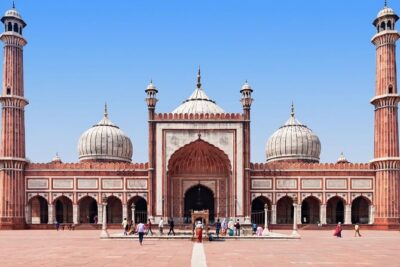
You’ll visit Jama Masjid, one of India’s largest mosques. It’s a huge, dramatic space, and it’s the kind of stop that makes you look up without trying. Afterward, you’ll take a cycle rickshaw ride to the Chandni Chowk market area, which is a great shortcut into the energy of Old Delhi.
This is one of the most fun-feeling parts of the day because you’re not just staring at buildings—you’re moving through the streets like locals do. If you’re sensitive to crowds or tight lanes, keep your comfort in mind, but the ride itself is part of the charm.
Red Fort and quick photo-time reality check
Next you hit Red Fort for a photo stop. The fort was built in 1648 by Emperor Shah Jahan and served as the Mughal seat of power for nearly 200 years until 1857. The short visit is enough to orient you and get key photos, but it’s not long enough if you want a deep, slow exploration of every corner.
Chasing the Pink City? More Jaipur day trips
Raj Ghat: a quieter pause in the middle of motion
After the big sights, you get a calmer moment at Raj Ghat, the memorial complex dedicated to Mahatma Gandhi. The black marble platform at the cremation site and the eternal flame create a reflective stop. It’s a good placement on the schedule because it resets your brain after more visually intense stops.
Gurudwara Bangla Sahib and the meaning of Langar
At Gurudwara Bangla Sahib, you’ll learn about the practice of Langar: people of all backgrounds can eat together, and the food is caste-free. You’ll also see how the gurdwara is connected to Sikh tradition, with the sacred pond inside the premises.
This stop is valuable because it’s not only architecture. It’s a living cultural practice you can witness in action, and it gives context for how faith shapes daily life in India.
Democracy landmarks: Parliament House and Rashtrapati Bhavan
You also stop near major government landmarks: Parliament House and Rashtrapati Bhavan (the President’s residence). These are mostly short viewing moments, but they help you understand India’s modern institutions in a very visible way—especially in the capital city where architecture and politics share the same stage.
India Gate, Humayun’s Tomb, and Qutub Minar
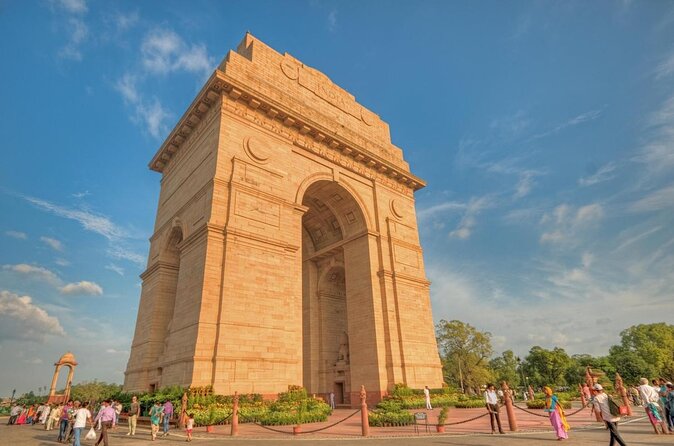
The day continues with India Gate, a World War I memorial that’s also a popular local gathering place. Then you’ll visit Humayun’s Tomb (UNESCO) with included admission and about an hour on site. It’s known for its early Mughal-style tomb design and garden setting, so it’s a nice contrast to the more fortress-like feeling of the earlier stops.
Finally, Qutub Minar closes the circuit. It’s a UNESCO site and the world’s tallest brick minaret at 73 meters (239 feet). The visit is about an hour, giving you time to absorb the scale and the details of Indo-Islamic architecture.
Day 3 in Agra: Taj Mahal sunrise plus Agra Fort inside the same day
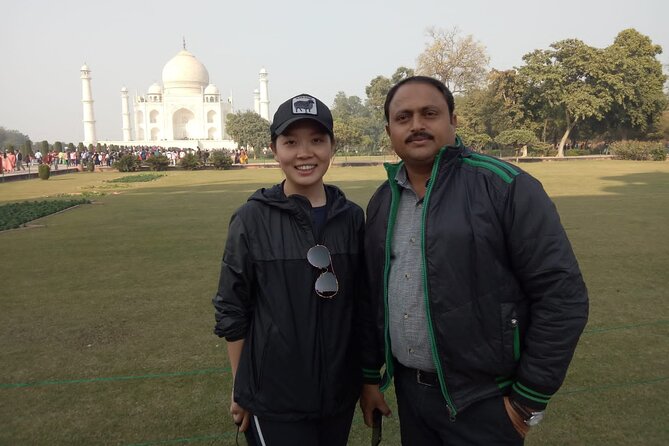
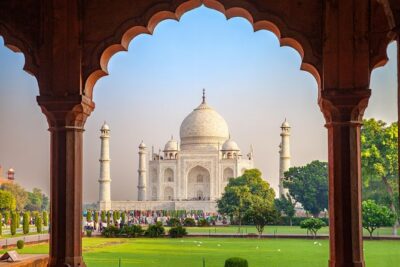
Agra is where the Golden Triangle earns its reputation. The highlight is planned for the early morning: a Taj Mahal Sunrise Tour with included admission. The main advantage of starting bright and early is simple—light and timing. You’re more likely to get better photos and fewer “midday glare” issues.
Taj Mahal: why sunrise matters in practice
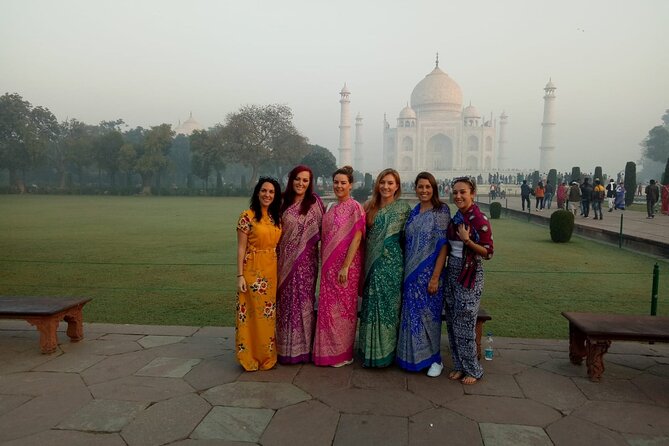
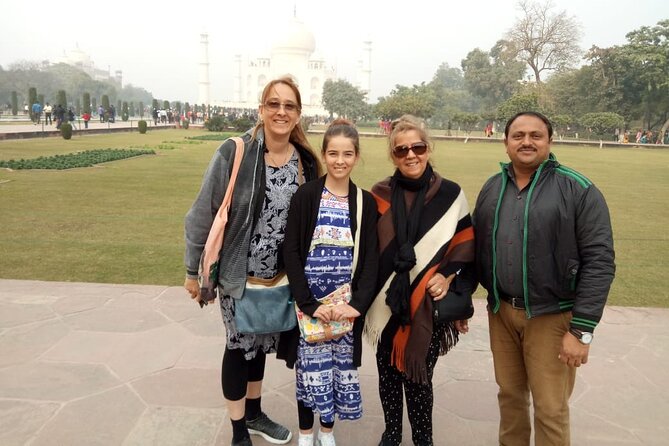
You’ll tour the Taj Mahal for about two hours. Even if you’ve seen it in pictures a hundred times, being there in person hits differently: scale, symmetry, and that cool stone glow you only get when the morning air is still fresh.
The tour then returns you to your local hotel for breakfast. There’s also an included breakfast experience at Trident Hotel Agra after the Taj visit, which is a nice mid-trip comfort moment. It’s the sort of add-on that makes the day feel less like a nonstop sprint.
Agra Fort: UNESCO fort walls and Mughal-era halls
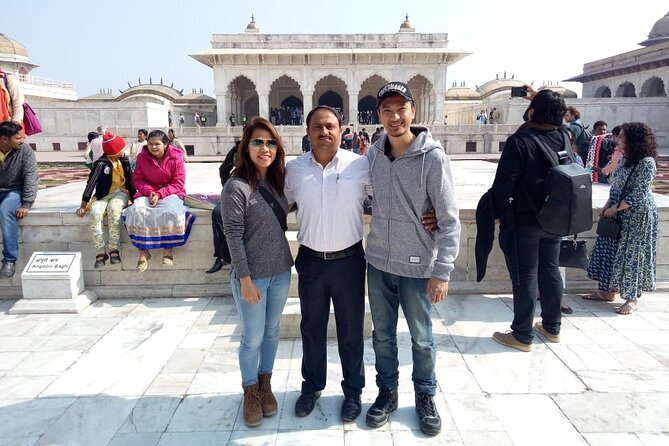
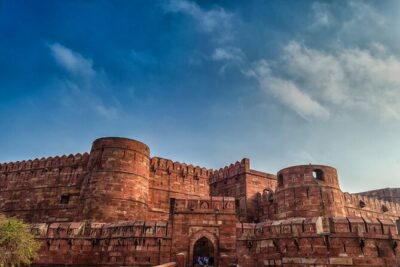
After breakfast and a short reset, you’ll go to Agra Fort, another UNESCO site with included admission. You’ll spend around an hour exploring the grand red sandstone walls and key palace interiors.
The tour specifically calls out Diwan-i-Aam and Diwan-i-Khas—two halls that help you picture how power was displayed. This stop works well after the Taj Mahal because it gives you a different angle on Mughal rule: not only beauty in marble, but authority expressed through architecture.
Day 4 in Jaipur: City Palace, Jantar Mantar, Hawa Mahal, Jal Mahal, and Jaigarh
Jaipur day is built around variety. You get royal residences, science instruments, signature pink-city views, and a temple visit that includes natural features and lots of monkeys. The day doesn’t feel one-note.
City Palace: Mughal + Rajput style in one royal complex
At the City Palace, you’ll visit courtyards and museums showcasing royal artifacts, with about two hours on site. This is where the tour gives you context for Rajasthan’s ruling families and the way Jaipur’s identity was shaped by both Rajput and Mughal influences.
Jantar Mantar: big sundials and 18th-century astronomy
Next is Jantar Mantar (UNESCO), with about an hour here. The focus is astronomical instruments from the 18th century, including huge sundials and tools built for measuring time and observations. Even if you’re not a science person, it’s interesting because you can see how geometry became a practical tool.
Hawa Mahal: the wind-facade everyone recognizes
You’ll stop at Hawa Mahal (Palace of Wind). It’s described as a honeycomb facade with intricately designed windows, built so royal women could watch street festivities without being seen. The visit time is short (around 15 minutes), but it’s enough to understand why this building became one of Jaipur’s icons.
Jal Mahal: the floating palace view (from the shore)
Then there’s Jal Mahal, the Water Palace sitting in Man Sagar Lake. You’ll admire it from the shore; the plan notes you cannot enter the palace itself. This is a key expectation to keep: you’re coming for the reflection-style postcard view, not an indoor tour.
Galtaji (Monkey Temple): temple life and natural waterfalls
At Galtaji Temple, also called the Monkey Temple, you’ll explore for about 30 minutes. The site is known for natural waterfalls and carved pillars, plus hundreds of monkeys in the area.
If you’re going with kids, it’s often a hit because it feels like a mix of pilgrimage and wildlife. If you don’t like close encounters with monkeys, just keep a calm, watch-your-person approach.
Jaigarh Fort: hill views and the story of Jaivana
To finish, you visit Jaigarh Fort, perched on the Aravalli hills with panoramic views over the Pink City area. The tour also highlights that it houses the world’s largest cannon on wheels, Jaivana.
This stop is great because it connects architecture with a practical vantage point—fortifications make more sense when you can see what they were built to control.
Day 5: Jaipur to Delhi airport transfer and your departure options
Your last day is travel out: Jaipur to Delhi Airport is roughly 5–6 hours by road, depending on traffic. The plan notes the common route is via NH48.
You also have an alternative mentioned: flying from Jaipur International Airport to Delhi’s airport can be quicker if schedules line up. Either way, build a buffer in your mind—India highway time can be unpredictable, even when things are handled smoothly.
Hotels, breakfasts, and the driver/escort setup that actually helps
This tour is built around fewer headaches. You get accommodation in 5-star hotels, and you start each day with a daily morning buffet breakfast. The included meals reduce the guesswork when you’re moving city to city, and the buffet format usually means you can find something even if your stomach needs a gentler start.
Transportation is also covered in a very practical way. You’ll travel in an air-conditioned Toyota Innova with a well-experienced license driver, and the tour includes interstate taxes, permits, parking, tolls, and fuel. That means the driver isn’t improvising around fees or deciding on the fly how to handle paperwork.
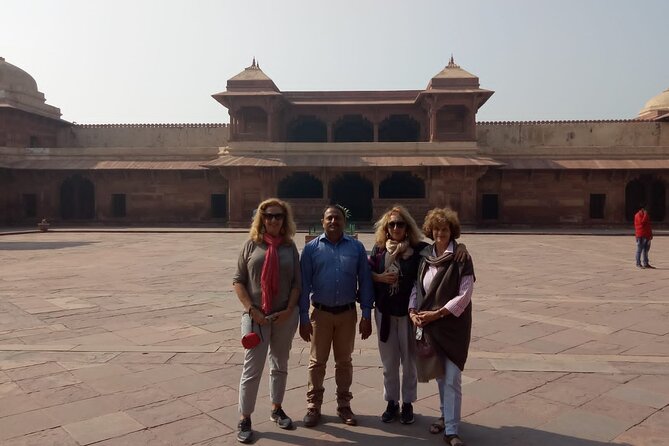
A key detail is the English-speaking tour escort approved by India’s Ministry of Tourism. In the real world, that helps with more than explanations. It helps with pacing, ticket timing, and knowing which moments matter most.
One neat note from feedback: guides such as Mr. Imran Khan are frequently singled out for good communication and strong on-the-ground support. Families with kids also report that the service felt comfortable, including cases where rooms were upgraded. That doesn’t guarantee upgrades, but it does suggest the team tries hard to get you settled well.
Price and value: is $900 per person a smart deal here?
At $900 per person, you’re paying for a bundle: hotels, covered entrance fees, guided visits, and door-to-door driving between the three cities. The biggest question is whether you’d spend that much trying to assemble the same experience yourself.
If you were planning independently, you’d likely pay separately for:
- hotel rooms in Delhi, Agra, and Jaipur,
- entry fees to multiple major UNESCO and landmark sites,
- a private English guide (not always cheap),
- and private car service plus tolls/parking and the permits/taxes that keep everything legal.
This tour includes those items, which makes it feel more “hands-on” than many cheaper Golden Triangle packages that leave you managing tickets and guides yourself. The clear downside is that flights and trains are not included, and you’ll still have personal spending like drinks, laundry, calls, and tips.
So I’d call it good value if your goal is first-time comfort and a reliable flow between top sights. It’s less ideal if you already have a driver/guide lined up, or if you want to spend most days doing your own spontaneous wandering without structure.
Who this private Golden Triangle tour is best for
This works well if you want a high-structure introduction to Delhi, Agra, and Jaipur. It’s a good match for couples, friends, and families who prefer an escort to handle timing and entry logistics.
It’s also a solid choice if you’re traveling with limited time. Four nights means you can cover the main “musts” without turning the trip into a long ordeal.
If you’re the type who likes to linger—half a day at one museum, one sunset for photos, then nothing else planned—this schedule might feel like you’re constantly moving. You’ll still enjoy the sights, but your ideal pace may not match the plan.
Should you book this Delhi–Agra–Jaipur tour?
I’d book it if you want a smooth, private, guided Golden Triangle that covers the big hitters—especially the Taj Mahal sunrise and the Delhi-to-Jaipur market-and-monuments day.
I’d think twice if you dislike packed days or if you need lots of downtime between attractions. This tour is efficient. It gives you a lot for your time, and it expects you to keep moving with it.
If that sounds like your style, you’ll likely find this one a very practical way to see India’s most iconic geography in just five days.
FAQ
How long is the Golden Triangle tour?
The tour runs for about 5 days (4 nights 5 days), covering Delhi, Agra, and Jaipur.
Does the tour include pickup and drop at the airport?
Yes. There is pickup and drop at Delhi Airport by the tour representative.
Are hotels included?
Yes. Accommodation is included in 5 Star Hotels.
Is Taj Mahal sunrise included?
Yes. The tour includes a bright and early Taj Mahal Sunrise Tour with admission included.
Are monument entrance fees included?
Yes. Monument entrance fees are included for the sites listed with included admission.
Is breakfast and lunch included?
Yes. Daily morning buffet breakfast is included, and lunch is included (4 times) during the tour.
Is transportation included between cities?
Yes. You’ll travel by an air-conditioned Toyota Innova with a well-experienced license driver, and surface transportation costs are included.
Are flights or train tickets included?
No. Any international and domestic air or train fares are not included.
Can I cancel for a full refund?
Free cancellation is offered. You can cancel up to 24 hours in advance for a full refund, and changes within 24 hours are not accepted.
The Full Golden Triangle, More Options
- 3-Days Private Golden Triangle Tour: Delhi, Agra & Jaipur by Car
★ 5.0 · 1,107 reviews - 3-Days Private Golden Triangle Tour: Delhi, Agra & Jaipur by Car
★ 5.0 · 1,098 reviews - 3-Day Delhi, Agra and Jaipur Private Tour – India Golden Triangle
★ 5.0 · 812 reviews - Four-Day Private Luxury Golden Triangle Tour to Agra and Jaipur From New Delhi
★ 5.0 · 807 reviews - 5 Nights 6 Days Private Golden Triangle Tour – Delhi Agra Jaipur
★ 5.0 · 574 reviews
Onward to Jaipur: More Day Trips
- 3-Days Private Golden Triangle Tour: Delhi, Agra & Jaipur by Car
★ 5.0 · 1,107 reviews - 3-Days Private Golden Triangle Tour: Delhi, Agra & Jaipur by Car
★ 5.0 · 1,098 reviews - 3-Day Delhi, Agra and Jaipur Private Tour – India Golden Triangle
★ 5.0 · 812 reviews - Four-Day Private Luxury Golden Triangle Tour to Agra and Jaipur From New Delhi
★ 5.0 · 807 reviews - Jaipur Day Trip from Delhi by Car or Train – All Inclusive
★ 5.0 · 663 reviews
More Agra Day Trips out of Delhi
- Same Day Taj Mahal, Agra Fort & Baby Taj Tour from Delhi by Car
★ 5.0 · 4,304 reviews - Full Day Taj Mahal, Agra Fort & Baby Taj Tour from Delhi by Car
★ 5.0 · 3,647 reviews - From Delhi: Taj Mahal & Agra Private Day Trip with Transfers
★ 4.9 · 3,181 reviews - From Delhi: Taj Mahal and Agra Fort Private Sunrise Tour
★ 4.9 · 2,270 reviews - Sunrise Taj Mahal, Agra Fort & Baby Taj Tour from Delhi by Car
★ 5.0 · 2,243 reviews
Just added: more New Delhi reviews to browse
- 4 days Golden Triangle Tour★ 5.0 · 3 reviews
- Discover Old & New Delhi: Private Tour with Street Food★ 5.0 · 3 reviews
- Taj Mahal Tour From Delhi By Private Car★ 4.5 · 3 reviews
- Golden Triangle Tour 5 Days★ 5.0 · 3 reviews
- Taj Mahal: Express Entry Ticket For Sunset Tour with guide★ 5.0 · 3 reviews
- Agra Taj Mahal Sunrise & Sunset Tour from Delhi★ 5.0 · 3 reviews
Agra Day Trips from Delhi, compared.
 ★ 5.0Same Day Taj Mahal, Agra Fort & Baby Taj Tour from Delhi by CarFrom $624,304 reviews
 ★ 5.0Full Day Taj Mahal, Agra Fort & Baby Taj Tour from Delhi by CarFrom $623,647 reviews
 ★ 4.9From Delhi: Taj Mahal & Agra Private Day Trip with TransfersFrom $43,181 reviews
 ★ 4.9From Delhi: Taj Mahal and Agra Fort Private Sunrise TourFrom $592,270 reviews
 ★ 5.0Sunrise Taj Mahal, Agra Fort & Baby Taj Tour from Delhi by CarFrom $622,243 reviews
 ★ 5.0Taj Mahal and Agra Private Car Tour from Delhi with 5* LunchFrom $331,633 reviews
 ★ 4.9From Delhi: Private Taj Mahal and Agra Tour by Express TrainFrom $751,605 reviews
 ★ 5.0Taj Mahal, Agra Fort, Baby Taj Tour from Delhi by Superfast TrainFrom $751,494 reviews