

Reviewed · DELHI SHOPPING TOURS
Private Custom Shopping Tour: Delhi’s Bustling Markets
If you like markets that move fast, this one fits. You choose the stops (typically three or four), then your guide helps you shop smarter while you still get real free time to wander.
I especially like the freedom of a flexible route and the fact that you’re not stuck in a single mall circuit. The second big plus: private transport with hotel pickup and drop-off keeps the day smooth, even in Delhi traffic.
The main thing to think about is that market shopping can mean pressure. If you want zero organized shopping stops, make that clear before you go, since some tours can steer people toward shops that feel less local.
In This Review
- Key points that make this Delhi market tour worth your time
- How a private custom shopping plan actually helps you shop
- Price and value: what $62.37 buys in real-world Delhi
- Choosing your markets: build a day that matches your shopping style
- Stop-by-stop guide to the markets you can choose
- Dilli Haat: handcrafts, textiles, and a calmer kind of browsing
- Chandni Chowk area: Old Delhi lanes for jewelry, electronics, and fabric
- Khan Market: a more upscale, easy-to-browse mix
- Sarojini Nagar: bargain fashion and weekend crowd energy
- Hauz Khas Village: boutique shopping with cafés and galleries
- Santushti Shopping Complex: quieter boutique shopping in garden-like surroundings
- Select Citywalk (and related Saket malls): modern malls for brands and electronics
- Janpath Market: export-surplus cotton clothes and quick souvenir hunts
- Connaught Place: iconic circular market for variety
- Lajpat Nagar Central Market: accessories, clothing, footwear, and bags
- How the guide changes the day (and helps with deals)
- Food and snacks: how to plan when it’s not included
- Timing, walking, and what to wear
- The one drawback to take seriously: shop steering and expectations
- Should you book this Delhi markets shopping tour?
- FAQ
- How many markets will I visit?
- What’s included in the tour price?
- Do I get time to shop on my own?
- Is admission included for all markets?
- Are food and drinks included?
- Where do pickup and drop-off happen?
- What is the cancellation policy?
Key points that make this Delhi market tour worth your time
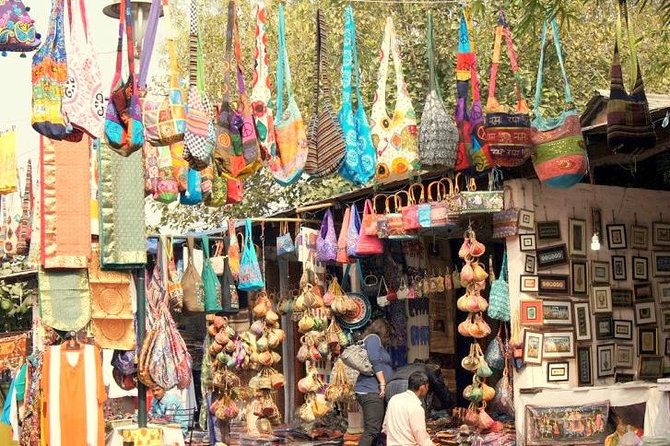
- Pick your markets: choose the mix of Old Delhi chaos and New Delhi convenience.
- Private guide time: you get help with what to look for, not just a narrated drive.
- AC door-to-door transport: saves energy for the walking-heavy parts.
- Smart stop pairing: craft and handlooms in one place, modern brands in another.
- Built-in snack opportunities: you can try market food while you’re already out shopping.
- Small group (up to 6): easier to adjust timing and preferences.
How a private custom shopping plan actually helps you shop
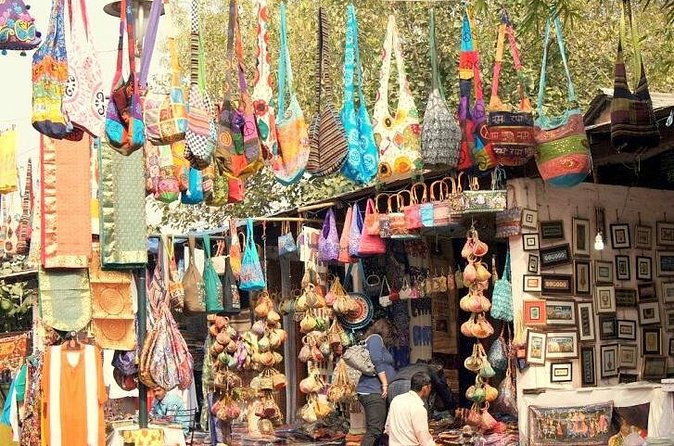
Delhi markets are not a single thing. They’re dozens of overlapping worlds—old lanes with tiny counters, government-run craft bazaars, and modern malls with food courts and electronics aisles. This tour works because it lets you build a day that matches what you want to buy, not what fits someone else’s schedule.
The structure is simple: you’ll travel by air-conditioned vehicle to the markets you select, then shop on your own for a set chunk of time before rejoining your guide. That balance matters. You still get independence, but the guide is there to help you connect the dots—what’s worth your attention, where quality tends to be better, and how to avoid wasting time on dead ends.
I also like that the plan is built around walking you can manage, not a forced marathon. There’s moderate walking, so comfortable shoes are a must, but you’re not expected to sprint between far-flung stops.
More market runs with a local eye


Price and value: what $62.37 buys in real-world Delhi
At $62.37 per person, the headline price looks modest for a private, guided shopping day. The value comes from what’s included: hotel pickup and drop-off, private air-conditioned transportation, bottled water, and a guide who focuses on markets rather than generic sightseeing.
There’s also an added value detail that many visitors forget to price in: carbon offset is included, and admission to Dilli Haat is included when it’s part of your route. Those are small line-items, but they help you feel like you’re not constantly adding extras.
Here’s the practical way to judge if it’s worth it for you: if you plan to buy even one meaningful item—like a handloom piece, a quality scarf, jewelry, or reliable electronics accessories—having someone help you compare options can pay off quickly. One review-style theme you’ll see in this tour type is that shoppers appreciate help with best deals and checking quality, and that’s exactly where the guide time becomes money-smart.
Choosing your markets: build a day that matches your shopping style
Your tour is customized. When you book, you can advise up to four markets. The example set includes a mix of classic Old Delhi lanes and newer, more relaxed shopping areas, so you can steer the day toward your kind of shopping.
A quick reality check: not every market has the same vibe. Some are loud and crowded, some feel more designed for strolling, and some lean “arts and crafts” rather than bargain fashion. Your choices should match your energy level, your walking comfort, and what you actually want in your bag.
A good strategy is pairing contrast:
- Old Delhi for texture and character (fabric, jewelry, street snacks)
- One craft-leaning market for souvenirs that feel more personal
- One modern stop if you want browsing without constant crowd pushing
Stop-by-stop guide to the markets you can choose
Dilli Haat: handcrafts, textiles, and a calmer kind of browsing
Dilli Haat is a government-managed market known for traditional arts, crafts, textiles, and cuisines from different parts of India. The shopping focus is typically on handicrafts and handlooms, including clothing items.
Why it works: it’s a strong place to buy gifts that feel rooted in craft. It’s also usually easier to browse than the most congested Old Delhi lanes, so it’s a good anchor for the day.
The tradeoff: if you’re chasing bargain chaos and factory-outlet-level pricing, this may not match the vibe you want. Still, it’s one of the most straightforward markets for “buy something with a story” shopping.
More private days with a guide of your own

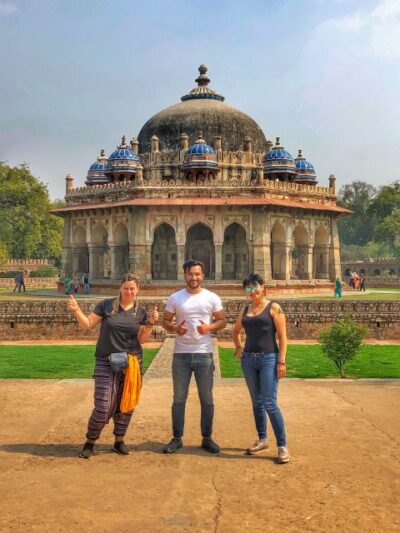

Chandni Chowk area: Old Delhi lanes for jewelry, electronics, and fabric
In the Chandni Chowk area, you’ll get the classic feel of Old Delhi—crowds, narrow lanes, and a dense mix of goods. This is where you’re likely to find items across categories like jewelry, electronics, fabrics, and Indian snacks.
Why it works: it’s a sensory shopping experience, and it’s also where a guide earns their keep. A private guide can help you navigate without wasting time bouncing between stalls that don’t match your needs.
Possible drawback: it’s busy. If you don’t enjoy crowds, treat Chandni Chowk as one concentrated stop rather than your whole day.
Khan Market: a more upscale, easy-to-browse mix
Khan Market mixes long-running stores and more up-market options, plus restaurants. You’ll see everything from bookshops to boutiques, and it’s the kind of place where shopping can feel like strolling rather than surviving traffic.
Why it works: it’s a good choice if you want higher-quality storefront browsing, plus the option to take a breather with food afterward. It’s also useful if your purchases include books, home goods, or smaller, giftable items.
Tradeoff: it’s not the place to come looking for pure bargain frenzy. If your priority is deals at any cost, you may prefer Sarojini Nagar or Janpath.
Sarojini Nagar: bargain fashion and weekend crowd energy
Sarojini Nagar is famous for clothes, including options from very cheap t-shirts to brand stores. It’s especially crowded on weekends, so plan your tolerance for people accordingly.
Why it works: it’s one of the best areas for bargain clothing and fast browsing. If your goal is to pick up multiple outfits or everyday wear, this stop can be high-impact.
Possible drawback: crowd stress. If you get irritated by tight aisles and slow movement, you might want to go with fewer items, earlier in the trip, or reduce time here.
Hauz Khas Village: boutique shopping with cafés and galleries
Hauz Khas Village is described as a chic market area—shops and outlets in a former village setting, with contemporary restaurants, designer art stores, and clothing outlets. It can also be a place for musical performances.
Why it works: it blends shopping with downtime. If you want your day to include at least one stop that feels stylish and less chaotic, this fits.
Tradeoff: it’s more “boutique and atmosphere” than “factory-outlet deals.” If you’re shopping strictly for budget clothing, you’ll probably enjoy it less than Sarojini Nagar.
Santushti Shopping Complex: quieter boutique shopping in garden-like surroundings
Santushti Shopping Complex is a serene, bohemian boutique shopping destination in lush gardens, with terracotta-roofed stores. It focuses on designer clothing, jewelry, home decor, and unique Indian crafts.
Why it works: it’s ideal when you want a breather stop—somewhere the browsing doesn’t feel like a contest for space. It’s also useful for home decor and jewelry, categories that can be harder to pick out in chaotic lanes.
Possible drawback: it may not be where you’ll find the most aggressive pricing. Choose it if you want quality-driven browsing.
Select Citywalk (and related Saket malls): modern malls for brands and electronics
Select Citywalk is part of the Saket mall cluster (with adjacent malls including DLF Place Mall and MGF Metropolitan Mall). This is modern retail with a mix of department stores, lifestyle goods, electronics, and food options like food courts and eateries.
Why it works: it gives your feet a rest while still letting you shop hard—especially for electronics and homeware. It also makes sense if you’re tired of street-level bargaining energy.
Tradeoff: it’s less “local market” than the older bazaars. If your goal is authentic lane shopping, keep the mall time limited.
Janpath Market: export-surplus cotton clothes and quick souvenir hunts
Janpath is street shopping at full speed: small kiosks selling cotton clothes and curios. The clothes are often described as export-surplus garments sold cheaply.
Why it works: it’s a great stop for lightweight clothing, fast souvenirs, and browsing without committing to one single store. It’s also a strong place to find simple items you can pack easily.
Possible drawback: selection can feel random. You’ll want your guide’s help in spotting good quality among the chaos.
Connaught Place: iconic circular market for variety
Connaught Place is a sprawling circular market, originally designed in a horseshoe shape by the British. It’s a broad shopping zone with plenty of options and a more established, central feel.
Why it works: it’s handy when you want variety in one zone, rather than bouncing between disconnected areas. It can also help if you’re mixing shopping with a break during the day.
Tradeoff: it can feel less focused than a single specialty market. Plan it as a “variety” stop, not a deep-shopping stop.
Lajpat Nagar Central Market: accessories, clothing, footwear, and bags
Lajpat Nagar is known for accessories, clothes, footwear, and bags. It’s the kind of place where you can keep browsing and probably keep finding something that fits what you need.
Why it works: it’s a practical “shopping by category” area. If you’re collecting a few different types of items—like bags plus clothing plus footwear—this stop can simplify your day.
Tradeoff: it’s popular, so expect active crowds.
How the guide changes the day (and helps with deals)
A big reason people rate this tour highly is the human factor: you’re not just dropped into a place and told good luck. Guides such as Rajmalani (Raj) and Vandy are specifically described as fun, flexible, and helpful with navigating and shopping decisions.
In plain terms, a good guide helps you:
- spend time in the right spots for your list
- understand what you’re looking at quickly
- avoid getting stuck in the wrong lane or wrong type of shop
One review theme that matters: shoppers appreciated that the guide supported shopping pace decisions, including how long to stay in each market and when to take breaks. That flexibility is one of the best features of this format.
The other human detail is traffic management. The driver is repeatedly described as doing a strong job handling Delhi driving, including smooth navigation through congestion. That matters because you want your energy focused on shopping, not stress.
Food and snacks: how to plan when it’s not included
Food and drinks are not included unless the tour specifies otherwise. Still, there’s an opportunity to sample food at the markets during the day.
So treat food like a bonus, not a promise. If you want a proper meal, plan to pay for it yourself. This helps you stay in control of diet needs and budget.
If you’re curious about street snacks, keep it simple: ask your guide what’s worth trying in the exact moment you’re there. That’s often easier than researching ahead, because the best options depend on the day and the exact lane you end up in.
Timing, walking, and what to wear
The tour lasts about 4 to 6 hours, and each selected stop is often around 30 minutes with a flexible schedule overall. That means you can’t expect a full shopping day in each location, but you can do serious browsing if you’re efficient with your priorities.
Moderate walking is part of the experience. Bring comfortable shoes and keep your items organized; market shopping is easier when you’re not constantly digging for your wallet or phone.
Also watch market hours: Sarojini Nagar is closed on Mondays, and some shops in places like Chandni Chowk, Khan Market, and Paharganj may have Sunday closures depending on the sub-area or shop. Malls in Gurgaon and Saket are open every day, which gives you an easy backup plan.
The one drawback to take seriously: shop steering and expectations
The most important caution is that market tours can drift into “organized shopping” if your expectations aren’t aligned.
One lower-rated experience highlighted a concern about being taken to more structured shops where tourists felt taken advantage of, even after requesting not to do that. That’s the kind of mismatch you want to avoid early.
My advice is straightforward: when you book, state what you want clearly—like avoiding overly packaged stops and focusing on browsing where you feel comfortable. A private guide can adapt more easily when they know your preferences from the start.
Should you book this Delhi markets shopping tour?
Book it if you want a private, flexible way to mix Old Delhi energy with either craft shopping or modern retail. It’s a strong value if you’ll buy at least a couple items and you want help comparing options, spotting quality, and not wasting hours getting oriented.
Skip it or adjust your expectations if you strongly dislike guided shopping detours and want total independence. This tour can still work if you communicate your boundaries upfront and choose markets that match your style.
If your goal is to shop like you know the city—without the stress of navigating it—this tour format is one of the better ways to do it in a limited time window.
FAQ
How many markets will I visit?
You’ll typically visit three or four markets you choose. The day is designed to be flexible so you can set the pace at each market.
What’s included in the tour price?
Included items are a personal shopping guide/markets expert, hotel pickup and drop-off from Delhi city hotels or private residences, private transportation, and bottled water.
Do I get time to shop on my own?
Yes. After arriving at each selected market, you’ll have time to shop independently before rejoining your guide for the next stop.
Is admission included for all markets?
Admission is included for Dilli Haat. Other stops listed (like Pasar Chandni Chowk, Khan Market, Sarojini Nagar, and others) show admission ticket free.
Are food and drinks included?
Food and drinks are not included unless specified. There is an opportunity to sample food at the markets.
Where do pickup and drop-off happen?
Pickup and drop-off are from Delhi city hotels or private residences. If your hotel is in Gurgaon, transfers are limited to 10 km from Delhi airport.
What is the cancellation policy?
Free cancellation is available. You can cancel up to 24 hours in advance for a full refund. If you cancel less than 24 hours before the start time, the amount paid is not refunded.
More Tours in New Delhi
- Old & New Delhi City Tour – Half or Full Day Options Available
★ 5.0 · 4,811 reviews - Half Day Private Delhi City Tour
★ 5.0 · 4,474 reviews - Same Day Taj Mahal, Agra Fort & Baby Taj Tour from Delhi by Car
★ 5.0 · 4,304 reviews - Taj Mahal Day Tour from Delhi by Superfast Train – TOP RATED TOUR
★ 5.0 · 4,166 reviews - Delhi: Old and New Delhi Private Full or Half-Day Tour
★ 4.9 · 3,776 reviews
More Tour Reviews in New Delhi
- Old & New Delhi City Tour – Half or Full Day Options Available
★ 5.0 · 4,811 reviews - Half Day Private Delhi City Tour
★ 5.0 · 4,474 reviews - Same Day Taj Mahal, Agra Fort & Baby Taj Tour from Delhi by Car
★ 5.0 · 4,304 reviews - Taj Mahal Day Tour from Delhi by Superfast Train – TOP RATED TOUR
★ 5.0 · 4,166 reviews - Delhi: Old and New Delhi Private Full or Half-Day Tour
★ 4.9 · 3,776 reviews
Bring an Empty Bag: More Delhi Shopping
- Customized Half Day or Full Day Delhi Shopping Tour with Female Consultant
★ 5.0 · 273 reviews - Private Customized Delhi Shopping Tour with Female Consultant
★ 5.0 · 160 reviews - Private Full Day Shopping Tour in New Delhi
★ 5.0 · 150 reviews - Delhi: Private Half-Day Guided Shopping Tour with Transfer
★ 4.8 · 119 reviews - Delhi: Private Half-Day Shopping Tour with Transfer
★ 4.9 · 111 reviews
Just added: more New Delhi reviews to browse
- 4 days Golden Triangle Tour★ 5.0 · 3 reviews
- Discover Old & New Delhi: Private Tour with Street Food★ 5.0 · 3 reviews
- Taj Mahal Tour From Delhi By Private Car★ 4.5 · 3 reviews
- Golden Triangle Tour 5 Days★ 5.0 · 3 reviews
- Taj Mahal: Express Entry Ticket For Sunset Tour with guide★ 5.0 · 3 reviews
- Agra Taj Mahal Sunrise & Sunset Tour from Delhi★ 5.0 · 3 reviews
Delhi Shopping Tours, compared.
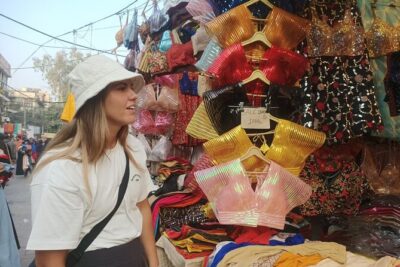 ★ 5.0Customized Half Day or Full Day Delhi Shopping Tour with Female ConsultantFrom $56273 reviews
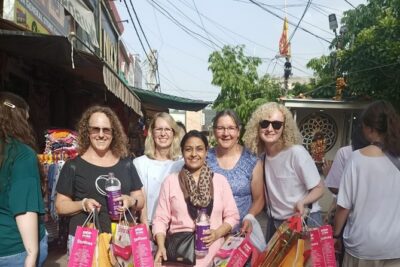 ★ 5.0Private Customized Delhi Shopping Tour with Female ConsultantFrom $80160 reviews
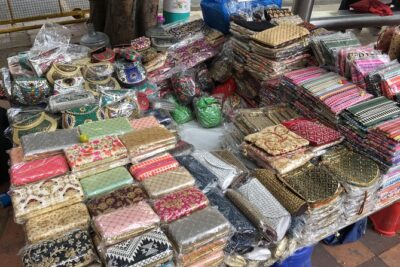 ★ 5.0Private Full Day Shopping Tour in New DelhiFrom $26150 reviews
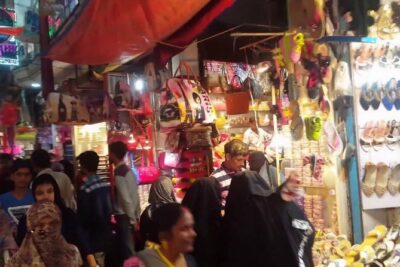 ★ 4.8Private Half-Day Guided Shopping Tour with TransferFrom $13119 reviews
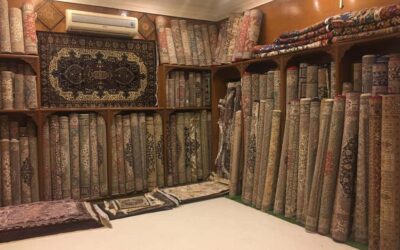 ★ 4.9Private Half-Day Shopping Tour with TransferFrom $20111 reviews
 ★ 4.9Guided Shopping Tour Experience with Female ExpertFrom $11109 reviews
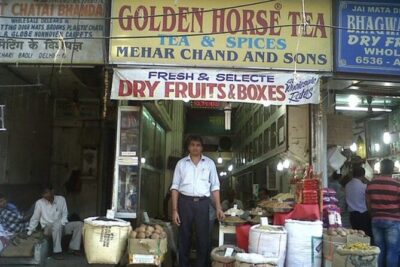 ★ 5.0Private Half-Day Guided Shopping Tour with Transfer in DelhiFrom $3059 reviews
 ★ 5.0Customized Half Day and Full Day Delhi Shopping, Street Food TourFrom $3052 reviews
Browse the lists this tour appears in