
Reviewed · CYCLING TOURS
Spiti Valley Biking / Backpacking Road Trip 2022
Spiti turns road time into pure mountain therapy. This 10-day private circuit takes you from Delhi to Shimla and then deep into Spiti Valley’s monasteries and high lakes, with your own chauffeured vehicle. I especially like the door-to-door comfort of a dedicated driver and the thoughtful run of stops, from places like Chitkul and Tabo to Kaza and the high villages.
The biggest practical win for you is that you’re not stitching together buses, maps, and hotel calls on steep, slow roads. You also get solid team support that many past groups highlighted by name, including coordinators like Amrita and Gaurav, plus drivers such as Manoj Kumar and Surender Sharma. The main drawback to consider is timing: this route depends on good weather and road conditions, so flexibility matters.
In This Review
- Key points worth knowing before you go
- Why this Spiti Valley circuit feels private, not “tour-bus”
- Price and what you’re really paying for (and why it can be a good deal)
- Day 1–2: Delhi to Shimla, then Sangla via Baspa River country
- Day 3–4: Chitkul, Kalpa, then Nako Lake and Tabo Monastery to Kaza
- Day 5: Key Monastery, Kibber, and Chicham Bridge
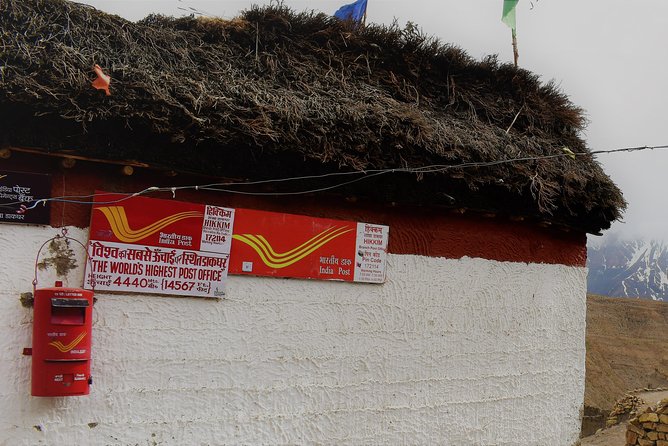
- Day 6: Komic, Hikkim, and Langza (including the world’s highest post office claim)
- Day 7–8: Back toward Kalpa and a quieter spiritual stop near Rampur
- Day 9: Shimla again, with Tani Jubbar and the Mall Road finale
- Transport reality check: road time, altitude, and what to pack
- Accommodations and food: where most value shows up
- Support quality: what the team does well (based on real comments)
- Who should book this Spiti Valley biking/road trip, and who should think twice
- Should you book this Spiti Valley road trip with Trans Himalaya Travels?
- FAQ
- How long is the Spiti Valley road trip, and where does it start and end?
- What is included in the price?
- Are accommodations hotels or homestays?
- Do I get a dedicated driver and private vehicle?
- What if the weather is poor?
- Can I cancel and get a full refund?
Key points worth knowing before you go
- Private vehicle throughout: you ride in your own chauffeured car rather than joining random shared transport.
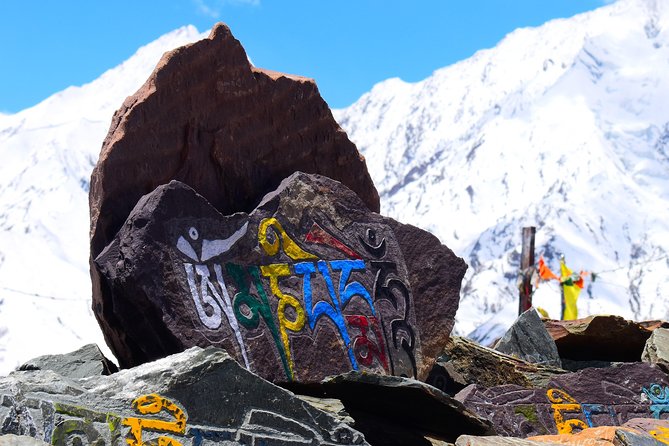
- Real monastery and village pacing: Tabo, Key Monastery, and the Komic–Hikkim–Langza area are built into the flow.
- Included hotels + homestays: you’ll get a mix of both styles of stays across the circuit.
- Support from a named coordinator: past guests specifically praised people like Amrita and Gaurav for quick help.
- Road time is the activity: expect long drives and altitude days, even with sightseeing stops.
Why this Spiti Valley circuit feels private, not “tour-bus”
This is the kind of trip that removes a lot of friction from Northern India’s mountain routes. Instead of wrestling with schedules, you start with an overnight Volvo bus from Delhi to Shimla, then switch to a private, chauffeured vehicle for the valley days. For most people, that shift is where the trip stops feeling stressful and starts feeling scenic.
You also get more than just directions. Your designated driver and guide are meant to be your on-the-ground help, and the experience is organized as a private activity where only your group participates. In past feedback, the standout theme was quick resolution of issues and smooth coordination, including support from team members such as Amrita, Gaurav, and Sahil.
One more reason it feels more personal: the itinerary is built around repeated “anchor towns” like Sangla, Kalpa, Kaza, and back toward Shimla, so you’re not constantly repacking and re-checking in new hotels every few hours.
More of New Delhi by bike
Price and what you’re really paying for (and why it can be a good deal)
The listed price is $390.20 per person for about 10 days, with 7 nights of accommodation included and a mix of meals (breakfast and dinners). On paper, that can look inexpensive for a private mountain drive. What makes it potentially good value is the combination of cost-heavy elements: private transport, lodging, and multiple meal days.
A few things to keep in mind so you can judge value fairly:
- GST is not included, so your final total may be higher than the headline price.
- Any spending not explicitly listed stays on you, like personal expenses.
- Mountain circuits can change when roads close or conditions shift, so the “included” parts are only as reliable as the day’s weather allows.
Still, compared to DIY travel where you’d pay for your own driver/vehicle, hotels, and meals one by one, this package structure can be a budget-friendlier way to get the same core route.
Day 1–2: Delhi to Shimla, then Sangla via Baspa River country
Your trip begins early in Delhi, with a start time of 6:30 am from near Gole Market (RamaKrishna Ashram Marg area). The route kicks off with an overnight Volvo bus toward Shimla. That’s an underrated part of the plan: you trade a full day of driving for sleep, and you arrive ready to move.
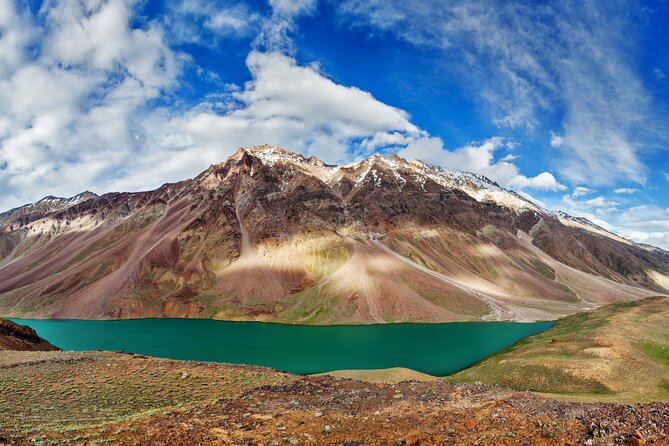
On day two, the pace shifts to mountain road days with stops and valley arrivals. After breakfast and a fresh-up, you head toward Sangla, crossing into the Sangla Valley area where the Baspa River is part of the scenery. You’ll stay in the Sangla Valley area that night, which is a smart halfway step. It breaks up the elevation jump and sets you up for the more dramatic villages that come next.
A small practical note: these mountain days can feel like “drive-heavy sightseeing.” If you love short stops and quick photo moments, you’ll be happy. If you prefer lots of long hikes, you might wish the plan included more trekking time than what’s listed.
Day 3–4: Chitkul, Kalpa, then Nako Lake and Tabo Monastery to Kaza
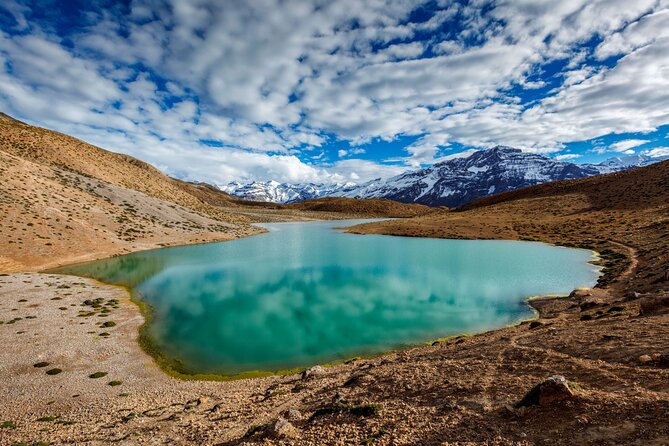
The Chitkul day is often where people start to fall for the Spiti region look. Chitkul is described as one of the last villages of India after Tibet, with wild roses in summer and views of mountains everywhere you turn. It’s also a great place to slow down, because the village feel is calmer than the main circuit towns.
From there, you continue to Kalpa for the night. Kalpa is known for views of snow peaks across the valley, and it’s a place many people associate with “quiet Himalayan charm” thanks to its position in the Sutlej river valley region.
Then the trip turns more spiritual and more Spiti-shaped. You head toward Nako Lake, with Nako’s lake scenery as a named stop, and then proceed to Tabo Monastery before reaching Kaza for the night. Tabo is one of the major cultural anchors on this route, so even if you’re not deeply into Buddhist architecture, it’s worth seeing because it gives the entire circuit a different tone than just road viewpoints.
Potential drawback here: days like this stack multiple “must-see” stops. If you’re easily tired by travel days, pace yourself and plan for shorter photo breaks rather than marathon sightseeing.
Day 5: Key Monastery, Kibber, and Chicham Bridge
Your Kaza base is where the itinerary starts branching out into side drives. One day includes Key Monastery, then continues toward Kibber and the Chicham Bridge area.
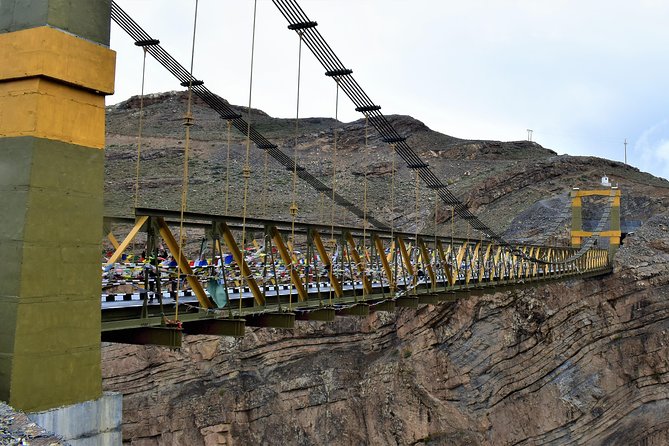
Key Monastery is one of the older monasteries in the Spiti region. That matters because it gives you a sense of continuity across time, not just a quick look at a landmark. Kibber is paired as a village stop before you reach Chicham Bridge, described as the Asia’s highest bridge. Even if you don’t care about superlatives, the setting is the point: you’re up high with wide views and a strong sense of scale.
Here’s my practical advice: bring layers and keep your expectations focused on viewpoints. Bridges and monasteries don’t take hours, but the travel between them does. The value is in the big, steady mountain feeling you get as the road climbs.
Day 6: Komic, Hikkim, and Langza (including the world’s highest post office claim)
This day is all about high-altitude villages with unusual world-record type claims that you can actually use as planning anchors.
You’ll start in the Komic area and pass through Hikkim and Langza. The plan notes:
- Hikkim has the highest post office claim in the world.
- Komic is described as the world’s highest village connected with a motorable road.
Even if you’re cautious about superlatives, these claims are useful because they explain why the villages feel so remote and so striking. It’s not just “we visited another town”; it’s “we reached an extreme altitude road point,” which changes how the air feels and how the horizon looks.
The itinerary structure is also helpful: rather than forcing a long hike, it uses village stops where you can take in the altitude, then move on. It’s a good match for people with moderate physical fitness, which the trip description calls for.
Day 7–8: Back toward Kalpa and a quieter spiritual stop near Rampur
After Kaza, you head back toward Kalpa for sightseeing. Kalpa again gets center stage, and it’s described as peaceful and known for apple orchards. This return leg is valuable because it gives you a different light and different angles compared to the outbound direction.
There’s also a named stop at Nako Lake on the return route, and that’s one of those moments where seeing the same area twice can feel worthwhile. You get a “before” and “after” feeling: first as part of the route into Spiti, then again as part of the route out.
On day eight, the trip shifts toward another spiritual and cultural stop: the Shri Bhima Kali Ji Temple, dedicated to the mother goddess Bhimakali. From there, you continue toward Rampur and Saharan for the night.
This section is a good reminder that Spiti’s story isn’t only monasteries and lakes. It also sits inside broader Himachal Pradesh culture, where temples and local religious life connect the region to the rest of the state.
Day 9: Shimla again, with Tani Jubbar and the Mall Road finale
By day nine, the itinerary becomes a “wrap-up and reset” day. You’ll head toward Tani Jubbar Lake and then head into Shimla for sightseeing on Mall Road.
The plan also includes stops connected to central Shimla sights such as Christ Church and the Gaiety Heritage Cultural Complex. This is a nice change of pace. After multiple days of high roads and remote villages, Shimla’s town energy (even if it’s still laid-back by Indian city standards) helps you end the circuit without feeling like the whole trip is one long climb.
Then you travel back to Delhi overnight by Volvo, and you’re dropped at Kashmere Gate ISBT on day ten.
Transport reality check: road time, altitude, and what to pack
This trip is built on one big truth: Spiti routes are slow, even when they look straightforward on a map. Private transport helps, because you’re not stuck waiting for other groups. Still, the itinerary’s character is travel-heavy.
What that means for you practically:
- Layers matter. Even in warmer months, you can feel temperature swings with altitude.
- Plan for short breaks, not long wandering. Many stops are timed around the drive.
- Altitude is part of the schedule, especially around high villages like the Komic–Hikkim–Langza area.
The reviews you were given also hint at the importance of vehicle readiness. Some groups praised excellent driver capability, while a minority of feedback complained about limited support in tougher conditions. That doesn’t prove every departure has the same experience, but it does tell you what to ask before you go: what kind of vehicle and support you’ll have for road conditions on your dates.
Accommodations and food: where most value shows up
You get accommodation for 7 nights, and the overview says the trip uses both hotel and homestay options. This mix is usually the best value structure for mountain circuits: hotels give you comfort for key nights, while homestays can connect you more directly to local life and cooking.
Meals included are breakfast (8) and dinner (7), which is another value point. You’re not trying to hunt food in remote places at the end of a long drive. Past feedback repeatedly mentioned good stays and home-cooked style food, with particular praise for homestays.
If you’re picky about meals, it helps to remember this is not a Western buffet tour. It’s part of the experience: you eat what the region offers, in the place you’re staying. Packing a few backup snacks can save you on days where timing is tight.
Support quality: what the team does well (based on real comments)
When you choose a private mountain trip, you’re really choosing two things: the route and the people handling logistics. On this one, support is a major strength.
Several groups explicitly praised Gaurav ji for being available for quick help, and others mentioned coordinators like Amrita for keeping the itinerary running smoothly. Drivers were also singled out by name. For example:
- Manoj Kumar was praised for being expert, humble, and helpful.
- Surender Sharma received praise as well for smooth support.
The key takeaway for you: even in a private car arrangement, things can change. A driver who knows the roads and a coordinator who answers fast can turn a frustrating day into an easy one.
The balanced note: a small chunk of feedback criticized parts of the last-day flow and, in one case, vehicle quality tied to last-minute booking timing. Translation: if you book super close to departure, you may have less control over what’s assigned. If your dates are fixed, ask the team about vehicle details and day-one timing clarity early.
Who should book this Spiti Valley biking/road trip, and who should think twice
This tour makes the most sense if you want:
- A private vehicle and fewer logistics headaches.
- A route that mixes monasteries, high villages, and lakes rather than only town hopping.
- Included stays and meals so you can focus on scenery and photos.
It may be less ideal if you:
- Want lots of intense trekking time beyond sightseeing stops.
- Hate road-travel days or get motion sickness easily.
- Need ultra-tight scheduling with no weather flexibility. The trip requires good weather, and that can’t be faked.
The trip also calls for moderate physical fitness, so if you’re comfortable with altitude, uphill roads, and frequent short walks at viewpoints, you’ll likely feel fine.
Should you book this Spiti Valley road trip with Trans Himalaya Travels?
If you want Spiti the practical way, this package checks a lot of boxes: private transport, included hotels/homestays, and a strong mix of Kaza-side high villages and major cultural stops like Tabo Monastery. The price structure can also feel reasonable for the combination of driving support plus multiple meal days.
I’d book it if you’re comfortable with the reality of mountain travel: long drives, altitude days, and the need to be flexible when weather shifts. I’d pause if you’re expecting a biking-focused route with lots of cycling-specific logistics, because the information you have here is centered on road transport and sightseeing stops rather than detailed bike-riding programming.
FAQ
How long is the Spiti Valley road trip, and where does it start and end?
It’s about 10 days. The trip starts in Delhi with a start time of 6:30 am near Gole Market (RamaKrishna Ashram Marg area). On the last day, after the Shimla to Delhi overnight Volvo ride, you’re dropped at Kashmere Gate ISBT.
What is included in the price?
The package includes private transportation, accommodation for 7 nights, and a tour support/caption for the whole tour. Meals included are breakfast (8) and dinner (7).
Are accommodations hotels or homestays?
You can expect a mix of hotel and homestay accommodation, since both types are described as part of the trip.
Do I get a dedicated driver and private vehicle?
Yes. This is a private experience with your own private and chauffeured vehicle, plus support from your designated driver and guide.
What if the weather is poor?
The experience requires good weather. If it’s canceled due to poor weather, you’ll be offered a different date or a full refund.
Can I cancel and get a full refund?
Yes. You can cancel up to 3 days in advance of the experience for a full refund. If you cancel less than 3 days before the start time, the amount paid is not refunded.
New Delhi by Bike
- Old Delhi Bike Tour
★ 5.0 · 616 reviews - Delhi By Cycle & Old Delhi
★ 5.0 · 329 reviews - 3.5-Hours South Delhi Private Bike Tour with Lodi Art District
★ 5.0 · 37 reviews - Half-Day Food Tour with Cycle Rickshaw ride to Masterji Kee Haveli
★ 5.0 · 31 reviews - Premium Delhi Aravalli Organic Cycle Tour – A glimpse of Real and Rural India
★ 5.0 · 25 reviews
More Tour Reviews in New Delhi
- Old & New Delhi City Tour – Half or Full Day Options Available
★ 5.0 · 4,811 reviews - Half Day Private Delhi City Tour
★ 5.0 · 4,474 reviews - Same Day Taj Mahal, Agra Fort & Baby Taj Tour from Delhi by Car
★ 5.0 · 4,304 reviews - Taj Mahal Day Tour from Delhi by Superfast Train – TOP RATED TOUR
★ 5.0 · 4,166 reviews - Delhi: Old and New Delhi Private Full or Half-Day Tour
★ 4.9 · 3,776 reviews
Just added: more New Delhi reviews to browse
- 4 days Golden Triangle Tour★ 5.0 · 3 reviews
- Discover Old & New Delhi: Private Tour with Street Food★ 5.0 · 3 reviews
- Taj Mahal Tour From Delhi By Private Car★ 4.5 · 3 reviews
- Golden Triangle Tour 5 Days★ 5.0 · 3 reviews
- Taj Mahal: Express Entry Ticket For Sunset Tour with guide★ 5.0 · 3 reviews
- Agra Taj Mahal Sunrise & Sunset Tour from Delhi★ 5.0 · 3 reviews
Cycling Tours, compared.
 ★ 5.0Old Delhi Bike TourFrom $30616 reviews
 ★ 5.0Delhi By Cycle & Old DelhiFrom $30329 reviews
 ★ 5.03.5-Hours South Delhi Private Bike Tour with Lodi Art DistrictFrom $2937 reviews
 ★ 5.0Half-Day Food Tour with Cycle Rickshaw ride to Masterji Kee HaveliFrom $5331 reviews
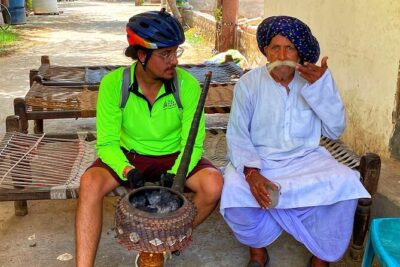 ★ 5.0Premium Delhi Aravalli Organic Cycle Tour – A glimpse of Real and Rural IndiaFrom $12025 reviews
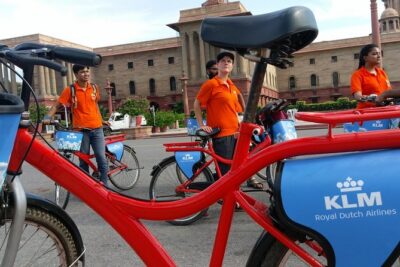 ★ 5.0Raj Tour- New Delhi Cycle TourFrom $3522 reviews
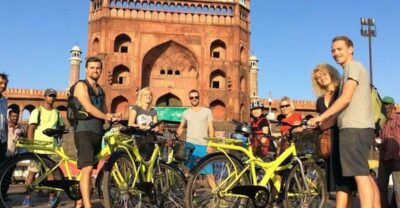 ★ 4.6Old Delhi: 3.5-Hour Small-Group Bike Tour with BreakfastFrom $2621 reviews
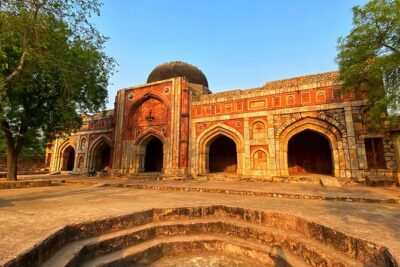 ★ 5.0Premium Hidden Jewels of Delhi Cycling Tour – The First Chapter of DelhiFrom $4510 reviews
Browse the lists this tour appears in