
Reviewed · TOURS
Spiti Valley Group Tour From Delhi
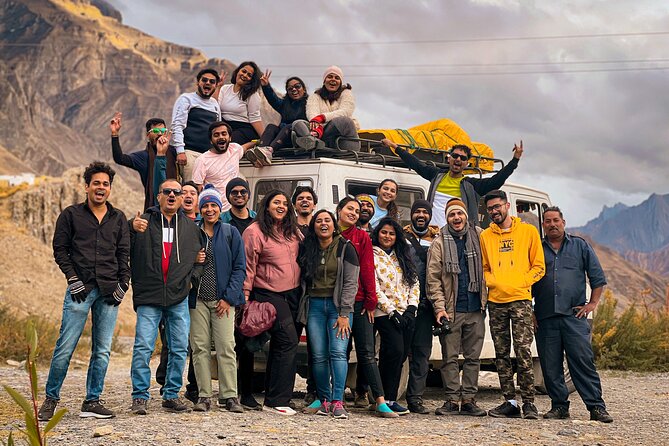
Spiti runs on night buses and starry skies. This 9-day group trip from Delhi is built for people who want Little Tibet, monastery time, and a true high-altitude camp in one package: you’ll handle triple-sharing stays (hotels, homestays, and camps) and still see key places like Chitkul, Tabo, Kaza, and Chandratal. I like that the route is run with a local driver and group leader, plus a first-aid kit and an oxygen cylinder for emergencies. One thing to weigh: it’s a lot of driving, and the first meet-up is at 10 PM—great if you can handle late starts.
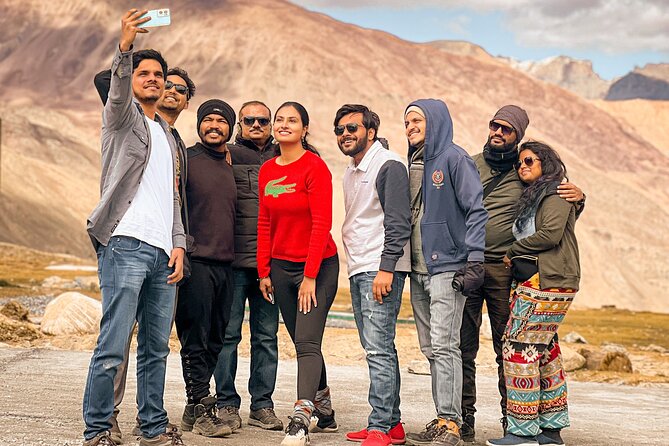
What makes this kind of Spiti tour work is the balance between big “wow” days and smaller, human-scale stops. You’re not just stacking viewpoints; you’re timing monastery visits, village walks, and the border-feeling towns so the culture sticks with you after the bus ride. You also get a max group size of 24, which keeps the vibe friendly instead of chaotic.
In This Review
- Key highlights you’ll feel on the trip
- How the Delhi-to-Spiti route actually starts (10 PM, then altitude)
- Chitkul, Sangla, Kalpa: Kinnaur Valley as your warm-up act
- Tabo and Nako: monasteries and lake stops that pace the trip
- Pin Valley to Kaza: moving into Spiti’s big, open feeling
- Langza, Hikkim, Komic, and Key Monastery: the day with “only-in-Spiti” details
- Chandratal at 14,000 ft: Chicham Bridge and the Milky Way camp night
- Back to Manali and then Delhi: a long ride, but a tidy ending
- Price and logistics: is $510.66 good value for this route?
- Who should book this Spiti Valley group tour
- Practical tips before you go (so the trip stays fun)
- Should you book this Spiti Valley tour from Delhi?
- FAQ
- Where is the meeting point in Delhi?
- What time is the pickup for the trip?
- How long is the Spiti Valley group tour?
- What is the maximum group size?
- What type of accommodation is included?
- How many meals are included?
- Are entrance fees included?
- Is there camping at Chandratal Lake?
- Is there emergency support for altitude?
Key highlights you’ll feel on the trip
- Late-night Delhi pickup and Volvo overnight gets you out of the city quickly
- Tabo + Dhankar + Key Monastery pairs spiritual sites with dramatic settings
- Langza, Hikkim, and Komic mix postcard views with genuinely odd details (like the world’s highest post office)
- Chicham Bridge to Chandratal (14,000 ft) sets up the best night-sky moment
- Small group up to 24 makes it easier to stay organized and move together
- Emergency oxygen arrangement plus a first-aid kit is a real comfort at altitude
How the Delhi-to-Spiti route actually starts (10 PM, then altitude)
Your day one doesn’t begin with breakfast plans. It begins with logistics: you meet your group leader at the Volvo pickup stand at Majnu ka Tila, and the departure timing is 10 PM. That’s a big deal in the real world, because it means you’re starting the journey while other people are still figuring out their travel day.
Expect a Volvo bus ride from Delhi toward Shimla. The next morning, the plan has you freshen up around 7 AM in Shimla, then keep moving toward the next stretch of the hills. If you’re the kind of traveler who hates wasting the first morning of a trip, this route format fits your style.
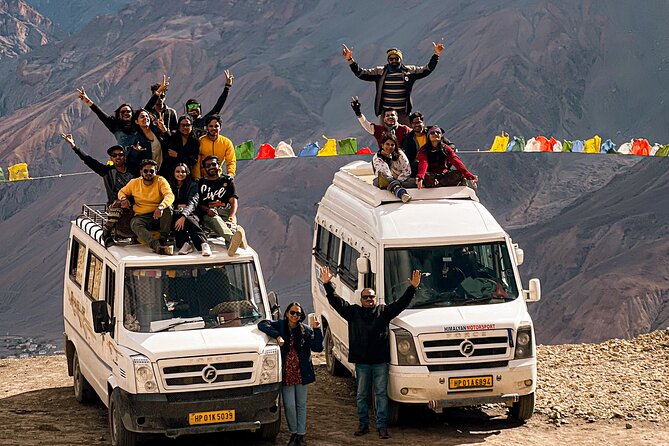
You’ll also be moving with a tempo traveller for the onward driving days. In practical terms, that helps you because Spiti’s roads can be slow and stop-and-go. A smaller vehicle with a set group is easier to coordinate than trying to “DIY” every hop on your own.
Still deciding? Here is how it stacks up against other Delhi picks we have written up.


Chitkul, Sangla, Kalpa: Kinnaur Valley as your warm-up act
Before Spiti fully shows its otherworldly side, you go through Kinnaur Valley. Day two puts you in the flow fast: arrive in Shimla around 7 AM, then head to Sangla via about 200 km of scenic driving.
Then day three shifts the vibe toward border-country feel with a stop at Chitkul, described as the last inhabited village near the Indo-Tibetan border. Even if you don’t chase border drama, this stop works because it gives you a real sense of where Spiti’s cultural world starts to take shape.
Day three also includes Tabo Monastery time, plus a drive to Kalpa with views of the Kinnaur Kailash range. Kalpa is where the trip starts to feel less like sightseeing and more like “being in the mountains.” You’re swapping city pace for thinner air and long sight lines. And since you’re overnighting in Kalpa, you’re not just rushing through the region—you’re giving it one full night to sink in.
Watch-out: Kinnaur and Spiti both reward patience. Drives can take longer than you expect, and there isn’t a lot of time to wander off-script. If you want total freedom to stop whenever you feel like it, a group tour will feel more structured than you might prefer.
Tabo and Nako: monasteries and lake stops that pace the trip
One of the strongest sections of this trip is the way it threads Tabo into multiple days rather than treating it like one quick photo stop.
On the way into Spiti, you hit Nako Lake as an en route stop. This is a nice breath in the middle of road time—simple, scenic, and helpful for resetting your focus before the monasteries start stacking up.
Then you reach Tabo for an evening stay. After that, day five again includes Tabo Monastery, and it’s not described as a random visit. It’s framed as the oldest monastery in Spiti, which matters. When a site is that old, you can feel the difference in how people treat it and how the space holds history. It’s also the kind of stop where you’ll appreciate having a guide who can point out what you’re actually looking at.
Even better, the trip doesn’t only keep you indoors. The plan includes river-area time near the Baspa River, and it’s those small moments—walking, pausing, looking—that help the monasteries land emotionally.
Pin Valley to Kaza: moving into Spiti’s big, open feeling
Spiti shows up in full once you cross into the valley proper. Day four makes that pivot: you depart early from Tabo, cross rugged Kinnaur terrain, and spend the evening back in Tabo as you transition days. It’s not “one straight highway,” and that’s exactly why having organized transport matters.
Then day five brings you to another major cultural stop: Dhankar Monastery. This is described as a cliff-top monastery, and that detail is important because the setting is part of the experience. A monastery view from a cliff doesn’t just look dramatic—it frames how people used the location historically.
You’ll then arrive in Kaza by evening, with an overnight at a hotel in Kaza. Kaza is where most travelers start to feel the rhythm of Spiti: fewer distractions, more focus on the places you came for, and a daily routine built around driving schedules and altitude.
One consideration: some entrance fees aren’t included. The included costs are clear that entrance fees are not included generally, and the schedule flags at least one day as not including admission tickets. That means you should budget a bit for entry costs and keep small cash or card handy, depending on what the site accepts.
Langza, Hikkim, Komic, and Key Monastery: the day with “only-in-Spiti” details
If you want a day that’s equal parts culture and weird facts, this is it. The plan includes Langza, a 35 ft Buddha statue stop, and then moves into Hikkim—home of the world’s highest post office. From there you go to Komic, described as the world’s highest motorable village.
These aren’t random gimmicks. They help you understand how Spiti’s settlements work. People live here with distance and altitude as everyday realities, and it changes how they build services and community spaces. The facts (highest post office, highest motorable village) are fun, but they’re also a shortcut to appreciating the setting.
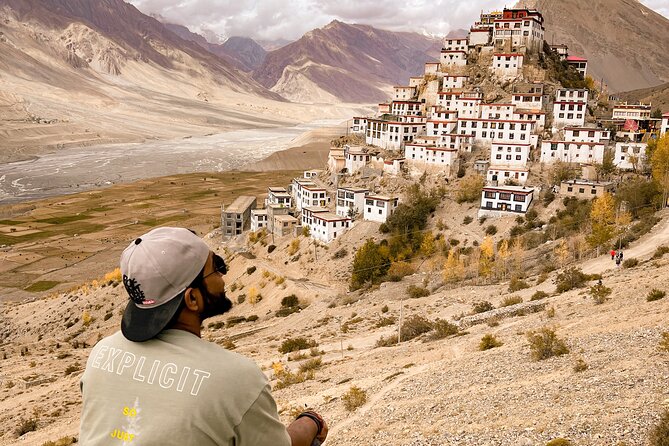
Later, you reach Key Monastery for time at the site, including 1000-year-old murals and thangkas. That’s the spiritual anchor of the day. Murals and thangkas aren’t something you can fully “speed-run.” If you give yourself a little patience and time to look, you’ll get more out of the visit.
This day also includes a pattern that works well for group travel: you’re not just going from point to point and hoping you remember it later. The stops are thematically linked—villages first, then monastery art—so your brain makes connections instead of collecting disconnected facts.
Chandratal at 14,000 ft: Chicham Bridge and the Milky Way camp night
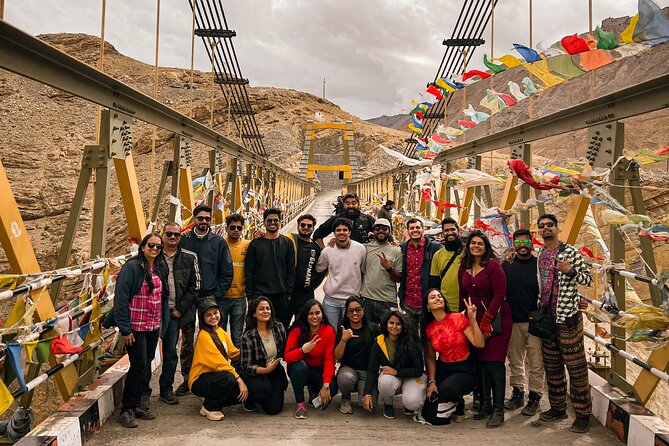
This is the day that most people remember, because it combines altitude, a signature bridge, and real night-sky time.
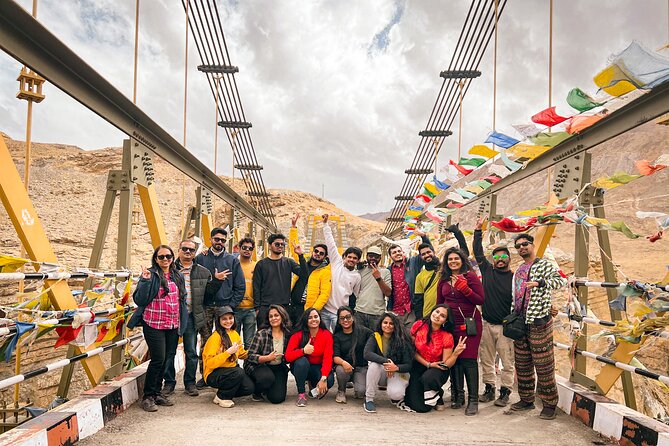
The plan has you breakfast and leave early for Chandratal Lake at 14,000 ft altitude. On the way you stop at Chicham Bridge, described as Asia’s highest suspension bridge. That’s not just trivia; a bridge at altitude changes how you experience the air—wind, drop-off views, and the feeling of being out in the open.
Then you arrive at Chandratal, and the overnight is in camps. Dinner is included, and the schedule highlights staying under the Milky Way—meaning you’re set up for a night where stargazing isn’t a side activity, it’s the point.
Reality check: high-altitude camping is cold. The plan doesn’t list weather gear, so you’ll want to be practical—pack layers you can actually use, and don’t treat this night like a mild mountain evening. Also, because you’re at altitude, build in slow breathing and keep expectations realistic for how your body feels.
The good news is the trip is designed around this day. You’re not cramming Chandratal into a one-hour stop between other major sites. You’re there long enough to do it justice.
Back to Manali and then Delhi: a long ride, but a tidy ending
After Chandratal camp, day eight starts with waking up at the camps, getting freshened up, having breakfast, and driving back to Manali, reaching it by 4 PM. That’s useful because it keeps your return day from turning into an all-night marathon.
Then day nine is straightforward: reach Delhi in the morning and return you to the meeting point area. In this case, the end is back at the starting location, which helps a lot for planning. You don’t have to figure out complicated last-day logistics after a full week of mountain travel.
Price and logistics: is $510.66 good value for this route?
At $510.66 per person, you’re paying for more than transit. You’re paying for an organized route that strings together long-distance travel, local driving, and multi-night stays.
Here’s what the price covers based on the included items:
- Volvo bus tickets from Delhi to Shimla and back
- Tempo traveller transportation for the days in the mountain circuit
- Hotels/homestays/camps on a triple-sharing basis
- First aid kit and oxygen cylinder arrangement (big value if you’re altitude-sensitive)
- Breakfast (6) and dinner (6)
- Driver charges, tolls, and driver allowance
- Experienced local driver and group leader
- A mobile ticket
What’s not included:
- Entrance fees and tips
- Any meals not listed as included (so plan on lunch or gaps depending on the day)
So is it worth it? For most travelers, it is if you want the whole chain handled. DIY Spiti travel can be tempting, but the hardest part isn’t the map—it’s coordinating transport across changing road conditions, keeping the group moving on time, and managing the altitude reality. This tour gives you structure plus basic safety planning.
The drawback is also tied to value: triple-sharing and group timing. You’re trading personal flexibility for lower stress and smoother coordination.
Who should book this Spiti Valley group tour
This is a strong fit if:
- You want Spiti Valley highlights in one trip without planning each leg
- You like monasteries and cultural stops as much as the scenery
- You’re okay with shared rooms and being on a fixed schedule
- You value a guide/driving team that handles the terrain and timing
It might not be the best fit if:
- You want lots of solo wandering and flexible stop choices
- You’re very sensitive to long drives
- You’re not comfortable with camping at 14,000 ft conditions
Practical tips before you go (so the trip stays fun)
Even with a well-run group tour, Spiti punishes sloppy planning. A few things I’d do before departure:
- Pack for cold nights, especially for the Chandratal camp day
- Keep water and snacks ready for moments when meal timing gets tight (since only some meals are included)
- Plan for entrance fees at monasteries and sites, since they’re not included
- Bring layers you can use while moving and while standing still at high altitude
- If you’re traveling as a couple, double-check you’re comfortable with triple-sharing overall (the plan is set on that basis)
Also, because the tour uses a mobile ticket, make sure you’ll have easy access to it on your phone when needed.
Should you book this Spiti Valley tour from Delhi?
If your goal is a full Spiti sampler—Kinnaur warm-up, Tabo + Dhankar + Key Monastery, high villages like Langza/Hikkim/Komic, and an unforgettable Chandratal night—this tour makes a lot of sense. The standout value is the combination of organized transport, multi-night stays, and safety-minded planning with an oxygen cylinder arrangement.
One final reality check: there’s weather risk in the mountains, and the experience requires good weather. If conditions aren’t right, you may be offered a different date or a refund. If you’re booking close to your travel window, it’s smart to leave yourself breathing room.
If you like structured days, cultural stops, and one big night under the stars, I’d say go for it. If you’re chasing maximum freedom and you hate shared rooms, you may want to compare against a more flexible Spiti plan.
FAQ
Where is the meeting point in Delhi?
You meet near Maharana Pratap Kashmiri Gate ISBT, near Yudhister Setu, at the Inter State Bus Terminal area in Delhi (Kashmere Gate).
What time is the pickup for the trip?
The meeting time for the group leader at the pickup point is 10 PM.
How long is the Spiti Valley group tour?
The tour runs for 9 days (approx.).
What is the maximum group size?
The tour has a maximum of 24 travelers.
What type of accommodation is included?
Stays are on a triple sharing basis in hotels, homestays, or camps.
How many meals are included?
The tour includes breakfast (6) and dinner (6).
Are entrance fees included?
No. Entrance fees and tips are not included.
Is there camping at Chandratal Lake?
Yes. Day 7 includes a camp stay at Chandratal Lake with dinner included.
Is there emergency support for altitude?
Yes. The tour includes a first aid kit and an arrangement of an oxygen cylinder in case of emergency.
More Tours in New Delhi
- Old & New Delhi City Tour – Half or Full Day Options Available
★ 5.0 · 4,811 reviews - Half Day Private Delhi City Tour
★ 5.0 · 4,474 reviews - Same Day Taj Mahal, Agra Fort & Baby Taj Tour from Delhi by Car
★ 5.0 · 4,304 reviews - Taj Mahal Day Tour from Delhi by Superfast Train – TOP RATED TOUR
★ 5.0 · 4,166 reviews - Delhi: Old and New Delhi Private Full or Half-Day Tour
★ 4.9 · 3,776 reviews
More Tour Reviews in New Delhi
- Old & New Delhi City Tour – Half or Full Day Options Available
★ 5.0 · 4,811 reviews - Half Day Private Delhi City Tour
★ 5.0 · 4,474 reviews - Same Day Taj Mahal, Agra Fort & Baby Taj Tour from Delhi by Car
★ 5.0 · 4,304 reviews - Taj Mahal Day Tour from Delhi by Superfast Train – TOP RATED TOUR
★ 5.0 · 4,166 reviews - Delhi: Old and New Delhi Private Full or Half-Day Tour
★ 4.9 · 3,776 reviews
Just added: more New Delhi reviews to browse
- 4 days Golden Triangle Tour★ 5.0 · 3 reviews
- Discover Old & New Delhi: Private Tour with Street Food★ 5.0 · 3 reviews
- Taj Mahal Tour From Delhi By Private Car★ 4.5 · 3 reviews
- Golden Triangle Tour 5 Days★ 5.0 · 3 reviews
- Taj Mahal: Express Entry Ticket For Sunset Tour with guide★ 5.0 · 3 reviews
- Agra Taj Mahal Sunrise & Sunset Tour from Delhi★ 5.0 · 3 reviews
Tours, compared.
 ★ 5.0Old & New Delhi City Tour – Half or Full Day Options AvailableFrom $384,811 reviews
 ★ 5.0Half Day Private Delhi City TourFrom $374,474 reviews
 ★ 5.0Same Day Taj Mahal, Agra Fort & Baby Taj Tour from Delhi by CarFrom $624,304 reviews
 ★ 5.0Taj Mahal Day Tour from Delhi by Superfast Train – TOP RATED TOURFrom $1004,166 reviews
 ★ 4.9Old and New Delhi Private Full or Half-Day TourFrom $23,776 reviews
 ★ 5.0Full Day Taj Mahal, Agra Fort & Baby Taj Tour from Delhi by CarFrom $623,647 reviews
 ★ 5.0Taj Mahal Tour from Delhi by Express Train (Viator Award Winner)From $752,849 reviews
 ★ 5.0All Inclusive Private Taj Mahal Luxury Tour from Delhi by CarFrom $622,564 reviews