
Reviewed · NEW DELHI
Sultanpur The wonder of Birding from Delhi
Birds put on a show just outside Delhi. This early trip takes you to Sultanpur Bird Sanctuary fast, where wetland and forest edges can turn a simple morning drive into serious birdwatching. You’re aiming for everything from bright kingfishers to winter migrants, and the guide helps you spot what matters.
Two things I really like: first, the timing. Starting at 7:00 am gives you prime light and peak bird activity. Second, you’re not going alone—you get a tour guide who knows where to focus, and guides like Sachin are specifically mentioned in the local experience notes.
One thing to consider: you only have about 3 hours inside the park. That’s enough for most birders, but if you’re serious about photography, you may want extra time and can arrange an extra per-hour charge with the guide.
In This Review
- Key highlights to know before you go
- Sultanpur Birding From Delhi: why this morning trip is worth it
- Getting there: 7:00 am pickup, private vehicle, and mobile ticket
- Sultanpur National Park: wetland + forest edge birding in 3 focused hours
- What you can spot: migratory birds and standout species at Sultanpur
- Photography vs. birding time: how to plan the 5 to 6 hour day
- Price and value: what $85 covers and what to budget for
- What to wear and bring for wetland birding comfort
- Who this tour fits best (and who might want a different plan)
- Should you book Sultanpur The wonder of Birding from Delhi?
- FAQ
- What time does the birding tour start?
- How long is the total experience?
- How much time will I spend inside Sultanpur National Park?
- Where do pickups happen?
- Is the tour admission ticket included?
- What’s included in the price?
- What’s not included?
- Are binoculars required?
- Is a passport required?
- What is the cancellation policy?
Key highlights to know before you go
- Early start at 7:00 am for best viewing conditions in and around the wetland
- 3 hours in Sultanpur National Park with a guide focused on active spots
- A clear species target: about 250 feathered species overall, plus 100+ winter migrants
- A mix of habitats (wetland and forest edges) that increases your odds
- Private vehicle pickup from Delhi hotels and also nearby Gurgaon
- Admission included, so you don’t need to figure out tickets on the day
Sultanpur Birding From Delhi: why this morning trip is worth it
If you’re in Delhi with limited time, Sultanpur National Park is one of the most practical ways to get into birdwatching. You don’t need to plan a multi-day outing or travel far out of the city. The day is built around a short drive (about a two-hour trip from Delhi) and then a focused block of time where birds actually show up.
The setting is the core appeal: Sultanpur is all about wetland life, with surrounding areas that create edges birds like for feeding and resting. That matters because birding is mostly about conditions—water level, wind, temperature, and light. Starting early and keeping your time efficient makes it more likely you’ll see the birds that are actively moving around.
I also like that the experience doesn’t pretend you’ll see everything. It gives you a realistic target: around 250 species, and a strong winter line-up of migratory birds. In plain terms, it’s an itinerary that respects the rhythm of the birds.
Still deciding? Here is how it stacks up against other Delhi picks we have written up.




Getting there: 7:00 am pickup, private vehicle, and mobile ticket
This tour runs with a 7:00 am start, which is a big deal for birding. Early hours help with visibility and bird movement, especially around water. You’ll be picked up from your hotel in Delhi, and pickup and drop can also be arranged from the Gurgaon region.
Transport is in a private vehicle, not a crowded bus situation. You’re also told it’s a private activity, meaning only your group participates. That gives you flexibility with stopping, moving around, and staying on schedule without negotiating with strangers.
You’ll receive a mobile ticket, and you’ll want to keep your details handy. Also note a detail that surprises some people: a current valid passport is required on the day of travel. Bring it with you even if you’re only doing a short trip outside Delhi.
Sultanpur National Park: wetland + forest edge birding in 3 focused hours
Inside the park, the plan is simple: spend about 3 hours around the wetlands and forest areas with your guide. This is long enough to do real birdwatching without turning the day into a grind. It’s also short enough that you can still return to Delhi at a reasonable time.
Here’s what I’d watch for during those three hours:
- Birds active around water: ducks, waders, ibis, storks
- Birds using perches and edges: rollers, kingfishers, robins
- Winter migrants that arrive when the landscape suits their feeding needs
A key benefit of walking with a guide is that you’re not guessing. In a place with lots of trees, reeds, and distant perches, the “where to look” part is half the battle. Guides help you target the areas birds use most, which saves your energy and helps you build a list instead of just chasing silhouettes.
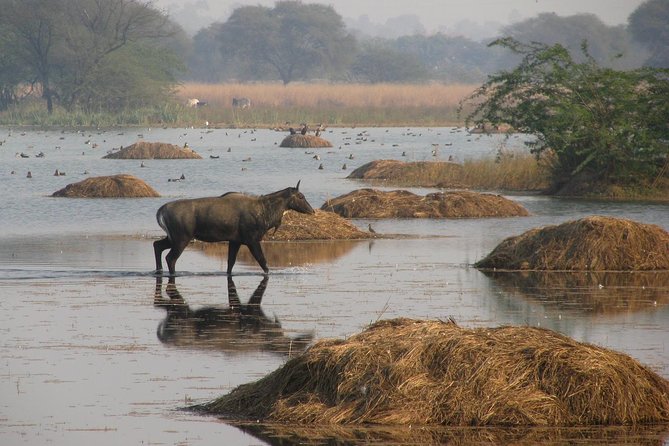
One more neat thing from the tour framing: you might also see blue buck listed as a possible fauna element. You’re still primarily birding, but it’s a reminder that the reserve can have other wildlife moments too.
What you can spot: migratory birds and standout species at Sultanpur
Sultanpur’s reputation comes from winter arrivals. The day’s birding focus includes the fact that more than 100 migratory bird species reach Sultanpur each year to feed and pass the winter. That’s why this trip is so good for short-term visitors: the birds aren’t random. They’re seasonal, and the park is tuned to them.
The experience highlights a number of specific species that you can realistically keep on your mental checklist, such as:
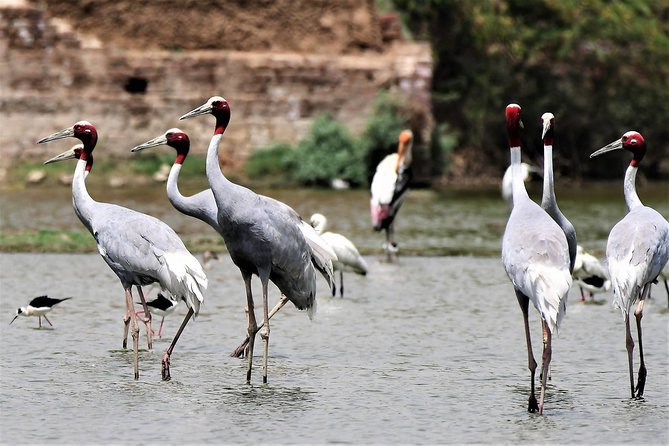
- Siberian Cranes
- Greater Flamingo
- Ruff
- Black-winged Stilt
- Common Teal
- Common Greenshank
- Northern Pintail
- Yellow Wagtail and White Wagtail
- Northern Shoveler
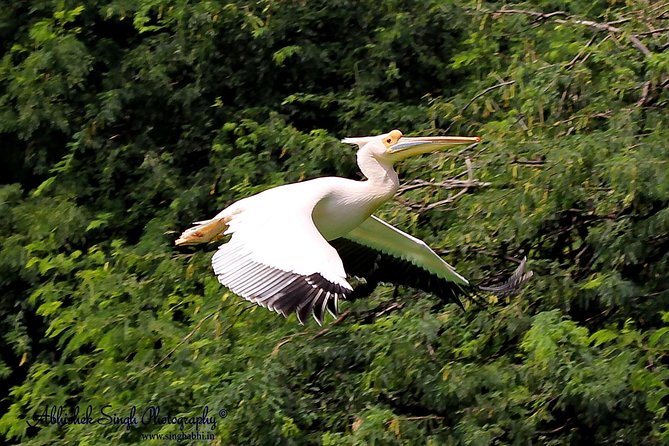
- Rosy Pelican
- Gadwall
- Wood Sandpiper and Spotted Sandpiper
- Eurasian Wigeon
- Black-tailed Godwit
- Spotted Redshank
- Bluethroat
- and more, depending on day and conditions
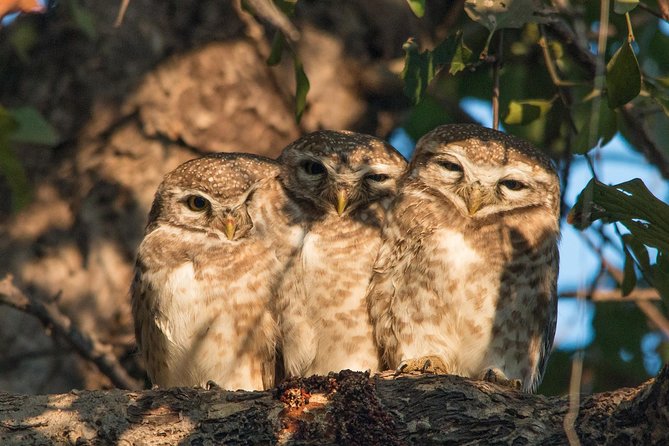
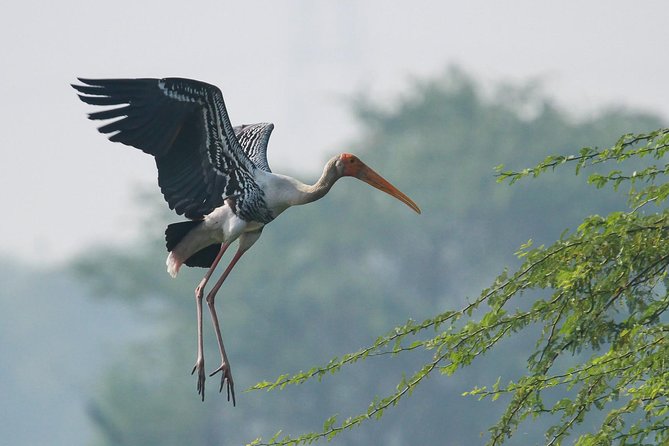
It also lists birds you might spot beyond the winter-migrant headline, including Purple Sunbird, Indian Roller, White-throated Kingfisher, Spot-billed Duck, Painted Stork, White Ibis, Black-headed Ibis, Eurasian Collared Dove, Spotted Owlet, and Magpie Robin.
In birding terms, what I love about this mix is that it covers different “birding styles.” You can get:
- water-scene birds (ducks, storks, ibis, waders)
- perching birds with color and shape (sunbirds, kingfishers, rollers, robins)
- and calls or quick movements that you notice more when you’re out early with binoculars
If you don’t have binoculars, you can still enjoy the walk, but bringing them is strongly aligned with the experience idea.
Photography vs. birding time: how to plan the 5 to 6 hour day
The total duration is about 5 to 6 hours. That includes the morning drive, the birding block, and the ride back to your Delhi hotel.
The itinerary is built around 3 hours in the park, and it specifically notes that this is enough for a standard birding tour. That’s great for most people: you get a solid session without feeling like you’re burning your whole day.
But if your goal is photography, be aware the tour leaves room for reality. You may end up wanting more time, and customers can settle an extra per-hour charge directly with the guide. That’s a practical way to handle it—photography often needs patience, repositioning, and wait time.
My advice: decide what matters most to you before you go. If you want a full bird list and relaxed walking, stick to the default timing. If you need close shots, start earlier with the expectation you’ll negotiate time on site.



Price and value: what $85 covers and what to budget for
At $85 per person, this is positioned as a short, structured birding day with transport and guidance. For that price, you get:
- Transport by private vehicle
- Tour guide
- Bottled water
- Admission ticket included
- Group discounts (if you’re booking with others)
That value becomes clearer when you compare it to the cost of transport plus paid entry plus guide time. A guide is especially useful here because birding isn’t just about showing up—it’s about learning where to look in a wetland environment.
What’s not included is also important: food and drinks are not included. So budget for your own breakfast snack if you need one, plus water beyond what’s provided if you run warm or wear a lot of layers.
Also, the tour is commonly booked about 29 days in advance on average. If you’re traveling in peak bird season, booking earlier can help you lock in your preferred slot.
What to wear and bring for wetland birding comfort
Dress code is listed as smart casual. That sounds vague, but for a morning out, it’s basically: wear something you can move in, not fancy clothing you’ll regret after a couple of hours outdoors.
Given the focus on wetlands and walking, you’ll be happiest in:
- comfortable shoes you trust on uneven ground near water
- a light layer you can remove as the morning warms up
- a hat or cap for sun protection
- and yes, binoculars if you have them
The experience includes bottled water, but bring a bit more if you tend to drink often.
Who this tour fits best (and who might want a different plan)
This is a great match if you:
- love birds and want a strong hit of winter migrants
- want a doable day trip from Delhi without planning a complex route
- prefer a guided experience that helps you focus your time
- appreciate efficient itineraries with a clear 3-hour park block
It may be less ideal if you:
- need a very long day in one location
- want a mostly independent experience without a guide steering your focus
- are mainly interested in food and comfort stops rather than a steady morning walk (food isn’t included)
Physical fitness is described as moderate, so you should be comfortable walking for a few hours. If you have mobility limits, consider how the wetland areas might feel underfoot.
Should you book Sultanpur The wonder of Birding from Delhi?
If you want a high-reward birding morning with low travel friction, I think it’s an easy yes—especially if your trip to Delhi is short and you still want a real nature outing. The structure is sensible: early start, a guided route in the wetlands and forest edges, and a return that keeps the day from swallowing your schedule.
Book it if you enjoy making a bird list and you like the idea of winter migrants such as Siberian Cranes and greater flamingo being part of the expected scene. Consider skipping or adjusting expectations if you’re expecting a full-day nature hike or a food-forward outing—this is about birds, not meals.
FAQ
What time does the birding tour start?
The tour starts at 7:00 am.
How long is the total experience?
It runs for about 5 to 6 hours in total.
How much time will I spend inside Sultanpur National Park?
You’ll spend about 3 hours around the wetlands and forest areas with the guide.
Where do pickups happen?
Pickup is provided from your hotel in Delhi, and pickup and drop can also be arranged from the Gurgaon region.
Is the tour admission ticket included?
Yes. The admission ticket is included as part of the 3-hour park time.
What’s included in the price?
Included are bottled water, transport by private vehicle, and a tour guide.
What’s not included?
Food and drinks are not included.
Are binoculars required?
Binoculars aren’t listed as required, but the experience is designed for birding, so having binoculars will help you get more out of the sightings.
Is a passport required?
Yes. You need a current valid passport on the day of travel.
What is the cancellation policy?
You can cancel for free up to 24 hours in advance for a full refund. Canceling less than 24 hours before the start time means the amount paid is not refunded.
More Tour Reviews in New Delhi
- Old & New Delhi City Tour – Half or Full Day Options Available
★ 5.0 · 4,811 reviews - Half Day Private Delhi City Tour
★ 5.0 · 4,474 reviews - Same Day Taj Mahal, Agra Fort & Baby Taj Tour from Delhi by Car
★ 5.0 · 4,304 reviews - Taj Mahal Day Tour from Delhi by Superfast Train – TOP RATED TOUR
★ 5.0 · 4,166 reviews - Delhi: Old and New Delhi Private Full or Half-Day Tour
★ 4.9 · 3,776 reviews
Just added: more New Delhi reviews to browse
- 4 days Golden Triangle Tour★ 5.0 · 3 reviews
- Discover Old & New Delhi: Private Tour with Street Food★ 5.0 · 3 reviews
- Taj Mahal Tour From Delhi By Private Car★ 4.5 · 3 reviews
- Golden Triangle Tour 5 Days★ 5.0 · 3 reviews
- Taj Mahal: Express Entry Ticket For Sunset Tour with guide★ 5.0 · 3 reviews
- Agra Taj Mahal Sunrise & Sunset Tour from Delhi★ 5.0 · 3 reviews