
Delhi to Varanasi in one tidy loop means less logistics, more time for sights. This 10-day private route strings together Delhi, Agra, Jaipur, and then the sacred waterfront of Varanasi with guided stops like Humayun’s Tomb, Qutub Minar, Amber Palace, the Taj Mahal, and a morning on the Ganga.
I especially like two things about how this tour is set up. First, your 9 nights of 3-star hotel and breakfast are built in, plus pickup and drop-off so you are not constantly re-booking transport. Second, the schedule hits big-ticket moments with intention, including an early Taj Mahal visit and a Varanasi boat ride that starts early enough to feel like a real local morning.
One thing to consider: the pace is fairly full, and part of the plan uses an overnight train between Agra and Varanasi. Also, some major entrances and monuments are listed as not included (while a few items are free), so you’ll want to budget for tickets on the days marked as admission not included.
In This Review
- Key things to know before you go
- The route: Delhi, Jaipur, Agra, then Varanasi for the holy-city contrast
- Delhi day 1-2: start with iconic monuments, then ease into markets
- Jaipur days 3-4: palaces, fort views, and evening market time
- Day 5 drive to Agra: Fatehpur Sikri and the Mughal story in stone
- Agra day 6: Taj Mahal early morning, then Agra Fort and markets
- Agra to Varanasi by overnight train: what to expect and how to plan around it
- Varanasi days 7-8: ghats, Ganga boat ride, and Sarnath next morning
- Who runs it on the ground: guides, drivers, and personalization that actually helps
- Price and logistics: is $624 good value for this private loop?
- Best-fit traveler: who will enjoy this schedule the most?
- Should you book this 10-day Golden Triangle with Varanasi?
- FAQ
- Is this tour private or shared?
- What’s included in the price?
- Are meals like lunch and dinner included?
- Do I need to buy entry tickets for monuments?
- How do you travel from Agra to Varanasi?
- What kind of hotels will I stay in?
Key things to know before you go
- Private format, your own schedule: It is a private tour/activity, so your group does it together rather than blending into a crowd.
- Hotels + breakfast included for 9 nights: Default is 3-star, and you can request 4- or 5-star with extra cost.
- A guided Golden Triangle, not just driving: You get an English-speaking guide and planned sightseeing in Delhi, Jaipur, Agra, and Varanasi.
- Early morning priorities: Taj Mahal is scheduled early, and Varanasi includes a morning boat ride on the Ganga.
- Admissions are mixed: Some days list admissions as not included, while at least one attraction (Jaipur Wax Museum) is shown as free.
- You deal with real humans for planning: The operator (Abyss Tours INC) can coordinate personalization; in past experiences, Sajad Ahmad and drivers like Ajay or Arun handled the on-the-ground logistics.
The route: Delhi, Jaipur, Agra, then Varanasi for the holy-city contrast
This tour is built on a classic Golden Triangle idea—Delhi, Agra, Jaipur—then adds a totally different emotional register with Varanasi. The shift is the point. In Delhi and Jaipur you are reading architecture and imperial-era design. In Agra you are staring at one of the world’s most famous memorial buildings. In Varanasi you slow down in a place where daily rituals, river light, and temple life shape the day.
The value here is that you do not have to stitch it all together yourself. You get round-trip transfer coverage from Delhi, nine nights of lodging, and a professional English-speaking guide to connect the dots between stops.
Private tours in India can be either “car + driver” or “car + guide with purpose.” This one is set up to be the second kind: planned sightseeing blocks in each city, plus specific experiences like the Ganga boat ride and a day trip to Sarnath.
Delhi, Agra and Jaipur: more full circuits
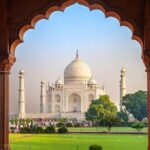


Delhi day 1-2: start with iconic monuments, then ease into markets
On Day 1, you land at Delhi International Airport and meet a meet-and-greet representative. Then it is a direct transfer to your hotel and check-in. After that, it is simply your overnight in Delhi—no long first-day scramble.
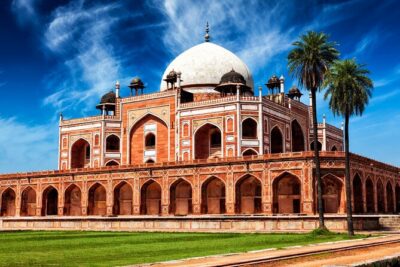
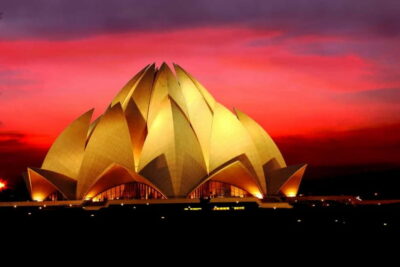
Day 2 is your main Delhi sightseeing day. The plan includes major landmarks such as Red Fort and Chandni Chowk Market, then New Delhi sights like India Gate and the President House area, plus Humayun’s Tomb and Lotus Temple. The schedule also lists Qutub Minar, and you’ll see time allocated for other prominent sights in the broader Delhi mix (Jantar Mantar is also part of the tour’s top-site list).
What I like about this Delhi approach is that it gives you variety fast. You go from Mughal grandeur (Humayun’s Tomb) to a modern-looking spiritual landmark (Lotus Temple) to Ottoman-ish geometry and street energy (Chandni Chowk). The day is not just photos; it helps you understand why Delhi feels layered.
A practical note: the day 2 plan shows an admission-ticket status as not included. So build in a small ticket budget for monuments on this list, or ask your guide what will require separate payment during your visit.
Jaipur days 3-4: palaces, fort views, and evening market time
On Day 3, you travel from Delhi to Jaipur. You check in on arrival, then you get evening free time for local markets. That free block matters. Jaipur can feel like “one monument after another,” and markets give you a break to shop, snack, and reset your legs.
Day 4 is your core Jaipur sightseeing day. The big anchor is Amber Fort (also spelled Amber Palace in the itinerary text), with stops that typically orbit the fort area: Jal Mahal, Hawa Mahal, City Palace, Jantar Mantar, and Albert Hall museum. This is a lot of architecture in one day, but it is the right kind of full: each stop adds another chapter of how Jaipur’s rulers, science, and aesthetics came together.
Also pay attention to pacing. Amber Fort and the surrounding sites often involve some walking and stairs. If you have mobility limits, mention it at the start of the tour so your guide can manage routes and timing.
As for admissions: Amber Fort is listed as not included. The Jaipur Wax Museum is shown as free on the route plan (Day 3), so if you want an optional add-on vibe, that could be a good, low-cost way to fill time without extra ticket stress.
Day 5 drive to Agra: Fatehpur Sikri and the Mughal story in stone
Day 5 moves you from Jaipur to Agra and includes a major stop en route: Fatehpur Sikri Fort and the abandoned Mughal town. The itinerary text also names elements like Jamia Mosque, Jodha Bai Palace, Birbal Bhawan, Panch Mahal, and more.
This is one of those days where you get more than just transit. Fatehpur Sikri is a big set-piece of Mughal-era planning, and it is easier to appreciate when you treat it as a full stop rather than a quick roadside break. The quiet “abandoned city” feeling can hit harder once you understand it was once a functioning hub.
The main drawback is energy. After two days of Jaipur palaces, Fatehpur Sikri can feel like another heavy dose of buildings. Still, it is exactly the kind of stop that makes the Golden Triangle feel connected instead of separate city tourism.
Agra day 6: Taj Mahal early morning, then Agra Fort and markets
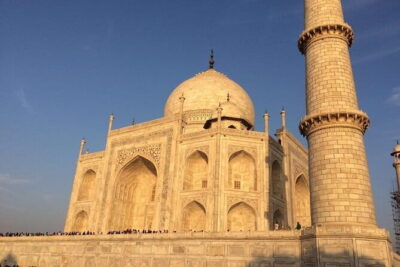
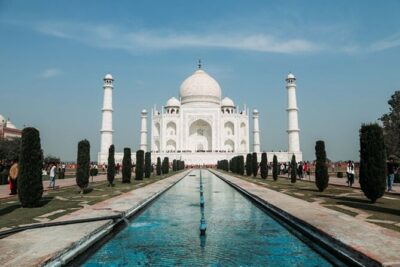
Day 6 starts with an early visit to the Taj Mahal, plus Agra Fort. The early timing is not a small detail—it’s the difference between Taj Mahal as a postcard and Taj Mahal as a living monument. Morning light changes the tone of the marble, and the crowd pressure is usually lighter than later in the day.
After the sightseeing window, the plan mentions exploring the market and shopping before heading to the train station.
One important part: Taj Mahal admission is listed as not included. So if you want to avoid surprise payments, plan ahead.
Also, the day ends with transfer to an overnight train for Varanasi. That means you should pack like a person who needs rest, not like a person going to a museum marathon. Even if you do not get perfect sleep, the train keeps you from losing the whole next day to travel.
Bigger loops around the capital
Agra to Varanasi by overnight train: what to expect and how to plan around it
The itinerary uses an overnight train for Day 6 into Day 7. That’s often the most efficient way to keep the schedule tight, but it can be uncomfortable depending on your preferences.
What helps: a private plan with a driver and guide coordination, so you are not stuck figuring out station logistics alone. Also, the operator can sometimes handle alternatives. In one past experience, the group upgraded accommodation and chose to fly to Varanasi to avoid the train journey. If you care a lot about comfort, ask early whether an alternative transport option is available for your dates.
If you do keep the overnight train, travel-smart habits make it easier: keep your essentials accessible and think of the train as a “get through the night” segment, not a sightseeing day.
Varanasi days 7-8: ghats, Ganga boat ride, and Sarnath next morning
Varanasi is where the tour stops feeling like a historical circuit and starts feeling like a spiritual rhythm.
Day 7 is arrival and then sightseeing in Varanasi. The named stops include Alamgir Mosque, Dashashwamedh Ghat, and Bharat Mata temple. The itinerary text also references a Golden Temple stop as part of the overall tour top-site list, though the exact placement in Varanasi is not fully visible in the schedule snippet. Still, the core Varanasi theme is clear: you’re in the city where ritual at the river shapes what happens hour to hour.
Day 8 includes an early morning boat ride in the Ganga. This is scheduled for before breakfast, which is key. The early timing helps you see the water when it’s not just crowded with tours; it’s active with real daily life. After breakfast, you leave for Sarnath, where the itinerary notes Lord Buddha delivered his first sermon.
This part is also a great contrast to the Delhi-Agra- Jaipur architecture days. Varanasi is less about grand “one building” moments and more about atmosphere, movement, and human-scale detail. Sarnath then gives you a structured spiritual history moment to balance the sensory overload of the ghats.
Admission tickets are not listed in the day 7-8 snippet, so you’ll likely cover any entry fees with your guide’s direction once you’re there.
Who runs it on the ground: guides, drivers, and personalization that actually helps
This tour’s success hinges on people—because India travel is never purely about the map.
Abyss Tours INC can coordinate the planning side, and in past experiences the key contact was Sajad Ahmad. The useful part of that contact is not just politeness. It is the ability to personalize, adjust, and keep communications clear after booking.
On the road, drivers named Ajay and Arun were mentioned in past experiences as confident and comfortable behind the wheel. In cities, guides with names like Krishan in Jaipur and guides like Nivas and Vikas in the Varanasi/Delhi legs were described as strong companions for the day’s program.
You should treat guide style as part of the value. A good guide helps you understand what you’re seeing and keeps you from wasting time. If you have specific interests—fort architecture, Mughal design, river life, photography—tell your guide early so they can nudge your attention.
Price and logistics: is $624 good value for this private loop?
At $624 per person for roughly 10 days, this is priced like a full-service private package rather than DIY travel. What’s driving value is the mix of things that normally cost time and stress:
- 9 nights of accommodation (default 3-star)
- Breakfast included for 10 days
- A professional English-speaking guide
- Private tour setup and hotel pickup/drop-off
Then there’s the transport structure: round-trip transfer coverage from Delhi, plus the overnight train plan.
What’s not included matters for budgeting. Lunch and dinner are not included. And some major admissions are explicitly marked not included in parts of the schedule (like Taj Mahal, Agra Fort day 6, and several Delhi/Jaipur highlights). If you assume all entrances are covered, you may feel shortchanged later. If you budget for ticket payments day by day, the experience feels more predictable.
One more value angle: upgrades can be possible. In one past experience, the group upgraded accommodation to 5-star and even changed the transport approach for Varanasi. So if you want more comfort, it’s worth asking before you arrive in India rather than waiting until you’re in the middle of the tour.
Best-fit traveler: who will enjoy this schedule the most?
This tour fits you best if you want structure without giving up privacy. You’ll like it if:
- You want a guided Golden Triangle plus a Varanasi segment without planning each leg.
- You care about early starts for major sights like the Taj Mahal and the Ganga morning boat ride.
- You travel in a group that benefits from a private vehicle and a guide (family, friends, couples).
It may be less ideal if you hate overnight travel or prefer a slower day-by-day pace. The route moves, and there is less downtime than on a purely “one city per few days” trip.
If you love strong art/architecture days, you’ll be in heaven. If you love river mornings and spiritual atmosphere, Varanasi will likely be your favorite memory of the whole trip.
Should you book this 10-day Golden Triangle with Varanasi?
I’d book it if you want an efficient loop that covers the big names—Delhi monuments, Jaipur palaces, Taj Mahal, plus Varanasi’s river life—with hotels and breakfast handled. The private guide format and planned transfers are the main reasons it feels worth the money.
I would think twice if you hate the idea of an overnight train and you do not want to pay separate admission fees. If comfort is your top priority, ask about upgrade options and whether an alternative to the train segment is available for your dates.
If you like clear structure and you want India’s contrasts in one trip, this is a strong candidate.
FAQ
Is this tour private or shared?
It is a private tour/activity, meaning only your group participates.
What’s included in the price?
The package includes 9 nights of accommodation in 3-star hotels, a professional English-speaking guide, hotel pickup and drop-off, private tour time, and breakfast for 10 days.
Are meals like lunch and dinner included?
No. Lunch and dinner are not included, so you’ll plan meals on your own during the day.
Do I need to buy entry tickets for monuments?
Admission tickets are listed as not included on some days (for example, parts of Delhi, Amber Palace, and the Taj Mahal day). One attraction shown on the plan, Jaipur Wax Museum, is listed as free. Your guide can help you figure out what needs separate payment on the day.
How do you travel from Agra to Varanasi?
The itinerary plans travel from Agra to Varanasi by overnight train. There is also evidence that transport alternatives like flying to Varanasi may be possible if you request an upgrade.
What kind of hotels will I stay in?
The default is 3-star hotels for 9 nights. The schedule notes that 4- or 5-star hotels can be arranged on request with additional cost.
All of Delhi in a Day
- Old & New Delhi City Tour – Half or Full Day Options Available
★ 5.0 · 4,811 reviews - Half Day Private Delhi City Tour
★ 5.0 · 4,474 reviews - Delhi: Private Full-Day City Tour of Old and New Delhi
★ 4.9 · 1,722 reviews - Top Highlights of Delhi: All-Inclusive Private City Tour
★ 5.0 · 1,104 reviews - Private Half Day Delhi City Tour
★ 5.0 · 802 reviews
More Tour Reviews in New Delhi
- Old & New Delhi City Tour – Half or Full Day Options Available
★ 5.0 · 4,811 reviews - Half Day Private Delhi City Tour
★ 5.0 · 4,474 reviews - Same Day Taj Mahal, Agra Fort & Baby Taj Tour from Delhi by Car
★ 5.0 · 4,304 reviews - Taj Mahal Day Tour from Delhi by Superfast Train – TOP RATED TOUR
★ 5.0 · 4,166 reviews - Delhi: Old and New Delhi Private Full or Half-Day Tour
★ 4.9 · 3,776 reviews
The Full Golden Triangle, More Options
- 3-Days Private Golden Triangle Tour: Delhi, Agra & Jaipur by Car
★ 5.0 · 1,107 reviews - 3-Days Private Golden Triangle Tour: Delhi, Agra & Jaipur by Car
★ 5.0 · 1,098 reviews - 3-Day Delhi, Agra and Jaipur Private Tour – India Golden Triangle
★ 5.0 · 812 reviews - Four-Day Private Luxury Golden Triangle Tour to Agra and Jaipur From New Delhi
★ 5.0 · 807 reviews - 5 Nights 6 Days Private Golden Triangle Tour – Delhi Agra Jaipur
★ 5.0 · 574 reviews
Just added: more New Delhi reviews to browse
- 4 days Golden Triangle Tour★ 5.0 · 3 reviews
- Discover Old & New Delhi: Private Tour with Street Food★ 5.0 · 3 reviews
- Taj Mahal Tour From Delhi By Private Car★ 4.5 · 3 reviews
- Golden Triangle Tour 5 Days★ 5.0 · 3 reviews
- Taj Mahal: Express Entry Ticket For Sunset Tour with guide★ 5.0 · 3 reviews
- Agra Taj Mahal Sunrise & Sunset Tour from Delhi★ 5.0 · 3 reviews
Golden Triangle Tours, compared.
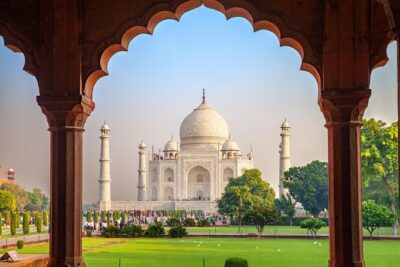 ★ 5.03-Days Private Golden Triangle Tour: Delhi, Agra & Jaipur by CarFrom $1271,107 reviews
★ 5.03-Days Private Golden Triangle Tour: Delhi, Agra & Jaipur by CarFrom $1271,098 reviews
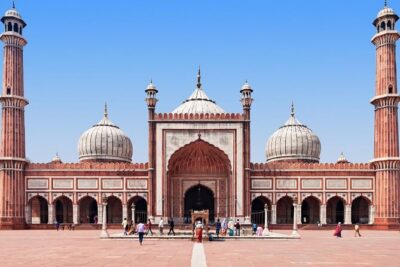 ★ 5.03-Day Delhi, Agra and Jaipur Private Tour – India Golden TriangleFrom $110812 reviews
 ★ 5.0Four-Day Private Luxury Golden Triangle Tour to Agra and Jaipur From New DelhiFrom $160807 reviews
 ★ 5.05 Nights 6 Days Private Golden Triangle Tour – Delhi Agra JaipurFrom $240574 reviews
 ★ 5.04 Days Golden Triangle TourFrom $146499 reviews
 ★ 5.0Private Car and Drive for Golden Triangle (4N/5D)From $167451 reviews
 ★ 5.0Private Golden Triangle Tour Delhi Agra Jaipur ( Top Rated )From $148436 reviews
Browse the lists this tour appears in