
Reviewed · GOLDEN TRIANGLE TOURS
12 Days Golden Triangle with Jodhpur & Pushkar
India hits you fast, then keeps going. This 12-day Golden Triangle route, extended with Jodhpur and Pushkar, strings together major Mughal and Rajput sights with a spiritual side, without making you sort out logistics. I especially like the private car + English-speaking driver for transfers, plus organized guides on the key sightseeing days. One consideration: entrance tickets and camera fees aren’t included, and meals beyond breakfast aren’t always covered, so you’ll want to budget for those “extras.”
What makes this stand out for me is the mix of places and how the days are handled. I like that you get a structured Old Delhi morning, a full Agra day, a classic Jaipur circuit, then a calmer Pushkar rhythm—with a hands-on Pushkar cooking class (Cook & Eat) to balance all the temples and forts. The itinerary is busy, so if you’re the type who wants long free afternoons every day, you might feel the pace.
Key highlights to know before you go
- Private transfers in an air-conditioned car, with the driver covering fuel, tolls, and parking
- Old Delhi the practical way: Jama Masjid plus a spice-market rickshaw detour and Metro back to the hotel area
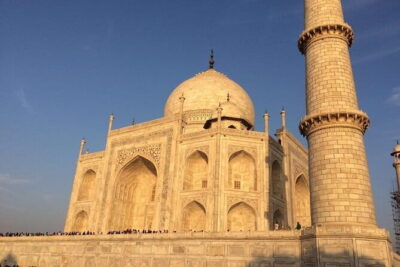
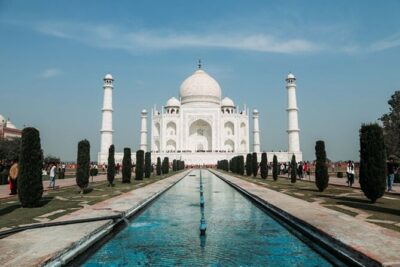
- Agra Fort + Taj Mahal at sunset time, with a clear note that Taj Mahal closes Fridays
- Jaipur’s big-ticket stops plus a Chand Baori stepwell break on the road from Agra
- Mehrangarh Fort and Umaid Bhawan Palace Museum in Jodhpur for skyline views and royal-era context
- Pushkar Lake at sunset plus a cooking class, so your last Rajasthan days aren’t just sightseeing
In This Review
- Golden Triangle Done Right: Private Car Comfort and 3-Star Hotel Rhythm
- Delhi Old City: Jama Masjid, Spice Market Rickshaw, and Metro Back to Your Hotel
- Agra Fort and Taj Mahal Sunset: Two Mughal Landmarks, One Big Day
- On the Road to Jaipur: Chand Baori’s 3,500 Steps as a Quick Reality Check
- Jaipur’s Best Hits: Hawa Mahal, Amer Fort Jeep Ride, City Palace, Jantar Mantar, Albert Hall
- Jodhpur: Jaswant Thada Quiet Elegance and the Big Sweep of Mehrangarh Fort
- Pushkar’s Sacred Lake at Sunset and the Brahma Temple Morning
- Back in Delhi: Qutub Minar, Humayun’s Tomb, Lotus Temple, India Gate, Birla Mandir
- Value for $800: What’s Included, What You’ll Pay Extra, and Why the Setup Makes Sense
- Should You Book This 12-Day Golden Triangle with Jodhpur and Pushkar?
- FAQ
- What cities are included on this 12-day tour?
- Is this a private tour?
- What does the tour include for transportation?
- Are hotel rooms and breakfast included?
- Is the Pushkar cooking class included?
- Are monument entrance tickets included?
- Which sightseeing has listed closure days?
- Where do you meet, and when does it start?
Golden Triangle Done Right: Private Car Comfort and 3-Star Hotel Rhythm
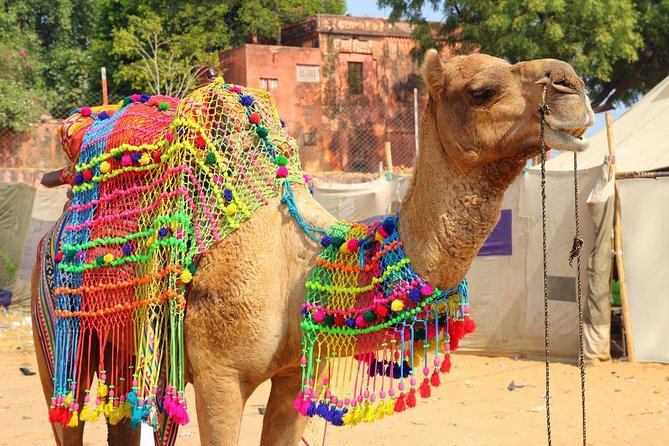
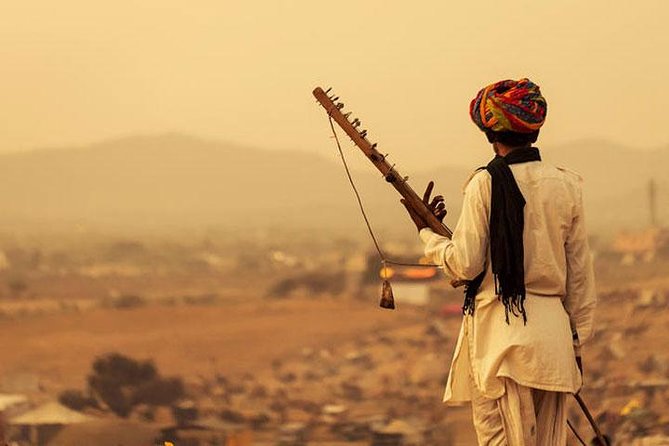
This tour is built for travelers who want to see a lot, but hate the day-to-day stress. You’re in a private, air-conditioned car from the moment you land in Delhi. That matters in India, where “getting there” can eat your energy if you’re navigating on your own.
You’ll base yourself in 3-star hotels on a bed-and-breakfast plan (11 breakfasts are included). In practice, that means you start most mornings fed and ready, instead of hunting down breakfast deals after a hotel-to-tour scramble. Hotel rooms are double or twin, which is a nice fit for couples or friends who want comfort without going luxury.
Two small realities to plan for:
- You’ll spend time in transit between cities—like the roughly 4.5-hour drive from Delhi to Agra—so this is a “see and move” style tour.
- Not everything is covered. Monument tickets/camera fees and meals like lunch/dinner (when not specified) are not included.
Still, if you want a clean structure—pickups, sightseeing blocks, and guided support in the major hubs—this is exactly the kind of setup that keeps your trip feeling doable.
Delhi Old City: Jama Masjid, Spice Market Rickshaw, and Metro Back to Your Hotel
Delhi works best when you let the chaos have context. Your Old Delhi day is organized in a way that helps you build a mental map fast.
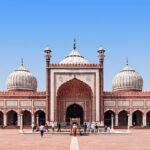
First up is Jama Masjid, one of the biggest and most important mosques in Old Delhi. It’s a good start because it sets the religious and architectural tone for everything you’ll see after. Expect plenty of walking and crowd energy, since Old Delhi is active by nature.
Then you shift into a clever local mix:
- You use Delhi Metro to connect into Old Delhi efficiently.
- After the Metro segment, you take a one-time rickshaw ride to the spice-market area.
- You visit the Spice Market on Khari Baoli Road, known for wholesale shops trading in refined, local, and exotic spices.
- You continue to Chandni Chowk, one of Old Delhi’s oldest and busiest market corridors, with the Red Fort nearby.
What I like here is the pacing: you don’t just “look at markets.” You get the reason behind the spices (wholesale spice trading on a main road), and you get the feel of Chandni Chowk as a working city center, not a staged attraction.
A minor drawback: the day includes Metro and walking. If you’re sensitive to crowds or you don’t enjoy moving through busy market streets, wear comfortable shoes and keep water handy.
Delhi, Agra and Jaipur: more full circuits

Agra Fort and Taj Mahal Sunset: Two Mughal Landmarks, One Big Day
Agra is where the Mughal story gets dramatic. You drive from Delhi and then start sightseeing in the city, checking in to your hotel first.
Agra Fort is your first major stop. It’s a massive 16th-century fortress complex near the Taj Mahal gardens, with palaces inside like Jahangir Palace and KhasMahal. The big story note: it’s tied to the era when Shah Jahan was held prisoner by Aurangzeb. That makes the visit feel less like a photo-op and more like a chapter in a long political drama.
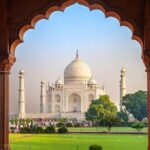
Next is Taj Mahal (sunset timing). The tour is clearly built around the idea that the Taj looks best when the light shifts—when the marble catches a softer glow. It’s also very practical to know: Taj Mahal is closed every Friday, so if your dates fall on a Friday, you’ll want to confirm that the plan adapts.
One more thing: Taj Mahal entrance tickets aren’t included, same with Agra Fort. So even though the sightseeing is scheduled, you’ll still need to handle those entry costs.
If you’re trying to choose what kind of Agra traveler you are, here’s my advice: if you like architecture, this day is strong. If you mainly want the single iconic sight, you still get enough variety because Agra Fort adds a second layer of meaning.
On the Road to Jaipur: Chand Baori’s 3,500 Steps as a Quick Reality Check
The drive from Agra to Jaipur includes a stop at Chand Baori (step well). This is the kind of roadside detour that upgrades the whole journey. Instead of rushing directly to palaces and forts, you get a different scale: a geometry-focused world of water storage and step design.
Chand Baori is famed for having:
- around 3,500 narrow steps
- spread across 13 stories
- reaching roughly 30 meters into the ground
It’s also described as having older elements dating back centuries, with upper parts added later in the Mughal era. That blend matters because it shows India’s layers—how a site can keep evolving instead of being frozen in time.
Then you arrive in Jaipur, check in, and reset for a big sightseeing day.
Jaipur’s Best Hits: Hawa Mahal, Amer Fort Jeep Ride, City Palace, Jantar Mantar, Albert Hall
Jaipur is a “greatest hits” city, and this route gives you a logical circuit rather than scattered stops.
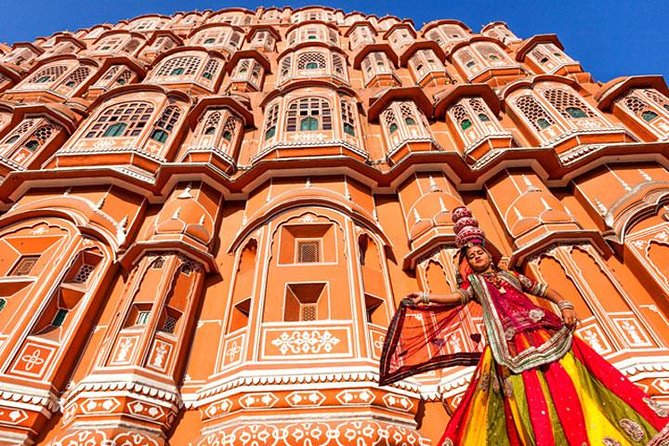
You start with Hawa Mahal (Palace of Wind), built in 1799 with its famous multi-window façade. The tour notes it has 152 windows and latticed balconies, originally for royal ladies to watch street processions without being seen. Even if you don’t go inside, the exterior is so identifiable that it helps you anchor the city’s visual identity.
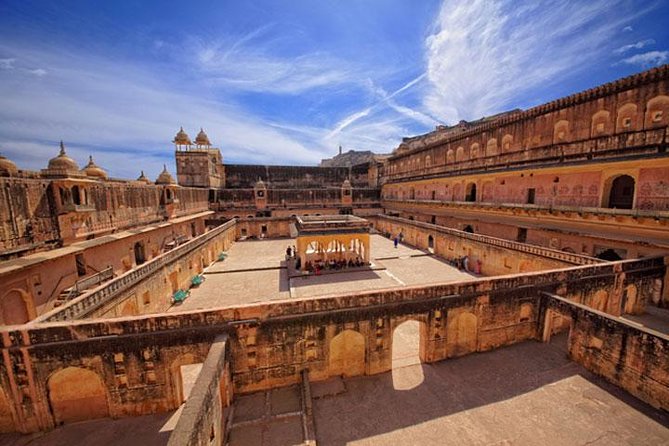
Then you go to Amer Fort (Amber Palace), and here the tour adds a comfort-friendly touch: you take a jeep ride from the old town to the courtyard. That helps when you want fort views but don’t want to lose half the day just hauling yourself uphill.
Amer Fort itself is described as a blend of Hindu and Muslim architecture, built on craggy hills with red sandstone and white marble pavilions. That reflection in the lake area is part of why it looks so “storybook” in photos.
Along the way, you stop for Jal Mahal, the small palace set in Man Sagar Lake. The tour includes a chance for photos, plus a lunch break afterward.
After forts, you get civic royal context with City Palace. This palace complex is a mix of Rajput and Mughal architecture and includes spaces like:
- Chandra Mahal (central and multi-storied)
- Diwan-E-Am and Diwan-E-Khas (public and private audience halls)
- and Mubarak Mahal with collections tied to textiles and costumes
You also visit Jantar Mantar, the 18th-century observatory with oversized masonry instruments used to study the sky. If you’ve ever wondered how early scientists measured time and celestial movement without modern tools, this is the kind of stop that gives you “oh, that’s how they did it” energy.
Finally, there’s Albert Hall Museum in Ram Niwas Garden area for photos. Even if you don’t go deep inside, it’s a clean way to end the day before returning to the hotel.
The main consideration in Jaipur: this is a long day with multiple sites. Entrance tickets add up, but the schedule is sensible because you hit the signature monuments first, then fill in with observatory and museum.
Jodhpur: Jaswant Thada Quiet Elegance and the Big Sweep of Mehrangarh Fort
You travel to Jodhpur after Jaipur and settle into your hotel. The next day is Jodhpur at full height, so expect viewpoints.
First is Jaswant Thada, built in memory of Maharaja Jaswant Singh in 1899. It’s known for its marble tranquility, intricate carvings, and portraits of Rathore rulers. It’s a slower, calmer start compared with the next stop.
Then comes Mehrangarh Fort, built by Rao Jodha and positioned about 400 feet above the city. It’s described as one of the largest forts in India, and the tour emphasizes that the architecture represents different periods. That’s useful because Mehrangarh isn’t just one building style; it feels like a timeline laid out in stone. You’ll also get the payoff: sweeping views over Jodhpur.
Next is Umaid Bhawan Palace (Museum). This palace was started in 1929 and finished in 1943, and it’s described as one of the largest private residences in the world. You’ll also hear how part of it still served as a royal residence, while other portions became a Taj Palace Hotel and museum. It’s a strong contrast after Mehrangarh—less “defensive fortress,” more “royal life at the top of the city.”
To close the day, you visit Mandore Gardens, once Marwar’s capital before Jodhpur was established. It includes a government museum and a “Hall of Heroes,” plus a temple area described as dedicated to 33 crore Gods. It’s a good final note because it shifts from major forts to the broader regional story.
This Jodhpur day is ideal if you like forts and views, but also enjoy royal-era art and architecture details.

Pushkar’s Sacred Lake at Sunset and the Brahma Temple Morning
After Jodhpur, you head to Pushkar. The first evening is set up for an unhurried start: you rest on arrival, then go out around sunset to Pushkar Lake.
Pushkar Lake is considered one of India’s holiest lakes. The tour specifically connects it to the idea of Panch Sarovar—five sacred lakes mentioned in Hindu mythology. For sunset, the tour points you toward the Folla Sui Ghat area in front of Sunset Cafe. That’s the kind of local tip that helps you actually enjoy the view instead of wandering around guessing where people gather.
The next morning is temple time, but in a way that still feels personal because you have free space after the guided highlights. You visit Brahma Temple, described as the only Hindu temple in India dedicated to Lord Brahma. It’s on the banks of Pushkar Lake, and it’s said to date to the 14th century.
The details that make this temple memorable in the tour description:
- a raised platform with a red spire
- stone slabs and marble floors
- an image of hans (swan), Brahma’s vehicle
- and a silver-carved turtle inside (listed as part of the temple setting)
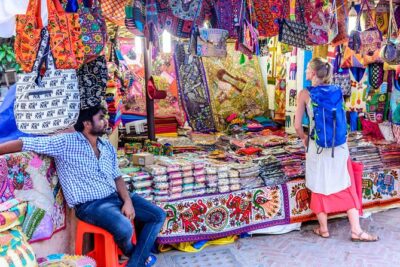
After that, you have free time to explore Pushkar Market.
Here’s the balanced take: Pushkar can be chaotic and touristy in places, but it’s also one of the few stops in this route that slows your pace and gives you time to absorb rather than just check off. If you’re chasing spirituality and atmosphere, this is the right part of the trip to let it sink in.
Back in Delhi: Qutub Minar, Humayun’s Tomb, Lotus Temple, India Gate, Birla Mandir
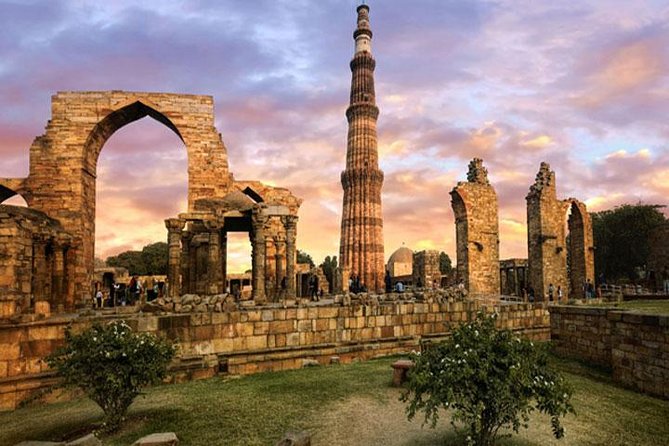
Your return to Delhi is followed by a packed city day. This is the “big monuments” checklist day, with several sights that cover different eras of architecture and public memory.
You start at Qutub Minar, described as the tallest brick minaret in the world and built in 1206. The tour notes the purpose is debated—some say it signaled victory and the start of Muslim rule, others think it served to call the faithful to prayer.
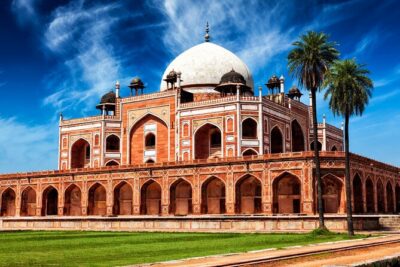
Then Humayun’s Tomb, built in 1570. It’s highlighted as an inspiration for the Taj Mahal, and it houses the body of the second Mughal emperor, Humayun. If you like seeing how styles evolve, this stop helps you trace the “Mughal look” over time.
Next is Lotus Temple, also called the Bahai Temple, with a white marble lotus shape. The tour adds a practical detail: it’s closed every Monday, and it’s especially pretty at night when it’s lit up.
You also see India Gate, a war memorial for Indian soldiers who lost their lives fighting for the British Army in World War I.
Finally, there’s Birla Mandir Temple (Lakshmi Narayan) near Connaught Place. It’s described as built in 1938, and the tour notes it was inaugurated by Mahatma Gandhi on the condition that people of all castes could enter the temple.
This day is a lot, but it’s a well-chosen mix. You get Indo-Islamic architecture, Mughal influence, modern religious architecture, and 20th-century remembrance.
Value for $800: What’s Included, What You’ll Pay Extra, and Why the Setup Makes Sense
At $800 per person for roughly 12 days, the value depends on how you like to travel.
What you’re getting that most independent planning would cost you in time:
- Air-conditioned private car with an English-speaking driver for transfers and sightseeing
- Fuel, taxes, tolls, parking, plus driver’s food and lodging
- 3-star double or twin rooms with breakfast
- City sightseeing support, including local registered English-speaking guides in Agra, Jaipur, and Jodhpur
- A jeep ride in Jaipur for Amer Fort
- A Pushkar cooking class (Cook & Eat) with a professional chef
- In Old Delhi: one rickshaw ride and Delhi Metro tokens for the return Hotel–Old Delhi–Hotel route
Where the extra costs usually show up:
- Monuments entrance tickets and camera fees aren’t included
- Lunch and dinner aren’t included unless specified
- Tips, laundry, beverages, and personal expenses are also extra
There’s one more note to factor in: Gala Dinner on X-Mass & New Year is mandatory and is paid directly at hotels at check-in. If your travel dates land around those holidays, ask what that adds.
My bottom line: for a 12-day route that covers five major cities with private transport and guided support, $800 can be a solid deal—especially if you’d otherwise spend more on drivers, tickets, and planning your own sequence. It’s best value for people who want structure and comfort, not for those who already love DIY schedules and hate added group coordination.
Should You Book This 12-Day Golden Triangle with Jodhpur and Pushkar?
I’d book this if you:
- want the Golden Triangle plus extra Rajasthan (Jodhpur) and spiritual atmosphere (Pushkar)
- prefer private, guided days over figuring out transit and tickets alone
- like a mix of architecture, forts, and markets, not just one theme
I wouldn’t book it (or I’d adjust expectations) if you:
- need lots of included meals beyond breakfast
- want minimal long drives and a slow pace every day
- dislike walking in busy markets and fort steps
If you do book, my practical tip is to budget for entrance fees and snacks, and wear shoes you can trust. This tour gives you the route and the guides; your job is to show up ready to walk, look up, and enjoy the light changes—from Chand Baori’s geometry to Taj Mahal’s sunset glow to Pushkar Lake turning gold at the end of the day.
FAQ
What cities are included on this 12-day tour?
You’ll visit Delhi, Agra, Jaipur, Jodhpur, and Pushkar, with the tour ending back in New Delhi.
Is this a private tour?
Yes. It’s a private tour/activity, and only your group participates.
What does the tour include for transportation?
You get an air-conditioned private car with an English-speaking driver for all transfers and sightseeing as per the tour plan.
Are hotel rooms and breakfast included?
Yes. The tour includes 3-star hotel accommodation with double or twin rooms on a bed-and-breakfast basis (11 breakfasts are listed as included).
Is the Pushkar cooking class included?
Yes. You’ll have one cooking class in Pushkar followed by a professional chef (Cook & Eat).
Are monument entrance tickets included?
No. Monument entrance tickets or camera fees are not included where applicable.
Which sightseeing has listed closure days?
Taj Mahal is closed every Friday, and Lotus Temple is closed every Monday.
Where do you meet, and when does it start?
The meeting point is Indira Gandhi International T3 Road in New Delhi, and the start time is 8:30 am. The tour ends back at the meeting point.
More Tour Reviews in New Delhi
- Old & New Delhi City Tour – Half or Full Day Options Available
★ 5.0 · 4,811 reviews - Half Day Private Delhi City Tour
★ 5.0 · 4,474 reviews - Same Day Taj Mahal, Agra Fort & Baby Taj Tour from Delhi by Car
★ 5.0 · 4,304 reviews - Taj Mahal Day Tour from Delhi by Superfast Train – TOP RATED TOUR
★ 5.0 · 4,166 reviews - Delhi: Old and New Delhi Private Full or Half-Day Tour
★ 4.9 · 3,776 reviews
The Full Golden Triangle, More Options
- 3-Days Private Golden Triangle Tour: Delhi, Agra & Jaipur by Car
★ 5.0 · 1,107 reviews - 3-Days Private Golden Triangle Tour: Delhi, Agra & Jaipur by Car
★ 5.0 · 1,098 reviews - 3-Day Delhi, Agra and Jaipur Private Tour – India Golden Triangle
★ 5.0 · 812 reviews - Four-Day Private Luxury Golden Triangle Tour to Agra and Jaipur From New Delhi
★ 5.0 · 807 reviews - 5 Nights 6 Days Private Golden Triangle Tour – Delhi Agra Jaipur
★ 5.0 · 574 reviews
Just added: more New Delhi reviews to browse
- 4 days Golden Triangle Tour★ 5.0 · 3 reviews
- Discover Old & New Delhi: Private Tour with Street Food★ 5.0 · 3 reviews
- Taj Mahal Tour From Delhi By Private Car★ 4.5 · 3 reviews
- Golden Triangle Tour 5 Days★ 5.0 · 3 reviews
- Taj Mahal: Express Entry Ticket For Sunset Tour with guide★ 5.0 · 3 reviews
- Agra Taj Mahal Sunrise & Sunset Tour from Delhi★ 5.0 · 3 reviews
Golden Triangle Tours, compared.
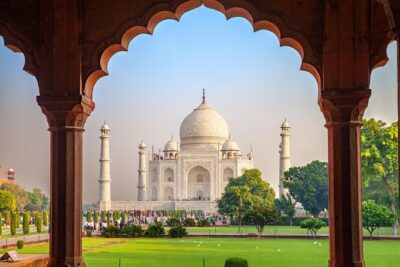 ★ 5.03-Days Private Golden Triangle Tour: Delhi, Agra & Jaipur by CarFrom $1271,107 reviews
★ 5.03-Days Private Golden Triangle Tour: Delhi, Agra & Jaipur by CarFrom $1271,098 reviews
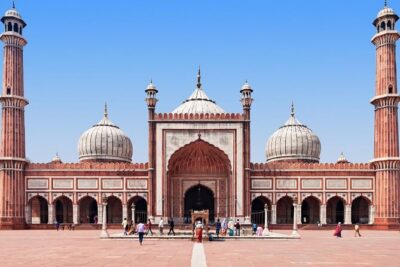 ★ 5.03-Day Delhi, Agra and Jaipur Private Tour – India Golden TriangleFrom $110812 reviews
 ★ 5.0Four-Day Private Luxury Golden Triangle Tour to Agra and Jaipur From New DelhiFrom $160807 reviews
 ★ 5.05 Nights 6 Days Private Golden Triangle Tour – Delhi Agra JaipurFrom $240574 reviews
 ★ 5.04 Days Golden Triangle TourFrom $146499 reviews
 ★ 5.0Private Car and Drive for Golden Triangle (4N/5D)From $167451 reviews
 ★ 5.0Private Golden Triangle Tour Delhi Agra Jaipur ( Top Rated )From $148436 reviews