

Reviewed · GOLDEN TRIANGLE TOURS
12 Days Golden Triangle With Udaipur Jodhpur Jaisalmer Pushkar
Your Rajasthan memories start with a city sprint. This 12-day private route strings together Delhi, Agra, Jaipur, Udaipur, Jodhpur, Jaisalmer, and Pushkar with local guides at each stop, so you spend less time figuring things out and more time seeing the real highlights. I especially like the mix of big-ticket sights (hello Taj Mahal) and the smaller details that make the trip feel like India, not a checklist, plus the comfort upgrades like private air-conditioned transport and bottled water during drives. One consideration: monument entrance fees aren’t included, so you’ll want to budget extra for tickets on top of the $720 price.
What makes the schedule work is pacing. You get early starts for the best light and calmer moments, and you’re not bouncing around without a plan because everything is handled with a driver and separate local guides. Staff names that show up in the positive feedback include drivers like Surendra, Vinod, and Maan, and you can feel why that matters in a traffic-heavy country. Still, with so many cities packed in, you’ll want comfy shoes and a flexible attitude for long car days.
If you want a first-time friendly route with a clear structure and room to breathe, this is a strong fit. It’s also a good match if you prefer a private setup over joining a crowded bus tour.
In This Review
- Key highlights to look for before you book
- A 12-Day Route That Actually Feels Like You Get it Done
- Delhi’s Old-Delhi Energy and New-Delhi Landmarks in One Busy Day
- Agra With Two Taj Mahal Chances: Sunset View + Sunrise Visit
- Fatehpur Sikri, Chand Baori, and the Rajasthan “Side Quest” You’ll Remember
- Jaipur: Amber Fort, City Palace, Jantar Mantar, and the Photo-Ready Stops
- Udaipur’s Lake Pichola Calm and City Palace Views
- Jodhpur: Clock Tower Markets Plus Mehrangarh’s Overlook
- Jaisalmer’s Living Fort and Haveli Cluster
- Pushkar’s Brahma Temple and Brahma Ghat Ritual Focus
- Price and What You’ll Still Need to Pay for on Top
- Who This Tour Suits Best (and Who Might Want a Different Pace)
- Should You Book This 12-Day Golden Triangle With Udaipur, Jodhpur, Jaisalmer, and Pushkar?
- FAQ
- What is the duration of the tour?
- Where does the tour start?
- How much does it cost?
- Is airport pickup and drop-off included?
- Are local guides included?
- Does the price include hotel stays and breakfast?
- Are monument entrance fees included?
- Is transportation included between cities?
- Is the Taj Mahal battery bus included?
- How is room sharing handled?
- FAQ
- Is there free cancellation?
- What should you know about vehicle size for your group?
Key highlights to look for before you book
- Two Taj Mahal viewing angles: a sunset viewpoint and a sunrise visit, not just one quick stop
- UNESCO-listed anchors like Qutub Minar and Jantar Mantar (plus other major Mughal and Rajput sites)
- Private guides city by city, so the stories actually connect across Delhi, Agra, Jaipur, and Rajasthan
- Desert experience in Sam with a Thar Desert safari and an overnight stay
- Comfort and convenience built in: private air-conditioned vehicle, hotel pickup/drop-off, and battery bus transfers for Taj Mahal parking
A 12-Day Route That Actually Feels Like You Get it Done

This is a classic Golden Triangle plus Rajasthan add-ons: Delhi → Agra → Jaipur, then a second arc through Udaipur, Jodhpur, Jaisalmer, and finally Pushkar. The best part is how it balances scale with guidance. Big monuments are there, but you’re not left standing around hoping someone explains why they matter.
On a private tour, the difference is simple: you can keep the day moving at a sensible speed. You’re traveling with a driver in an air-conditioned vehicle, and you meet local guides for sightseeing. That helps in North India, where directions, timing, and entrance flow can otherwise turn into a full-time job.
Budget reality check: you’re paying $720 per person for transport, guides, and the core touring structure. Monument entrance fees and meals are extra, and you’ll feel that. If you’re the type who likes to control spending, bring cash or a card ready for tickets once you’re on the ground.
Delhi, Agra and Jaipur: more full circuits



Delhi’s Old-Delhi Energy and New-Delhi Landmarks in One Busy Day
Delhi can feel like a game of whack-a-mole: one minute you’re at a historic monument, the next you’re in a market street that never slows down. This plan helps by layering experiences—spiritual, imperial, and everyday life—without sending you across town aimlessly.
Start with Gurudwara Bangla Sahib, a Sikh temple complex with a story tied to healing during historic epidemics. It’s free to enter and, more importantly, it gives you a grounding moment before the sights get grand. You’ll notice how the place has that steady, community rhythm—less about posing for photos and more about being present.
Next comes the Delhi “big two” style:
- Qutub Minar (UNESCO World Heritage site): a towering 73-metre minaret dating to 1193. This is where you understand Delhi’s layered timeline—early Sultanate power, evolving architecture, and scale that’s hard to grasp from a distance.
- Lotus Temple: free, open to all religions, designed with a flower-like shape. It’s modern compared to the rest of your day, and that contrast is useful for first-time visitors.
Then the imperial and ceremonial side:
- India Gate: a war memorial and a popular picnic spot. Even if you don’t stay long, it’s a good pause to reset your energy.
- Parliament House (Sansad Bhavan): a quick exterior stop with the circular Ashoka Chakra design inspiration.
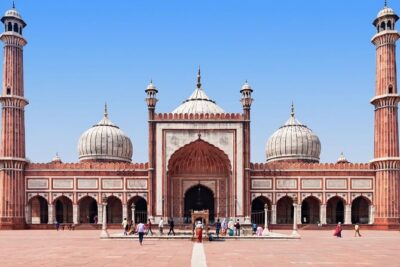
- Jama Masjid: built between 1650 and 1656 by Shah Jahan. It’s one of the biggest mosques in the city, and you’ll feel how Mughal Delhi planned for mass movement and monumental presence.
To round out your day, you get both architectural leftovers and daily-life Delhi:
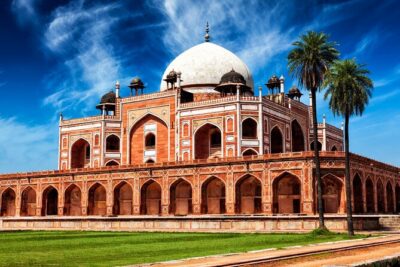
- Humayun’s Tomb: a Mughal tomb complex with lots of atmospheric space. Your stop is timed at about an hour.
- Chandni Chowk: Old Delhi’s market core—spices, silver jewelry, saris, and narrow lanes where you really see how people shop and move.
You’ll also pass Agrasen Ki Baoli, a protected stepwell site. It’s a shorter stop, but those stepwell spaces can be surprisingly calming after crowds.
Possible drawback to plan for: Delhi days can be sensory-heavy. If you’re prone to headaches from constant noise and heat, build in water breaks and slow down at the quieter tomb/stepwell stops.
Agra With Two Taj Mahal Chances: Sunset View + Sunrise Visit

Agra is about one thing most days: the Taj Mahal. Here you get it in two lighting moods, which changes your experience more than you might expect.
First night approach:
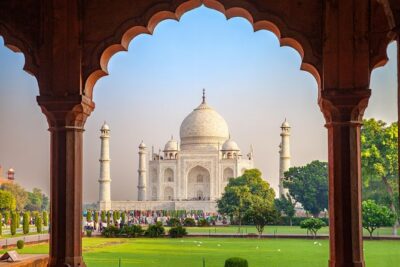
- Taj Mahal Sunset View Point: instead of rushing into the main area with the biggest crowd, you’re positioned for that across-the-river view. This is a smart choice for photos and for that first emotional impact when the marble color shifts.
Then a sunrise option:
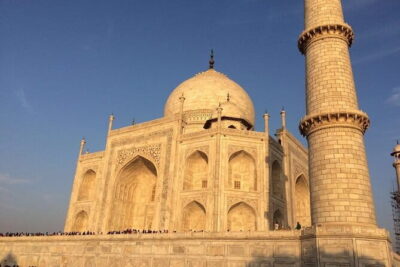
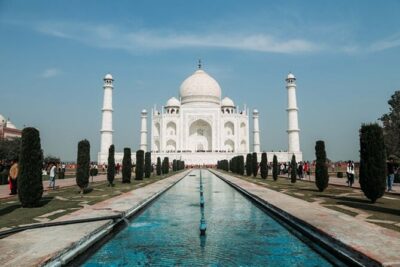
- Taj Mahal (sunrise visit): sunrise isn’t just a marketing term here. Early light makes the marble look different, and the atmosphere tends to feel more reflective. Your tour includes a battery bus ride to and from the Taj Mahal parking lot, which saves time and walking fatigue.
You also get a solid “support cast” so Agra doesn’t become a one-monument day:
- Itmad-ud-Daula (Baby Taj): a Mughal mausoleum complex that’s smaller than the Taj but great for details.
- Mehtab Bagh: a garden space associated with viewing across the river.
And if you still have energy, you’ll see the other Mughal power play:
- Agra Fort: massive red sandstone walls and palace areas inside. It helps you understand how the Taj fit into a broader Mughal world of forts and courts.
The value here: Taj Mahal is expensive in time and attention. Getting two different viewing moments makes that cost feel worth it—especially on a first trip.
Fatehpur Sikri, Chand Baori, and the Rajasthan “Side Quest” You’ll Remember
Agra to Jaipur isn’t direct in a straight line here. You get two major detours that add variety and keep the trip from feeling like pure transit.
- Fatehpur Sikri: built under Emperor Akbar in the late 1500s and served as the Mughal capital for roughly a decade. Even without staying all day, it’s the kind of place where you see how power and planning worked on a grand scale.
- Chand Baori (stepwell at Abhaneri): this is the big one. You’re looking at a stepwell that extends deep—about 30 metres into the ground—plus a long, dramatic stair structure. It’s the kind of attraction that’s visually memorable even if you don’t know every historical detail.
This day is long, but it’s good travel strategy. You’re breaking up the monotony of one city after another with something visual, unusual, and genuinely different.
Practical note: stepwell sites involve lots of walking on steps. Wear shoes with grip.
Jaipur: Amber Fort, City Palace, Jantar Mantar, and the Photo-Ready Stops

Jaipur is where you start feeling the personality of Rajasthan. Forts, palaces, planned streets, and a palette of pink and red tones that make photos look better than you expect—if you time your stops well.
Your Jaipur day is built around classic must-sees:
- Panna Meena ka Kund: a stepwell near Amber Fort. It’s a short stop but sets the theme of Jaipur’s water-and-structure logic.
- Amber Palace: a two-hour guided tour area with palaces, squares, and monuments. Amber is the big “fort experience,” and the guide time is the difference between seeing walls and understanding what was happening there.
- Jal Mahal: a palace on Man Sagar Lake. You get a photo opportunity and a quick look, not a long spend, which is smart—let the lake and light do the work.
- City Palace: about an hour exploring. It’s the administrative and ceremonial core from 1721 and the right place to connect Jaipur’s royal layout to what you see later.
Then you pivot to science-and-style:
- Jantar Mantar (UNESCO): built in 1734 as astronomical instruments. It’s hands-on in concept: measurements, time, and the way architecture served knowledge.
- Hawa Mahal: the Palace of Winds. You get a short visit, but it’s a striking façade that helps you understand why Jaipur looks the way it does.
- Albert Hall Museum: a quick stop in your schedule. It’s the oldest museum in Rajasthan state.
A drawback to consider: Jaipur stops are tightly grouped. If you hate crowds, this isn’t a “slow walk and linger” day. But if you enjoy guided structure, it works.


Udaipur’s Lake Pichola Calm and City Palace Views
Udaipur is the decompression phase. After forts and deserts, the lake atmosphere brings your pace down.
You drive early to Udaipur, check in, then have time for markets and dinner on your own (your schedule leaves that flexible). That freedom is useful because Udaipur is a city where wandering can be part of the point.
Next day:
- Lake Pichola: you get a lake sightseeing window and a boating option around the lake with stops near Jagmandir Palace island. Even if you don’t think you’ll care, lake reflections change how you see Udaipur’s palaces and the city’s layout.
- City Palace: on the lakefront. Your guide time focuses on the palace collection, including items like weapons and royal display pieces.
- Jagdish Temple: in the City Palace complex. Your visit is shorter, but it adds a devotional layer to the royal architecture theme.
- Bagore Ki Haveli Museum: included as an optional stop. If you don’t want it, you can say no and move on.
Why this part of the itinerary works: you shift from imperial monuments to lived-in landscapes. That balance keeps your trip from feeling like “history only, no mood.”
Jodhpur: Clock Tower Markets Plus Mehrangarh’s Overlook
Jodhpur starts with a classic arrival rhythm: early drive, check in, then a local-market loop around the Clock Tower area.
Then you get the big hitter:
- Mehrangarh Fort: a 15th-century former palace turned museum, overlooking the walled city. Expect weapons, paintings, and royal palanquins (sedan chairs). This is one of those places where your guide helps you read the fort’s layout, not just stare at the walls.
- Umaid Bhawan Museum: tied to the royal palace and museum collections.
- Jaswant Thada: a marble cenotaph that works like a photo stop and a quiet memorial space.
After that, your tour turns toward something totally different:
- You head to Sam in the evening for a desert safari in the Thar Desert and overnight in a hotel there.
This is a smart two-step: fort views in the afternoon, desert energy at night.
Jaisalmer’s Living Fort and Haveli Cluster

Jaisalmer earns its nickname as a gold-toned city because of the stone and how the light hits everything.
You start with:
- Jaisalmer Fort: described as a living fort, where local residents still live within the fort complex. That “living” element matters. It’s not a staged tourist set—it feels more like a real neighborhood with history stacked on top.
- Havelis: you visit three merchant residences with distinct personalities:
- Kothari’s Patwaon-Ki-Haveli
- Salim Singh-ki Haveli
- Nathmal Ji Ki Haveli
These are all about stonework, façades, and the way prosperous trade families built their identities into architecture.
Then you add a softer nature stop:
- Gadisar Lake: a reconstructed lake area with history linked to early rulers.
Practical value: Your Jaisalmer day is structured so you get both architecture and atmosphere. If you only do the fort, you miss why people romanticize the city; if you only do the desert, you miss the urban story.
Pushkar’s Brahma Temple and Brahma Ghat Ritual Focus
Pushkar slows the trip down again, but in a different way than Udaipur. Here it’s spiritual and ceremonial.
You check in, then visit:
- Brahma Temple: famous for being the only Brahma temple in the world (as your tour description states). It’s a short stop, about 30 minutes.
Then you end with the lake ritual space:
- Pushkar Lake and Brahma Ghat: you head to Brahma Ghat after the temple visit for prayers and tribute rituals. It’s noted as famous for photography and blessings rituals.
Finally, you drive back toward New Delhi (about a five-hour journey en route back to Delhi), wrapping up the loop.
The emotional payoff: After forts, markets, and desert nights, Pushkar gives you closure. Even if you don’t follow every tradition, the mood is clear.
Price and What You’ll Still Need to Pay for on Top
At $720 per person, this tour price feels most rational if you value:
- a private vehicle with a driver
- private local guides in each city
- hotel stays for 9 nights when booking the option that includes hotels
- daily breakfast included in that same hotel option
- comfort extras like mineral water and the battery bus ride to and from Taj Mahal parking lot
What’s not included is important:
- monument entrance fees
- lunch and dinner
- travel insurance and flights/trains
- tips for driver and guide
- any personal expenses
So the math is really: you’re paying for planning, transport, and guidance; you pay separate ticket costs when you arrive.
How to budget smartly: if you’re aiming to minimize surprises, set aside extra money for entry tickets for the major sights (especially forts, UNESCO sites, and museum-style stops). Because your schedule includes many paid-entry attractions, the total can add up even if each single ticket is manageable.
Who This Tour Suits Best (and Who Might Want a Different Pace)
This tour fits best if you:
- want a first-time North India route with structure
- prefer private guides rather than reading signage and guessing
- like mixing monumental sites with markets, temples, and one desert night
You might want a different option if:
- you dislike long car days between cities
- you want lots of free time to wander without returning to a tight schedule
- you’re extremely price-sensitive about entrance fees and meals
Should You Book This 12-Day Golden Triangle With Udaipur, Jodhpur, Jaisalmer, and Pushkar?
I’d say book it if you want a guided, private “greatest hits” loop that still includes meaningful variety: Mughal power in Agra, Rajput architecture in Jaipur and Jodhpur, lake calm in Udaipur, and desert-to-fort contrast in Jaisalmer, ending with Pushkar’s ritual atmosphere.
If you book, do yourself a favor:
- bring money for monument fees
- wear shoes that handle steps (stepwells and forts are frequent)
- keep expectations flexible on travel days, because this is a multi-city route by design
If your dream trip is more slow and scattershot, you’ll likely feel rushed. But if you want the comfort of private transport and the storytelling help of local guides across major cities, this itinerary is built for you.
FAQ
What is the duration of the tour?
The tour runs for about 12 days.
Where does the tour start?
The tour starts in New Delhi, with the listed meeting point as Indira Gandhi Intl Airport, New Delhi.
How much does it cost?
The price is $720.00 per person.
Is airport pickup and drop-off included?
Yes. Hotel or airport pickup and drop-off are included.
Are local guides included?
Yes. All sightseeing is with private local guides.
Does the price include hotel stays and breakfast?
Hotel stays and daily hotel breakfast are included only if you book the option that includes hotels.
Are monument entrance fees included?
No. Monument entrance fees are not included.
Is transportation included between cities?
Yes. You travel by private, air-conditioned vehicle with a driver.
Is the Taj Mahal battery bus included?
Yes. Battery bus ride to and from the Taj Mahal parking lot up to the Taj Mahal monument is included.
How is room sharing handled?
Rooms are generally twin-sharing. If you book for 3 people, rooms are generally triple-sharing by default unless you pay an extra charge to get 2 rooms.
FAQ
Is there free cancellation?
Yes. Free cancellation is available up to 24 hours in advance for a full refund.
What should you know about vehicle size for your group?
Transportation uses a 4-seater sedan for groups of 1–2, a 6-seater wagon for groups of 3–4, and a 10-seater minivan for groups of 5–10.
More Tour Reviews in New Delhi
- Old & New Delhi City Tour – Half or Full Day Options Available
★ 5.0 · 4,811 reviews - Half Day Private Delhi City Tour
★ 5.0 · 4,474 reviews - Same Day Taj Mahal, Agra Fort & Baby Taj Tour from Delhi by Car
★ 5.0 · 4,304 reviews - Taj Mahal Day Tour from Delhi by Superfast Train – TOP RATED TOUR
★ 5.0 · 4,166 reviews - Delhi: Old and New Delhi Private Full or Half-Day Tour
★ 4.9 · 3,776 reviews
The Full Golden Triangle, More Options
- 3-Days Private Golden Triangle Tour: Delhi, Agra & Jaipur by Car
★ 5.0 · 1,107 reviews - 3-Days Private Golden Triangle Tour: Delhi, Agra & Jaipur by Car
★ 5.0 · 1,098 reviews - 3-Day Delhi, Agra and Jaipur Private Tour – India Golden Triangle
★ 5.0 · 812 reviews - Four-Day Private Luxury Golden Triangle Tour to Agra and Jaipur From New Delhi
★ 5.0 · 807 reviews - 5 Nights 6 Days Private Golden Triangle Tour – Delhi Agra Jaipur
★ 5.0 · 574 reviews
Just added: more New Delhi reviews to browse
- 4 days Golden Triangle Tour★ 5.0 · 3 reviews
- Discover Old & New Delhi: Private Tour with Street Food★ 5.0 · 3 reviews
- Taj Mahal Tour From Delhi By Private Car★ 4.5 · 3 reviews
- Golden Triangle Tour 5 Days★ 5.0 · 3 reviews
- Taj Mahal: Express Entry Ticket For Sunset Tour with guide★ 5.0 · 3 reviews
- Agra Taj Mahal Sunrise & Sunset Tour from Delhi★ 5.0 · 3 reviews
Golden Triangle Tours, compared.
 ★ 5.03-Days Private Golden Triangle Tour: Delhi, Agra & Jaipur by CarFrom $1271,107 reviews
★ 5.03-Days Private Golden Triangle Tour: Delhi, Agra & Jaipur by CarFrom $1271,098 reviews
★ 5.03-Days Private Golden Triangle Tour: Delhi, Agra & Jaipur by CarFrom $1271,107 reviews
★ 5.03-Days Private Golden Triangle Tour: Delhi, Agra & Jaipur by CarFrom $1271,098 reviews
 ★ 5.03-Day Delhi, Agra and Jaipur Private Tour – India Golden TriangleFrom $110812 reviews
 ★ 5.0Four-Day Private Luxury Golden Triangle Tour to Agra and Jaipur From New DelhiFrom $160807 reviews
 ★ 5.05 Nights 6 Days Private Golden Triangle Tour – Delhi Agra JaipurFrom $240574 reviews
 ★ 5.04 Days Golden Triangle TourFrom $146499 reviews
 ★ 5.0Private Car and Drive for Golden Triangle (4N/5D)From $167451 reviews
 ★ 5.0Private Golden Triangle Tour Delhi Agra Jaipur ( Top Rated )From $148436 reviews