
A 3-day whirlwind with real wildlife time. You’ll hit major UNESCO sights like Humayun’s Tomb, Qutub Minar, the Taj Mahal, and Amber Fort, then add Bharatpur’s bird sanctuary for a very different kind of India trip. I like how the days are structured with clear, named stops, and I also like that you get local guides plus a guided Keoladeo ride—so you’re not just looking, you’re learning. One thing to consider: it’s a fast pace with long drives between cities, and the Taj Mahal sunrise timing depends on clear weather.
This is a private tour, so the itinerary can feel smoother than a big bus day—your guide can manage the flow of tickets, entrances, and photo breaks. The bird watching part is the standout twist: Keoladeo National Park is not a quick roadside stop, and the tricycle ride is built for seeing birds up close rather than doing a drive-by. The main drawback is logistics fatigue: each day is full, and you’ll spend a lot of time in the car.
In This Review
- Key highlights that shape the experience
- Golden Triangle Plus Bharatpur: why this combo works
- Day 1 in Delhi and the drive to Agra: first-day energy and big names
- Taj Mahal sunrise and Agra Fort: how to get the best from Day 2
- Keoladeo National Park by tricycle: the bird part that actually feels personal
- Jaipur in one full day: forts, palaces, and the city’s geometry
- Price and what $340 per person is really buying
- The real logistics you should plan for (not just the sights)
- How guides and drivers can change your experience
- Should you book this private Golden Triangle and Bharatpur bird tour?
- FAQ
- What time does the tour start?
- Where can I get picked up?
- Is Taj Mahal sunrise included, and is it guaranteed?
- Is the Lotus Temple open every day?
- What bird-watching experience is included in Bharatpur?
- Are monument entrance fees included?
- Is an elephant or jeep ride at Amber Fort included?
- What documents do I need for travel?
Key highlights that shape the experience
- Bharatpur bird sanctuary by tricycle: an English-speaking guided ride into Keoladeo Ghana National Park, designed for bird spotting
- UNESCO hits without the guesswork: Humayun’s Tomb, Qutub Minar, Taj Mahal, Agra Fort, Amber Fort, and Jantar Mantar are all built into the schedule
- Sunrise Taj Mahal with weather caveat: early access is planned, but clear conditions matter
- Royal Jaipur in photo-friendly blocks: Amber Palace time, Jal Mahal photo stop, City Palace, and Jantar Mantar in one day
- Private guiding and included entrances: professional local guides and monument/national park entrance fees are part of the package
Golden Triangle Plus Bharatpur: why this combo works
Golden Triangle tours are usually all temples, tombs, forts, and photos. This one keeps those big hitters—but it adds a wildlife moment that changes the mood of the whole trip. On paper, Bharatpur can look like a side trip. In practice, Keoladeo is where you get the slower, focused kind of travel: sit, scan, listen, and let the birds do the performance.
I like that the bird activity isn’t just a park name and a vague “bird watching.” You’re scheduled for a guided experience inside Keoladeo Ghana National Park by rickshaw (tricycle) for about two hours. That format matters because birds behave differently depending on shade, water, and pathways—and you’ll have a guide who can point out what’s worth your attention.
The same tour also gives you your classic Golden Triangle rhythm: Delhi on Day 1, Agra plus sunrise Taj Mahal on Day 2, Jaipur on Day 3. If you want variety—monuments one day and birds the next—this itinerary is built for that.
Delhi, Agra and Jaipur: more full circuits



Day 1 in Delhi and the drive to Agra: first-day energy and big names
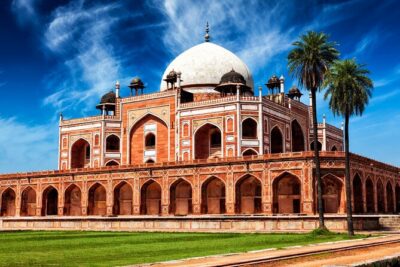
Day 1 starts with Humayun’s Tomb. It’s an excellent opener because it’s not as frantic as some Delhi attractions, and it’s visually satisfying right away. The tomb of Mughal Emperor Humayun (mid-1500s) blends Persian and Mughal design, with restrained decoration that makes the architecture feel calm instead of busy. This stop runs about an hour, with admission included.
Next comes Qutub Minar, one of those places where you walk into the site and the scale grabs you fast. The complex includes the soaring Afghan-style victory tower/minaret that dates back to the late 1100s/early 1200s era, built under Sultan Qutb-ud-din. This is another about an hour stop with admission included. It’s also a good moment to get your bearings for Delhi’s history layers: the mix of styles here helps you understand why the city’s monuments feel like chapters rather than random sights.
Then you’ll likely get a breather at the Lotus Temple. It’s shaped like a lotus flower and designed for quiet worship, with 27 white-marble petals. Admission is free, and the visit is timed for about an hour. One heads-up: the temple is closed on Monday, so if your trip lines up with Monday, you’ll want to confirm the alternative plan.
After that, the itinerary shifts from world heritage to war memorial and government architecture:
- India Gate: a 42m-high memorial arch honoring soldiers who died in World War I and related conflicts; about 30 minutes, free entry
- The Parliament House: where the 1947 transfer of power took place, and where parliament still meets
- Rashtrapati Bhavan (President’s House): an official residence with 340 rooms and very long corridors—your time here is more about seeing/exterior perspectives and taking in the scale than going deep
From there, you drive about three hours via the express highway to Agra and check into your hotel. The whole day is packed, but it’s structured: history in the morning, major Delhi icons mid-day, then an efficient transfer to sleep near the Taj.
A practical consideration: Day 1 is long and busy. If you’re sensitive to early starts, plan to keep your evening easy in Agra so you’re ready for sunrise next.
Taj Mahal sunrise and Agra Fort: how to get the best from Day 2
Day 2 is built around the Taj Mahal sunrise visit, planned for about two hours with admission included. Sunrise at the Taj can be magical, but it’s also weather-dependent—clear conditions are required for the planned experience. If you’re the type who hates waiting, this could test your patience. If you love lighting and atmosphere, it’s one of the best reasons to pick a sunrise schedule.
Why the Taj Mahal fits this tour so well: everything else on Day 2 is nearby enough that you don’t spend your day in a car spiral. After sunrise, you go back to your hotel for breakfast.
Then you head to Agra Fort for about an hour. This UNESCO site sits along the Yamuna River and is a sprawling red-sandstone and marble fortress complex. The experience here is more “walking and soaking in the scale” than quick sight-seeing. Courtyards, palace spaces, and fort views help you understand the power and planning behind the Mughal-era city.
An extra practical inclusion helps: the package includes a battery bus/golf cart return ride from the Taj Mahal parking lot. That saves some walking, especially in the early hours when you’ll already be awake for the sunrise timing.
One note for photo lovers: camera fees are listed as not included. If you use a camera setup that triggers fees, you’ll want to plan for that cost.
Keoladeo National Park by tricycle: the bird part that actually feels personal
This is the key twist—Bharatpur Bird Sanctuary (Keoladeo National Park). The itinerary builds in an en route stop on the way to Jaipur, with a scheduled about two-hour experience.
You’ll get a guided rickshaw (tricycle) ride into Keoladeo Ghana National Park. That format is important because it slows you down and keeps you in the areas where birds are likely to feed, perch, and move between water and reeds. The guide portion also matters: you’re not just scanning randomly; you’re learning what to look for.
The birds listed as commonly seen include open-bill and painted stork, egret, darter, white ibis, spoonbill, grey heron, Sarus crane, cormorant, migratory geese, duck, rosy pelican, and the rare Siberian crane. Even if you don’t see every species, the variety itself is the point—Keoladeo is known for multiple bird types in one area.
The tour’s wildlife tip is also useful: wear colors that blend with the forest—khaki, brown, and olive green—since bright colors may spook animals. It’s a small change, but it can improve the experience because you’ll get more “normal” wildlife behavior instead of birds reacting to constant motion.
Potential drawback: bird watching rewards patience. If you expect constant action like a theme park, you might find quiet spells. But that’s also why it’s special: you’ll notice more when you slow down.
Jaipur in one full day: forts, palaces, and the city’s geometry
Day 3 goes straight into Jaipur highlights. The Amber Palace (Amber Fort) is first, about three hours with admission included. It’s a formidable honey-hued fort rising from the rocky hillside roughly 11 km northeast of Jaipur. The complex uses pale yellow and pink sandstone with white marble, and it’s divided into multiple sections and courtyards—so you’re not just seeing one building, you’re moving through an entire palace world.
One thing not included: elephant/jeep rides at Amber Fort. If that matters to your plan, you’ll need to arrange it separately, and it may affect your schedule.
Next is Jal Mahal, the Water Palace. You’ll stop mainly for photos near the cenotaphs of the maharanis and across Man Sagar’s watery expanse. The stop is short—about 15 minutes. It’s a great “camera moment,” but don’t confuse it with a deep visit.
Then comes Hawa Mahal (Palace of Winds). You’ll have a photo stop around 15 minutes. It’s Jaipur’s most distinctive landmark: a pink-painted honeycombed facade with five storeys, built in 1799 to let royal women watch street life and processions. Admission is listed as not included here, so you’re viewing rather than entering for this slice of the day.
The City Palace follows with about an hour of time and included admission. The City Palace is the royal family’s residence and a complex of courtyards, gardens, and buildings from different eras. It blends Rajasthani and Mughal architecture, so it helps you see Jaipur as more than one style or one century.
After that, you’ll hit Jantar Mantar Observatory (about an hour, included admission). This is a UNESCO site made of curving geometric structures designed to track the movement of stars and planets. If you like the logic behind ancient science, this is a fun contrast to all the stone and palace drama earlier in the day.
Finally, you drive back toward Delhi or drop off at your desired location. The itinerary notes around five hours of driving to Delhi/Gurugram/Noida. If you’re continuing onward from Jaipur, there’s also an option to be dropped at Jaipur airport/railway station.
More private days with a guide of your own

Price and what $340 per person is really buying
At $340 per person for a 3-day private tour, your value comes from the “stack” of included items rather than from any one attraction. The package includes:
- 2 nights of accommodation with breakfast (only if you book with the hotel-included option)
- Air-conditioned private vehicle transport
- Professional local private tour guides
- Entrance fees for monuments and the national park
- Keoladeo Ghana National Park guided tour by tricycle
- Battery bus/golf cart return from Taj Mahal parking
- Bottled water
- Breakfast (2)
- Private tour coverage (your group only)
When you price this kind of trip normally, the big costs add up: hotels near Agra and Jaipur, multiple entrance tickets, guide fees, and a dedicated vehicle for intercity driving. Here, they’re bundled, which usually helps. The biggest “cost surprise” risk is items that are explicitly not included: camera fees, meals beyond breakfast, and the elephant/jeep ride at Amber Fort.
So I’d call it mid-range for a private Golden Triangle with a wildlife add-on. If you compare it to a DIY plan, you’re paying for convenience and guidance. If you compare it to group tours, you’re paying for privacy and less time wasted managing transfers on your own.
The real logistics you should plan for (not just the sights)
This tour moves fast, so a little planning protects your enjoyment.
Sunrise timing depends on conditions. Taj Mahal sunrise is subject to clear weather. If the sky doesn’t cooperate, you might see a different outcome than what you pictured on glossy brochures.
Lotus Temple closure. Lotus Temple is Monday closed. If your dates include Monday, you’ll want confirmation of what replaces that stop.
Long driving days. Day 1 includes a drive to Agra (about three hours). Day 3 includes a return drive of around five hours. You’ll want a travel setup that keeps you comfortable: light layers, a scarf you can use for sun or temple settings, and a simple snack plan in case meal timing gets tight.
Clothing for the bird park. The tour suggests khaki, brown, and olive green in the national park. That’s not just aesthetic—it can affect how wildlife responds.
Document basics. A current valid passport is required on the day of travel. Also, you must confirm visa requirements yourself; India visa rules are your responsibility. The tour notes travelers should be vaccinated and carry the covid vaccination certificate.
Christmas/New Year note. If you travel on Christmas Eve or New Year Eve, a mandatory gala dinner at your hotel may not be included and could be charged extra. Plan ahead so you’re not guessing.
How guides and drivers can change your experience
The tour experience can hinge on the people driving and guiding you.
One guide/driver name shows up in feedback as Mr. D.K. Sharma. In one case, the experience was described as patient and kind, with a sense of security and good timing. In another case, there was a complaint about driving style, missed a turn, and speeding behavior. That contrast is exactly why you should pay attention to how your pickup starts: if the driver’s style feels unsafe, speak up early or request clarification.
Other names mentioned with praise include Zeema as a top guide in Agra and Mr Singh in Delhi. That matters because the difference between simply seeing and truly understanding monuments is often the guide’s pacing and explanations.
If you want a calmer ride, ask your provider ahead of time what to expect regarding driving style and confirm the name of your driver and lead guide once assigned.
Should you book this private Golden Triangle and Bharatpur bird tour?
I’d recommend booking if you want:
- A classic Golden Triangle route with the key UNESCO monuments handled
- A real wildlife add-on at Keoladeo National Park (not just a name on the map)
- Private guiding, included entrances, and less planning work on your end
- A morning Taj Mahal plan, with the understanding that weather can affect sunrise
I’d think twice if:
- You hate early mornings and tight schedules
- You’re sensitive to long car days between Delhi, Agra, and Jaipur
- You expect relaxed pacing with lots of downtime
- You’re mainly after leisure rather than structured sightseeing
If you’re the kind of traveler who likes organized days but still wants memorable variety—monuments plus birds—this itinerary is a strong match.
FAQ
What time does the tour start?
The start time is 9:00 am.
Where can I get picked up?
Pickup is offered from Delhi airport, your hotel, or another desired location in Delhi, Gurugram (Gurgaon), or Noida.
Is Taj Mahal sunrise included, and is it guaranteed?
A Taj Mahal sunrise visit is included, but it’s subject to clear weather conditions.
Is the Lotus Temple open every day?
No. The Lotus Temple is Monday closed.
What bird-watching experience is included in Bharatpur?
You get an English-speaking guided tour of Keoladeo Ghana National Park with a rickshaw (tricycle) ride for about two hours.
Are monument entrance fees included?
Yes. Entrance fees of monuments and the national park are included.
Is an elephant or jeep ride at Amber Fort included?
No. Elephant/jeep rides at Amber Fort are not included.
What documents do I need for travel?
A current valid passport is required on the day of travel. You also need to confirm and obtain your own India visa requirements, and the tour notes carrying a covid vaccination certificate.
More Tours in New Delhi
- Old & New Delhi City Tour – Half or Full Day Options Available
★ 5.0 · 4,811 reviews - Half Day Private Delhi City Tour
★ 5.0 · 4,474 reviews - Same Day Taj Mahal, Agra Fort & Baby Taj Tour from Delhi by Car
★ 5.0 · 4,304 reviews - Taj Mahal Day Tour from Delhi by Superfast Train – TOP RATED TOUR
★ 5.0 · 4,166 reviews - Delhi: Old and New Delhi Private Full or Half-Day Tour
★ 4.9 · 3,776 reviews
More Tour Reviews in New Delhi
- Old & New Delhi City Tour – Half or Full Day Options Available
★ 5.0 · 4,811 reviews - Half Day Private Delhi City Tour
★ 5.0 · 4,474 reviews - Same Day Taj Mahal, Agra Fort & Baby Taj Tour from Delhi by Car
★ 5.0 · 4,304 reviews - Taj Mahal Day Tour from Delhi by Superfast Train – TOP RATED TOUR
★ 5.0 · 4,166 reviews - Delhi: Old and New Delhi Private Full or Half-Day Tour
★ 4.9 · 3,776 reviews
The Full Golden Triangle, More Options
- 3-Days Private Golden Triangle Tour: Delhi, Agra & Jaipur by Car
★ 5.0 · 1,107 reviews - 3-Days Private Golden Triangle Tour: Delhi, Agra & Jaipur by Car
★ 5.0 · 1,098 reviews - 3-Day Delhi, Agra and Jaipur Private Tour – India Golden Triangle
★ 5.0 · 812 reviews - Four-Day Private Luxury Golden Triangle Tour to Agra and Jaipur From New Delhi
★ 5.0 · 807 reviews - 5 Nights 6 Days Private Golden Triangle Tour – Delhi Agra Jaipur
★ 5.0 · 574 reviews
Just added: more New Delhi reviews to browse
- 4 days Golden Triangle Tour★ 5.0 · 3 reviews
- Discover Old & New Delhi: Private Tour with Street Food★ 5.0 · 3 reviews
- Taj Mahal Tour From Delhi By Private Car★ 4.5 · 3 reviews
- Golden Triangle Tour 5 Days★ 5.0 · 3 reviews
- Taj Mahal: Express Entry Ticket For Sunset Tour with guide★ 5.0 · 3 reviews
- Agra Taj Mahal Sunrise & Sunset Tour from Delhi★ 5.0 · 3 reviews
Golden Triangle Tours, compared.
 ★ 5.03-Days Private Golden Triangle Tour: Delhi, Agra & Jaipur by CarFrom $1271,107 reviews
★ 5.03-Days Private Golden Triangle Tour: Delhi, Agra & Jaipur by CarFrom $1271,098 reviews
 ★ 5.03-Day Delhi, Agra and Jaipur Private Tour – India Golden TriangleFrom $110812 reviews
 ★ 5.0Four-Day Private Luxury Golden Triangle Tour to Agra and Jaipur From New DelhiFrom $160807 reviews
 ★ 5.05 Nights 6 Days Private Golden Triangle Tour – Delhi Agra JaipurFrom $240574 reviews
 ★ 5.04 Days Golden Triangle TourFrom $146499 reviews
 ★ 5.0Private Car and Drive for Golden Triangle (4N/5D)From $167451 reviews
 ★ 5.0Private Golden Triangle Tour Delhi Agra Jaipur ( Top Rated )From $148436 reviews