
Reviewed · GOLDEN TRIANGLE TOURS
3 Days Golden Triangle Private Tour
Three days, three cities, no guesswork. This Golden Triangle private tour strings together the big-hitters of Delhi, Agra, and Jaipur with live guide commentary and flexible time slots so you’re not locked into one rigid rhythm.
I really liked two things right away: the comfort of a private, air-conditioned vehicle with pickup and drop-off, and the way the guide keeps the story going as you move temple-to-fort-to-market. I also appreciated the personal feel from being a true private group and the extra help on logistics like mineral water during the trip.
One thing to keep in mind: the days are packed, with long drives and lots of scheduled stops—so if you hate early mornings or prefer breathing room, you’ll feel it.
In This Review
- Key Highlights You’ll Actually Care About
- A Golden Triangle Route That Doesn’t Waste Your Time
- Day 1 in Delhi: Qutub Minar, Humayun’s Tomb, and Old Delhi Energy
- The Expressway Transfer and Your “Real” Agra Evening
- Day 2: Taj Mahal Sunrise Style, Agra Fort, and Baby Taj Quiet Moments
- Jaipur Day: Jal Mahal, City Palace, Jantar Mantar, and Hawa Mahal
- Price and What You’re Really Paying For
- Should You Book This Private Golden Triangle Tour?
- FAQ
- Which cities are included in the Golden Triangle portion of this tour?
- How long is the tour?
- Is pickup and drop-off included?
- Do I get entrance tickets for the monuments?
- Is this a private tour?
- Is free cancellation available?
Key Highlights You’ll Actually Care About
- Flexible time slots across the day, so the start can fit your plans
- Private AC vehicle with fuel, tolls, and parking handled
- UNESCO World Heritage sights included in the route, including Qutub Minar, Agra Fort, and Jantar Mantar
- Old Delhi by foot plus a rickshaw ride, a good mix of history and street energy
- Taj Mahal timing with an early-morning approach for the sunrise-style visit
- Stepwell and astronomical stops like Chand Baori and Jantar Mantar for variety beyond palaces
A Golden Triangle Route That Doesn’t Waste Your Time
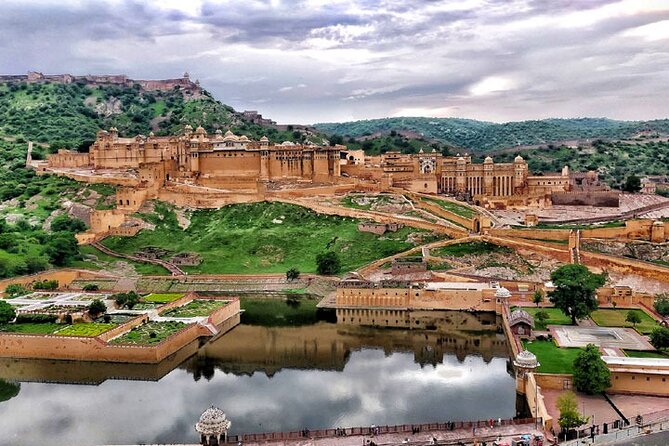
The Golden Triangle is a classic for a reason: it’s the easiest way to see the most famous parts of North India without hopping trains, sorting tickets, or trying to figure out routes on the fly. In just three days, you’ll cover major monuments in Delhi, then pivot to Agra for the big Mughal names, and finally finish in Jaipur for forts, palaces, and the science-stuffed Jantar Mantar.
What makes this tour work is the way it’s structured around guided stops, not just a bus ride. You get a live guide in each city for the monuments, which helps you understand what you’re looking at while you’re standing there, not later while you’re trying to remember details. And because you can choose different time slots during the day, you can usually align the trip with your energy level and your schedule.
The other practical win: you’re in a private group with pickup and drop-off help. That matters in Delhi and Agra traffic, where the stress level changes minute to minute. It’s also priced as a budget-friendly option for a route that would normally cost more once you add private transport, guided access, and multiple cities.
Delhi, Agra and Jaipur: more full circuits



Day 1 in Delhi: Qutub Minar, Humayun’s Tomb, and Old Delhi Energy
Your first day starts with major landmarks that cover several eras of Delhi. Qutub Minar is the opener: built in 1193 by Qutub-ud-din Aibak, founder of the Delhi Sultanate, and noted for its spiral staircase. It’s also linked in legend/design talk to the Minaret of Jam, which is a fun thread to keep in mind while you’re there.
Then you’ll shift gears to the Lotus Temple, an iconic flower-like design completed in 1986. Even if you’ve seen pictures, it’s the kind of spot where the symmetry and calm give you a reset before the more intense sights.
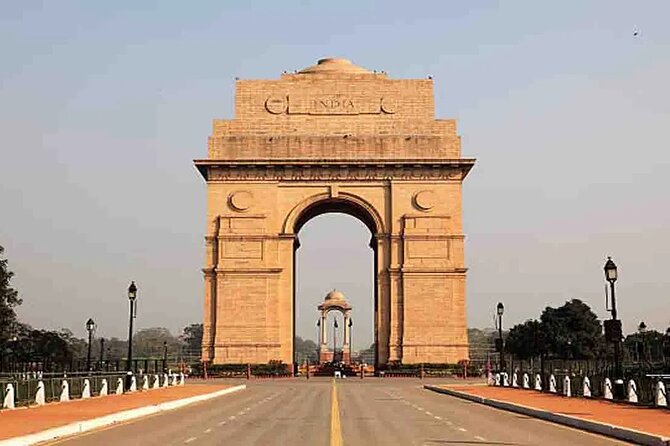
India Gate is next, a war memorial beside Rajpath. It commemorates British Indian soldiers who died in battle, and it still carries the strong, formal architectural style you’d expect from a monument tied to state power.
After that, the tour moves into Delhi’s government district atmosphere with short stops at Parliament House (Sansad Bhavan) and Rashtrapati Bhavan, with time for the exterior and context. You’re not trying to turn into a politician; you’re just getting oriented to the city’s layout and power center.
A short break from the big monuments comes at Agrasen Ki Baoli, a medieval step well preserved as a national monument. The dimensions are part of the charm here: about 60 meters long and 15 meters wide. It’s a reminder that Delhi isn’t only about palaces and forts—people engineered practical beauty too.
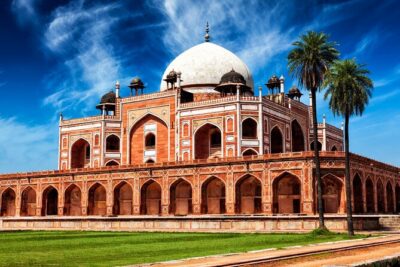
From there, you head into Mughal territory with Humayun’s Tomb, ordered in 1558 by Empress Bega Begum. This is a good move early in the trip because it sets you up to recognize recurring Mughal design ideas later.
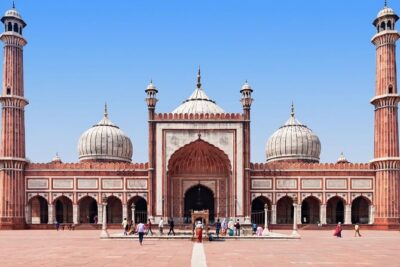
Then comes the highlight for most first-timers: Old Delhi. Chandni Chowk is the shopping and spice-and-sari zone in the center of the old city, full of narrow side lanes and storefront chaos in the best possible way. You’ll then visit Jama Masjid, one of India’s largest mosques, built between 1650 and 1656 by Shah Jahan. The size is the point—plan to spend time looking up and around.
To cap the Old Delhi sequence, you’ll get a rickshaw tour for about 30 minutes. It’s a practical way to cover ground without tiring out, and it fits the story: Delhi became the capital in 1638, and the market energy grew around that change. Plus, your guide can help you spot what’s worth stopping for on the street without you having to guess.
You’ll also see the Red Fort area, a medieval fortress that served as the Mughal emperors’ main home for almost 200 years until 1856. Even when you only have about half an hour here, you’ll leave with the big-picture feel of why this complex mattered.
The Expressway Transfer and Your “Real” Agra Evening
After Delhi, you drive toward Agra. There’s time for lunch during the move, then you continue via the Yamuna Expressway. This is a good mid-trip breathing point: you’re not just watching landmarks from a window; you’re actually being routed efficiently between cities.
Once you arrive in Agra, you check into your hotel. The rest of the day is intentionally left at leisure, which is smart. Agra can feel intense in the heat and crowds, so having downtime helps you enjoy the next morning instead of rushing through it exhausted.
If your hotel option is included in your package, this “buffer” day part is even more valuable because you’re not juggling check-in paperwork between sightseeing blocks. Even with a basic version, the key idea is the same: you arrive, you settle, you decide how you want to spend the evening.
Day 2: Taj Mahal Sunrise Style, Agra Fort, and Baby Taj Quiet Moments
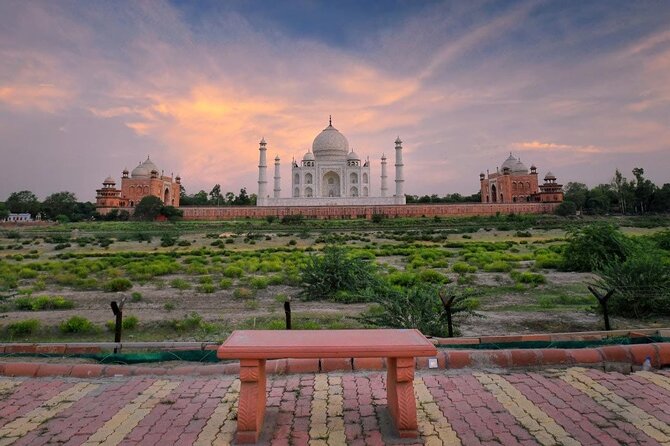
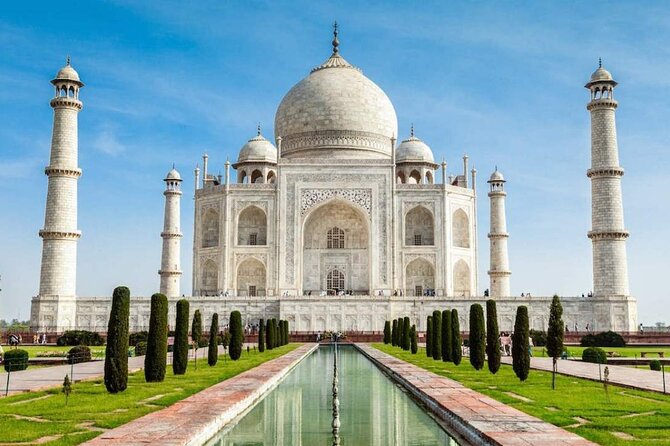
Day two is where the Golden Triangle earns its fame. The Taj Mahal stop is timed for an early morning start, with a sunrise-style approach and a guided visit inside for about two hours. The guided portion matters: you’ll learn how the monument is arranged and why certain viewing angles feel different from others. You’ll also see details you might miss if you arrive with only a photo list.
After Taj Mahal, you’ll visit Agra Fort, a UNESCO World Heritage site. Here the focus shifts from romance to power. You’ll spend about an hour with your guide looking at the fort’s architecture and the layers of Mughal-era space inside the complex. Agra Fort feels like the hard edge of the city—less about gentle symmetry, more about authority.
Then you’ll go to Itmad-ud-Daula, often nicknamed Baby Taj. This is a great “palette cleanser” after the massive emotional punch of Taj Mahal. The grounds and outbuildings matter here, and the guide helps connect the monument’s style to what you’ve seen already. Your time is shorter (about 30 minutes), so treat it like a focused stop: look at the garden layout and the refined detailing, not only the main building.
Next comes a surprisingly interesting detour outside the usual city loop: Chand Baori in Abhaneri. This famous stepwell is known for its 3,500 steps and dates to the 8th and 9th centuries. It’s one of the best places on the trip to notice geometry and how people used shade and water engineering long before modern infrastructure.
From Abhaneri, you drive toward Jaipur, and then check into your hotel. In a short itinerary like this, reaching Jaipur with daylight enough to settle in helps a lot. You’ll be ready for the next day’s palace and observatory stops.
Jaipur Day: Jal Mahal, City Palace, Jantar Mantar, and Hawa Mahal
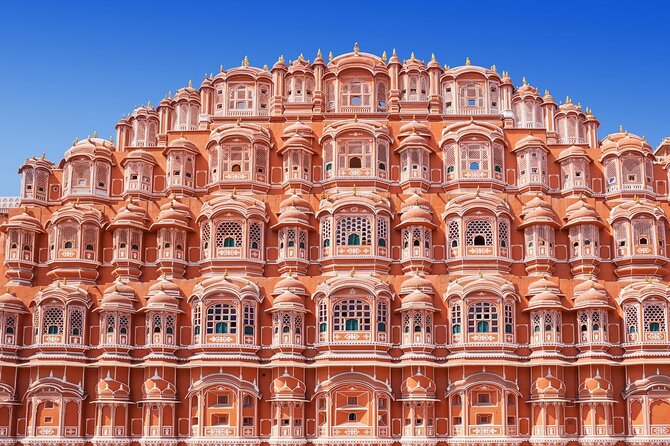
Jaipur is the day that changes the feeling from Mughal stone to Rajput design language. It also adds variety: some stops are photogenic, some are practical, and one or two are genuinely different from what most people expect.
You start with Panna Meena ka Kund, a step well near Amber Fort. Even with a short time on the schedule, it gives you that “stairs down, light back up” effect that’s hard to forget.
Then you’ll see Jal Mahal, the palace in the middle of Man Sagar Lake. The palace itself was expanded and refurbished in the 18th century by Maharaja Jai Singh II of Amber. Even if you only get a brief look, it’s a memorable scene because the setting makes the architecture feel almost staged.
Next is City Palace of Jaipur, originally built in 1721 as the Maharaja’s ceremonial and official residence. This stop works well if you like understanding the layout and the way rulers organized daily and formal space. With a guided visit (about an hour), you’ll get context for why it looks the way it does and how it functioned.
Then comes Jantar Mantar, a UNESCO World Heritage site. It was built in 1734 as an assembly of nineteen astronomical instruments by Sawai Jai Singh II, with tools designed to measure the sky in practical ways. This is not only for nerds. If you like “old tech that actually solved problems,” you’ll enjoy walking through it because the instruments look like a set of strange sculptures—until you learn what they measure.
Finally, you’ll visit Hawa Mahal, the Palace of Wind. The red and pink sandstone facade is the star, and it’s famous for the windows and the way the building turns the city’s movement into something decorative. You’ll have a short time here, so go in planning to look at the structure and think about ventilation and airflow in the days before modern HVAC.
More private days with a guide of your own

Price and What You’re Really Paying For
The price is listed at $20. That’s strikingly low for a three-day Golden Triangle route, and it usually means the exact inclusions depend on the option you choose. This tour offers flexible packaging—guide-only, options with transportation, and a luxury version with hotels.
Here’s the practical takeaway: check what’s included in your specific option. Entrance tickets for monuments are included only if you choose the all-inclusive option. Some stops have free admission in the schedule, while others are marked as ticket-included. So you don’t want to be surprised halfway through by paying separately for a major sight.
In your favor, the tour includes the big-ticket moving pieces: air-conditioned private transport with fuel, tolls, and parking handled, plus pickup/drop-off assistance and mineral water bottles during the trip. A live tour guide service is also part of the experience in each city.
If you choose the hotel and meal option, you’ll also get breakfasts and two dinners, which is a genuine value add. In India, that can remove the “where should we eat now” decision fatigue—especially after a long day of monuments.
Should You Book This Private Golden Triangle Tour?
Book it if you want a first-timer-friendly Golden Triangle that’s structured, guided, and efficient. This is a great fit for you if you’re short on time, don’t want to plan logistics between Delhi, Agra, and Jaipur, and you like seeing big landmarks with a guide who explains what matters while you’re looking at it.
Skip it or modify your expectations if you need lots of downtime. The itinerary runs a strong schedule, and the Taj Mahal timing leans early. You’ll see a lot in three days, so the trade-off is fewer long, wandering pauses on your own.
One smart tip: pick your package based on how much you want to manage. If you prefer minimal decisions, choose the version that includes entrance tickets and hotels. If you’re already comfortable with planning your own hotel and ticketing, a more basic option can still work—just confirm what’s covered before you go.
FAQ
Which cities are included in the Golden Triangle portion of this tour?
The tour covers New Delhi, Agra, and Jaipur over about three days.
How long is the tour?
It runs for 3 days (approx.).
Is pickup and drop-off included?
Yes, pick and drop-off assistance is included.
Do I get entrance tickets for the monuments?
Entrance tickets are included if you choose the all-inclusive option. The schedule also includes a mix of stops with free admission and stops marked as ticket-included.
Is this a private tour?
Yes. It’s listed as a private tour/activity, with only your group participating.
Is free cancellation available?
Yes. You can cancel up to 24 hours in advance for a full refund. It also requires good weather, and if it’s canceled due to poor weather you’ll be offered a different date or a full refund.
More Tours in New Delhi
- Old & New Delhi City Tour – Half or Full Day Options Available
★ 5.0 · 4,811 reviews - Half Day Private Delhi City Tour
★ 5.0 · 4,474 reviews - Same Day Taj Mahal, Agra Fort & Baby Taj Tour from Delhi by Car
★ 5.0 · 4,304 reviews - Taj Mahal Day Tour from Delhi by Superfast Train – TOP RATED TOUR
★ 5.0 · 4,166 reviews - Delhi: Old and New Delhi Private Full or Half-Day Tour
★ 4.9 · 3,776 reviews
More Tour Reviews in New Delhi
- Old & New Delhi City Tour – Half or Full Day Options Available
★ 5.0 · 4,811 reviews - Half Day Private Delhi City Tour
★ 5.0 · 4,474 reviews - Same Day Taj Mahal, Agra Fort & Baby Taj Tour from Delhi by Car
★ 5.0 · 4,304 reviews - Taj Mahal Day Tour from Delhi by Superfast Train – TOP RATED TOUR
★ 5.0 · 4,166 reviews - Delhi: Old and New Delhi Private Full or Half-Day Tour
★ 4.9 · 3,776 reviews
The Full Golden Triangle, More Options
- 3-Days Private Golden Triangle Tour: Delhi, Agra & Jaipur by Car
★ 5.0 · 1,107 reviews - 3-Days Private Golden Triangle Tour: Delhi, Agra & Jaipur by Car
★ 5.0 · 1,098 reviews - 3-Day Delhi, Agra and Jaipur Private Tour – India Golden Triangle
★ 5.0 · 812 reviews - Four-Day Private Luxury Golden Triangle Tour to Agra and Jaipur From New Delhi
★ 5.0 · 807 reviews - 5 Nights 6 Days Private Golden Triangle Tour – Delhi Agra Jaipur
★ 5.0 · 574 reviews
Just added: more New Delhi reviews to browse
- 4 days Golden Triangle Tour★ 5.0 · 3 reviews
- Discover Old & New Delhi: Private Tour with Street Food★ 5.0 · 3 reviews
- Taj Mahal Tour From Delhi By Private Car★ 4.5 · 3 reviews
- Golden Triangle Tour 5 Days★ 5.0 · 3 reviews
- Taj Mahal: Express Entry Ticket For Sunset Tour with guide★ 5.0 · 3 reviews
- Agra Taj Mahal Sunrise & Sunset Tour from Delhi★ 5.0 · 3 reviews
Golden Triangle Tours, compared.
 ★ 5.03-Days Private Golden Triangle Tour: Delhi, Agra & Jaipur by CarFrom $1271,107 reviews
★ 5.03-Days Private Golden Triangle Tour: Delhi, Agra & Jaipur by CarFrom $1271,098 reviews
★ 5.03-Days Private Golden Triangle Tour: Delhi, Agra & Jaipur by CarFrom $1271,107 reviews
★ 5.03-Days Private Golden Triangle Tour: Delhi, Agra & Jaipur by CarFrom $1271,098 reviews
 ★ 5.03-Day Delhi, Agra and Jaipur Private Tour – India Golden TriangleFrom $110812 reviews
 ★ 5.0Four-Day Private Luxury Golden Triangle Tour to Agra and Jaipur From New DelhiFrom $160807 reviews
 ★ 5.05 Nights 6 Days Private Golden Triangle Tour – Delhi Agra JaipurFrom $240574 reviews
 ★ 5.04 Days Golden Triangle TourFrom $146499 reviews
 ★ 5.0Private Car and Drive for Golden Triangle (4N/5D)From $167451 reviews
 ★ 5.0Private Golden Triangle Tour Delhi Agra Jaipur ( Top Rated )From $148436 reviews