
Reviewed · GOLDEN TRIANGLE TOURS
4 Days Golden Triangle Tour from Delhi
Four days, three icons, and a packed plan. This Golden Triangle tour strings together Delhi, Agra, and Jaipur with guided stops that actually match how you’ll want to see them: early, efficient, and human-sized.
I like that the Taj Mahal sunrise is built in, so you’re not stuck fighting crowds later in the morning. I also like the amount of ground covered without feeling like you’re just hopping in and out. One possible drawback: this is a tight schedule with early mornings and long drives, so it’s not a slow-travel vacation.
A highlight I kept thinking about is the Old Delhi rickshaw ride through the Chandni Chowk market area, especially with a guide to explain what you’re looking at. The booking team’s communication also comes through in the reviews, with Aditya coordinating and the driver named Gurdeep showing up promptly.
In This Review
- Key highlights worth your attention
- Price and logistics: is $209 fair for a 4-day Golden Triangle?
- Day 1 in Delhi: airport to hotel with a smooth landing
- Day 2 in Delhi to Agra: Jama Masjid, Chandni Chowk rickshaw ride, then the New Delhi classics
- Jama Masjid and the Old Delhi opening act
- Chandni Chowk by rickshaw: when shopping streets become a lesson
- Raj Ghat: quiet contrast after the market noise
- Qutub Minar and the geometry of Delhi’s past
- India Gate and Rashtrapati Bhavan along Rajpath
- Humayun’s Tomb: the garden-mosque idea you’ll recognize later
- Drive to Agra: Yamuna Expressway transfer and check-in
- Day 3 in Agra then toward Jaipur: Taj Mahal sunrise plus Agra Fort and Fatehpur Sikri
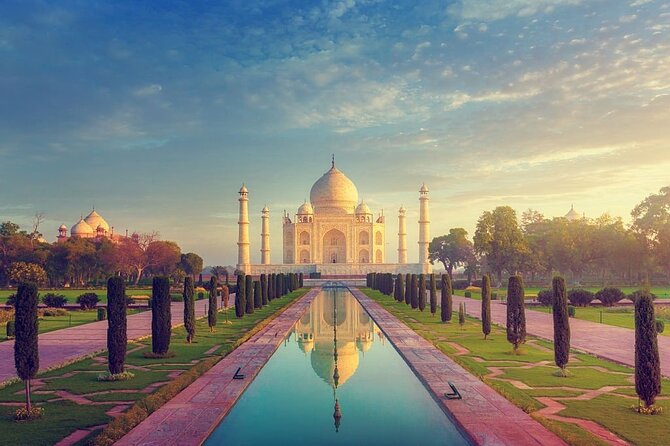
- Taj Mahal at sunrise: why the early timing is the real benefit
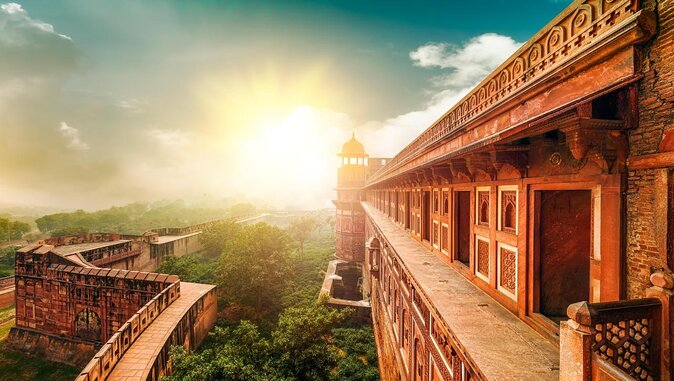
- Agra Fort by rickshaw: add depth beyond the Taj
- Fatehpur Sikri en route: the red-stone detour that pays off
- Day 4 in Jaipur: Amber Fort elephant ride, City Palace, Jantar Mantar, and the wind-and-water icons
- Amber Fort: fort views plus an elephant ride component
- City Palace: where you get context for Jaipur’s royal design
- Jantar Mantar UNESCO: the “math you can see”
- Jal Mahal photo stop: a quick break that works
- Hawa Mahal: the honeycomb facade you can’t stop staring at
- Birla Mandir and Galtaji Temple: spiritual variety without going far
- Back to Delhi after lunch: drop-off when it works for you
- What “private tour” really means here (and why you’ll feel it)
- Hotel and comfort reality check (what to expect from 3-star stops)
- My practical tips to make the tight days feel easier
- Should you book this 4-day Golden Triangle from Delhi?
- FAQ
- What cities are included in this 4-day Golden Triangle tour from Delhi?
- How long is the tour?
- Are pickup and drop-offs included?
- What’s included in the price?
- Are lunch and dinner included?
- Are monument entrance fees included?
- Which major sights are on the itinerary?
- Is the Taj Mahal sunrise visit included?
- Is an elephant ride part of the Amber Fort visit?
- What is the cancellation policy?
Key highlights worth your attention
- Taj Mahal at sunrise: you get that first-light look before the day turns hot and busy
- Chandni Chowk by rickshaw: classic Old Delhi shopping streets, without you navigating alone
- Agra Fort visit: a strong second stop after the Taj, so the day feels more complete
- Jaipur’s UNESCO Jantar Mantar: astronomy you can actually see, not just read about
- Amber Fort experience: the iconic fort plus an elephant ride element
- Private transport and guides: less time stuck figuring things out, more time seeing
Price and logistics: is $209 fair for a 4-day Golden Triangle?
Let’s talk value in plain terms. A 4-day Golden Triangle usually costs you for three big things: transport between cities, a couple of hotel nights, and guide time during the busy sightseeing windows. At $209, this price looks aimed at first-time visitors who want the big sights handled with minimal hassle.
You do need to watch one money detail: monument entrance fees are listed as not included. At the same time, your itinerary notes that admission tickets are included for several specific stops. That mismatch happens sometimes with package setups. My practical advice: when you book, ask the operator to confirm what you’ll pay on-site versus what’s already covered.
Also: the tour includes 3 nights in 3-star hotels, 3 breakfasts, unlimited bottled water, and private transportation. That’s the backbone of why this can be good value compared with piecing everything together yourself.
Delhi, Agra and Jaipur: more full circuits



Day 1 in Delhi: airport to hotel with a smooth landing
Your first day is simple on purpose. You arrive at Indira Gandhi International Airport, get greeted with flower garlands, and head to your hotel in an air-conditioned car. Then it’s check-in and rest.
Why this matters: arriving in Delhi can be stressful, especially if you land late or you don’t know how traffic works. This setup helps you start the next day fresh instead of scrambling.
What you’ll likely feel on day two is that you’re not just doing “Delhi sightseeing.” You’re doing it in a logical order: Old Delhi first thing in the morning, then New Delhi, then the drive to Agra.
Day 2 in Delhi to Agra: Jama Masjid, Chandni Chowk rickshaw ride, then the New Delhi classics
Day two is where the tour earns its keep. You start after breakfast and hit both Old and New Delhi in one long day.
Jama Masjid and the Old Delhi opening act
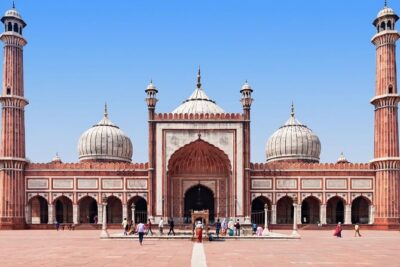
You visit Jama Masjid, described as India’s largest mosque, with a huge courtyard. Even if you’ve seen mosque architecture in other countries, it hits differently here because it’s built for crowds and community life, not just photos.
If you’re sensitive to heat, start thinking about water and shade early. You’ll want comfortable shoes because the area is active and you’ll move through multiple stops.
Chandni Chowk by rickshaw: when shopping streets become a lesson
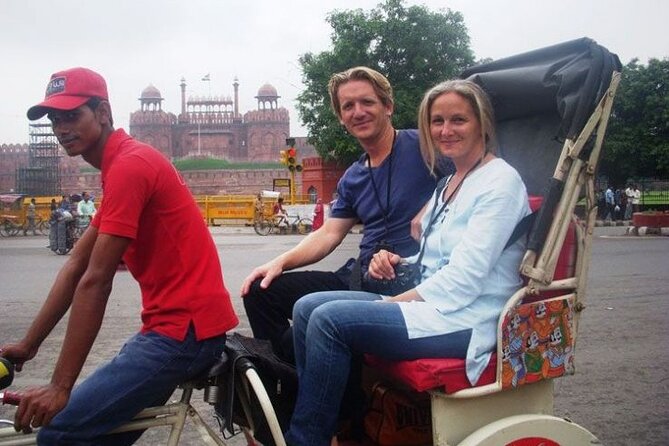
Next comes Chandni Chowk via a rickshaw ride. This is one of those moments where you feel the city in motion: narrow streets, quick turns, and constant storefront activity. The guide helps you make sense of what you’re seeing, so it doesn’t turn into a random march.
This is also the point in the day where it helps that the tour includes guides that are described as government-approved and experienced. You’re not only looking—you’re understanding.
Worth putting side by side with this New Delhi pick:
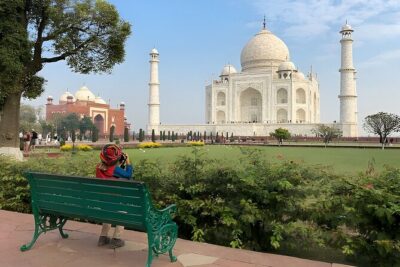
Raj Ghat: quiet contrast after the market noise
After Old Delhi shopping energy, you shift to Raj Ghat, the memorial where Mahatma Gandhi was cremated. It’s a calmer stop with fountains and a park setting, and it works as a mental reset before the monument-heavy stretch in New Delhi.
Qutub Minar and the geometry of Delhi’s past
Then you go to Qutub Minar, a tall minaret connected to early Muslim-era architecture in Delhi. The height and age factor are the headline, but the real value is how it fits into the way the city layers different eras close together.
India Gate and Rashtrapati Bhavan along Rajpath
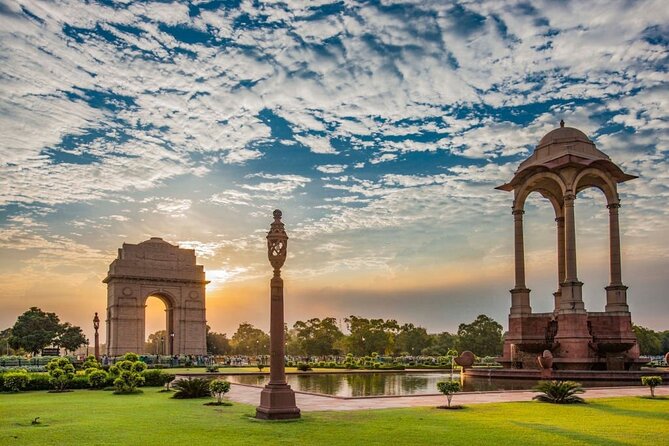
After Qutub Minar, you see India Gate and a quick look at Rashtrapati Bhavan, the President of India’s residence. These stops are short by design, but they give you the big-picture layout of New Delhi—especially if you haven’t been there before.
Humayun’s Tomb: the garden-mosque idea you’ll recognize later
You finish with Humayun’s Tomb, including time to walk the complex. It’s noted for the planned garden layout (Chahar bagh-style) and the mausoleum’s proportions. This stop is a good lead-in to what you’ll see in Agra, because you start noticing patterns of design across centuries.
Drive to Agra: Yamuna Expressway transfer and check-in
After the Delhi tour, you head to Agra by Yamuna Expressway, check in, and sleep. This matters because sunrise Taj Mahal day is next, and you’ll need that hotel bed.
A small caution from experience-based planning: long sightseeing days make it tempting to skip lunch and snack poorly. The tour does include water, but lunch and dinner aren’t included, so plan to spend a little time figuring out food options each day.
Day 3 in Agra then toward Jaipur: Taj Mahal sunrise plus Agra Fort and Fatehpur Sikri
Day three starts early. Your driver and guide arrive at your hotel around 6 a.m. to take you to the Taj Mahal for a sunrise visit.
Taj Mahal at sunrise: why the early timing is the real benefit
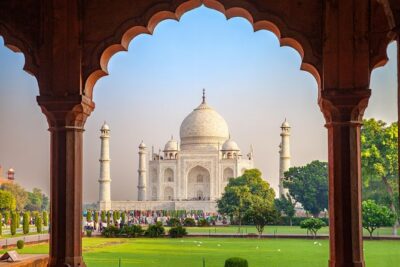
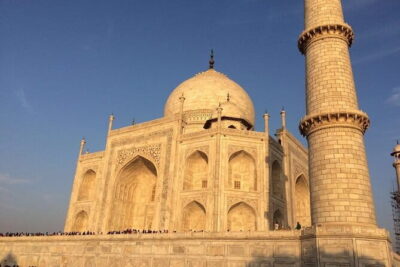
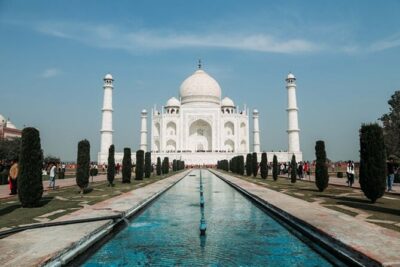
A sunrise Taj Mahal isn’t just about the photo. It’s about light, fewer people compared with later hours, and the sense that the monument is waking up with you. You’ll have about 1.5 hours, which is usually enough time to see the main view and take your photos without feeling rushed every 30 seconds.
Practical tip: bring or buy a little water, and wear something you can handle early-morning cool then mid-day warmth.
Agra Fort by rickshaw: add depth beyond the Taj
After the Taj, you go back for breakfast, then check out, then visit Agra Fort. You get a rickshaw ride that brings you to the fort area.
This is a smart pairing. If you only see the Taj, Agra feels like one moment. Add Agra Fort and Fatehpur Sikri, and you start understanding the broader Mughal setting.
Fatehpur Sikri en route: the red-stone detour that pays off
Then you travel toward Jaipur with a stop at Fatehpur Sikri, a city associated with Mughal-era history and red sandstone architecture. The itinerary lists it as a ticket-free stop, which is a bonus if your budget is watching entrance fees.
Even if you’re not a “history expert,” you’ll feel the difference here: the scale of the grounds and the preserved structures make it easier to picture how a royal complex operated.
Day 4 in Jaipur: Amber Fort elephant ride, City Palace, Jantar Mantar, and the wind-and-water icons
Day four is Jaipur, packed with the classic sights and a few photo stops that are genuinely worth it.
Amber Fort: fort views plus an elephant ride component
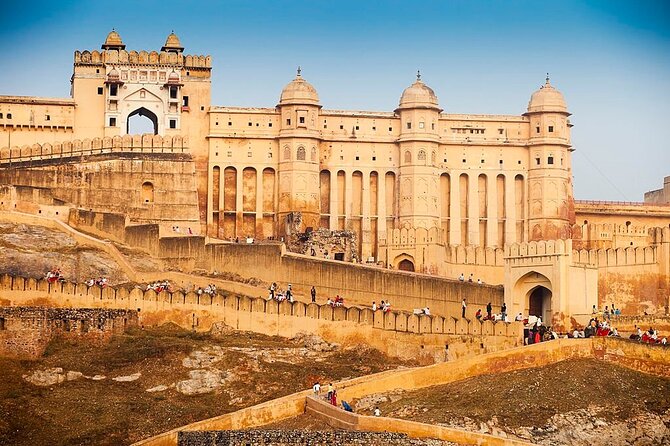
You start with Amber Fort after breakfast. The itinerary includes an elephant ride experience, plus time to explore the fort area.
Why I think this stop is essential: it’s one of the best “wow factor” places in Jaipur because it’s elevated, detailed, and clearly built to impress. The view over the surrounding area is part of the attraction.
Practical note: elephant rides can be a sensitive topic in animal travel worldwide. Your best move is to go in with open eyes, and if anything about the handling or conditions feels off, ask the guide how the operator handles animal welfare. The tour’s role is the scheduling; your role is paying attention.
City Palace: where you get context for Jaipur’s royal design
After Amber, you visit the City Palace of Jaipur inside the walled city. It’s tied to Maharaja Sawai Jai Singh II, and the complex is still in use, which gives it more weight than a purely museum-like experience.
Jantar Mantar UNESCO: the “math you can see”
Next is Jantar Mantar, described as UNESCO-listed and built by Maharaja Sawai Jai Singh II. This is one of the few sightseeing attractions that rewards your brain, not just your camera.
What makes it special is the way instruments and geometry become objects you can stand next to. A guide helps you connect the shapes to what they were designed to measure.
Jal Mahal photo stop: a quick break that works
You pause at Jal Mahal, the water palace. The itinerary gives time mostly for photos and exterior viewing. Even as a short stop, it’s an easy win because it’s visually unusual: a palace-like structure rising from water.
Hawa Mahal: the honeycomb facade you can’t stop staring at
Then it’s Hawa Mahal, the Palace of Winds. The design—many small openings—makes it feel like a decorative screen as much as a building.
If you like street-level perspective and architectural details, this is one of your better camera moments of the day.
Birla Mandir and Galtaji Temple: spiritual variety without going far
Two more stops round out Jaipur.
- Birla Mandir (Lakshmi-Narayan Temple): a white marble temple with a skyline presence noted from south Jaipur.
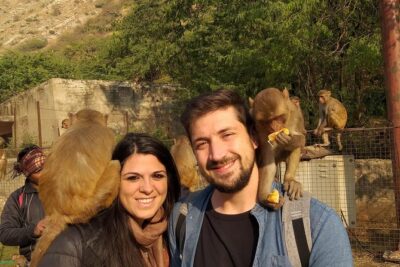
- Galtaji Temple (Monkey Temple): set among hills with temples, pavilions, and holy water tanks (kunds).
I like that this part of the day isn’t only royal architecture. It adds a different layer of how people use sacred places day to day.
Back to Delhi after lunch: drop-off when it works for you
After these stops, you head back toward Delhi and get dropped at the airport/hotel at your convenience.
That drop flexibility matters. It means you can plan your next activity without feeling locked into one exact time window.
What “private tour” really means here (and why you’ll feel it)
This is listed as a private tour/activity, meaning only your group participates. In practice, that usually gives you:
- Less waiting around while other groups line up.
- Faster fixes if something changes with traffic.
- A guide who can explain at your pace, not at a group timetable.
The reviews also highlight a communication approach via chat and prompt pickup when the group arrived. One review specifically names a driver, Gurdeep, showing up promptly—small detail, big confidence boost.
You’ll also get unlimited bottled water, which is the kind of included item that looks minor until you’re walking in heat.
Hotel and comfort reality check (what to expect from 3-star stops)
The package uses 3-star hotels, and that’s usually where expectations should be set. One review notes rooms needing improvements and mentions that some were poorly maintained in places.
So here’s the balanced way to think about it: the tour logic is strong, but you’re not paying for luxury. If you’re the type who needs a spotless, high-end room experience every day, you might find the quality variable. If you’re mostly there to sleep, shower, and reset, 3-star can work fine.
My practical tips to make the tight days feel easier
These small habits make a big difference in the Golden Triangle grind:
- Wear shoes you can walk in for 1–2 hours at a time. Fort and tomb complexes mean uneven ground and lots of steps.
- Plan for early mornings. Sunrise Taj Mahal is included, so you’ll need a quick-night schedule.
- Bring a light layer for changing temperatures between Delhi morning and afternoon heat.
- Budget for restaurant meals since lunch and dinner are not included.
- If you care about monument fees, ask before you go what’s already covered versus pay-on-arrival.
Should you book this 4-day Golden Triangle from Delhi?
If you’re a first-time visitor who wants Delhi + Agra + Jaipur without turning the trip into logistics work, I’d say yes. The sunrise Taj Mahal timing, the Chandni Chowk rickshaw ride, and the mix of forts, palaces, and a UNESCO site make this package feel like it targets the right highlights.
I’d hesitate if you hate early starts, dislike long car days, or expect consistently high-end room quality. In that case, you might prefer a slower version or a higher-category hotel plan.
If you do book, do one thing that makes the experience smoother: confirm how monument entrance fees are handled in your exact booking, and pack for a lot of walking.
FAQ
What cities are included in this 4-day Golden Triangle tour from Delhi?
It covers Delhi, Agra, and Jaipur, moving between the three by private transportation.
How long is the tour?
The duration is listed as approximately 4 days.
Are pickup and drop-offs included?
Yes. A representative greets you at Indira Gandhi International Airport in Delhi and transports you to the hotel. On the last day, you’re dropped at the airport or your hotel at your convenience.
What’s included in the price?
Included items are private transportation, 3 nights in 3-star hotels, a rickshaw ride in Delhi, unlimited bottled mineral water, a government-approved experienced guide at destinations, and breakfast (3).
Are lunch and dinner included?
No. Lunch and dinner at restaurants or hotels are not included.
Are monument entrance fees included?
Monuments entrance fee is listed as not included. At the same time, the itinerary notes admission ticket inclusion for specific stops, so you should confirm what you personally will need to pay on-site.
Which major sights are on the itinerary?
Key stops include Jama Masjid and Chandni Chowk in Old Delhi, Qutub Minar, India Gate, Rashtrapati Bhavan, Humayun’s Tomb, Taj Mahal (sunrise), Agra Fort, Fatehpur Sikri, Amber Fort, City Palace, Jantar Mantar, Jal Mahal, Hawa Mahal, Birla Mandir, and Galtaji Temple.
Is the Taj Mahal sunrise visit included?
Yes. The plan includes an early morning sunrise tour with pickup around 6 a.m.
Is an elephant ride part of the Amber Fort visit?
Yes. The Amber Fort stop includes an elephant ride experience.
What is the cancellation policy?
You can cancel for a full refund if you cancel up to 24 hours in advance of the experience’s start time. If you cancel less than 24 hours before, the amount paid is not refunded.
More Tours in New Delhi
- Old & New Delhi City Tour – Half or Full Day Options Available
★ 5.0 · 4,811 reviews - Half Day Private Delhi City Tour
★ 5.0 · 4,474 reviews - Same Day Taj Mahal, Agra Fort & Baby Taj Tour from Delhi by Car
★ 5.0 · 4,304 reviews - Taj Mahal Day Tour from Delhi by Superfast Train – TOP RATED TOUR
★ 5.0 · 4,166 reviews - Delhi: Old and New Delhi Private Full or Half-Day Tour
★ 4.9 · 3,776 reviews
More Tour Reviews in New Delhi
- Old & New Delhi City Tour – Half or Full Day Options Available
★ 5.0 · 4,811 reviews - Half Day Private Delhi City Tour
★ 5.0 · 4,474 reviews - Same Day Taj Mahal, Agra Fort & Baby Taj Tour from Delhi by Car
★ 5.0 · 4,304 reviews - Taj Mahal Day Tour from Delhi by Superfast Train – TOP RATED TOUR
★ 5.0 · 4,166 reviews - Delhi: Old and New Delhi Private Full or Half-Day Tour
★ 4.9 · 3,776 reviews
The Full Golden Triangle, More Options
- 3-Days Private Golden Triangle Tour: Delhi, Agra & Jaipur by Car
★ 5.0 · 1,107 reviews - 3-Days Private Golden Triangle Tour: Delhi, Agra & Jaipur by Car
★ 5.0 · 1,098 reviews - 3-Day Delhi, Agra and Jaipur Private Tour – India Golden Triangle
★ 5.0 · 812 reviews - Four-Day Private Luxury Golden Triangle Tour to Agra and Jaipur From New Delhi
★ 5.0 · 807 reviews - 5 Nights 6 Days Private Golden Triangle Tour – Delhi Agra Jaipur
★ 5.0 · 574 reviews
Just added: more New Delhi reviews to browse
- 4 days Golden Triangle Tour★ 5.0 · 3 reviews
- Discover Old & New Delhi: Private Tour with Street Food★ 5.0 · 3 reviews
- Taj Mahal Tour From Delhi By Private Car★ 4.5 · 3 reviews
- Golden Triangle Tour 5 Days★ 5.0 · 3 reviews
- Taj Mahal: Express Entry Ticket For Sunset Tour with guide★ 5.0 · 3 reviews
- Agra Taj Mahal Sunrise & Sunset Tour from Delhi★ 5.0 · 3 reviews
Golden Triangle Tours, compared.
 ★ 5.03-Days Private Golden Triangle Tour: Delhi, Agra & Jaipur by CarFrom $1271,107 reviews
★ 5.03-Days Private Golden Triangle Tour: Delhi, Agra & Jaipur by CarFrom $1271,098 reviews
★ 5.03-Days Private Golden Triangle Tour: Delhi, Agra & Jaipur by CarFrom $1271,107 reviews
★ 5.03-Days Private Golden Triangle Tour: Delhi, Agra & Jaipur by CarFrom $1271,098 reviews
 ★ 5.03-Day Delhi, Agra and Jaipur Private Tour – India Golden TriangleFrom $110812 reviews
 ★ 5.0Four-Day Private Luxury Golden Triangle Tour to Agra and Jaipur From New DelhiFrom $160807 reviews
 ★ 5.05 Nights 6 Days Private Golden Triangle Tour – Delhi Agra JaipurFrom $240574 reviews
 ★ 5.04 Days Golden Triangle TourFrom $146499 reviews
 ★ 5.0Private Car and Drive for Golden Triangle (4N/5D)From $167451 reviews
 ★ 5.0Private Golden Triangle Tour Delhi Agra Jaipur ( Top Rated )From $148436 reviews