
Reviewed · GOLDEN TRIANGLE TOURS
6 Days Private Golden Triangle Tour Packages
Golden Triangle magic, minus the scramble. This private 6-day route links Delhi, Agra, and Jaipur with an A/C vehicle, guided sightseeing, and a classic Chandni Chowk rickshaw ride to break up the temple-and-tomb rhythm.
I like how the trip is built for convenience: you get met at Delhi Indira Gandhi International Airport, guided city time at every major stop, and daily breakfast plus planned lunches and dinners. I also appreciate that several headline sights have admission called out as included or free in the program, which helps you avoid surprise line-item costs on the road. One thing to keep in mind: not all entrance fees and add-ons are covered, so you should budget a bit extra beyond the $691 package price.
In This Review
- Key Highlights Worth Your Time
- The Big Picture: Delhi, Agra, Jaipur With Fewer Moving Parts
- Day 1 Arrival in Delhi: A Welcome and a Plan for Your First Hours
- Day 2 Old Delhi + Qutub Minar: Forts, Mosque Steps, and Gandhi’s Memorial
- Jama Masjid and the Red Fort
- Raj Ghat: Quiet After the Crowds
- Qutub Minar and Lutyens’ Delhi
- Day 3 Agra Half-Day: Itmad-ud-Daula, Agra Fort, and the Taj Mahal Moment
- Start at Itmad-ud-Daula
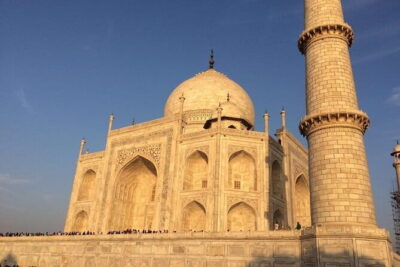
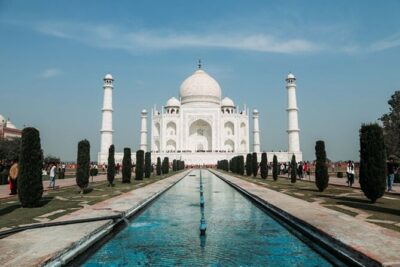
- Agra Fort and Then the Taj Mahal
- Day 4 Fatehpur Sikri and a Sunrise Option Near the Taj
- Mehtab Bagh Sunrise Option
- Fatehpur Sikri: The Empty City Feeling
- Day 5 Amber Fort by Elephant and Jaipur’s UNESCO Sites
- Amber Fort & Palace
- Jantar Mantar, City Palace, and Hawa Mahal Photo Time
- Day 6 Back to Delhi for Your Flight
- Transport, Guides, and Meals: What Changes When It’s Private
- Price and Value: Is $691 a Good Deal for This Route?
- Budget Notes for What’s Not Included
- Who Should Book This Golden Triangle Tour?
- Should You Book This 6-Day Private Golden Triangle?
- FAQ
- What cities does the tour cover?
- Is this tour private and do I get pickup?
- How many nights and hotels are included?
- What meals are included during the trip?
- Are monument entrance fees included?
- Does the tour include guided sightseeing?
- What’s included for sightseeing comfort?
- What happens on the last day?
Key Highlights Worth Your Time
- Private car + driver for all transfers, so you lose less time to logistics
- Delhi meets Old Delhi to modern landmarks in one day: Jama Masjid, Red Fort, Qutub Minar, and more
- Taj Mahal time is scheduled as part of a guided Agra half-day plan
- Optional sunrise choice on Day 4 with Mehtab Bagh across the Yamuna
- Jaipur includes UNESCO stops like Jantar Mantar, plus the City Palace complex and Hawa Mahal photo time
The Big Picture: Delhi, Agra, Jaipur With Fewer Moving Parts
This is a classic Golden Triangle, but the difference is how it’s handled: you’re not piecing together tickets, drivers, and meeting points on your own. You ride in an air-conditioned vehicle with a personal driver throughout, and you’re paired with a facilitator/representative for help on arrival and departure. That matters in India. Distances are real, traffic is unpredictable, and “quick stops” can turn into half-day detours fast.
The itinerary is also paced so you get the big names—Taj Mahal, Red Fort, Amber Fort, Jantar Mantar—without feeling like you’re sprinting from one photo spot to another all day. You’ll still be up and out, but the structure helps. Hotels are included for 5 nights, with check-in typically at 2 p.m. and check-out around noon, so you can plan your daily rhythm.
Value-wise, $691 for six days is not a “cheap bargain” price, but it can be good value if you want a stress-reduced trip. Your money goes into private transport, hotels, and a set schedule of guided visits and meals. If you’re the type who hates waiting for taxis or hunting down opening hours, this format usually feels worth it.
Delhi, Agra and Jaipur: more full circuits



Day 1 Arrival in Delhi: A Welcome and a Plan for Your First Hours
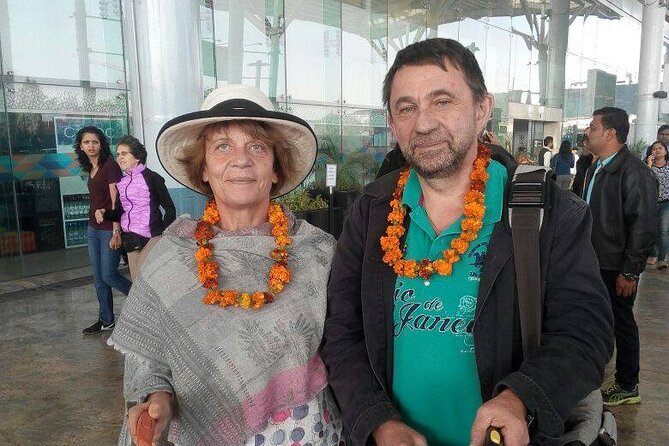
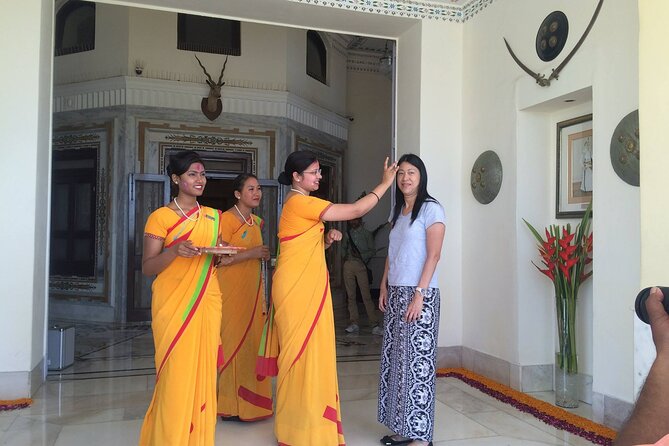
Your tour starts in a very practical way. You’re met at the airport arrival hall with a traditional welcome by the tour executive, then escorted to your hotel for check-in. This first step sounds simple, but it’s huge when you land tired, jet-lagged, and unsure where your paperwork ends and your trip begins.
What I like about this setup is that you’re not left to guess. You get help with the hotel process right away, and you’re told what to expect next (the program notes that the executive explains details after check-in). Then your evening becomes your own. Since the itinerary doesn’t load Day 1 with heavy sightseeing, you can use that time to rest or do light orientation.
One small note for your own planning: the meeting point is the airport area, and the tour ends back at the meeting point. That keeps the trip “in a loop,” which is convenient for departure day, but it also means you’ll want to schedule your flight timing carefully so the final airport transfer works smoothly.
Day 2 Old Delhi + Qutub Minar: Forts, Mosque Steps, and Gandhi’s Memorial
Day 2 is where Delhi shows its two faces: Old Delhi’s Mughal-era core, and then the city’s grand, later landmarks in the afternoon.
You start with a guided Old Delhi tour, driving, walking, and riding through older lanes and bazaars. Expect sensory overload in a good way: people moving, shops packed, and the feeling that you’re stepping into layers of the city instead of just looking at one monument.
Jama Masjid and the Red Fort
The tour includes a visit to Jama Masjid (a 1650 AD landmark) and then the Red Fort, which is described as the Mughal Empire’s seat. The program lists admission for the Red Fort as included, which is helpful. The fort’s massive sandstone walls can be impressive even before you read a single plaque. The guided part matters here: it turns the visit from photos into context.
Raj Ghat: Quiet After the Crowds
After the fort and mosque area, there’s a short drive to Raj Ghat, Mahatma Gandhi’s cremation memorial. It’s a calm reset—simple, reflective, and very different from the noise of Old Delhi streets. The program lists admission as included, and the hour is long enough to absorb the mood instead of treating it like a quick checkbox.
More private days with a guide of your own

Qutub Minar and Lutyens’ Delhi
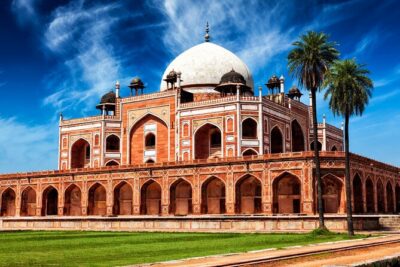
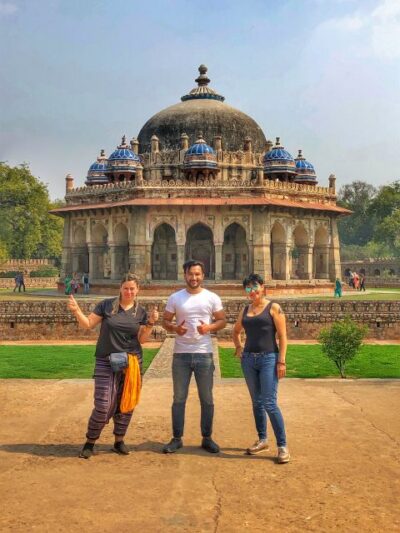
In the afternoon, you shift to Qutub Minar, a tall medieval tower and a signature example of Persian-influenced architecture. Admission is listed as included. Then you go toward Rashtrapati Bhavan (Lutyens’ New Delhi). The program frames this as a drive with photo opportunities when time permits, not a full interior visit.
Potential drawback for Day 2: you’re covering a lot in one day—Old Delhi sights plus Qutub Minar and Rashtrapati Bhavan. If you’re sensitive to long walking stretches or you hate being on the move, this could feel like a full-on day. Still, it’s efficient if you want to feel Delhi’s different eras without adding extra days.
Day 3 Agra Half-Day: Itmad-ud-Daula, Agra Fort, and the Taj Mahal Moment
Agra is built into this trip as a half-day city plan, with your time shaped around the monuments people really come for.
Start at Itmad-ud-Daula
You begin with Itmad-ud-Daula, a major Mughal monument that’s often a “warm-up” before the bigger sites. The program lists admission as included. What I like here is that it helps you read the architectural language before the Taj takes over the entire conversation.
Also worth noting: the program mentions a short folk music and dance performance by a local artist troupe as you exit your hotel. Even if you’re not into performances, it adds a human pulse to travel days and can make the transition to sightseeing feel less mechanical.
Agra Fort and Then the Taj Mahal
Next is Agra Fort, with admission listed as free. Then comes the headline: Taj Mahal in the afternoon. Admission is listed as included, and the stop is scheduled for about three hours, which is long enough for real viewing time and photos without panic.
Here’s the practical truth: the Taj is famous for a reason, but it can also feel crowded or rushed depending on how you approach it. A guided, time-bound visit with a set schedule tends to reduce the “run around chasing the best angle” stress. You can actually slow down and take it in.
Day 4 Fatehpur Sikri and a Sunrise Option Near the Taj
Day 4 gives you a choice on the morning plan and then moves you into a different style of sightseeing.
Mehtab Bagh Sunrise Option
The program lists an optional early visit to Mehtab Bagh, a Mughal garden located across the Yamuna from the Taj Mahal. It’s framed as a sunrise experience. If you like early starts and soft light, this is the kind of add-on that can make the day feel special rather than just “more monuments.”
The program also notes an alternative optional sunrise visit, but it’s not fully visible in the details you shared. The safe way to think about it: you’ll have morning options, and you can pick based on energy level.
Fatehpur Sikri: The Empty City Feeling
After that, you check out and drive to Fatehpur Sikri for a guided exploration. This is described as an uninhabited city built by Emperor Akbar between 1570 and 1585, constructed primarily out of stone (the material detail is cut off in the info you provided, so I won’t guess). The appeal here is different from the Taj or fort walls. Fatehpur Sikri has a “left behind” feeling that makes you think about how power and pilgrimage landscapes worked centuries ago.
Consideration for Day 4: driving time plus a guided visit can make this day feel like a long travel-and-walk combo. If you choose sunrise options, plan for fatigue later. This is one reason private travel can help: you can match the day to your stamina without renegotiating plans on the fly.
Day 5 Amber Fort by Elephant and Jaipur’s UNESCO Sites
Day 5 is where the trip leans into Rajasthan swagger and Jaipur’s standout sights.
Amber Fort & Palace
You start with Amber Fort & Palace, about 12 kilometers from the city center. The program specifically notes ascending to the ramparts on top of a colorfully caparisoned elephant. That’s a major bucket-list moment for many people and makes this more than just walking through walls.
Admission is listed as included. The three-hour block is also the right size. Amber Fort isn’t a “blink and go” stop. You’ll want time for viewpoints and for the guide to explain what you’re looking at.
Jantar Mantar, City Palace, and Hawa Mahal Photo Time
In the afternoon, you move into Jaipur’s walled-city core for a guided set of stops:
- Jantar Mantar (UNESCO): a stone observatory built in 1728 by Raja Jai Singh. Admission is listed as included.
- Hawa Mahal (Palace of Wind): the program frames this as a photo opportunity. It says the facade was built in 1799 so the court’s women could observe street life without being seen.
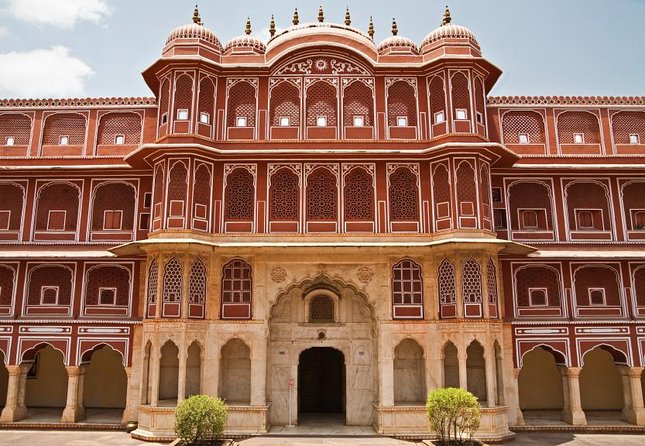
- City Palace: a guided exploration of the royal residence complex. The program notes that part of it is still occupied by the Royal family and isn’t accessible to the public.
This mix is smart for first-timers. You get a science-meets-architecture stop (Jantar Mantar), a visual icon (Hawa Mahal), and the everyday power center (City Palace). You leave Jaipur with variety, not just one type of monument.
Day 6 Back to Delhi for Your Flight
On the final day, you check out and then head to Delhi airport for onward travel. The program also says your vehicle and driver are available for last-minute shopping and sightseeing you might want to fit in before your flight.
This final “buffer” is underrated. If you’ve been too busy during the trip, you can pick up small gifts, water, snacks, or a few items you forgot you wanted. If you prefer calm instead, you can also skip extra stops and just use the time to get to the airport without stress.
Transport, Guides, and Meals: What Changes When It’s Private
This tour is private, meaning it’s just your group—not mixed with random strangers in a large bus. Practically, that often means less waiting around and fewer translation delays at each stop. Your A/C vehicle covers every transfer, including long drives like the jump between cities and the day trips out of town.
The tour also includes day structure through meals:
- Daily breakfast at the hotels
- 4 lunches and 5 dinners included
- Bottled mineral water for sightseeing and drives
That matters more than it seems. In a tight sightseeing schedule, meals can become either a frequent hassle or a real “wasted hour.” Having lunch and dinner planned keeps your day moving and helps you avoid hunting for food right when you’re tired.
One more helpful element: the program lists 24×7 assistance and a facilitator at destinations. You won’t always need it, but having that safety net is reassuring, especially if a traffic delay or timing hiccup changes what you planned.
Price and Value: Is $691 a Good Deal for This Route?
At $691 for six days, you’re paying for more than hotel beds and sightseeing labels. You’re buying:
- Private A/C transfers
- 5 nights of hotel accommodation on double occupancy
- A guided format through major monuments
- A set meal plan (breakfast daily plus lunches and dinners)
- Support infrastructure: facilitator, arrival/depart representative, and 24/7 help
- A included Delhi extra: rickshaw ride through Chandni Chowk
So when is it good value? If you care about comfort, time, and a guided experience that keeps you from thinking too hard every day, this price can make sense. If you’re the kind of traveler who wants to fully DIY, negotiate transit, and skip included meals, you might find cheaper options elsewhere. But you’ll also trade away some of the protection this trip offers.
Budget Notes for What’s Not Included
Even with the set program, some costs are still flagged as not included, such as:
- Personal expenses (tips, laundry, drinks): listed as $10
- Extra meals: listed as $5 per meal if you add them
- Travel insurance and visa: listed as $25 (international flight tickets are separate)
- Entrance fees: listed as $20
- Camera fees: listed as $2
- Miscellaneous: listed as $5
- Taxes: listed as 5% of the total amount
Also, the monument list in the day-by-day plan shows several stops with admission ticket noted as free or included. The practical approach: assume you’ll still want some cash headroom for any sites or add-ons not covered in the included schedule.
Who Should Book This Golden Triangle Tour?
This tour fits best if you want:
- A private Golden Triangle that reduces logistics stress
- Guided visits at major monuments: Delhi forts/mosques, Agra highlights, and Jaipur’s signature sights
- The comfort of an A/C vehicle for city-to-city travel
- A full schedule with hotels + meals planned for most days
It may be less ideal if you’re trying to travel extremely lightly and skip most structured meals, or if you dislike early mornings (because there’s an optional sunrise choice on Day 4).
Should You Book This 6-Day Private Golden Triangle?
If you want a straightforward, guided Golden Triangle with private transport and a built-in rhythm, I’d say this is a smart booking. The included elements—airport welcome, hotel stays, A/C transfers, guided monument blocks, daily breakfast, and the Chandni Chowk rickshaw ride—do a lot of the heavy lifting for you.
I’d think twice only if you’re on a tight budget and you’re comfortable DIY-ing entrances, meals, and transport. Also consider how you handle a packed Day 2 and the potential early start on Day 4.
If your goal is to see the big icons and still have your energy for enjoying India, this private format is the kind of convenience that turns the “work” of travel into the pleasant part.
FAQ
What cities does the tour cover?
It covers New Delhi, Agra, and Jaipur, with visits also planned to places like Old Delhi, Raj Ghat, Fatehpur Sikri, and Amber Fort.
Is this tour private and do I get pickup?
Yes. It’s a private tour/activity with only your group participating, and pickup is offered.
How many nights and hotels are included?
The trip includes 5 nights of hotel accommodation, with double occupancy on the included-room basis.
What meals are included during the trip?
Breakfast is included daily at the hotels. The package also includes 4 lunches and 5 dinners.
Are monument entrance fees included?
Entrance fees are listed as not included, with an estimated $20 budget. Some individual stops in the program show admission ticket included or free, but you should still plan for extra entrances.
Does the tour include guided sightseeing?
Yes. The schedule includes guided city tours and guided explorations at the major stops listed for each day.
What’s included for sightseeing comfort?
You’ll have an air-conditioned vehicle, bottled mineral water for sightseeing/excursions and long drives, and parking fees are included.
What happens on the last day?
You’ll check out and be driven to Delhi airport for your flight to your onward destination. The vehicle and driver are also available for last-minute shopping or sightseeing you want to add.
More Tours in New Delhi
- Old & New Delhi City Tour – Half or Full Day Options Available
★ 5.0 · 4,811 reviews - Half Day Private Delhi City Tour
★ 5.0 · 4,474 reviews - Same Day Taj Mahal, Agra Fort & Baby Taj Tour from Delhi by Car
★ 5.0 · 4,304 reviews - Taj Mahal Day Tour from Delhi by Superfast Train – TOP RATED TOUR
★ 5.0 · 4,166 reviews - Delhi: Old and New Delhi Private Full or Half-Day Tour
★ 4.9 · 3,776 reviews
More Tour Reviews in New Delhi
- Old & New Delhi City Tour – Half or Full Day Options Available
★ 5.0 · 4,811 reviews - Half Day Private Delhi City Tour
★ 5.0 · 4,474 reviews - Same Day Taj Mahal, Agra Fort & Baby Taj Tour from Delhi by Car
★ 5.0 · 4,304 reviews - Taj Mahal Day Tour from Delhi by Superfast Train – TOP RATED TOUR
★ 5.0 · 4,166 reviews - Delhi: Old and New Delhi Private Full or Half-Day Tour
★ 4.9 · 3,776 reviews
The Full Golden Triangle, More Options
- 3-Days Private Golden Triangle Tour: Delhi, Agra & Jaipur by Car
★ 5.0 · 1,107 reviews - 3-Days Private Golden Triangle Tour: Delhi, Agra & Jaipur by Car
★ 5.0 · 1,098 reviews - 3-Day Delhi, Agra and Jaipur Private Tour – India Golden Triangle
★ 5.0 · 812 reviews - Four-Day Private Luxury Golden Triangle Tour to Agra and Jaipur From New Delhi
★ 5.0 · 807 reviews - 5 Nights 6 Days Private Golden Triangle Tour – Delhi Agra Jaipur
★ 5.0 · 574 reviews
Just added: more New Delhi reviews to browse
- 4 days Golden Triangle Tour★ 5.0 · 3 reviews
- Discover Old & New Delhi: Private Tour with Street Food★ 5.0 · 3 reviews
- Taj Mahal Tour From Delhi By Private Car★ 4.5 · 3 reviews
- Golden Triangle Tour 5 Days★ 5.0 · 3 reviews
- Taj Mahal: Express Entry Ticket For Sunset Tour with guide★ 5.0 · 3 reviews
- Agra Taj Mahal Sunrise & Sunset Tour from Delhi★ 5.0 · 3 reviews
Golden Triangle Tours, compared.
 ★ 5.03-Days Private Golden Triangle Tour: Delhi, Agra & Jaipur by CarFrom $1271,107 reviews
★ 5.03-Days Private Golden Triangle Tour: Delhi, Agra & Jaipur by CarFrom $1271,098 reviews
 ★ 5.03-Day Delhi, Agra and Jaipur Private Tour – India Golden TriangleFrom $110812 reviews
 ★ 5.0Four-Day Private Luxury Golden Triangle Tour to Agra and Jaipur From New DelhiFrom $160807 reviews
 ★ 5.05 Nights 6 Days Private Golden Triangle Tour – Delhi Agra JaipurFrom $240574 reviews
 ★ 5.04 Days Golden Triangle TourFrom $146499 reviews
 ★ 5.0Private Car and Drive for Golden Triangle (4N/5D)From $167451 reviews
 ★ 5.0Private Golden Triangle Tour Delhi Agra Jaipur ( Top Rated )From $148436 reviews