
Reviewed · GOLDEN TRIANGLE TOURS
6- Days Private Heritage Golden Triangle Tour
Taj Mahal, minus the transport chaos. This 6-day private Golden Triangle run links Delhi, Agra, and Jaipur with planned hotels and door-to-door car transfers. You also get a strong lineup of UNESCO sights, with entrance fees handled as part of the package.
What I really like is how much is taken off your plate. You’ll have English-speaking guides for the monuments, plus private air-conditioned driving between cities and sights, so you’re not bargaining, hunting, or re-planning all day.
The second thing I like: the trip mixes headline monuments with local texture. You ride through Old Delhi by rickshaw in Chandni Chowk, and you get a guided walk through Jaipur’s Pink City markets. The main catch is the pace—big days and early starts mean lots of time on the road between Delhi, Agra, and Jaipur.
Key Highlights at a Glance
- Door-to-door private AC transfers from airport pickup to drop-off in Delhi
- UNESCO sites with tickets included, so you can focus on seeing instead of queue math
- Chandni Chowk by rickshaw for a hands-on slice of Old Delhi
- Early Taj Mahal visit to maximize your time and comfort
- Pink City market walk with a local-style guided stroll in Jaipur
- Five nights in 4/5-star hotels (double/triple sharing) included
In This Review
- Golden Triangle in 6 days: the value of skipping the logistics
- Private AC car, guides, and monument tickets: where the tour saves your energy
- Day 1 in Delhi: India Gate after a simple airport arrival
- Day 2 in Old Delhi: Jama Masjid, Chandni Chowk rickshaw ride, and UNESCO gardens
- Day 3 to Agra: Agra Fort and the city vibe behind the Taj
- Day 4: Taj Mahal at the start of the day, then Chand Baori en route to Jaipur
- Day 5 in Jaipur: Amber Fort, Hawa Mahal, City Palace, and Jantar Mantar
- Day 6: back to Delhi with drop-off at your chosen location
- Hotels and comfort: what 4/5-star means in practice
- Meals included: what to expect without getting surprised
- Price and value: is $1,224 per person fair?
- Practical tips for enjoying Taj Mahal, forts, and mosques without stress
- Should you book this Golden Triangle private tour?
- FAQ
- Where does the tour start and end?
- Which cities are included in the Golden Triangle?
- Are airport transfers included?
- Are entrance fees included for the attractions?
- What meals are included during the trip?
- Is there private transportation or shared transport?
- Is a rickshaw ride included?
- Can children join, and what are the age rules?
Golden Triangle in 6 days: the value of skipping the logistics
A Golden Triangle trip works best when it’s planned tightly, because northern India’s highlights are spread out. This tour is built for people who want the icons—Taj Mahal, Jama Masjid, the grand forts—without turning the trip into an endless “where do we go next?” puzzle.
The big benefit is simple: you arrive in Delhi, you’re met, and you’re moved through each city with private driving. Instead of stitching together trains, taxis, hotel searches, and ticket lines, you follow a schedule that’s already organized. That matters most on Day 2 through Day 4, when you’re stacking major sights back-to-back.
Also, this has a practical edge for first-time planners. You’re not just shown monuments; you’re taught what you’re looking at with English-speaking guides, and you’re brought to the right places at the right times.
Private AC car, guides, and monument tickets: where the tour saves your energy
Here’s what makes this feel efficient: you’re paying for the “in-between” work.
You get:
- A private air-conditioned vehicle with a driver at disposal for sightseeing and transfers
- English-speaking guides for the monuments
- Entrance passes for all monuments mentioned in the itinerary
- A rickshaw ride in Chandni Chowk
- A guided walk tour of Pink City markets in Jaipur
That combination is worth real money. Entrance fees add up across UNESCO sites. Guides help you avoid the common problem of wandering through beautiful places without understanding why they matter. And private driving saves time and stress, especially if you don’t want to negotiate your way through busy traffic.
One small note: because it’s private, you should still expect a full agenda. This isn’t a slow vacation where you wander at your own speed; it’s a structured heritage sprint. If you like momentum, great. If you prefer long, quiet museum hours, plan for this to feel more “see and learn” than “linger.”
Delhi, Agra and Jaipur: more full circuits



Day 1 in Delhi: India Gate after a simple airport arrival
Your first day starts clean. You land at Indira Gandhi International Airport, and you’re picked up for a transfer to your Delhi hotel for check-in.
Then it’s straight into orientation. The drive passes Rashtrapati Bhavan, so you start getting your bearings. After that, you visit India Gate, a memorial to 82,000 soldiers of the Indian Army who died between 1914–1921 during the First World War. It’s the kind of landmark that’s easy to walk around, but it hits harder when you understand what it commemorates.
This is a good first-day stop: it’s not physically exhausting, and it gives you a sense of Delhi’s scale without asking you to decode a whole city on Day 1.
Day 2 in Old Delhi: Jama Masjid, Chandni Chowk rickshaw ride, and UNESCO gardens
Day 2 is where Delhi turns from “capital city” into lived-in street life.
You start with sightseeing that spans major layers of Old Delhi:
- You drive past Red Fort (no stop)
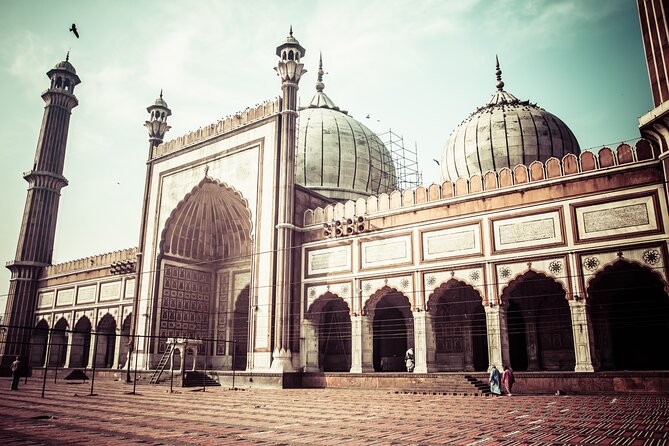
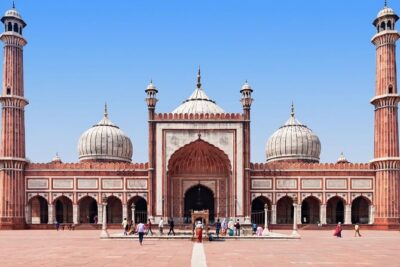
- Visit Jama Masjid, the largest mosque in India
- Visit Chandni Chowk, one of Old Delhi’s oldest and busiest markets
Then comes one of the most enjoyable included touches: you take a rickshaw ride in Chandni Chowk. That’s a simple way to experience the area’s rhythm without spending hours on foot in a crowded market maze.
After lunch at a nice restaurant, you continue into UNESCO territory with:
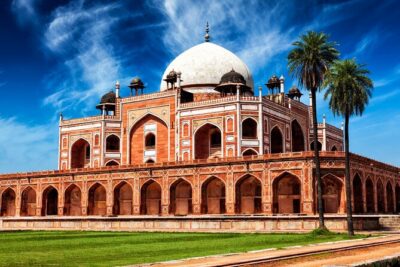
- Humayun’s Tomb (built in 1570), known as the first garden-tomb on the Indian subcontinent
- Qutub Minar, a 73-metre tapering tower in five storeys, tied to the Delhi Sultanate era
- And the surrounding historical context that makes this whole complex feel like one big story rather than separate attractions
Tip that matters here: religious-site etiquette and dress will affect your experience. The tour notes conservative dressing for visits to religious sites, so plan clothing that’s easy to adjust and respectful.
This is a long day—Old Delhi plus multiple major sites—so you’ll want comfortable shoes and a relaxed attitude. The schedule is packed, but the payoff is that you see contrasts: mosque grandeur, market life, then garden-tomb calm.
Day 3 to Agra: Agra Fort and the city vibe behind the Taj
On Day 3, you check out and head to Agra. You arrive in the afternoon, and you settle into your hotel.
The late start is practical. It gives you time to rest before you tackle one of Agra’s biggest historical structures. After lunch and check-in, you visit Agra Fort.
Agra Fort matters because it was the main Mughal residence until the capital shifted to Delhi in 1638. You don’t just see walls and towers. You get a sense of power and administration—how rulers lived, worked, and defended themselves.
In the evening, the plan includes time to hang out in the local market for the true Agra feel. That’s a helpful balance after a driving-heavy day. You get movement, food browsing (though only specified meals are included), and a chance to feel how the city runs after tourist crowds thin out.
Day 4: Taj Mahal at the start of the day, then Chand Baori en route to Jaipur
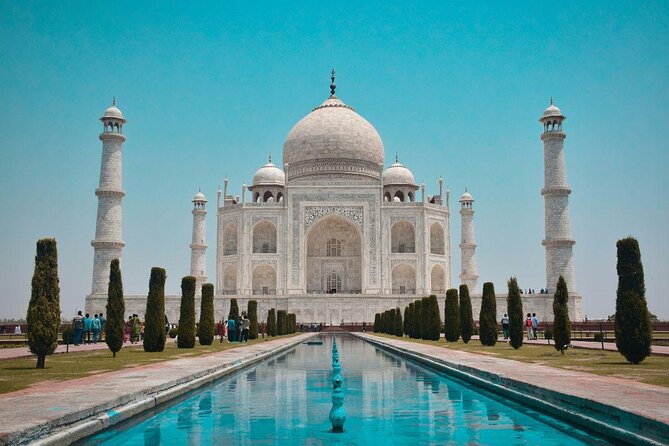
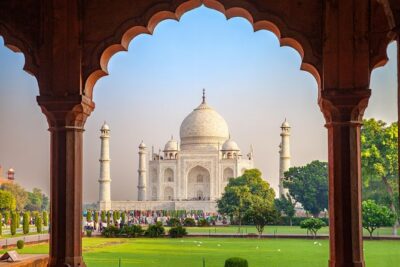
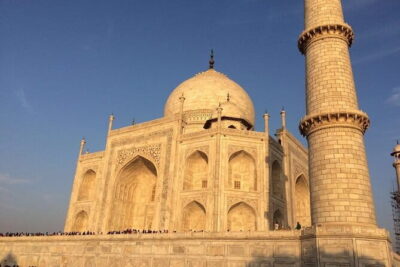
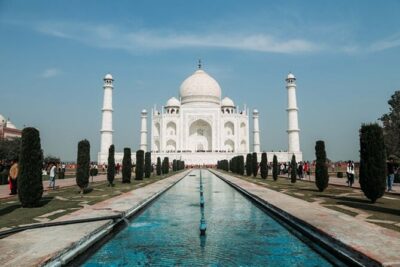
Early mornings are part of the deal for the Taj Mahal. The tour schedules your visit to Taj Mahal first thing: a UNESCO World Heritage Site built by Shah Jahan in 1560 in memory of Mumtaz Mahal.
Visiting early helps in two ways that matter even if you don’t care about crowds. First, your day starts cooler and more comfortable. Second, the visit fits cleanly into the itinerary instead of turning into a time scramble.
After breakfast, you check out and head toward Jaipur, the Pink City. On the way, you stop at Chand Baori, a famous 13-floor stepwell in Abhaneri, built over a thousand years ago. It’s large, visually striking, and one of those places that rewards slow looking. Stepwells aren’t just architecture; they’re water engineering with culture wrapped around it.
Then you reach Jaipur, check in, and go out in the evening for a guided walk-tour of the Pink City market. This is a great time to shop lightly, people-watch, and pick up a sense of Jaipur’s texture without trying to cover everything alone.
More private days with a guide of your own

Day 5 in Jaipur: Amber Fort, Hawa Mahal, City Palace, and Jantar Mantar
Day 5 is your full Jaipur heritage day: palaces, astronomical instruments, and forts that look dramatic even in daylight.
You start with:
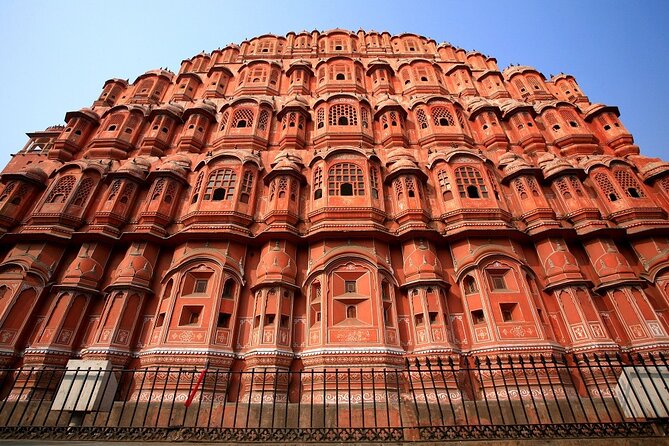
- Hawa Mahal (Palace of Winds)
- Jantar Mantar, a UNESCO World Heritage Site with nineteen architectural astronomical instruments, completed in 1738 CE
Then you move to City Palace, a central complex of courtyards, gardens, and buildings in Old City Jaipur. The stop is positioned to give you perspective: you’re not only seeing standalone monuments—you’re seeing how power, daily life, and design all connect in one royal space.
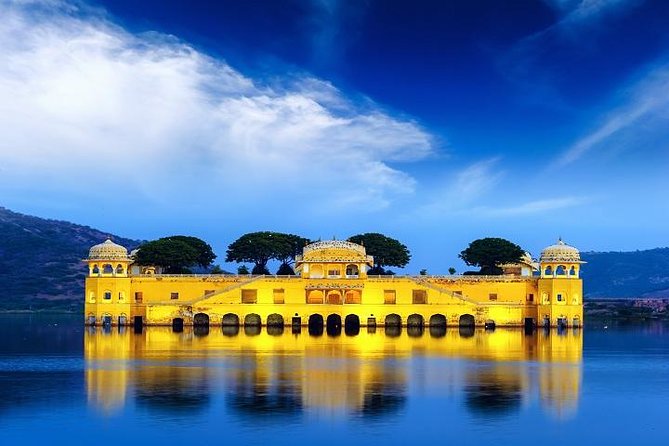
After that, you visit Jal Mahal, the palace sitting in the middle of the lake. It’s visually memorable because it looks like it floats. Even if you’re more into architecture than photos, it gives you a break from the fort-palace intensity.
Finally comes Amber Fort (also called Amer Fort), listed as UNESCO. It’s described as the principal tourist attraction in Jaipur, and it’s easy to understand why once you’re standing there. The fort is your payoff moment—this is where the day’s long build-up feels worth it.
One practical note: with so many major stops, pace is everything. You’ll feel the walking, especially inside fort and palace areas. Take breaks when you can and treat shade like currency.
Day 6: back to Delhi with drop-off at your chosen location
Your last day is the travel unwind. After breakfast, you check out and drive back toward Delhi. The car drops you in Delhi at your desired location.
That’s a smart detail for independent freedom. Instead of being stuck with a single drop point far from where you’re actually staying, you get some control over where your trip ends. You then bid farewell with memories of the Golden Triangle heritage circuit.
This is also a good day to be realistic: after multiple long attraction days, you’ll want recovery time. Plan your onward evening lightly if possible.
Hotels and comfort: what 4/5-star means in practice
You get five nights’ accommodation at 4/5-star hotels mentioned or similar, on double/triple sharing.
That range usually means:
- Private rooms or shared rooms depending on your group size
- Proper bathrooms (generally), staffed hotels, and decent breakfast setups
- A big upgrade compared to budget lodging in terms of resting between early starts
Because your transport is private and hotels are included, you’re not constantly negotiating where you sleep. That alone can make this worth it, especially on a first Golden Triangle trip.
If you’re traveling with family or a smaller group, double/triple sharing can also be a value lever, since the price is per person.
Meals included: what to expect without getting surprised
Your included meals are:
- Breakfast (5)
- Lunch (2)
The trip overview also calls out a traditional Rajasthani dinner as part of the experience. So you’ll get at least one meal that’s themed to Rajasthan, not just generic sightseeing food.
For the rest, you’ll be responsible for food and drinks unless they’re specifically included on the day. My advice: treat meals as fuel on this style of itinerary. When a lunch is included, use it. When it’s not, pick places that are convenient and predictable rather than chasing a long detour.
Price and value: is $1,224 per person fair?
At $1,224 per person, this isn’t a budget tour. But it’s also not you buying random pieces separately.
Here’s what’s being bundled:
- 5 nights in 4/5-star hotels (double/triple sharing)
- Private AC vehicle with driver for transfers and sightseeing
- English-speaking guides for monuments
- Entrance tickets for monuments mentioned
- Rickshaw ride in Chandni Chowk
- Guided walk-tour of Pink City markets
- Multiple included meals
If you had to plan the logistics yourself, you’d likely pay a mix of hotel costs, private transport, driver time, guide fees, and entrance tickets. Even if prices vary by season, the structure here aims to remove the biggest time sinks and the hidden costs of coordinating everything.
So the real question becomes: will you value your time and effort savings? If yes, the price starts to look more reasonable. If you prefer totally independent travel and already know how to move around, you may find cheaper options. But you’ll be taking on the planning burden.
Practical tips for enjoying Taj Mahal, forts, and mosques without stress
A few things will make your trip smoother:
- Wear comfortable walking shoes. Forts and palace complexes involve lots of steps and uneven surfaces.
- Plan for conservative dress at religious sites. The tour explicitly notes this for visits to religious areas, so bring clothing that covers appropriately.
- Keep hydration handy. You’ll be out for long blocks of time in the sun, especially around major monuments.
- Start your mornings ready. Taj Mahal is scheduled early, and days are built for going from one major stop to the next.
- Use the included meals wisely. Breakfast and lunch give you timing stability on full days.
Also, this tour is described as private, so your group stays together rather than blending into large crowds on a shared schedule. That can make conversations easier with your guide and help the day feel more organized.
Should you book this Golden Triangle private tour?
I’d book it if you want a well-paced heritage circuit that handles the hard parts: hotel basics, private transfers, monument tickets, and guided interpretation. It’s a strong choice for first-timers who don’t want to wrestle with logistics while trying to see big-name sights.
I’d think twice if you hate structured itineraries or if you’re the type who needs lots of free time to wander without a timetable. The schedule is attraction-heavy, and the driving between Delhi, Agra, and Jaipur is part of the deal.
One last decision helper: this tour’s rating is high, with a 4.9 score from 15 ratings and a 100% recommendation rate. That usually signals consistent execution—especially important on a trip where timing and entry logistics make or break the day.
FAQ
Where does the tour start and end?
The tour starts with pickup at Indira Gandhi International Airport in New Delhi. It ends back at the same meeting point.
Which cities are included in the Golden Triangle?
The tour covers Delhi, Agra, and Jaipur.
Are airport transfers included?
Yes. Private car pickup is included from Delhi Airport, and you’re also dropped back in Delhi at the end of the tour.
Are entrance fees included for the attractions?
Yes. Entry passes for all monuments mentioned in the itinerary are included.
What meals are included during the trip?
Breakfast is included for 5 days, and lunch is included for 2 days. The tour overview also mentions a traditional Rajasthani dinner.
Is there private transportation or shared transport?
It’s a private tour with a private air-conditioned vehicle and driver at disposal for transfers and sightseeing.
Is a rickshaw ride included?
Yes. A rickshaw ride is included at Chandni Chowk in Delhi.
Can children join, and what are the age rules?
A child below 5 years is complimentary if sharing the same bed. The tour also requires a minimum of two adults to book.
More Tours in New Delhi
- Old & New Delhi City Tour – Half or Full Day Options Available
★ 5.0 · 4,811 reviews - Half Day Private Delhi City Tour
★ 5.0 · 4,474 reviews - Same Day Taj Mahal, Agra Fort & Baby Taj Tour from Delhi by Car
★ 5.0 · 4,304 reviews - Taj Mahal Day Tour from Delhi by Superfast Train – TOP RATED TOUR
★ 5.0 · 4,166 reviews - Delhi: Old and New Delhi Private Full or Half-Day Tour
★ 4.9 · 3,776 reviews
More Tour Reviews in New Delhi
- Old & New Delhi City Tour – Half or Full Day Options Available
★ 5.0 · 4,811 reviews - Half Day Private Delhi City Tour
★ 5.0 · 4,474 reviews - Same Day Taj Mahal, Agra Fort & Baby Taj Tour from Delhi by Car
★ 5.0 · 4,304 reviews - Taj Mahal Day Tour from Delhi by Superfast Train – TOP RATED TOUR
★ 5.0 · 4,166 reviews - Delhi: Old and New Delhi Private Full or Half-Day Tour
★ 4.9 · 3,776 reviews
The Full Golden Triangle, More Options
- 3-Days Private Golden Triangle Tour: Delhi, Agra & Jaipur by Car
★ 5.0 · 1,107 reviews - 3-Days Private Golden Triangle Tour: Delhi, Agra & Jaipur by Car
★ 5.0 · 1,098 reviews - 3-Day Delhi, Agra and Jaipur Private Tour – India Golden Triangle
★ 5.0 · 812 reviews - Four-Day Private Luxury Golden Triangle Tour to Agra and Jaipur From New Delhi
★ 5.0 · 807 reviews - 5 Nights 6 Days Private Golden Triangle Tour – Delhi Agra Jaipur
★ 5.0 · 574 reviews
Just added: more New Delhi reviews to browse
- 4 days Golden Triangle Tour★ 5.0 · 3 reviews
- Discover Old & New Delhi: Private Tour with Street Food★ 5.0 · 3 reviews
- Taj Mahal Tour From Delhi By Private Car★ 4.5 · 3 reviews
- Golden Triangle Tour 5 Days★ 5.0 · 3 reviews
- Taj Mahal: Express Entry Ticket For Sunset Tour with guide★ 5.0 · 3 reviews
- Agra Taj Mahal Sunrise & Sunset Tour from Delhi★ 5.0 · 3 reviews
Golden Triangle Tours, compared.
 ★ 5.03-Days Private Golden Triangle Tour: Delhi, Agra & Jaipur by CarFrom $1271,107 reviews
★ 5.03-Days Private Golden Triangle Tour: Delhi, Agra & Jaipur by CarFrom $1271,098 reviews
★ 5.03-Days Private Golden Triangle Tour: Delhi, Agra & Jaipur by CarFrom $1271,107 reviews
★ 5.03-Days Private Golden Triangle Tour: Delhi, Agra & Jaipur by CarFrom $1271,098 reviews
 ★ 5.03-Day Delhi, Agra and Jaipur Private Tour – India Golden TriangleFrom $110812 reviews
 ★ 5.0Four-Day Private Luxury Golden Triangle Tour to Agra and Jaipur From New DelhiFrom $160807 reviews
 ★ 5.05 Nights 6 Days Private Golden Triangle Tour – Delhi Agra JaipurFrom $240574 reviews
 ★ 5.04 Days Golden Triangle TourFrom $146499 reviews
 ★ 5.0Private Car and Drive for Golden Triangle (4N/5D)From $167451 reviews
 ★ 5.0Private Golden Triangle Tour Delhi Agra Jaipur ( Top Rated )From $148436 reviews
Browse the lists this tour appears in