
Reviewed · GOLDEN TRIANGLE TOURS
7-Day Golden Triangle & Ranthambore Tiger Safari from Delhi
A tiger safari at dawn changes everything. This 7-day Golden Triangle run ties together Delhi, Jaipur, Agra, and Ranthambore with car transfers and breakfasts included, plus a sunrise Taj Mahal visit.
I especially like that the trip mixes big sights with real-world timing, like early starts that make the Taj and Ranthambore feel special, not just checked off. You also get local guidance in Jaipur and Agra, which helps you read what you’re seeing instead of just walking past it.
One drawback to plan for: it’s a fast itinerary across multiple cities, so you’ll spend a meaningful chunk of time in the car, and some key monument entrances (like the Taj Mahal) are not included.
Key points you’ll care about
- Sunrise slots for Ranthambore and the Taj Mahal help you experience these places at their best light
- Local guides in Jaipur and Agra give context where it matters most
- Tight Golden Triangle circuit with Delhi, Jaipur, Agra, then Ranthambore and back
- Safari inclusions depend on your option (1 or 2 canters, based on 3-star vs 4-star choice)
- Ranthambore seasonal closures (from 1 July to 30 September, weather permitting) can affect safari availability
- Breakfast is covered daily, so mornings start easier and budgeting is simpler
In This Review
- Golden Triangle, Real Wildlife, and the Early-Morning Moments
- Price and Value: What $550 Actually Buys You
- Day 1 in Delhi: Landing, Pickup, and Settling In
- Day 2: Jaipur Arrival and the Pink City Circuit
- City Palace of Jaipur
- Jantar Mantar
- Hawa Mahal
- Day 3: Amber Fort Up Close, Fort Views, and Jal Mahal
- Amber Palace (Amer Fort area)
- Nahargarh Fort
- Jal Mahal
- Day 4: Into Ranthambore National Park
- Day 5: Sunrise Safari and Fatehpur Sikri
- Sunrise Ranthambore session
- Fatehpur Sikri
- Day 6: Agra Sights and the Taj Mahal at Sunrise
- Agra sightseeing tour
- Taj Mahal before breakfast
- Agra Fort
- Itmad-ud-Daula and Agra Bazaar
- Day 7 in Delhi: Jama Masjid, Red Fort, Gandhi, Humayun’s Tomb, and More
- Jama Masjid
- Red Fort
- Raj Ghat
- India Gate
- Humayun’s Tomb
- Lotus Temple
- Qutub Minar
- The Guide and Group Setup: Why It Feels Easier
- Logistics You Should Actually Plan For
- Plan for early mornings
- Tickets and entrances are not fully included
- Ranthambore closures depend on season
- Comfort matters
- Who This Tour Fits Best
- Should You Book It?
- FAQ
- How long is the tour?
- What cities does this tour cover?
- What’s included in the price?
- Are meals included besides breakfast?
- Is the Taj Mahal admission included?
- How does the Ranthambore safari work?
- Is there a sunrise visit at Ranthambore?
- Is there a sunrise visit at the Taj Mahal?
- What should I know about Ranthambore in summer?
- Do I need a passport for booking?
Golden Triangle, Real Wildlife, and the Early-Morning Moments
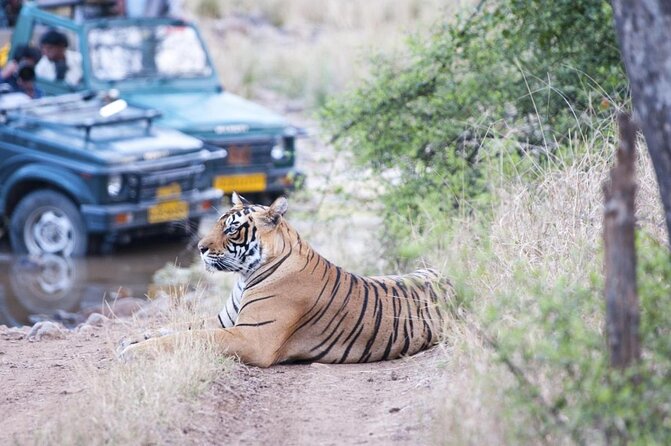
If you’re seeing North India for the first time, this route is a practical way to get the highlights without building a complicated plan yourself. You hit Delhi, Jaipur, and Agra in the classic Golden Triangle shape, then you break that rhythm with Ranthambore, where the goal is simple: look for tigers.
What makes the timing feel smart is the emphasis on mornings. You’ll do Ranthambore at sunrise, and you’ll also visit the Taj Mahal at sunrise before breakfast. That’s not just romantic; it’s practical. Softer light helps photos, crowds tend to be lighter earlier, and the day doesn’t start with you chasing tickets in the heat.
Price and Value: What $550 Actually Buys You
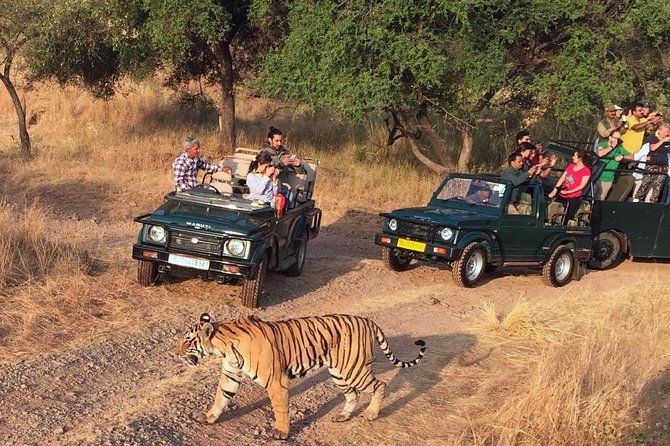
At $550 per person for about 7 days, the value mainly comes from what’s bundled: six nights of accommodation, airport/arrival transfer, car transportation with tolls and driver allowances, local taxes, and 7 breakfasts. You’re also covered for Ranthambore national park fees, with safari vehicle count linked to your chosen comfort level (3-star option vs 4-star option).
You’ll still need to budget for what’s not included: most notably, food and drinks during the day and several monument admissions (the Taj Mahal and many Delhi/Jaipur/Agra entrances are listed as not included). Tips and personal expenses are also on you.
If you like a trip where the logistics are handled—driver, routing, and hotel basics—you’ll feel good about this price. If you want lots of free time to roam and stop whenever you please, this plan may feel more structured than you’d like.
Delhi, Agra and Jaipur: more full circuits



Day 1 in Delhi: Landing, Pickup, and Settling In
Day 1 is straightforward: you’re met at Indira Gandhi International Airport and transferred to your hotel. After that, the day is yours.
Why I think this matters: it reduces the stress of landing in a big city and figuring out local transport on your first day. It also sets you up for an organized start to the itinerary the next morning.
Day 2: Jaipur Arrival and the Pink City Circuit
You drive to Jaipur after breakfast and check in. Later you enjoy a Pink City tour—then the sightseeing time gets more specific and classic.
City Palace of Jaipur
The City Palace connects directly to the rise of Jaipur in the 1700s, built during Maharaja Sawai Jai Singh II’s era. Even if you skip museum-like details, the palace complex gives you a sense of how power and palace life were structured. It’s about 1 hour here, and tickets aren’t included.
Jantar Mantar
Jantar Mantar is one of those places that feels like science meets architecture. The nineteen astronomical instruments built by Sawai Jai Singh II (completed in 1734) are the point, and it’s listed for about 1 hour. Again, admission isn’t included.
A tip here: wear sunscreen and plan for some standing around. This is an outdoor site, and the heat can make you want shortcuts. If you’re going slow, you’ll get more out of it.
More tiger country trips beyond the capital


Hawa Mahal
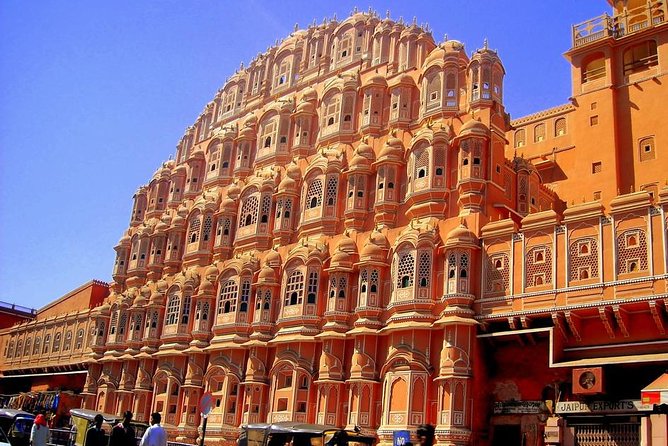
Hawa Mahal, the Palace of Wind, is famous for its red and pink sandstone facade and its position along the edge of the City Palace. It’s listed for about 1 hour and tickets aren’t included.
Day 3: Amber Fort Up Close, Fort Views, and Jal Mahal
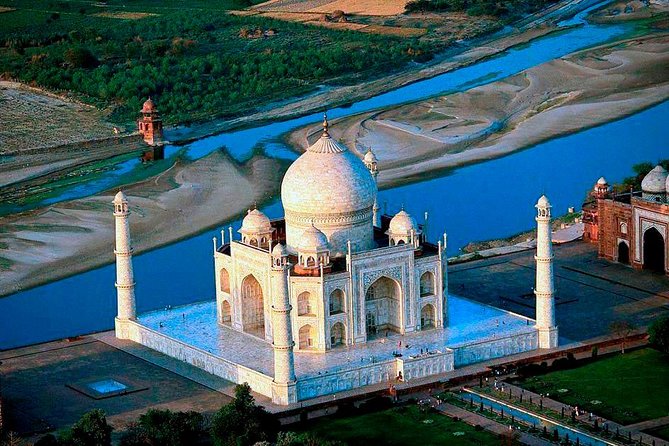
This day leans into fort culture, not just city sightseeing.
Amber Palace (Amer Fort area)
You’ll spend about 3 hours at Amber Palace. It sits high on a hill near Jaipur, so you get that layered fort-and-city feeling even before you walk deep inside. Admission is not included.
If you’re sensitive to walking distances, use this day to pace yourself. Fort complexes tend to involve steps, courtyards, and slow-moving routes.
Nahargarh Fort
Nahargarh Fort is on the edge of the Aravalli Hills, overlooking Jaipur. It’s about 2 hours and ticketed separately. The defense-ring idea—standing alongside Amer Fort and Jaigarh Fort—helps explain why this fort was built where it was.
Jal Mahal
Jal Mahal (the palace in the middle of Man Sagar Lake) rounds out the day. Even if you’re not going inside, it’s a strong visual pause: a palace-like structure that feels like it belongs to a different pace than the rest of the city.
Day 4: Into Ranthambore National Park
After Jaipur, you shift gears hard and head into Ranthambore National Park. You’ve got about 5 hours here.
This is the day where the trip stops feeling like an itinerary and starts feeling like a wildlife experience. Ranthambore is known for tigers, plus you might see leopards and marsh crocodiles. You’re also in a former royal hunting-ground area, which gives the whole park a historical layer beyond the wildlife.
Practical note: safari days often mean being ready for changing conditions. Keep water handy and don’t plan on rushing around like a museum visit.
Day 5: Sunrise Safari and Fatehpur Sikri
This is one of the strongest days in the plan.
Sunrise Ranthambore session
You’ll go again at sunrise, with about 3 hours at the park. This is exactly the kind of moment that sticks with people—especially families. One family described their best experience as the sunrise safari itself, which makes sense: wildlife behavior and light both tend to be better early.
Fatehpur Sikri
After Ranthambore, you head to Fatehpur Sikri for about 2 hours. It’s described as a Mughal-era city of red sandstone buildings, founded by a 16th-century emperor. The highlight gate included in the description is Buland Darwaza, plus Jama Masjid in the complex.
Admission is listed as free for this stop in the schedule, but the way the site is handled can vary day to day. Plan to show up with patience and good walking shoes, since you’re moving through large complexes.
Day 6: Agra Sights and the Taj Mahal at Sunrise
Agra is where the trip peaks for most people, and this schedule tries to do it the right way: early, before the busiest hours.
Agra sightseeing tour
You get about 5 hours for Agra sightseeing. This is your buffer day: monuments, viewpoints, and the flow between them. Admission status is not fully detailed for every sub-stop, so treat it as a day where you may pay entrances unless the schedule says otherwise.
Taj Mahal before breakfast
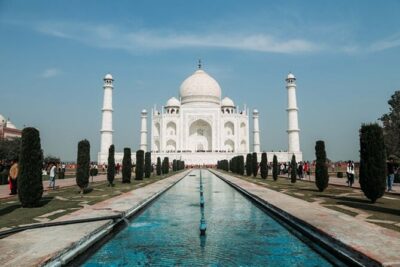
This is the signature moment: you visit the Taj Mahal at sunrise before breakfast. The Taj Mahal is described as a UNESCO World Heritage site built by a great emperor in memory of his wife. Admission is listed as not included, so you’ll want to budget for tickets if you don’t already have them sorted.
Why sunrise is a big deal: you get a calmer atmosphere and more comfortable conditions. You’re also less likely to feel like you’re fighting a crowd just to get to the main views.
Agra Fort
After that, you visit Agra Fort, about 1 hour. It’s another UNESCO World Heritage site built by Emperor Akbar in 1565, described as huge and red sandstone with elegant buildings. Admission isn’t included.
Itmad-ud-Daula and Agra Bazaar
You finish with I’timad-ud-Daula (often seen as a draft of the Taj Mahal) for about 1 hour, then an Agra bazaar tour focused on handicrafts, including marble and soft-stone inlay work.
If you like shopping, this is the part of the day where it makes sense. If you don’t, it’s still useful because it shows what the region is known for, beyond just architecture.
Day 7 in Delhi: Jama Masjid, Red Fort, Gandhi, Humayun’s Tomb, and More
Your last day brings you back to Delhi for a full sightseeing sweep after breakfast, then airport transfer for your onward journey.
Here’s how the day reads, time-wise:
Jama Masjid
A large Mughal-era mosque built between 1644 and 1656 by Shah Jahan. You have about 1 hour and tickets aren’t included. It’s a powerful stop because it’s grand in scale, and you can see how imperial planning showed up in religious architecture.
Red Fort
Then you visit the Red Fort, about 1 hour. It was the main residence for Mughal emperors for almost 200 years and now includes museums. Admission isn’t included.
Raj Ghat
Raj Ghat is a memorial dedicated to Mahatma Gandhi. It’s a shorter stop (about 30 minutes) but it gives the day a different tone than forts and palaces.
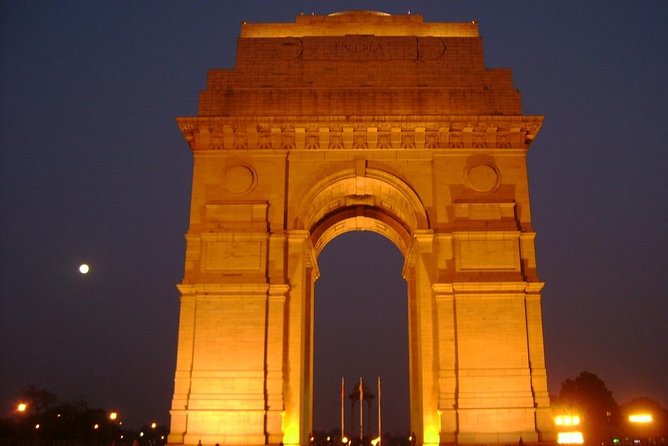
India Gate
You also see India Gate for about 30 minutes. It’s listed as free in the schedule.
Humayun’s Tomb
About 1 hour at Humayun’s Tomb, the tomb of the Mughal emperor Humayun, commissioned by his first wife. Admission isn’t included.
Lotus Temple
The Lotus Temple is listed with about 1 hour and free admission. It’s a Bahá’í House of Worship shaped like a flowerlike lotus. Even if faith sites aren’t your thing, it’s a calming architectural stop.
Qutub Minar
Finally, you visit Qutub Minar (also spelled Qutb Minar), about 1 hour, part of the Qutb complex listed as UNESCO. Admission isn’t included.
By the end of this day, you’ll be sightseeing hard right up to departure. If you’re the type who needs downtime, try to pack light and plan to keep your last-day energy steady.
The Guide and Group Setup: Why It Feels Easier
One of the quiet strengths here is the presence of local guides in Agra and Jaipur only. That’s not a criticism—it’s a smart way to spend guidance where the monuments are dense and the context matters. You’ll still have your driver and transportation for everything, but the guided time helps you connect the dots.
This is also described as a private tour/activity, meaning you won’t be mixed into random groups. You may still benefit from group discounts depending on how you book, but your day-to-day experience is geared toward staying together.
Logistics You Should Actually Plan For
Plan for early mornings
Sunrise Taj and sunrise Ranthambore are built into the structure. That affects sleep and what you wear. Pack for mornings that feel cooler at first, then warm up fast.
Tickets and entrances are not fully included
The schedule lists many admissions as not included, including Taj Mahal and several other sites (City Palace, Jantar Mantar, Hawa Mahal, Amber Palace, Nahargarh Fort, Agra Fort, and several Delhi entrances). You’ll want cash/cards ready and an idea of what you’ll pay so you don’t slow the group down.
Ranthambore closures depend on season
Ranthambore national park is noted as closed from 1 July to 30 September, depending on weather conditions. That means tiger-safari availability can change during those months. If your dates fall in that window, treat the safari portion as the key variable.
Comfort matters
Comfortable walking shoes are recommended, and you’ll likely do enough walking that it’s not optional. Also remember that you’re moving city to city by car, so you’ll want a small kit for long stretches—water, wipes, and something to keep yourself comfortable.
Who This Tour Fits Best
This trip fits best if you:
- Want a classic first-time route in North India with minimal planning
- Like the idea of Ranthambore at sunrise plus Taj Mahal early in the day
- Prefer an organized structure with transportation and hotel basics handled
- Are traveling with a family and can handle a schedule that mixes driving with major sights
If you want slower travel, lots of free time, or deep stays in one city, this may feel too packed. The car and the timetable are the whole deal here.
Should You Book It?
I’d book this if you want a strong, high-impact week that hits the Golden Triangle plus Ranthambore without you having to choreograph it all. The combination of included transport, six nights of accommodation, daily breakfasts, and two early wildlife-style moments (sunrise Ranthambore and sunrise Taj) is exactly where the value comes from.
I wouldn’t book it as-is if your dates fall in the Ranthambore closure window (1 July–30 September) and you’re counting on tiger sightings as the one non-negotiable moment. Also, if monument entrances are a dealbreaker for you, note that many of the big sites are listed as not included, so you’ll pay on top.
If you’re okay budgeting for entrances and you like a structured itinerary, this is a smart way to see a lot of India in one go—without sacrificing the chance to experience the kind of moment people remember: that first glimpse at dawn on safari and the Taj Mahal when the day is still quiet.
FAQ
How long is the tour?
It’s listed as 7 days (approx.).
What cities does this tour cover?
It covers Delhi, Jaipur, Ranthambore, Fatehpur Sikri, and Agra.
What’s included in the price?
The inclusions list covers 6 nights of accommodation, transportation (tolls/parking/fuel/driver allowances), local taxes, national park fees for the safari, local guides in Agra and Jaipur only, and 7 breakfasts.
Are meals included besides breakfast?
No. Food and drinks are not included unless specified.
Is the Taj Mahal admission included?
No. Taj Mahal admission is listed as not included.
How does the Ranthambore safari work?
National park fees are included. The schedule notes 1 canter safari if you book the 3-star option, and 2 canter safaris if you book the 4-star option.
Is there a sunrise visit at Ranthambore?
Yes. There is a sunrise Ranthambore National Park visit on Day 5.
Is there a sunrise visit at the Taj Mahal?
Yes. The Taj Mahal is visited early morning at sunrise before breakfast on Day 6.
What should I know about Ranthambore in summer?
Ranthambore national park is noted as closed from 1 July to 30 September, depending on weather if it will be open.
Do I need a passport for booking?
Yes. Passport name, number, expiry, and country are required at the time of booking for all participants, and a current valid passport is required on the day of travel.
More Tour Reviews in New Delhi
- Old & New Delhi City Tour – Half or Full Day Options Available
★ 5.0 · 4,811 reviews - Half Day Private Delhi City Tour
★ 5.0 · 4,474 reviews - Same Day Taj Mahal, Agra Fort & Baby Taj Tour from Delhi by Car
★ 5.0 · 4,304 reviews - Taj Mahal Day Tour from Delhi by Superfast Train – TOP RATED TOUR
★ 5.0 · 4,166 reviews - Delhi: Old and New Delhi Private Full or Half-Day Tour
★ 4.9 · 3,776 reviews
Tiger Country: More Ranthambore Trips
- Private 4-Day Golden Triangle Tour with Ranthambore Tiger Safari
★ 5.0 · 248 reviews - Golden Triangle & Ranthambore: 4-Day Private Tour from Delhi
★ 5.0 · 224 reviews - Private 5-Day Ranthambhore Tiger Tour from Delhi including the Taj Mahal, Agra and Jaipur
★ 5.0 · 197 reviews - From Delhi: 4-Day Golden Triangle & Ranthambore Guided Tour
★ 4.7 · 121 reviews - 4 Day Golden Triangle with Ranthambore Tiger Safari Tour from Delhi
★ 5.0 · 110 reviews
The Full Golden Triangle, More Options
- 3-Days Private Golden Triangle Tour: Delhi, Agra & Jaipur by Car
★ 5.0 · 1,107 reviews - 3-Days Private Golden Triangle Tour: Delhi, Agra & Jaipur by Car
★ 5.0 · 1,098 reviews - 3-Day Delhi, Agra and Jaipur Private Tour – India Golden Triangle
★ 5.0 · 812 reviews - Four-Day Private Luxury Golden Triangle Tour to Agra and Jaipur From New Delhi
★ 5.0 · 807 reviews - 5 Nights 6 Days Private Golden Triangle Tour – Delhi Agra Jaipur
★ 5.0 · 574 reviews
Just added: more New Delhi reviews to browse
- 4 days Golden Triangle Tour★ 5.0 · 3 reviews
- Discover Old & New Delhi: Private Tour with Street Food★ 5.0 · 3 reviews
- Taj Mahal Tour From Delhi By Private Car★ 4.5 · 3 reviews
- Golden Triangle Tour 5 Days★ 5.0 · 3 reviews
- Taj Mahal: Express Entry Ticket For Sunset Tour with guide★ 5.0 · 3 reviews
- Agra Taj Mahal Sunrise & Sunset Tour from Delhi★ 5.0 · 3 reviews
Golden Triangle Tours, compared.
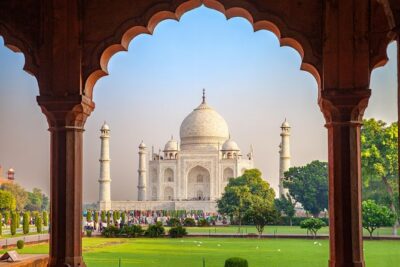 ★ 5.03-Days Private Golden Triangle Tour: Delhi, Agra & Jaipur by CarFrom $1271,107 reviews
★ 5.03-Days Private Golden Triangle Tour: Delhi, Agra & Jaipur by CarFrom $1271,098 reviews
★ 5.03-Days Private Golden Triangle Tour: Delhi, Agra & Jaipur by CarFrom $1271,107 reviews
★ 5.03-Days Private Golden Triangle Tour: Delhi, Agra & Jaipur by CarFrom $1271,098 reviews
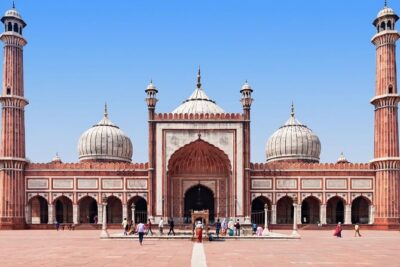 ★ 5.03-Day Delhi, Agra and Jaipur Private Tour – India Golden TriangleFrom $110812 reviews
 ★ 5.0Four-Day Private Luxury Golden Triangle Tour to Agra and Jaipur From New DelhiFrom $160807 reviews
 ★ 5.05 Nights 6 Days Private Golden Triangle Tour – Delhi Agra JaipurFrom $240574 reviews
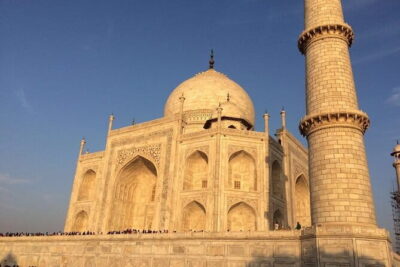 ★ 5.04 Days Golden Triangle TourFrom $146499 reviews
 ★ 5.0Private Car and Drive for Golden Triangle (4N/5D)From $167451 reviews
 ★ 5.0Private Golden Triangle Tour Delhi Agra Jaipur ( Top Rated )From $148436 reviews
Browse the lists this tour appears in