
Reviewed · GOLDEN TRIANGLE TOURS
8 Day Golden Triangle Private Tour with Ranthambore National Park
Taj sunrise to tiger safari in one trip. This private Golden Triangle route strings together Delhi, Agra, Jaipur, and Ranthambore with a stack of UNESCO stops and two chances to spot wildlife. I especially like the two Ranthambore safaris built into the schedule, and the fact that you’re moving by private car instead of juggling trains or random transfers. The main catch: it’s a very full 8 days, so expect long sightseeing days and early starts.
I like that the tour is set up for small groups. You’ll have an English/Spanish/Italian speaking guide for groups up to 05 people, and for 06 people and above you get a tour escort. At the end, you check into a Vivanta by Taj (or similar) for the last night in Delhi before you fly home.
In This Review
- Quick hits to know before you go
- Value check: what $540.10 buys (and what it doesn’t)
- The smooth logistics that make Golden Triangle less exhausting
- Delhi day one: Red Fort, Jama Masjid, Chandni Chowk, and Raj Ghat
- Delhi day two: Qutub Minar and Humayun’s Tomb without losing your rhythm
- Agra sunrise: Taj Mahal when the air is cool and the crowds are thin
- The UNESCO stack that keeps Agra from feeling repetitive
- Ranthambore National Park: two safari chances, one real nature focus
- Jaipur by car: the rose-pink capital and an evening show with dinner
- Amber Palace views, Jantar Mantar science, and the markets that finish the day
- Food moments and pacing: where the tour feels family-friendly
- Price reality: is this tour worth it for your style of travel?
- Who should book this Golden Triangle with Ranthambore?
- Should you book this tour?
- FAQ
- FAQ
- How many days is the Golden Triangle tour with Ranthambore?
- What is the price per person?
- Where does the tour start?
- Is this tour private or group travel?
- How many safaris are included in Ranthambore National Park?
- When do Ranthambore safaris operate for this tour?
- What language will the guide speak?
- What major sights are included in Delhi, Agra, and Jaipur?
- Are entrance fees included?
- What meals and other items are included?
- What’s not included in the tour price?
Quick hits to know before you go
- Two Ranthambore safaris: one afternoon and one morning game drive during October to June departures
- Sunrise Taj Mahal visit: early light on the monument, then straight into Agra’s Mughal sights
- UNESCO-heavy route: Taj Mahal, Agra Fort, Fatehpur Sikri, Qutub Minar, Humayun’s Tomb, and more
- Private transport with Wi‑Fi: a chauffeur-driven car keeps you on schedule
- Family-friendly pacing: welcome dinner, a Jaipur cultural dance show with dinner, and a farewell dinner
- Small-group guiding: English/Spanish/Italian guide for up to 05 people, escort if the group is bigger
Value check: what $540.10 buys (and what it doesn’t)
At $540.10 per person for about 8 days, this is priced like a “real plan,” not a do-it-yourself idea. You’re paying for private transportation, an assigned guide (language support depending on group size), and admission access for the major monuments and game parks named in the program.
Here’s what that means in plain terms: you don’t have to figure out connections between Delhi, Agra, Jaipur, and Ranthambore. The car with a professional chauffeur also matters because the days are long. Even with breaks, you’re stacking sights and travel time, so having everything handled reduces stress.
What you need to budget separately is also clear. International airfare, insurance/visas, and tips/gratuities are not included. Since tip expectations can vary, I usually advise you to keep a little cash aside so you’re not stuck deciding at the last minute.
Delhi, Agra and Jaipur: more full circuits



The smooth logistics that make Golden Triangle less exhausting
The tour leans hard on private transportation, with a Wi‑Fi enabled car and a chauffeur handling the driving. That’s one of the biggest quality-of-life upgrades on any Golden Triangle-style trip. In a region where traffic and road timing can get unpredictable, a private setup helps you keep your day from slipping.
You’ll also get mineral water bottles and seasonal fruits/biscuits/snacks during the tour. This is small, but it’s practical. When you’re hopping between big monuments (and sometimes doing things early in the morning), having snacks on hand saves you from hunting for a quick bite at the wrong moment.
A nice touch: you’ll use a mobile ticket. That reduces paper handling and makes day-of entry steps easier.
Delhi day one: Red Fort, Jama Masjid, Chandni Chowk, and Raj Ghat
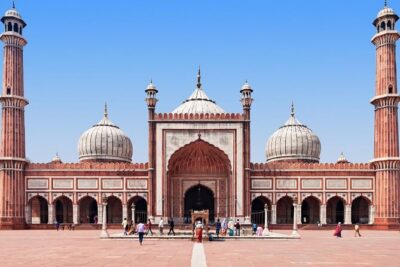
Delhi can feel overwhelming, so I like the way the first full sightseeing day is built around Old Delhi. You start with the Red Fort complex and then move to Jama Masjid, described in the plan as India’s largest mosque. Standing in that space gives you a strong sense of how major religious architecture shaped the city.
Then comes Chandni Chowk Bazaar by rickshaw through the narrow lanes. This is the fun part for most people: the bazaar experience is close-up and fast. If you like buying small handicrafts or simply watching daily life happen, it works well.
You also visit Raj Ghat, the resting place of Mahatma Gandhi. This stop slows the pace a bit, and it adds meaning beyond sightseeing.
Logistically, the day ends with a welcome dinner at your hotel. That’s a smart move when you’ve already been out for about 8 hours.
Delhi day two: Qutub Minar and Humayun’s Tomb without losing your rhythm
The next day focuses on the Delhi Sultanate era and major memorial sites. You’ll see Qutub Minar, along with Humayun’s Tomb and other key sights around New Delhi like India Gate. The plan also includes Birla House Lane, where Gandhi Smriti Bhawan is located, a museum dedicated to Mahatma Gandhi.
Humayun’s Tomb is often the kind of place you can appreciate even if you’re not a hardcore architecture person. It’s visually striking, and it helps you connect the dots on how later Mughal designs evolved.
By the end of this day, you continue onward toward Agra. The ride is part of the trip’s structure, so you’re not stuck “checking out” of one city and then starting over the next day.
Agra sunrise: Taj Mahal when the air is cool and the crowds are thin
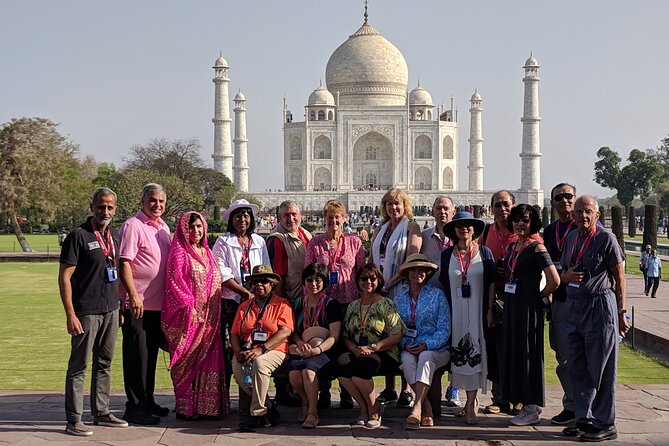
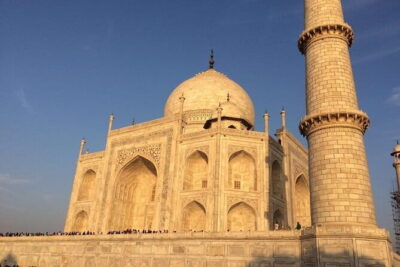
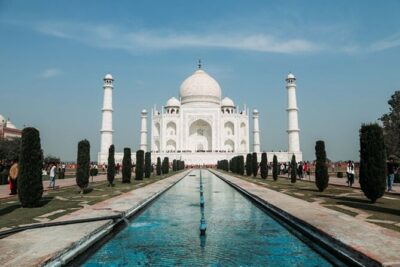
The standout here is the sunrise Taj Mahal visit. Going early is the difference between a monument that feels alive and one that just feels busy. Built between 1631 and 1648, it’s one of those sights where the scale hits you faster than the details do.
After Taj Mahal, you move to Agra Fort, which the plan calls the main residence of the Mughal emperors until 1638. This is where you get the political side of the story. Taj Mahal is the emotion. Agra Fort shows the power.
Then you continue to Fatehpur Sikri, described as the City of Victory and the Mughal Empire’s capital for about 10 years. The program also mentions Buland Darwaza there. If you want one reason to keep your feet moving on this day, it’s this: Fatehpur Sikri feels like a whole other world compared with the river-city vibe of Agra.
One note to consider: the Taj sunrise timing means you’ll want to be ready the night before—charge your phone, fill your water plan, and wear something you can move in comfortably.
More tiger country trips beyond the capital


The UNESCO stack that keeps Agra from feeling repetitive
Many Golden Triangle trips hit the same “big three” and call it a day. This one tries to give you more variety by threading in additional key UNESCO sites around the Mughal story.
You’re looking at UNESCO stops such as Taj Mahal, Agra Fort, Fatehpur Sikri, and the plan also references Mehtab Bagh, described as a flower garden on the bank of the Yamuna built for a Mughal empress. That kind of setting shift is exactly what helps Agra stay interesting after you’ve already seen the main monument.
If you’re traveling with kids, this mix helps too. Sunrise Taj Mahal gets their attention. Forts and gateway architecture keeps adults interested. Gardens and open spaces break up the stone-heavy feeling.
Ranthambore National Park: two safari chances, one real nature focus
Ranthambore is the reason many people book this tour in the first place. The program is clear about the two safaris through Ranthambore National Park, with departures running October to June.
You do one safari in the afternoon on the way into the park area, and then another safari the next morning after a game drive. That gives you two different timing windows. Wildlife behavior can shift with daylight and temperature, so having a second chance is valuable.
It also helps to set expectations the right way. Safari-style wildlife viewing is never something you can force. Your job is to be ready: pay attention to instructions from your guides and follow how the park organizes vehicles and routes on the day.
What I like about this plan is that Ranthambore isn’t treated like a quick stop between “real sights.” It’s given real time, with an overnight stay in between so you’re not rushing from one place to another every few hours.
Jaipur by car: the rose-pink capital and an evening show with dinner
After Ranthambore, you drive to Jaipur, the rose pink capital of Rajasthan. The program gives you a practical split: a morning safari, then the scenic drive into Jaipur, and then an evening cultural dance performance with dinner.
That dance-and-dinner format is useful if you want a Rajasthan evening without having to plan it yourself. It also helps with jet-lag or post-safari fatigue, because you get a structured night rather than a free-for-all search for food.
Amber Palace views, Jantar Mantar science, and the markets that finish the day
In Jaipur, you get a classic mix of major sights plus time for the city atmosphere.
The big ticket is Amber Palace with hilltop views. The plan also includes the Palace of Winds and the Water Place. In other words, you’re not just walking past one monument. You’re moving through different expressions of royal life and design.
Next you visit Jantar Mantar, described as a collection of 19 astronomical instruments built by Sawai Jai Singh II. The plan calls out the world’s largest stone sundial and notes it’s a UNESCO World Heritage site. If you like the feeling of learning without a lecture, this is the kind of stop that clicks because it’s physical—you can see the instruments.
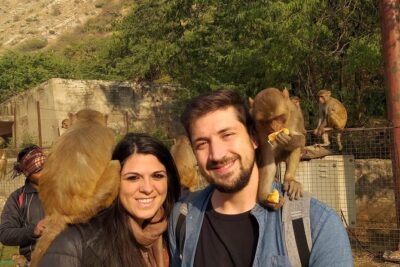
You also stop at the City Palace of Jaipur, described as the royal residence of the Maharajah of Jaipur, and you visit the Monkey Temple. The day includes the colorful markets as well, which is where you can slow down and pick up small souvenirs if that’s your thing.
Since this is a long day, I’d treat comfortable shoes as non-negotiable. Jaipur streets can be uneven, and you’ll be walking.
Food moments and pacing: where the tour feels family-friendly
One reason this plan gets strong positive feedback is its rhythm. You’re not left to fend for meals or decide everything on the fly.
The program includes a welcome dinner at the hotel after Old Delhi day one. In Jaipur, you get a Rajasthan cultural dance performance with dinner. On the last evening in Delhi, you have a farewell dinner before transfer to the airport.
It’s not just about food. It’s the timing. Meals are placed so you can recover after big sightseeing blocks. That helps families and mixed-age groups keep energy up without turning the trip into a constant scramble.
Price reality: is this tour worth it for your style of travel?
This is a good fit if you want:
- A guide-led plan that covers major UNESCO sites without you building routes from scratch
- Private car comfort and less stress moving between cities
- Wildlife time that’s not a token stop, thanks to two Ranthambore safaris
- A set schedule for dinners and key cultural moments
It might not be your best match if you:
- Hate early starts (sunrise Taj is part of the program)
- Prefer a slower pace or more free time to wander without structured stops
- Are the kind of person who wants to control every restaurant choice (the plan provides key meals, but not unlimited open-ended dining time)
Who should book this Golden Triangle with Ranthambore?
Book it if you want a single, managed trip that covers Delhi Sultanate landmarks, Mughal icons in Agra, the major Jaipur highlights, and then shifts gears into Ranthambore nature time.
It’s also well suited for groups who value coordination. The small-group guiding model helps you get more attention without turning the trip into a crowded bus situation.
If you’re a first-time India visitor, the structured flow is a big help. If you’ve been before, the Ranthambore focus and the UNESCO density can still make the route feel efficient.
Should you book this tour?
Yes, if you like order in your days. The private transport, clear language support, and two Ranthambore safaris make this feel like more than a checklist tour. You get meaningful landmark time in Delhi and Agra, plus the science and royal-design stops that give Jaipur more than just shopping.
I’d hesitate only if you’re looking for a slow travel pace or you’re sensitive to early mornings and long days. For the right mindset, it’s a strong value package at $540.10, especially because admission access and most core transfers are built in.
FAQ
FAQ
How many days is the Golden Triangle tour with Ranthambore?
It runs for about 8 days (approximately 7 nights).
What is the price per person?
The listed price is $540.10 per person.
Where does the tour start?
It starts at Indira Gandhi Intl Airport in New Delhi, with airport welcome and transfer to the hotel.
Is this tour private or group travel?
It’s private. Only your group will participate.
How many safaris are included in Ranthambore National Park?
You get 02 safaris through Ranthambore National Park.
When do Ranthambore safaris operate for this tour?
The plan specifies departures from October to June.
What language will the guide speak?
For groups up to 05 persons, you’ll have a local English/Spanish/Italian speaking guide. For 06 persons and above, a tour escort is provided.
What major sights are included in Delhi, Agra, and Jaipur?
Delhi includes Red Fort, Jama Masjid, Qutub Minar, and Humayun’s Tomb. Agra includes the Taj Mahal, Agra Fort, and Fatehpur Sikri. Jaipur includes Amber Palace, Jantar Mantar, City Palace, and Hawa Mahal/Palace of Winds, plus other sites mentioned in the plan.
Are entrance fees included?
Entrance to museums, sites, and game parks is included as mentioned in the itinerary.
What meals and other items are included?
Breakfast is included for 7 days. The tour also includes mineral water bottles and seasonal fruits/biscuits/snacks during the tour, plus select dinners such as the welcome dinner and farewell dinner, and a dinner with the Jaipur cultural dance performance.
What’s not included in the tour price?
International airfares, insurance/visas, and tips/gratuities are not included.
More Tour Reviews in New Delhi
- Old & New Delhi City Tour – Half or Full Day Options Available
★ 5.0 · 4,811 reviews - Half Day Private Delhi City Tour
★ 5.0 · 4,474 reviews - Same Day Taj Mahal, Agra Fort & Baby Taj Tour from Delhi by Car
★ 5.0 · 4,304 reviews - Taj Mahal Day Tour from Delhi by Superfast Train – TOP RATED TOUR
★ 5.0 · 4,166 reviews - Delhi: Old and New Delhi Private Full or Half-Day Tour
★ 4.9 · 3,776 reviews
Tiger Country: More Ranthambore Trips
- Private 4-Day Golden Triangle Tour with Ranthambore Tiger Safari
★ 5.0 · 248 reviews - Golden Triangle & Ranthambore: 4-Day Private Tour from Delhi
★ 5.0 · 224 reviews - Private 5-Day Ranthambhore Tiger Tour from Delhi including the Taj Mahal, Agra and Jaipur
★ 5.0 · 197 reviews - From Delhi: 4-Day Golden Triangle & Ranthambore Guided Tour
★ 4.7 · 121 reviews - 4 Day Golden Triangle with Ranthambore Tiger Safari Tour from Delhi
★ 5.0 · 110 reviews
The Full Golden Triangle, More Options
- 3-Days Private Golden Triangle Tour: Delhi, Agra & Jaipur by Car
★ 5.0 · 1,107 reviews - 3-Days Private Golden Triangle Tour: Delhi, Agra & Jaipur by Car
★ 5.0 · 1,098 reviews - 3-Day Delhi, Agra and Jaipur Private Tour – India Golden Triangle
★ 5.0 · 812 reviews - Four-Day Private Luxury Golden Triangle Tour to Agra and Jaipur From New Delhi
★ 5.0 · 807 reviews - 5 Nights 6 Days Private Golden Triangle Tour – Delhi Agra Jaipur
★ 5.0 · 574 reviews
Just added: more New Delhi reviews to browse
- 4 days Golden Triangle Tour★ 5.0 · 3 reviews
- Discover Old & New Delhi: Private Tour with Street Food★ 5.0 · 3 reviews
- Taj Mahal Tour From Delhi By Private Car★ 4.5 · 3 reviews
- Golden Triangle Tour 5 Days★ 5.0 · 3 reviews
- Taj Mahal: Express Entry Ticket For Sunset Tour with guide★ 5.0 · 3 reviews
- Agra Taj Mahal Sunrise & Sunset Tour from Delhi★ 5.0 · 3 reviews
Golden Triangle Tours, compared.
 ★ 5.03-Days Private Golden Triangle Tour: Delhi, Agra & Jaipur by CarFrom $1271,107 reviews
★ 5.03-Days Private Golden Triangle Tour: Delhi, Agra & Jaipur by CarFrom $1271,098 reviews
 ★ 5.03-Day Delhi, Agra and Jaipur Private Tour – India Golden TriangleFrom $110812 reviews
 ★ 5.0Four-Day Private Luxury Golden Triangle Tour to Agra and Jaipur From New DelhiFrom $160807 reviews
 ★ 5.05 Nights 6 Days Private Golden Triangle Tour – Delhi Agra JaipurFrom $240574 reviews
 ★ 5.04 Days Golden Triangle TourFrom $146499 reviews
 ★ 5.0Private Car and Drive for Golden Triangle (4N/5D)From $167451 reviews
 ★ 5.0Private Golden Triangle Tour Delhi Agra Jaipur ( Top Rated )From $148436 reviews
Browse the lists this tour appears in