
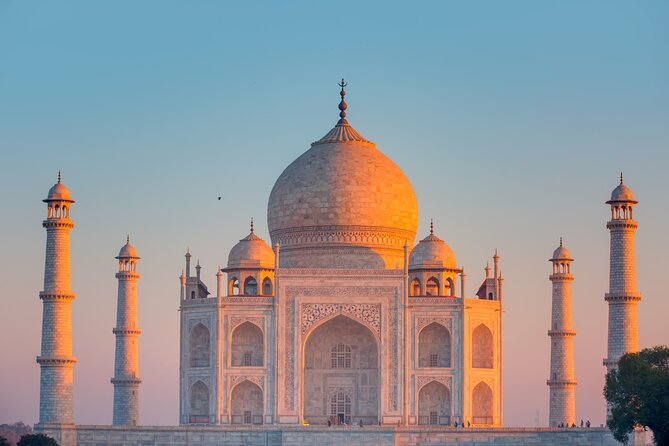
Reviewed · GOLDEN TRIANGLE TOURS
8 Days Tour of Essential India & Classic Nepal – Golden Triangle with Kathmandu
India and Nepal in one tidy loop is a smart move. This private 8-day route strings together Delhi’s Mughal landmarks, Agra’s Taj-area sights, and Jaipur’s fort-and-palace day, then swaps you into UNESCO Kathmandu Valley culture. I like that entrance fees and guided sightseeing are built in, so you spend less time bargaining and more time looking closely. I also like the pacing: early starts where they matter (think Taj morning), then lighter blocks in the afternoons. One thing to think about: you’re covering a lot of ground across two countries, and transfer days can feel long, especially with flight day for Kathmandu.
If you prefer your travel with clear planning (pickup, tickets, a car waiting), this tour is set up for that. The operator behind it is Expert Tours & Travels, with support associated with Kapil Jain and guides such as Ankit (Spanish-speaking) noted in past service—useful if you want a guide who can explain things clearly. You’ll still want to bring your own patience for traffic in big cities and weather changes that affect sunrise viewing.
In This Review
- Key highlights you’ll actually feel
- Why this Delhi–Agra–Jaipur plus Kathmandu route makes sense
- Price and logistics: what $1,796 buys you (and what it doesn’t)
- Day 1 in Delhi: Humayun’s Tomb, Old Delhi icons, and Qutub Minar
- Day 2: Akshardham, Agra Fort, Mehtab Bagh, and a smooth shift toward the Taj region
- Day 3: Taj Mahal early, Fatehpur Sikri, Chand Baori, and Jaipur’s first evening stop
- Day 4: Amber Fort, Hawa Mahal photos, City Palace, Jantar Mantar, and Patikan Gate vibes
- Day 5: Galtaji to Kathmandu via flight connection and a first walk in Thamel
- Day 6: Swayambhunath, Kathmandu Durbar Square, Boudhanath, Nepali Chulo, and a rest of the mind
- Day 7: Patan craft culture, Bhaktapur’s Durbar Square, and Pashupatinath at Shiva’s doorstep
- Day 8: Dhulikhel Himalayan views and the calm ending in Kathmandu
- Who this tour fits best (and who should adjust expectations)
- Should you book this tour?
- FAQ
- What cities are covered on this tour?
- How long is the tour?
- Are hotel stays included?
- Are entrance fees included?
- Is the flight to Kathmandu included?
- What meals are included?
- Do I need a visa for Nepal?
- What happens if Taj Mahal is closed on a Friday?
- Can I cancel and get a refund?
Key highlights you’ll actually feel
- Early Taj Mahal timing with a sunrise visit option that’s weather dependent
- Private group setup with a driver-and-guide team and no outside sharing
- Easy on-and-off between sights thanks to battery bus at Taj Mahal and Fatehpur Sikri, and optional jeep for Amer Fort
- Full UNESCO hit in Kathmandu Valley: Swayambhunath, Kathmandu Durbar Square, Boudhanath, plus Patan and Bhaktapur stops
- Built-in flight connection from Jaipur to Kathmandu via Delhi, so you don’t lose a full day to overland travel
Why this Delhi–Agra–Jaipur plus Kathmandu route makes sense
This itinerary works because it follows a simple geography story. Delhi gives you the layers—Mughal-era monuments in Old Delhi, then the later monuments and memorials. Agra focuses you on the Taj Mahal region and the surrounding sights that frame it. Jaipur then delivers the fort views, palace architecture, and the clever geometry of Rajasthan’s public spaces. Then, instead of stretching yourself further in India, the trip jumps to Kathmandu, where the culture shifts fast: Buddhist and Hindu rituals, temple courtyards, and the feel of a medieval city.
Two parts I especially like for practical travelers are:
1) You’re not left figuring out transport between every stop. A chauffer-driven air-conditioned vehicle stays with you for the whole time in India and as you move day to day.
2) Major entrances are handled. Entrance fees for the monuments listed are included, plus you get unlimited bottled mineral water in the car.
Delhi, Agra and Jaipur: more full circuits

Price and logistics: what $1,796 buys you (and what it doesn’t)
At $1,796 per person for about 8 days, the value depends on whether you would otherwise pay for all the “invisible” costs: guide time, entry tickets, and a private vehicle plus drivers. This tour includes:
- Hotel accommodation for 7 nights on twin sharing (if you choose the hotel-included option)
- Guides for the sight-seeing and city tours as listed
- Entrance fees at the monuments named as included
- Jeep ride to/from Amer Fort if you don’t want to walk up
- Battery bus/golf cart return at the Taj Mahal and at Fatehpur Sikri
- Flight from Jaipur to Kathmandu (connection in Delhi) using scheduled commercial airlines
- Breakfasts (7) and one dinner
- All fees and taxes, plus a mobile ticket
What’s not included matters too. You’ll likely pay extra for:
- Meals, snacks, and beverages not named in the plan
- Nepal visa fee (not included), though the info says Nepal visa can be obtained upon arrival at Kathmandu airport
- Anything labeled as not included, such as the Singing Bowl in Nepal activity
- Any optional add-ons like an Everest flight experience (specifically not included)
Bottom line: if you want a smooth “driver + ticket + guide” setup through big-city crowds and heritage sites, this price often feels fair. If you’re the type who loves self-guided wandering and shopping for cheap tickets on the fly, you might find you’re paying for structure you don’t need.
Day 1 in Delhi: Humayun’s Tomb, Old Delhi icons, and Qutub Minar
Day 1 is built around the classic Delhi formula: Mughal architecture, then Old Delhi, then a UNESCO landmark finish.
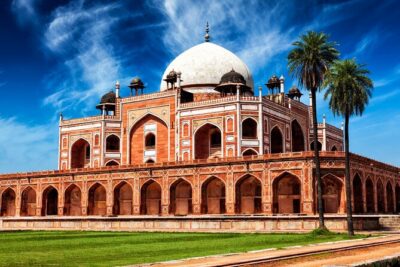
You start with pickup in the Delhi region around 8:00 AM (Delhi/Gurugram/Noida is mentioned). The tour begins at Humayun’s Tomb, a strong warm-up for Mughal design and symmetry. Then you move into Old Delhi where the pace gets more human and less “monument museum.”
Highlights here:
- Red Fort: described as the 17th-century seat of power built by the Mughals. Even when you’re just seeing parts from inside, it helps you understand why this city became a political center.
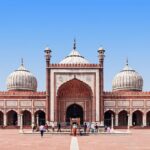
- Jama Masjid: built under Shah Jahan between 1644 and 1656. It’s not just a big mosque; it’s also a reminder that Taj Mahal history and Old Delhi Mughal history are connected.
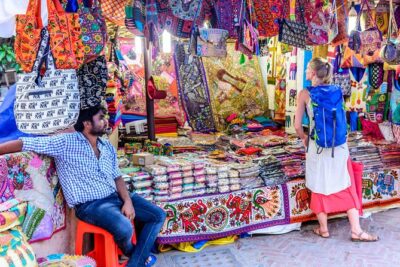
- Chandni Chowk: a long-running market area (three centuries in the description). This is where you’ll likely feel Delhi’s sensory overload: spices, dried fruits, jewelry, and colorful fabric.
- Gurudwara Bangla Sahib: a major Sikh worship place. It’s a nice shift after mosque-and-market intensity—quiet, reflective, and straightforward to enjoy.
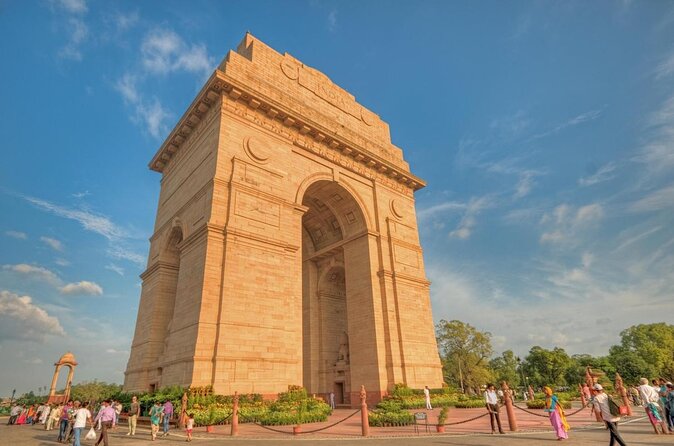
After lunch you head toward Connaught Place area and then stop at India Gate (a World War I memorial). The day ends with Qutub Minar, a UNESCO World Heritage Site and the tall brick minaret (73 meters is given). It’s a great “last image” because it changes the skyline feel right after Old Delhi streets.
Practical note: after a day like this, you’ll want an early night. Delhi day-light can feel endless when you’re moving from site to site.
Day 2: Akshardham, Agra Fort, Mehtab Bagh, and a smooth shift toward the Taj region
Day 2 starts with Swaminarayan Akshardham Temple, one of the largest Hindu temple complexes in the world per the description. This stop is worth it if you want modern-scale religious architecture and a big visual reset from Old Delhi.
Then you continue to Agra. You visit Agra Fort (UNESCO-listed as part of the Taj Mahal area complex history). Standing near the river Yamuna, you get the sense that rulers used the city not just for monuments, but for control, trade, and power.
One of the smartest inclusions is Mehtab Bagh. It’s described as offering aligned views of the Taj Mahal—especially helpful for people who can’t always get the best angle from the main monument area. Even if you don’t catch sunrise, you’re still seeing the “Taj from across” idea that many people chase in photos.
Why this matters for you: Taj Mahal is the star, but your second-day context makes it easier to appreciate it. Without those earlier views, Taj can feel like you saw one perfect thing and then moved on. With this flow, you start seeing the Taj as part of a planned landscape.
Day 3: Taj Mahal early, Fatehpur Sikri, Chand Baori, and Jaipur’s first evening stop
Day 3 is the heart of the Golden Triangle.
You wake early for the Taj Mahal visit. The tour description mentions tea/coffee in your room and meeting with your guide. If the schedule aligns, you’ll get that early-light effect people dream about. The important catch: sunrise visiting is subject to weather conditions.
After Taj, you drive toward Jaipur with stops en route:
- Fatehpur Sikri: a UNESCO World Heritage site. This is one of those places that rewards patient looking—palaces, courtyards, and the sense of a city that once mattered hugely.
- Chand Baori (stepwell in Abhaneri): the description points to the long-standing tradition of baoris (step-wells). It’s visually dramatic and also a functional piece of water culture. That alone makes it more than a quick photo stop.
- Birla Mandir Temple in Jaipur in the evening: built of white marble at the base of Moti Dungri hill. It’s a calm, photogenic finale for a big day.
If you’re hoping for a “Taj day” that doesn’t feel rushed, this structure helps because you’re done early in the morning and can still enjoy the road stops without feeling like you’re only racing to the next entrance.

Day 4: Amber Fort, Hawa Mahal photos, City Palace, Jantar Mantar, and Patikan Gate vibes
Jaipur is where the tour goes from “big famous monuments” to “things that feel designed for daily life.”
The day opens at Amber Fort with a guide-led visit. There’s also an option: a jeep ride to/from Amer Fort if you don’t want to go up by walking. That’s a practical perk because the climb and the steps can be tiring in heat.
Then you add a set of sights that cover different angles of Jaipur identity:
- Jal Mahal: a photo stop at the Water Palace in the middle of Man Sagar lake. Since you’re not going deep inside here, enjoy the view and move on.
- Hawa Mahal: another photo stop. The description highlights 953 small windows and the Palace of Breeze idea. Even from outside, it gives you that “Jaipur looks like it’s made for detail” feeling.
- City Palace: a longer visit, with Rajasthani and Mughal architecture mixed together. The description notes it continues to be home to the royal family of Jaipur, which adds a lived-in sense rather than an empty museum vibe.
- Jantar Mantar: the stone astronomical observatory with nineteen instruments, UNESCO-listed. You’re looking at a place where science was built in stone—timekeeping you can understand faster when a guide explains the purpose.
- Patrika Gate: a newer monument-style entrance gate with painted arches depicting monuments and Rajasthani culture. It’s an easy, fun photo stop to break up fort-palace intensity.
One consideration: Jaipur days can be hot and sunny, and this day has multiple open-air viewpoints. Plan for water, hat/sunscreen, and comfortable shoes. You’ll enjoy the fort day more if you’re not battling sore feet all afternoon.
Day 5: Galtaji to Kathmandu via flight connection and a first walk in Thamel

Day 5 is where the itinerary does a clean transition. You start in the Jaipur area with Galtaji Temple, described as set in hilly terrain and known for its gorge setting.
Then you end the India portion and fly to Kathmandu. The plan says you’ll be taken to the Jaipur airport to connect to Kathmandu via Delhi, using scheduled commercial airlines. This is where the trip saves time versus overland travel.
You arrive at Kathmandu International Airport, meet your Kathmandu guide, and transfer to your hotel. After a bit of relaxation and briefing, you head into Thamel, the lively neighborhood area where it’s easier to find food, shops, and travel services.
Practical tip: Kathmandu can feel busy and slower than Delhi, but the altitude and new environment can change how fast you get tired. Keep your first evening easy. Thamel is a good place to get your bearings without needing a long trek.
Day 6: Swayambhunath, Kathmandu Durbar Square, Boudhanath, Nepali Chulo, and a rest of the mind
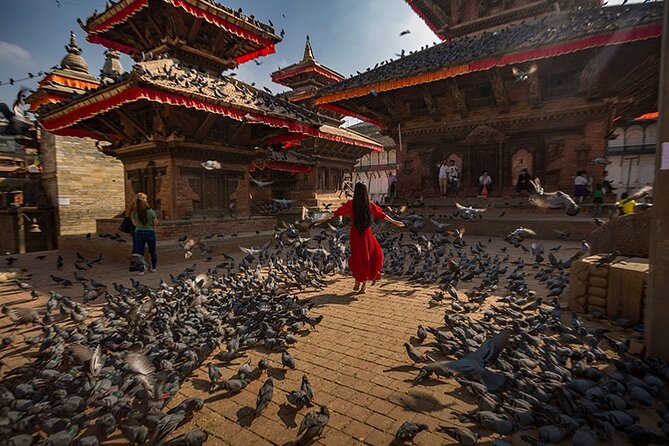
Today is a Kathmandu Valley power day—Buddhist and Hindu sites side by side.
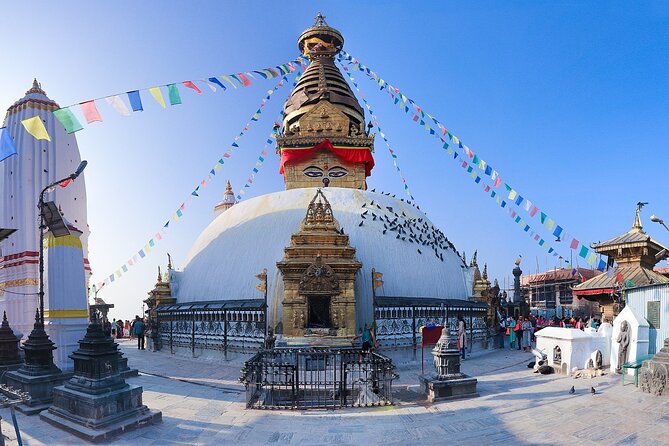
The day starts at Swayambhunath (Swayambhu Stupa). It’s described as one of the holiest Buddhist stupas in Nepal. It’s one of those places where you’ll see people practicing ritual as much as you’ll see architecture.
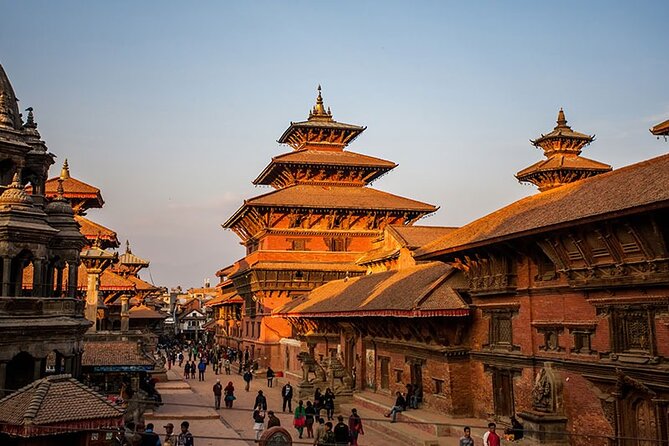
Next you visit Kathmandu Durbar Square, a UNESCO World Heritage Site. The description emphasizes it as a durbar square tied to palace-court rituals with both Buddhist and Hindu religious activity. This stop matters because Durbar Squares aren’t just sights; they’re settings for ceremonies.
Then comes Boudhanath Stupa, described as one of the most impressive structures in Kathmandu and visible early when you arrive at the airport. The description adds it’s the largest stupa in Kathmandu Valley and South. Even if you’re not a “stupa person,” this is one of the easiest places to feel Kathmandu’s rhythm: prayer, movement, quiet attention.
The tour also includes:
- Nepali Chulo: a cultural food-related experience. The description notes Nepal’s fusion food evolution. You’ll likely enjoy this more if you like learning how traditions adapt.
- Singing Bowl In Nepal: listed with admission ticket not included. So if this interests you, budget extra.
If you’re trying to pack meaning into a short time in Kathmandu, this day does it. You get religious art, ritual spaces, and food culture without needing extra travel.
Day 7: Patan craft culture, Bhaktapur’s Durbar Square, and Pashupatinath at Shiva’s doorstep
Day 7 focuses on smaller cities within the Kathmandu Valley story.
Start with Patan (Lalitpur) and Patan Durbar Square, UNESCO-listed. The description calls it the city of beauty and notes craftsmen who preserved ancient art techniques. This is a good day for people who like to slow down and look at craft details.
Then you go to Bhaktapur Durbar Square. It’s described as the City of Devotees and UNESCO-listed as part of the living representation of how the Kathmandu Valley worked historically. Note: admission ticket is listed as not included here, so you’ll want to follow your guide’s instructions on costs and entry.
Finally, you visit Pashupatinath Temple. The description says it’s one of Nepal’s seven UNESCO World Heritage Sites and a Hindu temple dedicated to Shiva. It’s also described as an important pilgrimage site, so come ready for a more intense atmosphere than a typical museum.
Tip for your own comfort: temple days can mean dust, crowds, and tighter rules about clothing and behavior. Bring clothing that covers shoulders and knees, and follow your guide’s cues. You’ll get more out of it, and you’ll feel less stressed.
Day 8: Dhulikhel Himalayan views and the calm ending in Kathmandu
To finish, you head out to Dhulikhel, a village about 30 km from Kathmandu Durbar Square and 15 km from Bhaktapur Durbar Square (as stated). The description emphasizes it as a top spot for enjoying Himalayan views.
This day is shorter and calmer by design:
- You enjoy the snow-capped peak views from Dhulikhel (again, weather will affect what you see).
- Then you return for breakfast and tour services end.
- You’ll be dropped back at Kathmandu airport or your hotel in Kathmandu or other desired location in Kathmandu (as described).
This is a smart ending. After temples and fort crowds, a viewpoint day helps your brain reset.
Who this tour fits best (and who should adjust expectations)
This is a strong fit if you:
- Want a structured private trip with guides, tickets, and a driver handling the hard parts
- Like seeing the “big names” (Taj Mahal, Qutub Minar, Jaipur forts) but also want meaningful UNESCO sites in Kathmandu Valley
- Prefer early starts for key sights like the Taj, then more flexible time for neighborhoods like Thamel
- Value included comforts like mineral water, air-conditioned vehicle, and battery bus/optional jeep for tougher walking
You might want to think twice if you:
- Get worn out by frequent transitions. Delhi to Agra to Jaipur to Kathmandu is a lot of moving in one week
- Want lots of free time to wander with no schedule. This trip is organized around set stops and set guide time
- Are very budget-driven on food. Not all meals are included, so you’ll spend on dinners and snacks yourself
Should you book this tour?
If you’re looking for an 8-day Delhi–Agra–Jaipur + Kathmandu experience that feels like it runs on rails, I’d say it’s worth serious consideration. The value isn’t only in the famous monuments—it’s in the practical extras: entrance fees included at the right places, a private setup with a driver-and-guide team, and smart transport support like the battery bus at Taj Mahal and a flight connection to Kathmandu.
The one caution: make your peace with travel-day fatigue and weather dependency (especially for sunrise viewing and mountain views). If you pack for that and keep your expectations realistic, you’ll likely end this trip with two different kinds of memories—Indian fort-palace grandeur and Kathmandu’s slower spiritual rhythm.
FAQ
What cities are covered on this tour?
You’ll cover Delhi, Agra, and Jaipur in India, then move on to Kathmandu Valley in Nepal, including sites in Kathmandu, Patan (Lalitpur), and Bhaktapur.
How long is the tour?
The duration is about 8 days.
Are hotel stays included?
Hotel accommodation for 7 nights on twin sharing is included if you book with the option that includes hotels.
Are entrance fees included?
Yes, entrance fees at the monuments listed as included are part of the tour.
Is the flight to Kathmandu included?
Yes. The tour includes a flight from Jaipur to Kathmandu with a connection in Delhi using scheduled commercial airlines.
What meals are included?
Breakfast is included for 7 days, and dinner is included. Other meals, snacks, and beverages are not included unless listed in the itinerary.
Do I need a visa for Nepal?
The Nepal visa fee is not included, but Nepal visa can be obtained upon arrival at Kathmandu airport.
What happens if Taj Mahal is closed on a Friday?
Taj Mahal remains closed for visitors every Friday. If your scheduled visit falls on a Friday, you’ll visit Taj Mahal on a different day (the day prior is stated).
Can I cancel and get a refund?
You can cancel up to 3 days in advance of the experience for a full refund. If you cancel less than 3 full days before the start time, the amount paid is not refunded.
More Tours in New Delhi
- Old & New Delhi City Tour – Half or Full Day Options Available
★ 5.0 · 4,811 reviews - Half Day Private Delhi City Tour
★ 5.0 · 4,474 reviews - Same Day Taj Mahal, Agra Fort & Baby Taj Tour from Delhi by Car
★ 5.0 · 4,304 reviews - Taj Mahal Day Tour from Delhi by Superfast Train – TOP RATED TOUR
★ 5.0 · 4,166 reviews - Delhi: Old and New Delhi Private Full or Half-Day Tour
★ 4.9 · 3,776 reviews
More Tour Reviews in New Delhi
- Old & New Delhi City Tour – Half or Full Day Options Available
★ 5.0 · 4,811 reviews - Half Day Private Delhi City Tour
★ 5.0 · 4,474 reviews - Same Day Taj Mahal, Agra Fort & Baby Taj Tour from Delhi by Car
★ 5.0 · 4,304 reviews - Taj Mahal Day Tour from Delhi by Superfast Train – TOP RATED TOUR
★ 5.0 · 4,166 reviews - Delhi: Old and New Delhi Private Full or Half-Day Tour
★ 4.9 · 3,776 reviews
The Full Golden Triangle, More Options
- 3-Days Private Golden Triangle Tour: Delhi, Agra & Jaipur by Car
★ 5.0 · 1,107 reviews - 3-Days Private Golden Triangle Tour: Delhi, Agra & Jaipur by Car
★ 5.0 · 1,098 reviews - 3-Day Delhi, Agra and Jaipur Private Tour – India Golden Triangle
★ 5.0 · 812 reviews - Four-Day Private Luxury Golden Triangle Tour to Agra and Jaipur From New Delhi
★ 5.0 · 807 reviews - 5 Nights 6 Days Private Golden Triangle Tour – Delhi Agra Jaipur
★ 5.0 · 574 reviews
Just added: more New Delhi reviews to browse
- 4 days Golden Triangle Tour★ 5.0 · 3 reviews
- Discover Old & New Delhi: Private Tour with Street Food★ 5.0 · 3 reviews
- Taj Mahal Tour From Delhi By Private Car★ 4.5 · 3 reviews
- Golden Triangle Tour 5 Days★ 5.0 · 3 reviews
- Taj Mahal: Express Entry Ticket For Sunset Tour with guide★ 5.0 · 3 reviews
- Agra Taj Mahal Sunrise & Sunset Tour from Delhi★ 5.0 · 3 reviews
Golden Triangle Tours, compared.
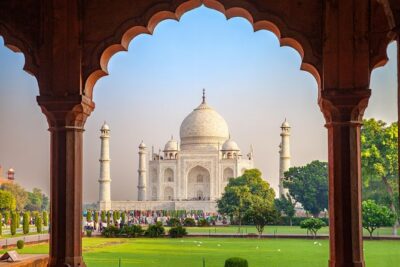 ★ 5.03-Days Private Golden Triangle Tour: Delhi, Agra & Jaipur by CarFrom $1271,107 reviews
★ 5.03-Days Private Golden Triangle Tour: Delhi, Agra & Jaipur by CarFrom $1271,098 reviews
★ 5.03-Days Private Golden Triangle Tour: Delhi, Agra & Jaipur by CarFrom $1271,107 reviews
★ 5.03-Days Private Golden Triangle Tour: Delhi, Agra & Jaipur by CarFrom $1271,098 reviews
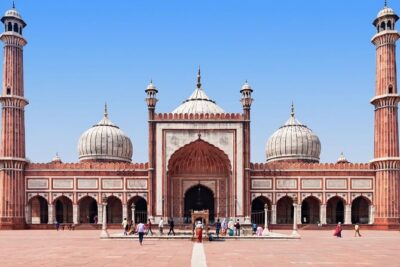 ★ 5.03-Day Delhi, Agra and Jaipur Private Tour – India Golden TriangleFrom $110812 reviews
 ★ 5.0Four-Day Private Luxury Golden Triangle Tour to Agra and Jaipur From New DelhiFrom $160807 reviews
 ★ 5.05 Nights 6 Days Private Golden Triangle Tour – Delhi Agra JaipurFrom $240574 reviews
 ★ 5.04 Days Golden Triangle TourFrom $146499 reviews
 ★ 5.0Private Car and Drive for Golden Triangle (4N/5D)From $167451 reviews
 ★ 5.0Private Golden Triangle Tour Delhi Agra Jaipur ( Top Rated )From $148436 reviews