
Reviewed · CHANDNI CHOWK TOURS
Chandni Chowk Textile Tour
Textiles in Old Delhi feel like theater. This Chandni Chowk Textile Tour is a guided walk through fabric lanes where you can shop with confidence and learn what you are actually looking at, especially silk, muslin, cotton, and khadi. I also like how the tour uses a real local guide, with Jai Singh showing the streets in a clear, friendly way that makes the crowded market feel manageable.
The main consideration: you are going to be in tight lanes with lots of people, so it helps to stay flexible and keep your shopping list simple. The good news is the timing and guide support make the chaos useful, not stressful. Expect a structured morning that starts with pickup and ends after a focused fabric-shopping session, with a light refreshment built into the first stop.
In This Review
- Key points before you go
- Why Chandni Chowk textiles are different from a normal shopping trip
- The morning plan: pickup, timing, and what 3–6 hours really feels like
- Stop 1: Gali Paranthe Wali for a quick Old Delhi warm-up
- The real shopping area: Kucha Katras and Chandni Chowk’s textile zones
- What to look for when you are shopping textiles in person
- The guide factor: how street expertise changes your results
- Pickup and logistics: private car, group discounts, and a mobile ticket
- Price and value: what you get for about $45
- Dress code and personal comfort tips for market success
- Who should book this Chandni Chowk textile tour
- Should you book it?
- FAQ
- What is the location of the Chandni Chowk Textile Tour?
- How much does the tour cost?
- How long is the tour?
- What time does the tour start, and when is pickup?
- Is pickup and drop-off included?
- Is this tour private?
- What ticket will I receive?
- What is included in the price?
- Is food included?
- Is there free cancellation?
Key points before you go
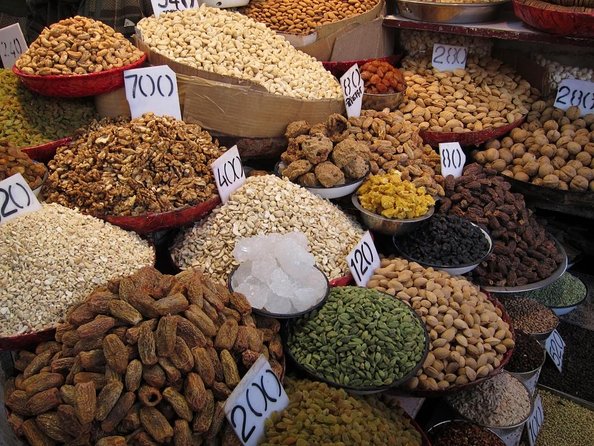
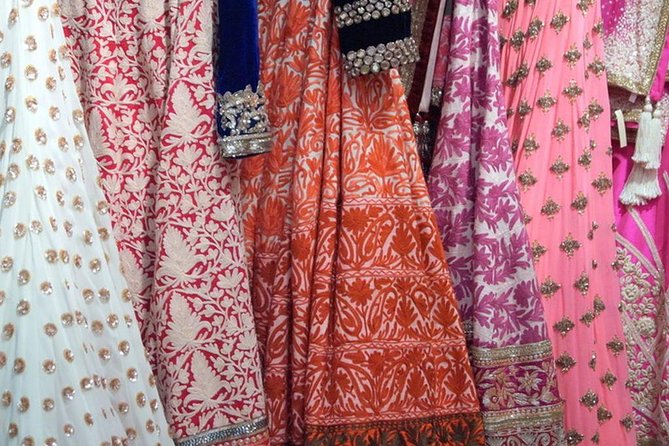
- Morning pickup: get collected from your hotel/airport/railway station between 8:00 and 10:00.
- Guide-led market navigation: you get street context and help finding the right textile areas.
- Two textile-focused stops: Paranthe Wali Gali for a warm-up bite, then Kucha Katras for fabric shopping.
- What you see is what you shop: major textile zones like Kinari Bazaar, Cloth Market, and Katra Neel Market sit in this same market world.
- Private group feel: it is a private tour for only your group, with bottled water included.
Why Chandni Chowk textiles are different from a normal shopping trip
Chandni Chowk is not a single market. It is a cluster of specialized bazaars, packed into narrow streets that have been doing business for centuries. That matters because fabrics here are not just sold; they are organized by type, use, and trade customers. When you shop with a guide, you spend less time wandering and more time comparing options that actually make sense together.
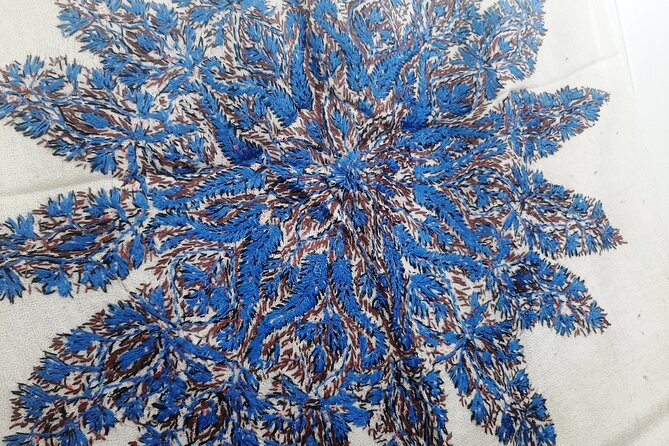
This tour leans hard into textiles. You are looking at materials like silk, cotton, khadi, muslin, and crepe, and you are doing it in the fabric lanes where those items are part of daily life, not a souvenir display. If you have ever bought cloth and later wondered what kind of weave or fiber it really was, this type of street-focused orientation is the point.
The other difference is pace. You are not asked to rush through everything. You have a set morning window, and the guide’s job is to route you so you can browse with fewer wrong turns. In a place where streets can feel like they change every few steps, that route planning is a real value add.
Back into the lanes of Chandni Chowk




The morning plan: pickup, timing, and what 3–6 hours really feels like
The tour starts with pickup offered from your hotel/airport/railway station, typically between 08:00 and 10:00, with a meeting start time listed at 8:30 am. In practice, that means you are not trying to figure out Old Delhi on your own while you are still waking up. You also avoid the common problem of arriving late, when the best shopping energy is already moving.
Duration is listed as 3 to 6 hours. That range is useful because fabric shopping can expand or contract depending on how fast you compare. If you come in with a shopping goal (a specific scarf, bridal fabric, home furnishing cloth), you will likely feel productive in a shorter window. If you are more open-ended, plan for a longer session.
What makes this timing work is the order. You begin with a simple local lane stop, then you move into the fabric bazaar area where the real shopping is. Starting earlier also helps in terms of comfort. Old Delhi is active any time, but a morning start usually means you can browse before you feel completely worn down.
Stop 1: Gali Paranthe Wali for a quick Old Delhi warm-up
The tour’s first stop is Gali Paranthe Wali, often called breadmakers alley. You are offered a light traditional refreshment here, and the stop is listed as about 20 minutes, with an admission ticket included.
This part is not just a snack stop. It is a rhythm setter. You arrive in the market area, you get a quick taste of local street life, and you start building the mental map you will need in the textile lanes. Also, if you are sensitive to long stretches without food, this early refreshment can keep your energy steady while you compare fabrics later.
A practical tip: treat this like a short reset, not a full meal. Food is not listed as included overall, except for what the itinerary specifies at this first lane. If you are hungry-hungry, you might want breakfast before pickup, then let the refreshment simply top you up.
The real shopping area: Kucha Katras and Chandni Chowk’s textile zones
After the warm-up, the tour moves to Kucha Katras, a main textile shopping area known for handwoven options and strong prices. This is where you will likely spend most of your time browsing, comparing, and asking questions.
Kucha Katras is also described alongside several major Chandni Chowk textile zones, and this is where the tour’s structure starts to make sense. You may encounter different parts of the market world such as:
- Kinari Bazaar: known for wedding fabrics, laces, and Zardozi items.
- Cloth Market: oriented toward men’s clothing fabrics and home furnishing textiles.
- Katra Neel Market: known for fabrics for women of all types, including silk, muslin, and cotton.
You do not have to buy wedding fabric to benefit from knowing these categories. Even if you are shopping for a saree-style drape, a scarf, or home cloth, it helps to understand which lanes are likely to focus on your use case. A guide can steer you toward the right sub-area so you do not waste time walking through stores that are good, just not right for what you want.
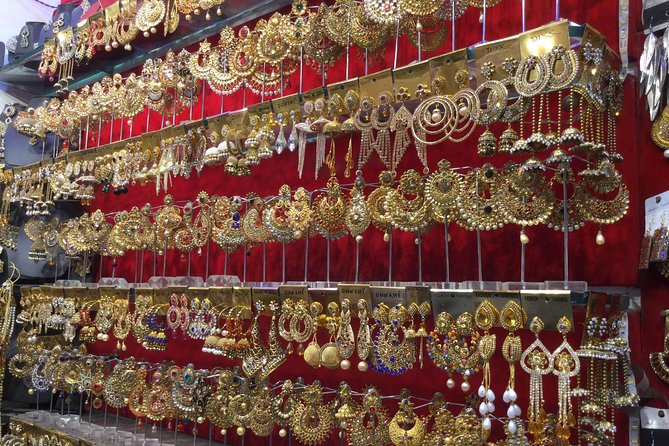
One more nearby context you may notice while you are in the Old Delhi market swirl: Dariba Kalan is known as an ancient silver market for jewelry. It is not a textile stop on its own, but the fact that it sits in the same overall merchant district explains the mix of what you see on the street. Old Delhi is a patchwork economy, and the textile section is only one piece.
What to look for when you are shopping textiles in person
Because this is a guided fabric-focused outing, you should show up with at least a basic idea of what you want your fabric to do. Ask yourself:
- Is this for clothing, a scarf, or home use?
- Do you care more about feel, drape, sheen, or durability?
- Do you want natural fibers like cotton/khadi, or are you open to blends?
Also, keep an eye on how stores describe fabric types. Terms like silk, muslin, crepe, and cotton can mean different things depending on the weave and finish. The point of being with a guide is you can ask questions in real time, rather than buying first and researching later.


The guide factor: how street expertise changes your results
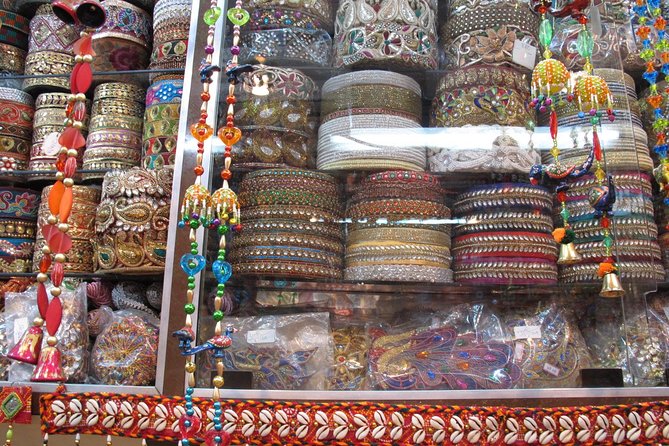
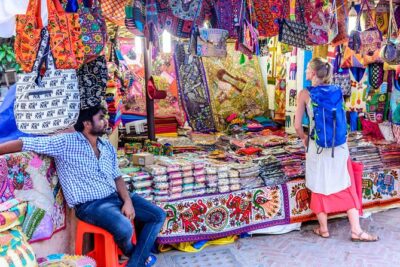
The reviews tied the experience strongly to the guide. Jai Singh is specifically mentioned as leading people through Old Delhi’s maze, explaining what you are seeing in a way that makes the whole area easier to navigate. That is important because Chandni Chowk can be visually overwhelming: shop signs, overhead cables, motorbikes and tuk-tuks, and plenty of everyday street noise.
In other words, your guide is not just walking you from A to B. The guide helps you interpret what you are looking at. When you understand the market logic, you shop more confidently. You also feel less like you are being pulled in random directions.
There is also a social element. Several descriptions highlight a friendly, fun vibe, with stop choices that make it feel more like a guided outing than a shopping chore. If you like asking questions and you value conversation, this kind of tour tends to feel enjoyable rather than transactional.
Pickup and logistics: private car, group discounts, and a mobile ticket
This tour is set up to reduce friction. Pickup and drop-off are included in a private car, and bottled water is provided. Group discounts are listed, which is helpful if you are coming with a friend or small group and you want the same guided routing without paying double for basic support.
A mobile ticket is also part of the deal, which usually makes day-of logistics smoother. You are not hunting for printed paperwork in a busy market.
The private-tour format matters too: it is a private activity with only your group participating. That changes the feel. You are not competing with a bigger crowd for your guide’s time, and you can browse at a pace that matches your questions.
Price and value: what you get for about $45
The price is listed at $45.00 per person, and the tour includes all taxes and fees. That might sound low for a guided market outing with pickup/drop-off in a private car, so it helps to think about what is included and what that means in real terms.
From what is provided, you get:
- a local guide
- pickup and drop-off in a private car
- bottled water
- admission tickets included for the listed stops (including the first lane stop and Kucha Katras)
- a structured route through Chandni Chowk’s textile zones
Food is not listed as included in general, so you should plan for snacks and drinks outside the refreshment mentioned at the first stop. But the tour’s focus is shopping plus orientation, not dining. If that matches your priorities, $45 starts to look like solid value—especially if you would otherwise spend time figuring out where to go and how to ask the right questions once you arrive.
If, on the other hand, you were hoping for a long sit-down experience or a full-day guided itinerary, this is not that kind of tour. It is a focused morning session designed to get you into the fabric lanes and help you shop efficiently.
Dress code and personal comfort tips for market success
Dress code is listed as smart casual. In practice, think comfortable clothes you can move in. Old Delhi lanes can be tight and crowded, and you will likely be standing and walking more than you expect.
I also suggest bringing:
- a small bag you can keep close
- a phone with enough battery (you’ll want it for maps and photos, even if you do not buy online)
- a simple shopping list so you can compare without getting distracted
Keep your expectations practical. This is a hands-on textile outing. Your success will come from being ready to browse with purpose, not from expecting a quiet museum-style experience.
Who should book this Chandni Chowk textile tour
This tour fits best if you:
- want textiles like silk, muslin, cotton, and khadi and want help choosing where to shop
- like market wandering, but you prefer doing it with guidance rather than getting lost
- enjoy learning as you browse, especially street context and how the merchant district is organized
It is also a nice choice if you are shopping for special fabrics, including wedding-related items, because the market zones associated with this area include Kinari Bazaar known for wedding fabrics, laces, and Zardozi items.
If you hate crowds, or you want a slow, relaxed pace with lots of downtime, you may find the dense lanes challenging. In that case, consider whether a morning plan and a guide-supported route still matches your style.
Should you book it?
I think you should book this tour if your main goal is fabric shopping with less guesswork. The guide support, the morning timing, the included route structure, and the early refreshment make it feel efficient without being rushed. At $45, with pickup/drop-off and admission tickets included, it is one of those market experiences where the value comes from reducing wasted walking.
Skip it if you want a full-day itinerary, a meal-focused experience, or a very quiet shopping environment. In Chandni Chowk, the energy is part of the deal.
If you book, go in with at least one target: a type of fabric, a garment idea, or a specific use case like scarf or home furnishing. That way you can use the guide’s routing to compare faster and buy smarter.
FAQ
What is the location of the Chandni Chowk Textile Tour?
The tour takes place in New Delhi, India.
How much does the tour cost?
The price is listed at $45.00 per person.
How long is the tour?
Duration is listed as about 3 to 6 hours.
What time does the tour start, and when is pickup?
The meeting start time is 8:30 am. Pickup is offered from your hotel/airport/railway station around 8:00 to 10:00.
Is pickup and drop-off included?
Yes. Pickup and drop-off are included in a private car.
Is this tour private?
Yes. It is a private tour/activity, and only your group participates.
What ticket will I receive?
A mobile ticket is provided.
What is included in the price?
Included items are all taxes, fees and handling charges, a local guide, hotel/attraction pickup/drop in a private car, and bottled water. Admission tickets are included for the listed stops.
Is food included?
Food and drinks are not included unless specified. The itinerary does mention a light traditional refreshment at the first stop.
Is there free cancellation?
Yes. Free cancellation is available up to 24 hours in advance for a full refund. If you cancel less than 24 hours before the start time, the amount paid is not refunded.
More Tours in New Delhi
- Old & New Delhi City Tour – Half or Full Day Options Available
★ 5.0 · 4,811 reviews - Half Day Private Delhi City Tour
★ 5.0 · 4,474 reviews - Same Day Taj Mahal, Agra Fort & Baby Taj Tour from Delhi by Car
★ 5.0 · 4,304 reviews - Taj Mahal Day Tour from Delhi by Superfast Train – TOP RATED TOUR
★ 5.0 · 4,166 reviews - Delhi: Old and New Delhi Private Full or Half-Day Tour
★ 4.9 · 3,776 reviews
More Tour Reviews in New Delhi
- Old & New Delhi City Tour – Half or Full Day Options Available
★ 5.0 · 4,811 reviews - Half Day Private Delhi City Tour
★ 5.0 · 4,474 reviews - Same Day Taj Mahal, Agra Fort & Baby Taj Tour from Delhi by Car
★ 5.0 · 4,304 reviews - Taj Mahal Day Tour from Delhi by Superfast Train – TOP RATED TOUR
★ 5.0 · 4,166 reviews - Delhi: Old and New Delhi Private Full or Half-Day Tour
★ 4.9 · 3,776 reviews
Deeper into Chandni Chowk
- Old Delhi: Private Tour of Chandni Chowk, Tuk Tuk & Food
★ 4.9 · 345 reviews - Old Delhi Street Food Tour – Explore Spices in Chandni Chowk
★ 5.0 · 334 reviews - Chandni Chowk Delhi Food Tour with 15+ Tastings
★ 5.0 · 285 reviews - Chandni Chowk Old Delhi Food Tour with Spice Market
★ 5.0 · 90 reviews - Delhi: Private Chandni Chowk, Food Tasting, & Tuk-Tuk Tour
★ 4.8 · 68 reviews
Just added: more New Delhi reviews to browse
- 4 days Golden Triangle Tour★ 5.0 · 3 reviews
- Discover Old & New Delhi: Private Tour with Street Food★ 5.0 · 3 reviews
- Taj Mahal Tour From Delhi By Private Car★ 4.5 · 3 reviews
- Golden Triangle Tour 5 Days★ 5.0 · 3 reviews
- Taj Mahal: Express Entry Ticket For Sunset Tour with guide★ 5.0 · 3 reviews
- Agra Taj Mahal Sunrise & Sunset Tour from Delhi★ 5.0 · 3 reviews
Chandni Chowk Tours, compared.
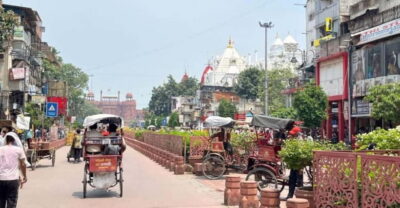 ★ 4.9Old Delhi: Private Tour of Chandni Chowk, Tuk Tuk & FoodFrom $70345 reviews
 ★ 5.0Old Delhi Street Food Tour – Explore Spices in Chandni ChowkFrom $34334 reviews
 ★ 5.0Chandni Chowk Delhi Food Tour with 15+ TastingsFrom $39285 reviews
 ★ 5.0Chandni Chowk Old Delhi Food Tour with Spice MarketFrom $4590 reviews
 ★ 4.8Private Chandni Chowk, Food Tasting, & Tuk-Tuk TourFrom $268 reviews
 ★ 5.0Old Delhi: Private Tour of Chandni Chowk, Tuk Tuk RideFrom $2344 reviews
★ 4.7Private Chandni Chowk, Food Tasting, & Tuk-Tuk TourFrom $1414 reviews
 ★ 4.5Old Delhi: Red Fort, Jama Masjid & Chandni Chowk by Tuk TukFrom $1011 reviews
Browse the lists this tour appears in