
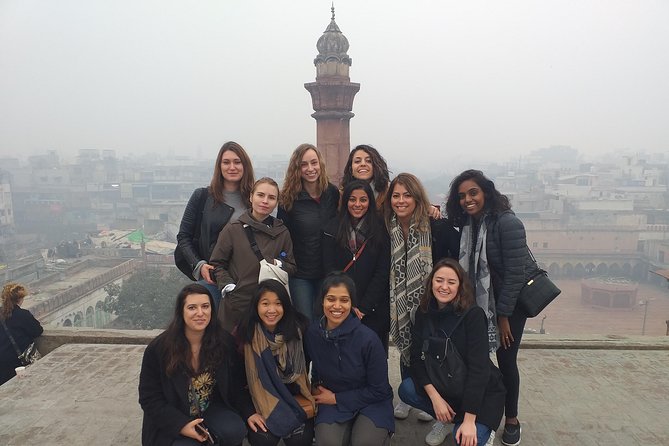
Reviewed · OLD DELHI FOOD TOURS
Chandni Chowk Old Delhi Food Tour with Spice Market
Crowded streets can scare you off fast. This Chandni Chowk Old Delhi Food Tour makes it manageable, guiding you through winding lanes and major markets without you getting lost, and serving vegetarian street food snacks plus tea/coffee along the way. You’ll also get a playful cycle rickshaw ride, which turns the “where do we go next?” stress into an easy flow.
The main drawback: you’ll be on your feet in a dense area. If you’re sensitive to crowds or heat, plan to take breaks when offered and keep your expectations realistic for a 3-hour walking tour.
In This Review
- Key things you’ll notice on this tour
- Old Delhi in Three Hours: Why a Guide Matters in Chandni Chowk
- Food, Tea, and Vegetarian Snacks That Don’t Feel Like a Checklist
- Khari Baoli’s 1,000+ Shops: The Spice Market Stop That Changes Your Sense of Smell
- Gadodia Market: Small Spice Village Energy From a Rooftop View
- Kinari Bazar and Naughara Havelis: Wedding Décor You Can Actually See Up Close
- Digambar Jain Lal Mandir (Built in 1656) and the Importance of Timing
- Gurudwara Sis Ganj Sahib and Langar: Food as Service
- The Cycle Rickshaw Ride: A Fun Break From Pure Walking
- Price and Logistics: Is $45 Good Value?
- Who Should Book This Chandni Chowk Spice Market Tour
- Should You Book It or Skip It?
- FAQ
- How long is the Chandni Chowk Old Delhi food tour?
- What’s included in the price?
- Does this tour include shopping?
- Which major markets are visited?
- Are there any sites with special opening hours?
- Where do I meet the group?
Key things you’ll notice on this tour
- A small group pace (maximum of 20) that helps you actually hear and ask questions
- Khari Baoli spice market time in a place with 1,000+ shops
- Gadodia Market from a rooftop viewpoint for a birds-eye sense of Old Delhi
- Kinari Bazar wedding décor and 350-year-old havelis (Naughara)
- Langar at Gurudwara Sis Ganj Sahib, where 10,000+ people eat daily
- Digambar Jain Lal Mandir timing matters, since it closes 12:00–17:00
Old Delhi in Three Hours: Why a Guide Matters in Chandni Chowk
Chandni Chowk is the kind of place where your phone signal can feel optional and your sense of direction can take a hit. The real win here is that you go with a guide who knows the lane patterns, when to turn, and how to keep the group moving through traffic and pedestrian knots.
This also affects the quality of your trip. When someone is steering you, you can focus on what you came for: aromas, textures, market trades, and the small-but-important context behind what you’re eating and seeing. That matters especially in Old Delhi, where a “market stop” isn’t just shopping—it’s how people live, work, and trade.
You also start and end right near Lal Quila Metro Station at Shani mandir gate no 01 (and the tour returns you to that same meeting point). That simple loop is worth something when you’re only here for a short window and don’t want to fight your way back across the area.
More hours to spend in Old Delhi


Food, Tea, and Vegetarian Snacks That Don’t Feel Like a Checklist
I like food tours that teach you what you’re tasting. This one does that by pairing snack stops with explanations, so you understand why a spice mix is sharp, why something tastes sweet, or what a particular vendor is known for.
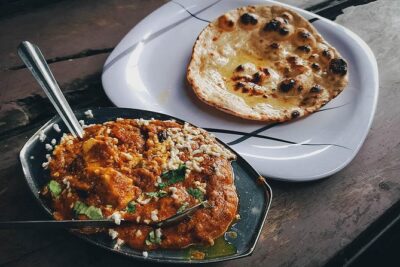
And the food is clearly framed for vegetarian street eating. You’ll get tea/coffee plus vegetarian street food snacks, and that keeps the experience inclusive if you eat plant-based. It also makes the tour a little more comfortable: you’re never left wondering when the next bite is coming, and the breaks help you manage the heat and crowd level.
One detail I really value from the guide style: in past groups, guides like Gajendra and Achaleshwar have been praised for clear communication and for explaining the food you eat. That can turn “we tried a few snacks” into “I can taste and recognize what I’m getting and why it works.”
Keep in mind: there’s no shopping included. So if your dream is to buy spices, jewelry, textiles, or wedding décor on the spot, you’ll need to plan for that yourself.
Khari Baoli’s 1,000+ Shops: The Spice Market Stop That Changes Your Sense of Smell
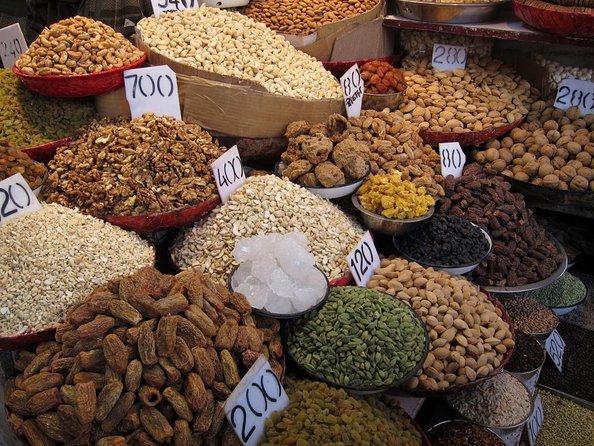
If you’ve never walked through a giant spice market, you might not realize how much your nose becomes your map. Khari Baoli is described as Asia’s biggest spice market, with 1,000+ shops, and the point of your visit is to see it in action, not just peek at it.
You’ll have about 20 minutes there, which is short enough that the market stays exciting instead of overwhelming, but long enough to pick up what’s going on: stacks, mixtures, vendors weighing goods, and the constant stream of people who know exactly what they’re looking for.
A practical tip: this is the kind of place where you may want to hold onto a small mental note of what smells you like. Later, when you see spice bags back at your hotel or at another market, you’ll be able to connect the flavor to the memory.
Also, the tour notes that admission ticket is free for this stop. That’s helpful because it removes one more “extra cost” question and lets the time stay focused on tasting and observing.
Gadodia Market: Small Spice Village Energy From a Rooftop View
After Khari Baoli, the tour shifts from large-scale market chaos to a more lived-in feeling at Gadodia Market. It’s described as an old haveli and also part of the spice market—more like a “small spice village” where people live and work.
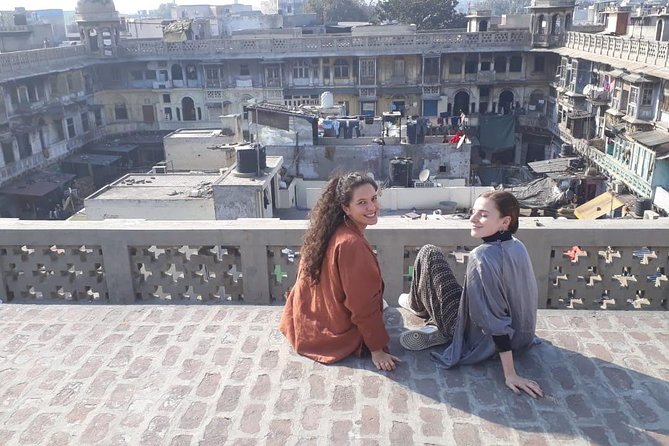
You get another 20 minutes here, and the highlight is that you’ll go up to the rooftop for a birds-eye view of Old Delhi. That’s a big deal. On foot, Old Delhi can feel like one long corridor of lanes. From above, you understand how the lanes connect, how rooftops layer over each other, and why it’s so easy to miss a turn if you’re navigating solo.
One downside to consider: rooftop viewpoints can depend on the day’s conditions (crowds and how the group moves). If you’re uncomfortable with small stairs or standing for a moment, just keep that in mind and move carefully.
Kinari Bazar and Naughara Havelis: Wedding Décor You Can Actually See Up Close
If Khari Baoli is about spices, Kinari Bazar is about celebration details. This stop focuses on wedding-themed décor—things used for women’s dresses and home decoration—and you’ll also visit some 350-year-old havelis known as Naughara.
You’ll spend about 30 minutes here, which feels right. The best way to enjoy Kinari Bazar is not to rush for purchases, but to slow down enough to notice patterns: trimmings, decorative finishes, and the way crafts and materials get used in real wedding-life settings.
A helpful expectation: this is a visual market. Even if you don’t buy anything, you’ll walk away with a better sense of Old Delhi’s craft culture, not just its food and spice trades.
Because this is also a market street, it can get tight. If you’re traveling with a stroller, have mobility concerns, or get stressed in dense pedestrian zones, you’ll want to manage your pace and stay close to the group.
Back into the lanes of Chandni Chowk
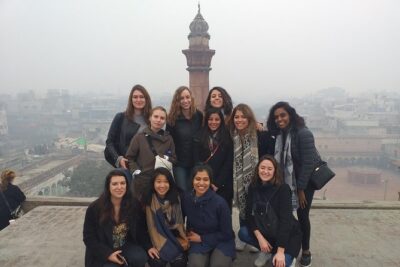
Digambar Jain Lal Mandir (Built in 1656) and the Importance of Timing
One of the most interesting cultural turns on this tour is Digambar Jain Lal Mandir, built in 1656. The tour highlights gold-plated painting and notes a birds hospital at the temple.
Here’s the part you should plan around: the temple is listed as closed from 12:00 to 17:00. Because the overall tour is around 3 hours, your exact schedule will matter. If your tour time could land within that window, you might miss this stop or see it only if the timing aligns.
If you want to make this work for your visit, consider choosing a departure time that avoids the 12:00–17:00 closure window. That’s an easy way to protect the “wow” factor of seeing the gold-plated artwork and the bird-related element.
Even if you arrive and the space is busy or you can’t linger, the value is in understanding that Old Delhi temples aren’t just monuments—they connect with community practices and care.
Gurudwara Sis Ganj Sahib and Langar: Food as Service
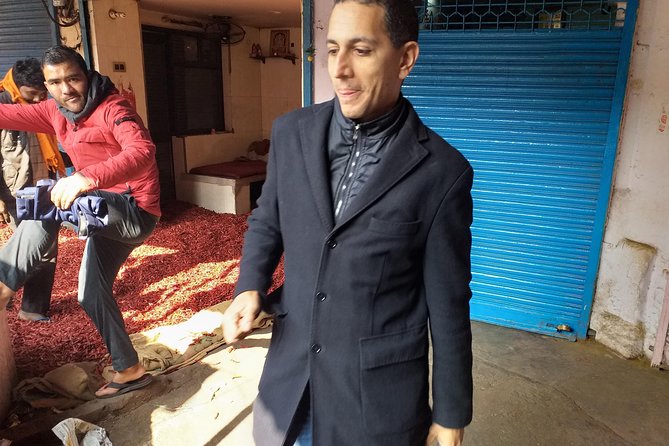
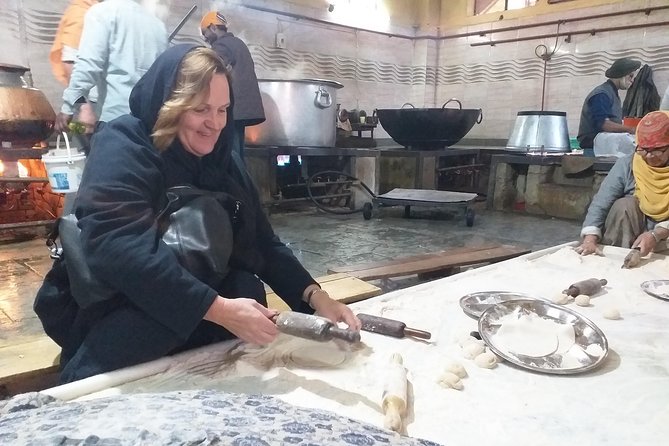
Next is Gurudwara Sis Ganj Sahib, dedicated to the Ninth Guru Teg Bahadur. This is also where you get a clearer look at the daily rhythm of Sikh community life, because you visit the Langar (free kitchen).
The tour notes that more than 10,000 people eat each day, and that visitors also do some service. That detail changes the mood of the stop. You’re not only watching a tradition—you’re being invited into what hospitality and service look like in a place that runs on daily schedules.
This is also why I like including a Langar stop on a food tour. It ties food to purpose. You’ll taste and learn about street food and market spices, but you’ll also see how food becomes part of community support in a larger, structured way.
The Cycle Rickshaw Ride: A Fun Break From Pure Walking
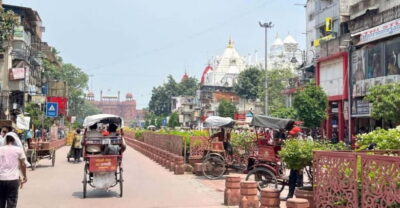
You get more than a walking tour. The experience includes a cycle rickshaw ride, which is a smart balance in a city where foot travel can be slow and stop-and-go.
The way this tends to feel in practice: you walk to absorb the markets, then the rickshaw resets your energy and gets you to the next cluster without losing the group. In a dense area, that matters. It reduces the “everyone is spread out” problem and keeps the pacing steady for the whole 3 hours.
It’s also just fun. A ride through Old Delhi’s lanes gives you a different viewpoint than walking, and it can help you orient your mind while your guide points out what’s worth noticing next.
Price and Logistics: Is $45 Good Value?
At $45 per person for about 3 hours, this isn’t a budget snack run. But it’s also not only paying for food. You’re paying for:
- A guide to navigate busy, winding lanes so you don’t lose time or get turned around
- Tea/coffee and vegetarian street food snacks included
- A cycle rickshaw ride
- Market visits that are more than quick photo stops, including spice and wedding décor areas
Also, it’s a small group experience with a maximum of 20 people. That’s a practical advantage. You’re less likely to get stuck behind strangers while the guide tries to explain things.
The “watch-outs” are simple: it’s walking in a crowded area, and shopping isn’t included. If you’re the type who wants to buy a lot of goods, you’ll need to budget separately.
If you’re short on time and want a guided sampler that covers both food and key Old Delhi landmarks, the price makes sense.
Who Should Book This Chandni Chowk Spice Market Tour
This tour is a great fit if you want:
- Vegetarian street food with guidance on what you’re eating
- Market access to Khari Baoli, Gadodia Market, and Kinari Bazar
- An Old Delhi experience that mixes spices, crafts, and religious stops
- A manageable pace with a rickshaw break and a small group size
You might choose something else if you hate crowds, have limited mobility, or get anxious in dense pedestrian streets. And if you care deeply about the Digambar Jain Lal Mandir visit, pick a time outside the 12:00–17:00 closure window.
Should You Book It or Skip It?
Book this if you’re craving an organized way to experience Old Delhi’s food and markets in a short timeframe. The biggest wins—good guidance, vegetarian snacks, spice-market access, and a rickshaw break—add up fast, especially if you don’t want to navigate Chandni Chowk alone.
Skip it if you prefer independent browsing, you want shopping to be the main event, or you know you won’t enjoy crowded walking. In those cases, you’ll likely feel rushed and frustrated.
If you can handle tight lanes for a few hours, this tour is an efficient way to see the parts of Old Delhi that are hard to string together solo.
FAQ
How long is the Chandni Chowk Old Delhi food tour?
It’s about 3 hours.
What’s included in the price?
You get tea/coffee, vegetarian street food snacks, and a cycle rickshaw ride.
Does this tour include shopping?
No. Shopping is not included.
Which major markets are visited?
You’ll visit Khari Baoli (spice market), Gadodia Market (part of the spice market), and Kinari Bazar (wedding and decorative items).
Are there any sites with special opening hours?
Yes. Digambar Jain Lal Mandir is noted as closed from 12:00 to 17:00.
Where do I meet the group?
The start is at Shani mandir gate no 01, Lal Quila metro station, Netaji Subhash Marg (Old Delhi area), and the tour ends back at the meeting point.
Still Hungry in Old Delhi
- The Great Indian Food Tour: Old Delhi Food and Heritage Walk
★ 5.0 · 1,698 reviews - Old Delhi Food, Heritage&Cultural Walk with Rickshaw ride to Masterji Kee Haveli
★ 5.0 · 742 reviews - Old Delhi Street Food Tour
★ 5.0 · 497 reviews - Breakfast Walk in Old Delhi
★ 5.0 · 449 reviews - Delhi: Old Delhi Street Food Tour with Rickshaw Ride
★ 4.9 · 403 reviews
Deeper into Chandni Chowk
- Old Delhi: Private Tour of Chandni Chowk, Tuk Tuk & Food
★ 4.9 · 345 reviews - Old Delhi Street Food Tour – Explore Spices in Chandni Chowk
★ 5.0 · 334 reviews - Chandni Chowk Delhi Food Tour with 15+ Tastings
★ 5.0 · 285 reviews - Delhi: Private Chandni Chowk, Food Tasting, & Tuk-Tuk Tour
★ 4.8 · 68 reviews - Old Delhi: Private Tour of Chandni Chowk, Tuk Tuk Ride
★ 5.0 · 44 reviews
More of Old Delhi
- The Great Indian Food Tour: Old Delhi Food and Heritage Walk
★ 5.0 · 1,698 reviews - Old Delhi Food, Heritage&Cultural Walk with Rickshaw ride to Masterji Kee Haveli
★ 5.0 · 742 reviews - Old Delhi Bike Tour
★ 5.0 · 616 reviews - Old Delhi Street Food Tour
★ 5.0 · 497 reviews - Breakfast Walk in Old Delhi
★ 5.0 · 449 reviews
Just added: more New Delhi reviews to browse
- 4 days Golden Triangle Tour★ 5.0 · 3 reviews
- Discover Old & New Delhi: Private Tour with Street Food★ 5.0 · 3 reviews
- Taj Mahal Tour From Delhi By Private Car★ 4.5 · 3 reviews
- Golden Triangle Tour 5 Days★ 5.0 · 3 reviews
- Taj Mahal: Express Entry Ticket For Sunset Tour with guide★ 5.0 · 3 reviews
- Agra Taj Mahal Sunrise & Sunset Tour from Delhi★ 5.0 · 3 reviews
Old Delhi Food Tours, compared.
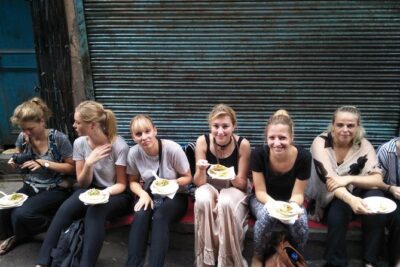 ★ 5.0The Great Indian Food Tour: Old Delhi Food and Heritage WalkFrom $431,698 reviews
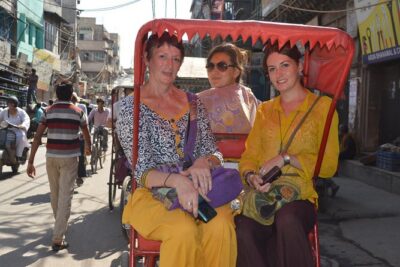 ★ 5.0Old Delhi Food, Heritage&Cultural Walk with Rickshaw ride to Masterji Kee HaveliFrom $52742 reviews
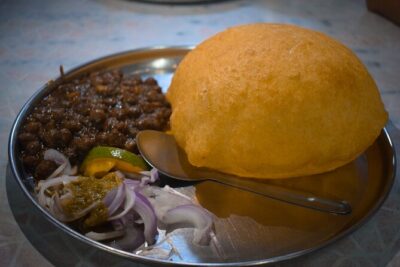 ★ 5.0Old Delhi Street Food TourFrom $40497 reviews
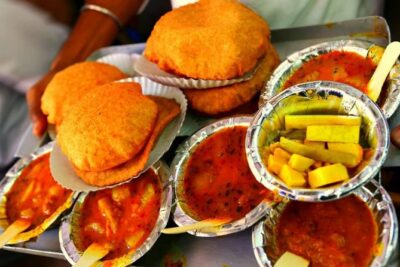 ★ 5.0Breakfast Walk in Old DelhiFrom $80449 reviews
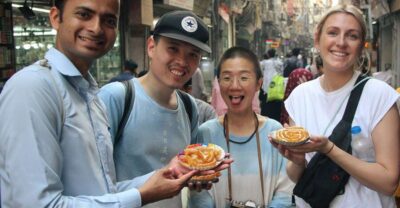 ★ 4.9Old Delhi Street Food Tour with Rickshaw RideFrom $43403 reviews
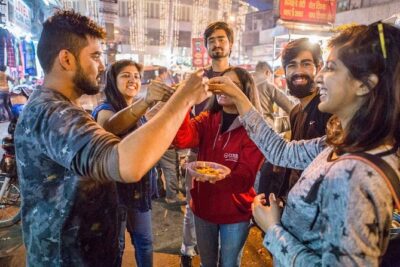 ★ 5.0Delhi Food Walk: Rickshaw Ride, Street Eats & Market TourFrom $40401 reviews
 ★ 5.0Old Delhi Street Food Tour – Explore Spices in Chandni ChowkFrom $34334 reviews
 ★ 5.0Old Delhi Food Tour: A Night Time FeastFrom $38326 reviews
Browse the lists this tour appears in