
Reviewed · DELHI MONUMENTS & LANDMARKS TOURS
Delhi: Mehrauli Archaeological Park Tour with Qutub Minar
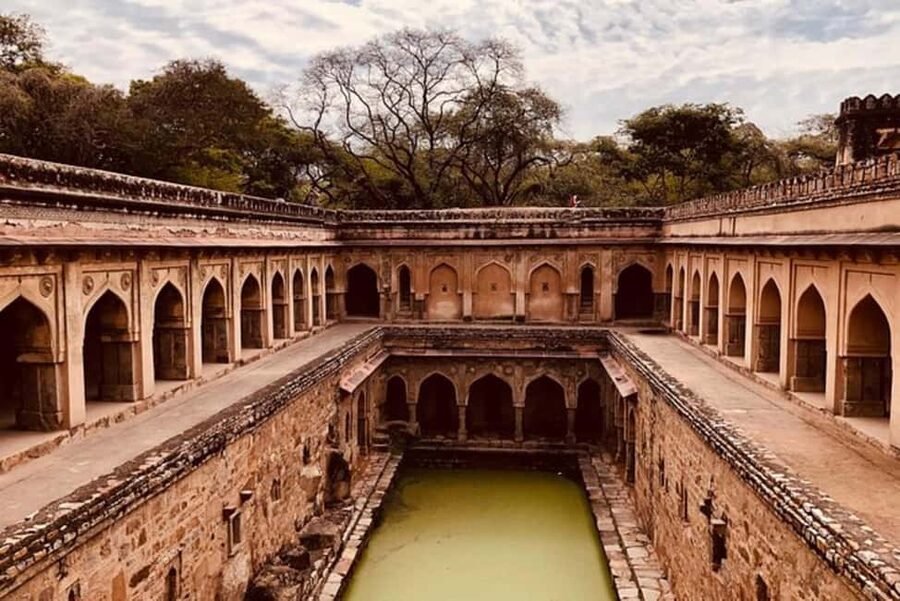
Quiet ruins, sharp stories. This 4-hour guided walk is one of those Delhi plans where Mehrauli feels close and calm at the same time, thanks to a forest-covered route and stops that still look lived-in by time. I particularly like how Rajon ki Baoli is still holding water, so the history isn’t just visual. It’s practical and physical, like the city is showing you how people once cooled off and found water.
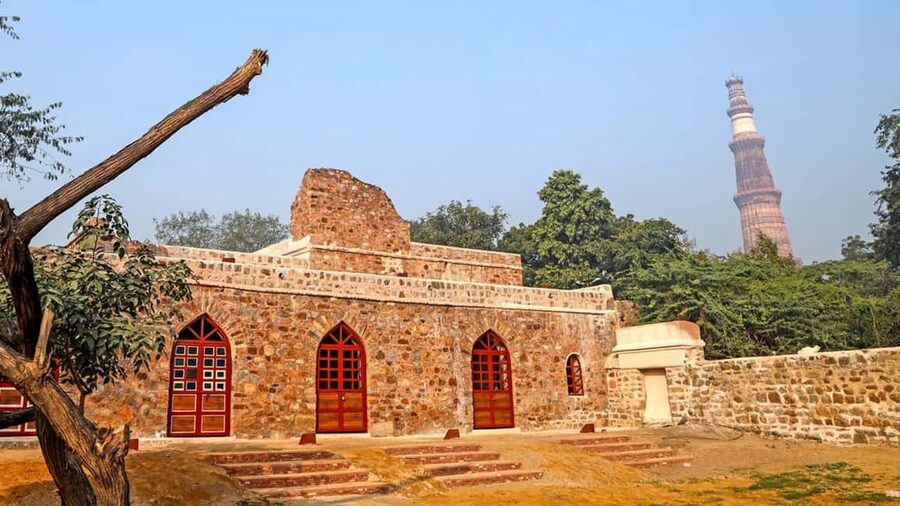
You’ll also get a focused, guided introduction at Qutub Minar and then continue to the red-sandstone Jamali Kamali complex, where the guide’s explanations help you connect the dots across eras. The vibe is friendly and question-friendly, which is a big deal when you want to understand what you’re actually looking at.
One consideration: this is a walking tour on real outdoor ground. It’s not suitable for people with back problems or wheelchair users, and there are no meals or snacks included, so plan your timing and bring something to tide you over.
In This Review
- Key things I’d focus on
- Why this 4-hour Mehrauli and Qutub Minar plan feels just right
- Meeting point and separate entrance at Qutub Minar
- Mehrauli Park on foot: forest calm, then ancient stone
- Metcalfe’s Canopy: Charles Metcalfe’s 1850s folly (and why it matters)
- Rajon ki Baoli stepwell: cooling passages and the haunting legend
- Jamali Kamali, Balban’s Tomb, and Metcalfe’s Dovecot Boathouse
- Jamali Kamali Mosque
- Tomb of Balban
- Dovecot Metcalfe’s Boathouse
- Price, inclusions, and what you should bring
- Should you book this Delhi Mehrauli and Qutub Minar tour?
- FAQ
- FAQ
- Where do I meet the guide for this tour?
- How long is the tour?
- What does the tour include in terms of guiding?
- Is Qutub Minar admission included?
- Is entry to Mehrauli Archaeological Park included?
- What are the main rules about photos and smoking?
- Is the tour suitable for wheelchair users or people with back problems?
- Can I cancel for a refund, and how much notice do I need?
Key things I’d focus on
- A forest-covered stroll that makes the ruins feel less rushed and more peaceful
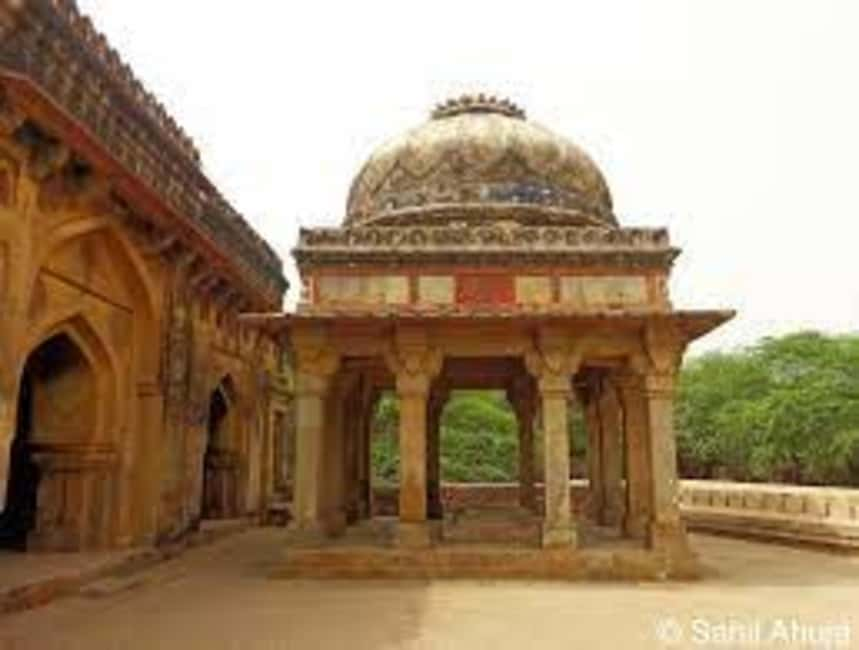
- Metcalfe’s Canopy, an 1850s hexagon “folly” designed to look old
- Rajon ki Baoli stepwell, with a vertical water shaft and heat-beating side passages
- Jamali Kamali, a red-sandstone mosque and tomb with a huge local following
- Multiple monument stops in 4 hours, keeping your time efficient in Delhi
- Private pickup and drop-off options, including many locations across Delhi–NCR
Why this 4-hour Mehrauli and Qutub Minar plan feels just right
If you want a first taste of Delhi that doesn’t drown you in information, this works. In a single half day, you move through several layers of the city—Qutub Minar’s early grandeur, Mehrauli’s scattered monuments, and the stepwell engineering that still feels useful. The pacing is ideal for people who want meaning, not just photos.
I also like that the walking route includes a quiet forest cover moment. In Delhi, that kind of pause matters. It slows you down so the monuments stop feeling like they’re just sitting there for you to sprint past.
Then there’s the stepwell, Rajon ki Baoli, which adds a rare kind of “wow” that’s not just architectural. It’s breathtaking because the design is still doing its job in a way your eyes can understand: water access up the shaft, and cooling side spaces that hint at summer-day life. That’s the kind of detail that turns a site visit into a real story.
More of Delhi in stone: forts, tombs and gates




Meeting point and separate entrance at Qutub Minar
You meet your guide outside the Qutub Minar Metro Train Station, at the exit gate. This is a practical setup: you’re dropped in at a major transit landmark, so you’re not stuck trying to figure out the “last mile” alone. It also keeps the tour anchored—Qutub Minar isn’t just a stop, it’s the start and the reference point.
The tour includes a skip-the-line entrance via a separate entrance. That can make a big difference in peak hours, especially when you’ve got only four hours total. More time inside means more time learning what you’re seeing, instead of burning your energy waiting.
Your guide starts with a brief history and then leads you site by site. In the experience of past groups, the guides bring strong context and stay engaged with questions, so you’ll get practical explanations rather than a recitation. The tour is also offered in multiple languages, including English, Italian, German, Russian, Spanish, French, Japanese, and Chinese—useful if you’re traveling with someone who prefers a language other than English.
Mehrauli Park on foot: forest calm, then ancient stone
Once you start moving deeper into the area, you feel that “dense forest cover” difference right away. It makes the ruins feel less exposed and more like you’re walking through a real part of the city’s everyday geography. Instead of looking at monuments as isolated objects, you start noticing how they sit among the land.
This is also where good shoes matter. The park is outdoor and the ground can be uneven around historic structures. That’s not a complaint—just reality. The tour isn’t marketed for mobility limits, and the warning in that direction is fair. If you have back issues or need wheelchair access, you’ll likely find the walking too hard.
Still, for visitors who can walk comfortably, the park experience is rewarding because it gives you time to slow down. You’re not just “checking boxes.” You’re connecting Qutub Minar’s era to Mehrauli’s other monuments by moving between them at a human pace.
Metcalfe’s Canopy: Charles Metcalfe’s 1850s folly (and why it matters)
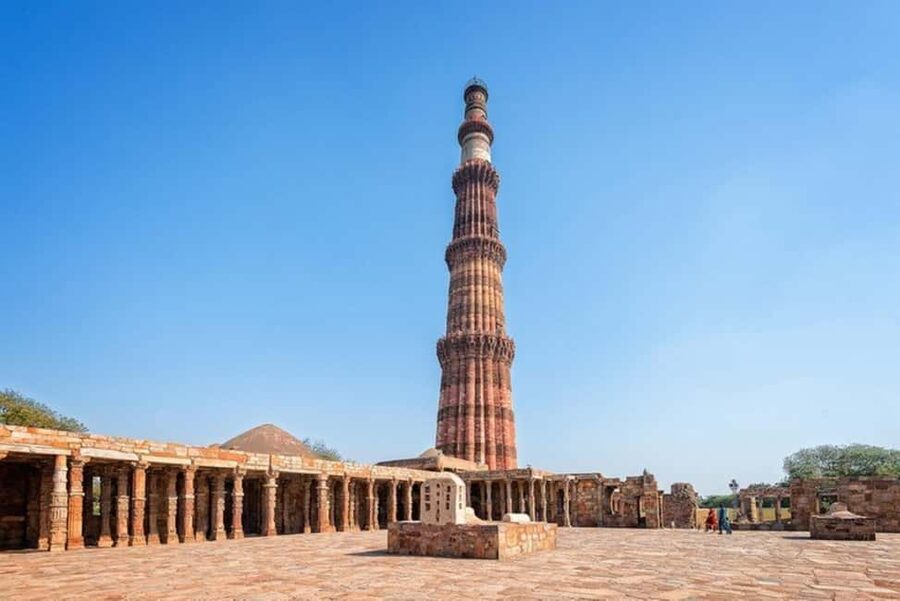
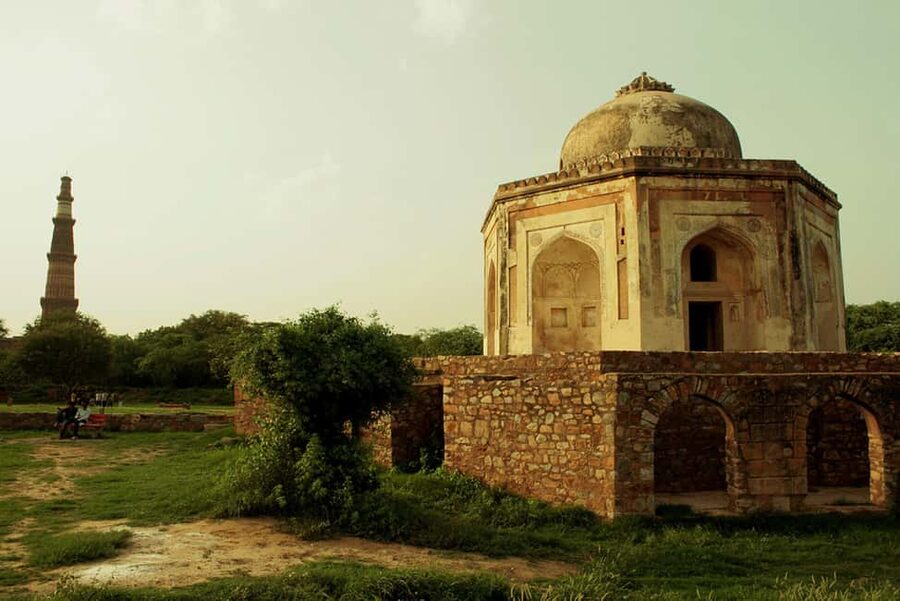
One of the most interesting stops is Metcalfe’s Canopy, a structure perched on the peak of a hilly mound. It was built in the 1850s by the British scholar Charles Metcalfe and is described as a “folly.” That word can sound fancy, but the idea is simple: a folly is built to look old or ornamental, even though it’s comparatively new.
What I like here is the contrast. You’re in an archaeological park full of older architecture, and then you meet a structure that’s basically a 19th-century attempt at nostalgia. It’s also structurally built like a hexagon, so it isn’t just decorative in silhouette; the shape is part of its identity.
Look around this stop with two questions in mind:
1) How does this newer-looking structure change your way of reading the older surroundings?
2) Why would someone build something meant to look old in that specific setting?
You’ll leave with a better sense that history in Delhi isn’t only ancient—it’s also about later periods deciding what the past should feel like.
Rajon ki Baoli stepwell: cooling passages and the haunting legend
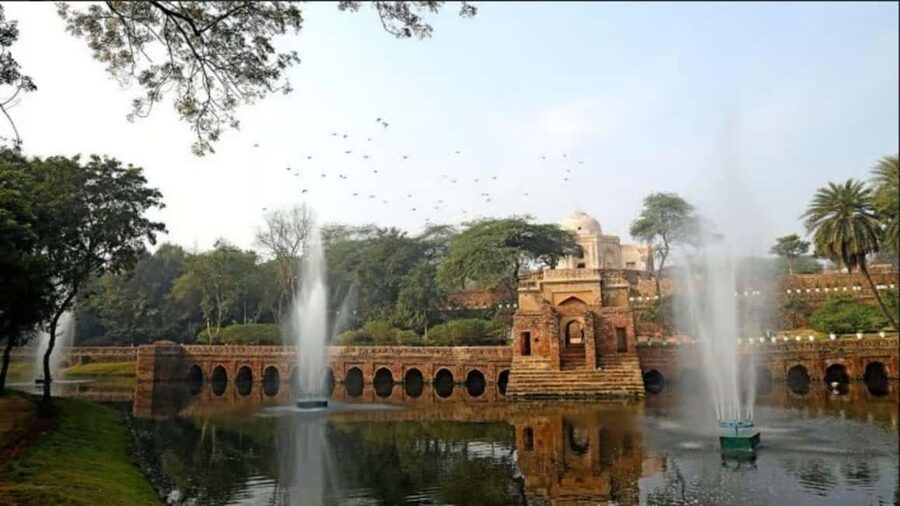
If Rajon ki Baoli were just a pretty ruin, it would still be worth your time. But it’s more impressive because you can understand its function.
This stepwell—known as Rajon Ki Baoli—has a vertical shaft for drawing water. That alone is enough to make you pause. Then, alongside it, there are hollow passageways with small chambers designed to beat the heat during Indian summers. In other words, people didn’t just come to fetch water. They came to survive the temperature while they were there.
The local naming also adds atmosphere. It’s said to be named after spooky stone masons who resided in underground chambers. The tour info adds that it’s considered the most haunted place in Delhi during late-night hours, and Jamali Kamali has similar ghost stories in late evening. Real talk: you don’t need to chase the supernatural to enjoy the vibe. The point is the way people built stories around these spaces and kept remembering them.
Practical note: stepwells are usually cooler than open ground, but they’re still outdoors. You’ll likely want to take your time, especially if you enjoy architecture details. In the time you’re there, try standing where you can see the shaft and the side passages together—this is when the engineering clicks.



Jamali Kamali, Balban’s Tomb, and Metcalfe’s Dovecot Boathouse
After the stepwell, the route moves into more monument variety—mosque and tomb, then tomb architecture, then a smaller water-related stop.
Jamali Kamali Mosque
Jamali Kamali is a mosque and tomb built in red sandstone. It belonged to a saint with a huge local following, and that helps explain why the site draws stories and attention beyond just its stones. The tour also frames it as a place people tend to avoid in late evenings due to haunted tales.
Even if you don’t focus on ghost stories, this is a strong stop because the colors and materials make the complex feel warm and human. Red sandstone also photographs differently than white marble, so your pictures may look more “of Delhi” and less like generic historic India.
Tomb of Balban
The Tomb of Balban is another major landmark in the flow, with a guided visit that gives you a sense of the architecture and what made this ruler’s presence matter. This is the kind of stop where the guide’s narration helps you see beyond the outline: you start noticing how the tomb communicates power through scale, placement, and design choices.
Dovecot Metcalfe’s Boathouse
You also get a shorter stop at Dovecot Metcalfe’s Boathouse. Even though you may spend less time here than at Qutub Minar or the stepwell, it adds variety. The stop fits the same theme as Metcalfe’s Canopy: later history leaving its mark inside a place that already holds older monuments.
Taken together, these three stops keep the tour from feeling repetitive. You go from water engineering to religious space to tomb architecture, then to a smaller scenic structure.
Price, inclusions, and what you should bring

The price listed is $21 per person for a 4-hour tour. That’s not just “cheap”—it’s a good value if you’ll use the inclusions. You’re getting:
- A professional English-speaking guide
- Bottled water
- Private hotel pickup and drop-off in Delhi (with many pickup/drop-off location options)
- Entry coverage when the relevant option is selected (Mehrauli Archaeological Park and Qutub Minar, depending on what you choose)
- A walking tour across key sites within the park (when the walking option is selected)
- Qutub Minar access via a separate entrance to help you save time
You do need to budget for what’s not included: meals or snacks and personal expenses. The simplest fix is to eat before you start or plan a snack break after. Also keep your day structured around comfort—Delhi can move from mild to hot quickly, and you’ll be outside.
Bring:
- A valid photo ID for monument entrance
- Comfortable, grippy shoes
- A camera if you want photos, but note flash photography isn’t allowed and smoking isn’t allowed
If you want extra safety and comfort for getting to and from the site, there’s an option mentioned to arrange a private car for returning to the walk spot. This can be handy if you’re arriving from farther out or you prefer fewer transfers.
Finally, languages matter. If you’re not comfortable with English, double-check your preferred language so the guide can explain details clearly.
Should you book this Delhi Mehrauli and Qutub Minar tour?
Yes—if you want a compact, guided way to understand Delhi’s layers without spending the whole day commuting and guessing. This tour is especially strong for people who enjoy design and function: the stepwell engineering and the “folly” story make Mehrauli feel more than just ancient stones.
Book it if:
- You’ll appreciate guidance that explains what you see, not only where to stand for photos
- You can comfortably walk on outdoor ground
- You want a half-day plan that starts and ends around Qutub Minar
Skip or reconsider if:
- You need wheelchair access or have significant back problems
- You need a tour that includes meals or long indoor breaks from heat
FAQ
FAQ
Where do I meet the guide for this tour?
You meet the walk leader outside the Qutub Minar Metro Train Station, at the exit gate.
How long is the tour?
The duration is 4 hours.
What does the tour include in terms of guiding?
It includes a professional English-speaking guide and a guided walking tour of key sites within the park (when the walking option is selected).
Is Qutub Minar admission included?
Qutub Minar entry is included if you select that option.
Is entry to Mehrauli Archaeological Park included?
Entry to Mehrauli Archaeological Park is included if you select that option.
What are the main rules about photos and smoking?
Smoking isn’t allowed, and flash photography isn’t allowed.
Is the tour suitable for wheelchair users or people with back problems?
No. It is not suitable for people with back problems and wheelchair users.
Can I cancel for a refund, and how much notice do I need?
You can cancel up to 24 hours in advance for a full refund.
More Tours in New Delhi
- Old & New Delhi City Tour – Half or Full Day Options Available
★ 5.0 · 4,811 reviews - Half Day Private Delhi City Tour
★ 5.0 · 4,474 reviews - Same Day Taj Mahal, Agra Fort & Baby Taj Tour from Delhi by Car
★ 5.0 · 4,304 reviews - Taj Mahal Day Tour from Delhi by Superfast Train – TOP RATED TOUR
★ 5.0 · 4,166 reviews - Delhi: Old and New Delhi Private Full or Half-Day Tour
★ 4.9 · 3,776 reviews
More Tour Reviews in New Delhi
- Old & New Delhi City Tour – Half or Full Day Options Available
★ 5.0 · 4,811 reviews - Half Day Private Delhi City Tour
★ 5.0 · 4,474 reviews - Same Day Taj Mahal, Agra Fort & Baby Taj Tour from Delhi by Car
★ 5.0 · 4,304 reviews - Taj Mahal Day Tour from Delhi by Superfast Train – TOP RATED TOUR
★ 5.0 · 4,166 reviews - Delhi: Old and New Delhi Private Full or Half-Day Tour
★ 4.9 · 3,776 reviews
Forts, Tombs and Gates of Delhi
- Delhi Hidden Gems: Mehrauli, Lodhi Art & Sunder Nursery
★ 5.0 · 108 reviews - Red Fort Delhi Entry tickets with Licensed Tour Guide
★ 4.5 · 78 reviews - Delhi: Yoga in Lodhi Garden
★ 4.9 · 53 reviews - Red Fort Skip-the-Line E-tickets & guide Delhi transfers
★ 4.6 · 49 reviews - New Delhi: Red Fort Entry Ticket with Optional Add-Ons
★ 4.7 · 47 reviews
Just added: more New Delhi reviews to browse
- 4 days Golden Triangle Tour★ 5.0 · 3 reviews
- Discover Old & New Delhi: Private Tour with Street Food★ 5.0 · 3 reviews
- Taj Mahal Tour From Delhi By Private Car★ 4.5 · 3 reviews
- Golden Triangle Tour 5 Days★ 5.0 · 3 reviews
- Taj Mahal: Express Entry Ticket For Sunset Tour with guide★ 5.0 · 3 reviews
- Agra Taj Mahal Sunrise & Sunset Tour from Delhi★ 5.0 · 3 reviews
Delhi Monuments & Landmarks Tours, compared.
 ★ 5.0Delhi Hidden Gems: Mehrauli, Lodhi Art & Sunder NurseryFrom $76108 reviews
 ★ 4.5Red Fort Delhi Entry tickets with Licensed Tour GuideFrom $3378 reviews
 ★ 4.9Yoga in Lodhi GardenFrom $3853 reviews
 ★ 4.6Red Fort Skip-the-Line E-tickets & guide Delhi transfersFrom $3549 reviews
 ★ 4.7Red Fort Entry Ticket with Optional Add-OnsFrom $947 reviews
 ★ 4.8Red Fort Light and Sound Show Guided TourFrom $2944 reviews
 ★ 4.9Skip-the-Line Humayun’s Tomb Tour with TransfersFrom $741 reviews
 ★ 5.0Delhi Street Art Walk in Lodhi Art District with Chai & FoodFrom $3334 reviews
Browse the lists this tour appears in