
Reviewed · DELHI TEMPLE & SPIRITUAL TOURS
Delhi Temple Tour
Delhi’s spiritual mix, packed into one day.
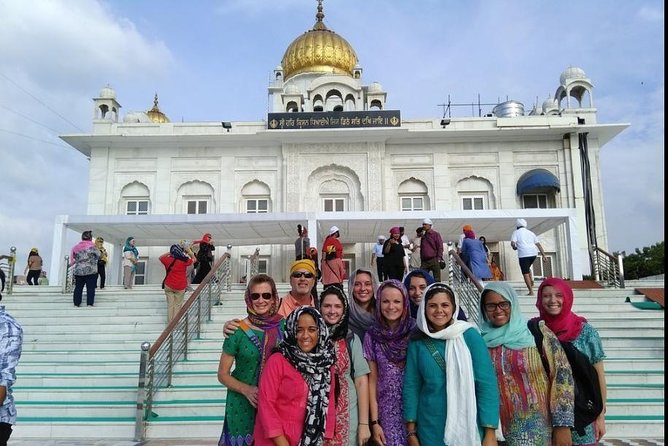
This private temples tour links major Hindu, Sikh, and Sufi sites across New Delhi, with air-conditioned comfort and a guide who helps you make sense of what you’re seeing, step by step. You start on the Yamuna River at Nigambodh Ghat, then move through Birla Mandir, a huge Hanuman statue, Bangla Sahib Gurudwara (with lunch options), and the Hazrat Nizamuddin dargah.
I especially like the way Pastor Vijay Kumar Sharma, often called Vijay or VJ in the day-to-day flow, handles questions on the spot and connects the practices to the people behind them. I also like that you’re not just hopping between famous buildings—you’re given context for cremation grounds, worship spaces, and community meals, so photos don’t feel like the whole story.
One thing to consider: the schedule is full, with a bit of walking through narrow alleys, and Akshardham + Agrasen Ki Baoli admissions are not included, so you’ll want to budget a little extra for entry and any lunch you choose outside the free option.
In This Review
- Key Things to Know Before You Go
- Why This Delhi Temples Tour Works on a First Trip
- Price and Logistics: What You’re Really Paying For
- Pickup, Vehicle Size, and the Ease of a Private Route
- Stop 1: Nigambodh Ghat and a Gondola View of the Yamuna
- Stop 2: Birla Mandir (Shri Laxmi Narayan Temple) in the Middle of the City
- Stop 3: The Hanuman Mandir and the 108-Foot Statue Detail
- Stop 4: Bangla Sahib Gurudwara Lunch and Community Rhythm
- Stop 5: Hazrat Nizamuddin Aulia and the Narrow-Aleey Walk
- Stop 6: Swaminarayan Akshardham’s Scale and Paid-Entry Reality
- Stop 7: Agrasen Ki Baoli Stepwell, One Last Historical Stop
- The Guide Effect: Pastor Vijay (VJ) and Why Questions Matter
- Who This Tour Suits Best (and Who Might Want Something Else)
- Should You Book the Delhi Temple Tour?
- FAQ
- What is the duration of the Delhi Temple Tour?
- Where does the tour start?
- What’s included in the price?
- Which stops are free to enter?
- Is lunch included?
- Are all temple and monument admissions included?
- How does the tour handle group size and vehicles?
- Is the tour private?
- What’s the cancellation policy?
Key Things to Know Before You Go
- Real guidance at every stop: live commentary and room for questions, led by Pastor Vijay/VJ.
- A smooth first-day plan: pickup plus private transport means less time figuring out routes.
- Yamuna views by gondola: you cross the river to overlook the ghats.
- A big mix of faith experiences: Hindu, Sikh, and Sufi sites in one continuous day.
- Some paid entrances: Akshardham and Agrasen Ki Baoli are not included.
- Lunch is flexible at Bangla Sahib: free vegetarian food is optional, and restaurant lunch is also an option.
Why This Delhi Temples Tour Works on a First Trip
If your first days in Delhi are already crowded with logistics, this kind of private tour feels like a smart shortcut. You get a full-day circuit—about 8 hours—without the stress of chasing locations, managing rickety transport, or translating what each sacred site is trying to show you.
The big value here is the guide-led flow. When you visit places like Nigambodh Ghat (a Hindu cremation ground) or a Sufi shrine like Hazrat Nizamuddin, your questions tend to come fast. A good guide turns that curiosity into understanding, instead of leaving you to guess.
Also, the group setup is practical. It’s private, so it’s just your group, and you’ll travel in the right vehicle size depending on how many people are in your party.
Quieter corners: more Delhi temples and shrines



Price and Logistics: What You’re Really Paying For
At $21.90 per person for roughly 8 hours, this tour prices like it’s built for value. You’re not only paying for entry to a couple of stops—you’re paying for a full route with private transport, bottled water, and the guide’s time.
A few cost details matter for planning:
- Transport + bottling: air-conditioned vehicle, bottled water, toll tax, and parking are included.
- Most admissions are free: Nigambodh Ghat, Birla Mandir, Hanuman Mandir, Bangla Sahib Gurudwara, and Hazrat Nizamuddin dargah are listed as free.
- Two major exceptions are not included: Swaminarayan Akshardham and Agra sen Ki Baoli (stepwell) admissions are not included.
- Lunch is not fully included: Bangla Sahib includes a vegetarian lunch option, with free food being optional; if you prefer a restaurant meal, you pay on your own.
In other words, the base price covers a lot, but you still need a small extra budget for Akshardham and any lunch choice that isn’t the free option.
Pickup, Vehicle Size, and the Ease of a Private Route
You get picked up from your hotel or Delhi Airport, and the driver and guide help with the sightseeing flow. For a place as spread out as Delhi, that matters more than it sounds. You lose less time to finding meeting points and more time actually inside the sites.
Vehicle type depends on group size:
- Pax 1 to 3: Dzire car
- Pax 4 to 5: Innova or Ertiga car
- Pax 6 to 9: Tempo Traveler (9 seater)
- Pax 10 to 15: Tempo Traveler (15 seater)
You also get a mobile ticket, which is handy on a day when you’ll be moving between several stops.
Stop 1: Nigambodh Ghat and a Gondola View of the Yamuna
You start at Nigambodh Ghat, a Hindu cremation ground on the banks of the Yamuna River. The timing is set for a visit starting around 9AM, and you get about 30 minutes here.
What makes this stop intense (in the most educational way) is that it’s not a quiet monument. It’s a functioning cremation site, and your experience will feel different from temple sightseeing. A guide who can frame what you’re seeing helps you observe respectfully and understand the religious logic behind the place.
Then comes one of the most distinctive features of the day: you cross the river by gondola to overlook the ghats along the Yamuna. That short ride is a practical payoff—rather than just looking at the shoreline, you get a broader view of the riverfront steps and how the river shapes daily sacred life.
If you only take one “Delhi detail” from this tour, make it the river angle. Delhi’s spiritual story often runs through water—and this is where you first feel it.
Stop 2: Birla Mandir (Shri Laxmi Narayan Temple) in the Middle of the City
Next is Shri Laxmi Narayan Temple, also known as Birla Mandir. You’ll have about 40 minutes and free admission.
This is one of Delhi’s very famous Hindu temples, and it’s a good mid-day anchor because it shifts the tone from the river ghats to an urban temple setting. You can take in the design and atmosphere without it feeling like a rushed “see it and go.”
Also, this is one of the stops where the guide’s role really shows. When you hear a live explanation of what Laxmi and Narayan represent, the temple stops being just a landmark and starts feeling like a doorway into a belief system—something you can recognize even if you’re not Hindu.


Stop 3: The Hanuman Mandir and the 108-Foot Statue Detail
Then you head to Shri Hanuman Mandir, a popular Hindu temple tied to Lord Hanuman. You get about 30 minutes, and admission is listed as free.
The star detail is the towering 108 ft statue of Lord Hanuman. The description includes a vivid architectural feature: the entrance door of the mouth. That’s the kind of design you remember because it turns a statue into an experiential entry point, not a distant sight.
This stop also works as a palate cleanser between the larger religious spaces. Hanuman’s presence is both devotional and visually commanding, so even if you come with limited background, you’ll still understand why people connect to the figure.
Stop 4: Bangla Sahib Gurudwara Lunch and Community Rhythm
After Hindu sites, the day shifts to Sikh worship at Gurudwara Bangla Sahib. You’ll spend about 40 minutes and admission is free.
This is an enormous Sikh temple, and you’ll have time to take in the scale plus the daily rhythm of worship. The big practical win is the meal situation. Lunch is built into the stop: you can enjoy delicious vegetarian lunch, with free food optional or choose a restaurant meal and pay on your own.
If you’re trying to understand Sikh community life, this is one of the most direct parts of the itinerary. You’re not just observing a building—you’re stepping into a culture of shared food.
And it’s also just a smart move for an active day. After moving through multiple sites, the comfort of a meal break (with options) keeps the schedule from feeling like nonstop sightseeing.
Stop 5: Hazrat Nizamuddin Aulia and the Narrow-Aleey Walk
Now the tour turns toward Sufism at Hazrat Nizamuddin Aulia, a famous shrine. You’ll get about 30 minutes, and admission is free.
The approach is part of the experience. You follow winding alleys, and that matters because it changes how you experience the shrine. Instead of arriving at a single grand plaza, you’re carried through the neighborhood’s physical rhythm before you reach the sacred space.
This stop is where the guide’s storytelling tends to shine. People visit dargahs for different reasons, and having someone explain the shrine’s place in Sufi tradition helps you understand why the atmosphere is devotional, not just architectural.
If you like sites with strong atmosphere and a more intimate feel than big tourist complexes, this is one of your best moments of the day.
Stop 6: Swaminarayan Akshardham’s Scale and Paid-Entry Reality
Next is Swaminarayan Akshardham, located in east Delhi. You’ll spend about 2 hours here, and admission is not included.
Akshardham is the tour’s big “wow” stop for scale. Even if you’re most interested in faith variety, this is a valuable contrast: it’s a massive temple complex experience compared with the quicker, more neighborhood-based stops earlier in the day.
Because entry is not included, you’ll want to plan your budget ahead. It’s also the stop most likely to determine whether the day feels relaxed or packed, simply because you have 2 hours here, which is longer than most previous stops.
Still, if you want one modern Delhi landmark that feels grand and designed to be experienced, this is a key part of the route.
Stop 7: Agrasen Ki Baoli Stepwell, One Last Historical Stop
To close the circuit, you visit Agra sen Ki Baoli—a historical stepwell with dimensions listed as about 60 meters long and 15 meters wide. You’ll have around 20 minutes, and admission is not included.
Stepwells are one of Delhi’s clever engineering stories. Even in a short visit, you’ll get a sense of how water management shaped architecture and daily life. It’s also a calmer ending compared with the larger temple complex earlier in the day.
This stop works well when you like travel that mixes the spiritual with the practical. You’ve spent the day inside major worship traditions; now you get a structure that shows a different kind of historical faith-infrastructure connection: water.
The Guide Effect: Pastor Vijay (VJ) and Why Questions Matter
One theme across the strongest feedback is how the guide turns the day into more than a route list. Pastor Vijay Kumar Sharma (often referred to as Vijay or VJ) comes across as an engaging storyteller who can answer questions with real insight, not just rehearsed facts.
That’s not a small detail. For many first-time visitors, religious sites can feel like they’re “too much” because you don’t know what you’re looking at. Having someone explain the traditions in a live way changes your pace. Instead of rushing to capture an image, you slow down to understand what’s going on.
It’s also worth noting how the tone stays respectful. Places like cremation ghats and shrines attract visitors with different levels of comfort. A good guide helps you stay open while also keeping your observations mindful.
Who This Tour Suits Best (and Who Might Want Something Else)
This tour is ideal if you:
- Want a first-day Delhi plan that covers major sacred sites in one run.
- Prefer private, guided experiences over self-guided temple hopping.
- Like context—stories about beliefs, practices, and why people visit these places.
- Are okay with a packed day and short stops that move efficiently.
It may not be your best fit if you want long, slow visits only. The itinerary is active, with several stops around 30–40 minutes each, plus a 2-hour Akshardham block.
Should You Book the Delhi Temple Tour?
I’d book it if you want Delhi’s spiritual side with structure. The pricing feels strong for what’s included: air-conditioned private transport, bottled water, and a guide-led explanation across multiple traditions. The gondola ride at Nigambodh Ghat is a standout feature you’d be unlikely to recreate on your own without extra planning.
I’d also book it if you care about understanding, not just collecting sights. The guide’s ability to answer questions (and do it in a friendly way) is a major reason this tour earns high praise.
Just go in with two planning realities: budget a bit for Akshardham and Agrasen Ki Baoli since admissions aren’t included, and expect a full schedule with some walking through narrow alleys. If that sounds like your kind of day, this is a very efficient way to get a real feel for New Delhi’s sacred geography.
FAQ
What is the duration of the Delhi Temple Tour?
The tour runs for about 8 hours (approx.).
Where does the tour start?
It starts around 9AM with pickup from your hotel or Delhi Airport, with the driver and tour guide assisting.
What’s included in the price?
The tour includes bottled water, an air-conditioned vehicle, and toll tax and parking. Admission is listed as free for several stops, while some later stops are not included.
Which stops are free to enter?
Admission is listed as free for Nigambodh Ghat, Shri Laxmi Narayan Temple (Birla Mandir), Shri Hanuman Mandir, Gurudwara Bangla Sahib, and Hazrat Nizamuddin Aulia.
Is lunch included?
Lunch is available at Gurudwara Bangla Sahib. Free vegetarian food is optional, and you can also have lunch in a restaurant by paying on your own.
Are all temple and monument admissions included?
No. Swaminarayan Akshardham and Agrasen Ki Baoli have admission not included.
How does the tour handle group size and vehicles?
The vehicle depends on number of passengers: Dzire for 1–3, Innova/Ertiga for 4–5, Tempo Traveler (9 seater) for 6–9, and Tempo Traveler (15 seater) for 10–15.
Is the tour private?
Yes. It’s a private tour/activity and only your group participates.
What’s the cancellation policy?
You can get a full refund if you cancel at least 24 hours before the experience start time. The experience may also be canceled for poor weather or if a minimum number of travelers isn’t met.
More Tours in New Delhi
- Old & New Delhi City Tour – Half or Full Day Options Available
★ 5.0 · 4,811 reviews - Half Day Private Delhi City Tour
★ 5.0 · 4,474 reviews - Same Day Taj Mahal, Agra Fort & Baby Taj Tour from Delhi by Car
★ 5.0 · 4,304 reviews - Taj Mahal Day Tour from Delhi by Superfast Train – TOP RATED TOUR
★ 5.0 · 4,166 reviews - Delhi: Old and New Delhi Private Full or Half-Day Tour
★ 4.9 · 3,776 reviews
More Tour Reviews in New Delhi
- Old & New Delhi City Tour – Half or Full Day Options Available
★ 5.0 · 4,811 reviews - Half Day Private Delhi City Tour
★ 5.0 · 4,474 reviews - Same Day Taj Mahal, Agra Fort & Baby Taj Tour from Delhi by Car
★ 5.0 · 4,304 reviews - Taj Mahal Day Tour from Delhi by Superfast Train – TOP RATED TOUR
★ 5.0 · 4,166 reviews - Delhi: Old and New Delhi Private Full or Half-Day Tour
★ 4.9 · 3,776 reviews
Delhi Temples and Quiet Corners
- New Delhi: Akshardham Temple Tour with Water and Light Show
★ 4.8 · 313 reviews - Old Delhi Food-Spice Market-Temples Tour Soon Featured on NETFLIX
★ 5.0 · 304 reviews - Taj Mahal Sunrise with Lord Shiva Temple:- All Inclusive
★ 5.0 · 207 reviews - Old Delhi Temples and Spiritual Sites Private 6-Hour Tour
★ 4.8 · 204 reviews - Private Delhi Temples and Spiritual Sites 6 Hours Tour
★ 5.0 · 171 reviews
Just added: more New Delhi reviews to browse
- 4 days Golden Triangle Tour★ 5.0 · 3 reviews
- Discover Old & New Delhi: Private Tour with Street Food★ 5.0 · 3 reviews
- Taj Mahal Tour From Delhi By Private Car★ 4.5 · 3 reviews
- Golden Triangle Tour 5 Days★ 5.0 · 3 reviews
- Taj Mahal: Express Entry Ticket For Sunset Tour with guide★ 5.0 · 3 reviews
- Agra Taj Mahal Sunrise & Sunset Tour from Delhi★ 5.0 · 3 reviews
Delhi Temple & Spiritual Tours, compared.
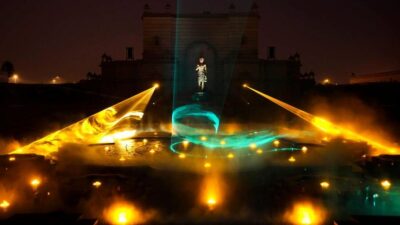 ★ 4.8Akshardham Temple Tour with Water and Light ShowFrom $21313 reviews
 ★ 5.0Old Delhi Food-Spice Market-Temples Tour Soon Featured on NETFLIXFrom $49304 reviews
 ★ 5.0Taj Mahal Sunrise with Lord Shiva Temple:- All InclusiveFrom $5207 reviews
 ★ 4.8Old Delhi Temples and Spiritual Sites Private 6-Hour TourFrom $40204 reviews
 ★ 5.0Private Delhi Temples and Spiritual Sites 6 Hours TourFrom $41171 reviews
 ★ 4.8Akshardham Temple Light Show with Custom Add-OnsFrom $10125 reviews
 ★ 4.8Private Spiritual Sites Car Tour with Lunch and EntryFrom $561 reviews
 ★ 5.0Half-Day Delhi Temple Tour with Pick-Up & Drop-OffFrom $3060 reviews
Browse the lists this tour appears in