
Reviewed · OLD DELHI FOOD TOURS
Old Delhi Food-Spice Market-Temples Tour Soon Featured on NETFLIX
Old Delhi smells like a story. This tour strings together Old Delhi food tastings with temples and two major market stops, so you get culture and calories in one tight loop. I like that the guide keeps you moving through the lanes with a clear game plan, not random wandering.
The second thing I love is the Sikh Gurdwara Sis Ganj Sahib langar, where people eat for free, daily, in a huge communal kitchen. One possible drawback: you’ll walk a lot and you’ll need to follow temple rules, including removing shoes and socks and walking in bare feet inside.
In This Review
- Key things to know before you go
- Why This Old Delhi Food and Temple Tour Makes Sense in 3 Hours
- Starting at Chandni Chowk: Where You’ll Meet and How to Prep
- Red Fort From Outside: A Landmark Stop That Sets the Stage
- Sis Ganj Sahib and Langar: When Food Becomes a Cultural Lesson
- Khari Baoli Spice Market: Asia’s Largest, Plus a Secret Rooftop
- Chandni Chowk Bazaar and Digambar Jain Temple: More Than One Religion in One Walk
- Gali Paranthe Wali: The Alley That Explains Why Food Here Has Identity
- The Old Delhi Rickshaw Ride: Quick Chaos, Proper Route
- Price and Value: Is $49.10 Really Fair for This Much?
- Food Tastings Done Safely: The Real Benefit Is Confidence
- Who This Tour Is Best For (and Who Might Want Something Different)
- Quick Checklist: What to Bring and What to Expect
- Should You Book This Old Delhi Food-Spice-Temples Tour?
- FAQ
- How long is the tour?
- How much does it cost?
- How many people are in the group?
- What is included in the price?
- What food and drinks will I try?
- Where does the tour start and end?
- Do I need to remove shoes at temples?
- What should I wear and bring?
- Is the tour dependent on weather?
- Is cancellation free?
Key things to know before you go
- Small group limit of 12: easier pacing, easier questions, and less standing around.
- Food tastings built in: jalebi, samosa, parantha, roti, daal, and gulab jamun, plus lassi or chai.
- Asia’s largest spice market at Khari Baoli: smells, textures, and shopping context you can actually use.
- Langar at Sis Ganj Sahib: learn how the communal meal works at scale.
- Secret rooftop views: a photo stop that changes the way the whole area looks.
- Old Delhi rickshaw ride: a short taste of the street chaos, with a guide handling the route.
Why This Old Delhi Food and Temple Tour Makes Sense in 3 Hours
If you only have a half-day in New Delhi, this kind of Old Delhi tour is the smart move. You’re not trying to cover Red Fort-area sights, Chandni Chowk lanes, temples, and spice market shopping on your own in a single morning. Instead, you get a focused route that mixes religion, street food, and landmark time.
I also like the practicality of it. The tour is built around food tastings that are included, plus a guide who helps you understand what you’re eating and why certain places matter. For many people, the biggest win is confidence: once you’ve walked a section with a local, you stop feeling like you’re guessing.
The total time is about 3 hours, so it’s long enough to feel like a real experience and short enough to keep your day flexible. If you’re pairing it with Red Fort or a metro-to-market day, this tour works as the connective tissue.
More hours to spend in Old Delhi

Starting at Chandni Chowk: Where You’ll Meet and How to Prep
You start at 892, Lajpat Rai Market, Chandni Chowk, Delhi 110006. The tour ends back at the meeting point, which is a small detail that matters in a place where lanes can look similar and directions change by the minute.
The tour also states it’s near public transportation, and it uses a mobile ticket. That’s helpful if you prefer not to wrestle paper tickets in crowded areas.
Come ready for hands-on travel. The tour asks you to bring hand sanitizer, napkin or wet wipes, and a camera, plus an appetite. That’s not a throwaway suggestion. Street food in Old Delhi is meant for eating in layers—one snack leads to another—and you’ll want clean hands for temple moments too.
Finally, dress with temple rules in mind. Women are requested to dress conservatively, and temple visits require removing shoes and socks and walking bare foot inside. Wear comfortable shoes that you can take off fast without turning your life into a knot-tying contest.
Red Fort From Outside: A Landmark Stop That Sets the Stage
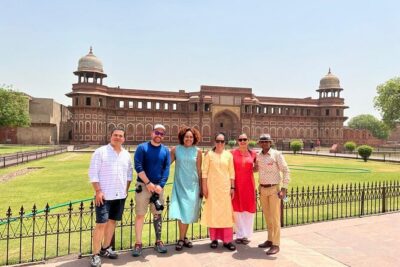
The first stop is Red Fort (seen from outside). You’re not spending time doing museum hours here; you’re getting a reference point. That matters because Old Delhi has a habit of feeling like one long neighborhood until you attach sights to a timeline.
Seeing Red Fort from outside also keeps the tour moving. In a 3-hour walk, every minute should either teach you something or help you eat something. This stop does the first job: it anchors your orientation.
From there, the tour shifts into religious and market spaces where history shows up as daily life, not as distant facts. That transition is a big reason the whole experience works.
Sis Ganj Sahib and Langar: When Food Becomes a Cultural Lesson
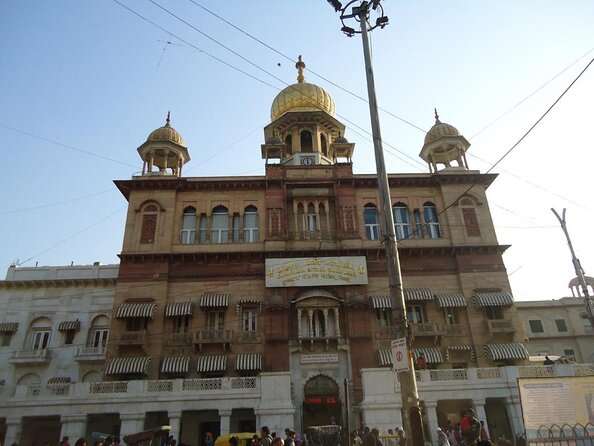
Next you visit Gurudwara Sis Ganj Sahib, including time for the mega kitchen and communal meal experience. The tour information notes that 15,000+ people eat for free every day. That number isn’t just impressive; it changes how you understand the space. This isn’t a small ritual corner. It’s an operation built for thousands.
This stop is also where a good guide can make a real difference. You’re not just looking at architecture. You’re learning how the communal kitchen runs and what it represents in Sikh tradition. The practical value for you: you’ll know what you’re seeing and why people behave the way they do—silence in certain areas, movement patterns, and how food fits into the worship.
You’ll also face the barefoot reality of temple entry. That’s where planning pays off. Pack or use the included wipes for quick cleanup after snack stops, and expect a slightly slower pace as shoe-removal rules kick in.
Khari Baoli Spice Market: Asia’s Largest, Plus a Secret Rooftop
Then comes Khari Baoli, described as Asia’s largest spice market. This is a stop that hits multiple senses at once: the smell arrives first, then the visuals and the energy of vendors. The guide role becomes even more important here because markets can feel chaotic unless someone helps you connect the smells to ingredients and uses.
The highlights also mention a secret spice mansion and a secret rooftop with Old Delhi views. These aren’t just photo perks. They give you two perspectives: a close, detailed look at spice culture and a high-level view that helps you map the neighborhood in your head.
You also get another time at Khari Baoli later on the route, so it’s not a quick glance-and-go. That repetition helps you notice changes in what you’re seeing—different stalls, different products, and a better sense of how spices move from raw inputs to everyday cooking.
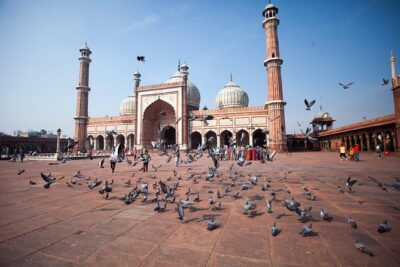
The tour also highlights seeing a 370-year-old second-largest mosque. While the exact moment isn’t spelled out in the stop list, it’s part of the overall sights package around this area. If you’re the type who likes architecture and religious design, this is one of the reasons this isn’t just a food route.
Quieter corners: more Delhi temples and shrines

Chandni Chowk Bazaar and Digambar Jain Temple: More Than One Religion in One Walk
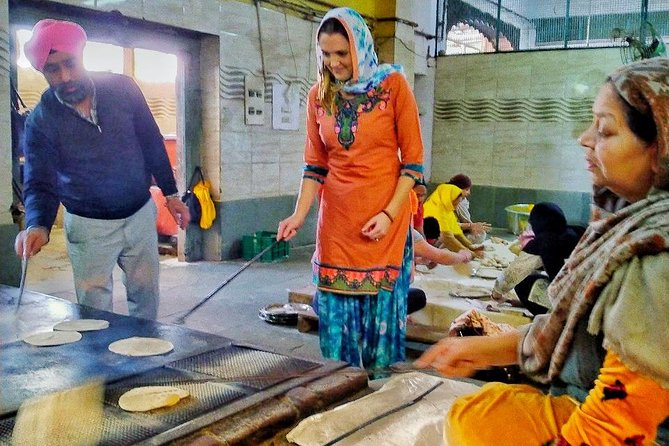
After Khari Baoli, you head into Chandni Chowk. This is where Old Delhi feels like Old Delhi—shopping lanes, food smells, and constant movement. You’ll want the guide here because negotiating the lanes without getting sidetracked is hard on your own.
The tour then includes Digambar Jain Temple. Jain spaces are distinct in style and atmosphere, and this stop helps balance the Sikh experience earlier. You’re seeing how different faiths shape daily life and physical space in the same city block area.
What makes this pairing valuable is that you’re not treating temples as separate checklist items. You’re moving through them as part of a neighborhood system. Food, worship, markets, and community all interlock here.
If you like learning through real places instead of reading facts on your phone, this section is the point where the tour starts feeling more meaningful than a snack crawl.
Gali Paranthe Wali: The Alley That Explains Why Food Here Has Identity
One highlight stop is Gali Paranthe Wali, which signals what the neighborhood is famous for. Paranthas here aren’t just a food choice; they’re part of the street-food identity of Old Delhi.
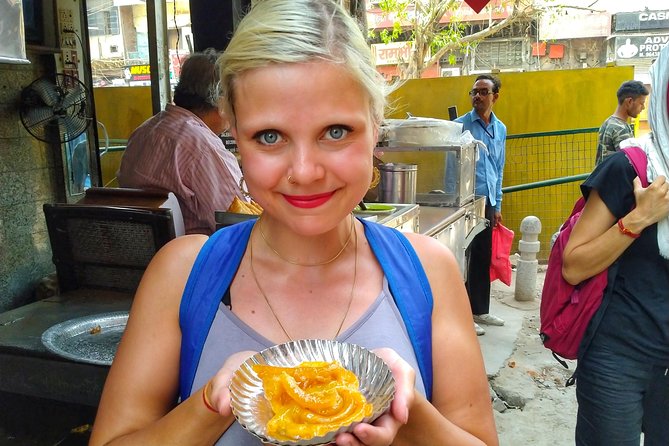
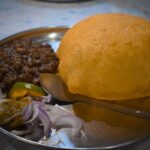
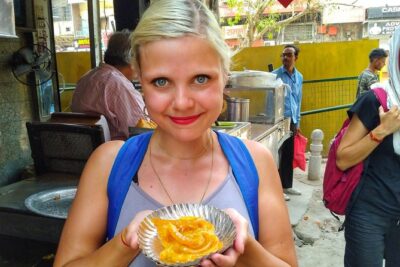
The tour includes several classic dishes in the tasting lineup, including parantha, plus jalebi, samosa, roti, daal, and gulab jamun. In practical terms, this means you’re tasting a range: crunchy, fried, griddled, sweet, and saucy. You’re not stuck with one flavor style.
Also, the tour includes tips and recommendations on negotiating and saving money in India. That’s useful on market days, but especially here, because you’re already in a shopping zone. If you’re tempted to buy spices or small gifts, you’ll be in a better position to do it thoughtfully rather than emotionally.
The Old Delhi Rickshaw Ride: Quick Chaos, Proper Route
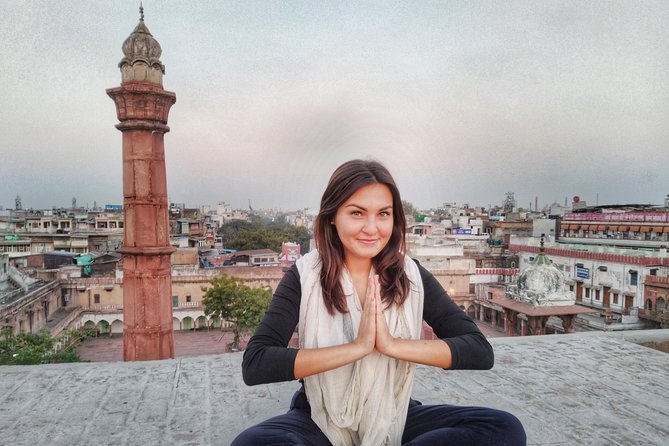
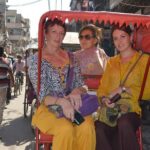
You finish with an Old Delhi rickshaw ride. This is a classic way to understand the streets without spending your energy dodging traffic and crowds. It’s also a moment where the guide’s role matters again: the ride is short, but it’s still part of the story of moving through the city.
Think of it as your transition from walking-time intensity to photo-time calm. It’s also a great way to rest your feet for a few minutes before the tour ends back at the meeting point.
If you’re sensitive to noise, do a quick breathing reset beforehand. Old Delhi lanes can be loud, and rickshaw rides are part of that soundtrack.
Price and Value: Is $49.10 Really Fair for This Much?
At $49.10 per person, this tour prices like a midrange walking experience. The value comes from the mix: multiple temple stops, two major market moments, a rickshaw ride, and included food tastings.
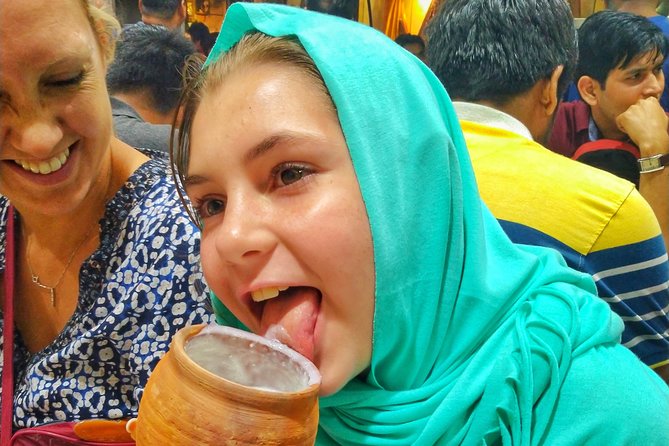
You’re also getting beverages included—lassi or chai, plus mineral water. And the included snacks aren’t token samples. The lineup is substantial: jalebi, samosa, parantha, roti, daal, gulab jamun.
Then there’s the format. Maximum 12 travelers means you’re not stuck in a crowd. For Old Delhi, that’s worth money. A guide who can get you through without long waits helps you spend your time eating and learning instead of queueing.
Add the fact that it’s an all-inclusive tour with no additional fees required (tips are not included), and you have a pretty clean budget. If you’re planning around food costs, this tour helps you lock that down early.
One more practical note: it’s on people’s radar, and the average booking lead time is 19 days. If your dates are fixed, booking sooner gives you more options.
Food Tastings Done Safely: The Real Benefit Is Confidence
Street food is the big draw, but confidence is the real win. The tour is built around tested street food spots and includes tastings of tried-and-true Indian classics. That means you’re not deciding on the fly, and you’re not stuck hoping you picked the right stall in the middle of sensory overload.
What’s included matters because you’ll taste across categories:
- crispy fried snacks (like samosa)
- bread and staples (parantha, roti, and daal)
- sweet finishers (jalebi and gulab jamun)
Plan to go hungry. The route is designed so each stop feeds the next. If you try to eat a big breakfast and then go, you’ll either miss some tastings or feel heavy by the middle.
And yes, the tour includes suggestions for negotiating and saving money. That’s not only about buying souvenirs. It’s also about learning how markets work so you feel less pressured.
Who This Tour Is Best For (and Who Might Want Something Different)
This fits best if you want a guided Old Delhi experience that covers a lot of ground without feeling rushed. It’s also ideal for first-time Delhi visitors who worry about getting turned around.
It’s a great match for:
- food-first travelers who also want temple and culture context
- solo travelers who want a structured route and a guide-led sense of safety
- people who love photo stops, especially the secret rooftop view
It may be less ideal if you:
- hate walking (temple entry plus markets means steady movement)
- want a fully accessible route without barefoot temple moments (temple rules require it)
- prefer a purely historical museum style day rather than religion-in-action and street food
Quick Checklist: What to Bring and What to Expect
Here’s the simple prep list based on what the tour asks you to bring:
- Hand sanitizer
- Napkin or wet wipes
- Camera
- Comfortable shoes (you’ll remove them in temples)
- Appetite
And for clothing:
- dress conservatively for temple visits
- expect barefoot entry inside temple premises
- ladies may want a scarf; one reviewer noted that temples can offer borrowing if you forget
If you’re serious about photos, bring something that can handle heat and crowd conditions. The spice market and rooftop are photo magnets, and you’ll want both hands free when taking pictures.
Should You Book This Old Delhi Food-Spice-Temples Tour?
I’d book it if you want the best version of a short Old Delhi day: food tastings, temple access, and market context all in one loop. The price feels fair when you add up the included snacks and the multiple sight types.
The key reason to say yes is the structure. Old Delhi can be confusing fast. This tour turns confusion into understanding—through guided walking, planned stops, and a guide who knows how to pace a small group.
The main reason to pause is the barefoot temple requirement and the walking. If that’s a dealbreaker, look for a different style tour. If it’s manageable for you, this one is a strong way to taste Old Delhi without gambling on which stall to trust.
If your plan includes Chandni Chowk and Khari Baoli anyway, this tour helps you do both with less stress and more meaning.
FAQ
How long is the tour?
The tour runs about 3 hours (approx.).
How much does it cost?
The price is $49.10 per person.
How many people are in the group?
The group size has a maximum of 12 travelers.
What is included in the price?
You get snacks (jalebi, samosa, parantha, roti, daal, gulab jamun), Indian beverages (lassi or chai, plus mineral water), and WiFi on board.
What food and drinks will I try?
The included tastings list includes jalebi, samosa, parantha, roti, daal, and gulab jamun, along with lassi or chai and mineral water.
Where does the tour start and end?
It starts at 892, Lajpat Rai Market, Chandni Chowk, Delhi 110006, India and ends back at the same meeting point.
Do I need to remove shoes at temples?
Yes. The tour notes that during temple visits you must remove shoes and socks and walk bare foot inside the temple premises.
What should I wear and bring?
Bring comfortable shoes, an appetite, a camera, hand sanitizer, and napkin or wet wipes. Women are requested to dress conservatively.
Is the tour dependent on weather?
Yes. The experience requires good weather. If canceled due to poor weather, you’ll be offered a different date or a full refund.
Is cancellation free?
The tour offers free cancellation up to 24 hours in advance for a full refund.
Still Hungry in Old Delhi
- The Great Indian Food Tour: Old Delhi Food and Heritage Walk
★ 5.0 · 1,698 reviews - Old Delhi Food, Heritage&Cultural Walk with Rickshaw ride to Masterji Kee Haveli
★ 5.0 · 742 reviews - Old Delhi Street Food Tour
★ 5.0 · 497 reviews - Breakfast Walk in Old Delhi
★ 5.0 · 449 reviews - Delhi: Old Delhi Street Food Tour with Rickshaw Ride
★ 4.9 · 403 reviews
Delhi Temples and Quiet Corners
- New Delhi: Akshardham Temple Tour with Water and Light Show
★ 4.8 · 313 reviews - Taj Mahal Sunrise with Lord Shiva Temple:- All Inclusive
★ 5.0 · 207 reviews - Old Delhi Temples and Spiritual Sites Private 6-Hour Tour
★ 4.8 · 204 reviews - Private Delhi Temples and Spiritual Sites 6 Hours Tour
★ 5.0 · 171 reviews - New Delhi: Akshardham Temple Light Show with Custom Add-Ons
★ 4.8 · 125 reviews
More of Old Delhi
- The Great Indian Food Tour: Old Delhi Food and Heritage Walk
★ 5.0 · 1,698 reviews - Old Delhi Food, Heritage&Cultural Walk with Rickshaw ride to Masterji Kee Haveli
★ 5.0 · 742 reviews - Old Delhi Bike Tour
★ 5.0 · 616 reviews - Old Delhi Street Food Tour
★ 5.0 · 497 reviews - Breakfast Walk in Old Delhi
★ 5.0 · 449 reviews
Just added: more New Delhi reviews to browse
- 4 days Golden Triangle Tour★ 5.0 · 3 reviews
- Discover Old & New Delhi: Private Tour with Street Food★ 5.0 · 3 reviews
- Taj Mahal Tour From Delhi By Private Car★ 4.5 · 3 reviews
- Golden Triangle Tour 5 Days★ 5.0 · 3 reviews
- Taj Mahal: Express Entry Ticket For Sunset Tour with guide★ 5.0 · 3 reviews
- Agra Taj Mahal Sunrise & Sunset Tour from Delhi★ 5.0 · 3 reviews
Old Delhi Food Tours, compared.
 ★ 5.0The Great Indian Food Tour: Old Delhi Food and Heritage WalkFrom $431,698 reviews
 ★ 5.0Old Delhi Food, Heritage&Cultural Walk with Rickshaw ride to Masterji Kee HaveliFrom $52742 reviews
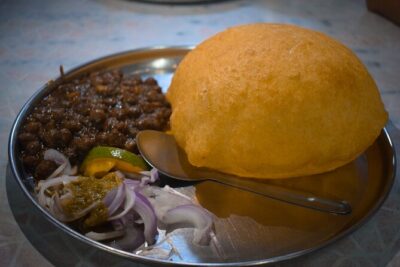 ★ 5.0Old Delhi Street Food TourFrom $40497 reviews
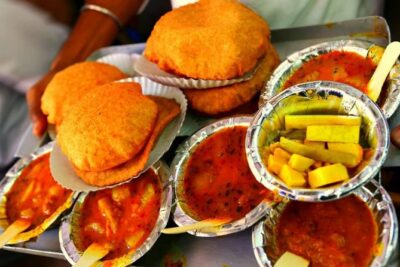 ★ 5.0Breakfast Walk in Old DelhiFrom $80449 reviews
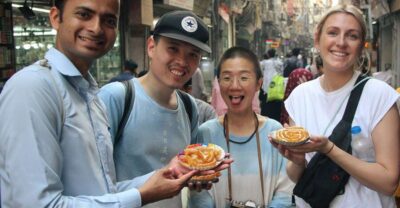 ★ 4.9Old Delhi Street Food Tour with Rickshaw RideFrom $43403 reviews
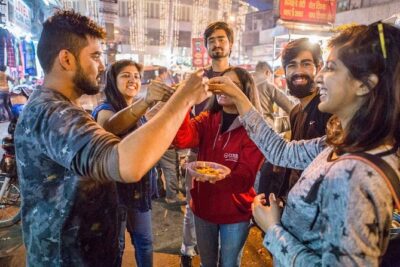 ★ 5.0Delhi Food Walk: Rickshaw Ride, Street Eats & Market TourFrom $40401 reviews
 ★ 5.0Old Delhi Street Food Tour – Explore Spices in Chandni ChowkFrom $34334 reviews
 ★ 5.0Old Delhi Food Tour: A Night Time FeastFrom $38326 reviews
Browse the lists this tour appears in