
Reviewed · AGRA DAY TRIPS FROM DELHI
Discover the Majestic Duo: Delhi & Agra in 3 Days
Three days, two cities, one giant wow factor. I love the early Taj Mahal timing, especially with the included golf cart ride that saves you time and energy. I also like how the trip is run with a private guide in each city, so the sites feel explained instead of just photographed.
You should go in knowing one trade-off: monument entrance fees and camera fees are not included, so you’ll want to budget for tickets as you go. Still, if your goal is to see the big sights with minimal stress and solid logistics, this is a strong way to do Delhi and Agra in one tight loop.
In This Review
- Key highlights I’d plan around
- Delhi’s Landmark Route: Qutub Minar, Lotus Temple, India Gate, and more
- Getting oriented fast in Old Delhi: Chandni Chowk by tuk-tuk
- The Mughal shortcut: Humayun’s Tomb and why it matters
- The drive to Agra: hotel check-in that keeps the evening simple
- Taj Mahal sunrise: what the golf cart ride changes
- Beyond the Taj: Agra Fort and Itmad-ud-Daula (Baby Taj)
- Price and logistics: what’s included, what isn’t, and how to budget
- What the guides and drivers add (and why it shows up in reviews)
- Best for who: the people who will love this setup
- Should you book this Delhi and Agra duo?
- FAQ
- FAQ
- Is this a private tour or a group tour?
- How long is the Delhi and Agra experience?
- Do you include airport pick-up and drop-off?
- What’s included with accommodation and meals?
- Are monument entrance fees included?
- What transport is provided between Delhi and Agra?
- Are any transport extras included at major sights?
- What do I need to know about tickets and confirmation?
Key highlights I’d plan around
- Taj Mahal at sunrise with a golf cart ride, so you start before the heat and crowds spike
- Private guide in each city, plus airport pick-up and drop-off for a smooth start and finish
- Qutub Minar, Lotus Temple, and India Gate packed into a first-day orientation of Delhi’s major landmarks
- Humayun’s Tomb and other Mughal-era stops that help you read the city’s design language
- Chandni Chowk by tuk-tuk, an efficient way to get a feel for Old Delhi’s lane-life
- Agra add-ons like the marble inlay workshop and Itmad-ud-Daula, so it’s not only Taj, Taj, Taj
Delhi’s Landmark Route: Qutub Minar, Lotus Temple, India Gate, and more
Delhi can feel like a lot at first—noise, traffic, and a constant flow of people. The value of this tour is that it gets you to the right places with clear pacing and transport that doesn’t eat the day. On the first day you hit a cluster of top landmarks, which is exactly what I’d want if I’m short on time.
Start with Qutub Minar, the tall UNESCO World Heritage tower tied to the Delhi Sultanate. Built in 1193 by Qutub-ud-din Aibak, it’s a masterclass in Indo-Islamic design, and you’ll have about an hour there with your ticket included. If you like architecture, take a minute to look past the postcard angles and notice how the shape and detailing change as you move your viewpoint.
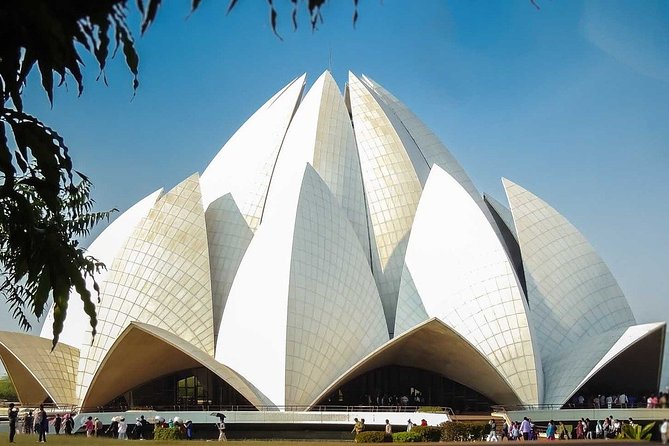
Then you shift gears to the modern-calm feel of the Lotus Temple (Bahá’í House of Worship). Construction finished in 1986 after six years, designed by Iranian architect Fariborz Sahba, with the lotus-petal concept made in white marble. The stop is short (around 30 minutes) and admission is free, so it works well as a breath break between bigger-ticket sites.
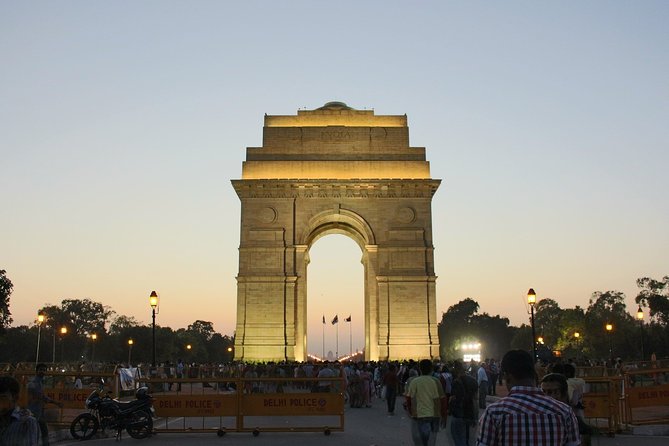
From there, the tour moves to India Gate, a war memorial near Rajpath. It’s modeled on the Arc de Triomphe style from Paris, but the story here is very local: it remembers soldiers of the British Indian Army who died in various wars. After that, you also get a stop at Parliament House (Sansad Bhavan), the working seat of India’s parliament—useful if you want a quick sense of where modern Delhi “happens.”
One note for your expectations: Delhi’s biggest spiritual and historical hits also include stops like Jama Masjid and time in Chandni Chowk (plus local food time). Even if you’re not there long, this tour’s layout gives you entry points to both the grand and the everyday sides of the city.
Other Agra runs out of Delhi worth a look




Getting oriented fast in Old Delhi: Chandni Chowk by tuk-tuk
The best way I’ve found to enjoy Old Delhi without getting stuck in traffic loops is to combine a quick ride with some short, focused walking. This tour includes a tuk-tuk ride in Chandni Chowk, which is perfect for zipping between busy lanes without losing the whole morning to stops and starts.
Chandni Chowk is all about texture: shopfronts, spices, street snacks, and crowds. You’ll get time to explore the market area and—based on how the tour is set up—fit in the kind of local bites that make the area memorable. My practical advice: go hungry enough to sample, but don’t expect a “sit-down meal” style experience. Think small tastes, quick breaks, and photos that are slightly blurred because you’re walking fast.
If you’re sensitive to noise or crowd density, pick your moments. A short ride and a limited walking window works well. And because your transport is already planned, you won’t burn your energy trying to negotiate your way back.
The Mughal shortcut: Humayun’s Tomb and why it matters
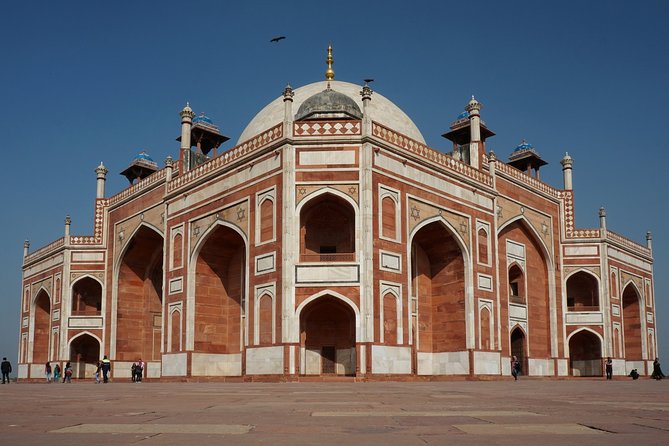
Day two is where Delhi gets more architectural and less tour-bus. Humayun’s Tomb is a UNESCO World Heritage site, and it’s often the moment people start seeing how Mughal design shaped north India. You’ll have about an hour there, with entry ticket time included.
What I love about this stop is how it sets up your understanding of Agra later. Humayun’s Tomb isn’t just a pretty monument—it’s part of the design evolution that eventually leads to the grand symmetry and garden logic you’ll see at the Taj Mahal. If you walk slowly, you can “read” the planning: the enclosure feel, the central emphasis, and how the space guides your attention.
After that, the schedule brings you back to the kinds of Delhi stops that balance the day: the tour includes Lotus Temple time again and a revisit to India Gate before the drive to Agra. That might sound like extra, but as a traveler strategy it’s useful: it keeps you from missing key landmarks due to traffic or timing issues and helps you match the order to your energy level.
The drive to Agra: hotel check-in that keeps the evening simple
Travel days are where trips can either fall apart or feel effortless. Here, the plan is straightforward: after Delhi sightseeing, you drive to Agra, and on arrival a local representative helps you check in to your hotel, then you rest and have dinner before an overnight stay.
Because your transportation is already handled by an A/C private car with a well-experienced chauffeur, you don’t have to worry about haggling, route planning, or losing time to transit mistakes. This matters on a multi-day trip, because one bad logistics day can wreck the next morning.
My advice for that first Agra evening: don’t try to pack in extra sights. Use the time to reset, hydrate, and plan what time you’ll want to be awake for the next morning’s Taj Mahal visit.
Taj Mahal sunrise: what the golf cart ride changes
Taj Mahal is the big reason most people come to Agra, and this tour is built around treating it like an experience, not a stamp-and-go checklist. You’ll start with an early morning visit, then return to the hotel for breakfast afterward.
The biggest practical win is the included golf cart ride at the Taj Mahal. That means less walking on hot stone and fewer chances to arrive exhausted before you’ve even seen the main view. If you’ve ever visited major sites where the “path” feels longer than the monument, you’ll appreciate why this small inclusion matters.
When you’re there, pay attention to the details your eyes might normally skip. The tour also includes a stop at a marble factory where you can see inlay work similar to what you’ve seen at the Taj. This is a smart add-on because it turns the Taj from an image into a process. Even if you’re not into craftsmanship as a hobby, seeing how the materials and inlay techniques work helps you understand why the monument looks so crisp even in bright light.
Plan to move slowly for at least part of the visit. The Taj feels best when you give your eyes time to adjust and your brain time to absorb the symmetry.
Worth putting side by side with this New Delhi pick:



Beyond the Taj: Agra Fort and Itmad-ud-Daula (Baby Taj)
After Taj Mahal, the tour shifts from romance to power and family storytelling.
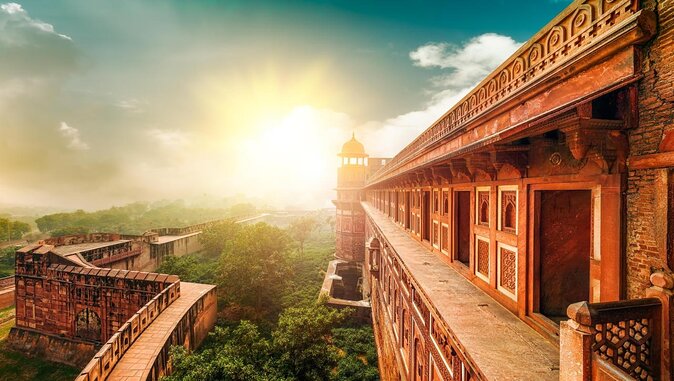
First is Agra Fort, a key structure in Indian history. You’ll have about an hour here, which is enough time to understand the setting and get a feel for why fort walls shaped daily life for rulers and communities.
Right after that, the tour includes a Red Fort visit as part of the same block. Agra Fort is the more famous “red fort” association for many people, so think of this as an additional fort-related stop tied to the fort area rather than a separate long excursion.
Then comes Itmad-ud-Daula, also known as Baby Taj. This stop works well because it’s a different mood: more intimate, more detailed, and often a calmer experience than the Taj itself. You’ll get around an hour, which is enough to enjoy the inlay and the refined look without feeling rushed.
If Taj is the headline, these two stops are the supporting cast that makes your visit feel “complete.” They help you understand that Agra isn’t just one monument—it’s a whole world of Mughal-era ambition.
Price and logistics: what’s included, what isn’t, and how to budget
At $138.67 per person for roughly 3 days, the value depends on what you would otherwise spend on your own. This price is doing a lot of work because it covers:
- 3N accommodation in double-sharing rooms
- All sightseeing and transfers by an exclusive A/C private car with chauffeur
- Airport pick-up and drop-off
- Private tour guide in each city
- Included touches like mineral water bottles in the car and umbrellas if needed
- Taj Mahal golf cart and tuk-tuk in Chandni Chowk
- Breakfast (2)
Here’s the part to plan carefully: monument entrance fees and camera fees aren’t included. So even if your day is covered for transport and guiding, you’ll still pay for ticketed entry as you go. That’s also true for camera fees, which can catch people by surprise.
Also not included are personal expenses like laundry, calls, drinks, and tips/gratuities. If you like to keep things simple, set a daily spending amount for lunch/snacks and small extras.
One more thing: the operator includes tickets for some stops in the itinerary notes, but since monument entrance fees are listed as not included overall, I’d treat that line as “pay at the site” until you confirm what’s actually covered for each monument.
What the guides and drivers add (and why it shows up in reviews)
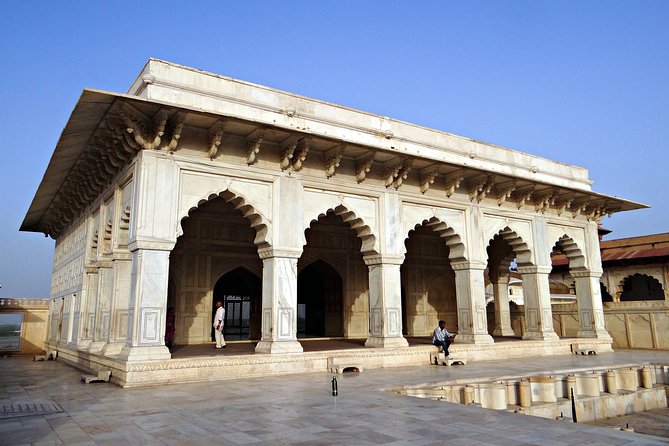
The difference between a good tour and a great one is often the guide’s pacing and the driver’s calm. From what I’ve seen in the way this tour gets described, the guides are professional and easy to work with, and the escorts help make the start feel organized.
One standout detail you might actually care about: at least one guide is noted as speaking Mandarin well, which can be a huge comfort if you prefer Chinese-language support. Another big theme is that the airport arrival, hotel check-in, and attraction escort steps are handled smoothly—so you’re not doing the “where do I go next” dance with jet lag.
Best for who: the people who will love this setup
This tour fits best if you:
- Want to see Delhi + Agra in 3 days without piecing everything together
- Prefer private guiding over jumping between groups
- Are okay with paying separate monument entrance and camera fees
- Like architecture and landmark design, not only street shopping
It’s also a good option for first-time India visits because the plan includes airport pick-up, a driver who handles transfers, and guided stops at the major sights. If you’re traveling as a couple, the double-sharing room can keep the per-person price reasonable while still giving you private guide attention.
Should you book this Delhi and Agra duo?
Yes, if your top priority is a smooth, organized route and you want the big sights timed well—especially Taj Mahal early. The included golf cart ride, private guides, and door-to-door transport do real work for your comfort and time.
I’d skip it (or at least confirm the ticket coverage) if you hate unpredictable extra costs, because entrance fees and camera fees are not included. Also, if you want a deep-dive India experience with long stops in one place, three days can feel tight.
FAQ
FAQ
Is this a private tour or a group tour?
It’s a private tour/activity, and only your group will participate.
How long is the Delhi and Agra experience?
The duration is about 3 days.
Do you include airport pick-up and drop-off?
Yes. Airport pick-up and drop-off are included by an exclusive A/C car with a chauffeur.
What’s included with accommodation and meals?
You get 3 nights of accommodation in a double-sharing room (if you choose the all-inclusive option from tier pricing) and breakfast for 2 days. Other meals are not included.
Are monument entrance fees included?
No. Monument entrance fees and camera fees at monuments are listed as not included.
What transport is provided between Delhi and Agra?
All sightseeing and transfers are done by an exclusive A/C private car with a well-experienced chauffeur.
Are any transport extras included at major sights?
Yes. There’s a golf cart ride at the Taj Mahal and a tuk-tuk ride in Delhi’s Chandni Chowk.
What do I need to know about tickets and confirmation?
You should receive confirmation at the time of booking, and a mobile ticket is included.
More 3-Day Experiences in New Delhi
- 3-Day Delhi, Agra and Jaipur Private Tour – India Golden Triangle
★ 5.0 · 812 reviews - 3-Day Private Luxury Golden Triangle Tour to Agra and Jaipur From New Delhi
★ 5.0 · 424 reviews - 3-Day Luxury Golden Triangle Tour: New Delhi, Agra & Jaipur
★ 5.0 · 246 reviews - Award-Winning 3-Day Private Golden Triangle Tour of India
★ 5.0 · 240 reviews - 3 Days 2 Night Golden Triangle Tour – Private Luxury Experience
★ 5.0 · 191 reviews
More Tour Reviews in New Delhi
- Old & New Delhi City Tour – Half or Full Day Options Available
★ 5.0 · 4,811 reviews - Half Day Private Delhi City Tour
★ 5.0 · 4,474 reviews - Same Day Taj Mahal, Agra Fort & Baby Taj Tour from Delhi by Car
★ 5.0 · 4,304 reviews - Taj Mahal Day Tour from Delhi by Superfast Train – TOP RATED TOUR
★ 5.0 · 4,166 reviews - Delhi: Old and New Delhi Private Full or Half-Day Tour
★ 4.9 · 3,776 reviews
More Agra Day Trips out of Delhi
- Same Day Taj Mahal, Agra Fort & Baby Taj Tour from Delhi by Car
★ 5.0 · 4,304 reviews - Full Day Taj Mahal, Agra Fort & Baby Taj Tour from Delhi by Car
★ 5.0 · 3,647 reviews - From Delhi: Taj Mahal & Agra Private Day Trip with Transfers
★ 4.9 · 3,181 reviews - From Delhi: Taj Mahal and Agra Fort Private Sunrise Tour
★ 4.9 · 2,270 reviews - Sunrise Taj Mahal, Agra Fort & Baby Taj Tour from Delhi by Car
★ 5.0 · 2,243 reviews
Just added: more New Delhi reviews to browse
- 4 days Golden Triangle Tour★ 5.0 · 3 reviews
- Discover Old & New Delhi: Private Tour with Street Food★ 5.0 · 3 reviews
- Taj Mahal Tour From Delhi By Private Car★ 4.5 · 3 reviews
- Golden Triangle Tour 5 Days★ 5.0 · 3 reviews
- Taj Mahal: Express Entry Ticket For Sunset Tour with guide★ 5.0 · 3 reviews
- Agra Taj Mahal Sunrise & Sunset Tour from Delhi★ 5.0 · 3 reviews
Agra Day Trips from Delhi, compared.
 ★ 5.0Same Day Taj Mahal, Agra Fort & Baby Taj Tour from Delhi by CarFrom $624,304 reviews
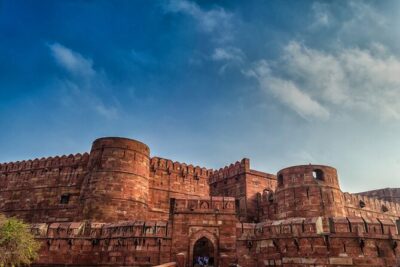 ★ 5.0Full Day Taj Mahal, Agra Fort & Baby Taj Tour from Delhi by CarFrom $623,647 reviews
 ★ 4.9From Delhi: Taj Mahal & Agra Private Day Trip with TransfersFrom $43,181 reviews
 ★ 4.9From Delhi: Taj Mahal and Agra Fort Private Sunrise TourFrom $592,270 reviews
 ★ 5.0Sunrise Taj Mahal, Agra Fort & Baby Taj Tour from Delhi by CarFrom $622,243 reviews
 ★ 5.0Taj Mahal and Agra Private Car Tour from Delhi with 5* LunchFrom $331,633 reviews
 ★ 4.9From Delhi: Private Taj Mahal and Agra Tour by Express TrainFrom $751,605 reviews
 ★ 5.0Taj Mahal, Agra Fort, Baby Taj Tour from Delhi by Superfast TrainFrom $751,494 reviews