
Reviewed · HARIDWAR & RISHIKESH DAY TRIPS FROM DELHI
Divine Ganga Aarti in Haridwar and Rishikesh Tour
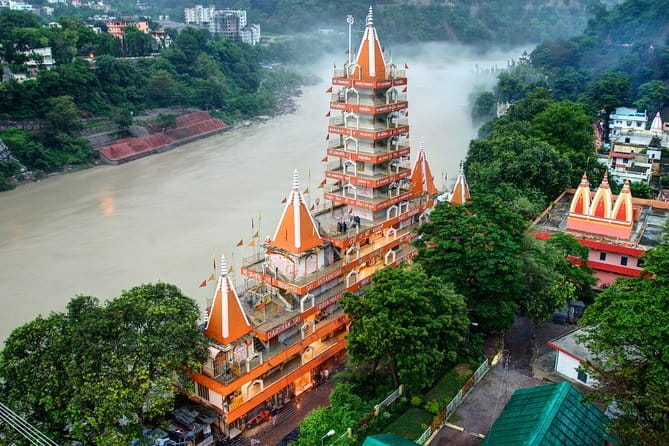
Fire on the river at dawn. This 4-day Divine Ganga Aarti tour puts you right on the Ganga’s steps for the Ganga aarti at sunrise and sunset, with priests, chants, and huge flames moving in steady clockwise motions. I especially like the scale and drama at Har Ki Pauri, and I like that the route pairs the ceremony with hilltop temples and then slows down in Rishikesh. The one catch: it’s a holy-crowd scene with steps and some climbing, so you’ll want comfortable shoes and a moderate fitness level.
You get a practical setup for the whole trip: pickup and drop support, a local tour guide, and all transfers by private AC vehicle. You’ll also start each day with daily buffet breakfast at your hotel, and the meals are kept pure vegetarian. The only downside is that food and drinks beyond breakfast aren’t included, so you’ll budget for that if you want extra snacks or drinks.
If you’re the type who likes authentic rituals more than rushed sightseeing, this works well. Dress smart casual, keep your phone charged for photos during low light, and arrive ready to pay attention to small details like lamp offerings and the rhythm of chanting.
In This Review
- Key highlights at a glance
- Har Ki Pauri Ganga Aarti: where fire meets ritual
- Haridwar by the Ganges: ghats, lamps, and one landmark stop
- Mansa Devi Temple and Chandi Devi Temple: hilltop views, temple energy
- Saptrishi Ashram on the Ganga: the seven-sages idea
- Moving to Rishikesh: yoga-city calm after Haridwar
- Ram Jhula and Swarg Ashram: the bridge and the sanctuary feel
- Value, timing, and what $490 covers (and what it doesn’t)
- What to wear and how to pace yourself on holy-river days
- Who this tour suits best
- Should you book the Divine Ganga Aarti in Haridwar and Rishikesh Tour?
- FAQ
- How long is the Divine Ganga Aarti in Haridwar and Rishikesh tour?
- What is the price per person?
- Does the tour include pickup and drop-off assistance?
- Where does the tour take you?
- Is breakfast included?
- Are temple tickets included for Mansa Devi, Chandi Devi, and Saptrishi Ashram?
- Is food included during the day?
- Is the tour private?
- What should I wear?
- What happens if weather is bad?
Key highlights at a glance
- Sunrise and sunset aarti on the Ganga’s ghats, timed for real spiritual light
- Har Ki Pauri with lamp-float moments and thick, local energy
- Two hilltop temple climbs in Haridwar: Mansa Devi and Chandi Devi
- Saptrishi Ashram tied to the seven-sages story and the Ganga’s seven-stream myth
- Rishikesh focus on yoga-and-meditation atmosphere around Swarg Ashram
- Private group format with a local guide and only your party on the tour
Har Ki Pauri Ganga Aarti: where fire meets ritual
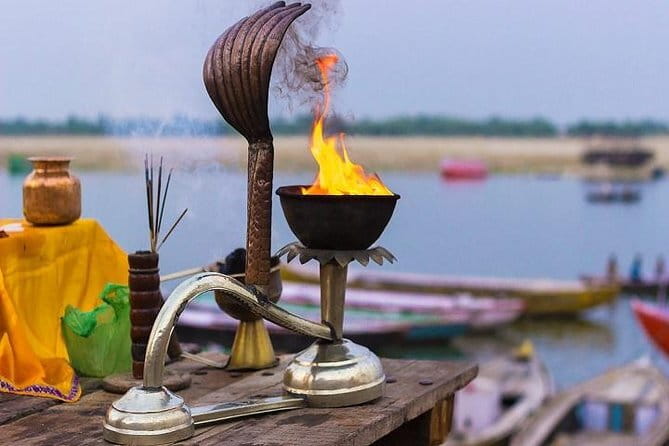
The heart of this trip is watching the Ganga aarti on the banks of the Ganges at Har Ki Pauri. This isn’t a show built for tourists; it’s a daily religious moment, and you’ll feel that in the way everything moves—oil lamps lit, big flames rising and lowering, and priests offering them to God while loud chants roll across the river steps. The visual is intense: hundreds of devotees and visitors gather on the ghats, and the rhythm feels bigger than any single person’s experience.
What makes it so worth your time is the mixture of perspectives. You see the ceremonial focus of the priests, but you also get the lived-in reality of the crowd: people arriving with devotion, families finding space near the steps, and tourists quietly learning by watching. If your goal is photography, this is one of the best types of moments to shoot—firelight, motion, and river reflections give you natural contrast. Just be mindful: don’t block the walkway, don’t step onto ritual space, and keep your camera down when the chanting peaks.
Timing tip: the tour is built around the idea that the aarti happens every day at sunrise and sunset, so you’ll want to treat your schedule like a ritual too. Wake up on time. Go with calm expectations. When the flames appear, they look even more dramatic because the light is low and the chants are loud.
A possible drawback is crowd flow. Steps, rails, and narrow viewing areas can get packed. If you don’t like tight spaces, stand where you can exit easily and plan for slower movement.
To the Ganges and back: more Haridwar and Rishikesh runs

Haridwar by the Ganges: ghats, lamps, and one landmark stop
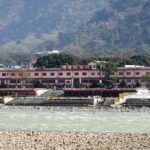
Haridwar is where the Ganges exits the Himalayan foothills, and the city’s identity is tied to that daily flow. During your time there, you’ll spend time at Har Ki Pauri and the Har Ki Pauri Marg area. Think of these stops as your anchor: the main ghat you’ll recognize instantly, plus a short stretch that helps you orient yourself along the river.
One of the most memorable details here is the lamp element. The ceremony includes tiny flickering lamps offered from the steps, which can be floated off depending on the moment you’re there for. Even if you’re not participating, you’ll see how the crowd reacts to each wave of devotion—people lean forward, watch closely, and then let the river carry the offering away. It’s one of those scenes that’s easy to understand without needing translation.
Haridwar also matters because major festivals like Kanwar Mela draw huge attention here. Even outside festival time, the city feels “in use,” not staged. That’s the real value: you’re not just seeing religion from the side; you’re seeing how it functions as part of daily life.
Practical note: your schedule includes both the main ghat experience and nearby river time. That’s good, because it prevents the all-or-nothing problem—if you only catch the peak, you can miss the calm before the flames. With this format, you have a little breathing room.
Mansa Devi Temple and Chandi Devi Temple: hilltop views, temple energy
After the river, the trip shifts upward—to Bilwa Parvat for Mansa Devi Temple and to Neel Parvat for Chandi Devi Temple. Both are dedicated to Hindu goddesses and are located on Sivalik Hills, which are the southernmost mountain chain of the Himalayas.
Here’s why these temple stops work: they change the whole pace. The ghats are about crowds, water, fire, and sound. The hill temples are about elevation, sightlines, and quieter focus. You’ll likely feel the shift immediately as the air changes and the walk ramps up. These temples are on top of hills, so expect stairs or a climb route rather than a flat stroll.
Tickets for these temple visits aren’t included, so plan for that extra cost. The good side is that these temples don’t require you to understand every ritual to appreciate the place. Standing on a hill while the day’s light moves across the region gives you a different kind of connection to Haridwar—less river-level, more panoramic and spiritual.
Consideration: temple sites mean different footwear rules. Choose shoes you can trust on uneven ground, and keep your smart-casual outfit practical. If you’re sensitive to steep walks, go slowly and allow time.
Saptrishi Ashram on the Ganga: the seven-sages idea
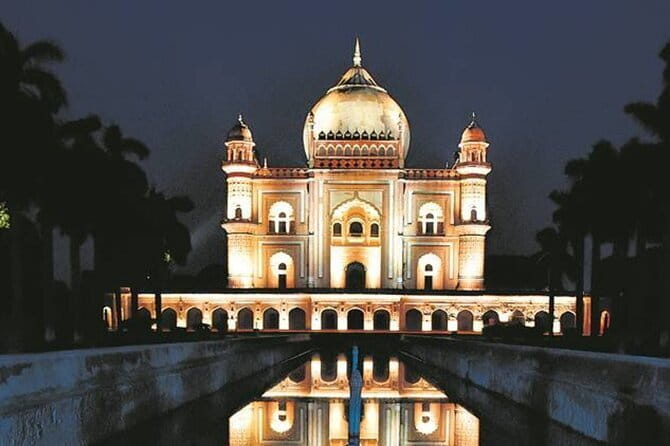
Next comes Saptrishi Ashram, named after the myth where seven great sages—Vashishth, Kashyap, Atri, Vishwamitra, Gautam, Bharadwaja, and Jamadagni—are said to have meditated here. The ashram also links to a powerful river story: the Ganga is believed to split into seven different streams at this point, called sapto sarovars.
This stop is valuable because it adds meaning to the river beyond the aarti. Yes, the Ganga is a living worship space. But it’s also a sacred geography, where specific places have specific stories. You’ll see why people treat even a shoreline location like this as a spiritual destination.
Ticket for Saptrishi Ashram isn’t included, so budget for it if you want to go inside the compound areas connected with the site. Time at this stop is about an hour, which is usually enough for a slow look and a moment to absorb the setting without turning it into a rushed checklist.
What to expect: the ashram is located on the bank of the Ganga, so you’ll still be close to water and river air. The vibe tends to feel more contemplative than the main ghats, which helps balance the intensity of the aarti and the climb of the hill temples.
Moving to Rishikesh: yoga-city calm after Haridwar
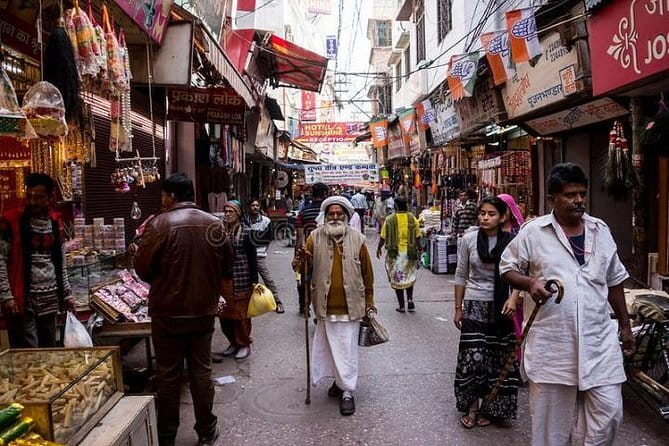
Rishikesh is the next step on the spiritual map—Himalayan foothills, Ganga along one side, and a strong reputation for yoga and meditation studies. Your tour includes time here and focuses on the temple-and-ashram stretch along the eastern bank around Swarg Ashram, which is known as a traffic-free, alcohol-free, vegetarian enclave upstream from town.
This matters because it lets you shift from intense ceremony mode into a more grounded, slower rhythm. In practical terms, it’s easier to wander and observe without the constant interruptions of traffic. And in spiritual terms, it reinforces the idea that Rishikesh is more than a stopover; it’s a place people choose to learn and practice.
You’ll have guided time in Rishikesh, but the structure is flexible enough to let you absorb the atmosphere. If you like the idea of trying a yoga class, Rishikesh is the right kind of place to look around on your own. Just remember that optional activities aren’t included, so you’d pay separately.

Ram Jhula and Swarg Ashram: the bridge and the sanctuary feel

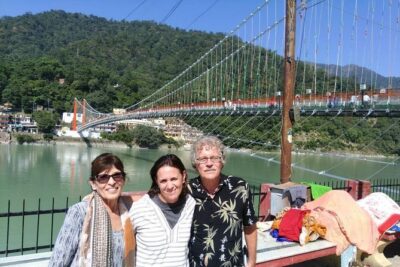
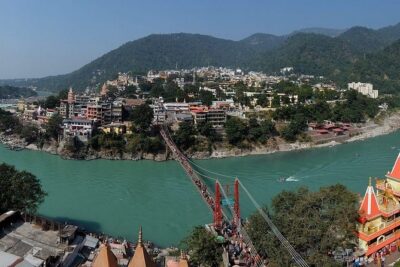
No trip like this feels complete without Ram Jhula, an iron suspension bridge across the Ganga. You’ll spend time there, and it’s one of those viewpoints that instantly tells you you’re in Rishikesh. Bridges change your perspective: you look across the river and suddenly the whole town layout makes more sense—temples, ghats, and ashram areas along the opposite bank.
From there, the tour focuses on Swarg Ashram. This ashram was built in memory of Swami Vishudhanand, also known as Kali Kamli Wala (the saint with a black blanket). Swarg Ashram is especially popular with foreign visitors, but you’re not walking into a theme park. It’s still a religious space, and several religious activities like chanting, meditation, and aarti take place inside.
What I like about Swarg Ashram is that it reflects the real mix of Rishikesh today: locals and international visitors living side-by-side around the same sacred river. Even if you don’t join every practice, you’ll feel the difference in energy compared to Haridwar’s main ghats.
Photo tip: bridge + ashram areas give you layered compositions—people on pathways, river lines, and temple rooftops. Keep your distance during any chant sessions and don’t block the route.
Value, timing, and what $490 covers (and what it doesn’t)
At $490 per person, the value here comes from how the trip is packaged, not just the destinations. You’re paying for:
- pickup and departure assistance
- 3 nights of hotel accommodation
- daily buffet breakfast
- all transfers and sightseeing by private AC vehicle
- a local tour guide
- all tolls, parking, fuel, taxes, and handling charges
That’s a big deal in this region. The Haridwar and Rishikesh locations are spread out, and ghats plus hill temples plus bridge time can turn into chaos if you try to self-organize. The private vehicle removes most of that friction. And having a guide matters at the aarti and temple stops, where cultural context makes the experience feel less like watching and more like understanding.
What isn’t included is also worth noting: food and drinks beyond breakfast, plus any optional ride or adventure activity. Temple admissions for Mansa Devi, Chandi Devi, and Saptrishi aren’t included. If you want extra meals at cafes or bottled drinks during the day, you’ll pay out of pocket.
Also, it’s designed to run in all weather conditions, but the experience requires good weather, so if the operator has to reschedule due to conditions, you’ll need to be flexible.
My practical take: if you value a guide, private transport, and smooth timing around sunrise/sunset aarti, the price starts to make sense. If you’re the DIY type who already plans local transport and doesn’t care about explanations, you might spend less on your own. But most people come to this area specifically because they want the ritual experience handled well.
What to wear and how to pace yourself on holy-river days

This is a ritual-focused trip, so comfort beats style. Dress code is smart casual. For your body, think practical: shoes with grip for steps and temple routes. Plan for morning and evening sessions by allowing buffer time—crowds at ghats don’t move like traffic on a highway.
You also want a moderate physical fitness level. Temple hills can mean stairs and uneven paths. You’ll be fine if you pace yourself, but if you’re used to only flat walking, take it slow and let the guide know early.
Because the trip includes both Haridwar and Rishikesh, you’ll also feel temperature shifts. Sunrise can be cool, and evenings can change fast. Pack a light layer.
And one more detail: meals are pure vegetarian. That’s helpful if you’re trying to avoid guesswork while traveling. Still, because lunch and dinner aren’t included, you might want to check with your hotel staff or your guide for where to eat without wasting time.
Who this tour suits best
This tour fits you if you want a spiritual experience that’s organized and explained, not just visited. It’s especially good for:
- couples or small families who prefer private time with a guide
- photographers who want sunrise/sunset aarti moments
- first-time visitors to Haridwar and Rishikesh who want the main stops without planning headaches
- people who like a blend: river ceremony first, then temple and then calmer ashram life
It may not be ideal if you hate crowds or you’re uncomfortable with steps and hill climbs. The tour is private and only your group participates, which helps, but you’re still visiting major religious sites where foot traffic is part of the deal.
Should you book the Divine Ganga Aarti in Haridwar and Rishikesh Tour?
I’d say yes if your main goal is to witness the Ganga aarti properly and you want the rest of the trip to feel coherent: Haridwar ghats and hill temples, then Rishikesh’s yoga-and-meditation world around Ram Jhula and Swarg Ashram.
Book it when you:
- want a local guide to explain what you’re seeing
- prefer private transfers over negotiating transport
- can handle an early schedule for sunrise (and a second session around sunset)
Skip it or adjust expectations if you:
- need a fully included food plan (lunch and dinner are on you)
- avoid any walking on hills or stairs
If you can handle a little climb and you’re ready to focus during the chanting and lamp rituals, this tour is a strong way to experience the Ganga’s spiritual side with less stress.
FAQ
How long is the Divine Ganga Aarti in Haridwar and Rishikesh tour?
It runs for about 4 days.
What is the price per person?
The price is $490.00 per person.
Does the tour include pickup and drop-off assistance?
Yes. Arrival and departure assistance is included, along with all transfers and sightseeing by private AC vehicle.
Where does the tour take you?
You’ll visit Haridwar and Rishikesh, including stops such as Har Ki Pauri, Mansa Devi Temple, Chandi Devi Temple, Saptrishi Ashram, Ram Jhula, and Swarg Ashram.
Is breakfast included?
Yes. Daily buffet breakfast is included in the hotel stay.
Are temple tickets included for Mansa Devi, Chandi Devi, and Saptrishi Ashram?
No. Admission tickets for those temples/ashram are not included. Har Ki Pauri-related stops are listed as free.
Is food included during the day?
Only breakfast is included. Food and drinks are not included unless specified, though pure vegetarian meals are offered.
Is the tour private?
Yes. It’s a private tour/activity, and only your group will participate. A minimum of 2 people is required per booking.
What should I wear?
The dress code is smart casual. You should also dress appropriately for weather since the tour operates in all weather conditions.
What happens if weather is bad?
The experience requires good weather. If it’s canceled due to poor weather, you’ll be offered a different date or a full refund.
More Tours in New Delhi
- Old & New Delhi City Tour – Half or Full Day Options Available
★ 5.0 · 4,811 reviews - Half Day Private Delhi City Tour
★ 5.0 · 4,474 reviews - Same Day Taj Mahal, Agra Fort & Baby Taj Tour from Delhi by Car
★ 5.0 · 4,304 reviews - Taj Mahal Day Tour from Delhi by Superfast Train – TOP RATED TOUR
★ 5.0 · 4,166 reviews - Delhi: Old and New Delhi Private Full or Half-Day Tour
★ 4.9 · 3,776 reviews
More Tour Reviews in New Delhi
- Old & New Delhi City Tour – Half or Full Day Options Available
★ 5.0 · 4,811 reviews - Half Day Private Delhi City Tour
★ 5.0 · 4,474 reviews - Same Day Taj Mahal, Agra Fort & Baby Taj Tour from Delhi by Car
★ 5.0 · 4,304 reviews - Taj Mahal Day Tour from Delhi by Superfast Train – TOP RATED TOUR
★ 5.0 · 4,166 reviews - Delhi: Old and New Delhi Private Full or Half-Day Tour
★ 4.9 · 3,776 reviews
To the Ganges: Haridwar and Rishikesh
- Private Haridwar and Rishikesh Day Tour from Delhi- All Inclusive
★ 5.0 · 357 reviews - Private Day Trip to Haridwar and Rishikesh from Delhi by Car
★ 5.0 · 43 reviews - Private Rishikesh and Haridwar Tour from Delhi
★ 4.5 · 42 reviews - Full-Day Private Tour in Rishikesh & Haridwar
★ 5.0 · 32 reviews - Moderate Himalayan Treks Near Rishikesh From Delhi
★ 5.0 · 21 reviews
Just added: more New Delhi reviews to browse
- 4 days Golden Triangle Tour★ 5.0 · 3 reviews
- Discover Old & New Delhi: Private Tour with Street Food★ 5.0 · 3 reviews
- Taj Mahal Tour From Delhi By Private Car★ 4.5 · 3 reviews
- Golden Triangle Tour 5 Days★ 5.0 · 3 reviews
- Taj Mahal: Express Entry Ticket For Sunset Tour with guide★ 5.0 · 3 reviews
- Agra Taj Mahal Sunrise & Sunset Tour from Delhi★ 5.0 · 3 reviews
Haridwar & Rishikesh Day Trips from Delhi, compared.
 ★ 5.0Private Haridwar and Rishikesh Day Tour from Delhi- All InclusiveFrom $18357 reviews
 ★ 5.0Private Day Trip to Haridwar and Rishikesh from Delhi by CarFrom $8043 reviews
 ★ 4.5Private Rishikesh and Haridwar Tour from DelhiFrom $11542 reviews
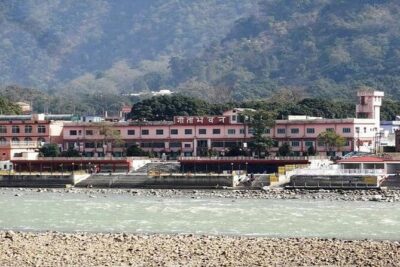 ★ 5.0Full-Day Private Tour in Rishikesh & HaridwarFrom $8532 reviews
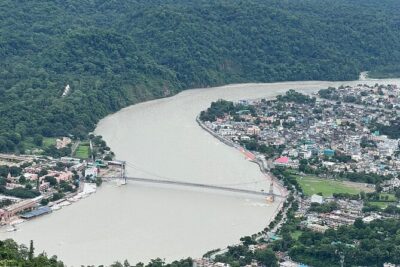 ★ 5.0Moderate Himalayan Treks Near Rishikesh From DelhiFrom $35021 reviews
 ★ 5.010 Days Private Golden Triangle Tour with Amritsar and RishikeshFrom $58816 reviews
 ★ 5.06-Day Rishikesh & Haridwar Spiritual Tour from DelhiFrom $39712 reviews
 ★ 3.5Affordable transfer from Delhi to RishikeshFrom $3511 reviews
Browse the lists this tour appears in