

Reviewed · GOLDEN TRIANGLE TOURS
From Delhi: 3 Days Private Golden Triangle India Tour
Golden Triangle in three days feels like a sprint. This private tour still keeps it human, with private guides and pickup/drop-off that cut the stress and let you focus on the big sights. You’ll hit UNESCO sites like Qutub Minar, Amber Fort, Jantar Mantar, plus sunrise timing for the Taj Mahal.
Two things I really like: first, the itinerary is built around the places that matter most for first-timers, from Humayun’s Tomb to Hawa Mahal. Second, the guiding style is practical and flexible—people in my orbit loved how guides like Tarun, Praveen, and Anorag adjusted things when interests shifted, and how the driver Omveer made the long drives feel smooth instead of exhausting.
One thing to consider: entrance tickets aren’t included, so your final total will depend on which monuments you pay for and how many stops you add (the tour description also mentions Fatehpur Sikri and Jal Mahal). Also, Taj Mahal and Lotus Temple have regular weekly closures, so your dates matter.
In This Review
- Key Highlights You’ll Care About
- How the Private Golden Triangle Works (And Why It’s Good Value)
- Day 1 in Delhi: Tombs, Towers, and a Calm Reset
- Humayun’s Tomb: Mughal grandeur with breathing room
- Qutub Minar: UNESCO drama in stone
- Lotus Temple: free entry, but don’t ignore closures
- India Gate and Parliament House: quick, political, and photographic
- Day 1 reality check
- Day 2: Sunrise Taj Mahal and Agra Fort Without the Chaos
- Taj Mahal at sunrise: the point of no excuses
- Agra Fort: where power lived
- A practical tip you’ll thank yourself for
- Day 3 in Jaipur: Fort Views, Royal Buildings, and Windy Angles
- Amber Fort: hilltop drama and guided details
- City Palace of Jaipur: the royal home base
- Jantar Mantar: astronomy tools you can actually see
- Hawa Mahal: the Palace of Wind in quick form
- Back to Delhi (and why timing matters)
- Fatehpur Sikri and Jal Mahal: what to confirm
- Guides and Driver: the real secret sauce
- What to Pack and How to Plan Your Days
- Who This Tour Suits Best
- Price, Value, and the Real Cost Picture
- So, Should You Book This Private 3-Day Golden Triangle?
- FAQ
- FAQ
- What cities are included in this 3-day Golden Triangle tour?
- Is hotel pickup and drop-off included?
- Is breakfast included?
- Are monument entrance tickets included?
- How does Taj Mahal timing work on this tour?
- Are sites like the Lotus Temple open every day?
Key Highlights You’ll Care About

- Sunrise Taj Mahal planning so you’re not stuck watching a crowd lineup for hours
- UNESCO-heavy route with Qutub Minar, Amber Fort, Jantar Mantar, and more
- Private, driver-led transport in a sedan (1–2 people) or SUV (3–5 people)
- Multiple guide changes across cities, so each day feels like a local briefing
- Two breakfasts included, which helps on early-start days
- Lotus Temple and Taj Mahal weekly closures that can affect timing
How the Private Golden Triangle Works (And Why It’s Good Value)
This is a classic Golden Triangle setup—Delhi, Agra, Jaipur—packed into three days with private local guides and your own car. What makes it feel like more than a basic sightseeing list is the structure: you get early starts, city-to-city logistics handled, and a guide in the driver’s seat on what to notice.
Let’s talk value. The headline price is $150 per person, which sounds simple until you break down what’s usually expensive in India tours: hotel transfers, guide time, and in-between transport. Here you also get two nights of accommodations (if you choose the option) and breakfast for 2 days, plus hotel or airport pickup and drop-off. The only thing that’s clearly extra is monument entrances.
That means if you’re the type who wants to see the big sights without getting tangled in ticket lines, taxi negotiations, or routing headaches, this is likely a good fit. If you’re the type who loves building your own schedule from scratch, you might find a DIY plan cheaper—but you’ll also spend more time managing it.
Delhi, Agra and Jaipur: more full circuits



Day 1 in Delhi: Tombs, Towers, and a Calm Reset
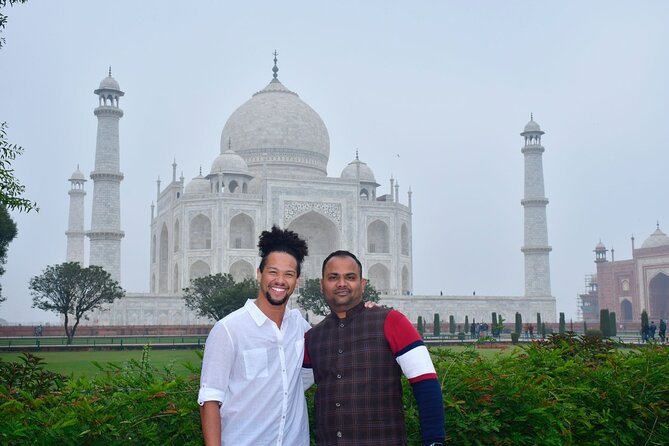
Day 1 is a strong opener because it layers different eras of Delhi architecture without asking you to rush through everything at full intensity. Your stops are mostly short-to-medium timed blocks, so you get breaks and you’re not stuck inside a single monumental site all day.
Humayun’s Tomb: Mughal grandeur with breathing room
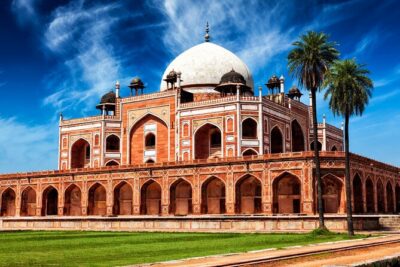
Humayun’s Tomb is a Mughal-era landmark commissioned in 1569–70. The guide-led visit is where you’ll learn the basics that make the place click—why it was commissioned by Empress Bega Begum, and how Persian architects were involved. Plan for about one hour here.
This stop is also a nice pace-setter. After a long day of travel or jet lag, you can absorb the details without feeling like you’re sprinting. If you’re into symmetry, garden layouts, and Mughal design language, you’ll likely find this one rewarding.
Qutub Minar: UNESCO drama in stone
Qutub Minar is one of the most famous towers of the Delhi Sultanate period, and it’s UNESCO-listed. Your time here is about one hour, and a guide can help you spot what makes it important beyond the photo you’ll take.
One consideration: entrance tickets aren’t included, so you’ll want to budget for monument fees in general. Still, this is one of those stops that pays off early. Once you see Qutub Minar, the rest of your “Delhi architecture” brain starts working in the right direction.
Lotus Temple: free entry, but don’t ignore closures
The Lotus Temple (also called the Bahai Temple) is listed as free, with about one hour allotted. There’s one catch: it remains closed on Mondays.
If your tour dates land on a Monday, you should expect the schedule to shift. Since this is private, the provider can usually adapt, but don’t assume it will be magically open on the day you arrive—check your exact date before you count on it.
More private days with a guide of your own
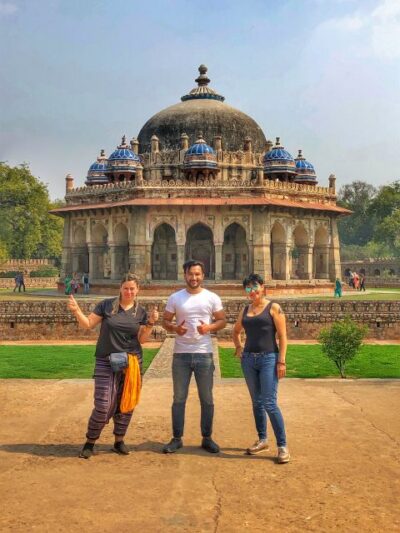

India Gate and Parliament House: quick, political, and photographic
You’ll also pass India Gate (a war memorial, inaugurated in 1931) and the Parliament House area. These are short stops—30 minutes for India Gate and about 20 minutes for Parliament House.
These stops work best as context. They help you understand that Delhi isn’t just monuments and forts. It’s also a functioning political city. If you’re low on energy, these time blocks are friendly because you can keep the day moving.
Day 1 reality check
Day 1 doesn’t include one mega-ticket anchor like the Taj Mahal. Instead, it gives you a foundation: style, era, and city layout. It’s a good strategy on a short schedule.
Day 2: Sunrise Taj Mahal and Agra Fort Without the Chaos
If Day 2 goes well, your whole trip feels successful. The tour is built around waking early for a sunrise view of the Taj Mahal, then doing a guided visit inside for roughly two hours.
Taj Mahal at sunrise: the point of no excuses
The Taj Mahal is famous, yes. But sunrise changes the experience. You’re there before the day fully heats up and before the crowds feel at their peak. That matters for photos, walking comfort, and just plain atmosphere.
Two important date notes:
- The Taj Mahal remains closed every Friday.
- Entrance tickets are not included, so plan budget accordingly.
With a guide, you’ll get more out of the visit than just seeing the white marble. The value is in knowing what details to look for and why certain elements were designed the way they were.
Agra Fort: where power lived
After Taj Mahal, you return for breakfast, check out of your hotel, then move on to Agra Fort. You’ll spend about one hour there, with a guide to explain the history and architecture.
Agra Fort is a UNESCO-listed site, and it pairs well with the Taj Mahal. The Taj shows the outcome. Agra Fort shows the setting—how ruling power was protected and expressed. If you like a “before and after” story, this pairing gives you that.
A practical tip you’ll thank yourself for
Keep your day light on extra shopping stops. Day 2 is the densest day. If you add too much, you’ll start to feel the trip squeeze. With a private guide and car, you can still slow down, but it’s smarter to save your energy for the main sights.
Day 3 in Jaipur: Fort Views, Royal Buildings, and Windy Angles
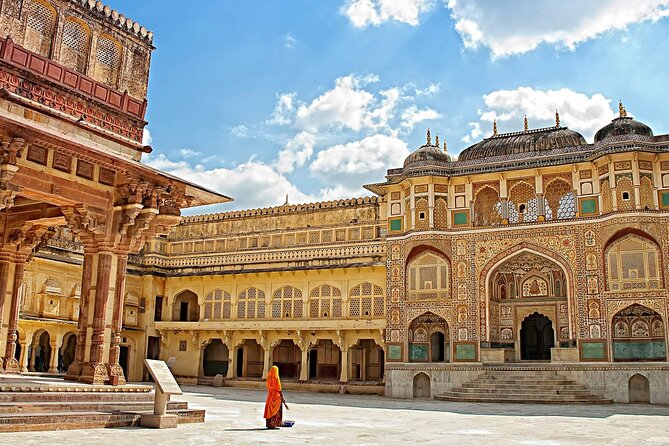
Day 3 is Jaipur’s greatest hits: Amber Fort, City Palace, Jantar Mantar, and Hawa Mahal. The day is guided, so you’ll spend your time learning what to notice instead of figuring it out alone.
Amber Fort: hilltop drama and guided details
Amber Fort is set on a hill, and your visit is about two hours. This longer time slot is smart because Amber Fort rewards slow looking: gateways, courtyards, and the overall view from the top.
Entrance tickets aren’t included, so again, keep monument fees in mind. But you’re getting guided time for the core experience, which is where the added value lives.
City Palace of Jaipur: the royal home base
Next is the City Palace of Jaipur, with about one hour. The guide helps connect the palace’s role as a Maharaja’s residence to what you see in front of you.
This stop works well after Amber Fort. Forts are defensive and dramatic. City Palace is more about daily power and court life. The contrast makes your understanding feel more complete.
Jantar Mantar: astronomy tools you can actually see
Jantar Mantar is a set of 19 architectural astronomical instruments, built under Rajput King Sawai Jai Singh. You’ll have about one hour here.
If you think astronomy is just math, Jantar Mantar will change that. It’s science built out of stone and geometry, made to measure and observe. This is also UNESCO-listed, which is a helpful clue that the site matters beyond local fame.
Hawa Mahal: the Palace of Wind in quick form
Hawa Mahal is scheduled for about 30 minutes. It was built in 1799 by Maharaja Sawai Pratap Singh so women of the royal household could observe streets outside while staying hidden.
This stop is short for a reason: it’s designed to be seen from angles. If you get even a little time to position yourself, you’ll understand why it’s iconic.
Back to Delhi (and why timing matters)
After Jaipur city sightseeing, you drive back to Delhi and get dropped off at either the airport, railway station, hotel, or another desired location in Delhi, Noida, or Gurugram. That flexibility helps if you have a late flight or a next-day train.
Fatehpur Sikri and Jal Mahal: what to confirm
The tour description highlights Fatehpur Sikri and Jal Mahal. Fatehpur Sikri is described as a deserted city, and Jal Mahal sits in the middle of Man Sagar Lake.
Your day-by-day schedule you’ll use for planning is focused on Delhi, Agra, and Jaipur stops. So before you lock in your calendar, ask whether Fatehpur Sikri and Jal Mahal are included for your exact dates, and where they fit. On a short 3-day trip, there’s only so much time, and it’s worth confirming the final routing so you don’t feel like something “should have been there.”
Guides and Driver: the real secret sauce
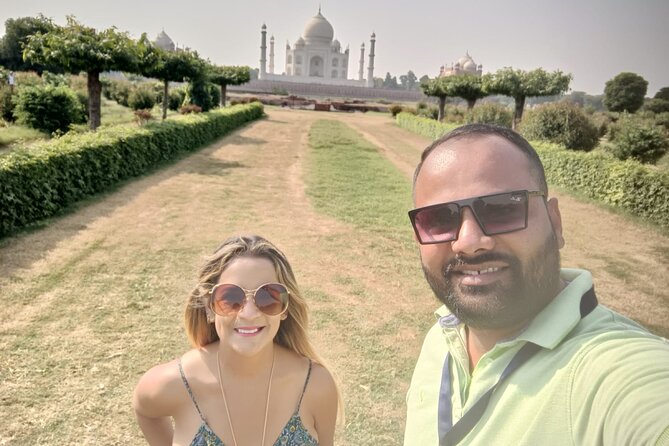
In a tour like this, guides make the difference between seeing monuments and actually understanding them. In the feedback that shaped this review, three guide names came up often: Tarun, Praveen, and Anorag. People liked how welcoming they were and how open they were to discussing changes if you want to add or swap something.
There was also strong praise for the driver Omveer. The key point isn’t just driving skill; it’s pace. When your driver helps the trip run smoothly, your energy stays available for the sites instead of being spent on traffic stress.
What to Pack and How to Plan Your Days
You’ll be walking at several sites, and you’ll do at least one early start for sunrise. Plan for sun and heat even in the mornings, and wear shoes you can trust on uneven ground.
Also, remember that entrance fees are not included. If you prefer not to think about money at each stop, set aside a rough budget for monument tickets. It’s the one cost category you can’t ignore, and it’s better to be ready than surprised.
If you’re sensitive to crowds, sunrise timing helps, but you’ll still be in high-interest places. Having a guide means you can use your time efficiently—spending more minutes looking at the right things and less time wandering.
Who This Tour Suits Best
This is a good match if you:
- Want a private Golden Triangle with guides in every city
- Prefer not to coordinate transport between Delhi, Agra, and Jaipur yourself
- Like having a plan but still want the flexibility to adjust details
- Are on a tight schedule and want the major UNESCO hits
It’s less ideal if you:
- Have your heart set on a very specific order of monuments and don’t want any routing changes
- Want entrance tickets included in the price (here, they are not included)
- Travel on a Friday (Taj Mahal closure) or a Monday (Lotus Temple closure), unless you’re okay with schedule adjustments
Price, Value, and the Real Cost Picture
At $150 per person, the pricing can make sense quickly because you’re getting:
- Private transportation in a luxury sedan or SUV depending on group size
- Two nights of accommodation (if you choose that option)
- All sightseeing with private local guides
- Hotel or airport pickup and drop-off
- Airport transfer
- Breakfast included for two days
What’s not included are monument entrance tickets. That doesn’t make the tour bad—it just means you should treat the listed price as “tour + planning + guides,” not “tour + every ticket.”
If you’re comparing against cheaper options, the key is to look at what’s included for the whole block of time. Short-changes are common in tours that advertise low prices but charge heavily for guides, transport, or key experiences.
So, Should You Book This Private 3-Day Golden Triangle?
If you want a strong first trip through India’s big icons, this private setup is hard to beat for its mix of convenience and guided time. I like that it handles the heavy lifting—transport and scheduling—so you can focus on the sights. I also like the human touch from the guide team, especially the way they were described as flexible about adjustments, and the fact that driving comfort was singled out.
Book it if you’re aiming for efficient, guided, private touring with sunrise Taj Mahal and major Jaipur stops. Think twice if your dates fall on Friday (Taj Mahal closed) or Monday (Lotus Temple closed), or if you absolutely need ticket costs wrapped into the price.
FAQ
FAQ
What cities are included in this 3-day Golden Triangle tour?
The tour is based in New Delhi and includes sightseeing in Agra and Jaipur, with the itinerary also mentioning highlights like Fatehpur Sikri.
Is hotel pickup and drop-off included?
Yes. The tour includes hotel or airport pick-up and drop-off, and it also includes airport transfer.
Is breakfast included?
Yes. Breakfast is included for 2 days (2 breakfasts total).
Are monument entrance tickets included?
No. Monument entrances are not included.
How does Taj Mahal timing work on this tour?
You start early for a sunrise view of the Taj Mahal, with a guided visit inside for about two hours. The Taj Mahal remains closed every Friday.
Are sites like the Lotus Temple open every day?
The Lotus Temple is listed as closed on Mondays. The itinerary includes it as a stop for about one hour.
More Tours in New Delhi
- Old & New Delhi City Tour – Half or Full Day Options Available
★ 5.0 · 4,811 reviews - Half Day Private Delhi City Tour
★ 5.0 · 4,474 reviews - Same Day Taj Mahal, Agra Fort & Baby Taj Tour from Delhi by Car
★ 5.0 · 4,304 reviews - Taj Mahal Day Tour from Delhi by Superfast Train – TOP RATED TOUR
★ 5.0 · 4,166 reviews - Delhi: Old and New Delhi Private Full or Half-Day Tour
★ 4.9 · 3,776 reviews
More Tour Reviews in New Delhi
- Old & New Delhi City Tour – Half or Full Day Options Available
★ 5.0 · 4,811 reviews - Half Day Private Delhi City Tour
★ 5.0 · 4,474 reviews - Same Day Taj Mahal, Agra Fort & Baby Taj Tour from Delhi by Car
★ 5.0 · 4,304 reviews - Taj Mahal Day Tour from Delhi by Superfast Train – TOP RATED TOUR
★ 5.0 · 4,166 reviews - Delhi: Old and New Delhi Private Full or Half-Day Tour
★ 4.9 · 3,776 reviews
The Full Golden Triangle, More Options
- 3-Days Private Golden Triangle Tour: Delhi, Agra & Jaipur by Car
★ 5.0 · 1,107 reviews - 3-Days Private Golden Triangle Tour: Delhi, Agra & Jaipur by Car
★ 5.0 · 1,098 reviews - 3-Day Delhi, Agra and Jaipur Private Tour – India Golden Triangle
★ 5.0 · 812 reviews - Four-Day Private Luxury Golden Triangle Tour to Agra and Jaipur From New Delhi
★ 5.0 · 807 reviews - 5 Nights 6 Days Private Golden Triangle Tour – Delhi Agra Jaipur
★ 5.0 · 574 reviews
Just added: more New Delhi reviews to browse
- 4 days Golden Triangle Tour★ 5.0 · 3 reviews
- Discover Old & New Delhi: Private Tour with Street Food★ 5.0 · 3 reviews
- Taj Mahal Tour From Delhi By Private Car★ 4.5 · 3 reviews
- Golden Triangle Tour 5 Days★ 5.0 · 3 reviews
- Taj Mahal: Express Entry Ticket For Sunset Tour with guide★ 5.0 · 3 reviews
- Agra Taj Mahal Sunrise & Sunset Tour from Delhi★ 5.0 · 3 reviews
Golden Triangle Tours, compared.
 ★ 5.03-Days Private Golden Triangle Tour: Delhi, Agra & Jaipur by CarFrom $1271,107 reviews
★ 5.03-Days Private Golden Triangle Tour: Delhi, Agra & Jaipur by CarFrom $1271,098 reviews
 ★ 5.03-Day Delhi, Agra and Jaipur Private Tour – India Golden TriangleFrom $110812 reviews
 ★ 5.0Four-Day Private Luxury Golden Triangle Tour to Agra and Jaipur From New DelhiFrom $160807 reviews
 ★ 5.05 Nights 6 Days Private Golden Triangle Tour – Delhi Agra JaipurFrom $240574 reviews
 ★ 5.04 Days Golden Triangle TourFrom $146499 reviews
 ★ 5.0Private Car and Drive for Golden Triangle (4N/5D)From $167451 reviews
 ★ 5.0Private Golden Triangle Tour Delhi Agra Jaipur ( Top Rated )From $148436 reviews