
Reviewed · GOLDEN TRIANGLE TOURS
Golden Triangle India
Six days, three iconic cities, one smooth route. This Golden Triangle tour strings together Delhi, Agra, and Jaipur with an English-speaking guide, a reliable air-conditioned car, and entrance fees handled. It’s a classic India first-timer path, but the pacing is tight enough that you’ll want to plan your energy.
What I like most is the practical way the trip removes friction. You’re met on arrival for transfer, driven between cities, and you get hotel accommodation for 5 nights with breakfasts included, so you’re not constantly searching for food, beds, or tickets. Another big plus is the strength of the human support; Services International’s team has been praised for drivers like Mr. Vipin and for guides such as Siddhant Maheshwari and Arun (depending on your language assignment).
One thing to consider: this itinerary moves fast. With multiple UNESCO sites in Delhi, a full palace-and-observatory day in Jaipur, and the big sights in Agra, you’ll do a fair amount of walking and sightseeing on set schedules, and the tour notes a moderate physical fitness level is expected. Also, the last day is an airport transfer, so there’s no included Delhi lodging for late departures.
In This Review
- Key highlights at a glance
- Golden Triangle in Six Days: What You’re Really Getting
- Delhi First Day: Raj Ghat, Jama Masjid, Qutub Minar, and India Gate
- The Cultural Value of UNESCO Stops in Delhi
- Jaipur: The Drive-Start City and Why It Works After Delhi
- City Palace and Jantar Mantar: Jaipur’s Two-Part Thinking Day
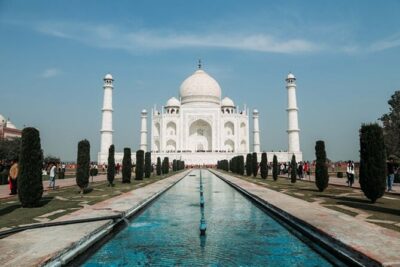
- Why Agra Hits Hard: Taj Mahal Time and Agra Fort
- Hotels, Breakfasts, and the Comfort Factor That Makes Pace Feel Easier
- Price and Value for Up to 2 People
- Who This Tour Fits Best (and Who Might Want More Time)
- Should You Book This Golden Triangle Tour?
- FAQ
- Will I be picked up at the airport in Delhi?
- Which cities does this Golden Triangle tour cover?
- How long is the tour?
- What hotels are included?
- Are monument entrance fees included?
- Is breakfast included?
- Is this a private tour?
Key highlights at a glance
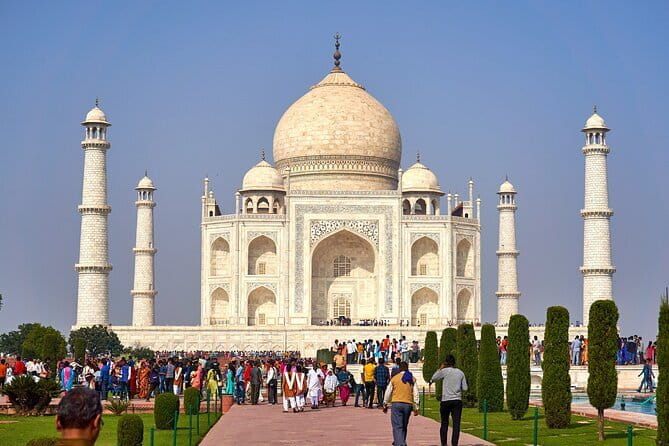
- Delhi’s major landmarks in one day: Raj Ghat, Jama Masjid, Qutub Minar, Humayun’s Tomb, plus India Gate.
- Private tour format: only your group participates, with an English-speaking guide.
- City-to-city comfort: air-conditioned vehicle for the drives between Delhi, Jaipur, and Agra.
- Entrance fees included: monument tickets are covered for the stops on the plan.
- Comfort-focused hotels: The Suryaa (Delhi), Four Points by Sheraton (Jaipur), Grand Mercure (Agra).
- Big-ticket payoff: Taj Mahal time plus Agra Fort without cutting the day short.
Golden Triangle in Six Days: What You’re Really Getting
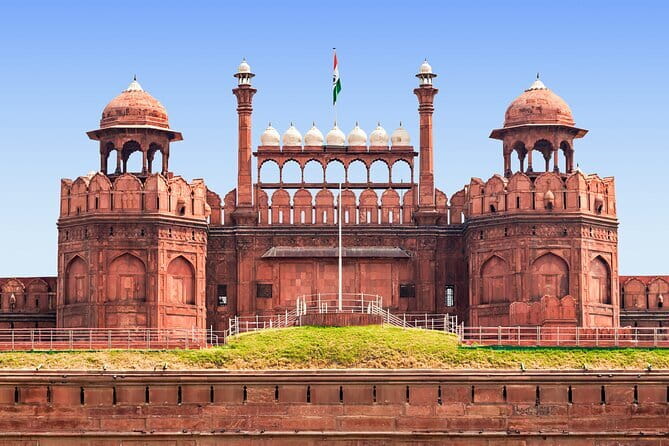
This is the “first taste” version of India that still feels meaningful. You’ll cover three of the most recognizable cities—Delhi, Jaipur, and Agra—using one organized route and guided time at the top heritage sights. If you’re short on days but want the real monument highlights, this format works.
You’re also not just riding around. The plan includes guided visits at major sites with entrance fees included, so you don’t have to negotiate ticket lines or figure out which places need what. And because it’s a private tour, the schedule is built around your group rather than a crowded bus full of strangers.
That said, you should go in with the right expectations about pace. This is “see a lot” travel, not “slow down and wander.” If you love long, flexible afternoons with minimal structure, you may feel the days are packed.
Delhi, Agra and Jaipur: more full circuits



Delhi First Day: Raj Ghat, Jama Masjid, Qutub Minar, and India Gate
Delhi on this tour is a focused mix of spirituality, empire-era architecture, and modern national symbols. It starts with a visit to Raj Ghat, where Mahatma Gandhi was cremated. It’s one of those places where history doesn’t feel abstract; it feels personal, solemn, and central to India’s national story.
From there, you’ll pass through Chandni Chowk, one of the most famous and busy market areas in vintage Delhi. The value here is contrast: you’ll see daily life in motion right in the middle of your sightseeing day. It’s not a museum moment—it’s a “look and learn” moment.
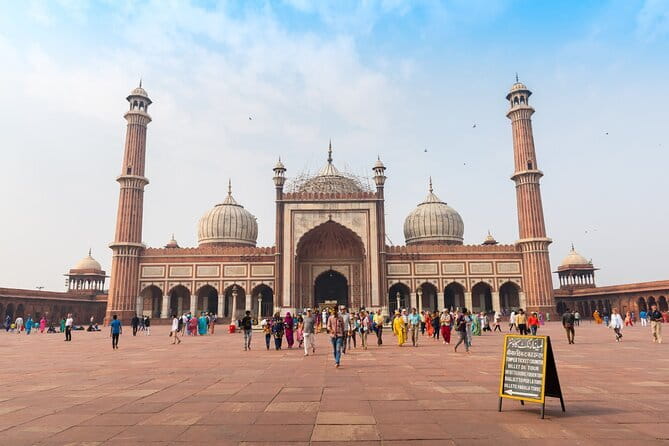
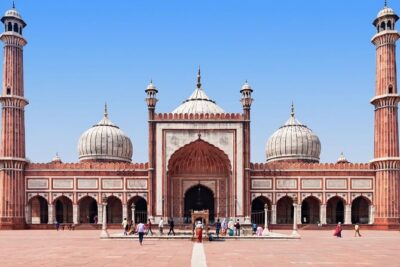
Next comes Jama Masjid, constructed by Shah Jahan and recognized as one of India’s iconic and largest mosques. With guided time included, you’ll get context for what you’re looking at instead of just snapping photos and moving on. Plan for some walking and crowd flow, especially around major prayer and visit times.
Then you’ll move to Qutub Minar, a UNESCO World Heritage Site and one of India’s most dramatic monument silhouettes. The plan includes a full hour there, which is just enough time to notice details instead of treating it like a quick stop. Qutub Minar is also set in a broader historic complex, so the area feels layered rather than one-note.
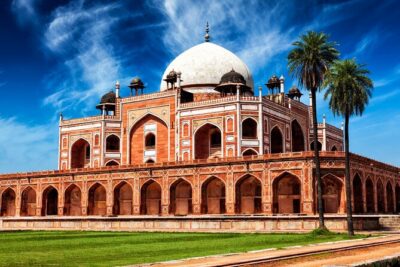
Humayun’s Tomb follows, another UNESCO site and one that many people find surprisingly moving. The included guided time helps you understand why it’s important for Mughal-era architecture. It’s also a good breather between the bigger crowd magnets.
Finally, you’ll cover India Gate, the war memorial in New Delhi and a symbol of national pride. The day ends with a drive pass through major government buildings, then a visit to Lakshmi Narayan Temple dedicated to Goddess Lakshmi and Lord Narayan. That final stop adds a Hindu worship element that rounds out the day’s religious geography.
Practical note: Delhi day can be intense. If you’re sensitive to heat, dust, or crowds, wear comfortable shoes and bring layers for air-conditioned car time versus outdoor time.
The Cultural Value of UNESCO Stops in Delhi
The UNESCO sites in this plan aren’t there just for logos. They give you a quick way to understand major eras of Delhi—from empire building to religious architecture to evolving styles. When each site comes with guided context and included tickets, you absorb more in less time.
I also like the ordering. The day moves from a reflective start at Raj Ghat into the dense city life of Chandni Chowk, then into monumental architecture like Jama Masjid and Qutub Minar. That shift helps you feel the city as a living place, not only as an outdoor gallery.
The tradeoff is obvious: you’re packing a lot into one long day. If you prefer deeper, slower museum-style visits, you may want to add extra time in Delhi before or after your tour dates.
Jaipur: The Drive-Start City and Why It Works After Delhi
After an early morning drive to Jaipur, you step into a city known for royal architecture and forts. The tour frames Jaipur’s origin around the Maharaja Jai Singh era, and that context matters because so many of the monuments tie back to planning, power, and design.
This is one of the smartest transitions in a Golden Triangle trip. The road time breaks up the intensity of Delhi’s monument density, and it helps you arrive with enough energy for Jaipur’s big sights the next day. You also get the benefit of changing scenery and architecture style—from Delhi’s historic mosque complexes to Jaipur’s palace and observatory world.
For me, the key is expectation setting: Jaipur is a “look up and notice shape” city. Forts and palaces here reward attention to structure and layout, not only wide-angle photos.
City Palace and Jantar Mantar: Jaipur’s Two-Part Thinking Day

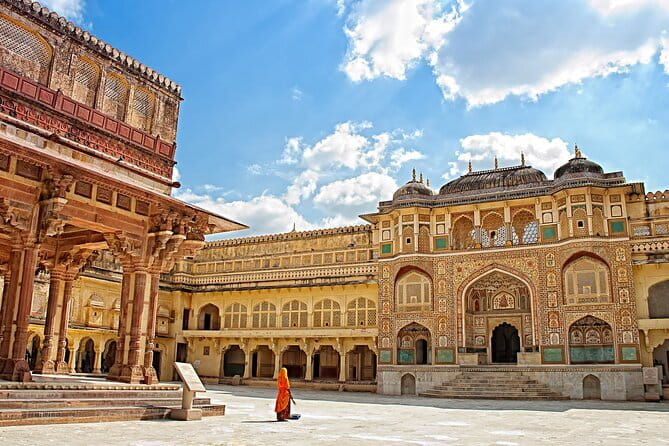
Jaipur’s itinerary includes two major stops that feel different in the best way. First up is City Palace, described as a royal palace with multiple stories and a blend of Mughal, Rajput, and European styles. With guided time included, you’ll likely notice how styles overlap rather than looking like separate eras pasted together.
Then you’ll visit Jantar Mantar, the observatory. This is where Jaipur gets smart in a very visual way. If you like science, astronomy, or old engineering, this stop is a standout because it turns “monument sight” into “how did people measure the sky?”
You’ll also drive past Hawa Mahal, the famous palace with its distinctive façade. The plan treats it as a sighting rather than a long visit, which is a practical choice given the tight schedule. It gives you the iconic look without eating the whole day.
After that, there’s a fort visit included later in the day, though the exact fort name isn’t spelled out in the details you provided. Even so, the structure of the day is clear: palace life, scientific design, then fort atmosphere and views.
One consideration: Jaipur day will involve outdoor time and structured movement. If you’re traveling with kids or anyone who tires quickly, plan for breaks and keep water handy.

Why Agra Hits Hard: Taj Mahal Time and Agra Fort
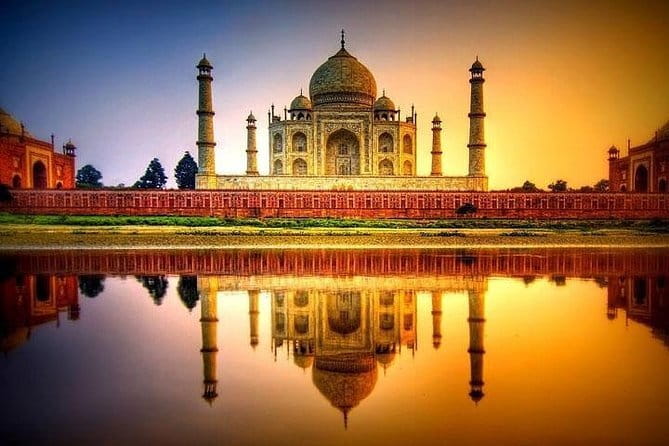
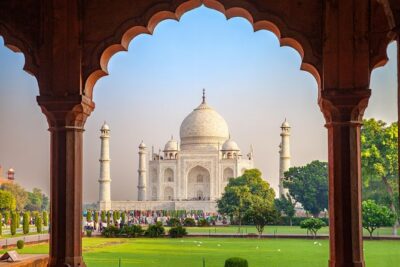
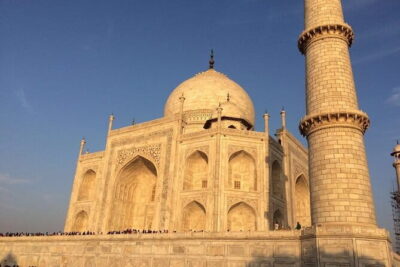
Agra is the reason many people book the Golden Triangle in the first place. The centerpiece is Taj Mahal, with included entrance and about two hours on site. That’s a good chunk of time for seeing the main views, noticing how the light changes, and taking in the surrounding layout instead of treating it like a one-minute photo stop.
This plan also includes Agra Fort, another UNESCO World Heritage Site, with about an hour there. That timing matters because the fort helps you understand the Taj Mahal in context—Taj isn’t a standalone object. It’s part of a larger story of power, architecture, and the way rulers shaped cities.
A practical note: Agra can feel intense, especially around the Taj. If you’re coming from Jaipur the same day (after a city drive), keep your pace steady and don’t try to “do everything” at once. The value here is that you get both the famous icon and the historical structure that explains the bigger picture.
Hotels, Breakfasts, and the Comfort Factor That Makes Pace Feel Easier
This tour includes 5 nights hotel accommodation with specific properties named for each city: The Suryaa in Delhi, Four Points by Sheraton in Jaipur, and Grand Mercure in Agra. Knowing the hotel brand level helps you predict what the rooms and common areas might feel like—especially compared with some street-level hotels you might see on more budget tours.
Breakfast is included for 4 mornings, so you’ll have a reliable start on most active days. That matters because it reduces decision fatigue. Instead of figuring out where to eat before a packed schedule, you can focus on the monument day.
You’ll also be in an air-conditioned vehicle for transfers and sightseeing logistics. In a place where daytime heat and traffic flow can be real factors, this comfort isn’t luxury—it’s a survival tool. One review also mentioned daily refreshments in the vehicle, which is a small but helpful detail for long stretches on the road.
The drawback with hotel-based tours is that your “free time” is more structured. You’ll likely spend less time roaming neighborhoods on your own unless you add extra days outside the tour dates.
Price and Value for Up to 2 People
The price is $1,542.00 per group (up to 2) for about 6 days. For a private tour with an English-speaking guide, entrance fees, hotel accommodation, and an air-conditioned vehicle, that price can be good value—especially if two people split the cost and you’re trying to avoid adding all those line items separately.
Where the value gets real is in what’s included:
- Entrance fees for monuments on the plan
- All fees and taxes
- Hotel stays in all three cities
- Daily guided visits on set stops
- Private group format
Where you should think carefully is this: you’re paying for convenience and structure. If you’re the type who loves negotiating costs in each city, building your own route, and taking longer for spontaneous detours, an organized tour like this might feel pricier than you want.
But if you want a dependable route through Delhi, Jaipur, and Agra—without the hassle of planning each ticket and transport—this is priced like a “time saver,” not like a backpack budget.
Who This Tour Fits Best (and Who Might Want More Time)
I think this tour suits you if:
- You’re doing India for the first time and want the signature Golden Triangle sights.
- You’d rather spend energy learning from a guide than figuring out logistics.
- You want a private setup with an English-speaking guide and included entrance fees.
It may not be the best match if:
- You want long unstructured afternoons with lots of independent wandering.
- Your group dislikes busy schedules or extended walking time.
- You need extra flexibility for late departures, since the plan ends with an Agra to Delhi airport transfer and doesn’t include lodging for your last night in Delhi.
If you’re unsure, a good compromise is to book this tour for the core monuments, then add extra days on either end so you can slow down after you get your bearings.
Should You Book This Golden Triangle Tour?
If your goal is to see Delhi, Jaipur, and Agra in a smart, guided loop with hotels and key monument tickets included, I’d say this tour is worth strong consideration. The mix of major UNESCO sites, palace-and-fort viewpoints, and the classic Taj Mahal payoff fits the Golden Triangle promise without turning the trip into a logistics puzzle.
I’d book it if you value convenience, prefer not to arrange transport daily, and like having a plan that keeps moving. I’d hesitate if you’re traveling with someone who needs a lot of downtime, or if you want a more independent, slower style trip.
FAQ
Will I be picked up at the airport in Delhi?
Yes. You’ll be met by a representative at Indira Gandhi International Airport and transferred to your hotel. Pickup is also noted as offered.
Which cities does this Golden Triangle tour cover?
It covers Delhi, Jaipur, and Agra—three of the most iconic cities for history and royal-era architecture.
How long is the tour?
The duration is listed as about 6 days.
What hotels are included?
The tour lists hotel accommodation in:
- Delhi: The Suryaa
- Jaipur: Four Points by Sheraton
- Agra: Grand Mercure
Are monument entrance fees included?
Yes. Entrance fees are included for the monuments listed in the itinerary.
Is breakfast included?
Breakfast is included for 4 mornings.
Is this a private tour?
Yes. It’s described as a private tour/activity, and only your group will participate.
More Tour Reviews in New Delhi
- Old & New Delhi City Tour – Half or Full Day Options Available
★ 5.0 · 4,811 reviews - Half Day Private Delhi City Tour
★ 5.0 · 4,474 reviews - Same Day Taj Mahal, Agra Fort & Baby Taj Tour from Delhi by Car
★ 5.0 · 4,304 reviews - Taj Mahal Day Tour from Delhi by Superfast Train – TOP RATED TOUR
★ 5.0 · 4,166 reviews - Delhi: Old and New Delhi Private Full or Half-Day Tour
★ 4.9 · 3,776 reviews
The Full Golden Triangle, More Options
- 3-Days Private Golden Triangle Tour: Delhi, Agra & Jaipur by Car
★ 5.0 · 1,107 reviews - 3-Days Private Golden Triangle Tour: Delhi, Agra & Jaipur by Car
★ 5.0 · 1,098 reviews - 3-Day Delhi, Agra and Jaipur Private Tour – India Golden Triangle
★ 5.0 · 812 reviews - Four-Day Private Luxury Golden Triangle Tour to Agra and Jaipur From New Delhi
★ 5.0 · 807 reviews - 5 Nights 6 Days Private Golden Triangle Tour – Delhi Agra Jaipur
★ 5.0 · 574 reviews
Just added: more New Delhi reviews to browse
- 4 days Golden Triangle Tour★ 5.0 · 3 reviews
- Discover Old & New Delhi: Private Tour with Street Food★ 5.0 · 3 reviews
- Taj Mahal Tour From Delhi By Private Car★ 4.5 · 3 reviews
- Golden Triangle Tour 5 Days★ 5.0 · 3 reviews
- Taj Mahal: Express Entry Ticket For Sunset Tour with guide★ 5.0 · 3 reviews
- Agra Taj Mahal Sunrise & Sunset Tour from Delhi★ 5.0 · 3 reviews
Golden Triangle Tours, compared.
 ★ 5.03-Days Private Golden Triangle Tour: Delhi, Agra & Jaipur by CarFrom $1271,107 reviews
★ 5.03-Days Private Golden Triangle Tour: Delhi, Agra & Jaipur by CarFrom $1271,098 reviews
★ 5.03-Days Private Golden Triangle Tour: Delhi, Agra & Jaipur by CarFrom $1271,107 reviews
★ 5.03-Days Private Golden Triangle Tour: Delhi, Agra & Jaipur by CarFrom $1271,098 reviews
 ★ 5.03-Day Delhi, Agra and Jaipur Private Tour – India Golden TriangleFrom $110812 reviews
 ★ 5.0Four-Day Private Luxury Golden Triangle Tour to Agra and Jaipur From New DelhiFrom $160807 reviews
 ★ 5.05 Nights 6 Days Private Golden Triangle Tour – Delhi Agra JaipurFrom $240574 reviews
 ★ 5.04 Days Golden Triangle TourFrom $146499 reviews
 ★ 5.0Private Car and Drive for Golden Triangle (4N/5D)From $167451 reviews
 ★ 5.0Private Golden Triangle Tour Delhi Agra Jaipur ( Top Rated )From $148436 reviews