
Reviewed · GOLDEN TRIANGLE TOURS
Golden triangle & The Burning city Varanasi 9 Nights
One part India feels like stone and ceremony, the next part feels like fire and prayer. This Golden Triangle + Varanasi trip strings together Delhi, Agra, Jaipur, and then Varanasi’s ghats along the Ganges, so you get both imperial landmarks and everyday spiritual life. I especially like how the route includes major sights (Jama Masjid, Humayun’s Tomb, Hawa Mahal, Taj Mahal) and the calmer, more personal moments like the Lotus Temple and the Ganges boat ride. Another strong plus is the guide experience; having someone like Rajendra Halduniya (Raji) can make the day feel smoother, because he’s known for being prepared, detailed, and able to handle requests. A fair consideration: you’re moving every day, and Varanasi includes sights near cremation ghats, so it’s intense if you prefer a gentler pace.
You’ll also appreciate the “less touristy” texture built into the plan—like the tuk-tuk ride in Delhi—while keeping the hard parts covered (air-conditioned car, included entrance fees, and planned transport with flight and train). Still, the tour doesn’t include lunch, so you’ll want to budget time and appetite for that on your own.
In This Review
- Key points to know before you go
- Delhi’s Mughal Majesty: Jama Masjid, Lotus Temple, India Gate, and a Tuk-Tuk Pass
- Swaminarayan Akshardham, Humayun’s Tomb, Gandhi at Raj Ghat, and Bangla Sahib
- Jaipur’s First Day: Birla Mandir, Albert Hall Museum, and Patrika Gate
- Hawa Mahal, Palace of Water, Jantar Mantar, and City Palace: Jaipur’s Royal How-It-Works Day
- Jaipur Gems & Jewellery: The Craft Stops You Can Use, Not Just Browse
- Chand Baori Stepwell and Agra Fort: Why Agra Isn’t Just Taj Mahal
- Taj Mahal: Making It Count Without Turning It Into a Checkmark
- Varanasi Ghats and the Ganges Boat Ride: Spiritual Life at Human Speed
- Sarnath and Durga Temple: A Reset After the Ghats
- Transport, Pacing, Meals, and Why the Inclusions Matter
- Who This Tour Suits (and Who Should Think Twice)
- Should You Book This Golden Triangle + Varanasi Trip?
- FAQ
- What cities are included in this Golden Triangle and Varanasi tour?
- Is pickup and drop-off included?
- Are entrance fees included?
- Does the tour include the Taj Mahal and a Ganges boat ride?
- Are meals included, or do I need to pay for lunch separately?
- How do you travel between Agra and Varanasi, and between Varanasi and Delhi?
- What is the cancellation window for a full refund?
Key points to know before you go

- Delhi’s Mughal mix and a tuk-tuk reset: Jama Masjid, India Gate, Lotus Temple, plus a tuk-tuk ride to see a different side of the city.
- Jaipur isn’t just viewpoints: City Palace + Jantar Mantar (big instruments, real “how did they build this?” energy).
- Agra gets the one big moment: Taj Mahal is there, along with Agra Fort for context.
- Varanasi is the main character: ghats along the Ganges, boat ride, and a visit around Manikarnika Ghat.
- A guide can make or break it: Rajendra Halduniya (Raji) is praised for patience, detail, and flexibility with unplanned stops.
- Food is partly handled: breakfasts (8) and dinners (9) are included; lunch is not.
Delhi’s Mughal Majesty: Jama Masjid, Lotus Temple, India Gate, and a Tuk-Tuk Pass
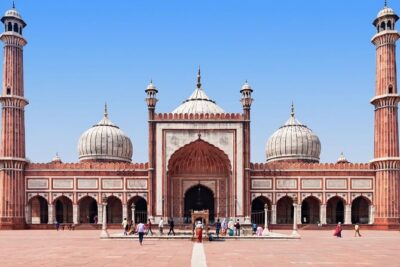
Delhi is a strong start because it eases you from grand imperial architecture into quieter, modern spirituality. Jama Masjid is the big opening move: huge gates, tall minarets, and that Mughal-era mix of red sandstone and white marble that looks dramatic even when you’re just standing back. You’ll want to slow down here. Don’t rush to “finish” the site—stop, look up, and notice the scale. It’s the kind of place that makes you understand why power and worship were often built side by side.
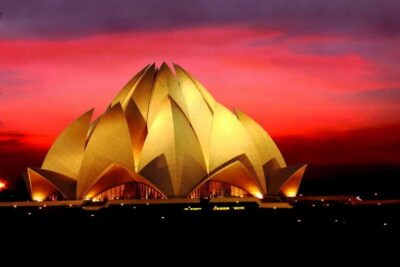
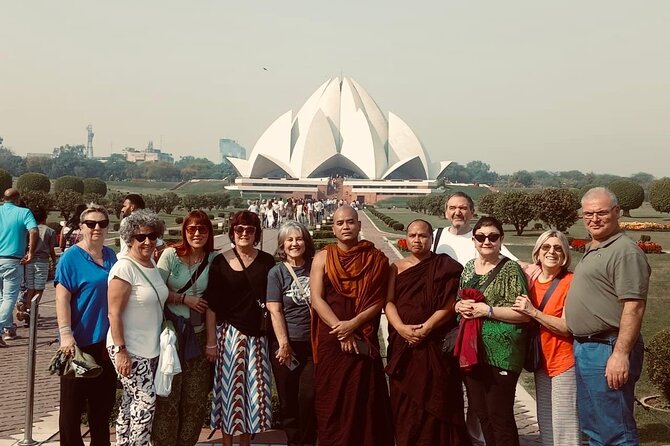
Then you shift gears to the Lotus Temple. It’s a Bahá’í House of Worship with a design that feels calm in a way monuments sometimes don’t. The vibe is quiet and welcoming, and it’s a nice contrast to the heavier stone-and-history feeling of Jama Masjid. India Gate follows, and even though it’s simpler than the religious sites, it’s still an important national symbol—good for setting the tone of modern India right in the center of things.
Finally, the tuk-tuk ride is a smart touch. It’s short, but it helps you feel Delhi beyond the usual photo stops. If you’ve ever felt “I saw the landmarks, but I didn’t get the city,” this helps fix that. The only caution: Delhi traffic can change your schedule fast, so keep a flexible mindset.
Delhi, Agra and Jaipur: more full circuits


Swaminarayan Akshardham, Humayun’s Tomb, Gandhi at Raj Ghat, and Bangla Sahib
Day 2 balances spectacle with reflection. Swaminarayan Akshardham is a major spiritual-cultural complex, and you’ll see why it’s popular: it’s designed to impress, with a strong sense of craftsmanship. It’s the kind of place where you’ll spend longer than you think just walking and looking. If you like museums and displays, this one tends to land well.
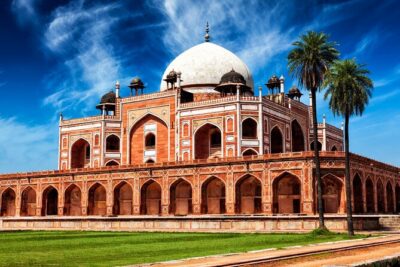
Humayun’s Tomb is the next anchor, and it matters because it’s UNESCO World Heritage and a masterpiece of Mughal architecture. This is where the trip shows you more than just “pretty buildings.” You start seeing design patterns—symmetry, garden layouts, and the way emperors turned space into a statement.
Raj Ghat adds a serious, respectful stop for Gandhi—right by the Yamuna River. Even if you’re not a history person, it gives your day emotional weight. Then Gurudwara Bangla Sahib rounds it out with a warm, communal Sikh place of worship. The atmosphere there is usually grounded and human-scale, and it’s a good point to reset before you head into Rajasthan.
One practical note: you’ll likely do a lot of walking across these stops, including stone steps and courtyard edges. Wear shoes that are comfortable enough that you don’t start thinking about your feet halfway through.
Jaipur’s First Day: Birla Mandir, Albert Hall Museum, and Patrika Gate
Once you’re in Jaipur, the vibe shifts from Delhi’s broad monument feel to the royal geometry of Rajasthan. Birla Mandir Temple (also called Laxmi Narayan Temple) is a great early choice because it’s Hindu worship, but it also feels clean and modern in layout compared to some older temples. The setting at the base of Moti Dungari Hill gives it a calm, scenic angle.
Albert Hall Museum is a solid follow-up. It’s one of the older and most impressive museums in Rajasthan (built in 1876), and it helps you understand what you’re seeing later—Jaipur’s design, craft traditions, and the way the region talks to itself through art.
Then comes Patrika Gate at Jawahar Circle Garden. This is more than just a photo wall: it shows Rajasthani-inspired art in an architectural way, and it gives you a lighter break in the middle of the day. If your feet are tired, this kind of stop lets you catch your breath while still feeling like you’re experiencing something genuinely Jaipur.
Hawa Mahal, Palace of Water, Jantar Mantar, and City Palace: Jaipur’s Royal How-It-Works Day
Jaipur in this plan is a bit of a “showcase day,” in the best way. Hawa Mahal—Palace of Winds—is famous for a reason. Even from outside, it’s visually striking with its crown-like shape. Inside or around it, you’ll start noticing how the building’s form supports its purpose: it’s about windows, breezes, and royal viewing.
You also have a quick stop for the palace of water. The plan even suggests setting a short photo window (around 15 minutes). That’s your cue: don’t overplan this. Treat it like a quick visual palate cleanser.
Then you hit Jantar Mantar, and this is where many people get surprised. It’s an 18th-century astronomical observatory built by Maharaja Jai Singh II with UNESCO recognition, and it includes large instruments that were used to measure time and celestial positions. If you’re even slightly curious about science history, you’ll love walking among the instruments—because these aren’t “instruments behind glass.” They’re big, physical, and meant to be used.
Next is City Palace, which blends Rajasthani and Mughal architecture. You’re not just looking at a palace façade; you’re stepping into a former royal center. Plan for the pace: City Palace takes time, and it’s the kind of place where short visits can feel like you missed half of it.
Jaipur Gems & Jewellery: The Craft Stops You Can Use, Not Just Browse
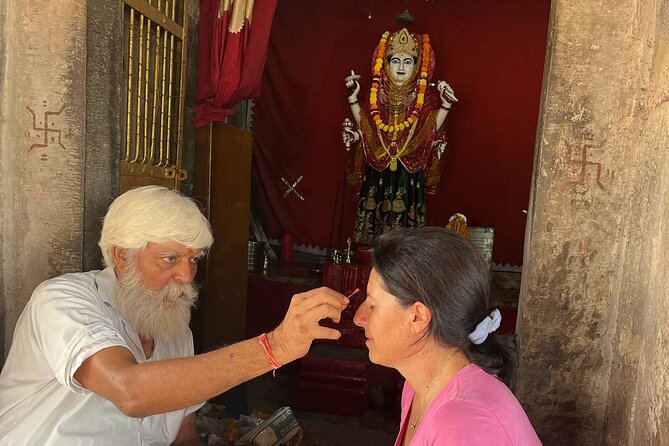
Jaipur is known worldwide for its gem cutting, polishing, and gemstone trading. The plan includes a short stop focused on Jaipur Gems & Jewellery, which can be a good moment if you want to understand how the city’s craft economy works.
Here’s how to approach it without getting frustrated: treat it like a learning stop. Ask basic questions about the process (cutting, polishing, the idea of different stones), and keep your expectations realistic. You’re not going to “master gemology” in 15 minutes, but you can leave with a better sense of what’s local to Jaipur and why the city became known for it.
Also, if you’re not interested in shopping, you can still use this time to learn something about the regional craft system. Just be firm with yourself about budget. Jaipur can be tempting.
Bigger loops around the capital
Chand Baori Stepwell and Agra Fort: Why Agra Isn’t Just Taj Mahal
Heading toward Agra, the itinerary adds Chand Baori in Abhaneri, a stepwell that’s both historic and visually wild. Built in the 9th century, it’s known for being one of the deepest and largest stepwells in India. Stepwells are easy to dismiss as “old wells,” but when you stand inside or near them, you get why they were engineered so carefully. They’re architecture for water, shade, and social space. It’s also one of those places where the geometry does a lot of the work for photos.
Agra Fort follows, and this is a key context stop before the big icon. Agra Fort was the main residence of Mughal emperors until the capital moved to Delhi, and you can feel that story in the fort walls. It’s UNESCO, built by Akbar in the 16th century, and it gives you political and military background that Taj Mahal alone won’t explain.
Agra Fort also helps you manage expectations. Taj Mahal is emotional and famous. Forts are practical and heavy. Together, they give your visit balance: why that region mattered, and why this empire built so hard.
Taj Mahal: Making It Count Without Turning It Into a Checkmark
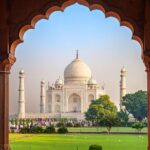
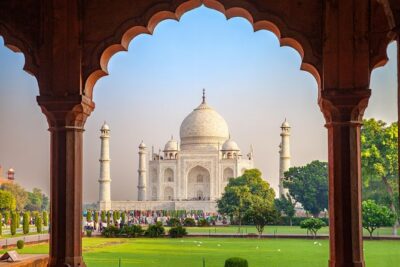
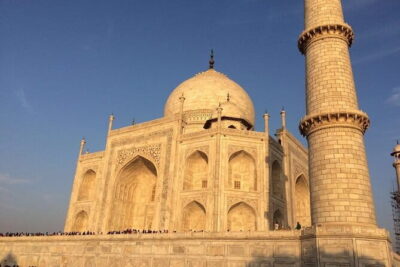
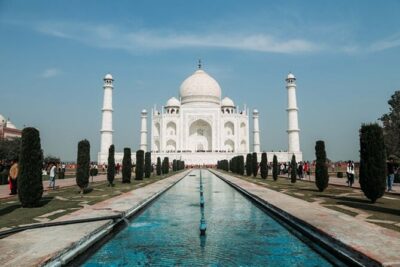
Taj Mahal is the centerpiece, and the tour is structured so you have time to actually experience it. It’s built by Emperor Shah Jahan in memory of Mumtaz Mahal, and that backstory matters. You’ll see why people travel halfway around the world for this place. It’s not just a building—it’s a crafted, choreographed monument to love, power, and labor.
What I like about including Agra Fort before Taj Mahal is that Taj Mahal lands harder afterward. You understand it as part of a bigger imperial program, not a one-off postcard.
Practical advice: take a breath at the beginning and resist the urge to sprint for photos. If you can, look for the details people often skip—edges, materials, and how the monument holds its shape from different angles. You’ll get more satisfaction if you treat it like a slow walk, not a timed stop.
Also remember: the tour includes entrance fees, so you won’t be spending your mental energy figuring out tickets. That makes it easier to stay present.
Varanasi Ghats and the Ganges Boat Ride: Spiritual Life at Human Speed
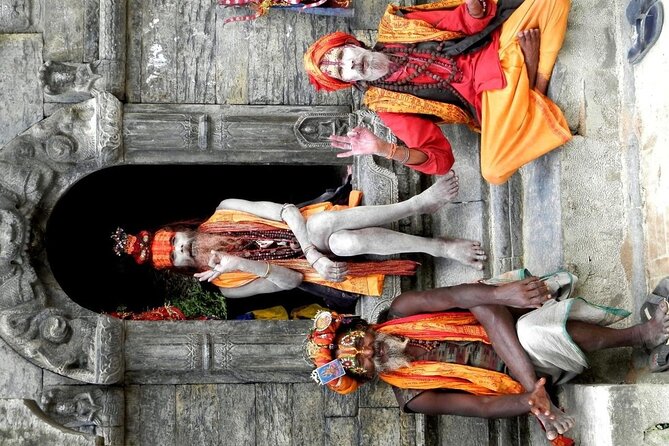
Then the trip changes tone fast, and it’s not a subtle switch. In Varanasi, the Ganges is the center of gravity, and the plan builds your time around the ghats—steps leading down to the water. You’ll be at ghat life, with the movement of people and the constant sense that something is always happening. It’s a living spiritual city, not a staged attraction.
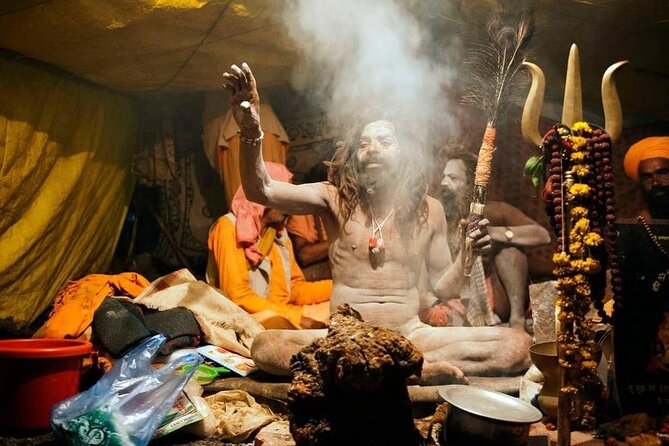
You’ll spend time at several ghats along the river, and the plan includes a visit around Manikarnika Ghat, which is associated with cremation activity. That’s important to say plainly: this is emotionally heavy. If you know you get overwhelmed by intense scenes, you’ll still be able to see and understand the rituals from a respectful distance, but go in with awareness.
The boat ride on the Ganges is where the experience can feel more manageable. From the water, the scale changes, and you start seeing the ghats as part of a wider system rather than isolated steps. It’s also a chance to slow down, look back at the city, and take in the atmosphere without constantly navigating crowds.
One consideration: Varanasi can test your comfort. Hot weather, lots of steps, and strong smells are real. This tour includes some structured time and guidance, which helps, but it won’t remove the city’s intensity. That’s part of why it’s unforgettable.
Sarnath and Durga Temple: A Reset After the Ghats
After the Ganges focus, the itinerary shifts to Sarnath and then a Durga temple visit. Sarnath is a holy Buddhist site near Varanasi, famous as the place where Buddha gave his first sermon after enlightenment, connected to the Dhammacakkappavattana Sutta. Even if Buddhism isn’t your main interest, Sarnath helps you broaden what Varanasi means. It’s not only Hindu rituals on the ghats; it’s also a spiritual crossroads.
Then there’s time for Durga Temple. The plan frames it as a visit to the Goddess Durga temple, with a focus on receiving blessing energy. If you’re open to it, this can feel like a calmer counterpoint after the dramatic river scenes.
This day works well because it gives your brain a new set of images. You go from intense waterfront ritual space to a more temple-and-grounding rhythm.
Transport, Pacing, Meals, and Why the Inclusions Matter
This tour’s value isn’t just the sights. It’s that the logistics are mostly handled, so you don’t spend your trip fighting paperwork and timing.
You’ll travel by air-conditioned vehicle through the route, with WiFi on board. Between Agra and Varanasi, the plan includes a train ticket, and between Varanasi and Delhi there’s one flight. That mix is smart because it prevents you from doing all long-distance road time.
Meals are partly covered: breakfast (8) and dinner (9) are included, while lunch is not included. That matters for budgeting and for your energy levels. Lunch costs add up in India, and it’s easy to feel annoyed when you’re hungry and no lunch is planned. I recommend you carry a small snack for the day and keep an eye on how long you’ll be out at each stop.
The plan also includes a lot of the “annoying extras,” like entrance fees, government fees, and fuel surcharge. For your peace of mind, that’s a big deal. You’ll spend less time asking what’s included and more time actually enjoying the day.
Pickup and drop are covered too, with the driver handling transfers to and from IGI Delhi. Day 9 focuses on getting you from the airport to relax, and Day 10 is your airport drop—useful if you want the trip to end cleanly.
As for pacing: it’s a fast itinerary. If you crave slow travel, you may wish you had more free time in each city. But if you want a best-of route that still includes meaningful stops (and not just a rushed photo list), this one fits that goal.
Who This Tour Suits (and Who Should Think Twice)
I think this works best for you if you want a structured route that still leaves room for flexibility, especially when it comes to guide support. The tour’s highlights often land because a guide like Rajendra Halduniya (Raji) is known for being prepared, patient, and able to handle requests, even ones that pop up mid-trip. If you like explanations—temples, palaces, and the meaning behind what you’re looking at—this style tends to click.
It may be less ideal if you hate intense scenes. Varanasi includes cremation-spot context at Manikarnika Ghat, and the atmosphere can be emotionally and sensory overwhelming. If that’s a dealbreaker for you, you might prefer a different Varanasi-focused route that’s more centered on quieter temple visits.
It’s also a good match if you travel as a group and want group discounts, while still benefiting from private tour attention where only your group participates.
Should You Book This Golden Triangle + Varanasi Trip?
If you want one trip that covers the headline India icons plus the spiritual heart of the country, this package makes sense. You’re getting Delhi’s major monuments, Jaipur’s royal/astronomy sites, Agra’s context and Taj Mahal, and then Varanasi’s ghats with both walking time and a Ganges boat ride. The included entrance fees, transport, and partial meals are also solid value for the price.
My “book it” checklist is simple:
- You’re okay with a fast, daily-moving itinerary.
- You can handle Varanasi’s intensity with respect.
- You like being guided through sites with clear explanations (especially if you get a guide like Rajendra Halduniya, called Raji).
If those fit you, this is a very practical way to see a lot without turning the trip into a constant logistics puzzle.
FAQ
What cities are included in this Golden Triangle and Varanasi tour?
The tour includes New Delhi, Agra, and Jaipur for the Golden Triangle, plus Varanasi.
Is pickup and drop-off included?
Yes. A driver picks you up from the airport and you’ll also be dropped at IGI Delhi.
Are entrance fees included?
Yes, entrance fees are included as part of the tour inclusions.
Does the tour include the Taj Mahal and a Ganges boat ride?
Yes. Taj Mahal is included in Agra, and there is a Ganges river boat ride in Varanasi.
Are meals included, or do I need to pay for lunch separately?
Breakfast is included (8 breakfasts) and dinner is included (9 dinners). Lunch is not included.
How do you travel between Agra and Varanasi, and between Varanasi and Delhi?
Between Agra and Varanasi you use a train ticket. Between Varanasi and Delhi you take a flight.
What is the cancellation window for a full refund?
You can cancel up to 6 days in advance for a full refund. For a full refund, you must cancel at least 6 full days before the experience’s start time.
All of Delhi in a Day
- Old & New Delhi City Tour – Half or Full Day Options Available
★ 5.0 · 4,811 reviews - Half Day Private Delhi City Tour
★ 5.0 · 4,474 reviews - Delhi: Private Full-Day City Tour of Old and New Delhi
★ 4.9 · 1,722 reviews - Top Highlights of Delhi: All-Inclusive Private City Tour
★ 5.0 · 1,104 reviews - Private Half Day Delhi City Tour
★ 5.0 · 802 reviews
More Tour Reviews in New Delhi
- Old & New Delhi City Tour – Half or Full Day Options Available
★ 5.0 · 4,811 reviews - Half Day Private Delhi City Tour
★ 5.0 · 4,474 reviews - Same Day Taj Mahal, Agra Fort & Baby Taj Tour from Delhi by Car
★ 5.0 · 4,304 reviews - Taj Mahal Day Tour from Delhi by Superfast Train – TOP RATED TOUR
★ 5.0 · 4,166 reviews - Delhi: Old and New Delhi Private Full or Half-Day Tour
★ 4.9 · 3,776 reviews
The Full Golden Triangle, More Options
- 3-Days Private Golden Triangle Tour: Delhi, Agra & Jaipur by Car
★ 5.0 · 1,107 reviews - 3-Days Private Golden Triangle Tour: Delhi, Agra & Jaipur by Car
★ 5.0 · 1,098 reviews - 3-Day Delhi, Agra and Jaipur Private Tour – India Golden Triangle
★ 5.0 · 812 reviews - Four-Day Private Luxury Golden Triangle Tour to Agra and Jaipur From New Delhi
★ 5.0 · 807 reviews - 5 Nights 6 Days Private Golden Triangle Tour – Delhi Agra Jaipur
★ 5.0 · 574 reviews
Just added: more New Delhi reviews to browse
- 4 days Golden Triangle Tour★ 5.0 · 3 reviews
- Discover Old & New Delhi: Private Tour with Street Food★ 5.0 · 3 reviews
- Taj Mahal Tour From Delhi By Private Car★ 4.5 · 3 reviews
- Golden Triangle Tour 5 Days★ 5.0 · 3 reviews
- Taj Mahal: Express Entry Ticket For Sunset Tour with guide★ 5.0 · 3 reviews
- Agra Taj Mahal Sunrise & Sunset Tour from Delhi★ 5.0 · 3 reviews
Golden Triangle Tours, compared.
 ★ 5.03-Days Private Golden Triangle Tour: Delhi, Agra & Jaipur by CarFrom $1271,107 reviews
★ 5.03-Days Private Golden Triangle Tour: Delhi, Agra & Jaipur by CarFrom $1271,098 reviews
★ 5.03-Days Private Golden Triangle Tour: Delhi, Agra & Jaipur by CarFrom $1271,107 reviews
★ 5.03-Days Private Golden Triangle Tour: Delhi, Agra & Jaipur by CarFrom $1271,098 reviews
 ★ 5.03-Day Delhi, Agra and Jaipur Private Tour – India Golden TriangleFrom $110812 reviews
 ★ 5.0Four-Day Private Luxury Golden Triangle Tour to Agra and Jaipur From New DelhiFrom $160807 reviews
 ★ 5.05 Nights 6 Days Private Golden Triangle Tour – Delhi Agra JaipurFrom $240574 reviews
 ★ 5.04 Days Golden Triangle TourFrom $146499 reviews
 ★ 5.0Private Car and Drive for Golden Triangle (4N/5D)From $167451 reviews
 ★ 5.0Private Golden Triangle Tour Delhi Agra Jaipur ( Top Rated )From $148436 reviews
Browse the lists this tour appears in