
Reviewed · GOLDEN TRIANGLE TOURS
Golden Triangle Tour 05 Night / 06 Days
Three cities, one well-run itinerary. This is the classic Golden Triangle route, but what makes it practical is the airport pickup and private air-conditioned transport, so you’re not stuck figuring out logistics after landing in Delhi. One watch-out: monument fees and most attractions’ entry tickets aren’t included, and meals aren’t part of the package beyond breakfast.
The best part is the human side. The guides linked to this tour get praised again and again for English communication, patience, and taking time with photos, including guide names like Vipin, DS, Yusuf, Nikhil, Javed Khan, and Dharmendra Singh.
Finally, you’re covering a lot of ground in a few days. If you hate early starts or prefer long, slow museum time, this schedule may feel like a sprint.
In This Review
- Key things that make this Golden Triangle tour work
- Airport Pickup + First Delhi Night: start with less stress
- India Gate to Parliament: New Delhi’s ceremonial axis, minus the confusion
- Chandni Chowk + Jama Masjid: a sensory Old Delhi hit
- Lotus Temple’s calm: a break from the city roar
- Qutub Minar: UNESCO-scale wonder with extra entry fees
- Jaipur day: Amer Fort, Jal Mahal, and the art of photo stops
- City Palace + Albert Hall: two different ways Jaipur shows power
- Jantar Mantar: when buildings act like tools
- Fatehpur Sikri on the way to Agra: a stop that changes the mood
- Taj Mahal: the main event, built into a guided day
- Agra Fort: a strong follow-up after the Taj
- Transport, hotel, and the real meaning of the $780 price
- Who should book this Golden Triangle package
- Should you book this Golden Triangle tour?
- FAQ
- What is the duration of the Golden Triangle tour?
- Is pickup from the Delhi airport included?
- What’s included in the tour price?
- Are monument fees and attraction entry tickets included?
- Are meals included besides breakfast?
- Is this tour private or shared?
- Can I cancel and get a full refund?
Key things that make this Golden Triangle tour work
- Private group only your party: you’re not sharing your day with strangers.
- English-speaking guides with strong photo help: multiple guides are specifically mentioned for picture-taking at the best spots.
- Delhi to Agra travel stays efficient: the route benefits from the Delhi–Agra express highway timing of about 2–3 hours.
- You get 4-star hotel comfort for 4 nights: plus breakfast, bottled water, and AC throughout.
- A mix of free and ticketed sights: some stops are free, others require separate monument entry fees.
Airport Pickup + First Delhi Night: start with less stress
Your trip kicks off with a Delhi airport pickup and a transfer to your hotel for an overnight stay. That sounds basic, but it matters: arriving in India often means navigating new roads, new phone numbers, and new money rules. This arrangement keeps you from turning day one into a “where do I go next?” puzzle.
After that first overnight, the tour energy shifts into sightseeing mode across Old Delhi and New Delhi. Expect a day-by-day flow built around major landmarks, with transport handled for you in an air-conditioned vehicle.
If you’re a first-timer, this kind of start helps you get your bearings fast—without forcing you to guess timing or routes on your own.
Delhi, Agra and Jaipur: more full circuits



India Gate to Parliament: New Delhi’s ceremonial axis, minus the confusion
A smooth Golden Triangle tour isn’t just about the Taj. It’s also about orienting you to modern Delhi.
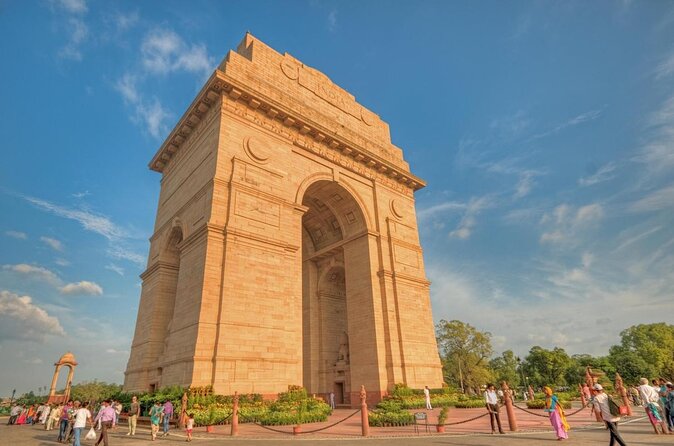
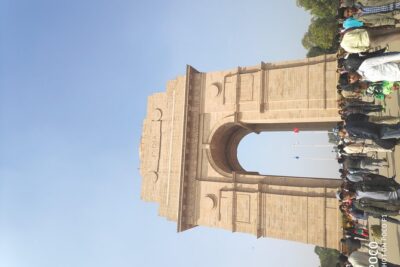
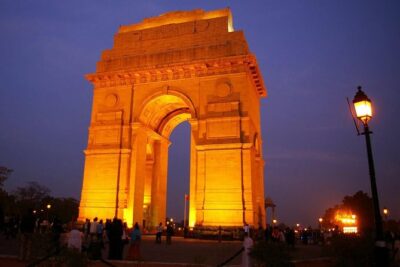
India Gate is your first major stop. It’s a war memorial sitting along Rajpath, and it’s also a great “first photos” location because it’s straightforward to understand even if you don’t know the full backstory yet.
From there, you’re in a zone where Delhi’s power and politics live. The itinerary includes Parliament House and Rashtrapati Bhavan, both described as official sites of the Indian legislative body and the President’s home. Even with shorter time blocks, these stops help you connect what you see on the street to what you’ll read about later.
Practical note: many of these areas are near checkpoints. Keep your day bag light, and follow your guide’s timing so you don’t lose momentum.
Chandni Chowk + Jama Masjid: a sensory Old Delhi hit
If Delhi has a heartbeat, it’s Old Delhi. Chandni Chowk is a dense, market-focused area where you’ll see spices, dried fruit, silver jewelry, saris, and more. There are also smaller lanes where you can spot essential oils, stationery, and sweets.
This is one of those stops where the value is less about buying and more about watching. The market’s tight side streets are exactly what makes it feel real, not staged. And because you’re not on your own, you can focus on the experience while your guide handles routing.
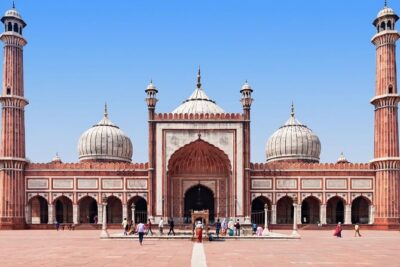
Right nearby is Jama Masjid, one of the largest mosques in India. It was built by Mughal Emperor Shah Jahan between 1650 and 1656, inaugurated by an Imam from Bukhara (in present-day Uzbekistan). Even if you only spend a short visit, it’s the kind of place that makes you slow down a bit—look at the scale, take in the architecture, and notice how people move through the space.
For your comfort: dress respectfully at mosques, and plan for crowds during peak times.
Lotus Temple’s calm: a break from the city roar
After the market intensity, the Lotus Temple gives you a breather. It’s a Bahá’í House of Worship dedicated in 1986 and designed with a flowerlike shape. One helpful detail is that it’s open to all, regardless of religion.
In a tight schedule, this kind of stop is valuable because it resets your day. You go from noise, horns, and tightly packed streets into something quieter where you can actually take your time with photos and space.
If you’re traveling with kids or you’re tired of constant movement, this is the sort of stop that can make the itinerary feel fair instead of exhausting.
Qutub Minar: UNESCO-scale wonder with extra entry fees
Next is Qutub Minar, part of the Qutb complex (a UNESCO World Heritage Site). It’s a 73-meter-tall tapering tower made of five storeys, rising from a wide base and narrowing toward the top.
This is one of the “big wow” stops in Delhi, but remember the important budget reality: monument fees are not included for Qutub Minar in this tour package. So you’ll want to plan for separate entry costs for ticketed monuments as you go.
It’s still worth prioritizing. The moment you see it in person, the scale lands fast, even if your visit time is about an hour.
Other ways into a New Delhi evening

Jaipur day: Amer Fort, Jal Mahal, and the art of photo stops
Jaipur is where the Golden Triangle starts to look like the travel photos you imagined—red and pink tones, forts on hills, and palaces built for spectacle.
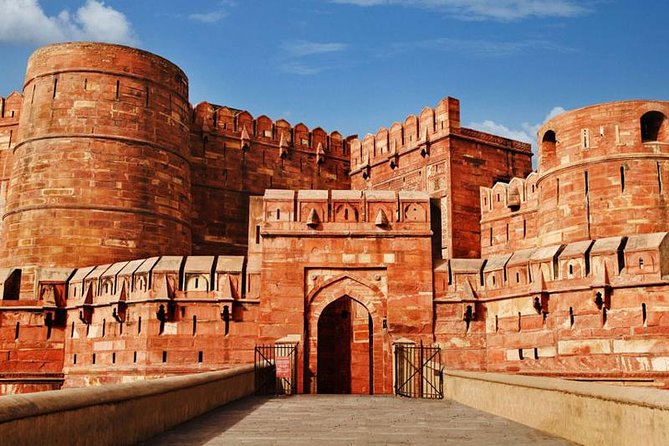
You’re going to Amer Fort first, and the time block is about two hours. It’s a hilltop fort about 11 kilometers from Jaipur city and a major tourist attraction. Two hours is a solid window for walking main areas, getting viewpoint photos, and still not feeling totally rushed.
Then there’s Jal Mahal, the palace sitting in the middle of Man Sagar Lake. The palace and lake were renovated and enlarged in the 18th century by Maharaja Jai Singh II. This stop tends to work well even if you’re not a big museum person. It’s scenic and visually distinct.
After that, you hit Hawa Mahal (Palace of Wind), built in 1799. The design with red and pink sandstone and its connection to the women’s chambers makes it easy to understand why it’s famous. The itinerary flags that admission is not included here, so again: keep separate entry fees in mind.
City Palace + Albert Hall: two different ways Jaipur shows power
City Palace of Jaipur is next, established in 1727 when the court moved from Amber to Jaipur. It’s not just one building; it’s a palace complex, and the time you get (about an hour) is enough for the highlights.
Again, entry tickets aren’t included, so factor that in when you’re planning your daily spend.
Then comes Albert Hall Museum, described as Rajasthan’s oldest museum and a fine example of Indo-Saracenic architecture. It’s located in Ram Niwas garden outside the city wall and opposite New gate. If you like your travel with a side of objects and design, this museum stop adds a different texture to Jaipur beyond forts and facades.
Jantar Mantar: when buildings act like tools
Jantar Mantar is an open-air collection of nineteen astronomical instruments built by Sawai Jai Singh II, completed in 1734. It includes the world’s largest stone sundial, and the site is also UNESCO-listed.
This is one of those places that can feel surprising because it’s not trying to be a museum in the modern sense. It’s practical architecture for measuring time and the sky.
The itinerary gives you around 45 minutes, which is short, but enough to catch the main instruments and understand the basic idea without feeling like you’re stuck reading signage for hours.
Fatehpur Sikri on the way to Agra: a stop that changes the mood
As you head out toward Agra, there’s Fatehpur Sikri, about west of Agra. It’s a Mughal-founded city with red sandstone buildings clustered around the center.
You’ll see major points like Buland Darwaza gate, the Jama Masjid mosque, the marble Tomb of Salim Chishti, and areas like the Diwan-E-Khas hall and Jodha Bai’s Palace. There’s also the Panch Mahal, a five-story structure overlooking the site.
The value here is mood shift. You go from city scenes and markets into a historical complex that feels more spread out and “stilled,” even when people are visiting.
Like other ticketed stops, monument fees aren’t included, so this is another budget line to anticipate.
Taj Mahal: the main event, built into a guided day
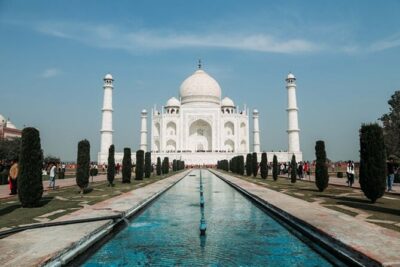
Then—Taj Mahal. The schedule sets it at about two hours, which is generally the right amount of time to see it properly and not just sprint through.
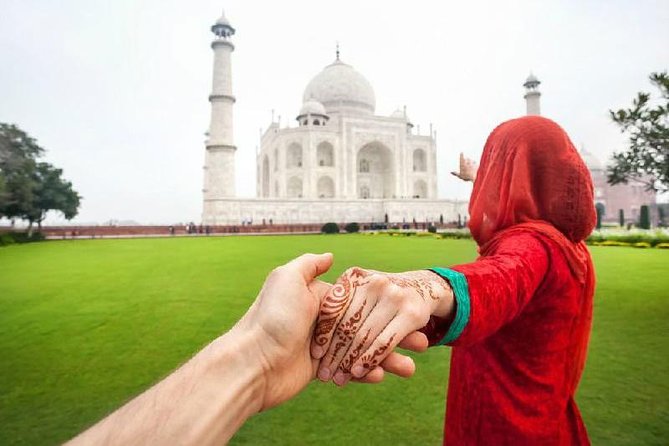
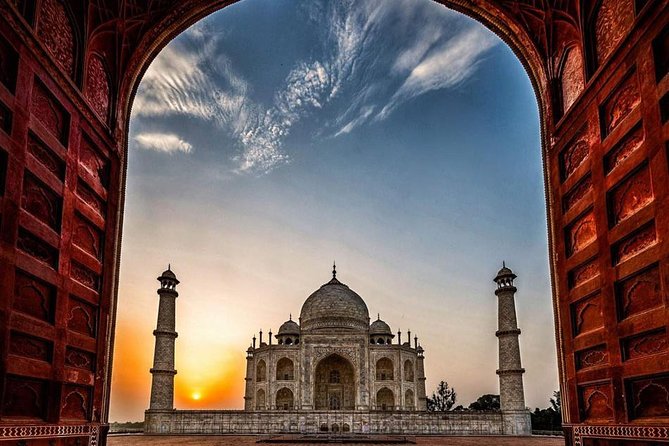
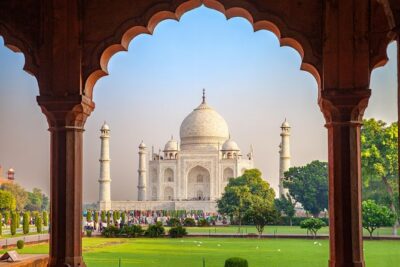
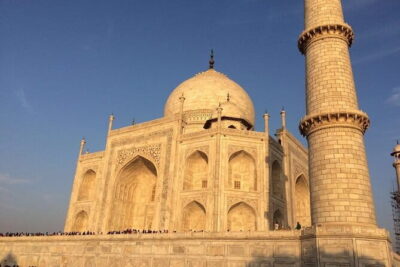
The Taj is an ivory-white marble mausoleum commissioned in 1632 by Mughal Emperor Shah Jahan for Mumtaz Mahal, with Shah Jahan’s own tomb also located there.
Here’s what matters for your experience: guides associated with this tour get praised for making the visit feel organized. One theme in feedback is that guides help with practical timing and line handling, and they also take photos for you in good positions—so you spend less time arguing with the camera timer and more time actually looking.
Keep in mind: monument entry tickets for the Taj are not included in the package.
Agra Fort: a strong follow-up after the Taj
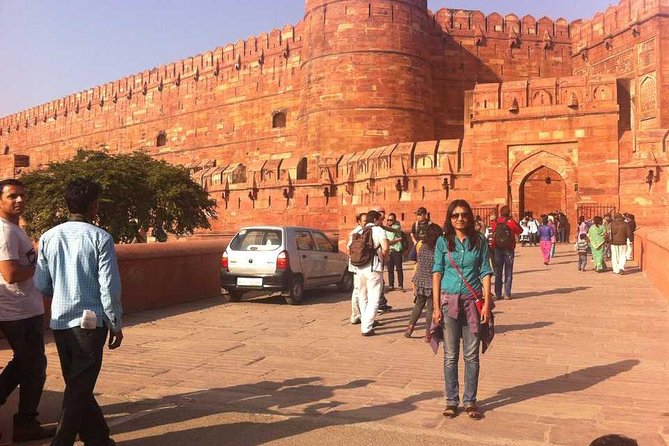
Your last major Agra stop is Agra Fort, a historical fort tied to Mughal emperors and their residence until the capital shifted to Delhi. It’s described as a former seat of power and includes details about it being used by Marathas before British takeover.
It’s a one-hour stop. That’s enough to get the fortress feel, move through key areas, and leave with a sense of the bigger Mughal story behind the Taj.
Like the Taj, admission for Agra Fort isn’t included, so build budget for ticket costs while you’re in Agra.
Transport, hotel, and the real meaning of the $780 price
Let’s talk value, because $780 can sound either high or fair depending on what’s included.
For this tour, you get:
- 4 nights in 4-star accommodation
- breakfast
- English speaking guide
- air-conditioned vehicle and private transportation
- bottled water
- all fees and taxes (the package includes taxes/fees, but monument entry tickets are still listed as not included)
You’re also covering major cities with road travel. The Golden Triangle’s distances (and the fact that Delhi–Agra road travel is often cut to about 2–3 hours thanks to the express highway) are exactly why this format works well.
The main cost pressure is that monument fees aren’t included, and several of the most famous sites in your route are flagged as not included. So the true bottom line for your trip depends on how many ticketed entrances you add during your days.
In plain terms: the price pays for comfort, transport, and a guide who keeps things moving. Your personal add-on costs are mostly entry tickets and any meals you choose beyond breakfast.
Who should book this Golden Triangle package
This tour fits best if you want:
- the big highlights of Delhi + Jaipur + Agra in one smooth run
- a guide who’s good at explaining what you’re looking at (names often praised include Vipin, DS, Yusuf, Nikhil, Javed Khan, Dharmendra Singh)
- help with photos—multiple guides are specifically credited for taking pictures and choosing strong locations
- a private setup for your group, meaning you’re not stuck in constant crowd-juggling
It may be less ideal if you:
- hate ticket planning and prefer everything fully bundled
- want extra long stays at fewer sites instead of checking off more stops
Should you book this Golden Triangle tour?
If you’re visiting for the first time and you want a guided, low-hassle route that hits the classics—India Gate through the Jama Masjid area, Jaipur’s Amer Fort and palace sights, then Fatehpur Sikri and the Taj—this is a strong pick. The guide emphasis is real here: the feedback highlights patience, English clarity, and practical support, including photo help (and even assistance in dealing with persistent tout offers at the Taj area).
I’d book it if you’re comfortable budgeting separately for monument entry fees and you’re okay with meals not being included beyond breakfast. You’ll get a well-run structure, private transport, and a 4-star hotel base—exactly what keeps a big-country itinerary from feeling chaotic.
If you want, tell me your travel month and whether you care more about photography, architecture, or history. I can suggest how to plan your extra ticket budget and which stops to prioritize when time runs tight.
FAQ
What is the duration of the Golden Triangle tour?
It runs for about 6 days.
Is pickup from the Delhi airport included?
Yes. A company representative picks you up from Delhi Airport and transfers you to your hotel for an overnight stay.
What’s included in the tour price?
Included items are air-conditioned vehicle, private transportation, breakfast, bottled water, all fees and taxes, 4 nights of accommodation in a 4* hotel, and an English-speaking guide.
Are monument fees and attraction entry tickets included?
No. Monument fees are listed as not included, and the tour notes that admission tickets are not included for some major stops.
Are meals included besides breakfast?
No. Any meal is listed as not included in the package.
Is this tour private or shared?
It’s a private tour/activity, meaning only your group participates.
Can I cancel and get a full refund?
Yes. Free cancellation is available if you cancel up to 24 hours in advance of the experience’s start time for a full refund.
More Tours in New Delhi
- Old & New Delhi City Tour – Half or Full Day Options Available
★ 5.0 · 4,811 reviews - Half Day Private Delhi City Tour
★ 5.0 · 4,474 reviews - Same Day Taj Mahal, Agra Fort & Baby Taj Tour from Delhi by Car
★ 5.0 · 4,304 reviews - Taj Mahal Day Tour from Delhi by Superfast Train – TOP RATED TOUR
★ 5.0 · 4,166 reviews - Delhi: Old and New Delhi Private Full or Half-Day Tour
★ 4.9 · 3,776 reviews
More Tour Reviews in New Delhi
- Old & New Delhi City Tour – Half or Full Day Options Available
★ 5.0 · 4,811 reviews - Half Day Private Delhi City Tour
★ 5.0 · 4,474 reviews - Same Day Taj Mahal, Agra Fort & Baby Taj Tour from Delhi by Car
★ 5.0 · 4,304 reviews - Taj Mahal Day Tour from Delhi by Superfast Train – TOP RATED TOUR
★ 5.0 · 4,166 reviews - Delhi: Old and New Delhi Private Full or Half-Day Tour
★ 4.9 · 3,776 reviews
The Full Golden Triangle, More Options
- 3-Days Private Golden Triangle Tour: Delhi, Agra & Jaipur by Car
★ 5.0 · 1,107 reviews - 3-Days Private Golden Triangle Tour: Delhi, Agra & Jaipur by Car
★ 5.0 · 1,098 reviews - 3-Day Delhi, Agra and Jaipur Private Tour – India Golden Triangle
★ 5.0 · 812 reviews - Four-Day Private Luxury Golden Triangle Tour to Agra and Jaipur From New Delhi
★ 5.0 · 807 reviews - 5 Nights 6 Days Private Golden Triangle Tour – Delhi Agra Jaipur
★ 5.0 · 574 reviews
Just added: more New Delhi reviews to browse
- 4 days Golden Triangle Tour★ 5.0 · 3 reviews
- Discover Old & New Delhi: Private Tour with Street Food★ 5.0 · 3 reviews
- Taj Mahal Tour From Delhi By Private Car★ 4.5 · 3 reviews
- Golden Triangle Tour 5 Days★ 5.0 · 3 reviews
- Taj Mahal: Express Entry Ticket For Sunset Tour with guide★ 5.0 · 3 reviews
- Agra Taj Mahal Sunrise & Sunset Tour from Delhi★ 5.0 · 3 reviews
Golden Triangle Tours, compared.
 ★ 5.03-Days Private Golden Triangle Tour: Delhi, Agra & Jaipur by CarFrom $1271,107 reviews
★ 5.03-Days Private Golden Triangle Tour: Delhi, Agra & Jaipur by CarFrom $1271,098 reviews
★ 5.03-Days Private Golden Triangle Tour: Delhi, Agra & Jaipur by CarFrom $1271,107 reviews
★ 5.03-Days Private Golden Triangle Tour: Delhi, Agra & Jaipur by CarFrom $1271,098 reviews
 ★ 5.03-Day Delhi, Agra and Jaipur Private Tour – India Golden TriangleFrom $110812 reviews
 ★ 5.0Four-Day Private Luxury Golden Triangle Tour to Agra and Jaipur From New DelhiFrom $160807 reviews
 ★ 5.05 Nights 6 Days Private Golden Triangle Tour – Delhi Agra JaipurFrom $240574 reviews
 ★ 5.04 Days Golden Triangle TourFrom $146499 reviews
 ★ 5.0Private Car and Drive for Golden Triangle (4N/5D)From $167451 reviews
 ★ 5.0Private Golden Triangle Tour Delhi Agra Jaipur ( Top Rated )From $148436 reviews
Browse the lists this tour appears in