
Reviewed · GOLDEN TRIANGLE TOURS
Golden Triangle Tour India
Golden Triangle tours can get chaotic fast, but this one keeps you moving with hotel pickup and a private air-conditioned vehicle. I like the way it rolls major sights into a sensible route while a professional guide adds context on Mughals, Maharajas, and later British rule. The trade-off is a schedule with long sightseeing days (often around 10 hours), so you’ll want to go with energy and good walking shoes.
Day 1 also gives you a real contrast: grand Delhi icons, then Old Delhi rickshaw riding through the tight lanes and a spice-market stop. One consideration: you’ll be hopping across styles and neighborhoods quickly, so if you hate crowds or have low tolerance for busy streets, you may feel the pace.
In This Review
- Key highlights to know before you go
- Golden Triangle in a private car: what the comfort buys you
- Day 1 in Delhi: Akshardham, Red Fort area sights, and Old Delhi by rickshaw
- Day 2 Agra: Taj Mahal at full impact plus Agra Fort
- Day 3 to Jaipur: Fatehpur Sikri stop and Galta Gi monkey temple
- Day 4 Jaipur: Amber Fort, City Palace, Jantar Mantar, and Hawa Mahal
- Day 5 back to New Delhi: a simple drop-off plan
- Price and logistics: how $125 per person stacks up
- Should you book this Golden Triangle tour?
- FAQ
- How long is the Golden Triangle Tour India?
- Where does the tour pick you up?
- Is the tour private?
- What’s included in the price?
- Are admission tickets included?
- What is the cancellation policy?
Key highlights to know before you go
- Hotel pickup and drop-off keep your logistics simple from New Delhi hotels or the international airport
- A professional guide helps connect what you’re seeing from Mughal monuments to royal Jaipur sights
- Private, air-conditioned transport between Delhi, Agra, and Jaipur reduces fatigue
- Old Delhi rickshaw ride + spice market adds texture beyond the big-name monuments
- Agra Fort + Taj Mahal are handled with guide time, not just a quick photo stop
- Jaipur hits the classic list: Amber Fort, City Palace, Jantar Mantar, and Hawa Mahal
Golden Triangle in a private car: what the comfort buys you
For many people, the Golden Triangle problem is travel stress. Distances are real, traffic is unpredictable, and switching transport options can eat your day. This tour answers that with private vehicle transport (and air-conditioning), plus hotel pickup and drop-off. You’re not trying to figure out how to get from monument to monument on your own.
Another value point is pacing. The route is classic—Delhi to Agra to Jaipur and back—but you’re doing it with a guide and a set sightseeing plan for each day. That matters because the “best” time to see a site often depends on crowd patterns and the kind of entry experience you want. Here, you’ll have a plan that groups the big monuments by day rather than scattering them randomly.
You also get small but helpful comfort perks: bottled water is included, and the schedule is marked as admission-ticket free for the sights listed each day. Double-check what’s covered for your exact booking, but the intent is clear: keep the add-on costs down.
Finally, the tour is set up as a private experience for your group. That usually means fewer compromises on timing and attention. In the notes I saw from past guests, communication and on-the-ground flexibility mattered—especially when adjusting plans by day and group size.
Delhi, Agra and Jaipur: more full circuits



Day 1 in Delhi: Akshardham, Red Fort area sights, and Old Delhi by rickshaw
Day 1 starts with a sweep of Delhi that mixes modern landmarks and Mughal-era power symbols. You’ll begin with pickup from your Delhi hotel or the international airport, then head to major sights such as Akshardham, Jama Masjid, Red Fort, Raj Ghat (Gandhi’s memorial), and a Gurudwara stop. That lineup gives you a fast orientation to Delhi as a living city, not a museum.
What I really like about this opening day is the way it pairs very different places in one loop. It helps you understand how Delhi layers religion, politics, and public life on top of each other. You’re also building context for later days, because the Golden Triangle story in India isn’t just “pretty buildings”—it’s rulers, faith, and shifts in power.
Then comes the Old Delhi segment, where the tour slows just enough to feel local. You’ll do a rickshaw ride through narrow Old Delhi streets, with a stop at a spice market. Even if you’ve seen photos of Old Delhi, the sensory feel is what hits: tight lanes, movement everywhere, and vendors working right where you’re walking. The spice-market stop is a smart add-on because it turns Old Delhi from a transit moment into something you can actually observe.
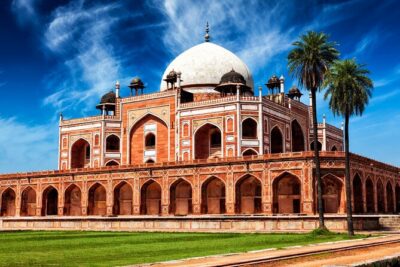
After lunch, you shift back into New Delhi highlights: India Gate, the Diplomatic District area (including Parliament House and Secretarial buildings), the Lotus Temple, and Humayun Tomb. The blend works well if you want variety without having to plan every turn yourself.
Watch-outs for day 1:
- You’ll do lots of walking and navigating in busy areas.
- It’s a long day, so plan for breaks and water.
- If you’re sensitive to crowds, consider choosing a calmer time of day for extra shopping on your own.
Day 2 Agra: Taj Mahal at full impact plus Agra Fort
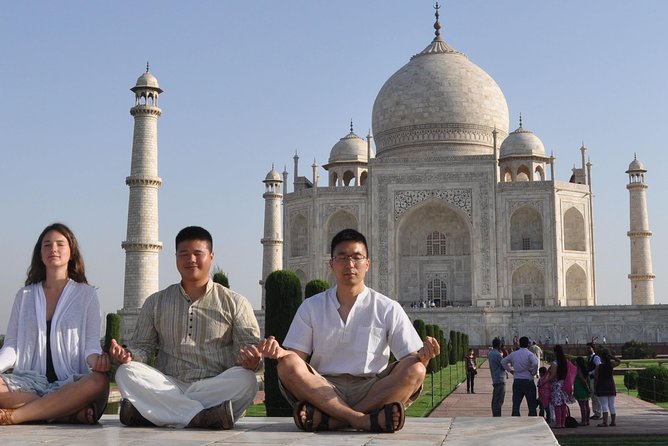
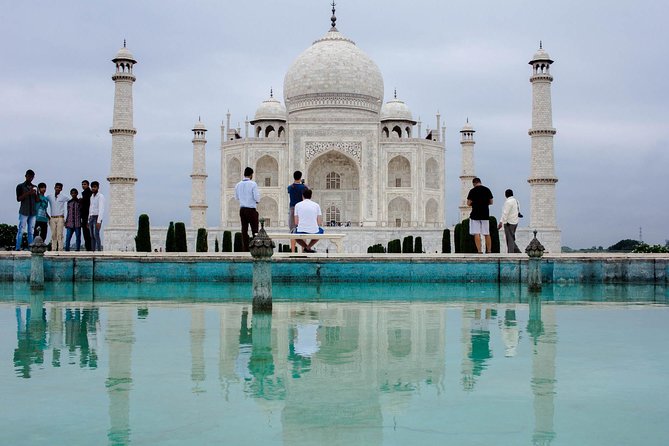
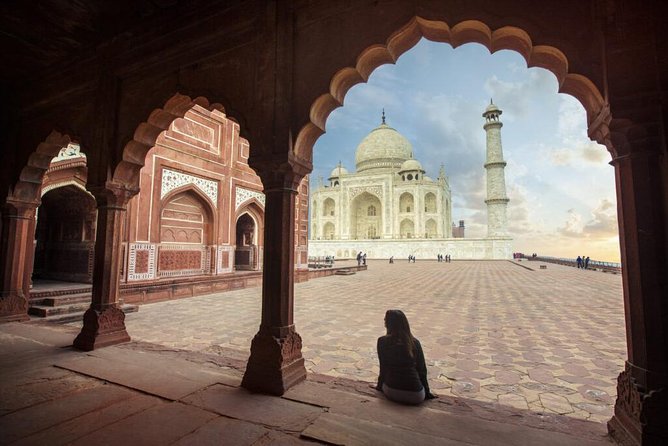
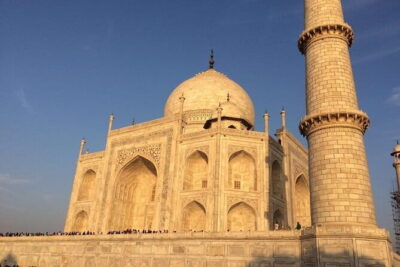
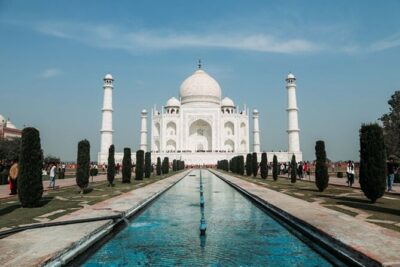
Agra is the emotional center of the Golden Triangle, and this tour treats it that way. After breakfast, you travel to Agra and meet your guide for local sightseeing. The big anchor is the Taj Mahal, described in the schedule as the symbol of eternal love built by Emperor Shahjahan in memory of Mumtaz Mahal, on the banks of the Yamuna. That’s not just a caption—it’s the core story you’ll be hearing as you tour.
What I like is that the day doesn’t collapse into only one monument. After the Taj Mahal time with your guide, you’ll also visit Agra Fort, listed as UNESCO and described as one of India’s most wonderful forts. Forts can feel “secondary” when you’re hyped for the Taj, but Agra Fort helps you see the bigger picture of power and architecture rather than just the romantic centerpiece.
From a practical point of view, having a guide here is especially useful. The Taj Mahal is famous enough that you can be tempted to rush through for photos. With guide time, you get a better sense of what you’re looking at and why it was built the way it was. It also helps you avoid wasting time trying to decode how to move efficiently on-site.
One more plus: the schedule indicates admission tickets are free for the listed Agra monuments. That can matter for value, especially if you’re trying to keep the trip within a clear budget.
Day 2 consideration:
- You’re doing substantial driving plus sightseeing. If you get car-sick, plan for it.
- Agra’s popularity can mean busy entry and areas around the monuments.
Day 3 to Jaipur: Fatehpur Sikri stop and Galta Gi monkey temple
On day 3, you transition from the Mughal story of Agra into the royal-courts look of Jaipur. After breakfast, you travel toward the Pink City, and you’ll make a stop at Fatehpur Sikri for sightseeing, specifically the royal and sacral part of the city.
That Fatehpur Sikri stop is a key value move. Instead of treating the ride between Agra and Jaipur as dead time, the day includes another named historical site. It also keeps the trip from feeling like you’re only visiting one “theme” per day. You’ll see how the route is designed to connect different eras and styles across North India.
Once you arrive in Jaipur, you check into your hotel and then do local sightseeing. A standout here is Galta Gi, also described as the monkey temple, beautifully situated among the hills. This is the kind of stop that can be more memorable than a list of palace rooms because it changes the setting. You’re not only looking at fortifications and observatories—you’re seeing a temple location with a strong sense of place.
Day 3 consideration:
- If you dislike animals, know that the monkey temple is explicitly called out as such in the itinerary.
- The day mixes history with hills, so bring shoes that work for uneven ground.
Day 4 Jaipur: Amber Fort, City Palace, Jantar Mantar, and Hawa Mahal
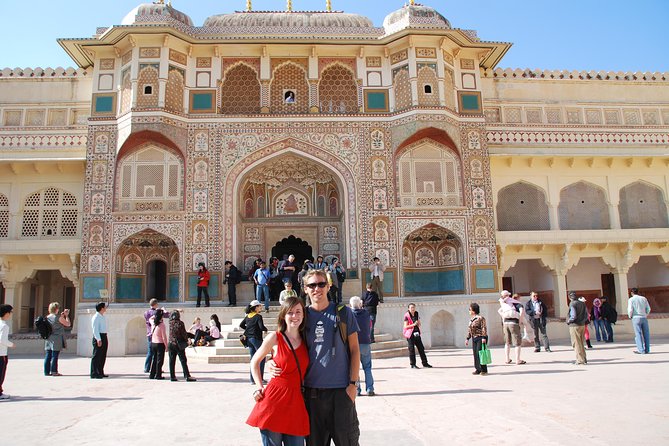
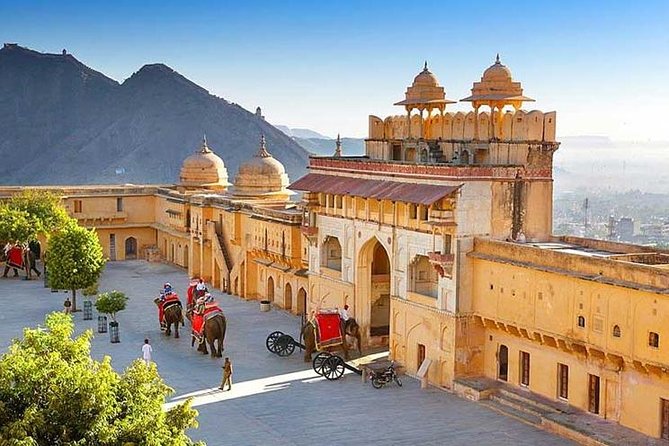
This is your heavy hitters day in Jaipur. After breakfast, you meet your guide and head into the classic lineup: Amber Fort (a magnificent fort palace situated among hills), City Palace, and Jantar Mantar, described as an astronomical observatory.
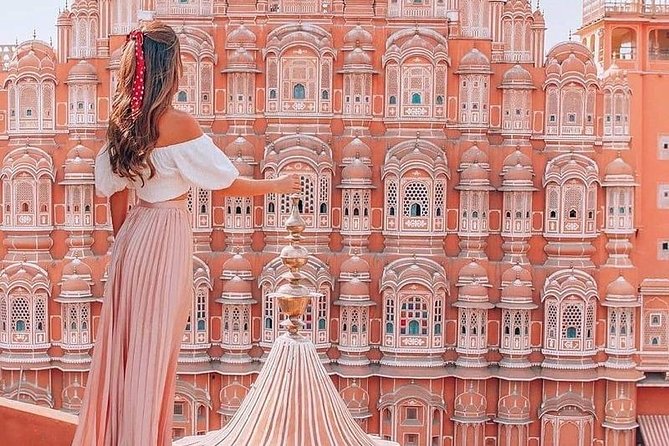
Then you add royal tomb sights with Gaitor tombs, plus palace-and-view stops such as Jal Mahal, the water palace. Finally, you’ll visit Hawa Mahal, highlighted in the schedule as the most characteristic wall in Jaipur with 1000 small windows.
I like how this day balances viewpoints and details. Amber Fort fits the “big wow” category: a hilltop-feel setting, strong architecture presence, and plenty to watch as you move around. Jantar Mantar and the astronomy focus can be surprisingly interesting if you’re even a little curious about how people measured the sky before modern tech. And Hawa Mahal is one of those Jaipur icons where the design is so distinctive that it’s hard not to be impressed once you see it in real size.
There’s also time for shopping at a local market, which is a smart way to round out the day. It turns the trip into more than monuments and photos.
Day 4 consideration:
- This is a long, packed day. You’ll likely be tired by evening.
- If you have limited walking ability, ask about pacing with your guide when booking.

Day 5 back to New Delhi: a simple drop-off plan
After breakfast on day 5, you travel back to New Delhi and are dropped off at your hotel or another central location. That’s a clean finish: you’re not trying to squeeze in extra monuments right at the end, which can be a relief if you have a flight or onward train.
This last-day structure also makes it easier to plan your departure. You’ll have a clear end point, so you can time your airport transfer without guessing.
Price and logistics: how $125 per person stacks up
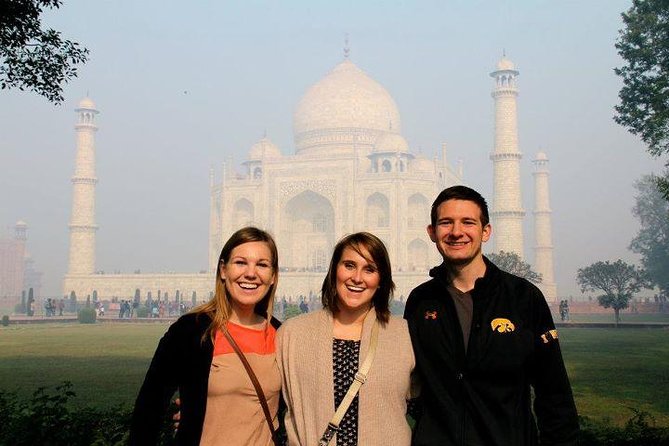
At $125 per person for about five days, the headline is easy to understand: it’s built around transportation, a professional guide, and a set route. The price includes all taxes, fees, and handling charges, fuel surcharge, transport by private vehicle, hotel pickup and drop-off, professional guide, and bottled water.
For value, the big question is what you’re really paying for. Here, you’re paying to avoid the most expensive hassle in India: hiring drivers, dealing with transfers, and piecing together guided entry experiences across three cities. If you’d otherwise book multiple one-day guides or arrange your own car for each leg, the pricing can start to look much more reasonable.
You also get group discounts noted in the tour details, plus a mobile ticket. Mobile ticketing tends to reduce the paper chase, which is great if you’re juggling hotel check-ins and city schedules.
One more practical note: the tour operates in all weather conditions, and the guidance is to dress appropriately. That matters because Delhi and North India can shift quickly between sunny and cooler air. A light layer and good sun protection can help you enjoy the outdoor parts more comfortably.
Should you book this Golden Triangle tour?
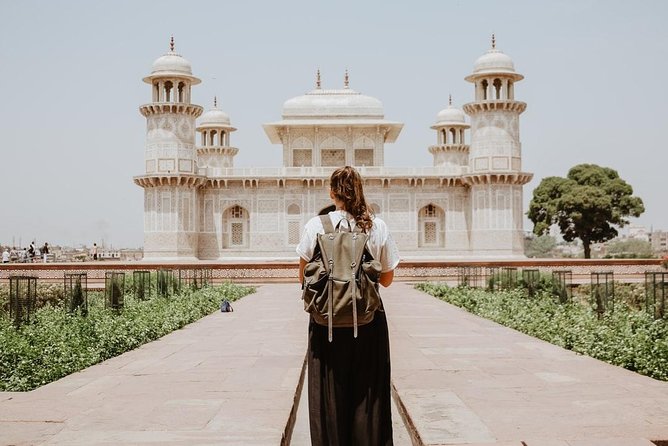
Book it if you want a classic Golden Triangle route with less friction. You’re getting hotel pickup, a private vehicle, and a guide who can connect what you’re seeing—especially at the Taj Mahal, Agra Fort, and the major Jaipur monuments. The Old Delhi rickshaw ride and spice-market stop add local texture that you’d usually have to hunt down on your own.
Skip it or consider alternatives if:
- You hate long days and lots of walking. The schedule reads like full sightseeing blocks.
- You want more free time in each city, not a structured sequence. This is designed to cover a lot, not to stretch slowly.
One thing I’d do before confirming: ask what “admission ticket free” covers for your exact dates. The schedule marks admission tickets as free each day, but it’s still smart to verify which entries are included so there are no surprises.
If that checks out, this is a strong choice for first-timers who want the major sights and want to spend more energy actually looking and less time figuring out logistics.
FAQ
How long is the Golden Triangle Tour India?
The tour runs 5 days (approx.) covering New Delhi, Agra, and Jaipur.
Where does the tour pick you up?
You’ll get hotel pickup in New Delhi or pickup from the international airport in Delhi, and you’ll be dropped off at your hotel or a central location in Delhi at the end.
Is the tour private?
Yes. It’s listed as a private tour/activity, and only your group will participate.
What’s included in the price?
The tour includes all taxes and fees, fuel surcharge, transport by private vehicle, hotel pickup and drop-off, professional guide, and bottled water.
Are admission tickets included?
The day-by-day schedule lists Admission Ticket Free for the included sightseeing, so admission is shown as covered for the sights listed.
What is the cancellation policy?
You can cancel for free up to 24 hours in advance for a full refund. If you cancel less than 24 hours before the start time, the amount paid is not refunded.
More Tours in New Delhi
- Old & New Delhi City Tour – Half or Full Day Options Available
★ 5.0 · 4,811 reviews - Half Day Private Delhi City Tour
★ 5.0 · 4,474 reviews - Same Day Taj Mahal, Agra Fort & Baby Taj Tour from Delhi by Car
★ 5.0 · 4,304 reviews - Taj Mahal Day Tour from Delhi by Superfast Train – TOP RATED TOUR
★ 5.0 · 4,166 reviews - Delhi: Old and New Delhi Private Full or Half-Day Tour
★ 4.9 · 3,776 reviews
More Tour Reviews in New Delhi
- Old & New Delhi City Tour – Half or Full Day Options Available
★ 5.0 · 4,811 reviews - Half Day Private Delhi City Tour
★ 5.0 · 4,474 reviews - Same Day Taj Mahal, Agra Fort & Baby Taj Tour from Delhi by Car
★ 5.0 · 4,304 reviews - Taj Mahal Day Tour from Delhi by Superfast Train – TOP RATED TOUR
★ 5.0 · 4,166 reviews - Delhi: Old and New Delhi Private Full or Half-Day Tour
★ 4.9 · 3,776 reviews
The Full Golden Triangle, More Options
- 3-Days Private Golden Triangle Tour: Delhi, Agra & Jaipur by Car
★ 5.0 · 1,107 reviews - 3-Days Private Golden Triangle Tour: Delhi, Agra & Jaipur by Car
★ 5.0 · 1,098 reviews - 3-Day Delhi, Agra and Jaipur Private Tour – India Golden Triangle
★ 5.0 · 812 reviews - Four-Day Private Luxury Golden Triangle Tour to Agra and Jaipur From New Delhi
★ 5.0 · 807 reviews - 5 Nights 6 Days Private Golden Triangle Tour – Delhi Agra Jaipur
★ 5.0 · 574 reviews
Just added: more New Delhi reviews to browse
- 4 days Golden Triangle Tour★ 5.0 · 3 reviews
- Discover Old & New Delhi: Private Tour with Street Food★ 5.0 · 3 reviews
- Taj Mahal Tour From Delhi By Private Car★ 4.5 · 3 reviews
- Golden Triangle Tour 5 Days★ 5.0 · 3 reviews
- Taj Mahal: Express Entry Ticket For Sunset Tour with guide★ 5.0 · 3 reviews
- Agra Taj Mahal Sunrise & Sunset Tour from Delhi★ 5.0 · 3 reviews
Golden Triangle Tours, compared.
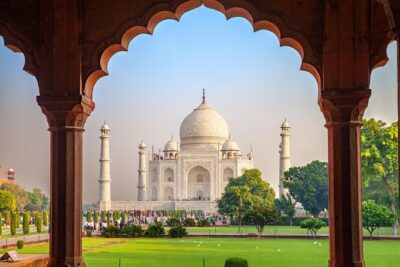 ★ 5.03-Days Private Golden Triangle Tour: Delhi, Agra & Jaipur by CarFrom $1271,107 reviews
★ 5.03-Days Private Golden Triangle Tour: Delhi, Agra & Jaipur by CarFrom $1271,098 reviews
 ★ 5.03-Day Delhi, Agra and Jaipur Private Tour – India Golden TriangleFrom $110812 reviews
 ★ 5.0Four-Day Private Luxury Golden Triangle Tour to Agra and Jaipur From New DelhiFrom $160807 reviews
 ★ 5.05 Nights 6 Days Private Golden Triangle Tour – Delhi Agra JaipurFrom $240574 reviews
 ★ 5.04 Days Golden Triangle TourFrom $146499 reviews
 ★ 5.0Private Car and Drive for Golden Triangle (4N/5D)From $167451 reviews
 ★ 5.0Private Golden Triangle Tour Delhi Agra Jaipur ( Top Rated )From $148436 reviews