
Reviewed · GOLDEN TRIANGLE TOURS
Golden Triangle with Ranthambore Tour
Tiger safaris and iconic monuments in one trip.
This 9-day private Golden Triangle with Ranthambore mixes Delhi, Agra, and Jaipur with two chances to spot wildlife in Ranthambore National Park. What I like most is that the tour removes the heavy planning work—hotel stays and transfers are built in—so your days stay focused on seeing, not scheduling.
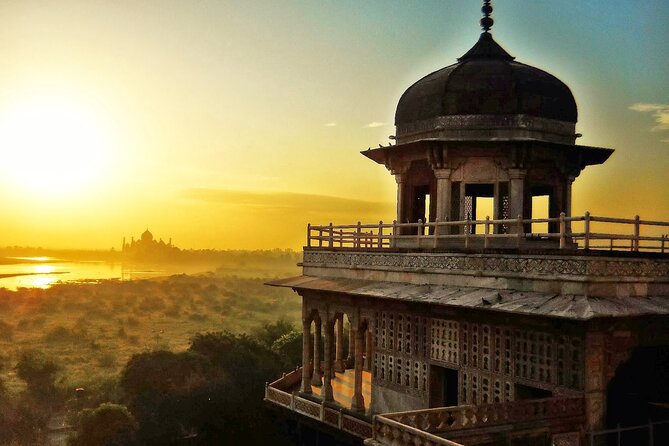
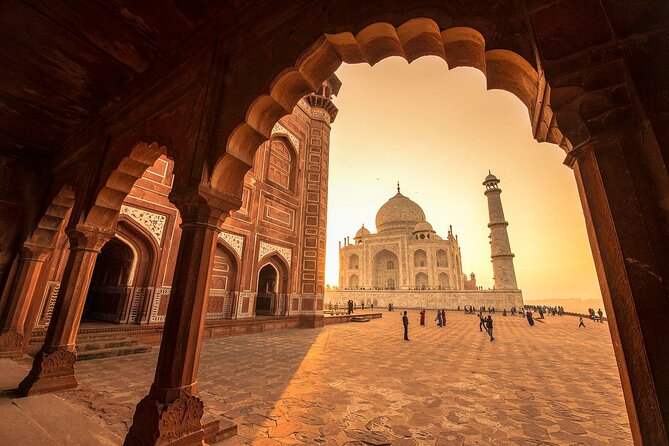
I also like the hands-on touches: a sunrise Taj Mahal visit, a cycle rickshaw ride in Old Delhi, and guided time in the right places instead of rushing through everything alone. The single thing to consider is timing and costs: monument entry fees aren’t included, and the schedule has early starts (especially for Taj Mahal), so you’ll want to plan for extra payments and a tighter rhythm.
In This Review
- Key things to know before you go
- Golden Triangle plus Ranthambore: the value of one tight route
- Price and logistics: what $1,635 covers (and what it doesn’t)
- Day 1 in Delhi: arrival pace and a free first evening
- Day 2 in New Delhi and Old Delhi: Qutub Minar, tombs, and Chandni Chowk
- Day 3 to Agra via Sikandra: Akbar’s Tomb en route and an evening fort tour
- Day 4: Sunrise Taj Mahal, then Fatehpur Sikri and onward to Ranthambore
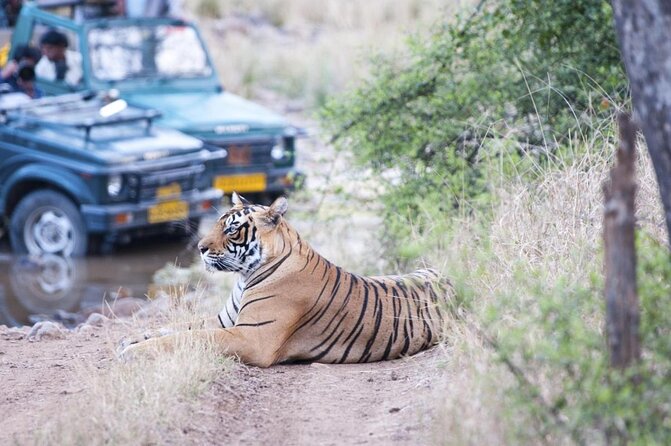
- Day 5: Ranthambore National Park safaris—tigers, leopards, and crocodiles
- Day 6: Ranthambore Fort day, then Jaipur transfer
- Day 7: Amber Fort with Jeep ride, plus Jaipur’s major sights
- Day 8: Back to Delhi via the Rewari Rail Museum and a final city night
- Day 9: Depart Delhi
- Guides, group experience, and the small things that make it smoother
- Should you book this Golden Triangle with Ranthambore?
Key things to know before you go
- Two Ranthambore safaris with a professional naturalist, plus an extra wildlife-focused day feel (morning and afternoon game drives).
- Sunrise Taj Mahal + Mehtab Bagh timing that makes the Taj more than a quick photo stop.
- Rammed-in classic route, but with stops that actually break it up: Fatehpur Sikri en route and a Rail Museum visit on the way back.
- Comfort built into logistics: 8 nights in 3-star hotels, airport help, and all transfers by AC vehicle.
- Local English-speaking guides in Delhi, Agra, Fatehpur Sikri, and Jaipur for smoother site visits.
- Private format: it’s only your group, so you’re not stuck with a random crowd pace.
Golden Triangle plus Ranthambore: the value of one tight route
This is a classic India “starter route,” but with a big upgrade: it doesn’t just do monuments. It adds Ranthambore National Park with two safari rides, giving you that rare mix of polished sightseeing and real nature time. The Golden Triangle part is all the headline stuff—Delhi, Agra, Jaipur—while Ranthambore brings a totally different mood.
The smartest value here is how the trip is assembled. You’re not hopping between dozens of hotels and drivers. You’re moving with pre-booked hotel stays and included transfers, which matters a lot in a country where travel time can quietly eat a day. If you’ve ever planned India on your own, you know the work begins long before you land.
One note to keep your expectations realistic: this isn’t “slow travel.” It’s designed for 9 days of full coverage, which means you’ll follow a plan that moves you from one major area to the next.
Delhi, Agra and Jaipur: more full circuits



Price and logistics: what $1,635 covers (and what it doesn’t)
At $1,635 per person for about 9 days, you’re paying for convenience plus the guide and safari structure. The package includes 8 nights in 3-star hotels (double/twin sharing), daily breakfast, lunch, and two dinners, plus airport and all transfers by an AC vehicle. You also get a mineral water bottle per person per day and basic ride experiences like rickshaw/jeep/tonga.
Where you need to watch your budget is monument entry fees. The itinerary notes some items as ticket-free in the schedule, but the tour overall lists monument entry fees as not included. The Taj Mahal also specifically calls out that the Taj Mahal sunrise admission isn’t included. So even if you don’t pay for every site, plan on paying something at major monuments.
Also, this is a private tour/activity that only involves your group. That’s good for pace and comfort, but it can mean you’ll feel timing changes more sharply if your group wants to slow down or speed up.
Day 1 in Delhi: arrival pace and a free first evening
You land at Indira Gandhi International Airport, and a representative meets you for a smooth transfer to your hotel. Day 1 is intentionally light: after check-in, you get the rest of the day for your own plans.
This first night is practical. It gives you time to adjust, grab a meal, and avoid turning your first day into a long rush of temples and forts.
Day 2 in New Delhi and Old Delhi: Qutub Minar, tombs, and Chandni Chowk
This day is built around contrast: big landmarks in New Delhi, then old-school lanes in Old Delhi.
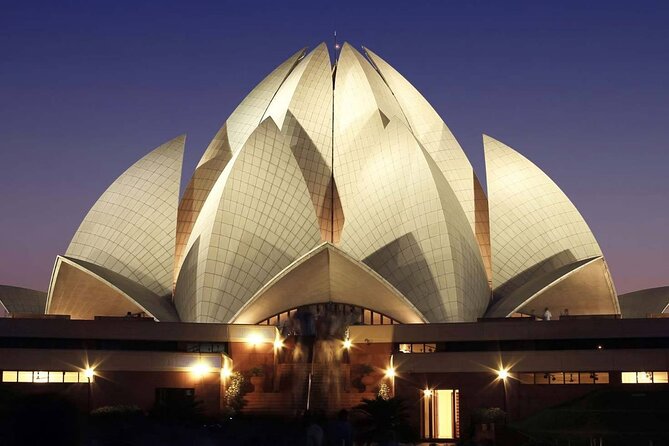
In New Delhi, you’ll hit Qutub Minar, plus drive-pass moments like the Lotus Temple, and Humayun’s Tomb. You also see the government/ceremonial skyline from the road with Rashtrapati Bhavan and India Gate.
Then you shift gears for Old Delhi. You visit Raj Ghat and Jama Masjid, plus a short rickshaw ride at Chandni Chowk—including the spice market area and nearby clothing markets. The value of this section isn’t only the sights. It’s the way Old Delhi moves: walking, bargaining energy, and small-scale street life you can’t fully recreate from a guidebook.
Possible drawback: this is a full day with a lot of stops, and after the rickshaw ride you’ll likely want breaks—but the schedule keeps you moving. Go into it knowing you’ll be using your feet.
Day 3 to Agra via Sikandra: Akbar’s Tomb en route and an evening fort tour
Day 3 starts with the drive from Delhi to Agra, with Sikandra Fort (Akbar’s Tomb) as a key stop. It’s a strong way to break up the journey because it adds Mughal context before you hit Agra’s major monuments.
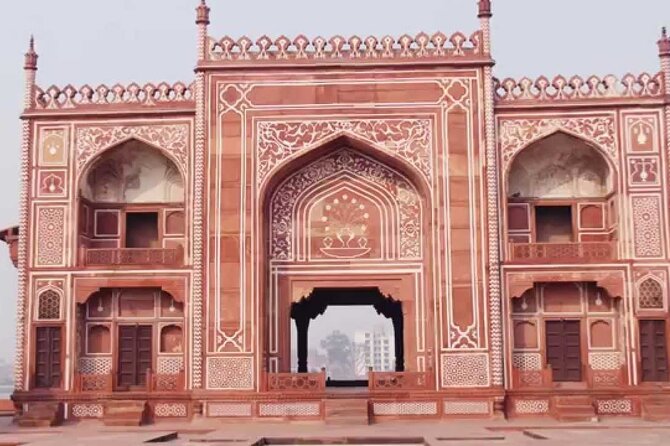
Once you arrive in Agra, you check in and get a guided tour focused on major architecture. You’ll see Agra Fort (with areas like Moti Masjid and other named sections), Itmad-ud-Daulah’s Tomb, and Jama Masjid. After that, you get the night at your hotel, which is important because the next day starts early.
The realistic trade-off: by the end of Day 3, you’ll feel the monument workload. That’s normal. Try not to schedule extra activities that night.
More tiger country trips beyond the capital


Day 4: Sunrise Taj Mahal, then Fatehpur Sikri and onward to Ranthambore
This is the big day.
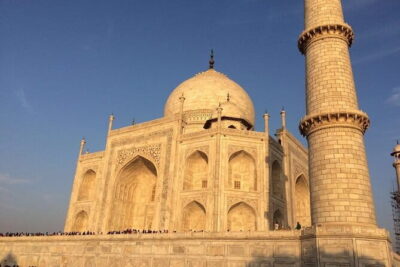
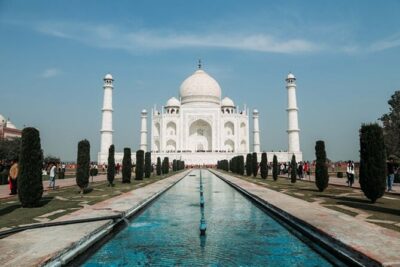
You start early for the sunrise Taj Mahal visit (with Mehtab Bagh included in the plan). Sunrise matters here because it changes how the Taj feels—lighter crowds, different color shifts, and more of that “this is why it’s famous” reaction. But yes, it also means an early wake-up and a tight morning.
After Taj Mahal, you return to the hotel for breakfast, check out, and then you drive toward Ranthambore, breaking the trip with Fatehpur Sikri. Fatehpur Sikri is described as a deserted Mughal town built in 1571 in red stone, and you’ll see key pieces like the Tomb of Salim Chisti, Buland Darwaza, Diwane e Khas, and Panch Mahal.
You finish by checking in at your Ranthambore hotel, with the rest of the day free. That free time is valuable because you’re about to start safari mornings.
One caution: you’re stacking major sites in a single day. If your group is sensitive to long travel drives, Day 4 will be the toughest day physically.
Day 5: Ranthambore National Park safaris—tigers, leopards, and crocodiles
Day 5 is where the trip turns from sightseeing into wildlife focus.
You go for a morning jungle safari before breakfast, then later you return for an afternoon safari. The park is described as a former royal hunting ground and a home to tigers, leopards, and marsh crocodiles. You’ll travel with a professional naturalist, which helps a lot because it turns the ride from scanning to understanding.
The itinerary also frames the day as picture-friendly. That’s useful if you care about photography, but even if you don’t, it often means you’ll get time to watch rather than just drive past animals.
Here’s the practical thing I’d tell you to plan around: in safari country, outcomes are never guaranteed. You’re buying chances and expert guidance, not a guaranteed tiger sighting. The good news is that the two safari structure improves your odds compared to one drive.
Day 6: Ranthambore Fort day, then Jaipur transfer
Morning shifts to culture and viewpoints with Ranthambore Fort, described as a 1,000-year-old site. This is a smart pairing with safari time because it gives you something solid on foot while the wildlife day is fresh in your mind.
Then you check out and drive to Jaipur, arriving for hotel check-in and a free evening.
This is also a good day to pace yourself. You might have safari energy still sitting in your legs and eyes—so use the free time to rest and reset.
Day 7: Amber Fort with Jeep ride, plus Jaipur’s major sights
Jaipur is a full-day guided tour, and it’s arranged to hit the big icons without leaving you only with postcard stops.
You visit Amber Fort, including a Jeep ride (with an optional add-on to Nahargarh Fort and Jaigarh Fort if time permits). You then move through City Palace and Jantar Mantar, which is one of those places where the shapes make sense only once you’re standing there.
After that, you also drive past Jal Mahal and Hawa Mahal, and you visit Birla Temple. This mix gives you palaces, science, and spiritual architecture in one day, with different styles and different moods.
The best part is the handoff to free time. Once the guided portion ends, you can shop or just slow down near your hotel.
Day 8: Back to Delhi via the Rewari Rail Museum and a final city night
Day 8 is a clever change of pace. After breakfast, you drive back toward Delhi and stop at Rewari Steam Locomotive Shed & Rail Museum. You’ll also get tea/coffee snacks there, which makes the stop feel like a real break—not just a quick bathroom stop plus back on the road.
Then you arrive in Delhi, check in, and spend the rest of the day free.
This free time is handy because it gives you an extra chance to do something low-pressure: a market stroll, a relaxed meal, or just sitting somewhere with a view and watching India move.
Day 9: Depart Delhi
After breakfast, you check out and transfer to the airport. That’s the end of the trip—simple, direct, and designed to fit a flight day without a last-minute rush to do something major.
Guides, group experience, and the small things that make it smoother
One of the reasons this works well is the staffing structure. You get local English-speaking guides in Delhi, Agra, Fatehpur Sikri, and Jaipur, plus ongoing support during transfers. That matters because it improves your understanding of what you’re seeing, and it makes it easier to move through busy sites.
In past experiences with this operator, support has been described as professional and friendly, including a mention of Amit and the team checking in about welfare during the trip. Even if that name doesn’t match your exact guide lineup, the point stays useful: you want a company that doesn’t vanish once you’re in motion.
Also, the tour includes several small, experience-type rides: cycle rickshaw in Chandni Chowk, tonga ride in Agra, and a Jeep ride in Amber Fort. Those aren’t just for fun. They reduce friction in areas where car access and walking routes can be tricky.
Should you book this Golden Triangle with Ranthambore?
I’d book it if you want a ready-made India route that hits big names (Taj Mahal, Delhi landmarks, Jaipur icons) and also delivers wildlife time in Ranthambore with actual safari structure. The included hotels, transfers, and guided days make it a good fit when you don’t want to spend your vacation micromanaging logistics.
Skip or reconsider if your priority is a slow pace, because this itinerary is tightly packed and includes early starts. Also, budget for monument entry fees even if some items appear ticket-free in the day plan—those details can vary by site.
If you’re a first-time India visitor, this trip is a strong way to get the big hits plus tiger-country reality without turning your schedule into a full-time job.
More Tour Reviews in New Delhi
- Old & New Delhi City Tour – Half or Full Day Options Available
★ 5.0 · 4,811 reviews - Half Day Private Delhi City Tour
★ 5.0 · 4,474 reviews - Same Day Taj Mahal, Agra Fort & Baby Taj Tour from Delhi by Car
★ 5.0 · 4,304 reviews - Taj Mahal Day Tour from Delhi by Superfast Train – TOP RATED TOUR
★ 5.0 · 4,166 reviews - Delhi: Old and New Delhi Private Full or Half-Day Tour
★ 4.9 · 3,776 reviews
Tiger Country: More Ranthambore Trips
- Private 4-Day Golden Triangle Tour with Ranthambore Tiger Safari
★ 5.0 · 248 reviews - Golden Triangle & Ranthambore: 4-Day Private Tour from Delhi
★ 5.0 · 224 reviews - Private 5-Day Ranthambhore Tiger Tour from Delhi including the Taj Mahal, Agra and Jaipur
★ 5.0 · 197 reviews - From Delhi: 4-Day Golden Triangle & Ranthambore Guided Tour
★ 4.7 · 121 reviews - 4 Day Golden Triangle with Ranthambore Tiger Safari Tour from Delhi
★ 5.0 · 110 reviews
The Full Golden Triangle, More Options
- 3-Days Private Golden Triangle Tour: Delhi, Agra & Jaipur by Car
★ 5.0 · 1,107 reviews - 3-Days Private Golden Triangle Tour: Delhi, Agra & Jaipur by Car
★ 5.0 · 1,098 reviews - 3-Day Delhi, Agra and Jaipur Private Tour – India Golden Triangle
★ 5.0 · 812 reviews - Four-Day Private Luxury Golden Triangle Tour to Agra and Jaipur From New Delhi
★ 5.0 · 807 reviews - 5 Nights 6 Days Private Golden Triangle Tour – Delhi Agra Jaipur
★ 5.0 · 574 reviews
Just added: more New Delhi reviews to browse
- 4 days Golden Triangle Tour★ 5.0 · 3 reviews
- Discover Old & New Delhi: Private Tour with Street Food★ 5.0 · 3 reviews
- Taj Mahal Tour From Delhi By Private Car★ 4.5 · 3 reviews
- Golden Triangle Tour 5 Days★ 5.0 · 3 reviews
- Taj Mahal: Express Entry Ticket For Sunset Tour with guide★ 5.0 · 3 reviews
- Agra Taj Mahal Sunrise & Sunset Tour from Delhi★ 5.0 · 3 reviews
Golden Triangle Tours, compared.
 ★ 5.03-Days Private Golden Triangle Tour: Delhi, Agra & Jaipur by CarFrom $1271,107 reviews
★ 5.03-Days Private Golden Triangle Tour: Delhi, Agra & Jaipur by CarFrom $1271,098 reviews
★ 5.03-Days Private Golden Triangle Tour: Delhi, Agra & Jaipur by CarFrom $1271,107 reviews
★ 5.03-Days Private Golden Triangle Tour: Delhi, Agra & Jaipur by CarFrom $1271,098 reviews
 ★ 5.03-Day Delhi, Agra and Jaipur Private Tour – India Golden TriangleFrom $110812 reviews
 ★ 5.0Four-Day Private Luxury Golden Triangle Tour to Agra and Jaipur From New DelhiFrom $160807 reviews
 ★ 5.05 Nights 6 Days Private Golden Triangle Tour – Delhi Agra JaipurFrom $240574 reviews
 ★ 5.04 Days Golden Triangle TourFrom $146499 reviews
 ★ 5.0Private Car and Drive for Golden Triangle (4N/5D)From $167451 reviews
 ★ 5.0Private Golden Triangle Tour Delhi Agra Jaipur ( Top Rated )From $148436 reviews
Browse the lists this tour appears in