
Tigers in Ranthambore make this week feel extra. This Golden Triangle with Tigers is built around big icons—Taj Mahal at sunrise, Delhi’s Mughal-era highlights, and Jaipur’s forts—while still giving you a serious shot at seeing wildlife in Ranthambore National Park. I like that the pacing is structured enough to keep logistics sane, yet flexible enough for evenings in Delhi markets. One thing to think about: tiger sightings aren’t guaranteed, and the safari experience depends on weather and park conditions.
What I especially like is the mix of “museum quality” history and hands-on culture. You’ll get a guided sweep of New and Old Delhi sights (with a rickshaw ride element), plus an Agra day that includes the Red Fort areas and a view from Mehtabbagh. Then Jaipur brings in more than sightseeing—an Amber Fort visit, a chance to watch Aarti at Govind Dev Ji, and a stop at a block printing factory.
The possible drawback is that monument entrance fees aren’t included, and you’ll be up early on key mornings. If you hate early starts or you’re traveling super tight on budget, plan for extra tickets and the fact that sunrise Taj means early wake-up and cold/variable morning conditions.
In This Review
- Key Points to Know Before You Go
- A Week of Icons, With One Big Wildcard: Tigers in Ranthambore
- Day 1 in New Delhi: Airport Pickup and a Soft Landing
- Day 2: New and Old Delhi Highlights (Plus Markets After Dark)
- Day 3: The Agra Drive and Red Fort Views That Don’t Feel Like a Repeat
- Day 4: Sunrise Taj Mahal, Marble Inlay Work, Then Off to Ranthambore
- Day 5: Early Safari (06:00 to 10:30) and the Jaipur Switch
- Day 6: Jaipur Pink City—Fort Views, City Palace, Jantar Mantar, and Aarti at Govind Dev Ji
- Day 7: Wrap-Up in New Delhi and Fly Out With the Right Memories
- Price and Logistics: What Your $780 Really Covers (and What You’ll Plan For)
- Who Should Book This Golden Triangle With Tigers
- Should You Book This Tour?
- FAQ
- What cities does the Golden Triangle with Tigers tour include?
- How long is the tour?
- What is the tour price?
- Does the tour include pickup from the airport?
- Is a mobile ticket included?
- What sightseeing is included in Delhi?
- What time is the Ranthambore safari scheduled?
- Are monument entrance fees included?
- What’s included in the cost?
- Is the tour affected by weather?
Key Points to Know Before You Go
- Sunrise Taj Mahal timing: you’ll be set up specifically for first-light views, not just a late-afternoon photo stop
- Tiger-focused day in Ranthambore: the safari slot is scheduled for a morning window (06:00 to 10:30)
- Delhi in one efficient day: Birla Temple, Red Fort, Jama Mosque, Humayun’s Tomb, and Qutab Minar are all in the mix
- Jaipur isn’t only forts: you’ll add City Palace, Jantar Mantar, an Aarti moment, and block printing
- Private group feel: it’s a private tour for your group, with an air-conditioned vehicle and a guide
A Week of Icons, With One Big Wildcard: Tigers in Ranthambore
This tour works because it doesn’t treat Ranthambore as a side quest. It’s timed for an early safari window and paired with a realistic expectation: tiger populations have faced a decline in recent years, so the big cats are never promised. You’re going for the best chance—not a guaranteed sighting—and that framing helps you enjoy the day without disappointment.
I also like how the wildlife day isn’t isolated from everything else. You’ll leave the park area, then continue toward Jaipur, so the week stays active instead of turning into a “wait and hope” rhythm. Besides tigers, Ranthambore safaris can bring sightings of bears, deer, leopards, and even marsh crocodiles, plus lots of birds if you keep your eyes moving.
One more practical note: the experience is described as weather-dependent. If the park or safari operations are affected by conditions, you’ll want to be flexible. That’s not a dealbreaker—just part of traveling for wildlife.
Delhi, Agra and Jaipur: more full circuits



Day 1 in New Delhi: Airport Pickup and a Soft Landing
Day 1 is about getting you from Delhi International Airport to your hotel without stress. You’re greeted on arrival with a traditional welcome, then you get an escorted transfer to your pre-booked place and help at check-in.
This matters more than it sounds. Delhi traffic and airport logistics can eat a surprising amount of your first day, and you don’t want your trip to start with a scramble. Having pickup and a guide-guided arrival sequence helps you get your bearings fast—then your evening can be free.
In other words, you’re not “locked into” a full schedule immediately. You’ve got time to rest, sort out phone SIMs if needed, and prep for the next day’s sightseeing sprint.
Day 2: New and Old Delhi Highlights (Plus Markets After Dark)
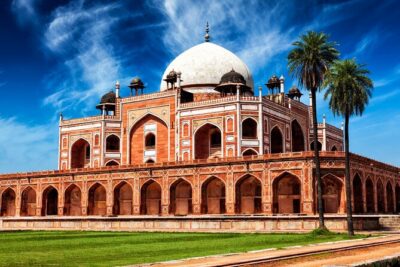
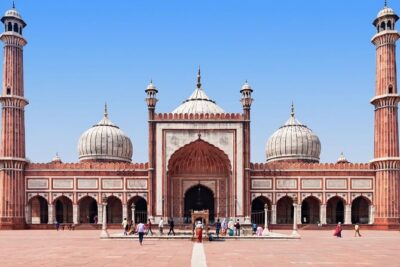
Delhi day is ambitious in a good way. You’ll cover New Delhi and Old Delhi in one combined sightseeing block, including Birla Temple, Red Fort, Jama Mosque with a rickshaw ride element, Raj Ghat, Humayun’s Tomb, and Qutab Minar.
Here’s why this works: these sights show different layers of Delhi—imperial Mughal influence, Ottoman-style mosque grandeur vibes, and landmark architecture across eras. Qutab Minar and Humayun’s Tomb also set you up visually for what you’ll later see in Agra.
You’ll also drive past major government buildings such as India Gate, Parliament House, President Palace, and the diplomatic area. That’s a useful “context loop” even if you don’t stop, because it helps you understand what you’re looking at when the city feels like it’s moving in 30 directions at once.
Then the evening is yours. You’re free to explore local markets, which is when Delhi shifts from “sightseeing” to “real life.” It’s the kind of time where you can snack, watch daily rhythms, and pick up small gifts without rushing.
Day 3: The Agra Drive and Red Fort Views That Don’t Feel Like a Repeat
After breakfast, you’ll head to Agra early. On the way, there’s a photo stop at Akshardham Temple, then you continue into Agra.
In Agra, you’ll visit areas of the Red Fort (Deewan-e-Aam, Deewan-e-Khas, and Moti Masjid). This is a strong choice because the fort experience isn’t only about walls. It’s about how the space is arranged—courtyards, halls, and how Mughal power was staged.
You’ll also visit Mehtabbagh for a view of the Taj Mahal in evening light. Even if you know the Taj already from photos, the best thing about this moment is the atmosphere. You’re not just chasing a single landmark; you’re seeing how the Taj sits within the larger city and viewing sequence.
Potential drawback: this day is still a travel-and-sight mix. If you dislike long drives, you’ll want to keep water handy and accept that the schedule is designed to “stack” key sights in limited days.
Day 4: Sunrise Taj Mahal, Marble Inlay Work, Then Off to Ranthambore
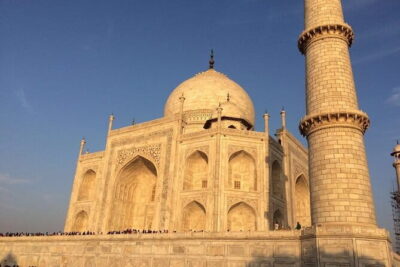
This is the day most people talk about—Taj Mahal at sunrise. The timing is the point: early light changes the Taj’s look, and you’re less likely to feel like you’re fighting crowds for decent photos. You’ll see it as a monument of love built by Mughal Emperor Shah Jahan in memory of Mumtaj Mahal, and the morning setting tends to make it feel more personal and less like a checklist item.
After Taj, you’ll visit a local artisans community focused on marble inlay work. This is one of those stops that can either feel touristy or genuinely interesting—your experience depends on how you approach it. If you pay attention, it helps you understand the craft behind the architecture you just saw.
Then you drive to Ranthambore National Park, with overnight in the park area. This transition is smart because it reduces the risk of arriving tired or late for a safari day. You’re positioning yourself for the morning hunt.

Day 5: Early Safari (06:00 to 10:30) and the Jaipur Switch
Ranthambore day starts early: safari begins at 06:00 and runs until 10:30. You’ll have that classic “be alert, stay quiet, and keep your eyes up” mindset. The point of the schedule is simple—wild animals are most active earlier, and the park operations tend to be structured around those windows.
Even beyond tigers, the safari can deliver sightings of other wildlife and lots of bird activity. The earlier you go, the more you’re likely to notice the smaller details—tracks, movement in brush, and quick flashes that you’d miss later.
After lunch, you drive to Jaipur and check in for the night. This is a long travel shift, but it keeps the trip flowing. You’re not just “doing wildlife then going home.” You’re moving into a cultural capital day by day.
Day 6: Jaipur Pink City—Fort Views, City Palace, Jantar Mantar, and Aarti at Govind Dev Ji
Jaipur day is built around variety: forts and palaces, plus a living religious moment. You’ll be taken for sightseeing including City Palace, Jantar Mantar, Govind Dev Ji temple (during Aarti), and Amber Fort. Amber Fort is the big visual anchor, and it’s the kind of place where you understand why people call Jaipur dramatic—stonework, views, and layered courtyards.
There’s also a stop at Jal Mahal (Water Palace) for pictures. It’s not always about entering every spot. Sometimes a good viewing stop is the right move, and Jal Mahal is often about that postcard reflection moment.
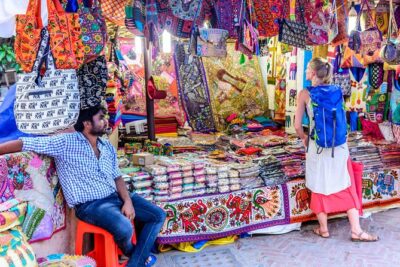
After lunch, you visit a block printing factory to learn about the local community and their work. This is a nice counterbalance to the stone-and-monument-heavy days. If you like crafts, you’ll appreciate seeing how designs become textiles and how the process supports local jobs.
Day 7: Wrap-Up in New Delhi and Fly Out With the Right Memories
On your final day, you’ll be transferred to Delhi International Airport in time for your onward flight. It’s a straightforward finish: you don’t tack on more sights, which I appreciate after a week that already includes sunrise Taj and an early wildlife safari.
By the end, your “best memory mix” should look like this: Delhi’s layered architecture, Agra’s iconic moments, Jaipur’s fort-and-craft contrast, and one morning in Ranthambore that could deliver a tiger sighting—or at least unforgettable wildlife viewing.
Price and Logistics: What Your $780 Really Covers (and What You’ll Plan For)
The price for this tour is listed at $780 per person for about 7 days. For that, you get air-conditioned transport, private transportation, the tour guide fee, all fees and taxes, and breakfast for 7 days. You also get pickup offered and a mobile ticket.
What’s not included is just as important: entrance fees for the monuments in the program, and various personal expenses like tips, laundry, drinks, and phone calls. Entrance fees are called out separately, so budget for tickets—especially on monument-heavy days like Delhi, Agra, and Jaipur.
Also note the practical reality of wildlife travel: even when safaris are scheduled, park operations can be affected by weather. The experience is described as requiring good weather, so you should pack flexibility into your mindset.
One more detail: admission ticket notes are inconsistent in the day-by-day format, but the overall policy clearly states monument entrances aren’t included. I’d treat that as your planning rule.
Who Should Book This Golden Triangle With Tigers
This is a strong match if you want two different kinds of travel satisfaction in one week: major monuments you can’t miss, plus a real attempt at seeing wildlife in Ranthambore.
You’ll likely enjoy it most if you:
- like structured days with a guide helping you prioritize
- don’t mind early starts (sunrise Taj and early safari)
- want private-group comfort rather than large coach-style chaos
It might not be ideal if you’re the type who wants everything unhurried, or if you’re hoping for a guaranteed tiger sighting. Wildlife is wildlife.
Should You Book This Tour?
If you’re weighing this against a standard Golden Triangle route, the tiger element is the differentiator. The trade-off is early mornings and the uncertainty of wildlife. If that uncertainty doesn’t bother you—and you’re okay budgeting for entrance tickets—this is a smart, high-value way to do North India in one tight, organized loop.
If you want a trip that feels like icons by day and something wilder by morning, book it. If you want guarantees and slow travel, look for a calmer option.
FAQ
What cities does the Golden Triangle with Tigers tour include?
You’ll visit New Delhi, Agra, Jaipur, and Ranthambore National Park as part of the 7-day route.
How long is the tour?
The duration is listed as 7 days (approx.).
What is the tour price?
The price is listed at $780.00 per person.
Does the tour include pickup from the airport?
Yes. The experience includes pickup offered, and Day 1 includes an escorted transfer from Delhi International Airport to your hotel.
Is a mobile ticket included?
Yes. The tour features mobile ticket.
What sightseeing is included in Delhi?
The Delhi sightseeing includes Birla Temple, Red Fort, Jama Mosque (with a rickshaw ride element), Raj Ghat, Humayun’s Tomb, and Qutab Minar, plus a drive past landmarks like India Gate and Parliament House.
What time is the Ranthambore safari scheduled?
The safari is scheduled for 06:00 am to 10:30 am.
Are monument entrance fees included?
No. The tour states that entrance fees of all the mentioned monuments are not included.
What’s included in the cost?
Included items are air-conditioned vehicle, private transportation, all fees and taxes, tour guide fee, and breakfast (7).
Is the tour affected by weather?
The experience requires good weather. If canceled due to poor weather, you’ll be offered a different date or a full refund.
More Tour Reviews in New Delhi
- Old & New Delhi City Tour – Half or Full Day Options Available
★ 5.0 · 4,811 reviews - Half Day Private Delhi City Tour
★ 5.0 · 4,474 reviews - Same Day Taj Mahal, Agra Fort & Baby Taj Tour from Delhi by Car
★ 5.0 · 4,304 reviews - Taj Mahal Day Tour from Delhi by Superfast Train – TOP RATED TOUR
★ 5.0 · 4,166 reviews - Delhi: Old and New Delhi Private Full or Half-Day Tour
★ 4.9 · 3,776 reviews
The Full Golden Triangle, More Options
- 3-Days Private Golden Triangle Tour: Delhi, Agra & Jaipur by Car
★ 5.0 · 1,107 reviews - 3-Days Private Golden Triangle Tour: Delhi, Agra & Jaipur by Car
★ 5.0 · 1,098 reviews - 3-Day Delhi, Agra and Jaipur Private Tour – India Golden Triangle
★ 5.0 · 812 reviews - Four-Day Private Luxury Golden Triangle Tour to Agra and Jaipur From New Delhi
★ 5.0 · 807 reviews - 5 Nights 6 Days Private Golden Triangle Tour – Delhi Agra Jaipur
★ 5.0 · 574 reviews
Just added: more New Delhi reviews to browse
- 4 days Golden Triangle Tour★ 5.0 · 3 reviews
- Discover Old & New Delhi: Private Tour with Street Food★ 5.0 · 3 reviews
- Taj Mahal Tour From Delhi By Private Car★ 4.5 · 3 reviews
- Golden Triangle Tour 5 Days★ 5.0 · 3 reviews
- Taj Mahal: Express Entry Ticket For Sunset Tour with guide★ 5.0 · 3 reviews
- Agra Taj Mahal Sunrise & Sunset Tour from Delhi★ 5.0 · 3 reviews
Golden Triangle Tours, compared.
 ★ 5.03-Days Private Golden Triangle Tour: Delhi, Agra & Jaipur by CarFrom $1271,107 reviews
★ 5.03-Days Private Golden Triangle Tour: Delhi, Agra & Jaipur by CarFrom $1271,098 reviews
★ 5.03-Days Private Golden Triangle Tour: Delhi, Agra & Jaipur by CarFrom $1271,107 reviews
★ 5.03-Days Private Golden Triangle Tour: Delhi, Agra & Jaipur by CarFrom $1271,098 reviews
 ★ 5.03-Day Delhi, Agra and Jaipur Private Tour – India Golden TriangleFrom $110812 reviews
 ★ 5.0Four-Day Private Luxury Golden Triangle Tour to Agra and Jaipur From New DelhiFrom $160807 reviews
 ★ 5.05 Nights 6 Days Private Golden Triangle Tour – Delhi Agra JaipurFrom $240574 reviews
 ★ 5.04 Days Golden Triangle TourFrom $146499 reviews
 ★ 5.0Private Car and Drive for Golden Triangle (4N/5D)From $167451 reviews
 ★ 5.0Private Golden Triangle Tour Delhi Agra Jaipur ( Top Rated )From $148436 reviews